Hotel Parco dei Principi di Sorrento
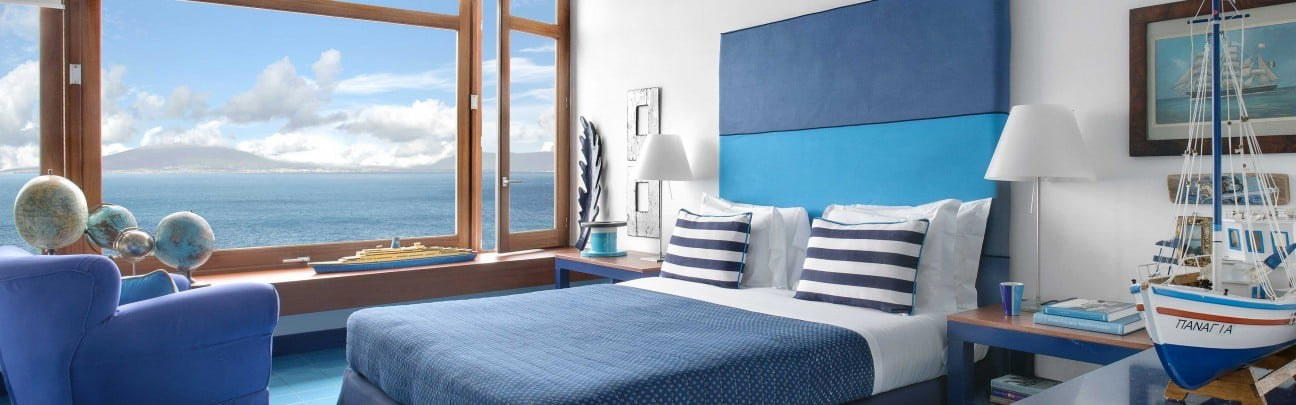
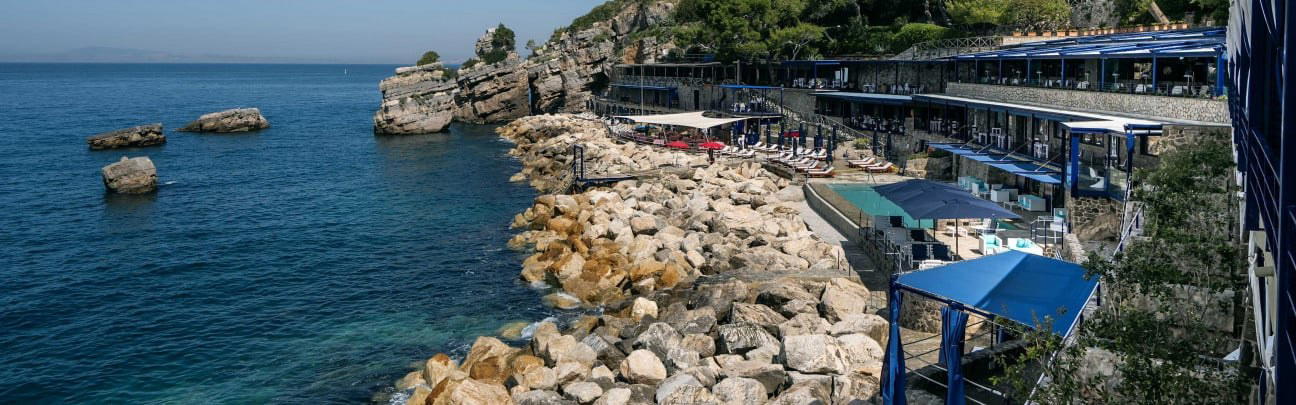
Set above the Sorrentine Peninsula in Sant'Agnello, Hotel Parco dei Principi di Sorrento occupies a position where the Gulf of Naples opens to the horizon and the gardens press close against historic stone. The property sits within a tradition of grand Campanian hospitality that places gardens and seaward views at the centre of the guest experience. It rewards visitors who approach the Amalfi corridor with a preference for quieter headland ground over the port bustle of central Sorrento.

Pearl is the En Primeur Club membership app — saves, bookings, and concierge access live there. Same editors, same standards.
- Address
- Via Bernardino Rota, 44, 80067 Sorrento NA, Italy
- Phone
- +39 081 878 4644
- Website
- hotelparcoprincipi.com
- Directions
- Get directions
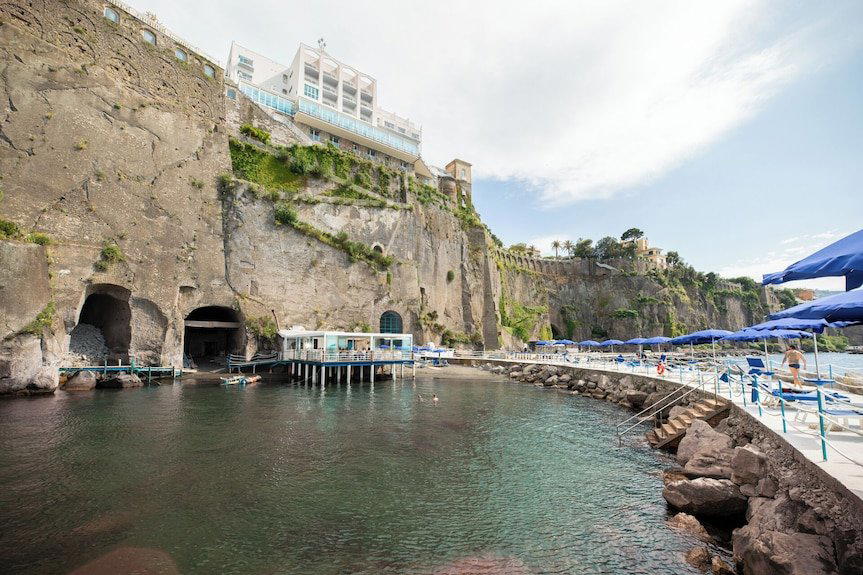
Where the Garden Meets the Gulf: Sant'Agnello's Clifftop Tradition
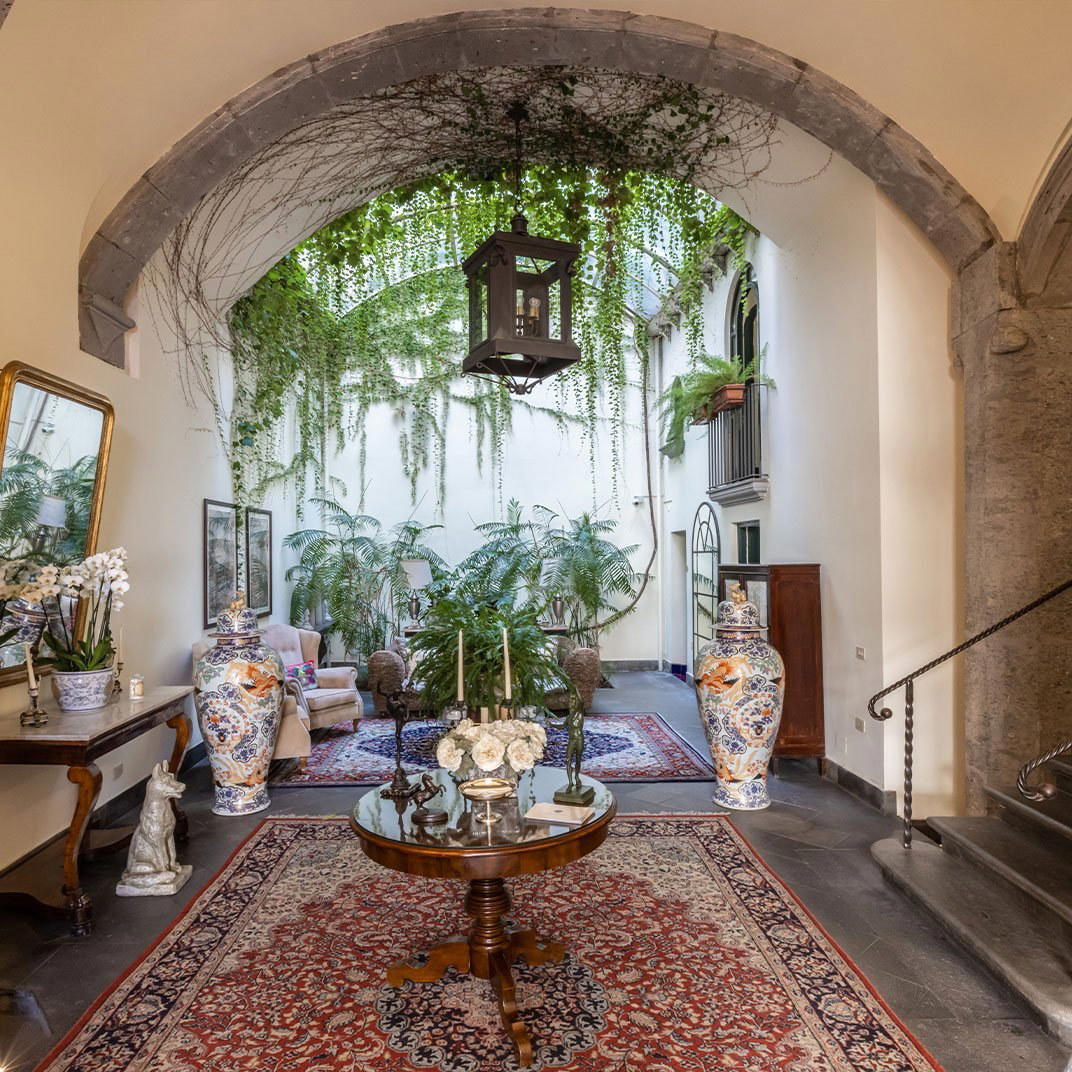
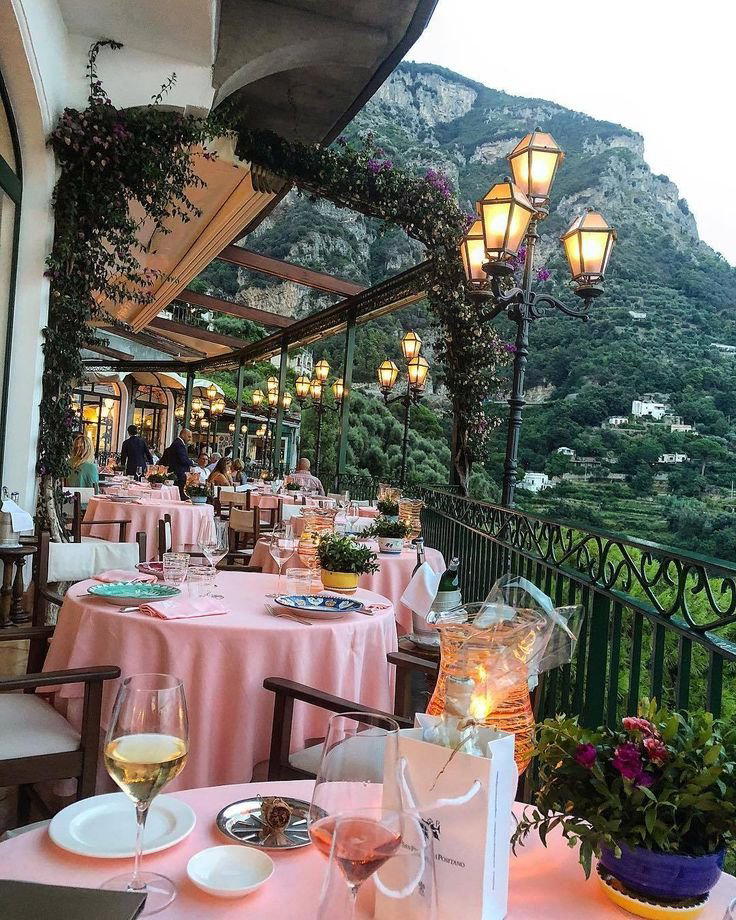
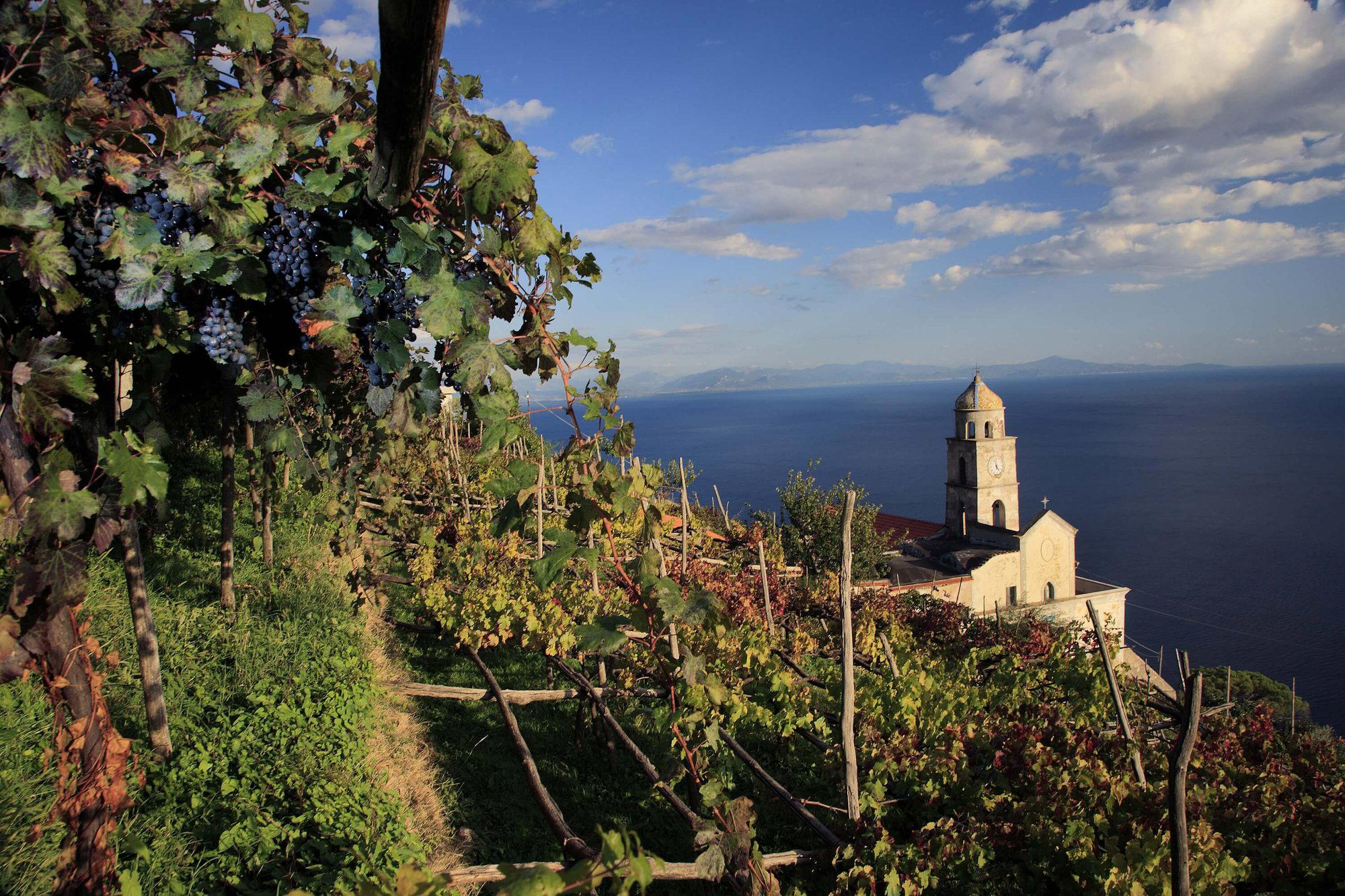
The Sorrentine Peninsula has been organising itself around its views for centuries. Before the grand hotels arrived in the nineteenth century, the promontories above the Gulf of Naples were the preserve of aristocratic villas whose orientation was always seaward, always refined. Hotel Parco dei Principi di Sorrento on Via Bernardino Rota, 44 in Sant'Agnello continues that spatial logic: the property positions itself where the land breaks toward the water and the garden becomes the threshold between architecture and open sky. This is a distinct physical grammar shared by the leading clifftop hotels of the Campania coast, and it sets the terms for everything that follows inside.
Sant'Agnello sits immediately northeast of Sorrento proper, which means it captures the same limestone-and-citrus atmosphere without the concentrated coach-tour traffic that presses through the centre on summer afternoons. For travellers approaching from Naples by Circumvesuviana train, the Sant'Agnello stop deposits you within a short walk of the Via Bernardino Rota address, making this a practical entry point before the descent toward the Amalfi Coast begins. Those driving from Rome typically enter the peninsula via the A3 autostrada toward Castellammare di Stabia, then follow the coastal route south, a journey that makes the arrival at a garden-fringed clifftop property feel earned.
The Physical Language of Campanian Grand Hotels
Italian coastal hotels of this generation and standing occupy a specific architectural position. They are not resort complexes in the northern European sense, nor are they boutique properties assembled from converted palazzi. They belong instead to a category that accumulated prestige across the mid-to-late twentieth century by combining formal garden design with period architecture and panoramic terraces as primary public spaces. The garden at Hotel Parco dei Principi di Sorrento is not ornamental backdrop; it is structural to how the property functions. Guests move through planted grounds to reach viewpoints, breakfast terraces, and the pool area in a sequence that keeps the natural setting continuously in frame. This approach to spatial organisation places the property in direct conversation with other peninsula hotels where the transition from interior to exterior is the defining guest experience rather than an afterthought.
The Sorrentine cliff hotel format differs meaningfully from the approach taken at, say, Il San Pietro di Positano in Positano, where the architecture is embedded vertically into the rock face, or from Borgo Santandrea on the Amalfi Coast, which opens onto a private beach. The Sant'Agnello model keeps guests at elevation, using height and garden depth as its principal spatial assets. You are above the water rather than beside it, which produces a different quality of light and a different relationship to the bay.
Position Within the Italian Luxury Hotel Conversation
Italy's premium hotel market has bifurcated noticeably over the past decade. On one side sit the internationally branded flagships: properties like Four Seasons Hotel Firenze in Florence, Bulgari Hotel Roma in Rome, or Aman Venice, which carry group infrastructure and global loyalty programmes. On the other sit the independently operated grand hotels, whose authority derives from longevity, local rootedness, and a sense that the property has accumulated rather than been designed. Hotel Parco dei Principi di Sorrento sits in the second category. Its identity is not constituted by a brand framework but by the specificity of its site and the tradition it continues.
For travellers building a southern Italian itinerary that also includes the Amalfi towns, the property functions as a useful staging point. JK Place Capri is a short ferry crossing from Sorrento's port, and the hydrofoil connections make a Capri day trip direct for guests based in Sant'Agnello. Travellers moving further up the coast toward Naples can connect to the wider Campanian circuit. Those comparing clifftop properties against lake or hill alternatives might weigh this against Grand Hotel Tremezzo on Lake Como or EALA My Lakeside Dream on Lake Garda: all three share the refined-terrace-over-water format, but only the Campanian version gives you the bay of Naples as the backdrop, with Vesuvius anchoring the northern horizon.
The Sorrentine Peninsula also attracts visitors extending a broader Italian cultural itinerary. Properties like Bellevue Syrene 1820 in Sorrento occupy the same geographic corridor and present a comparable period-hotel sensibility, giving travellers a meaningful choice between adjacent properties in the same tradition. Castel Fragsburg in Merano and Forestis Dolomites in Plose represent the northern Italian variant of the refined clifftop hotel model: same spatial logic of height-as-amenity, different ecological vocabulary. The Sorrentine version is distinguished by the Mediterranean light, the lemon groves that press into the gardens, and the sea that is always, at every elevation, present.
Timing, Season, and the Campanian Calendar
The Gulf of Naples operates on a clear seasonal rhythm. May and early June offer the peninsula at its most navigable: the gardens are in full scent, the ferry routes to Capri and Positano run at full frequency, and the coastal roads have not yet reached their July and August saturation. September and early October reclaim much of the same atmosphere, with the summer crowds retreating but the water temperature holding. Travellers who arrive in these shoulder months find a Sorrento that functions more as a working town than a tourist terminal, and properties like Hotel Parco dei Principi di Sorrento read differently in that context: less resort, more residence.
For those building an extended southern Italy programme, the logical pairing is a few nights on the Sorrentine Peninsula before moving south along the Amalfi Coast or crossing to the islands. Combining the Sant'Agnello base with Borgo Santandrea covers two distinct coastal typologies without backtracking. Further afield, travellers drawn to the inland Campanian tradition might add Borgo Egnazia in Puglia to the itinerary, which represents the southern Italian rural-resort format in contrast to the coastal cliff model. Full Sant'Agnello dining and neighbourhood context is covered in our full Sant'Agnello restaurants guide.
Comparison Snapshot
| Venue | Price | Awards |
|---|---|---|
| Hotel Parco dei Principi di SorrentoThis venue — the venue you are viewing | $300–500 | Not listed |
| Aman Venice | $1,000–1,500 | 3 Michelin Keys · World's 50 Best #79 |
| Cipriani, A Belmond Hotel, Venice | $750–1,000 | 3 Michelin Keys · World's 50 Best #72 |
| Four Seasons Hotel Firenze | $750–1,000 | 3 Michelin Keys · World's 50 Best #12 |
| Rosewood Castiglion Del Bosco | $1,000–1,500 | 3 Michelin Keys · World's 50 Best #62 |
| Bulgari Hotel Roma | Not listed | 3 Michelin Keys · World's 50 Best #32 |
Continue exploring
More in Sant'Agnello
Hotels in Sant'Agnello
Browse all →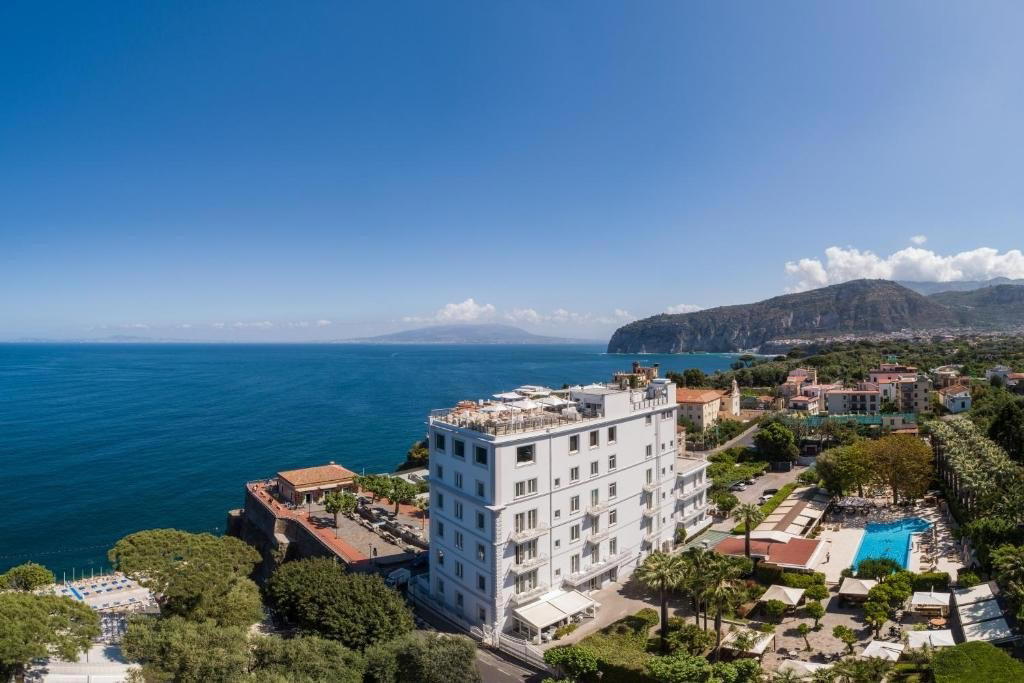
Bars in Sant'Agnello
Browse all →
Restaurants in Sant'Agnello
Browse all →

Details
- Elegant
- Sophisticated
- Scenic
- Classic
- Honeymoon
- Romantic Getaway
- Anniversary
- Beachfront
- Infinity Pool
- Panoramic View
- Terrace
- Pool
- Spa
- Fitness Center
- Room Service
- Concierge
- Wi Fi
- Private Beach
- Waterfront
- Garden
- Mountain
- Wheelchair Accessible
- Elevator
- Accessible Parking
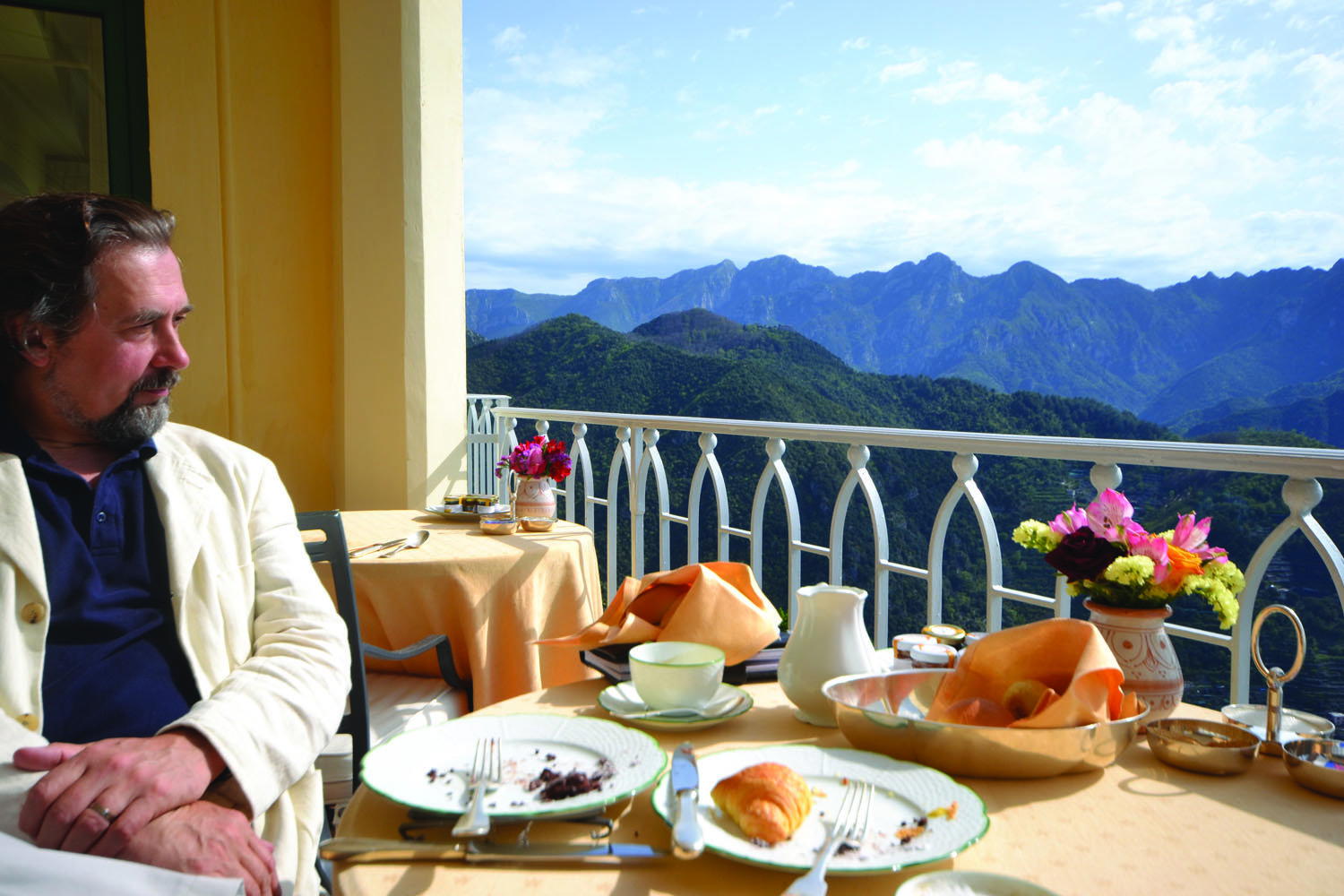
Sophisticated minimalist atmosphere with azure majolica tiles, high ceilings, and serene sea and garden views.