
A 17th-century Baroque palace on Vilnius Old Town's central axis, Hotel Pacai threads four centuries of Lithuanian history through 104 rooms that balance original parquet floors and hand-painted frescoes with a restrained contemporary palette. At $179 per night, it sits in a tier where the architecture does most of the work — and here, that work is considerable.
Pearl is the En Primeur Club membership app — saves, bookings, and concierge access live there. Same editors, same standards.
- Address
- Didžioji g. 7, 01128 Vilnius
- Phone
- +370 5 277 0000
- Website
- hotelpacai.com
- Directions
- Get directions
 Saves & bookings on Pearl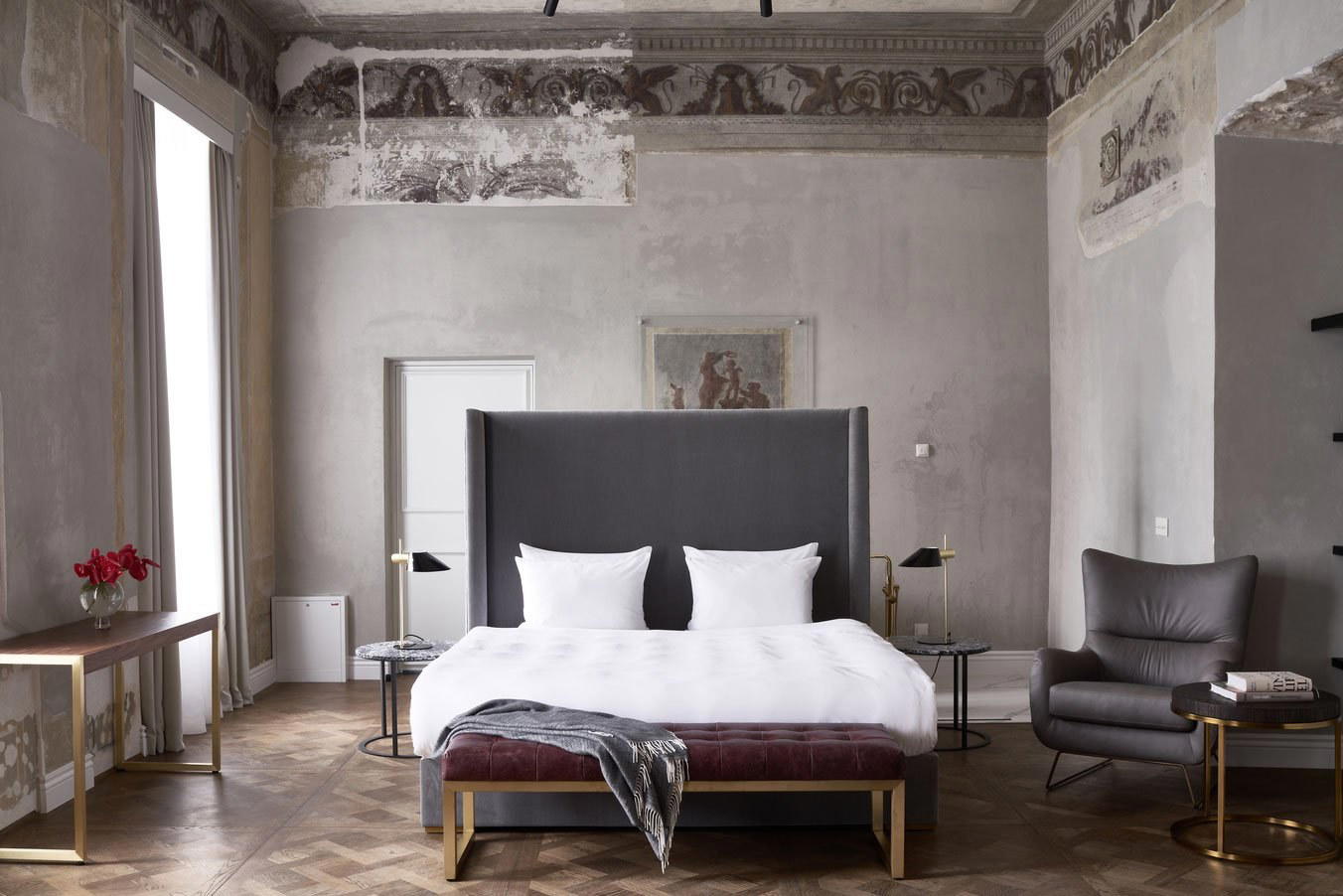
Where the Architecture Is the Argument
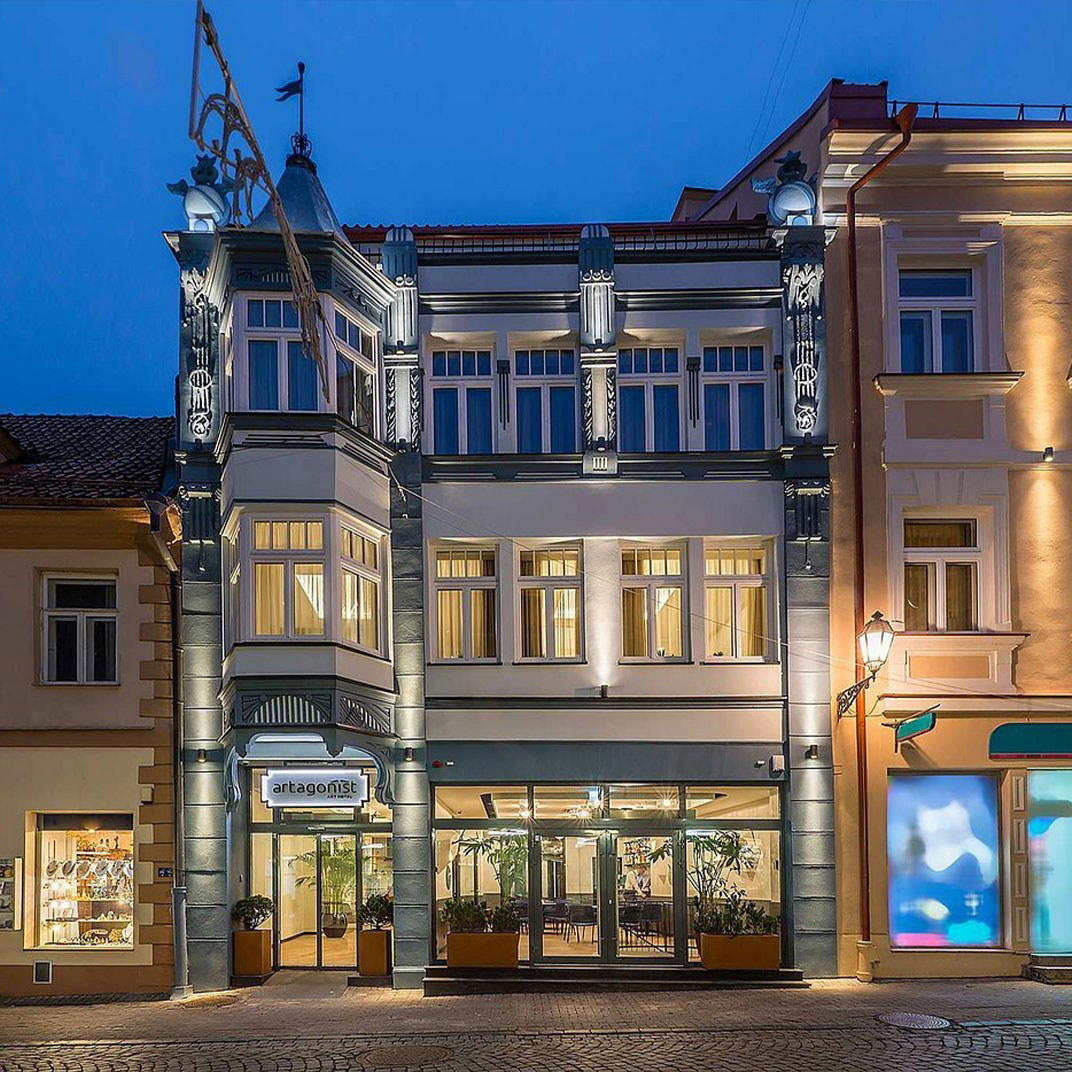
Didžioji Street is one of the Old Town's principal arteries, running through the dense Baroque quarter that gives Vilnius its architectural character. To arrive at Hotel Pacai is to approach a building that has absorbed more history than most cities accumulate in total: a 15th-century noble residence expanded into a Baroque palace complex in the 17th century, later occupied during Napoleon's march westward, then shaped and reshaped through the Soviet period before passing into independent Lithuania's stewardship. The exterior reads as a statement about this city's compressed, layered past. What happens once you step through is more interesting still.
The restoration here belongs to a category of adaptive reuse that is harder to execute than new-build luxury. The temptation in projects like this is to smooth everything into contemporary hospitality neutrality, erasing evidence of prior lives in favour of uniform finish. Hotel Pacai has made the opposite choice. Original parquet floors remain underfoot, their creak and grain unmasked. Centuries-old wooden joists are visible where later plaster has been carefully peeled back. Hand-painted frescoes surface on ceiling sections that a less considered renovation would have sealed behind drywall. The building is the content, and the design team understood that the job was to curate rather than override.
The 104-Room Question: Scale and Intimacy in Baroque Space
With 104 rooms, Hotel Pacai sits at an interesting scale point in the Old Town accommodation tier. It is large enough to maintain consistent operational standards across public spaces and food and beverage, yet contained enough that the building's proportions never feel overwhelmed by guest volume. Comparable properties in the European heritage-hotel category — think the adaptive reuse approaches seen at HOTEL THE MITSUI KYOTO in Kyoto or the Baroque-inflected grandeur of Hotel Sacher Wien in Vienna — tend to read their physical context as the primary guest proposition, with contemporary service layered onto that foundation. Hotel Pacai operates from the same logic.
The guest rooms themselves reflect a design decision worth examining. Raised ceilings and recessed lighting do much of the atmospheric work, creating a sense of vertical space that most contemporary hotel rooms in purpose-built properties cannot replicate. The palette is built around black and white, which in a lesser execution can read as cold or fashion-forward in a way that dates quickly. Here, natural textures and curated local artworks absorb the starkness, and the historical bones of the building provide enough warmth that the minimalism reads as restraint rather than austerity. The rooms feel modern and grounded simultaneously, which is the exact tension this kind of property must maintain.
Public Spaces as Evidence of Editorial Discipline
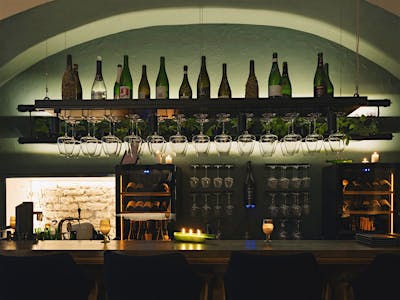
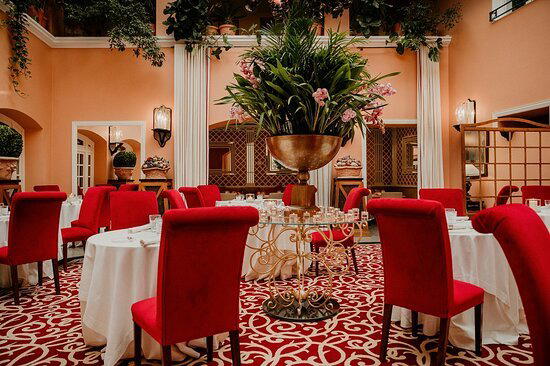
What distinguishes well-executed heritage hotels from those coasting on provenance is usually the quality of their public spaces. A period facade with a generic hotel lobby behind it tells the guest immediately that the architectural pedigree is decorative rather than operational. Hotel Pacai's public spaces maintain the discipline of the guest rooms: a cocktail bar with atmosphere that earns the adjective, a restaurant with a reputation in Vilnius's food scene, spa treatment rooms that draw on the building's spatial quality rather than fighting against it, and a courtyard that functions as outdoor hospitality rather than an afterthought.
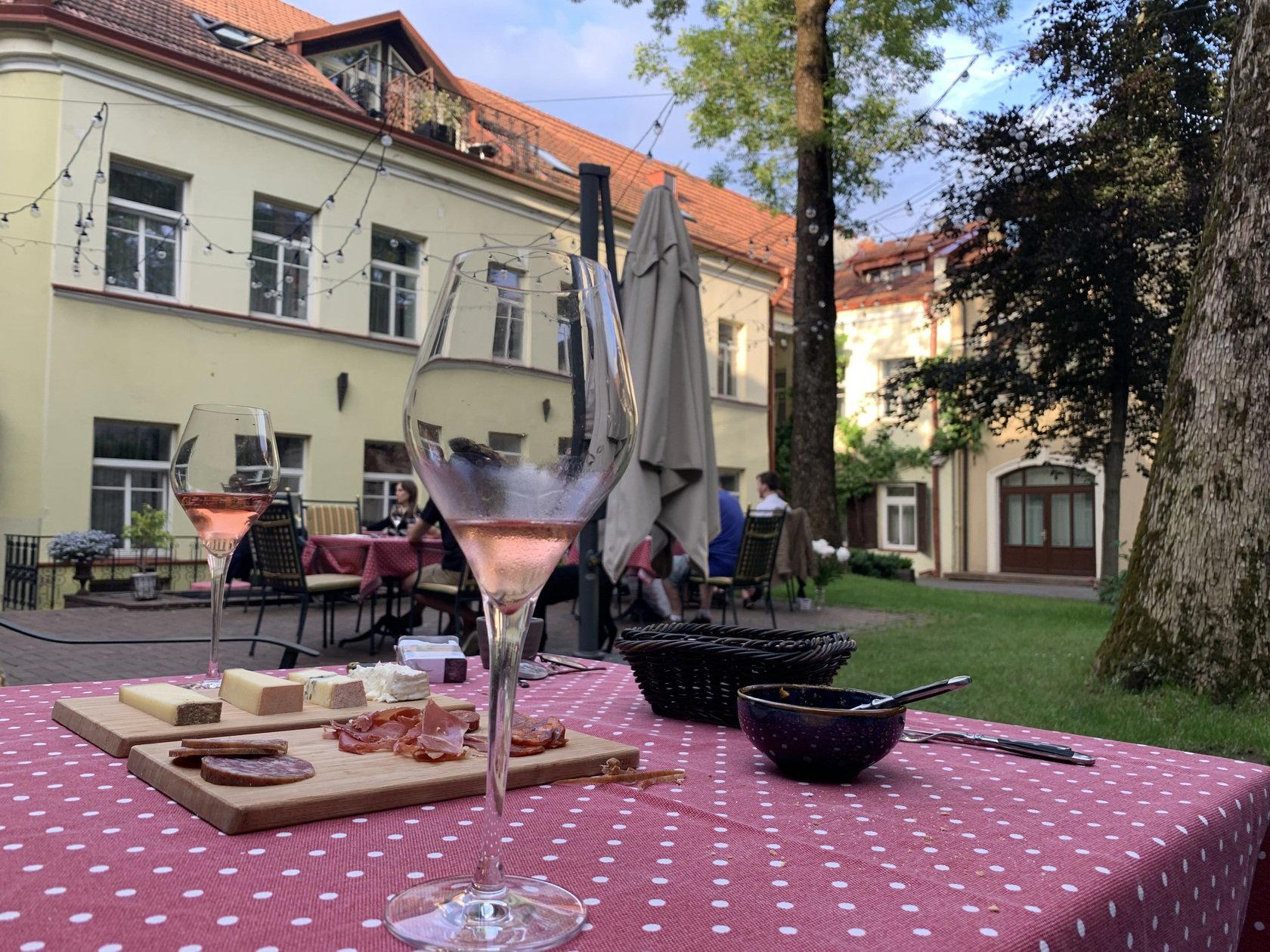
The courtyard in particular is worth noting as a feature that Old Town properties elsewhere in the Baltics rarely deploy as effectively. Enclosed by the palace's historic wings, it offers summer use that sidesteps the street-facing noise of Didžioji while remaining in the heart of the old city. Under Baltic skies in the colder months, it carries a different character but does not simply close. This kind of seasonally calibrated outdoor programming is a marker of a property that thinks carefully about how guests move through and inhabit the space over time.
Positioning Within Vilnius's Old Town Hotel Tier
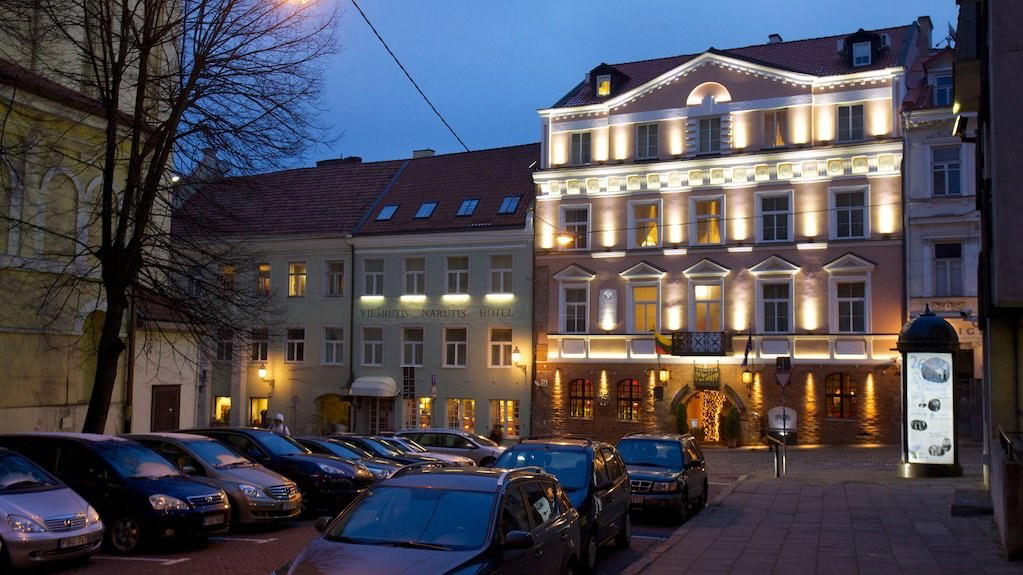
Vilnius's luxury accommodation tier is still maturing relative to more established Central European capitals. The Old Town concentrates the city's heritage-positioned properties, and Hotel Pacai occupies a design-forward position within that group. NARUTIS Hotel and Stikliai Hotel represent the Old Town's other established options in this tier, each with their own historical context and positioning. Those looking for a resort-format stay outside the city can consider Vilnius Grand Resort, while travellers extending into the Lithuanian countryside will find Esperanza Lake Resort in Trakai and Reja in Klaipėda as natural extensions of a Baltic itinerary.
At $179 per night, Hotel Pacai prices at a point that makes it accessible within its category without abandoning the premium positioning that a building of this quality demands. For comparison, heritage-palace hotels in better-travelled European cities command multiples of this rate for comparable architectural credentials: Cheval Blanc Paris, Le Bristol Paris, or Hotel Plaza Athénée in Paris each operate in a price tier that reflects what established demand and brand recognition command. Vilnius has not yet reached that pricing ceiling, which means that guests who understand what they are looking at get a rate that the property's architectural content would not justify in Prague or Vienna. That gap will close as the city's tourism profile develops.
For travellers oriented toward design-led properties in the same global tier, the comparison set extends further: Castello di Reschio in Lisciano Niccone operates from comparable adaptive-reuse logic in an Umbrian context, while the integrated urban heritage approach of Aman Venice shows what properties with this much architectural material can command when the city has fully established its luxury tourism infrastructure.
The Case for Old Town as a Base
Hotel Pacai's position at Didžioji g. 7 places it on the route connecting Cathedral Square to the Užupis quarter, which means the majority of Vilnius's primary historic sites are within walking distance. The Old Town's pedestrian-friendly core is compact enough that the hotel functions as a genuine base rather than a compromise location. For a fuller sense of what the city's food scene offers around and beyond the hotel's own restaurant, our full Vilnius restaurants guide maps the current dining picture across neighbourhoods.
Booking is available directly through the hotel. The 104-room capacity means availability is generally less constrained than at smaller boutique properties in the same city tier, but peak summer and major festival periods around the Old Town fill quickly across all of Vilnius's accommodation stock.
How Hotel Pacai Vilnius compares with similar nearby venues.
| Venue | Awards |
|---|---|
| Hotel Pacai | 2026 Design Hotels Member - Hotel Pacai |
Recognition history
Dated appearances from independent guides and award organizations, with the underlying list record or original source where available.
Design Hotels Member
Design Hotels
Continue exploring
More in Vilnius
Hotels in Vilnius
Browse all →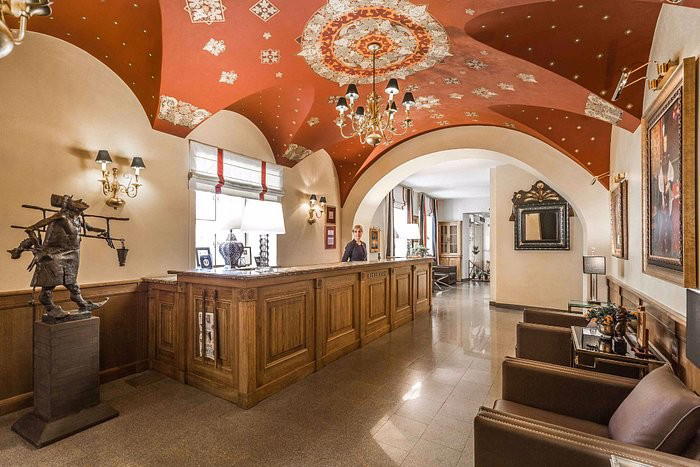
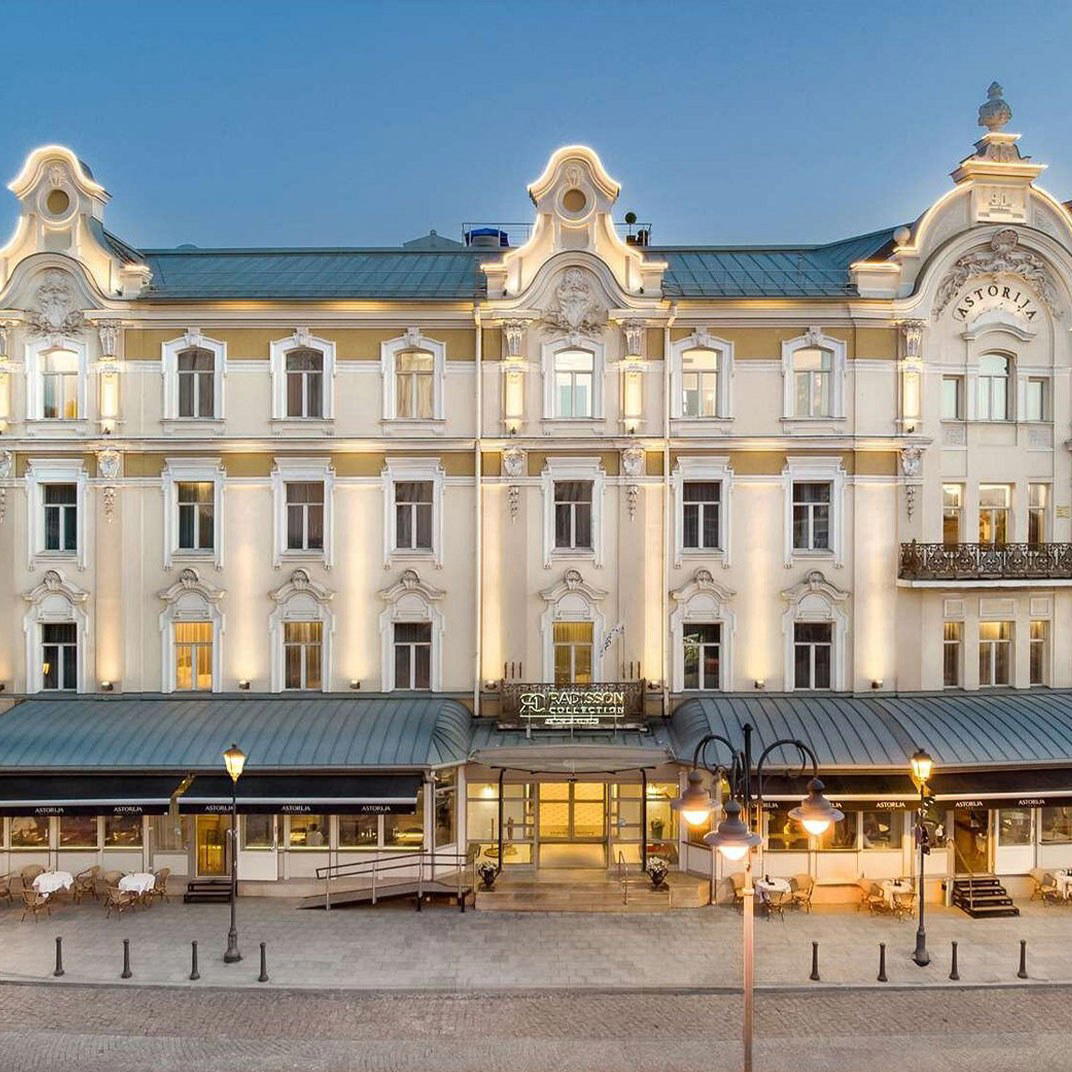
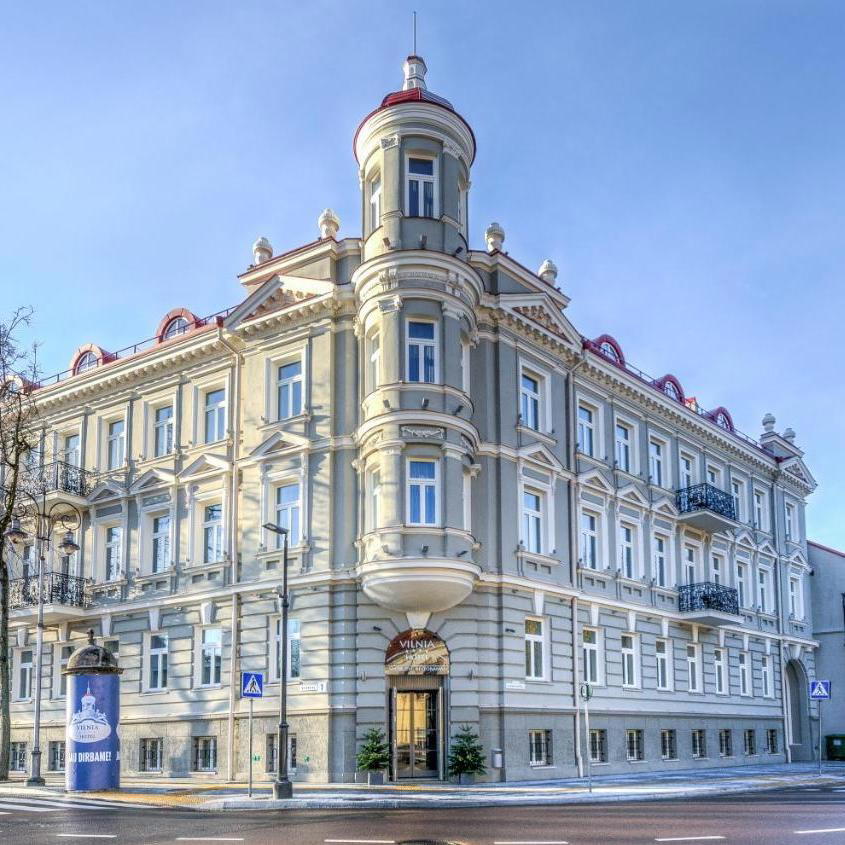
Bars in Vilnius
Browse all →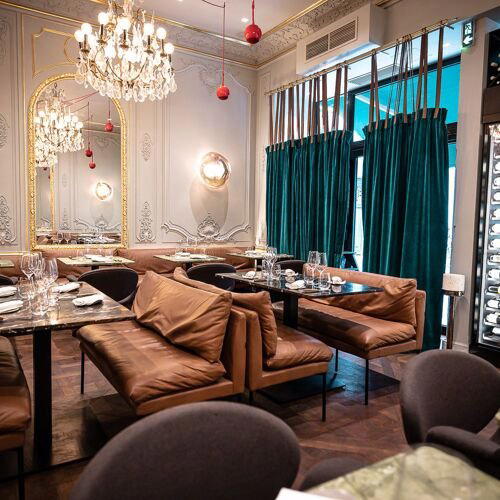
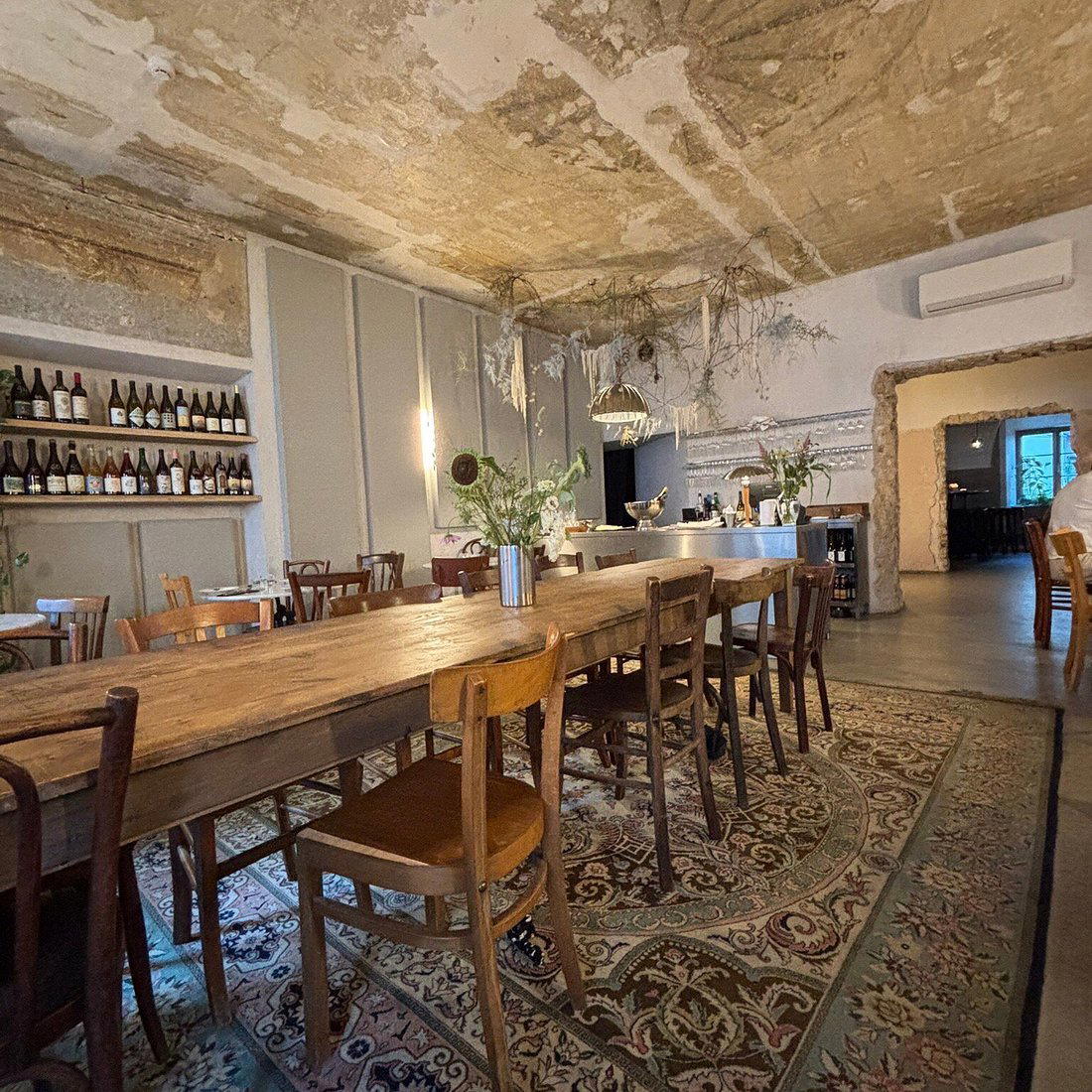
Restaurants in Vilnius
Browse all →
At a Glance
- Elegant
- Sophisticated
- Historic
- Ornate
- Romantic Getaway
- Anniversary
- Business Trip
- Historic Building
- Terrace
- Spa
- Sauna
- Fitness Center
- Room Service
- Concierge
- Restaurant
- Business Center
- Valet Parking
- Street Scene
- Spa
- Sauna
- Fitness Center
- Room Service
- Concierge
- Restaurant
- Business Center
- Valet Parking
Refined black-and-white palette with raised ceilings, recessed lighting, soft deep tones, and elegant materials creating a relaxing, sophisticated atmosphere.
Know Before You Go
- Getting there
- Didžioji g. 7, 01128 Vilnius