Hotel Lucile
Hotel Lucile enters a Los Angeles hotel scene split between old-guard privacy, Beverly Hills polish, West Hollywood theatre, and smaller stays that depend on service rhythm rather than scale. With public details limited, the intelligent read is comparative: judge it by how clearly it handles arrival, room matching, local guidance, and follow-through in a city where logistics shape the stay as much as design.

Pearl is the En Primeur Club membership app — saves, bookings, and concierge access live there. Same editors, same standards.
- Address
- Los Angeles, United States
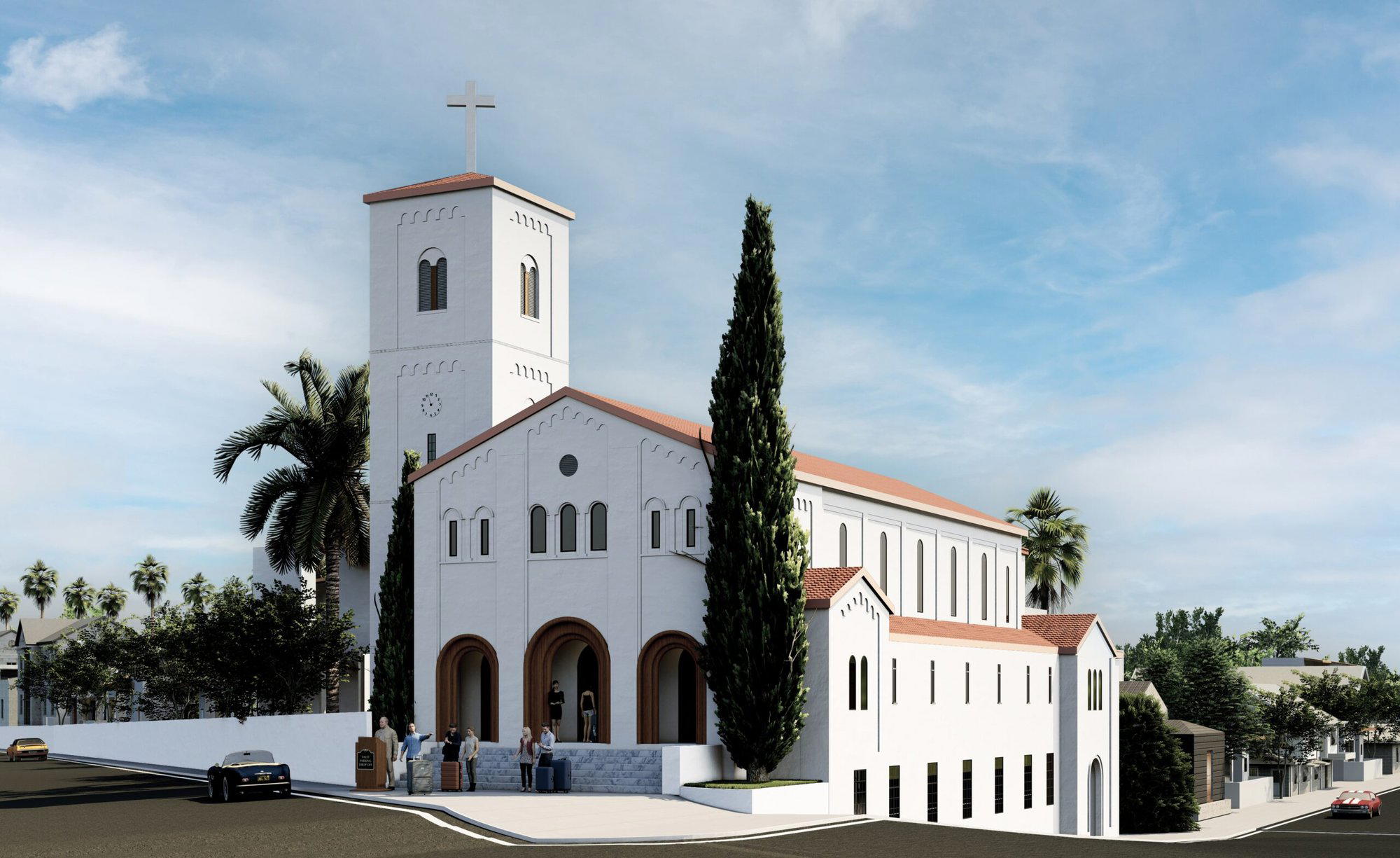
Arrival, service, and the Los Angeles test
Los Angeles hotels reveal themselves before the lobby. The first impression is the curb, the traffic pattern, the handoff from car to door, and the way staff handle a guest who has just crossed a city that can turn a short transfer into a negotiation with time. Hotel Lucile belongs in that context first. The useful question is sharper: how should a serious traveller read a Los Angeles hotel when the usual public signals are thin?
In this city, service philosophy carries unusual weight because the guest experience is shaped by movement. A hotel can have polished rooms and still fail if staff cannot advise on dinner timing, neighbourhood routing, valet cadence, or the difference between a 20-minute ride at noon and a 50-minute ride after a screening or gallery opening. The stronger Los Angeles properties understand that hospitality is often anticipatory rather than ceremonial. They do not simply greet; they prevent friction. That is the standard against which Hotel Lucile should be considered.
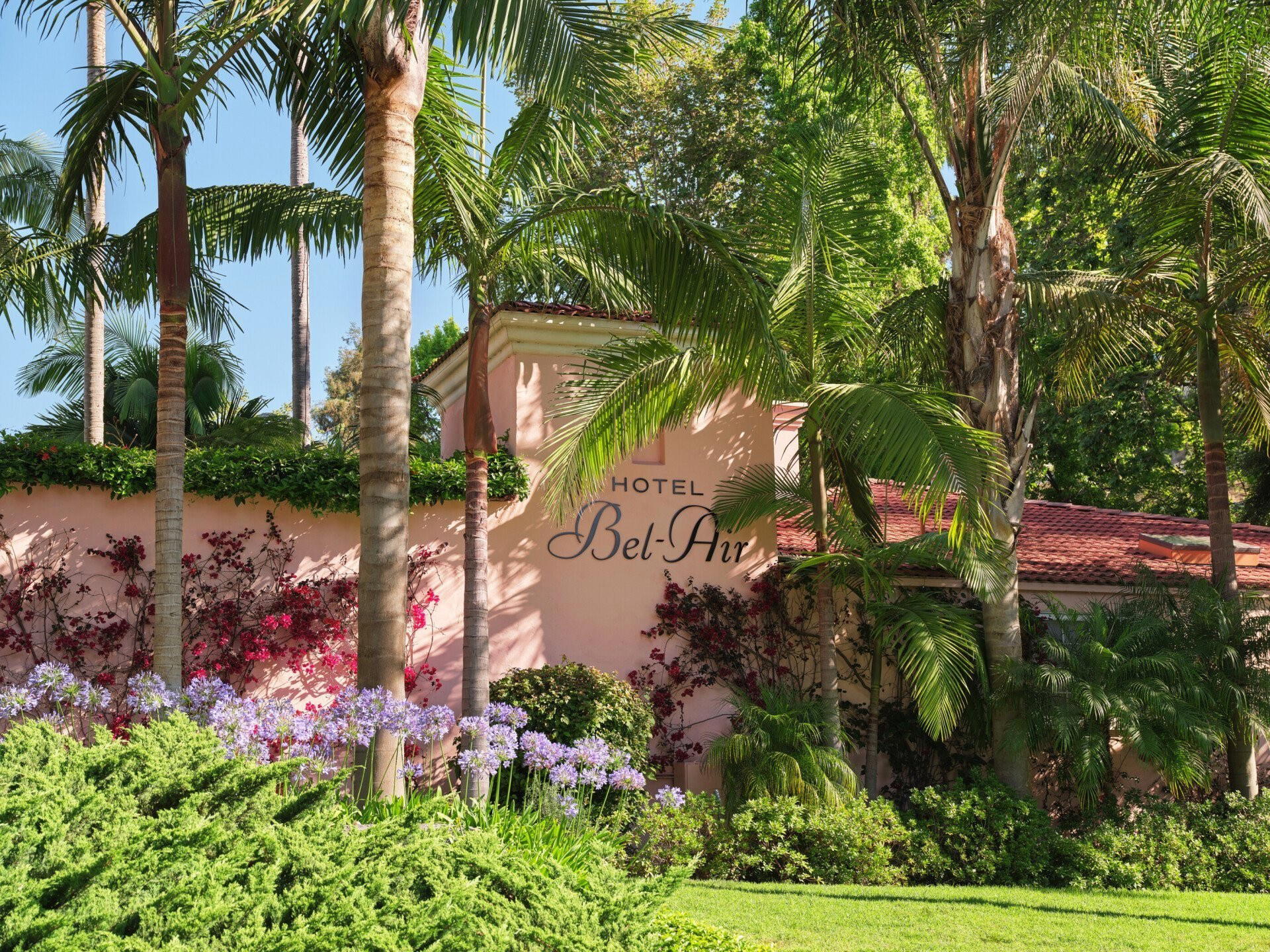
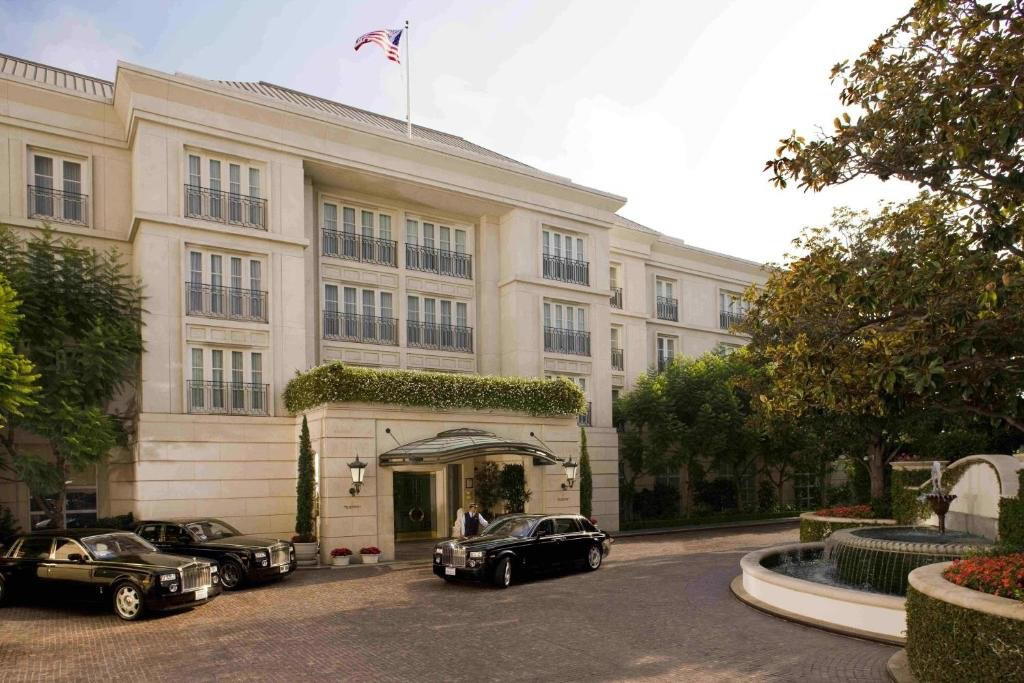
The competitive field is unusually segmented. Old Hollywood seclusion is represented by Hotel Bel-Air and Chateau Marmont. Beverly Hills has its own grammar of formality, visible at The Beverly Hills Hotel, The Maybourne Beverly Hills, The Peninsula Beverly Hills, and L'Ermitage Beverly Hills. Downtown and West Hollywood tell different stories through Downtown LA Proper Hotel and The Sun Rose West Hollywood. Hotel Lucile has to be read against those established categories rather than in isolation.
Why staff culture matters more in Los Angeles than in denser hotel cities
In Paris, Tokyo, or New York, a guest can often correct a weak hotel recommendation by walking two blocks and finding another option. Los Angeles is less forgiving. A poor dinner suggestion can mean a cross-town mistake. A vague bar recommendation can strand a guest in the wrong neighbourhood. A late housekeeping rhythm can collide with car-dependent schedules. The city turns service from a soft luxury into operational infrastructure.
Does the team understand which restaurant bookings require longer transfer buffers? Can they distinguish between a hotel that suits a studio meeting, a gallery weekend, or a quiet residential stay? Do they give neighbourhood advice with precision rather than generic enthusiasm? Those answers matter more than adjectives, and they are the practical markers that separate a polished Los Angeles stay from a merely attractive one.
The wider city infrastructure reinforces the point. Dining research should be cross-checked through Our full Los Angeles restaurants guide, while hotel comparisons sit more naturally in Our full Los Angeles hotels guide. Serious drinkers should map evenings through Our full Los Angeles bars guide, and wine-led itineraries can extend through Our full Los Angeles wineries guide. For culture, private access, and hosted formats, Our full Los Angeles experiences guide is the companion resource. Hotel service should connect these strands without making the guest do all the stitching.
The room decision should follow the itinerary, not the fantasy
Los Angeles often punishes romantic hotel planning. The room that sounds right in the abstract may be wrong for the trip. A guest working across Beverly Hills, West Hollywood, and Santa Monica needs different hotel support from a guest focused on Downtown museums, Arts District dining, or Hollywood meetings. Since the available Hotel Lucile record does not provide room categories, square footage, rates, views, or design details, no responsible room hierarchy can be named here. The better approach is to match the room request to use: sleep quality, workspace, light control, luggage space, and the likelihood of daytime returns between appointments.
This is where service philosophy becomes measurable. A strong reservations team should ask how the guest plans to use the city, not simply quote available categories. Travellers who will spend days in meetings need quiet and functional space. Travellers building a food-led itinerary need a team that can coordinate early departures, later returns, and realistic travel times. Guests arriving from international flights need arrival handling and room readiness communication more than elaborate descriptions. In Los Angeles, personalisation is not performative when it reduces avoidable missteps.
Comparison helps. The privacy-first model of Hotel Bel-Air is not the same as the social charge around Chateau Marmont. The Beverly Hills set offers proximity to retail, medical, entertainment, and dining circuits that differ from Downtown LA Proper Hotel’s cultural and architectural context. The Sun Rose West Hollywood sits in a corridor where nightlife and entertainment access carry more weight. Hotel Lucile’s value will depend on which of these use cases it answers, and travellers should press for specifics before committing.
Dining and bar expectations: ask what the hotel can actually arrange
No cuisine type, chef name, restaurant format, bar programme, signature dishes, or hours are listed in the available Hotel Lucile record. That absence matters. In a city with deep restaurant density, the hotel’s dining role should not be assumed. Some Los Angeles hotels function as full dining anchors; others are better used as calm bases for restaurant-heavy travel. The correct strategy is to ask what is on property, what requires advance planning, and what the staff can credibly arrange nearby.
The broader Los Angeles dining scene has become more geographically demanding. A stay can orbit Beverly Hills dining one night, Thai Town or Koreatown another, and a tasting menu or wine bar across town the next. A hotel team that understands these distances, opening patterns, and booking pressure gives the guest a material advantage. A team that relies on generic neighbourhood lists does not. For Hotel Lucile, the meaningful test is not whether the property uses fashionable culinary language; it is whether staff can translate the city into a workable evening.
That includes knowing when not to over-schedule. Los Angeles rewards looser planning around traffic, screening times, private events, and restaurant pacing. The hotel that can advise a guest to keep one night close, one night destination-led, and one night flexible is providing real service. The hotel that treats every recommendation as equal is not.
How Hotel Lucile fits the smaller-hotel question
American luxury hotels have split into several lanes. Some properties signal scale, brand machinery, and a broad amenity stack. Others depend on narrower identity: fewer public claims, more reliance on atmosphere, staff judgment, and guest fit. It can, however, be evaluated through the questions that matter for a smaller or less publicly documented property.
The first question is transparency. A guest should be able to confirm location, access, booking route, room categories, rate conditions, and arrival procedure before travel. The second is consistency. Smaller hotels can feel personal when staff communication is disciplined; they can feel improvised when it is not. The third is neighbourhood fluency. In Los Angeles, a hotel’s area is not background. It determines mornings, dinners, meetings, and the emotional pace of the stay.
For travellers comparing beyond California, useful contrasts include The Fifth Avenue Hotel in New York City, where density changes how guests use the city, and Raffles Boston in Boston, where walkability and civic scale create a different service rhythm. Remote and resort-led properties such as Amangiri in Canyon Point, Kona Village, A Rosewood Resort in Kailua Kona, and Sage Lodge in Pray solve the guest experience through containment and setting. Los Angeles solves it through orchestration.
Planning a stay with limited public information
Confirm the exact location before building the itinerary. Ask how arrivals are handled, especially if landing at peak traffic hours. Request written confirmation of room type, taxes, fees, cancellation terms, and any dining or bar availability. If the stay is tied to restaurant bookings, screenings, meetings, or gallery appointments, share those anchors with the hotel team and evaluate the precision of the response.
This is not excessive caution; it is how Los Angeles works. The city rewards advance clarity and penalizes vague assumptions. A hotel without easily verified public logistics may still be the right choice, but it should earn that confidence through communication. Fast, specific answers are a service signal. Slow or generic replies are also a signal.
Travellers building a California-heavy itinerary can compare service models across wine and countryside properties such as SingleThread Farm Inn in Healdsburg and Auberge du Soleil in Napa, where dining, landscape, and stay are more tightly fused. East Coast rural hospitality at Troutbeck in Amenia offers another contrast: slower pacing, less dependence on car choreography, and a different kind of staff attentiveness. European grand hotels such as Hôtel de Paris Monte-Carlo in Monte Carlo, Badrutt's Palace Hotel in St. Moritz, and Aman Venice in Venice operate with more historically legible codes. Los Angeles is less formal and more situational; the guest has to test the system before arrival.
Editorial verdict
Hotel Lucile should be treated as a Los Angeles service question rather than a conventional luxury checklist. That does not make the property irrelevant; it makes the evaluation more dependent on direct confirmation and fit.
The strongest case for considering it is for travellers who value a smaller, more personal hotel experience and are willing to verify logistics before building the trip around it. The weaker case is for guests who need fully transparent public information, published amenities, formal ratings, or an obvious peer position before deciding. In Los Angeles, confidence comes from precision. If Hotel Lucile’s team answers location, arrival, room, and itinerary questions with speed and detail, that response will say more about the likely stay than any borrowed language of luxury.
Comparable Venues Nearby
Comparable venues nearby, for context on price, style, and recognition.
| Venue | Cuisine | Price | Awards | Notes |
|---|---|---|---|---|
| Hotel LucileThis venue — the venue you are viewing | Intimate urban boutique hotel set in a preserved 1930s church, positioned as a stylish neighborhood hub in Silver Lake. | $300–500 | Not listed | Not listed |
| Palihotel Westwood Village | Neighborhood boutique hotel with highly-stylized, fun and approachable accommodations. | Not listed | Michelin Selected | Westwood Village |
| Hotel Normandie LA | Historic boutique hotel with Spanish Colonial and Renaissance Revival accents. | Not listed | Not listed | Wilshire Center |
| Bonaventure Brewing Co. | rooftop brewery event space | Not listed | Not listed | Financial District |
| Gold Diggers | Modern bed-and-beverage concept reviving a 1924 historic inn-above-tavern with contemporary hospitality and music industry focus. | $100–200 | Michelin Selected · Mr & Mrs Smith Seal of Approval | East Hollywood |
| Burton House Beverly Hills | Contemporary lifestyle boutique hotel with a polished residential feel and strong sense of Beverly Hills place-making. | $200–300 | Not listed | Westside / near Beverly Hills |
Continue exploring
More in Los Angeles
Hotels in Los Angeles
Browse all →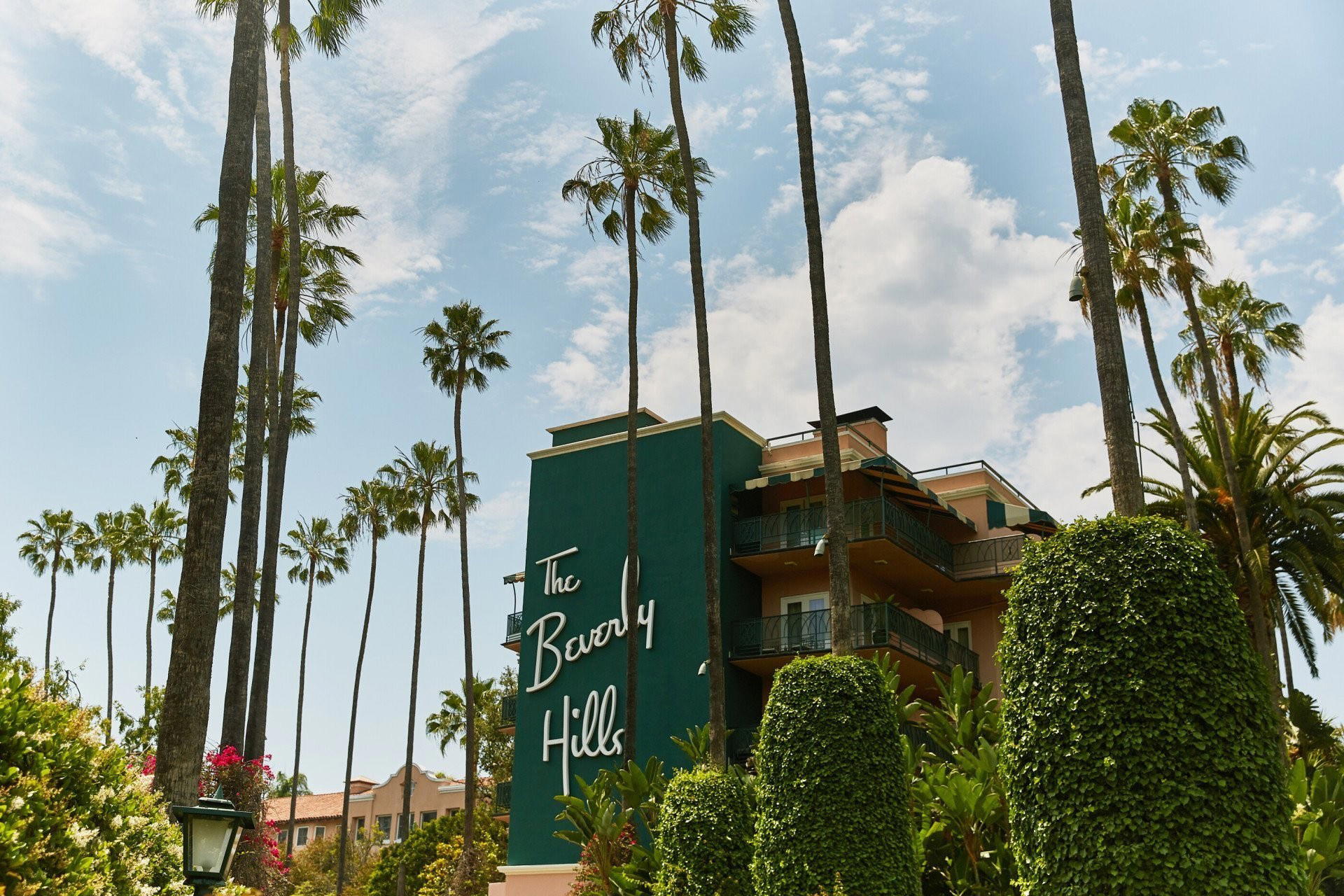
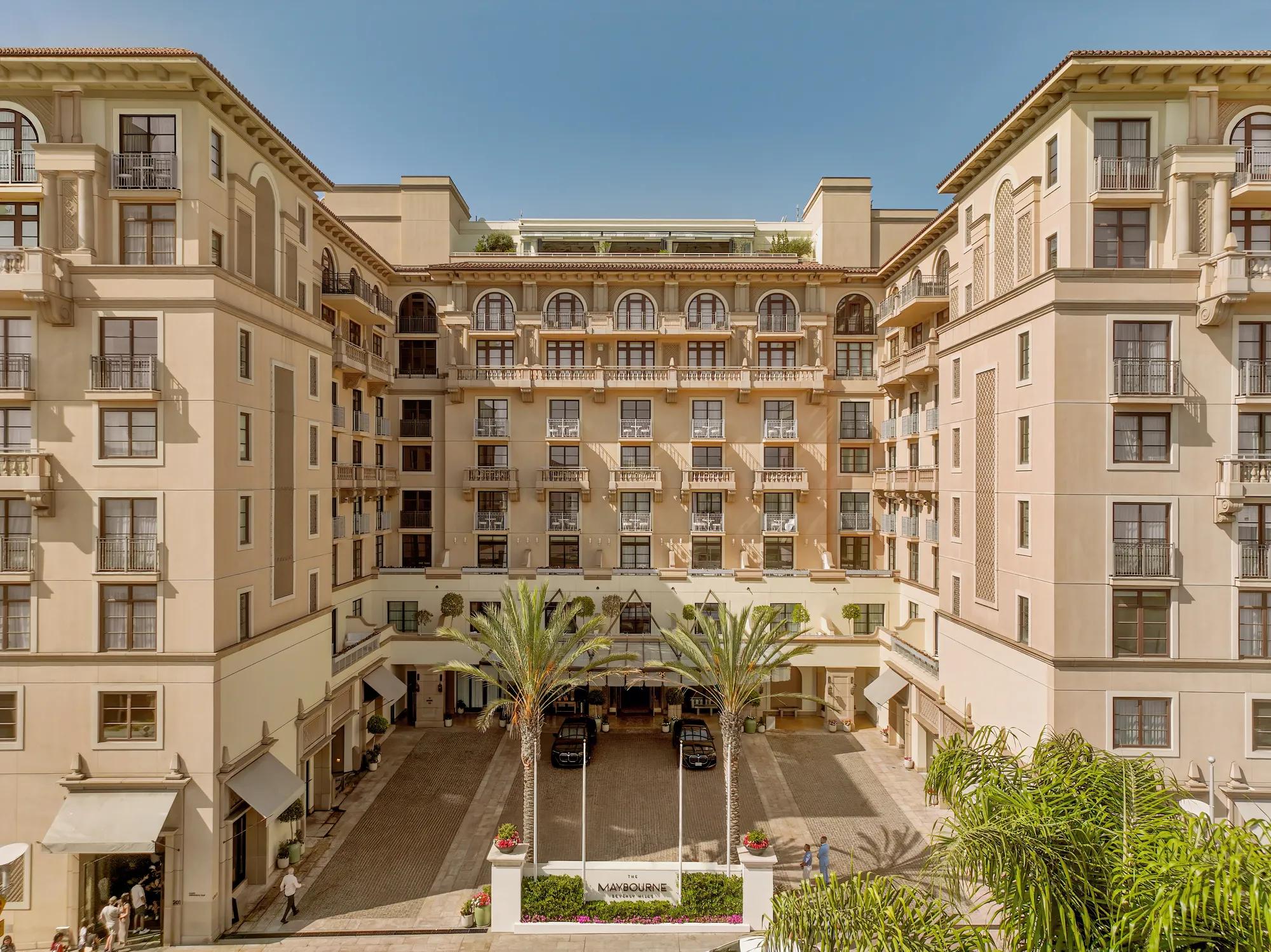
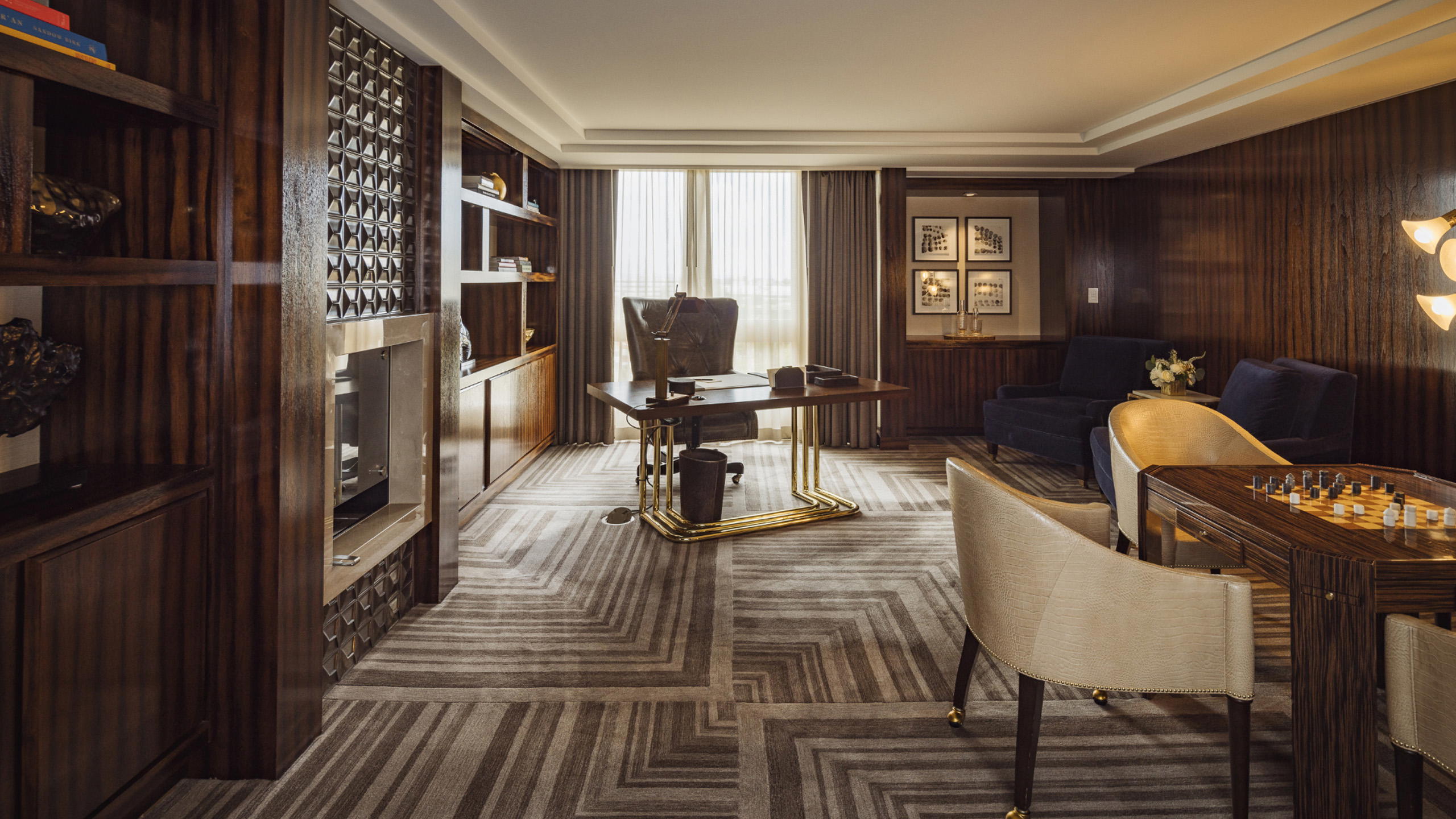
Bars in Los Angeles
Browse all →

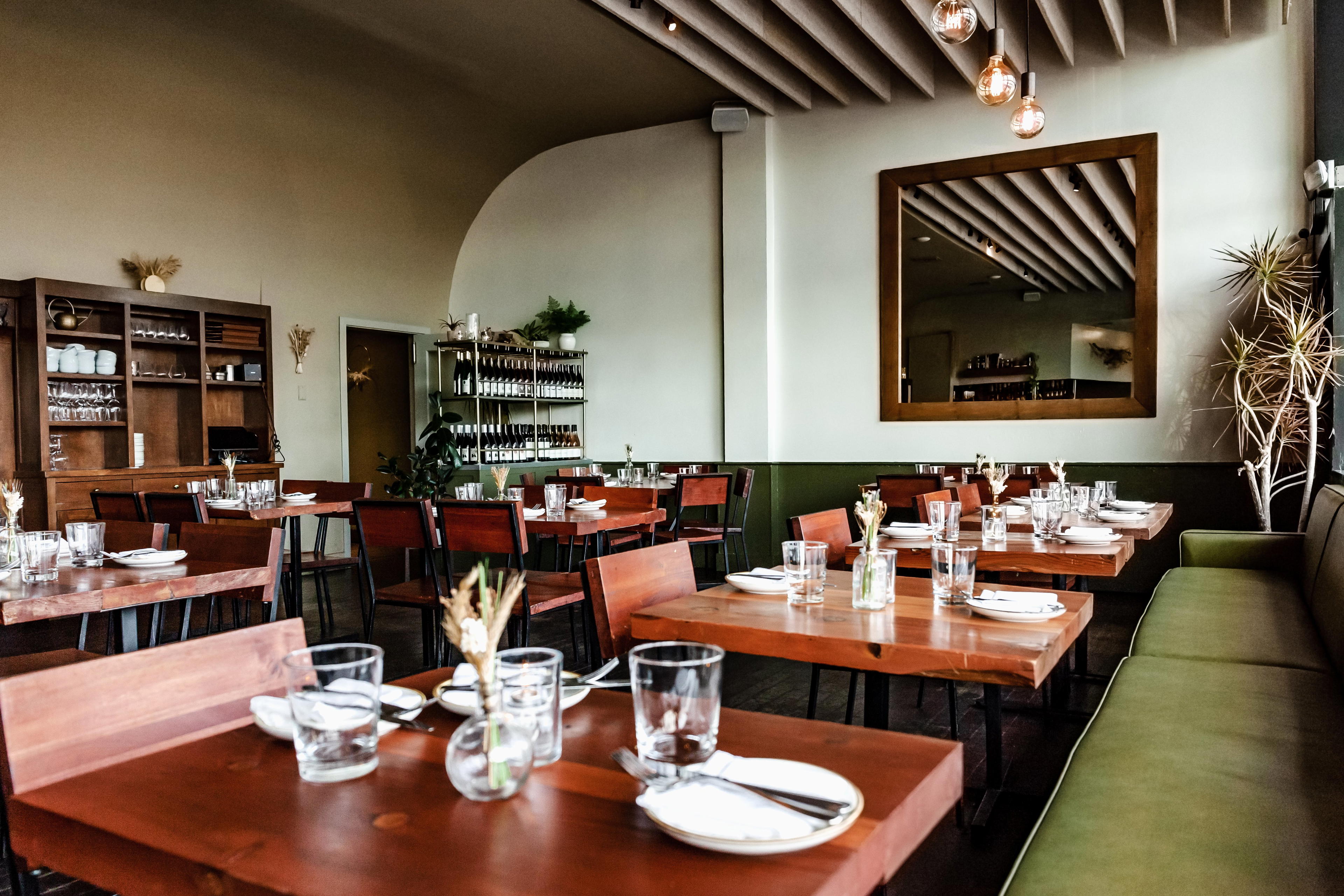
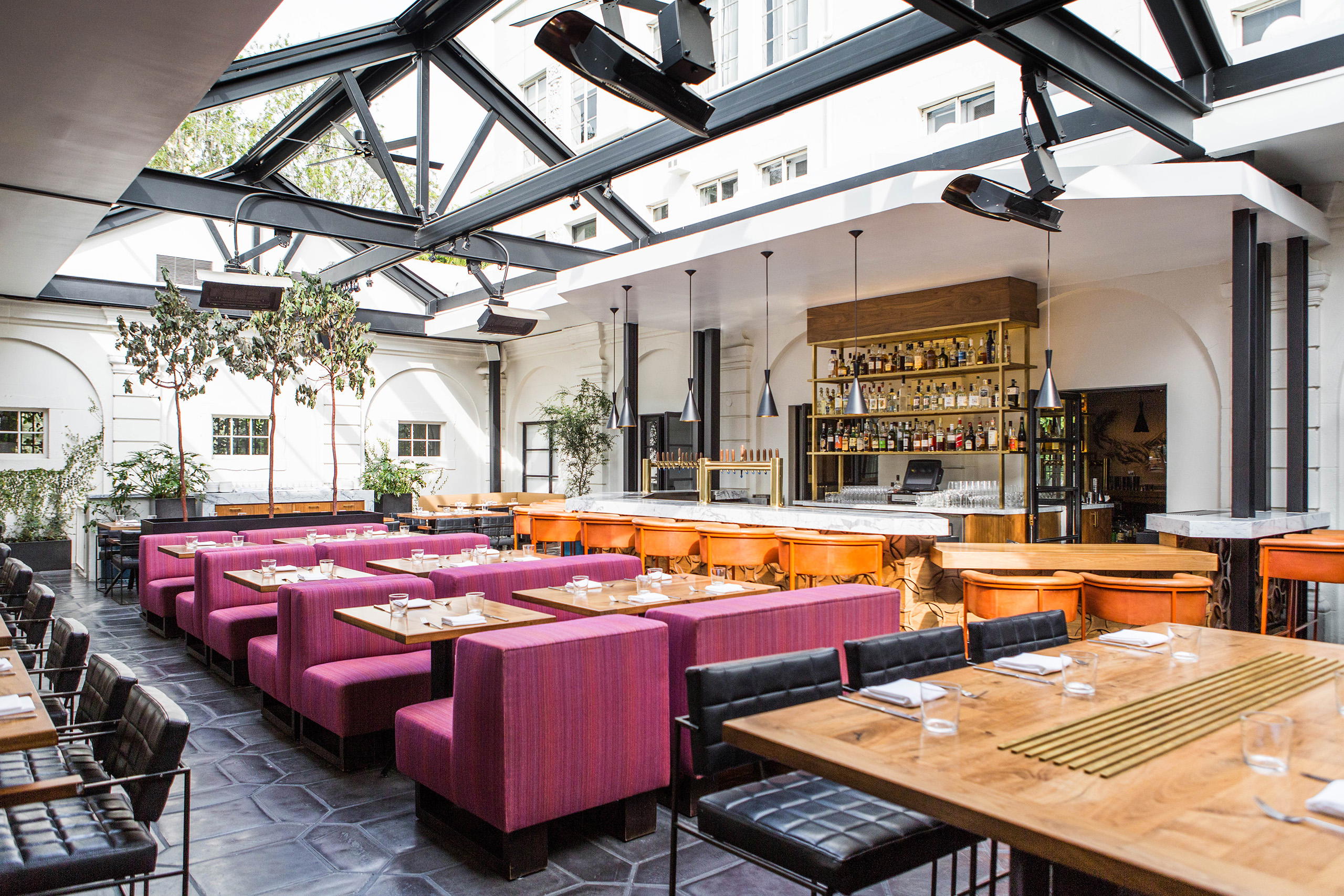
Restaurants in Los Angeles
Browse all →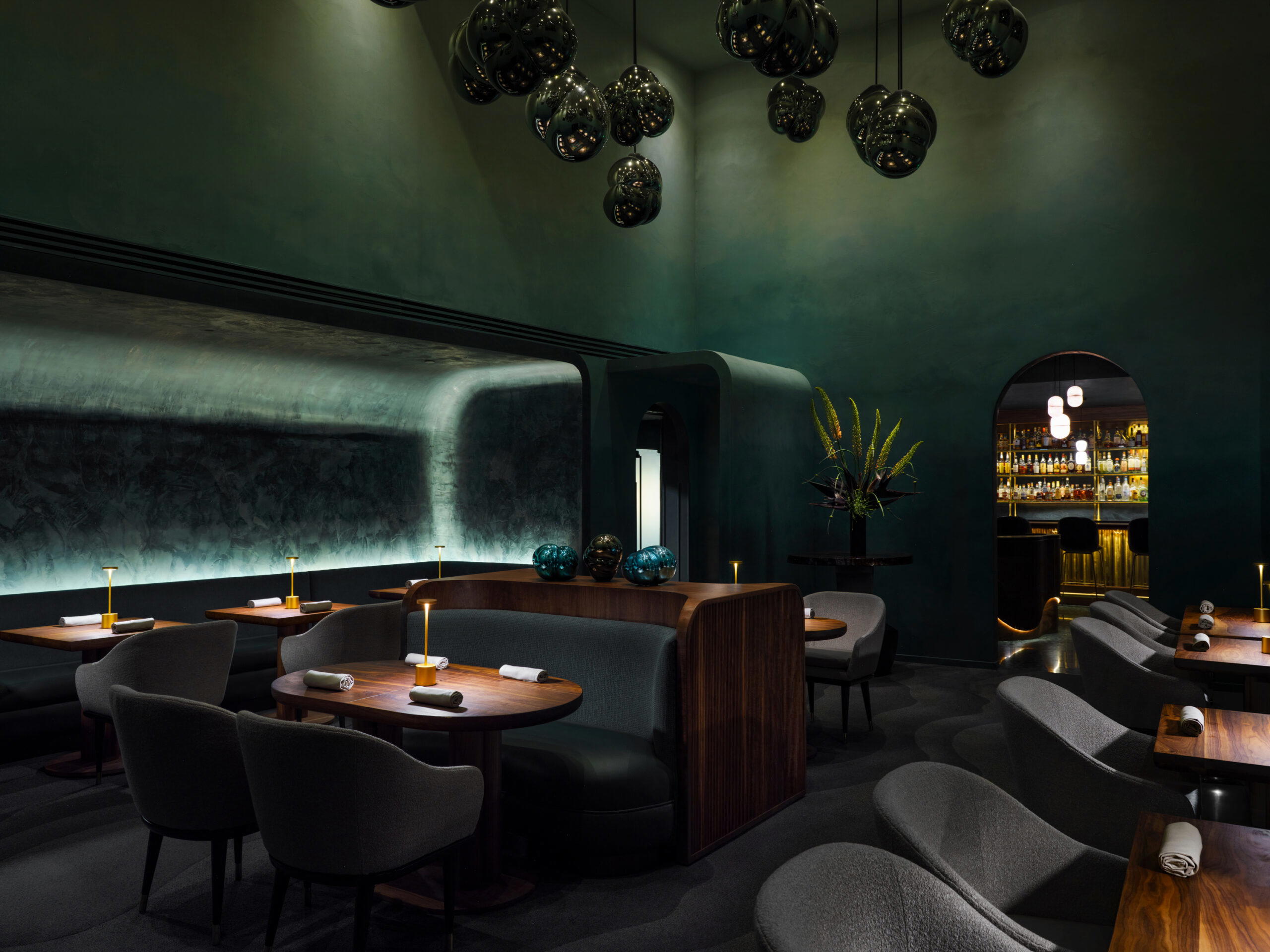
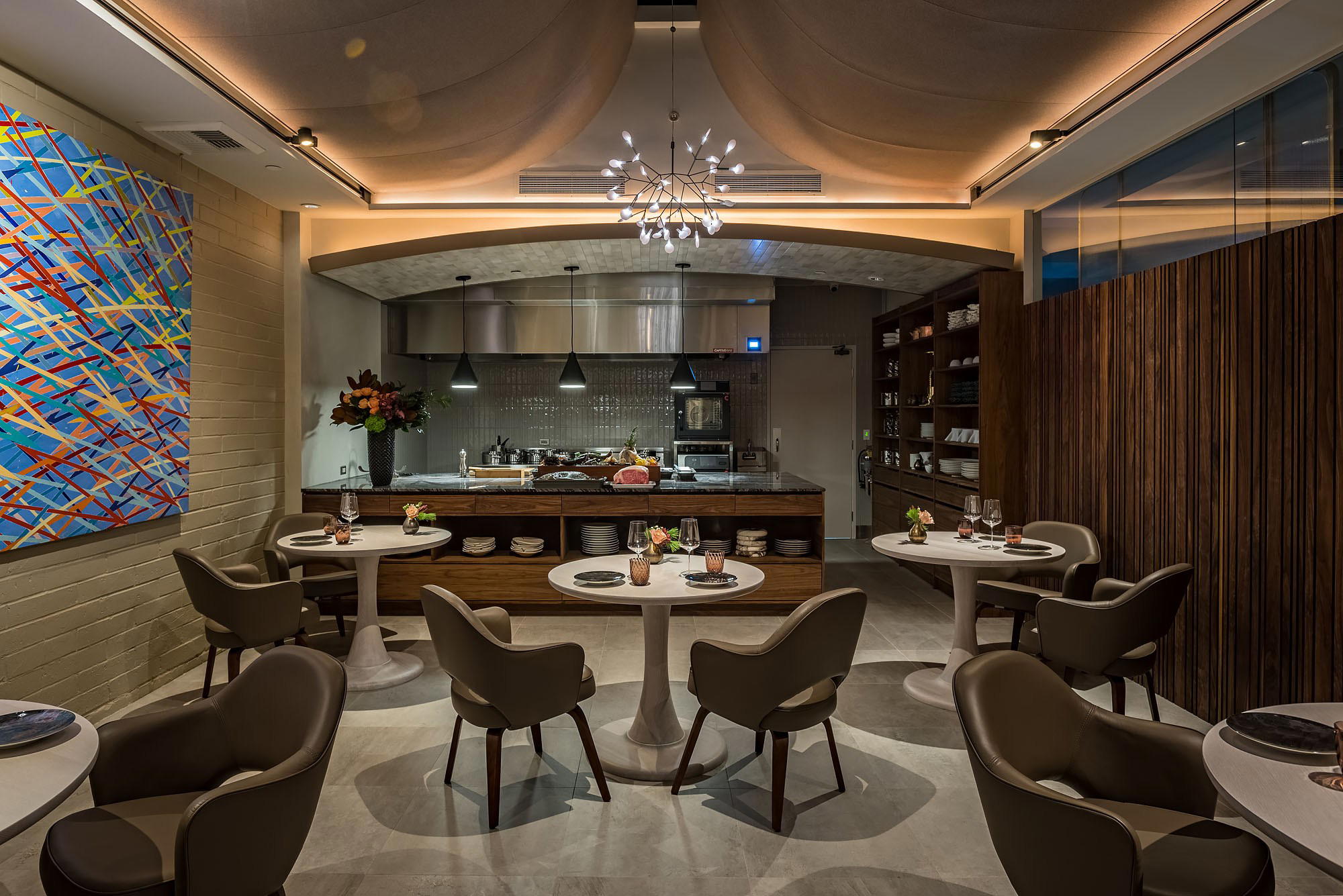

Wineries in Los Angeles
Browse all →
Details
- Historic
- Elegant
- Sophisticated
- Trendy
- Romantic
- Scenic
- Romantic Getaway
- Weekend Escape
- Celebration
- Group Retreat
- Historic Building
- Design Destination
- Panoramic View
- Rooftop Pool
- Terrace
- Pool
- Wi Fi
- Skyline
- Street Scene
A dramatic yet warm atmosphere that blends preserved church architecture—stained-glass windows, soaring chapel ceilings, and historic details—with contemporary boutique-hotel comforts and lively social spaces like a rooftop lounge and pool.