Burton House Beverly Hills
Burton House Beverly Hills belongs to a Los Angeles hotel conversation shaped by privacy, residential scale, and design confidence rather than resort sprawl.

Pearl is the En Primeur Club membership app — saves, bookings, and concierge access live there. Same editors, same standards.
- Address
- Los Angeles, United States
- Directions
- Get directions
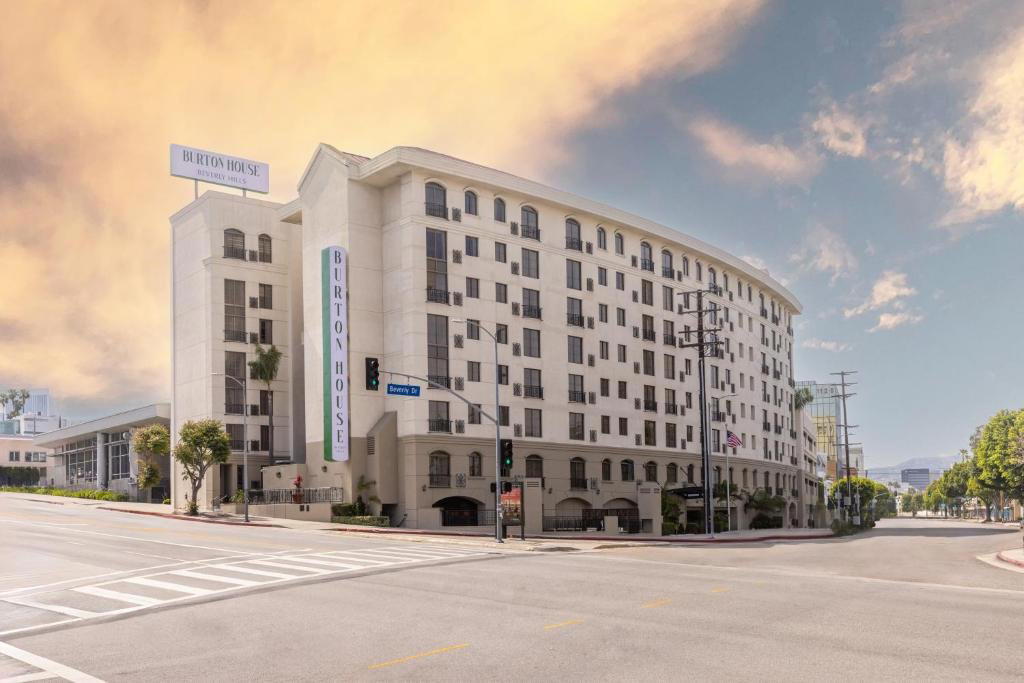
First impression: Beverly Hills as a design brief
Approaching a Beverly Hills hotel is rarely just about arrival. The district teaches guests to read architecture as social code: porte-cochères, hedge lines, lobby sightlines, restaurant entrances, and the degree to which a property announces itself to Wilshire, Canon, or the quieter residential streets around them. In Los Angeles, hotel design carries more weight than ornament. It tells the guest whether the stay is built around visibility, retreat, business efficiency, or a residential rhythm that borrows from the city’s private-house culture.
That is the useful frame for Burton House Beverly Hills. The public record supplied here does not list a star rating, award history, room count, designer, restaurant format, price range, phone number, address, or booking channel. That absence matters for planning, but it also clarifies how to judge the property editorially. Beverly Hills already has a dense hotel hierarchy with named grande-dame addresses, suite-led business hotels, garden compounds, and polished international operators. A hotel entering that conversation has to be read through placement: how it relates to the neighborhood’s long preference for discretion, controlled arrival, and interiors that feel closer to private residences than lobby theater.
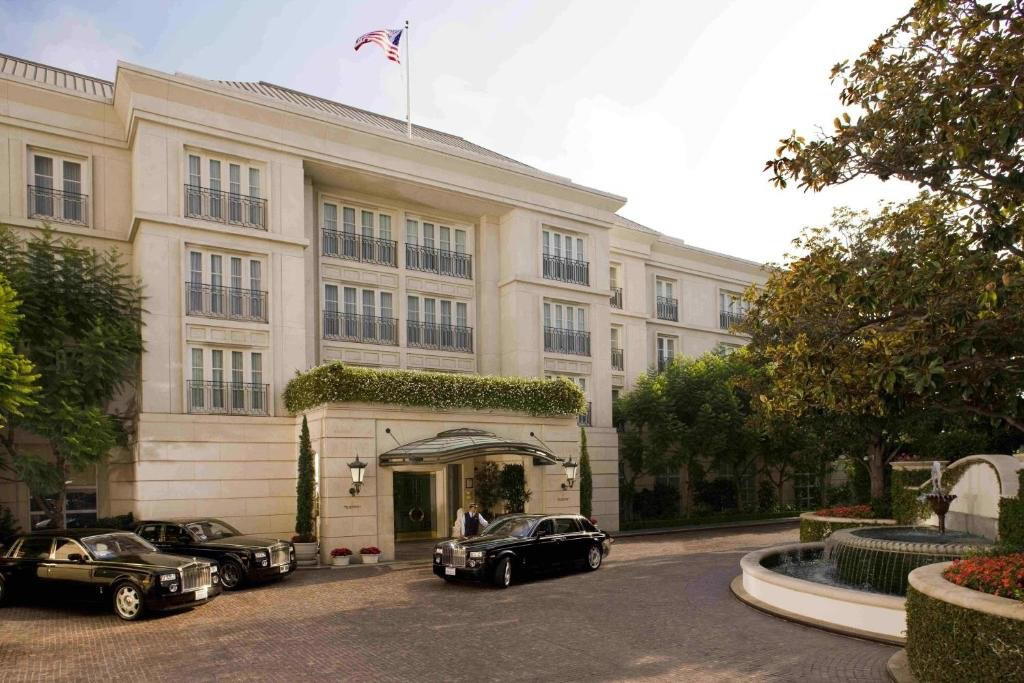
For context, the Beverly Hills luxury set includes legacy properties such as The Beverly Hills Hotel, estate-like seclusion at Hotel Bel-Air, suite-driven formality at L'Ermitage Beverly Hills, and a more contemporary civic-luxury polish at The Maybourne Beverly Hills. The Peninsula Beverly Hills adds another point of comparison: service formality and a clubby sense of repeat-guest recognition. Burton House Beverly Hills sits in the same city conversation, but detail here, the prudent approach is to treat it as a design-led Beverly Hills option to verify closely before committing.
The Beverly Hills hotel code
Beverly Hills hotels operate under different rules from Downtown Los Angeles or West Hollywood. Downtown can celebrate adaptive reuse, rooftop drama, and historic commercial buildings, visible at properties such as Downtown LA Proper Hotel. West Hollywood trades on nightlife adjacency, music culture, and Sunset Strip mythology, with Chateau Marmont and The Sun Rose West Hollywood sitting in a more public-facing hotel culture. Beverly Hills is calmer and more transactional: business meetings, medical trips, shopping itineraries, long lunches, family visits, and guests who value a controlled threshold between street and suite.
This is why architecture matters here. In Beverly Hills, a hotel’s physical language often says more than its amenity list. A wide lobby can feel impersonal if it is built for volume rather than return visits. A compact reception sequence can feel more confident if it protects privacy and keeps circulation legible. Materials, ceiling heights, corridor width, elevator placement, and the relationship between public rooms and guest floors all shape the stay. A property does not need spectacle to make a strong case in this part of Los Angeles. It needs coherence.
The competitive set also makes price sensitivity different. A low nightly rate is not automatically value if the location complicates dining, meetings, or airport timing. A high rate can be justified when space, service, and neighborhood access reduce friction. That is the only fair benchmark in a city where Santa Monica, Downtown, West Hollywood, and Beverly Hills function like separate hotel markets.
Architecture before amenity lists
Los Angeles has become a serious hotel-design city because its properties have to solve contradictions. Guests want privacy but not isolation, residential ease but not bland apartment living, local character but not theme-park Californiana. Beverly Hills sharpens that challenge. The neighborhood’s visual culture is restrained on the surface and expensive underneath: manicured setbacks, low-rise commercial blocks, limestone palettes, shaded courtyards, and interiors designed to absorb rather than amplify attention.
The more reliable editorial point is that its name and location place it in a category where the room experience, arrival sequence, and public-space discipline will matter more than a long amenity inventory. Travelers comparing Beverly Hills hotels should ask design questions before amenity questions. Is the lobby a pass-through or a room where waiting feels natural? Are dining and lounge spaces positioned for guests or for external traffic? Does the property feel built for short business stays, longer residential stays, or a hybrid of both? Those answers will define the experience more precisely than adjectives on a booking page.
There is a broader national comparison, too. Design-led American hotels have moved away from anonymous luxury toward clearer physical identities. The Fifth Avenue Hotel in New York City uses historic fabric and decorative intensity to make a dense urban statement. Four Seasons at The Surf Club in Surfside frames hospitality through seaside heritage and disciplined glamour. Raffles Boston in Boston represents the urban high-rise service model. Beverly Hills asks for another answer: architecture that protects privacy while keeping the city close.
Dining, bars, and the city outside the hotel
That means the hotel should not be assessed here as a dining destination on its own evidence. For a Beverly Hills stay, this is not a fatal gap. The district and its neighboring corridors offer dense access to restaurants, hotel bars, members-club-adjacent dining rooms, and West Hollywood nightlife within the broader Los Angeles orbit. The stronger planning move is to treat the hotel as a base unless its confirmed food-and-beverage details change the equation.
Los Angeles dining is dispersed by design. A meal can require a cross-city drive, and the value of a Beverly Hills hotel often lies in reducing the number of those drives. Staying in the area places guests near the Beverly Hills and West Hollywood restaurant cluster, while keeping Hollywood, Mid-City, and parts of the Westside practical depending on traffic and appointment timing. For restaurant planning beyond the hotel, Our full Los Angeles restaurants guide gives the better citywide frame. For drinking, Our full Los Angeles bars guide is the more useful companion, since cocktail culture in Los Angeles is split across hotel lounges, destination bars, and neighborhood rooms rather than concentrated in one district.
Wine-focused travelers should also resist treating Beverly Hills as a wine-country substitute. The city has serious wine lists and collectors, but winery visits require a different itinerary. Our full Los Angeles wineries guide covers that adjacent category, while Our full Los Angeles experiences guide is better for cultural programming that sits outside the hotel stay. The practical point is simple: if Burton House Beverly Hills is selected for design and neighborhood access, build dining and cultural plans around Los Angeles’ spread-out geography, not around the assumption that everything important will be inside the property.
How it compares with other American design hotels
American luxury hotels now divide into clear formats. There are remote land-driven retreats, chef-led inns, restored country estates, coastal resorts, urban statement hotels, and heritage palaces. Beverly Hills does not belong neatly to any single category. It is an urban luxury market with resort expectations and residential habits, which makes hotel comparison more complicated than matching star ratings.
Consider the contrast with Amangiri in Canyon Point, where architecture is inseparable from desert scale and the surrounding geology. Or Troutbeck in Amenia, where the appeal comes from estate history and Hudson Valley pacing. SingleThread Farm Inn in Healdsburg connects lodging to a restaurant and agricultural narrative, while Auberge du Soleil in Napa ties hillside rooms to wine-country rituals. Sage Lodge in Pray and Kona Village, A Rosewood Resort in Kailua Kona answer through landscape, climate, and outdoor programming.
Beverly Hills answers through access, discretion, and architectural composure. That makes Burton House Beverly Hills more comparable to city hotels that must create a protected interior world rather than rural properties that borrow drama from their setting. Internationally, the point becomes sharper. Hôtel de Paris Monte-Carlo in Monte Carlo trades on civic grandeur and casino-square theater. Badrutt's Palace Hotel in St. Moritz belongs to alpine social history. Aman Venice in Venice makes the palazzo itself the argument. Beverly Hills, by contrast, rewards a quieter kind of spatial intelligence: a hotel that makes errands, meetings, dinners, and recovery time feel less exposed.
Planning the stay
This is especially true in Los Angeles, where rate spread can shift sharply around awards weeks, art fairs, entertainment-industry events, school holidays, and major medical or business travel periods.
Transport planning should be equally conservative. Beverly Hills is central for Westside and West Hollywood itineraries, but Los Angeles traffic can turn short map distances into long transfers. Guests with Downtown meetings, beach plans, or Eastside dining should compare hotel choice against daily movement, not just against room design. For a broader accommodation comparison, Our full Los Angeles hotels guide is the better starting point, since it separates the city by stay style rather than treating Los Angeles as one hotel zone.
The cleanest use case for Burton House Beverly Hills is a trip where design, privacy, and Beverly Hills access matter more than resort acreage or nightlife immediacy. It makes less sense for travelers whose days are concentrated Downtown, in Santa Monica, or on the Eastside. It may make strong sense for guests whose schedule involves Beverly Hills meetings, West Hollywood dinners, Rodeo Drive appointments, Cedars-Sinai-adjacent plans, or a preference for a quieter return point after moving through the city.
How It Compares
Comparable venues nearby, for context on price, style, and recognition.
| Venue | Cuisine | Price | Awards | Notes |
|---|---|---|---|---|
| Burton House Beverly HillsThis venue — the venue you are viewing | Contemporary lifestyle boutique hotel with a polished residential feel and strong sense of Beverly Hills place-making. | $200–300 | Not listed | Not listed |
| Kimpton Everly Hotel | Boutique Hollywood lifestyle with indoor-outdoor California vibe | $200–300 | Michelin Selected | Hollywood |
| Hyatt Regency Los Angeles International Airport | Mid-century modern gateway to Los Angeles with innovative design and extensive event spaces. | Not listed | Not listed | Westchester |
| Palihotel Hollywood | Eclectic boutique hotel blending vintage 1950s motor lodge architecture with contemporary design and California sensibility. | Not listed | Michelin Selected | Hollywood |
| The Garland | Retro Californian urban oasis | $100–200 | Michelin Selected | North Hollywood |
| Silver Lake Pool & Inn | Contemporary boutique hotel with vintage charm; reimagined 1980s motel blending Californian and Mexican influences through curated design. | $200–300 | Michelin Selected | Silver Lake |
Continue exploring
More in Los Angeles
Hotels in Los Angeles
Browse all →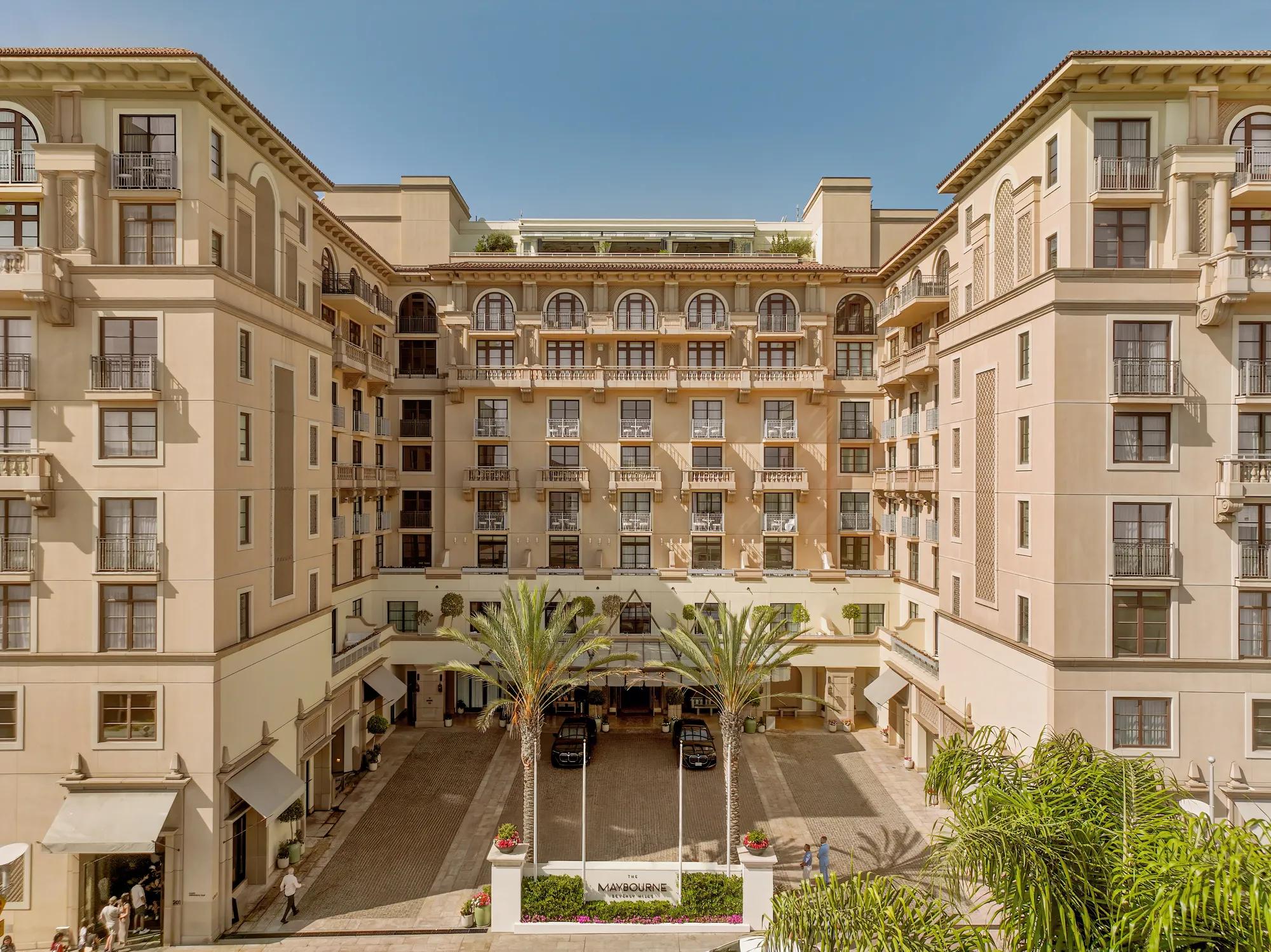
Bars in Los Angeles
Browse all →

Restaurants in Los Angeles
Browse all →
Wineries in Los Angeles
Browse all →
Details
- Modern
- Elegant
- Cozy
- Trendy
- Sophisticated
- Business Trip
- Weekend Escape
- Family Vacation
- Wellness Retreat
- Group Retreat
- Romantic Getaway
- Design Destination
- Historic Building
- Terrace
- Wi Fi
- Fitness Center
- Business Center
- Valet Parking
- Concierge
- Street Scene
- Wheelchair Accessible
- Elevator
- Accessible Parking
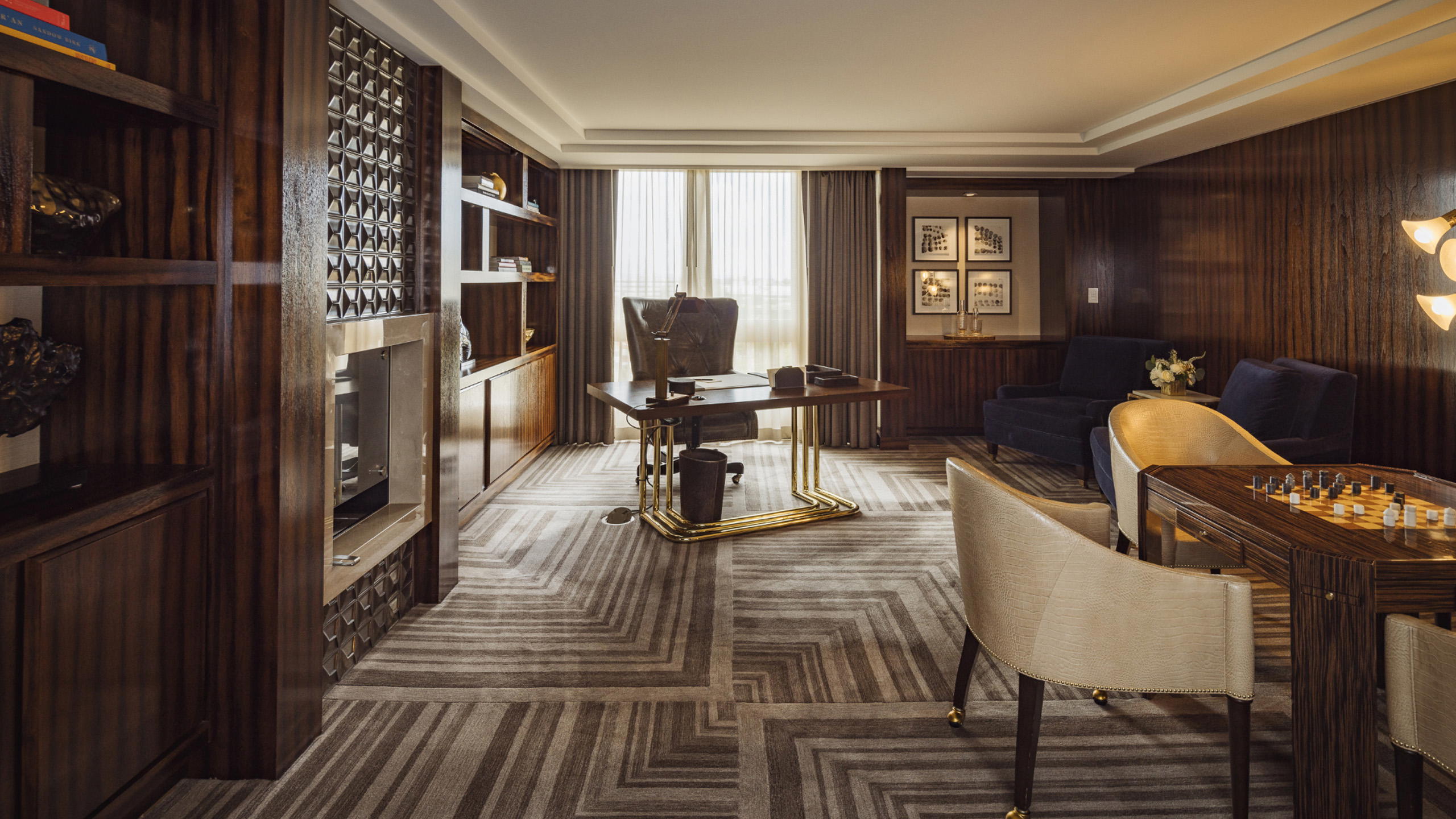
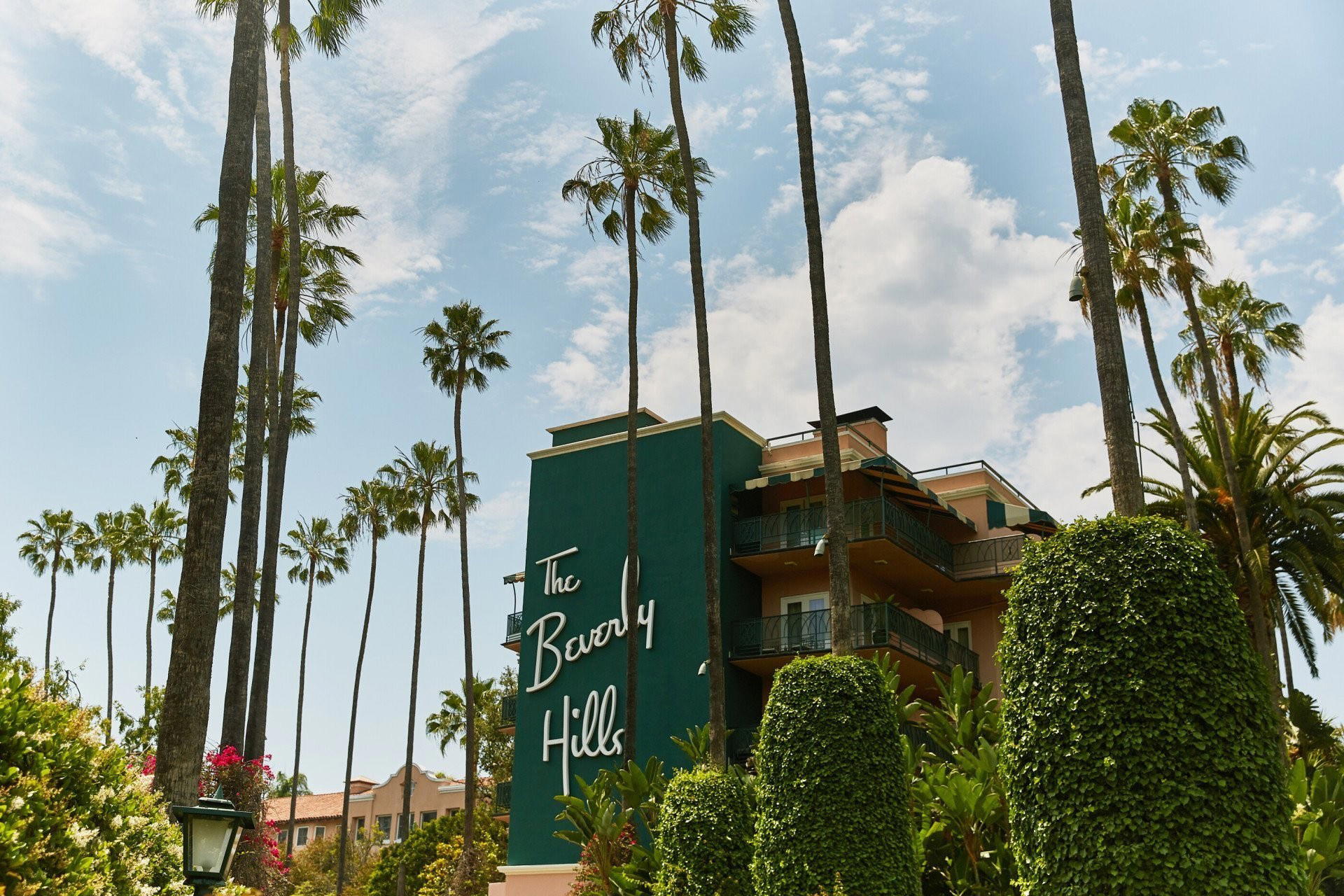
A warm, contemporary boutique atmosphere with historic architectural details, bold colors, and artsy touches that create a chic yet unpretentious, residential feel; social energy centers around the Emerald Lounge’s indoor-outdoor bar and lounge spaces.