On Keramas Beach in Gianyar, Hotel Komune operates at the intersection of surf culture and beach club hospitality that defines Bali's eastern coast. Where Seminyak leans on celebrity polish, Komune draws a crowd that arrived for the waves and stayed for the open-air bar. The vibe is deliberate and unhurried, with a drinks program built for long afternoons facing one of the island's more consistent surf breaks.
Pearl is the En Primeur Club membership app — saves, bookings, and concierge access live there. Same editors, same standards.
- Address
- Pantai Keramas St, Medahan, Blahbatuh, Gianyar Regency, Bali 80361, Indonesia
- Phone
- +62 361 3018888
- Website
- komuneresorts.com
- Directions
- Get directions
 Saves & bookings on Pearl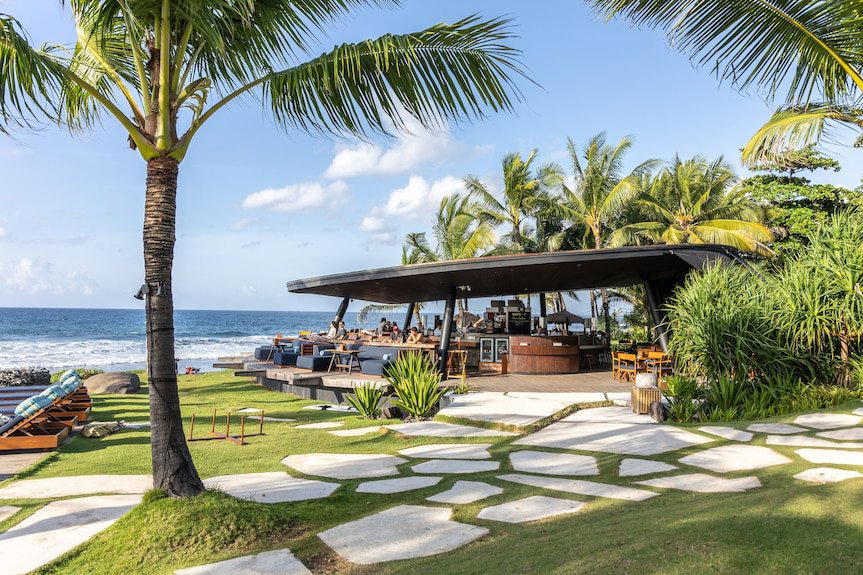
Bali's Eastern Shore and the Beach Club Format
The beach club has become Bali's most distinctive hospitality export, but the format is not uniform across the island. In Seminyak and Canggu, venues like Ku de Ta in Seminyak and Berawa Village in Badung serve a crowd that treats the beach as backdrop rather than primary destination. The eastern regency of Gianyar operates on a different logic. Keramas Beach, where Hotel Komune sits on Pantai Keramas Street in the village of Medahan, is known among the surf community as one of Bali's more reliable breaks, which means the clientele arriving here came for reasons beyond poolside positioning. That distinction shapes everything about how the property functions as a drinking and social destination.
Indonesian beach hospitality has historically split between the mass-market all-inclusive and the design-forward boutique. Hotel Komune occupies a middle register: a hotel with a functioning beach club that draws both in-house guests and day visitors from Ubud and the southern resort belt. The format places it in a comparable set closer to Potato Head Beach Club or the Métis in Banjar Badung than to a traditional resort pool bar, but with the quieter energy that Gianyar's geography enforces.
The Bar in Its Environment
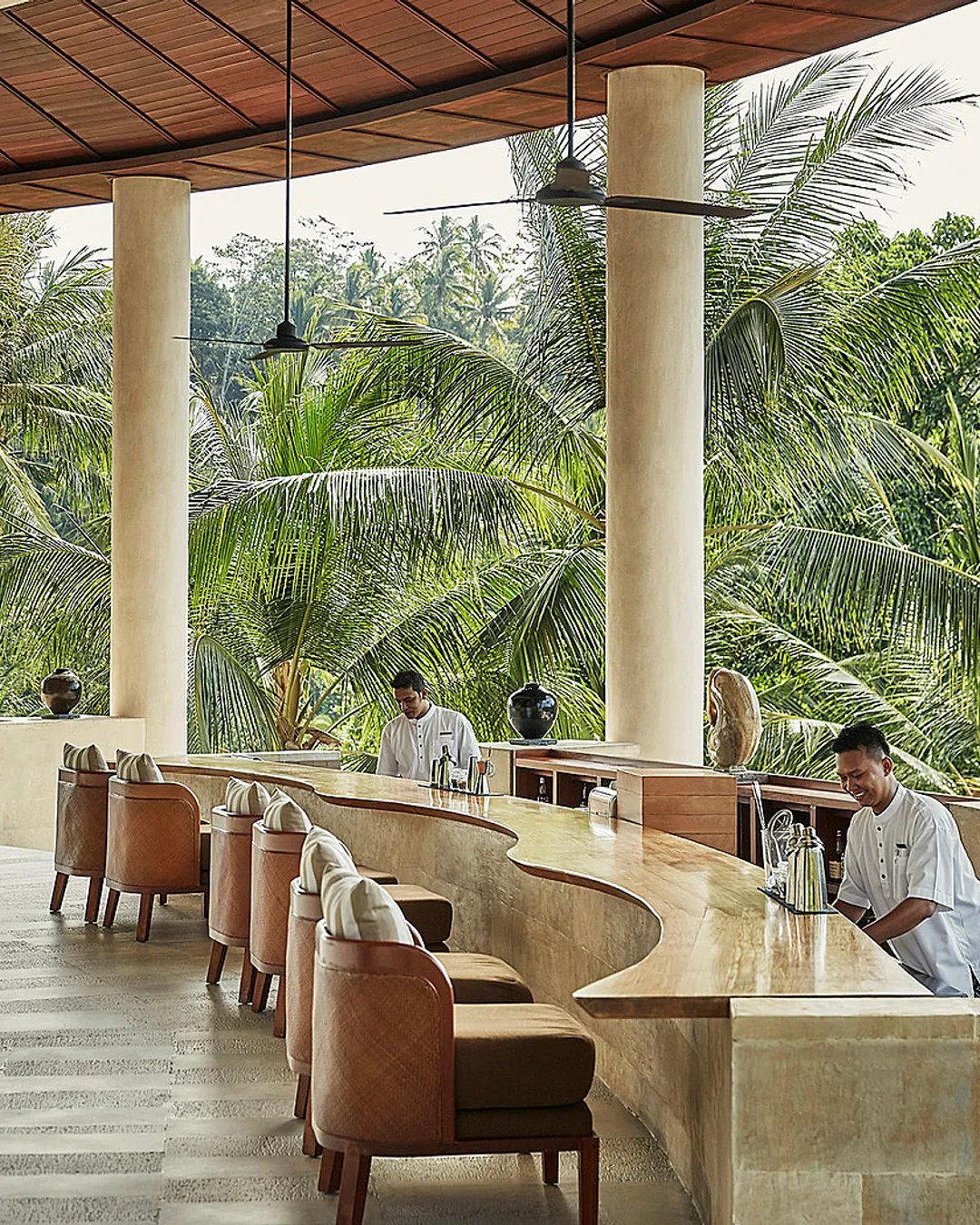
Approaching the beach club from the main road, the transition from Gianyar's rice-field interior to the Indian Ocean horizon happens quickly. The open-sided pavilion structure that characterises Balinese coastal architecture gives beach club bars their particular acoustic quality: ambient wind, distant surf, conversations at low volume. At Komune, the bar operates within that framework, positioned to face the break at Keramas. For the drinks program, this physical setting creates a specific demand profile. Guests are typically post-surf, mid-afternoon, or watching the sun move toward the horizon, sequences that call for drinks with length and refreshment rather than concentrated spirit-forward builds.
Indonesian beach club cocktail programs have evolved considerably in the past decade. Early iterations leaned heavily on fruit blenders and local spirits dressed up with imported labels. The current standard at properties operating in Bali's upper mid-tier involves more deliberate technique: house-made infusions using local botanicals, structured presentation, and a working knowledge of how tropical heat affects dilution and balance. This is the context in which Komune's bar operates, alongside Gianyar-area venues like Night Rooster and Jl. Raya Sebali, which each represent different points on the spectrum from casual to craft.
Drinks in the Tropical Register
The editorial angle on any Bali beach club drinks program begins with the question of how seriously the venue treats its non-beer, non-mass-spirit offer. At properties positioned toward the surf and active-guest market, the temptation is to default to volume and simplicity. The more considered approach, visible at venues like No. 11 (Eleven Jakarta) in South Jakarta or Carrots Bar in Jakarta, involves building a program with genuine cocktail architecture: balance, dilution control, seasonal ingredients, and a clear point of view on what the bar is trying to do.
The tropical register is not inherently simple. At bars like Jewel of the South in New Orleans or Julep in Houston, tropical influence is treated with the same rigour applied to any other cocktail tradition. In the Bali context, the raw material advantage is significant: fresh coconut, local citrus, lemongrass, pandan, Balinese salt, and arak as a base spirit all give a thoughtful bar program genuine regional specificity. The question for any beach club bar in Gianyar is how much of that advantage it chooses to use versus defaulting to the international spirits catalog that travels well but tastes like everywhere.
For the afternoon drinker at Komune, the practical calculus is direct. The bar's position facing an active surf break means the social rhythm is structured around sessions in the water and recovery time out of it. Longer drinks, hydration-adjacent formats (fresh juice bases, lower-ABV builds), and a pace that doesn't require constant menu engagement suit this audience better than precision tasting sequences. This is not a lesser ambition, it is a correctly calibrated one for the environment. Compare the operational logic to Bar Leather Apron in Honolulu, another Pacific-region bar that works within a beach-proximate context while maintaining serious craft standards.
Gianyar as a Drinking Destination
Gianyar sits between Denpasar's urban density and Ubud's cultural gravity, which means it receives less drinking-destination attention than either of its neighbours. That positioning also means the handful of venues operating here face a different competitive dynamic. The crowd that reaches Keramas Beach has made a deliberate geographic choice. They are not passing through on a taxi route between bars. This gives Komune's beach club a captive but selective audience: guests who arrived intentionally and are likely to stay for several hours rather than drop in for a drink between venues.
The Gianyar bar scene, as covered in our full Gianyar restaurants guide, is smaller and less trend-driven than Seminyak or Canggu. Venues like The Night Rooster in Ubud serve a guest who has specifically sought out Bali's cultural interior. Komune's beach club draws from a parallel but distinct motivation: the ocean-facing, activity-led traveller for whom the quality of the bar is secondary to the quality of the break, until they are sitting in front of both simultaneously.
Planning a Visit
Hotel Komune and Beach Club Bali is a hotel and beach club in Gianyar, Bali, on Pantai Keramas Street in Medahan, Blahbatuh. The property is accessible from Ubud in roughly 30 to 40 minutes by car, and from the Seminyak-Canggu corridor in under an hour depending on traffic through Denpasar. Day visitors to the beach club typically arrive in the late morning and stay through sunset, which is the natural endpoint of the Keramas surf session and aligns with the bar's peak service period. Those staying in-house have the advantage of post-dinner access when the beach club transitions to a quieter evening mode. Direct booking enquiries are leading directed to the property; as with most Bali beach clubs operating at this scale, walk-in access for the beach club is generally available, while hotel room availability warrants advance planning, particularly during peak season between July and August and over the Christmas-New Year period.
FAQs: Hotel Komune and Beach Club Bali
- What's the general vibe of Hotel Komune and Beach Club Bali? Komune sits on Keramas Beach in Gianyar, away from the high-density bar strips of Seminyak and Canggu. The atmosphere is governed by surf culture: guests are active, arrivals are intentional, and the pace is slower than the island's western resort belt. The property competes on location and the specific draw of one of the island's known surf breaks rather than on cocktail-bar credentials.
- What's the leading thing to order at Hotel Komune and Beach Club Bali? Specific menu data is not available for this listing. As a general principle for Bali beach club bars, the strongest orders tend to be those that use local ingredients, fresh coconut, pandan, Balinese citrus, rather than international spirit-led builds that carry no regional distinction. A bar operating in a surf-proximate setting typically does its leading work in the refreshment-focused, fruit-forward range rather than in spirit-forward after-dinner territory.
- What's the main draw of Hotel Komune and Beach Club Bali? The primary draw is geographic: Keramas Beach is among Bali's more consistent surf breaks, and Komune is the property that sits directly on it. For non-surfers, the draw is the eastern-coast vantage point away from Gianyar's interior and the island's more crowded western shoreline. The beach club format means the bar and pool are accessible to day visitors.
- Is the hotel worth visiting if you're not staying in-house? The beach club operates as a separate proposition from the hotel, which means day access is a realistic option for visitors based in Ubud or travelling the Gianyar coast. The trade-off relative to Seminyak's beach clubs is distance and the comparative quietness of the Keramas strip, there is less of an event atmosphere, more of an extended-afternoon one. For travellers whose priority is watching surf in a lower-density setting with a drink in hand, that trade-off resolves clearly in Komune's favour.
Fast Comparison
Comparable venues nearby, for context on price, style, and recognition.
| Venue | Cuisine | Price | Awards | Notes |
|---|---|---|---|---|
| Hotel Komune and Beach Club BaliThis venue — the venue you are viewing | Hotel | $$$ | Not listed | Not listed |
| Abisena Wellness and Resort Ubud | Luxury wellness resort with private villas and attentive service in a jungle setting | $$$$ | Not listed | Tegallalang |
| Kamandalu Ubud | Traditional Balinese village-inspired luxury resort blending local heritage with contemporary comfort. | $$$$ | 5-Star | Ubud, Gianyar Regency |
| Hotel Komune and Beach Club Bali | Tropical-chic surf resort with wellness focus | $$$$ | 4-Star | Keramas |
| Villa Waru Nusa Lembongan | Beachfront private villa retreat | $$$$ | Not listed | Mushroom Bay |
| Camaya Bamboo Houses | Sustainable bamboo villas in rice terraces | $$$$ | Not listed | Selat |

At a Glance
- Scenic
- Sophisticated
- Lively
- Elegant
- Group Outing
- Casual Hangout
- Date Night
- Waterfront
- Live Music
- Hotel Bar
- Panoramic View
- Waterfront
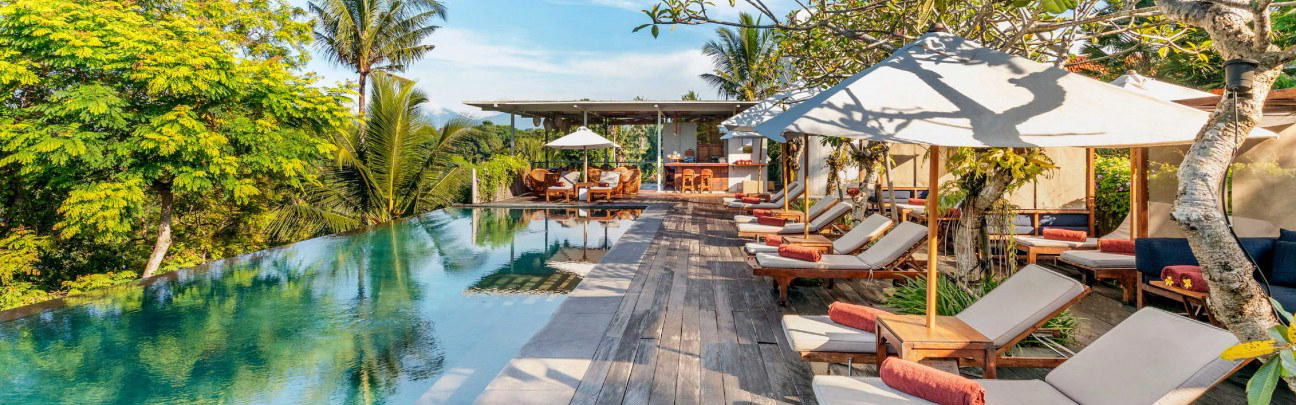
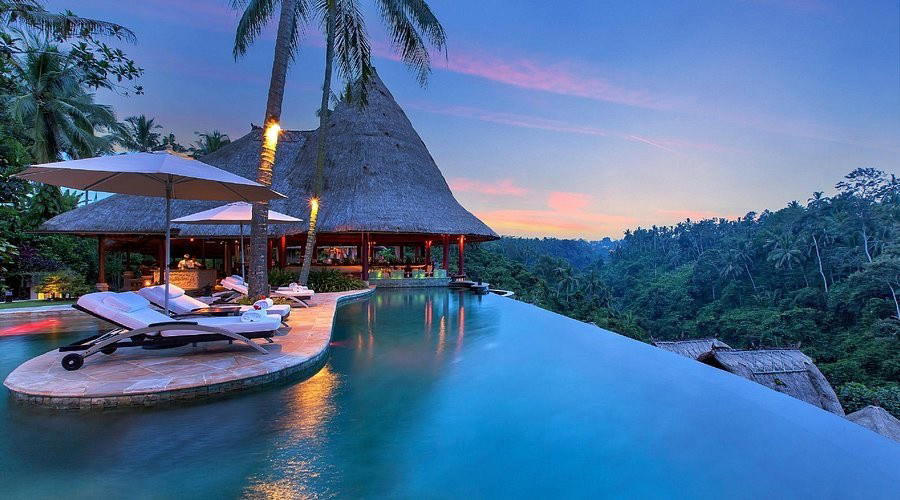
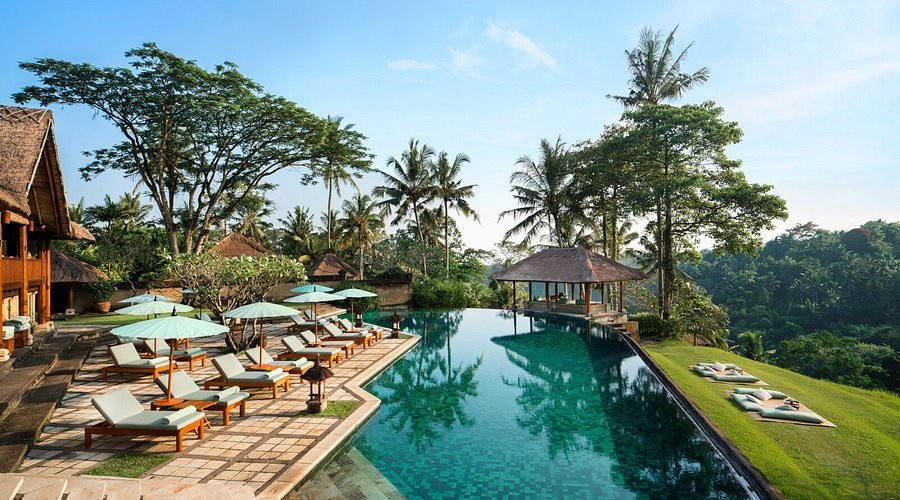
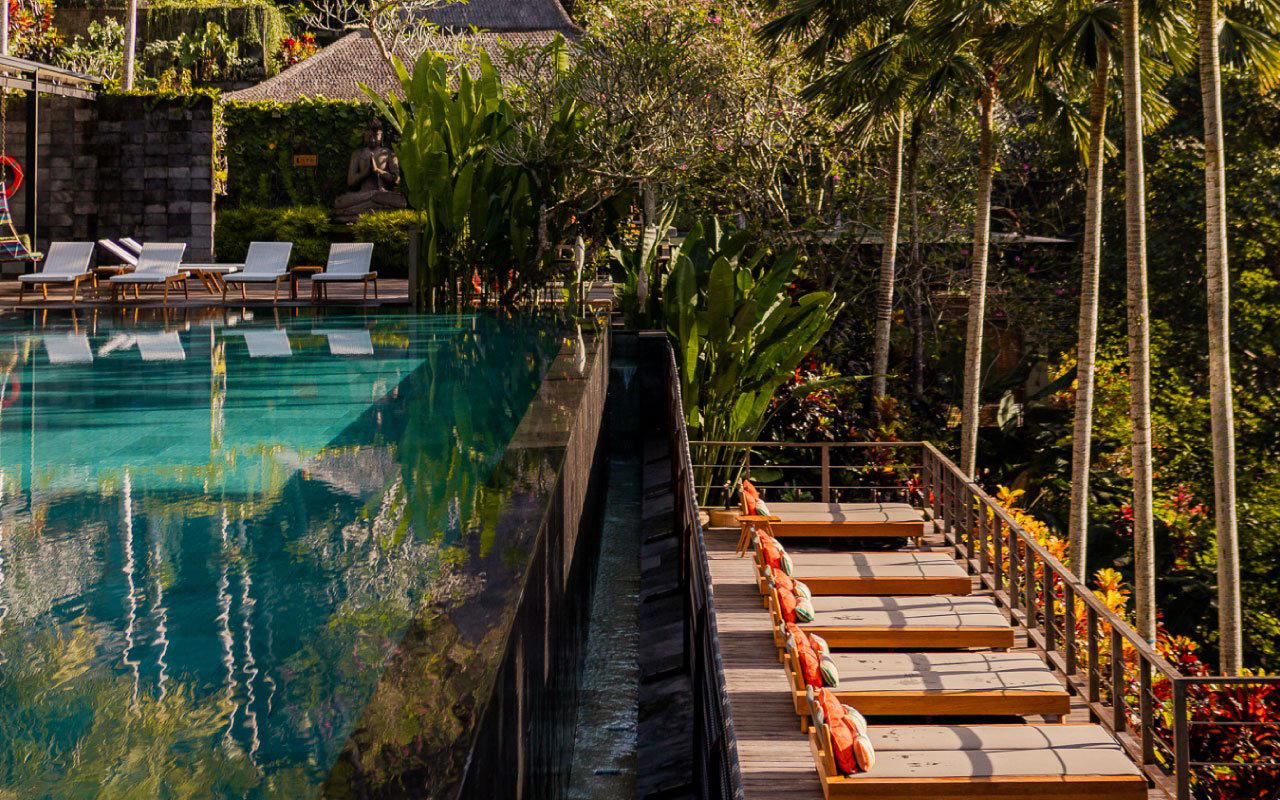
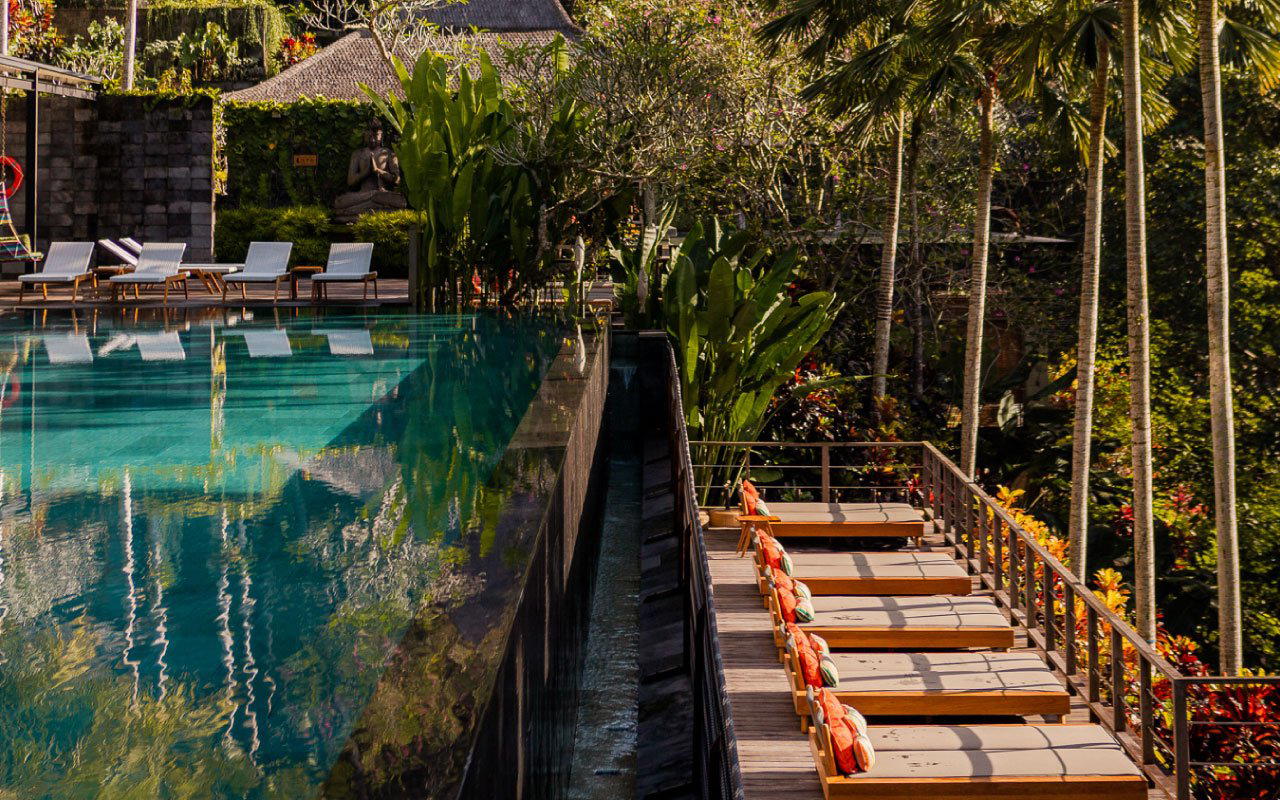
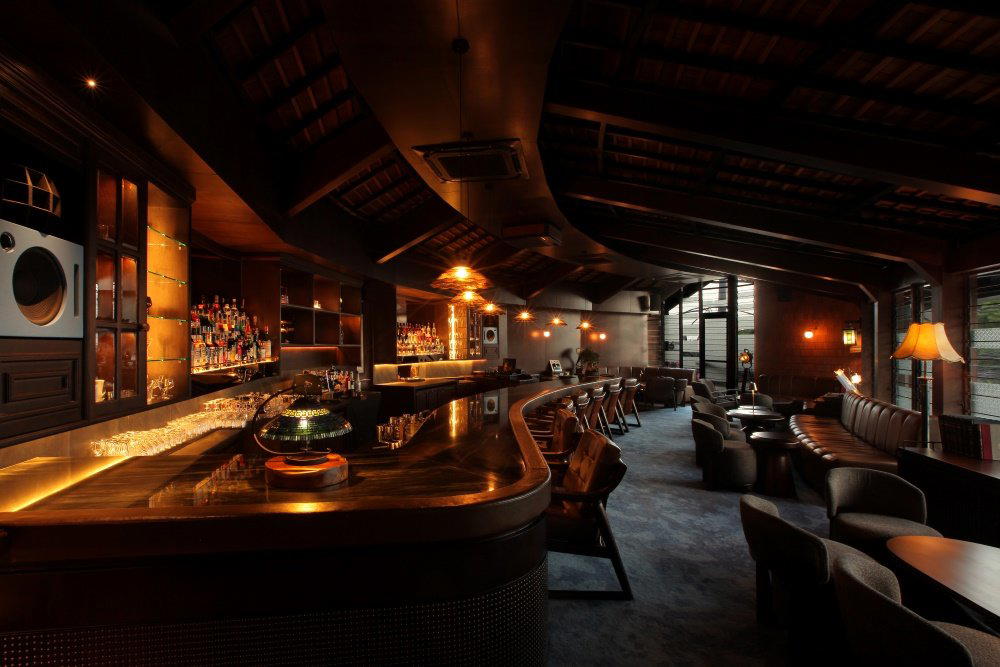
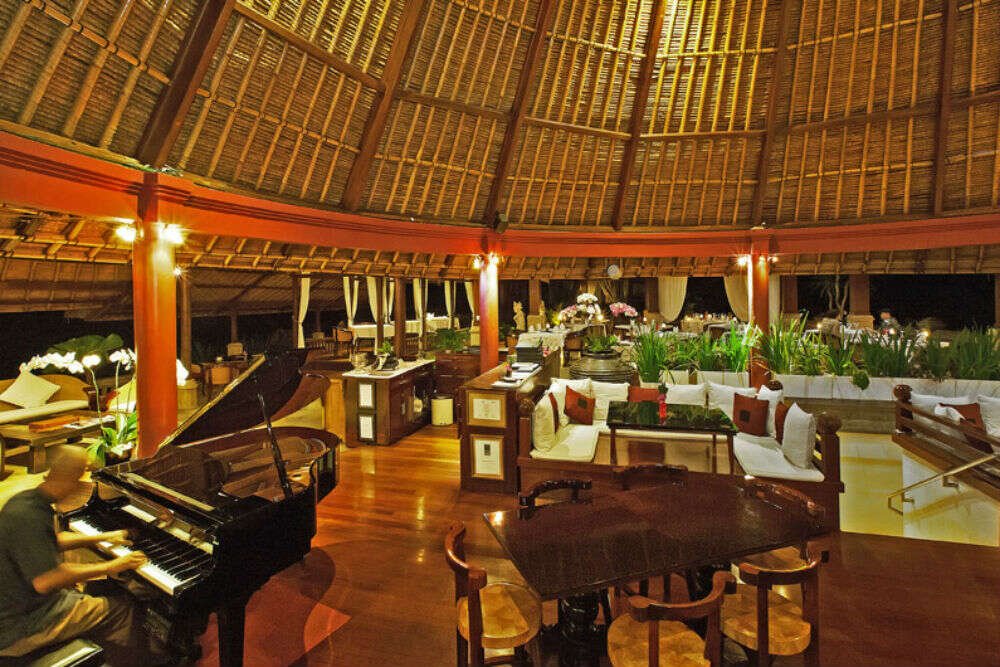
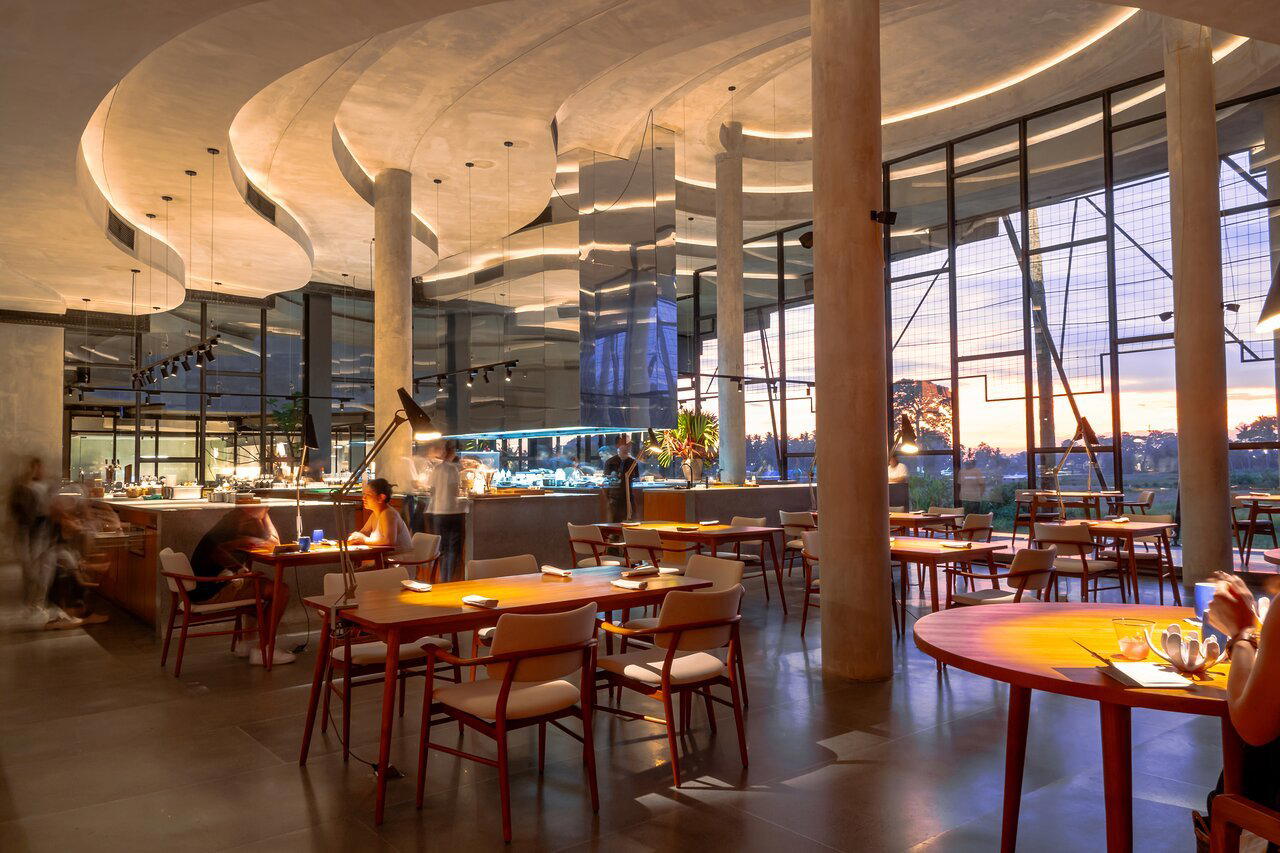
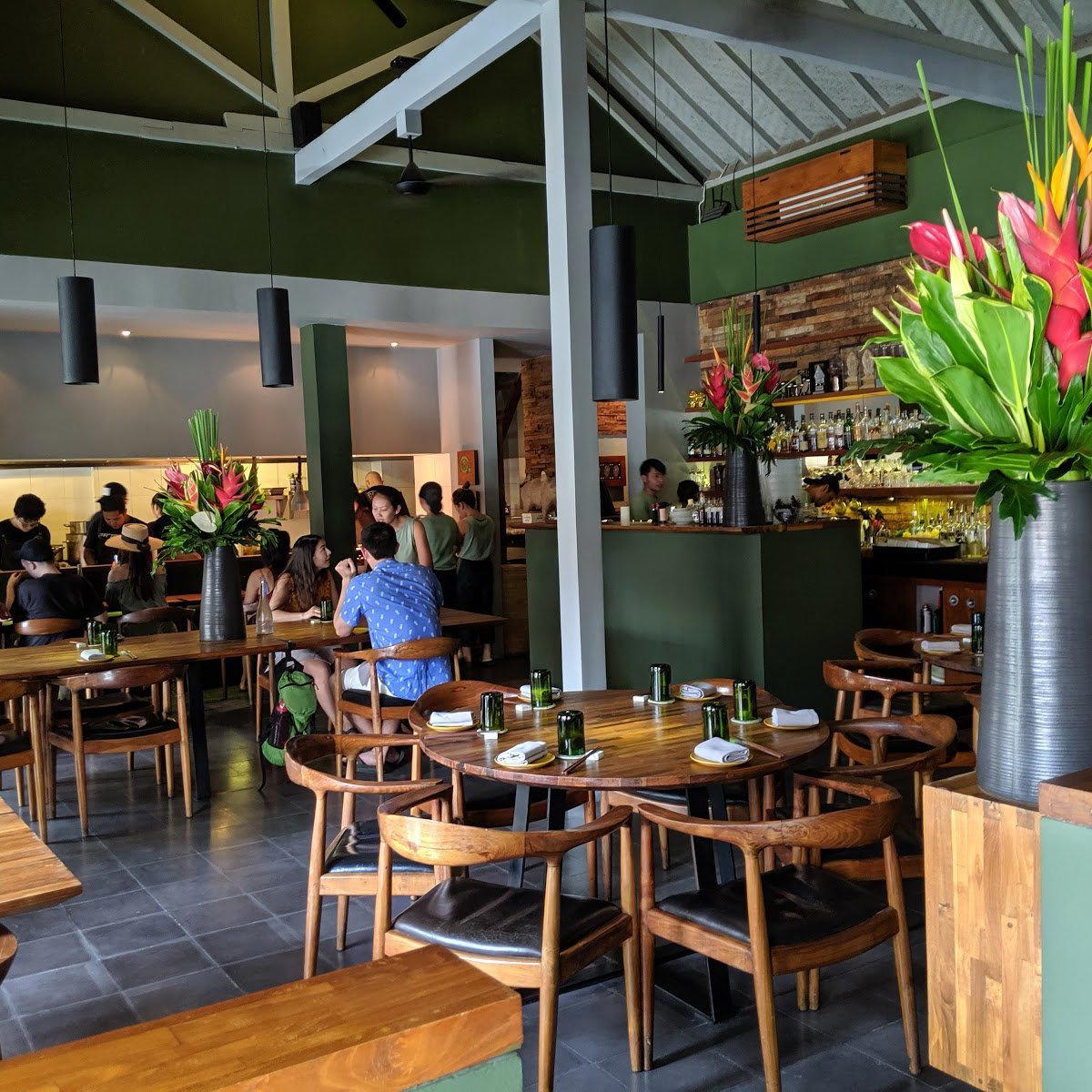
Spacious and elegant beach club with daybeds and pool areas; lively evening atmosphere with good music including reggae and dancehall; bright and open during day with ocean views.