Hotel De La Cite Carcassonne

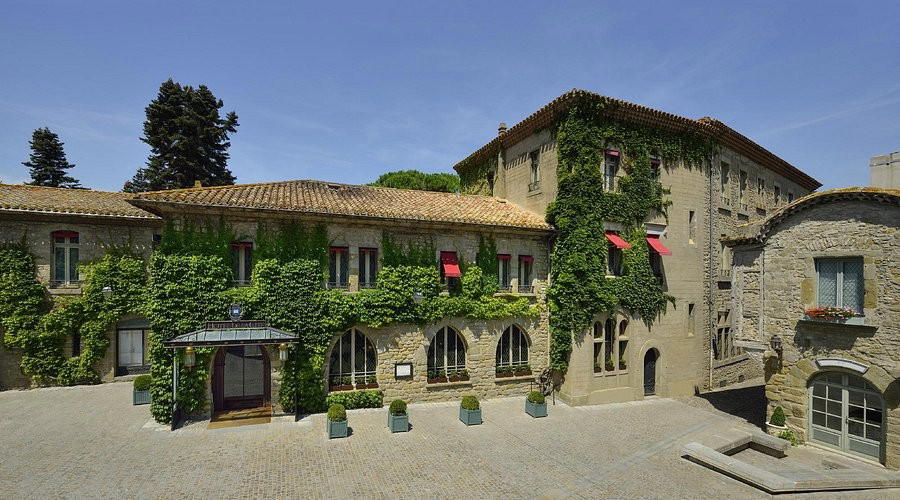
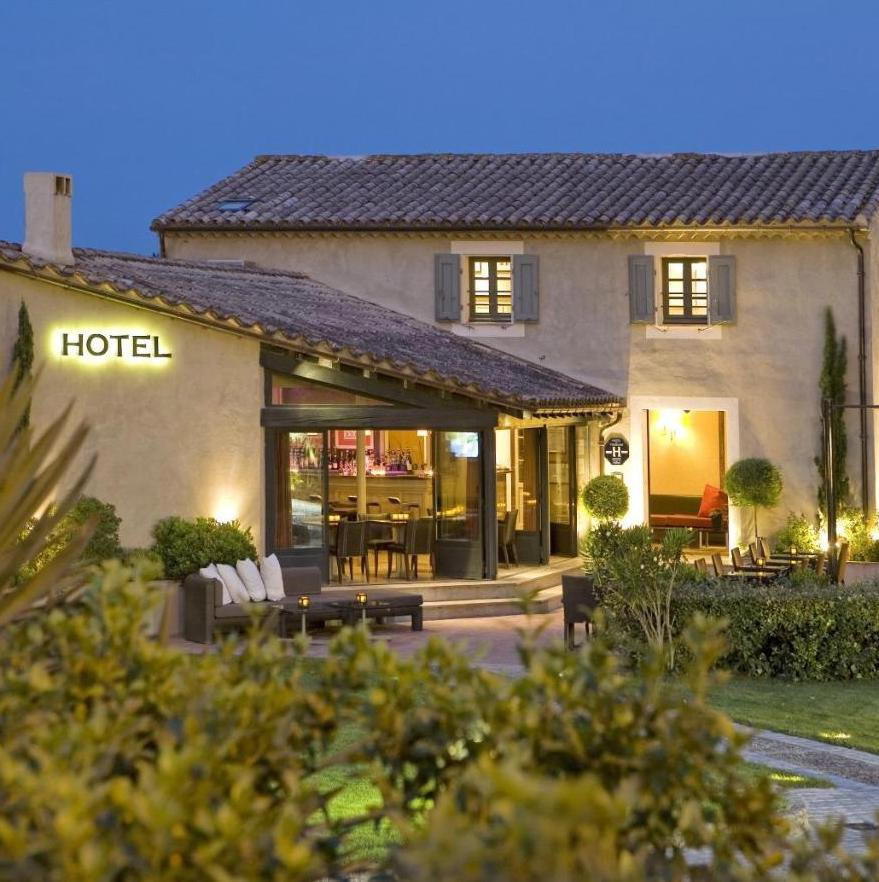
Hotel De La Cite Carcassonne occupies among the more historically charged addresses in southern France, positioned inside the medieval walls of the UNESCO-listed Cité. Selected by the Michelin Guide 2025, it sits at the upper end of Carcassonne's accommodation tier, where the setting itself does a great deal of the work and service culture determines what separates a memorable stay from a merely comfortable one.
Pearl is the En Primeur Club membership app — saves, bookings, and concierge access live there. Same editors, same standards.
- Address
- Place De L'Eglise, Carcassonne, France
 Saves & bookings on Pearl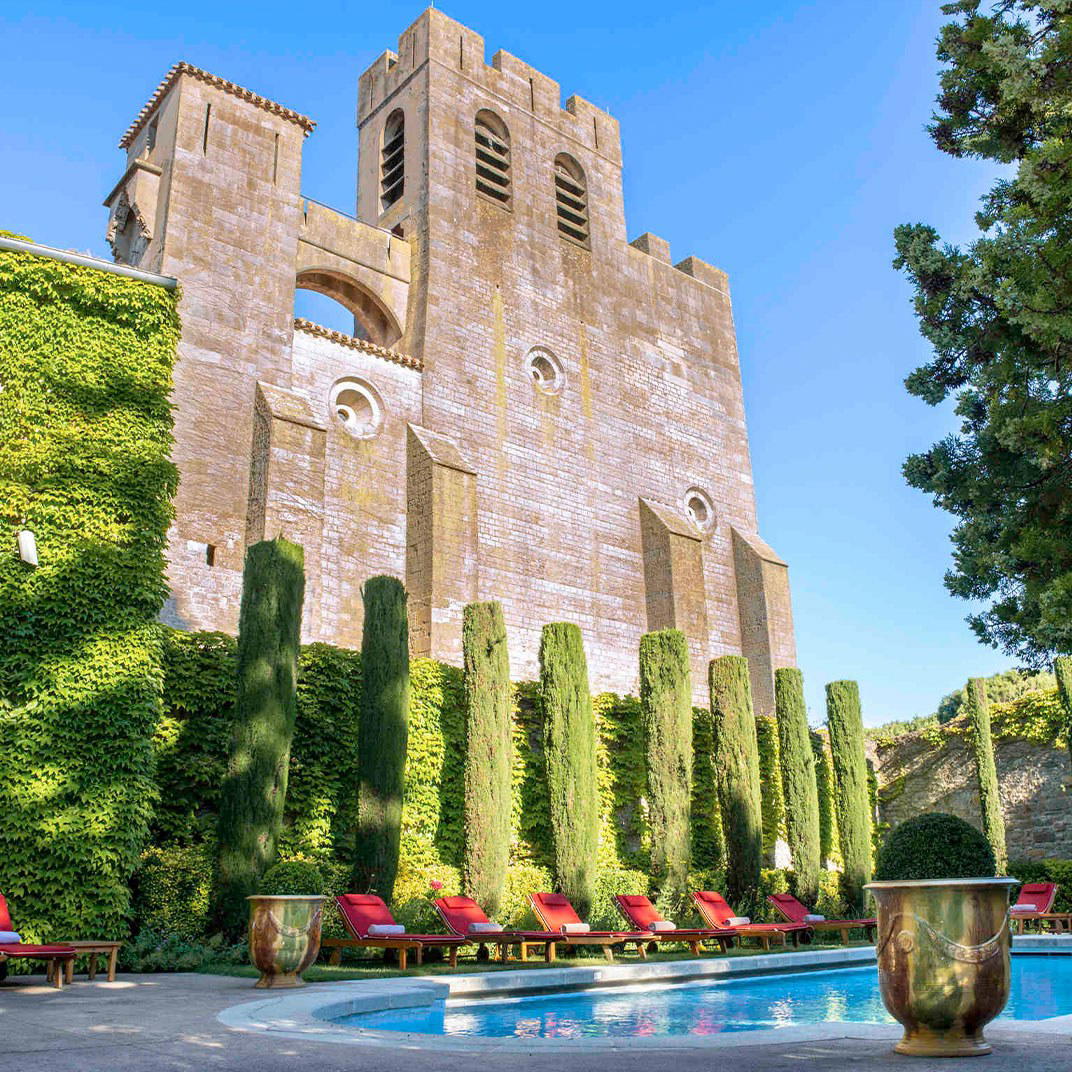
Staying Inside the Walls: What the Cité Demands of Its Hotels
few hotels in France ask as much of their guests before they even check in. To reach Hotel De La Cite Carcassonne, you pass through the Porte Naumachie or the Porte d'Aude, actual medieval gateways in actual medieval ramparts, and arrive at an address that sits inside a UNESCO World Heritage Site. The physical context sets an immediate standard. The cobblestones, the turrets, the evening light on the fortifications: all of this belongs to the hotel's atmosphere before a single staff member has said a word. What matters, then, is whether the property rises to meet that context or simply rests beneath it.
That question is at the heart of how premium accommodation works in a heritage site. Unlike urban luxury hotels in Paris or the Côte d'Azur, where the building is often the statement, a hotel inside the Cité of Carcassonne is always competing with its surroundings. The response, historically, has been one of two approaches: lean into historic character and let the architecture carry the experience, or layer contemporary service standards over a medieval shell. The strongest properties do both simultaneously, and the ones that earn Michelin recognition tend to be those where the guest experience feels considered at every point of contact rather than episodic.
Michelin Selection in Context
Hotel De La Cite Carcassonne is a 5-star hotel in Carcassonne, France, with a MICHELIN Selected distinction in the 2025 Michelin Guide for hotels. Inclusion signals consistent quality across a range of guest-facing criteria, including comfort, service, and the coherence of the overall experience.
Hôtel de la Cité - MGallery and Hôtel Le Parc - La Table de Franck Putelat represent different poles of the local luxury offer: one trading on heritage and brand scale, the other built around serious gastronomy. Hôtel Le Domaine d'Auriac and Hôtel du Château occupy other points in the spectrum, while Bloc G handles the design-led contemporary end. Hotel De La Cite's position within this set is defined by its address inside the medieval city and its Michelin-level recognition, both of which narrow its peer group to properties that combine location prestige with service credibility.
Domaine Les Crayères in Reims, where a château setting underpins a high-service model, or Baumanière Les Baux-de-Provence in Les Baux, where the surrounding landscape does work comparable to what Carcassonne's fortifications do here. The strongest reputations belong to properties where service culture stands independently of the view outside the window.
Service as the Differentiator in a UNESCO Setting
In heritage destinations, guests arrive with expectations shaped by imagery rather than experience. They have seen the Cité of Carcassonne in photographs and films. Translating that visual familiarity into a coherent stay requires staff who understand the gap between expectation and reality and are equipped to bridge it with specific, local knowledge rather than generic hospitality scripts.
The service model at properties of this tier inside the Cité tends toward anticipatory rather than reactive hosting. A guest arriving in late afternoon, for example, benefits enormously from guidance on where to be at the moment the day-trippers leave and the old city briefly reverts to something quieter. That kind of temporal local intelligence, offered without prompting, is the difference between a hotel stay and a hotel experience.
This is worth stating plainly because it reframes how you should think about the value proposition here. The walls and towers of the Cité are available to every visitor who buys a train ticket from Narbonne or Toulouse. What Hotel De La Cite Carcassonne offers is a version of that same location filtered through service that makes the physical experience legible and personal.
The Broader French Heritage Hotel Context
France has a longer tradition than most countries of converting historically significant properties into premium accommodation, and the standards expected of that category have shifted considerably over the past decade. Where once a beautiful building was sufficient justification for premium pricing, the contemporary guest set expects the physical and the experiential to operate in alignment. Properties like Le Bristol Paris or Hôtel du Palais in Biarritz demonstrate what happens when historic prestige and operational service culture are genuinely integrated. On the Mediterranean end, Hotel Du Cap-Eden-Roc in Cap d'Antibes and La Réserve Ramatuelle operate in a different register but hold to the same principle: location provides the frame, service provides the content.
Within southern France specifically, the pattern repeats across Provence and the Languedoc. La Bastide de Gordes uses its hilltop village setting in a manner directly comparable to how the Cité is used here. Villa La Coste in Le Puy-Sainte-Réparade does something different, layering contemporary art into the landscape rather than relying on ancient stone, but the underlying logic of place-as-proposition holds. Les Sources de Caudalie in Bordeaux and Royal Champagne Hotel & Spa in Champillon extend the model into wine country, where the surrounding appellations do work analogous to the Cité's ramparts.
Internationally, properties that operate inside protected or heavily visited heritage zones face the same structural challenge: Badrutt's Palace Hotel in St. Moritz, Hôtel de Paris Monte-Carlo, and The Fifth Avenue Hotel in New York City all operate within environments that generate expectations independent of the hotel itself. The ones that hold their standing do so through consistent service disciplines, not through the strength of their address alone.
Planning Your Stay
Carcassonne's old city draws the majority of its visitors between May and September, when the Cité is at its most animated but also at its most congested. Booking well in advance for summer stays is standard practice across all properties inside the walls. Arriving by train from Toulouse (roughly fifty minutes) or Narbonne (around thirty minutes) puts you within a manageable walk or taxi ride from the hotel. The address, Place De L'Eglise, places the property within the Cité's core, meaning access to the ramparts and the principal sights is on foot.
Those planning a broader itinerary through the south of France may find useful comparison in properties like Hôtel & Spa du Castellet in Le Castellet, Le Negresco in Nice, The Maybourne Riviera in Roquebrune-Cap-Martin, Four Seasons Megeve in Megève, and Le K2 Palace in Courchevel.
Cuisine Lens
Comparable venues nearby, for context on price, style, and recognition.
| Venue | Cuisine | Price | Awards | Notes |
|---|---|---|---|---|
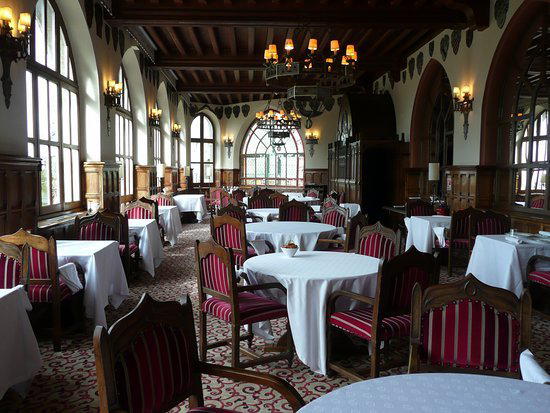
| Hotel De La Cite CarcassonneThis venue — the venue you are viewing | Neo-Gothic castle hotel blending historic charm with modern luxury | $$$$ | 5-Star | Not listed |
| Hôtel Le Parc - La Table de Franck Putelat | Restaurant with chic rooms | $$$$ | 5-Star | Carcassonne Center |
| Hôtel de la Cité - MGallery | Historic medieval château converted into a luxury heritage hotel, blending period architecture with contemporary luxury amenities. | $$$$ | 5-Star | Medieval City (Cité) |
| Camellas-Lloret | Bohemian classic countryside retreat blending 18th-century French architecture with contemporary comfort and curated vintage furnishings. | $$$ | 4-Star | Montreal |
| Hôtel du Château | Family-run luxury boutique blending medieval stone architecture with modern comfort | $$$$ | 4-Star | Cité de Carcassonne |
| Hôtel Le Domaine d’Auriac | 19th-century manor house in leafy parkland | $$$$ | 4-Star | Route de Saint-Hilaire |
Recognition history
Dated appearances from independent guides and award organizations, with the underlying list record or original source where available.
Michelin Selected
Michelin
Continue exploring
More in Carcassonne
Hotels in Carcassonne
Browse all →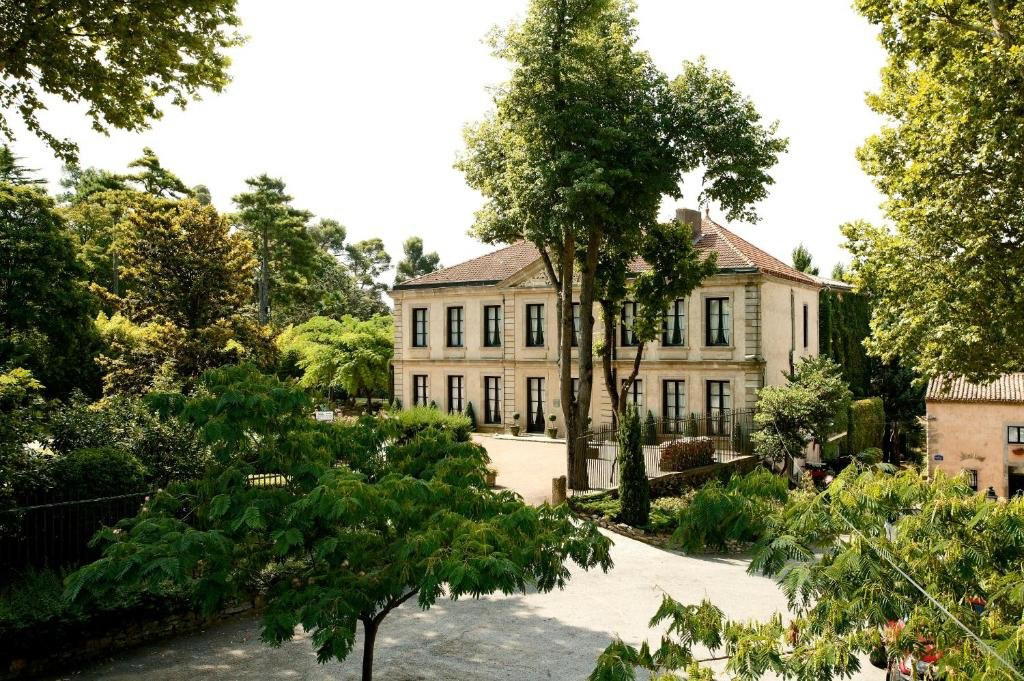
At a Glance
- Romantic
- Elegant
- Classic
- Sophisticated
- Well Known
- Intimate
- Romantic Getaway
- Honeymoon
- Anniversary
- Weekend Escape
- Historic Building
- Panoramic View
- Terrace
- Pool
- Spa
- Wi Fi
- Room Service
- Concierge
- Restaurant
- Bar
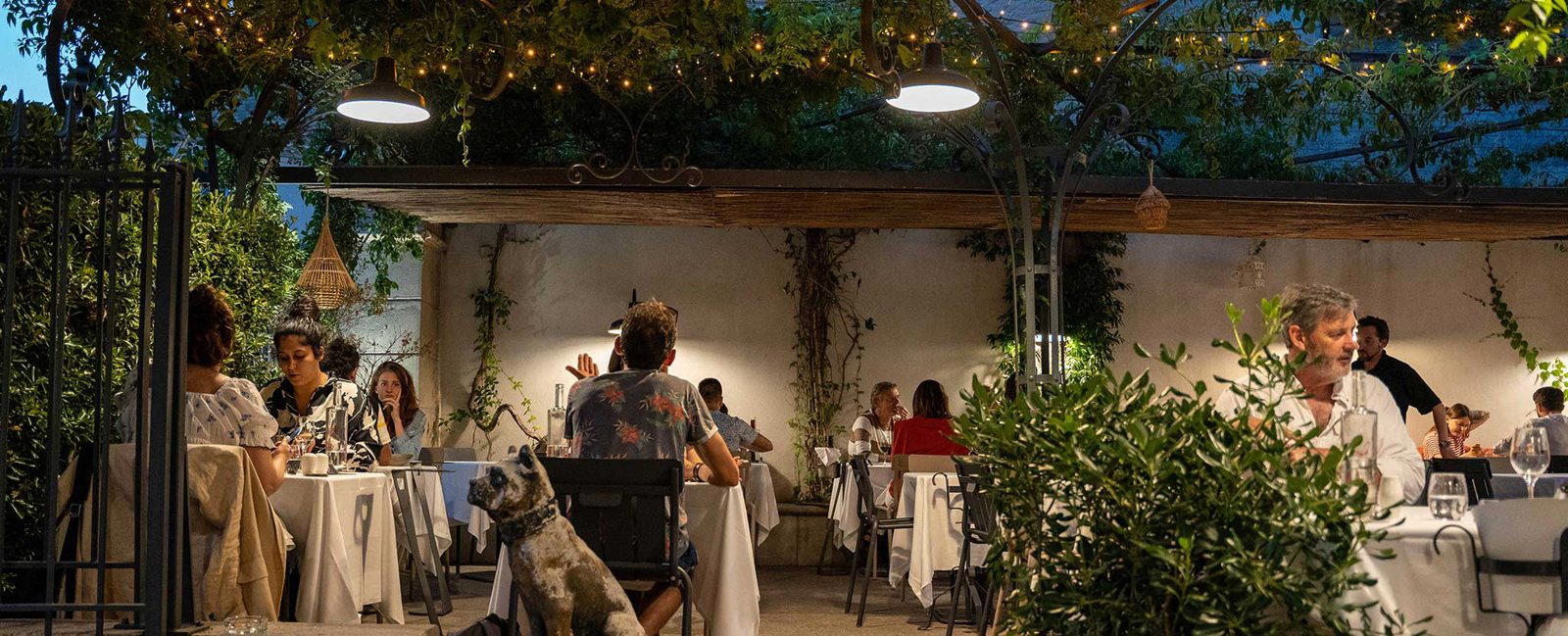
- Garden
- Street Scene
- Garden
- Pool
- Spa
- Wi Fi
- Room Service
- Concierge
- Restaurant
- Bar
- Garden
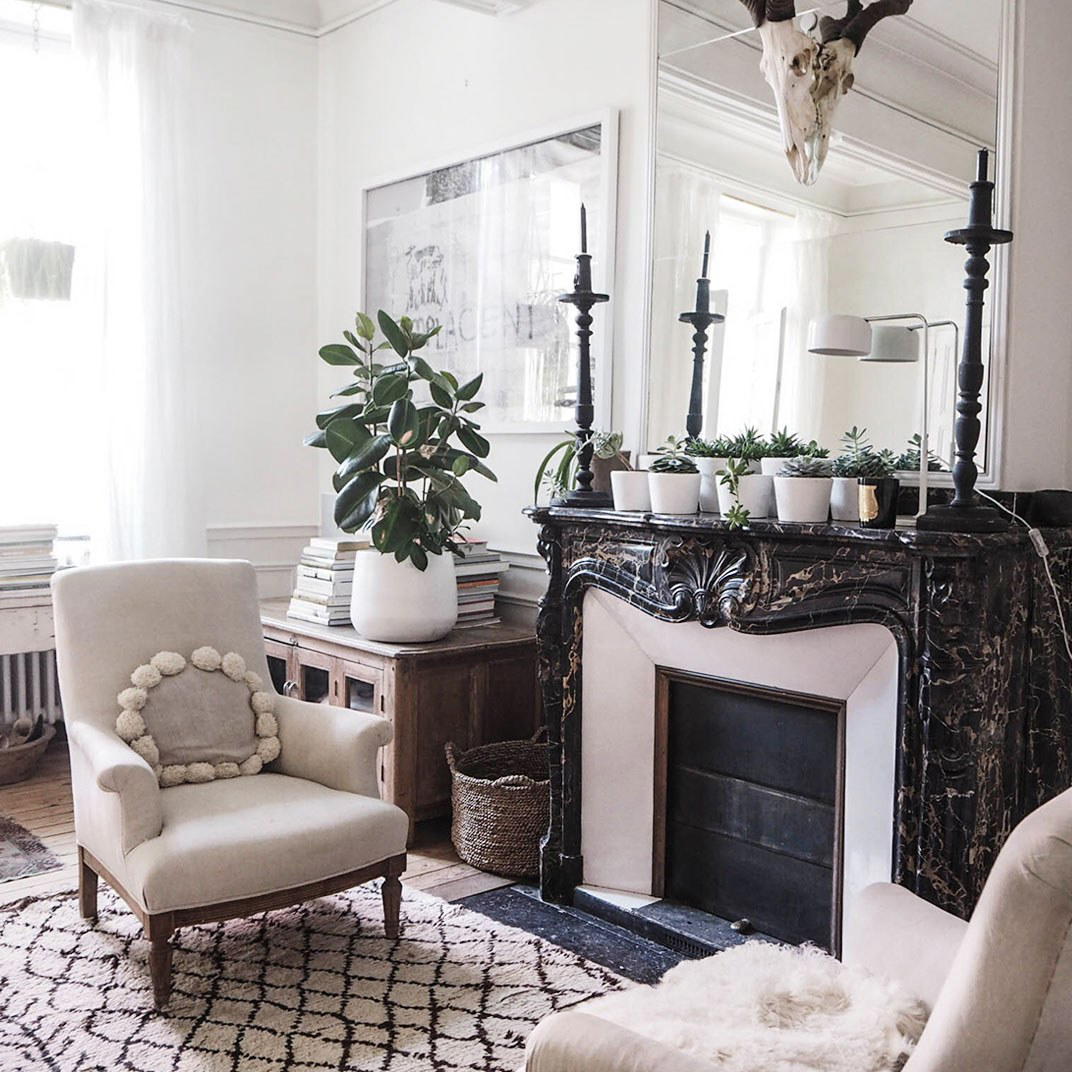
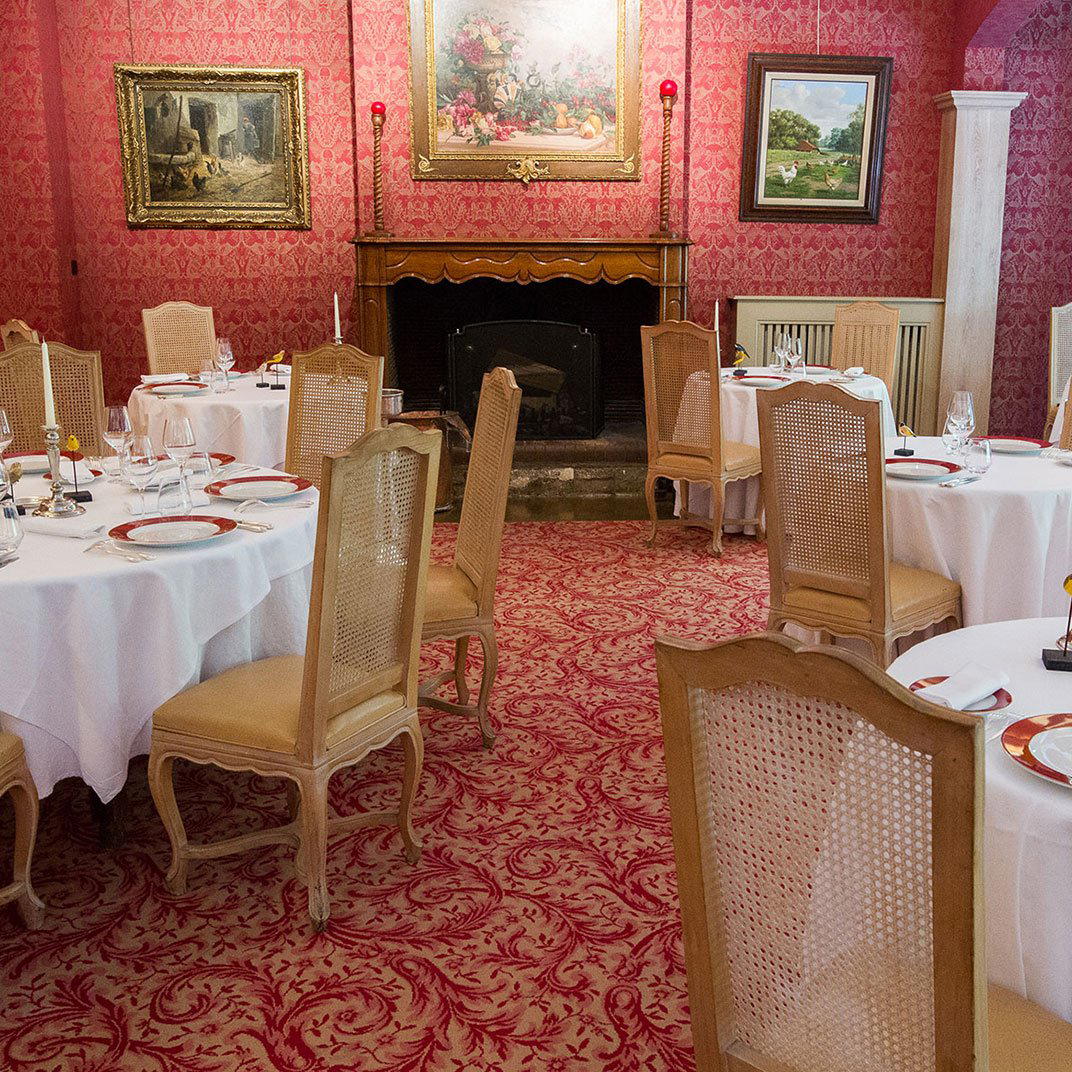
Warm and intimate atmosphere created by wood-paneled walls, stained-glass windows, tapestries, and cozy spaces like the bar-bibliothèque with a fireplace.