Hotel Ciasa Salares

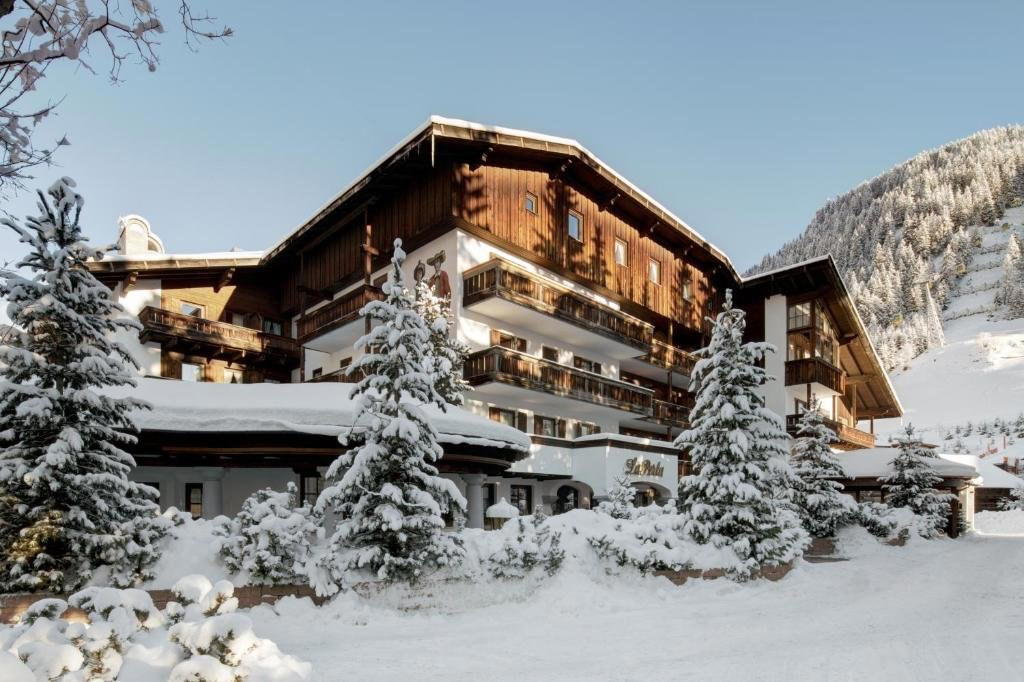
A Michelin Selected property in the Alta Badia valley, Hotel Ciasa Salares sits in San Cassiano at the foot of some of the Dolomites' most dramatic terrain. The hotel's alpine architecture and position within a small, design-conscious comparable set make it a reference point for mountain hospitality in the region. It belongs to a tradition of South Tyrolean properties that treat materiality and landscape as inseparable from the guest experience.
Pearl is the En Primeur Club membership app — saves, bookings, and concierge access live there. Same editors, same standards.
- Address
- Strada Prè de Vì, 31, 39030 San Cassiano BZ, Italy
- Phone
- +39 0471 849445
- Website
- ciasasalares.it
- Directions
- Get directions
 Saves & bookings on Pearl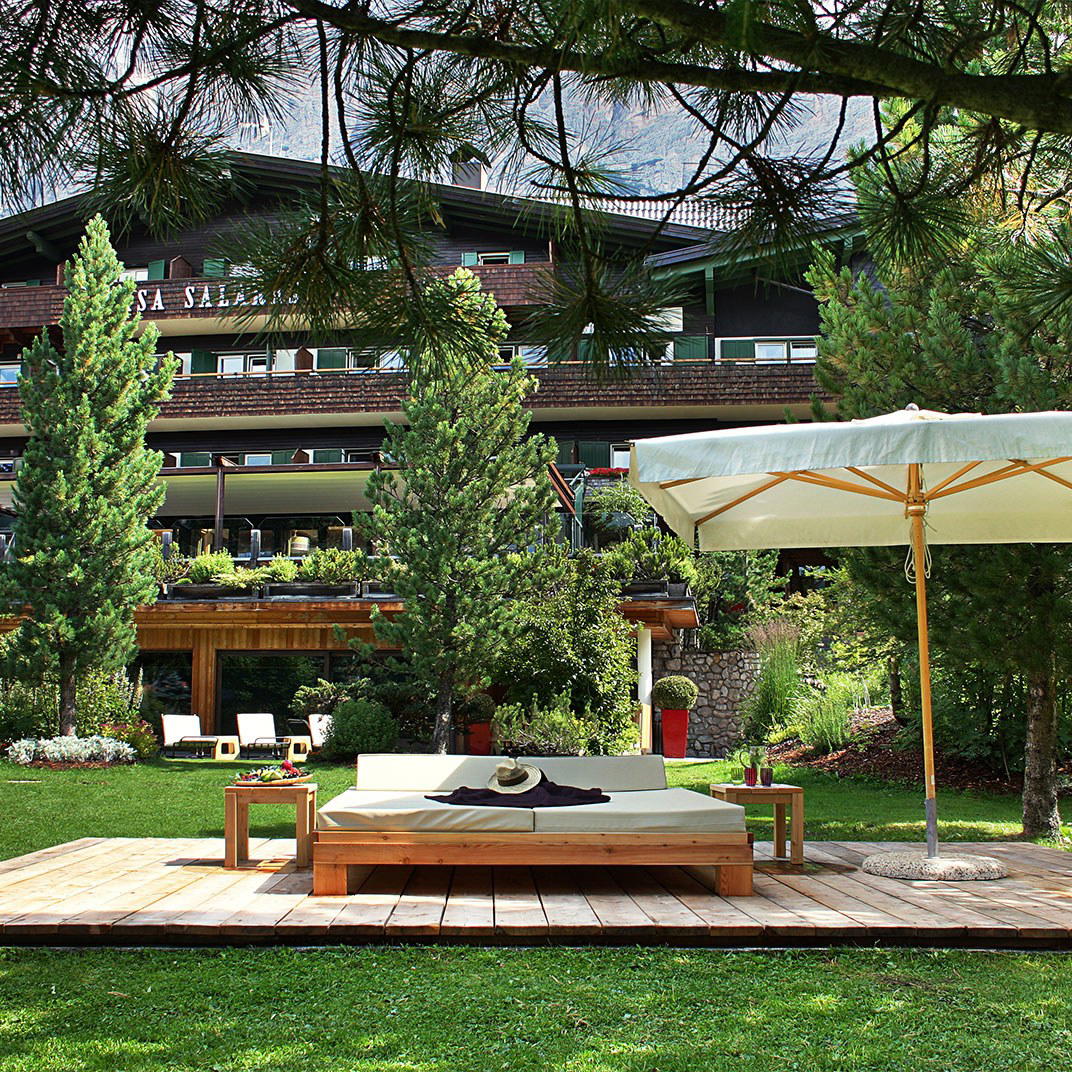
Where Alpine Architecture Meets the Dolomite Valley Floor
San Cassiano sits in the Alta Badia, a Ladin-speaking valley in the South Tyrol where the Dolomite peaks press close enough on all sides that the horizon is always vertical. Hotels here have long operated in a specific tradition: timber and stone construction that reads as local rather than decorative, interiors that bring the outside in rather than shutting it out, and a general preference for depth over breadth. Hotel Ciasa Salares belongs to this tradition. The name itself, ciasa is the Ladin word for house, signals the positioning. This is not a resort that happens to be in the mountains. It is a property shaped by them.
The architectural logic of high-altitude South Tyrolean properties follows a recognisable grammar: load-bearing timber frames, steeply pitched roofs engineered for heavy snowfall, and facade materials that weather rather than resist the climate. Ciasa Salares reads within that grammar while holding a distinct residential quality that separates it from the larger ski-hotel formats that dominate Cortina d'Ampezzo to the east. In a valley where scale tends to be intimate, the property sits at the smaller, more considered end of the comparable set.
The Alta Badia comparable set
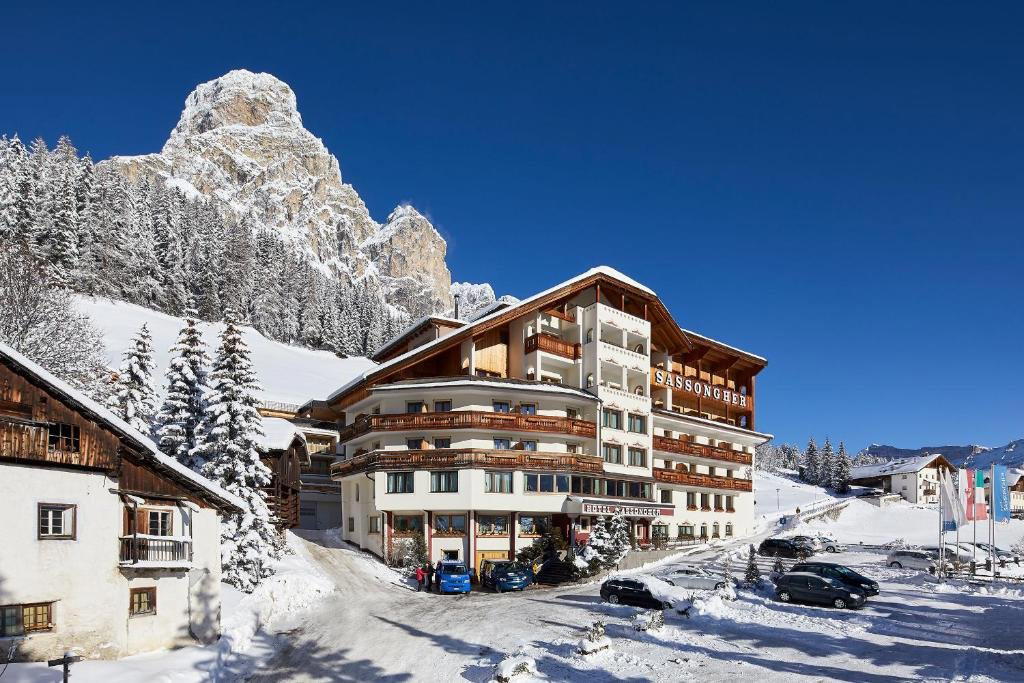
San Cassiano's luxury hotel market is compact and competitive. Three properties define most of the conversation: Hotel Ciasa Salares, Lagació Hotel Mountain Residence, and Rosa Alpina, with Hotel Tofana rounding out the village offering. Rosa Alpina carries Michelin dining recognition and a longer international profile; Lagació has positioned itself on a sharper design-led identity. Ciasa Salares holds its own ground through a combination of valley-floor location, architectural authenticity, and a Michelin Selected designation that places it within the guide's curated accommodation tier for 2025.
That Michelin Selected status matters as a comparative anchor. The designation is not awarded to every property that applies or that generates strong online reviews. It reflects an editorial assessment of quality, consistency, and character, criteria that align with what the South Tyrolean mountain hotel tradition demands at its upper end. For travellers calibrating between this property and peers, the designation sits in the same tier as the recognition held by comparable Italian alpine properties.
Design Philosophy in a High-Altitude Context
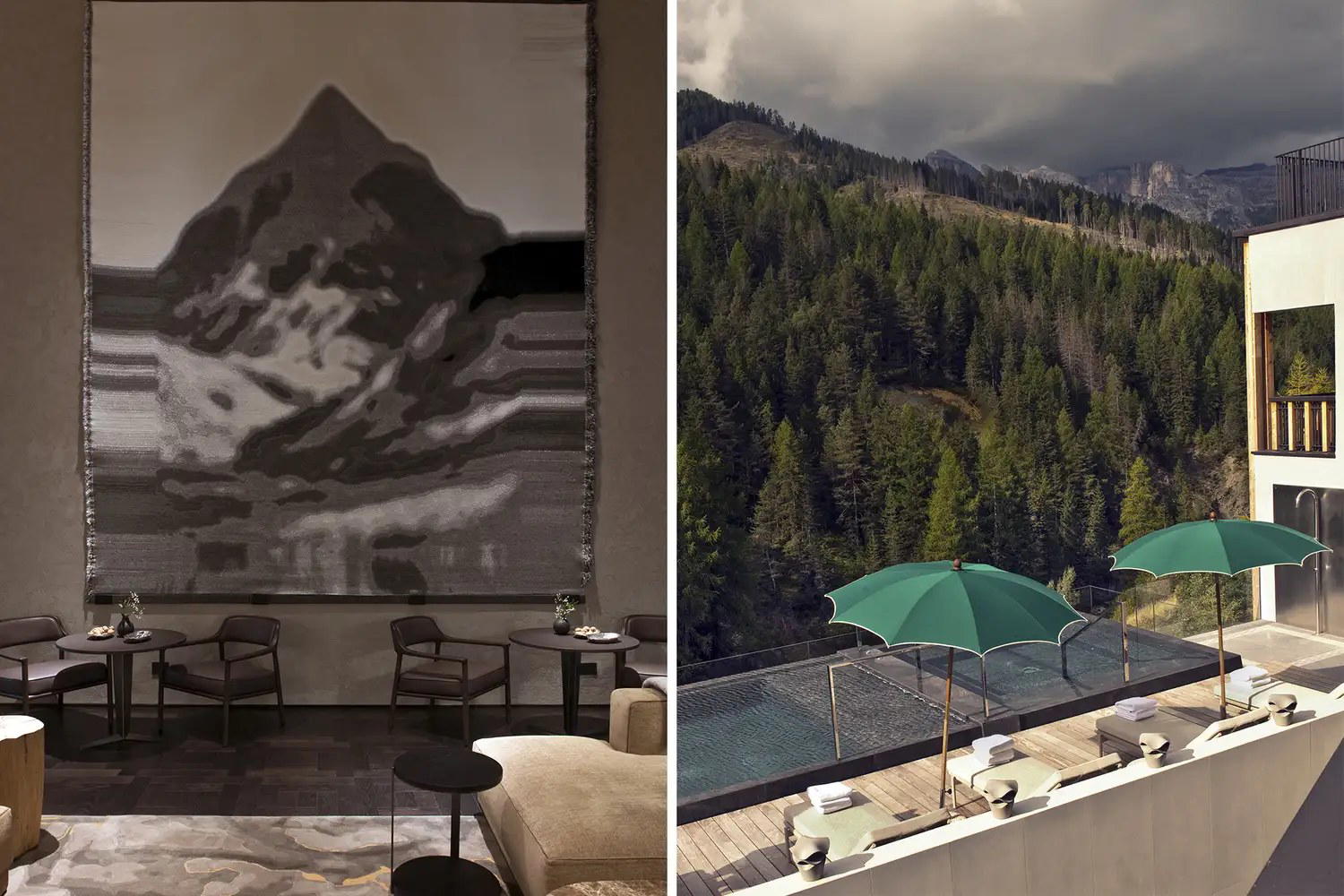
The design approach at high-altitude South Tyrolean properties operates under a set of constraints that have historically produced coherent aesthetic results. Snow loads shape rooflines. Cold temperatures make thermal mass a functional requirement, not an aesthetic choice. The short summer season compresses the experiential calendar, so interiors carry more weight than in year-round resort destinations. The result, across the better Alta Badia properties, is a particular kind of warmth: spaces that feel considered rather than assembled, where local timber work, textile choices, and fireplace placement are architectural decisions rather than decorative ones.
Ciasa Salares sits at Strada Prè de Vì 31, in the heart of San Cassiano, positioned to access both the village's skiing infrastructure and the quieter summer hiking and cycling that the valley floor enables. The address puts guests within the residential core of the village rather than on its periphery, which changes the character of arrival and daily movement in ways that larger resort formats cannot replicate.
The South Tyrol Hotel Tradition in Wider Context
To understand what Ciasa Salares represents, it helps to map it against the broader Italian luxury hotel geography. Italy's high-end accommodation market divides into several distinct registers: the grand urban palaces (see Bulgari Hotel Roma or Four Seasons Hotel Firenze), the coastal properties built on clifftop drama (as at Il San Pietro di Positano or Borgo Santandrea), the Tuscan estate model (Rosewood Castiglion Del Bosco, Castello di Reschio), and the alpine mountain hotel, which operates under entirely different physical and seasonal logic.
The mountain category shares more with properties in Switzerland or Austria than with the Italian coastal tradition. Hotels like Badrutt's Palace Hotel in St. Moritz represent the grand-scale alpine end; Ciasa Salares and its San Cassiano peers represent a different register: village-scale, architecturally rooted, and oriented toward guests who want access to terrain rather than resort spectacle. Other Italian alpine properties worth comparing include Castel Fragsburg in Merano and Bellevue Hotel & Spa in Cogne, both Michelin Selected, both operating in the same materiality-forward tradition.
For travellers building an Italian itinerary that includes both alpine and other registers, the contrast is part of the appeal. A stay at Ciasa Salares pairs logically with the Venetian grandeur of Aman Venice, or with the design-led lakeside character of Il Sereno in Torno. The Alta Badia is roughly three hours from Venice by road, making it a realistic extension of a northern Italian circuit rather than an isolated destination choice.
Planning a Stay
San Cassiano operates on a dual-season calendar. Winter runs from late November through April, with skiing on the Dolomiti Superski network, one of Europe's largest interconnected ski areas, accessed directly from the village. Summer from June through September brings hiking, cycling, and considerably lower occupancy, which typically translates to easier availability and a different pace. The shoulder months of May and late October see the property close or reduce operations, as is standard across the Alta Badia. Booking through the Michelin guide's hotel portal is one route; the property's address at Strada Prè de Vì 31 serves as the contact anchor for direct reservation inquiries.
Travellers arriving by car will find San Cassiano most directly reached via the Val Badia from Brunico to the north, or via the Passo Gardena from the west. The village has no rail connection; Brunico is the nearest station with onward taxi or transfer service. For the broader San Cassiano dining and hotel picture, the EP Club San Cassiano guide covers the valley's full offering.
At-a-Glance Comparison
Comparable venues nearby, for context on price, style, and recognition.
| Venue | Cuisine | Price | Awards | Notes |
|---|---|---|---|---|
| Hotel Ciasa SalaresThis venue — the venue you are viewing | Family-run wooden chalet blending traditional Ladin heritage with luxury comfort. | $$$$ | 4-Star | Not listed |
| Hotel Tofana | family-run boutique hotel with modern Alpine redesign | $$$$ | 4-Star | San Cassiano |
| Lagació Hotel Mountain Residence | Contemporary Alpine chic chalet-style apartments | $$$$ | Michelin 1 Key | San Cassiano |
| Rosa Alpina | Contemporary Alpine chalet with modernist luxury | $$$$ | Michelin 2 Key | San Cassiano |
| Splendid Venice - Starhotels Collezione | Historic Venetian palace with modern updates | $$$$ | 4-Star | San Marco |
| Su Gologone | Countryside resort blending Sardinian tradition with artistic expression | $$$$ | 4-Star | Oliena |
Recognition history
Dated appearances from independent guides and award organizations, with the underlying list record or original source where available.
Michelin Selected
Michelin
Continue exploring
More in San Cassiano
Hotels in San Cassiano
Browse all →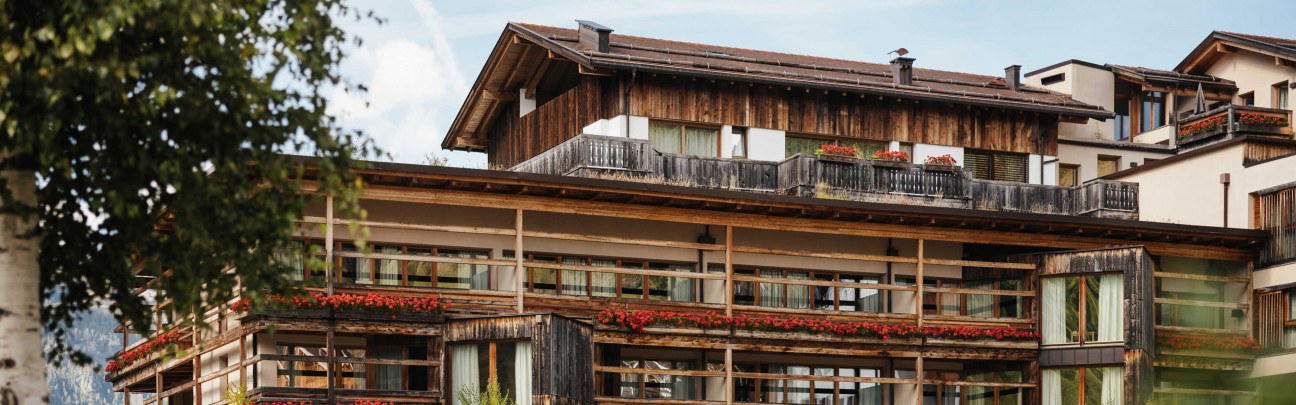
Bars in San Cassiano
Browse all →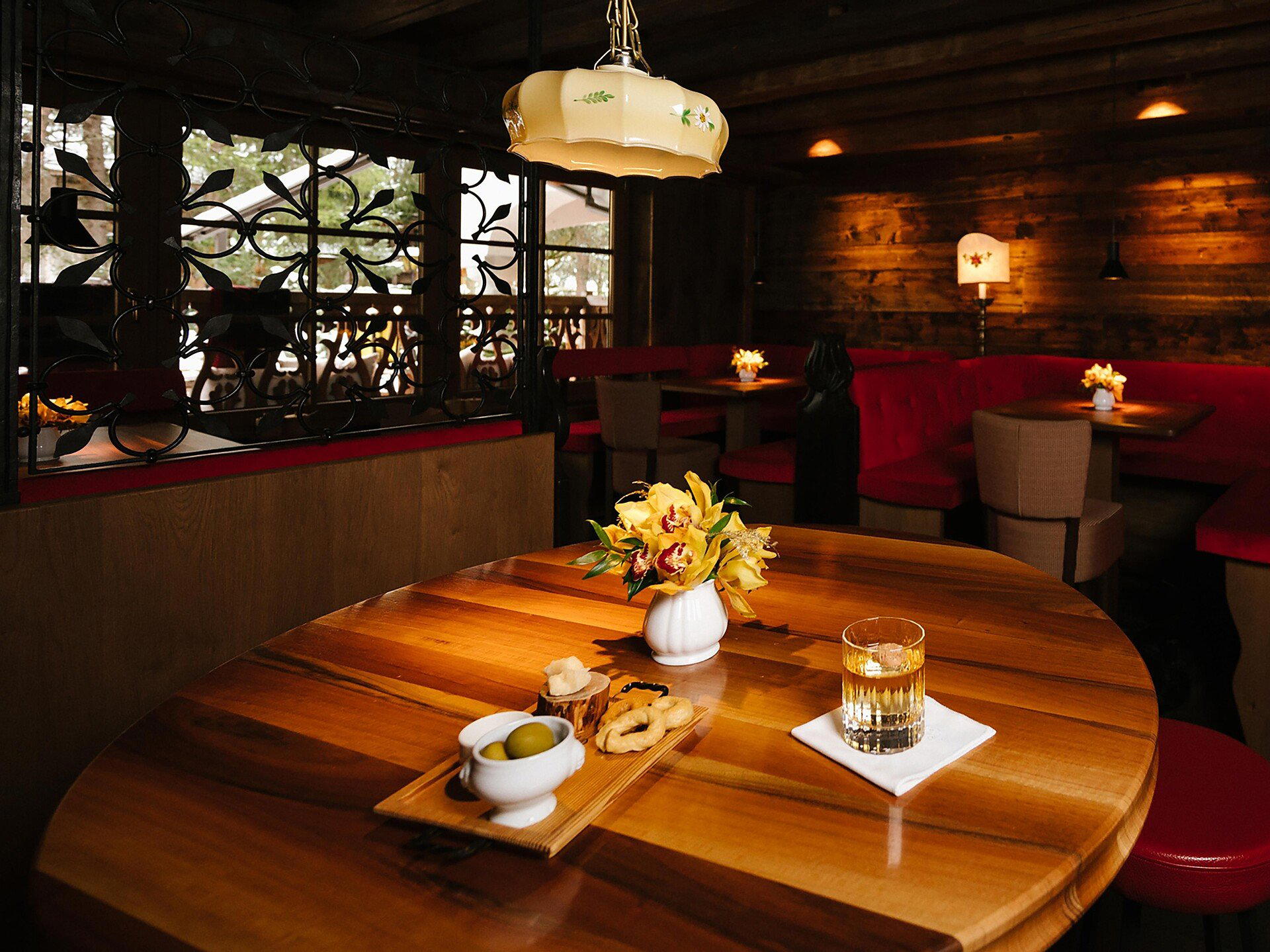
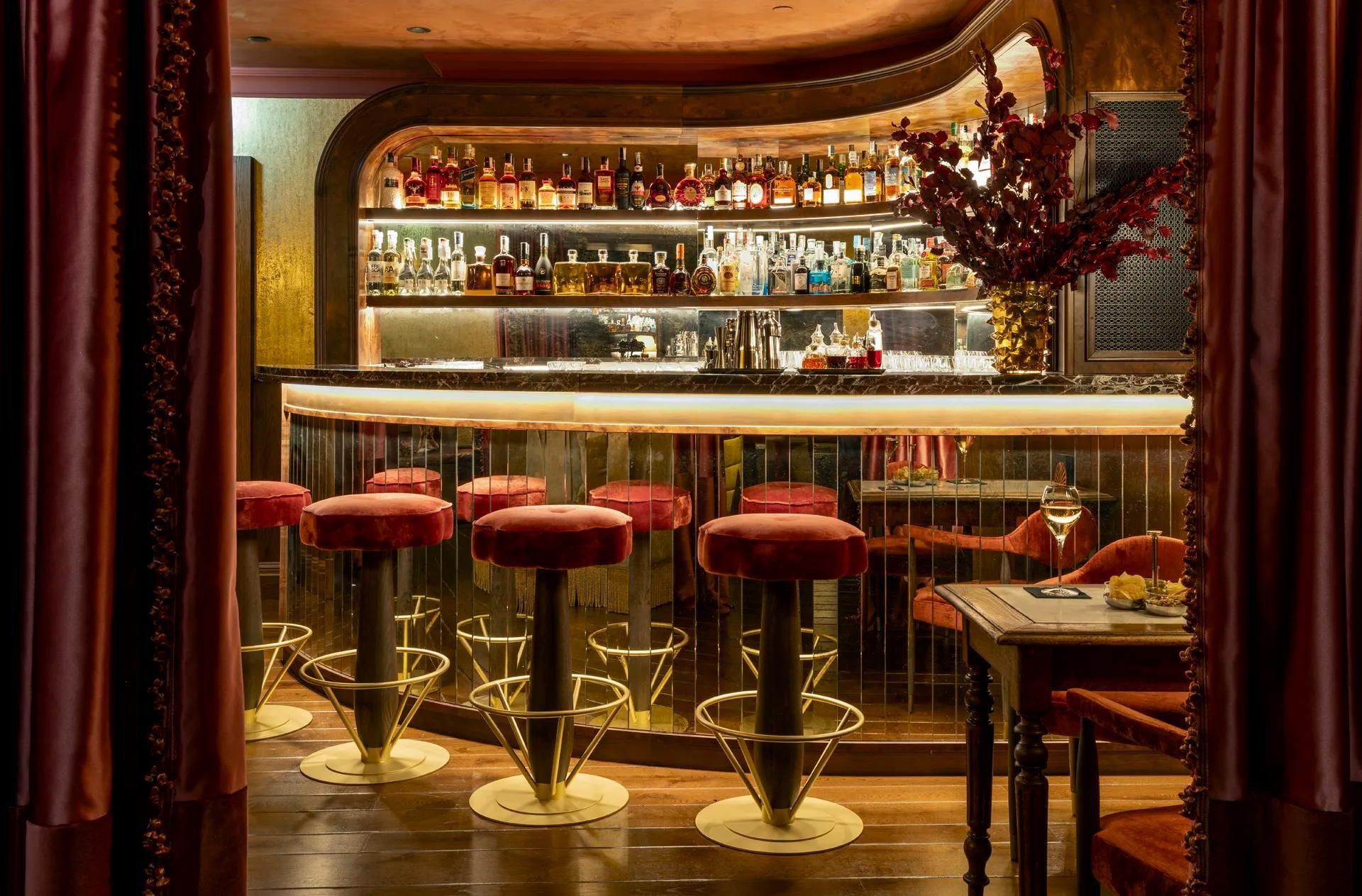
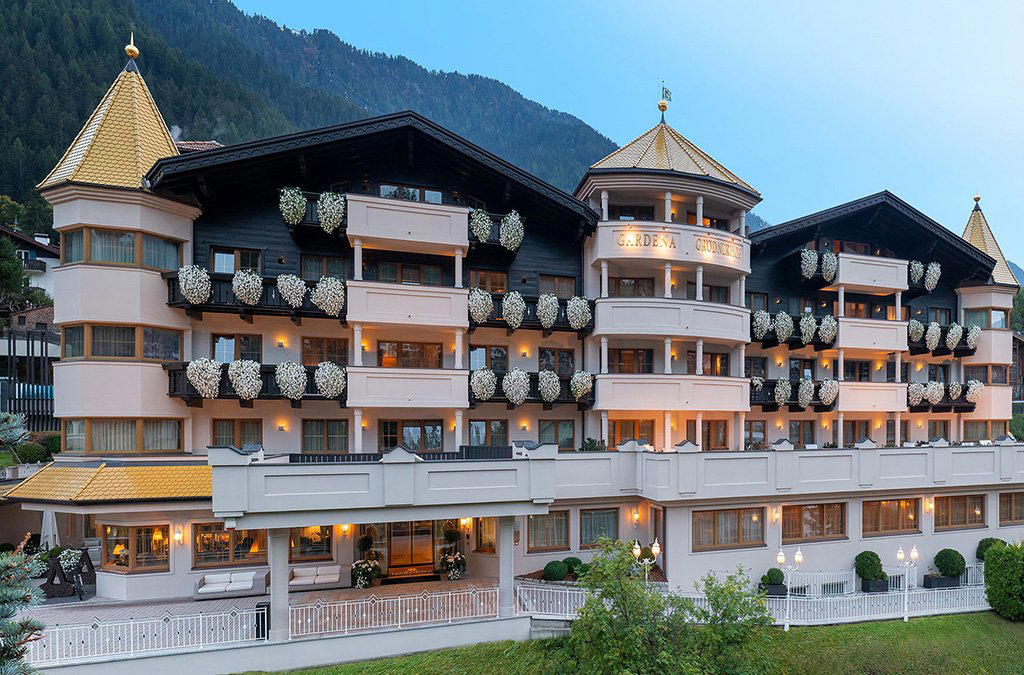
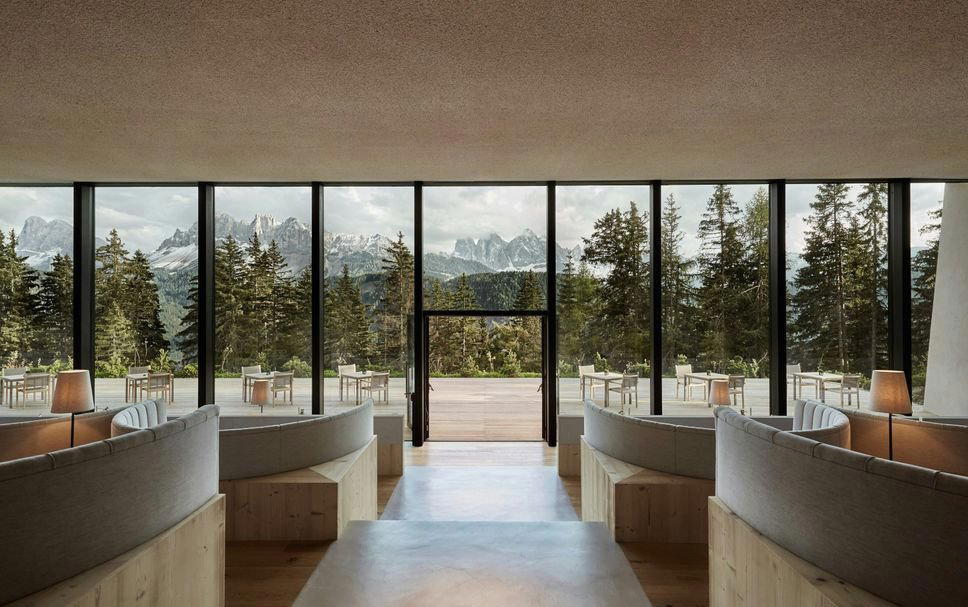
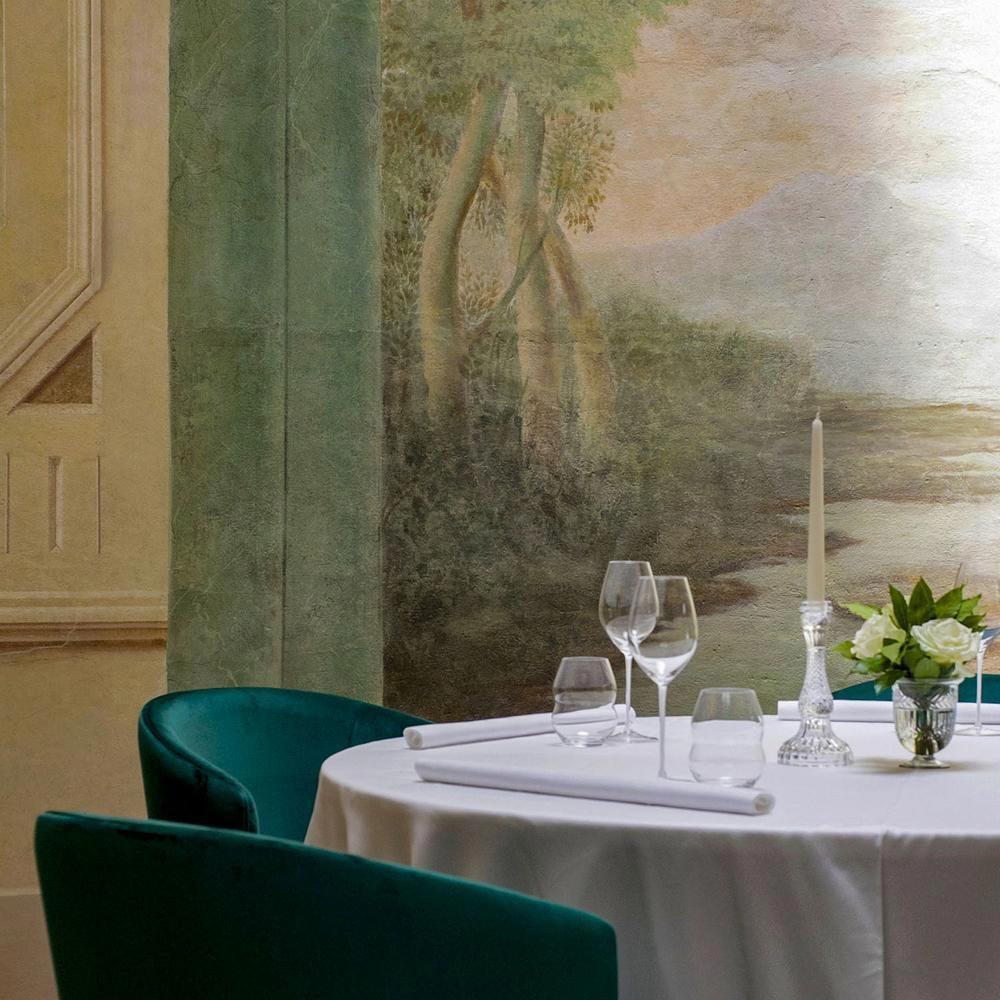
At a Glance
- Cozy
- Rustic
- Elegant
- Quiet
- Scenic
- Romantic Getaway
- Honeymoon
- Family Vacation
- Wellness Retreat
- Panoramic View
- Ski In Ski Out
- Spa
- Pool
- Indoor Pool
- Fitness Center
- Wi Fi
- Room Service
- Mountain
- Spa
- Pool
- Indoor Pool
- Fitness Center
- Wi Fi
- Room Service
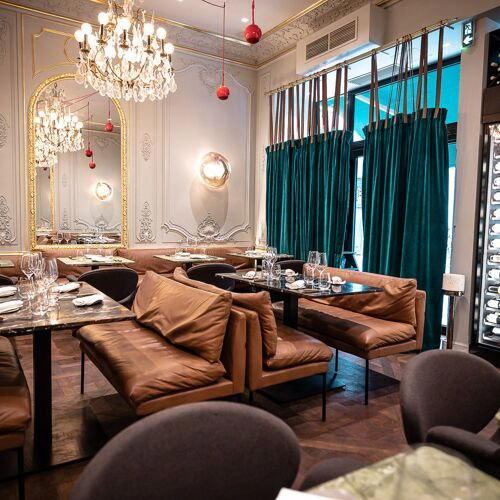
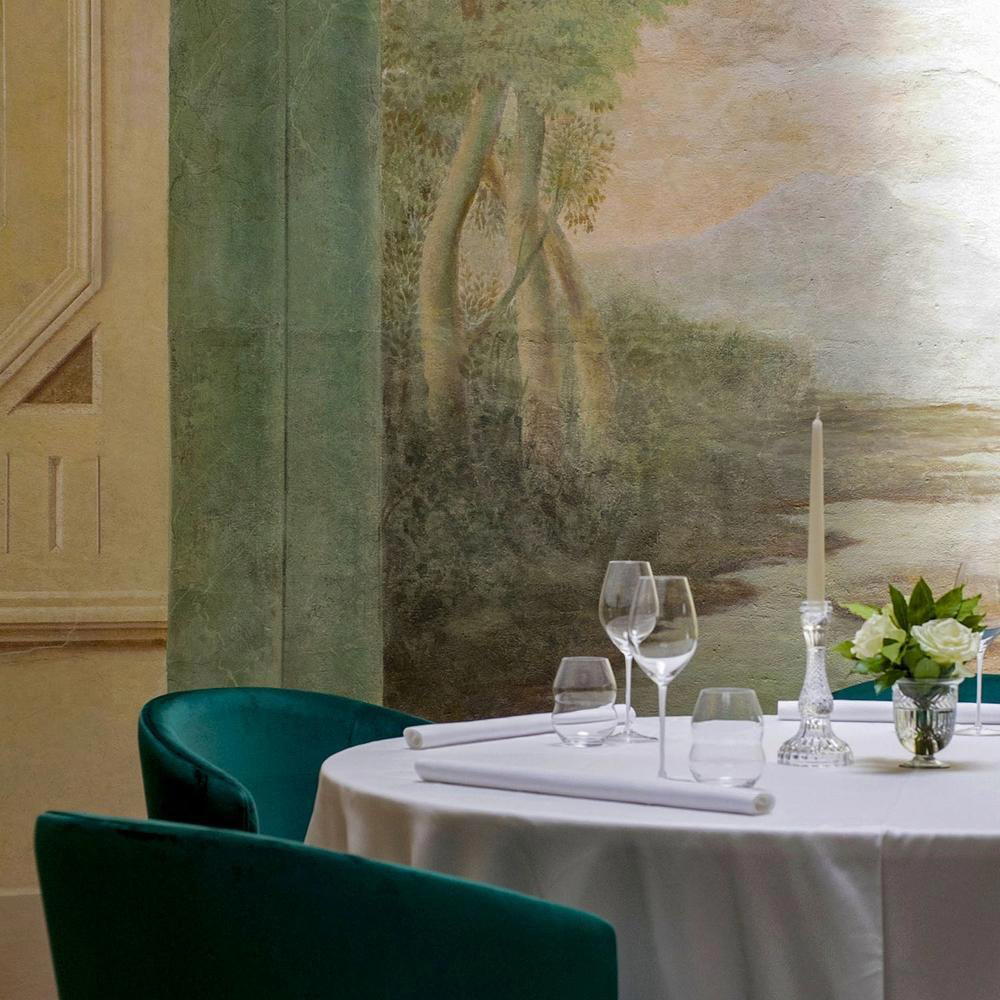
Warm and cozy alpine atmosphere with rich timber, handicraft textiles, and natural wood furnishings evoking Ladin culture.