Hotel Bourré Bonne
Hotel Bourré Bonne sits in a Louisville hotel scene shaped by bourbon tourism, adaptive reuse, and a growing appetite for smaller stays with a stronger sense of place. With limited public record data available in public sources, the useful reading is comparative: place it against the city’s design-led hotels, museum-hotel hybrids, and historic addresses before deciding how much certainty the stay requires.
Pearl is the En Primeur Club membership app — saves, bookings, and concierge access live there. Same editors, same standards.
- Address
- 133 W Market St, Louisville, KY 40202
- Phone
- (502) 384-3347
- Website
- hilton.com
- Directions
- Get directions
 Saves & bookings on Pearl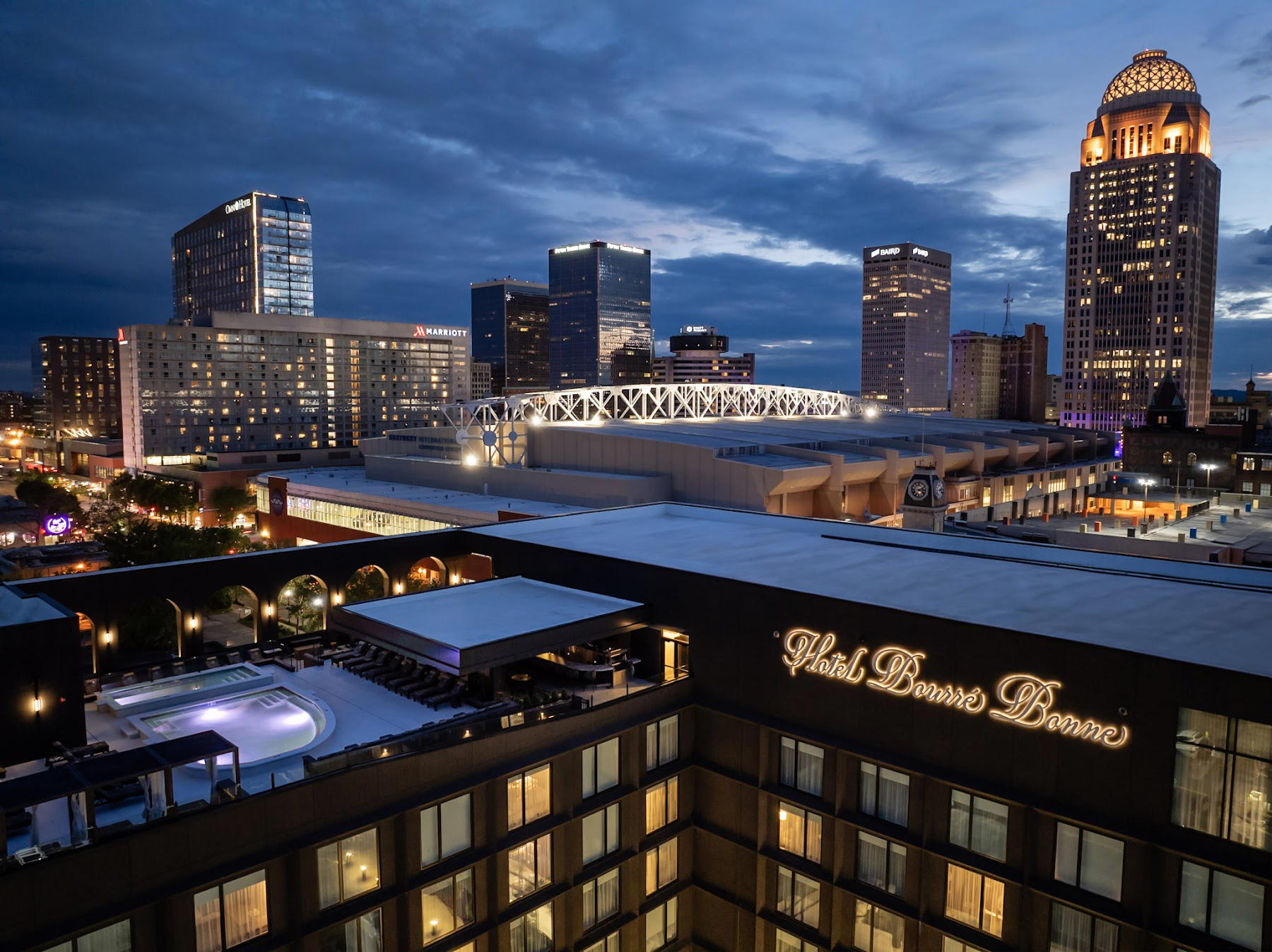
First read: Louisville's hotel mood is architectural before it is decorative
Approaching a Louisville hotel with any ambition, the first cue is usually material rather than service language: brick, cast iron, limestone, warehouse proportions, bourbon-age patina, or a polished lobby built to receive weekend travelers arriving for distilleries, racing, restaurants, and downtown events. Hotel Bourré Bonne enters that conversation as a 4-star hotel at 133 W Market St, Louisville, KY 40202, USA. The record does not list an architect, restaurant format, or design notes, so the responsible editorial reading is not to invent a lobby, a bar, or a suite. It is to place the hotel inside Louisville’s broader hospitality grammar, where a property’s physical identity matters because the city sells atmosphere through buildings as much as through itineraries.
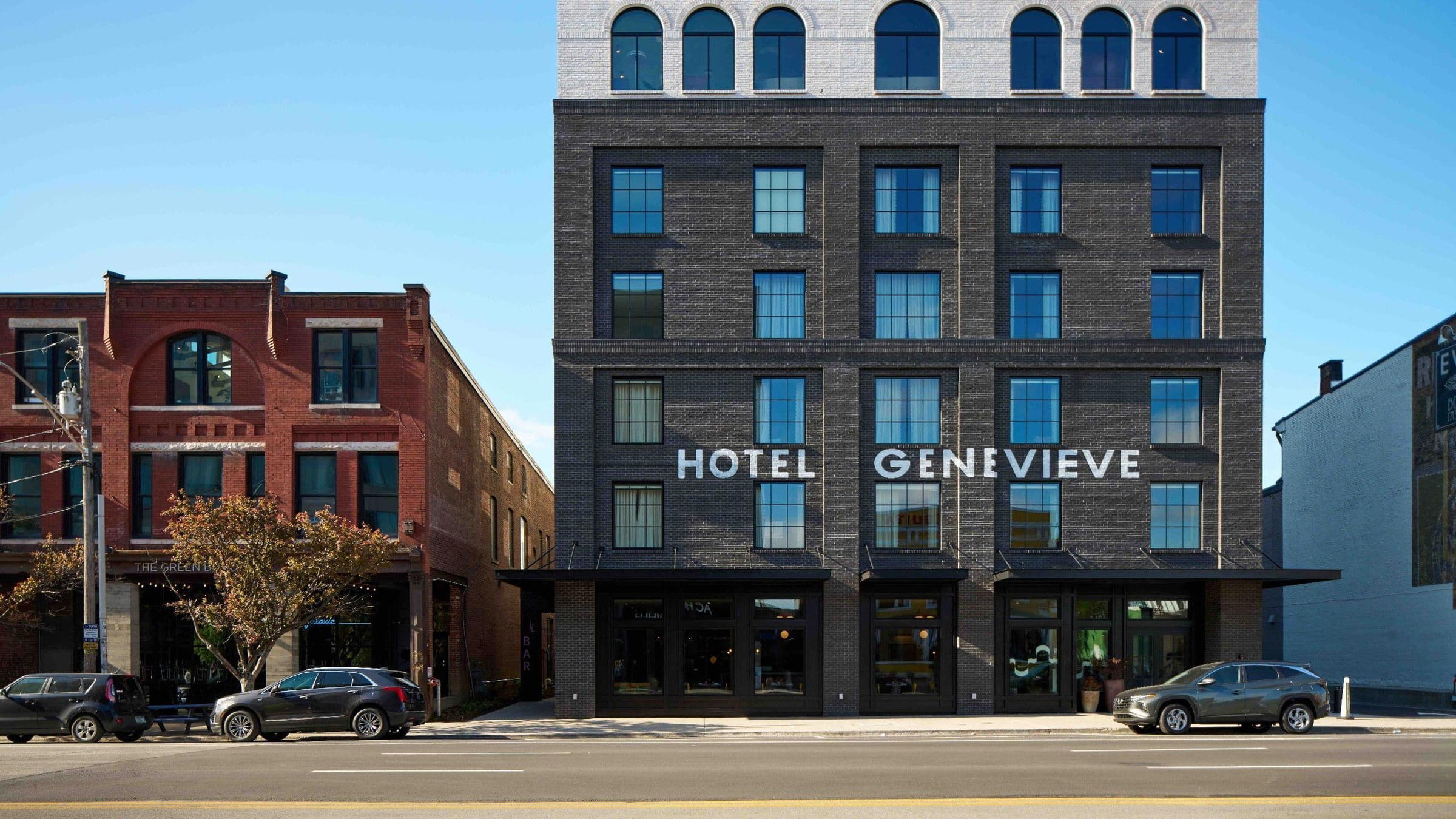
That distinction matters in Louisville. The city’s stronger hotel addresses tend to fall into recognizable camps: historic grand hotels, contemporary boutique conversions, art-driven downtown properties, and smaller neighborhood stays that trade scale for specificity. The Brown Hotel represents the old civic-hotel model, where public rooms and legacy dining carry as much weight as guest rooms. 21c Museum Hotel, Louisville belongs to the art-hotel category, a format that changed how many American secondary cities thought about downtown hospitality. Hotel Genevieve reflects the design-forward, contemporary boutique lane, while Gralehaus points toward Louisville’s smaller, neighborhood-inflected stay culture.
Design-led Louisville is not a single look
Louisville’s built environment gives hotels more than one visual language to borrow. Downtown can lean into warehouse massing and museum-style interiors. Old Louisville brings Victorian architecture and residential scale. NuLu has a more contemporary commercial rhythm, with restaurant rooms, galleries, and retail spaces doing much of the street-level cultural work. The bourbon corridor adds another layer: wood, barrel rooms, tasting-room polish, and hospitality spaces designed around ritual rather than overnight lodging. A hotel entering this market has to decide which Louisville it wants to speak: civic, industrial, residential, bourbon-adjacent, or art-driven.
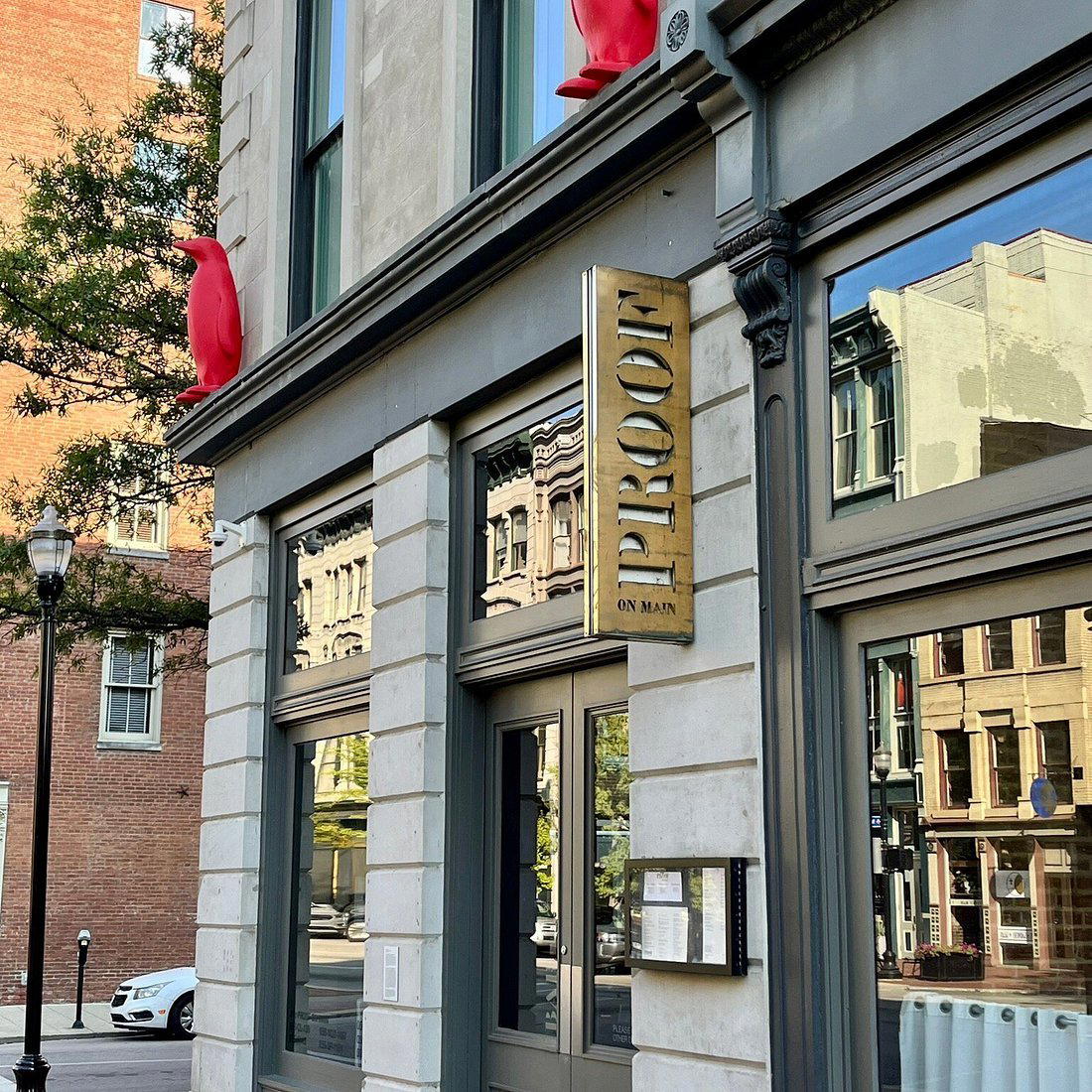
The sharper question is how a traveler should evaluate it once additional details are confirmed. In Louisville, serious hotel design is judged by restraint as much as by personality. Heavy-handed bourbon nostalgia can flatten the city into props. Better local hospitality understands the difference between referencing Kentucky and dressing a building for a theme party. That is why peer comparison is useful: The Grady sits in the boutique-historic conversation, The Mason Boutique Hotel indicates the city’s appetite for smaller property formats, and Proof On Main connects lodging, art, and dining in a way that has become central to Louisville’s visitor economy. Hotel Bourré Bonne should be read against these frameworks, not in isolation.
Why the physical space matters in a bourbon city
Bourbon tourism has changed the lodging decision in Louisville. Travelers are no longer choosing only between downtown convenience and historic charm; they are choosing the base from which tastings, restaurant bookings, cocktail bars, and museum stops become coherent. That puts pressure on the hotel’s physical space. A bland room can work for a one-night stopover, but a bourbon-focused weekend asks more of the public areas: a lobby that makes sense before dinner, a bar with credibility, and rooms that do not feel detached from the city outside.
The record does not verify an in-house bar, restaurant, chef, design studio, or hospitality group. That absence should shape expectations. For travelers who make hotel decisions based on hard data, awards, room inventory, and restaurant credentials, the safer approach is to compare it with properties whose public records are more developed in the EP Club Louisville hotel file. Our full Louisville hotels guide is the broader reference point, and readers building an itinerary around meals should pair it with Our full Louisville restaurants guide and Our full Louisville bars guide. Louisville is a city where lodging, dining, and drinking decisions interlock, particularly on weekends when bourbon tourism, conventions, and event traffic compress availability.
The restaurant question: what the file does and does not say
The record does not list a cuisine type, chef, signature dishes, hours, price range, or dining format for Hotel Bourré Bonne. That means the editorial answer has to be precise: no specific menu should be assumed. In Louisville, a hotel without a verified restaurant profile can still serve a traveler well if it places them near strong independent dining, but that is a different proposition from booking a property because the restaurant itself anchors the stay.
Louisville’s dining identity is broader than the bourbon shorthand suggests. The city has serious hotel dining history, neighborhood beer culture, modern Southern cooking, and a cocktail circuit that feeds off the whiskey industry without being limited to it. If Hotel Bourré Bonne’s appeal is eventually tied to food and beverage, the details that matter will be concrete: chef credentials, bar program depth, breakfast format, public access, reservation system, and whether the restaurant serves locals as well as guests. Until those are verified, the honest way to use the hotel in planning is as a lodging candidate rather than a dining destination. For travelers making food the center of the trip, Our full Louisville restaurants guide carries more decision value than any unsupported claim about an unlisted hotel menu.
How Hotel Bourré Bonne fits the city's hotel comparable set
Louisville’s premium hotel scene is not as large as New York, Los Angeles, or Miami, which makes peer positioning easier and more unforgiving. Each serious property needs a reason to exist beyond bed count. The historic hotel has ceremony. The museum hotel has art-world structure. The boutique newcomer has design clarity. The neighborhood inn has intimacy and a local rhythm. Hotel Bourré Bonne, with no listed awards, rating, group affiliation, and a 168-room count in the record, cannot yet be assigned to a narrow competitive tier with confidence. That does not make it irrelevant; it makes verification part of the traveler’s job.
For context, Louisville’s design-hotel conversation belongs to a wider American shift. Smaller cities have absorbed ideas once concentrated in coastal luxury markets: residential-style lobbies, restaurant-led public space, adaptive reuse, and highly edited local references. Compare Louisville’s direction with The Fifth Avenue Hotel in New York City, where maximal interior language meets a dense luxury market, or Raffles Boston in Boston, where brand architecture and service infrastructure define the stay. Louisville operates at another scale. Its stronger hotels need sharper local intelligence because they cannot rely on global-brand recognition alone.
Architecture, identity, and the risk of theme
Hotel design in bourbon country has a recurring risk: barrels, leather, amber lighting, and heritage typography can become a shortcut. A good Louisville hotel does not need to deny bourbon, but it should not reduce Kentucky to tasting-room décor. Architecture can carry the more interesting story. The city has industrial inheritance, river-commerce history, grand hotel tradition, and residential neighborhoods with architectural depth. A hotel that understands those layers can feel local without performing locality too loudly.
That is the useful lens for the hotel. The name suggests a certain French-inflected hospitality signal, but the record does not verify a design concept, ownership story, or architectural lineage. The correct editorial stance is restraint: wait for evidence, then judge the execution. If the property leans into Louisville’s material history with discipline, it enters a serious conversation. If it relies on surface-level cues, it will compete poorly against hotels with clearer public identities. The point is not taste policing; it is traveler intelligence. In a city with limited premium inventory, design coherence affects the quality of the stay as much as thread count or minibar contents.
Planning a stay around Louisville rather than around an unverified promise
Because the hotel’s record does not provide phone, website, price range, booking method, or hours, planning should begin with confirmed logistics from an official channel before committing. Louisville trips can be timing-sensitive. Kentucky Derby week changes the city’s lodging economics. Major bourbon tourism weekends put pressure on rooms and restaurant tables. Convention periods can shift downtown rates. Even outside event windows, Friday and Saturday demand often behaves differently from midweek travel because Louisville functions as both a business city and a leisure base for regional travelers.
Without verified price data, the right comparison is qualitative rather than numerical. Travelers who want a proven historic hotel should examine The Brown Hotel. Those prioritizing art and downtown cultural density should compare 21c Museum Hotel, Louisville. Those looking for a newer design vocabulary should review Hotel Genevieve. Smaller-format travelers should keep Gralehaus, The Grady, and The Mason Boutique Hotel in the comparison set. The hotel belongs in the research stage until its practical facts are confirmed.
What national luxury comparisons clarify
Looking beyond Louisville helps define what should and should not be expected. Resort properties such as Amangiri in Canyon Point, Kona Village, A Rosewood Resort in Kailua Kona, and Sage Lodge in Pray are built around setting, space, and destination immersion. Wine-country stays such as Auberge du Soleil in Napa and SingleThread Farm Inn in Healdsburg tie lodging to agricultural and culinary ecosystems. City and heritage hotels such as The Beverly Hills Hotel in Los Angeles, Four Seasons at The Surf Club in Surfside, Hôtel de Paris Monte-Carlo in Monte Carlo, Badrutt's Palace Hotel in St. Moritz, and Aman Venice in Venice operate with different histories, rate structures, and service expectations.
Louisville should not be judged by those models directly. Its value lies in a tighter city experience: bourbon access, restaurant density, historic buildings, and manageable movement between neighborhoods. The city rewards hotels that know when to be theatrical and when to let the surrounding culture carry the stay.
Practical read before choosing Hotel Bourré Bonne
That is not a minor gap for a hotel page; it affects how confidently a traveler can evaluate the property. The practical approach is to confirm location, booking channel, nightly rate, cancellation terms, parking or arrival logistics, and any food-and-beverage operation directly through an official source before building a Louisville itinerary around it.
For a broader trip, use category guides rather than a single-property assumption. Our full Louisville hotels guide gives the lodging comparable set, Our full Louisville restaurants guide supports meal planning, Our full Louisville bars guide is useful for bourbon and cocktail decisions, Our full Louisville wineries guide covers wine-oriented planning, and Our full Louisville experiences guide helps structure the cultural side of the trip. In Louisville, the hotel is rarely the whole itinerary. It is the base that determines how gracefully the rest of the city fits together.
How It Compares
Comparable venues nearby, for context on price, style, and recognition.
| Venue | Cuisine | Price | Awards | Notes |
|---|---|---|---|---|
| Hotel Bourré BonneThis venue — the venue you are viewing | lifestyle hotel | $$$$ | 4-Star | Not listed |
| The Grady | Historic boutique hotel blending traditional architectural elements with contemporary luxury amenities in a downtown cultural setting. | $$$ | 4-Star | West Main |
| The Mason Boutique Hotel | Historic boutique in restored downtown building | $$$ | 5-Star | downtown |
| The Brown Hotel | Georgian Revival landmark blending historic grandeur with modern comfort | $$$$ | 4-Star | Fourth St. |
| Gralehaus | Victorian-style bed & beverage in early 1900s home | $$$ | Not listed | The Highlands |
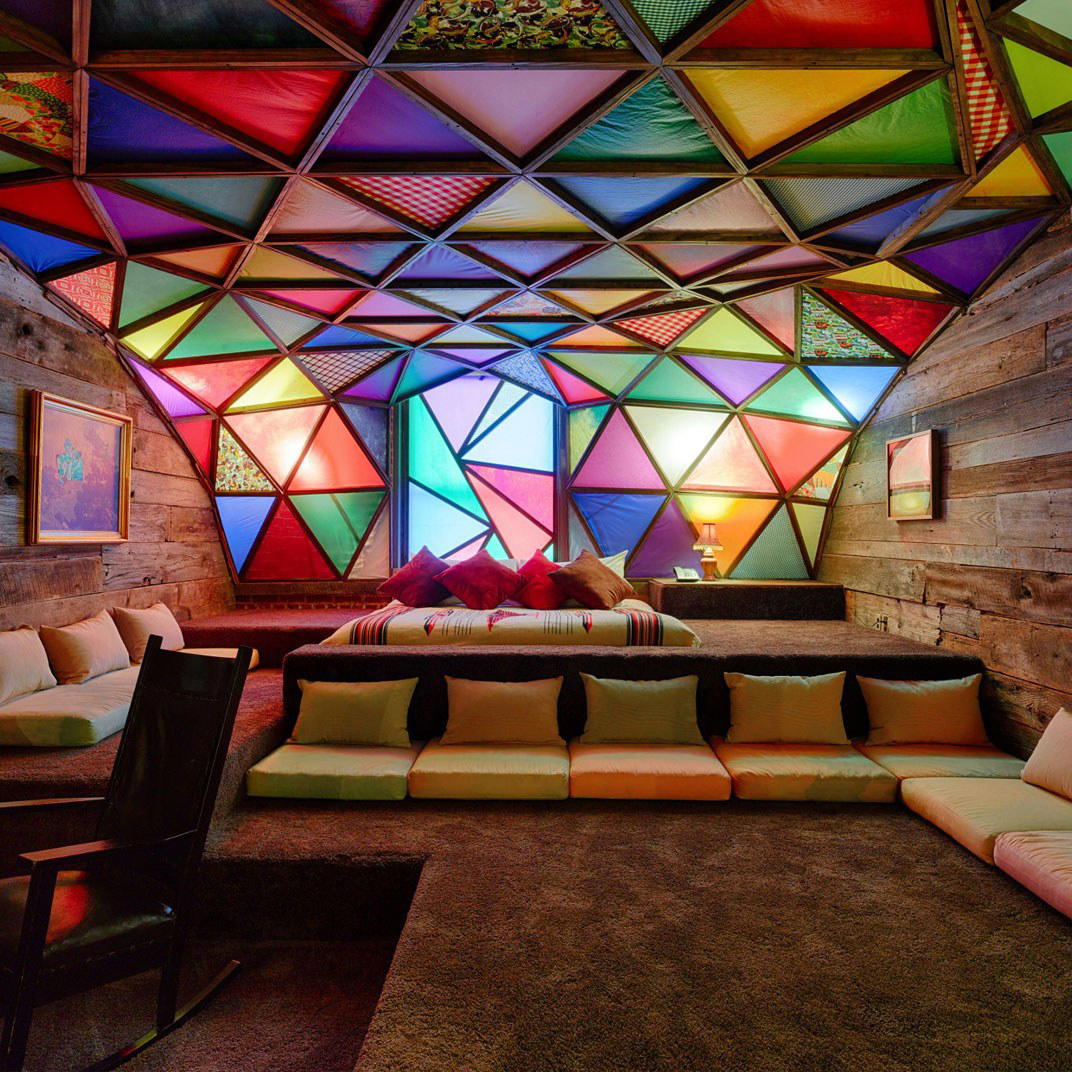
| 21c Museum Hotel, Louisville | Contemporary art-infused boutique hotel in historic warehouses | $$$$ | Not listed | West Main |
Continue exploring
More in Louisville
Hotels in Louisville
Browse all →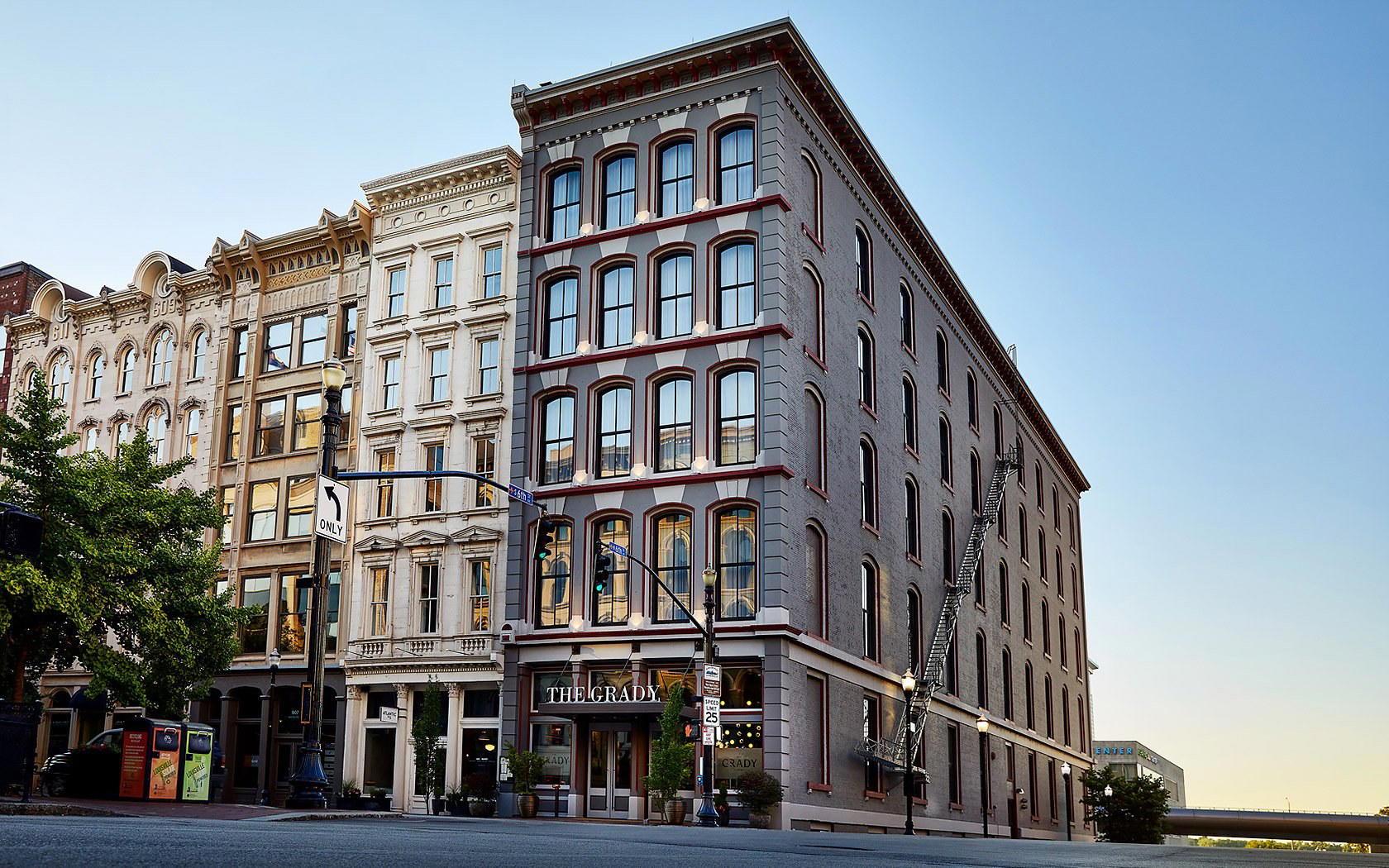
Bars in Louisville
Browse all →
Restaurants in Louisville
Browse all →
At a Glance
- Modern
- Sophisticated
- Elegant
- Trendy
- Intimate
- Well Known
- Business Trip
- Weekend Escape
- Celebration
- Anniversary
- Romantic Getaway
- Rooftop Pool
- Panoramic View
- Design Destination
- Private Dining
- Wi Fi
- Pool
- Fitness Center
- Room Service
- Business Center
- Valet Parking
- Meeting Rooms
- Concierge
- Skyline
- Street Scene
- Wi Fi
- Pool
- Fitness Center
- Room Service
- Business Center
- Valet Parking
- Meeting Rooms
- Concierge
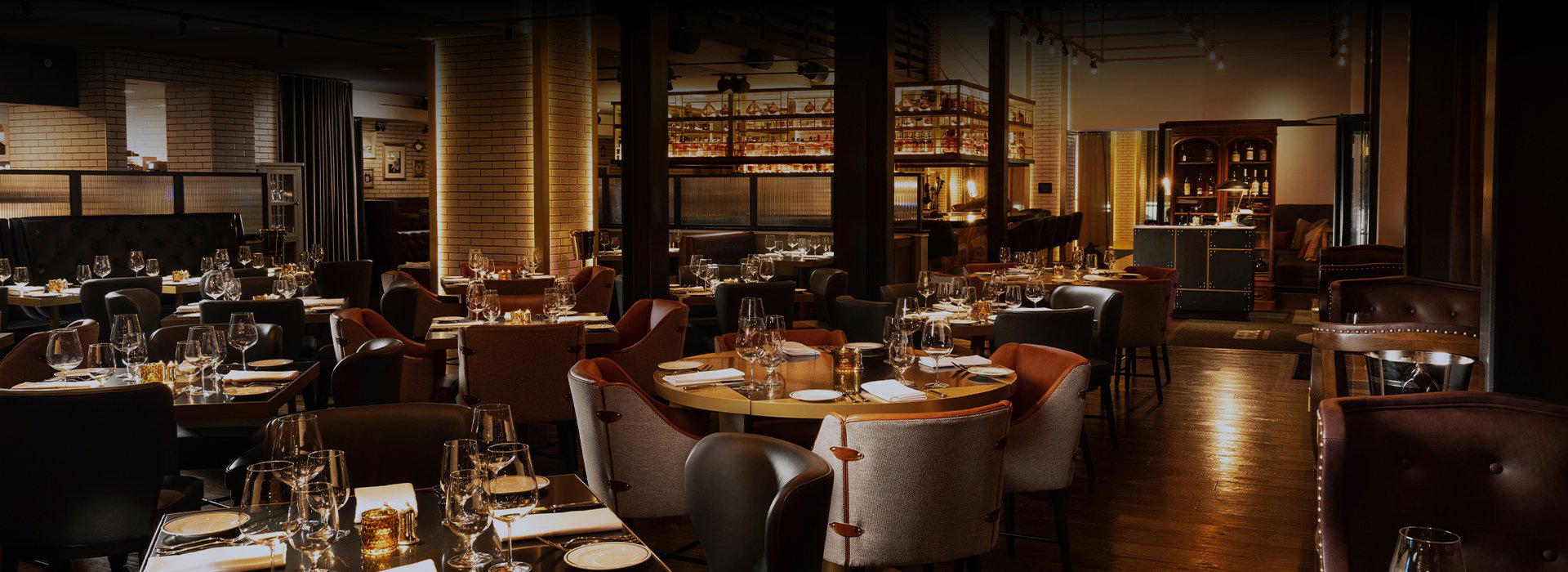
Refined and art-forward, with contemporary Southern charm, warm luxury details, and a rooftop setting that emphasizes skyline views and a polished downtown atmosphere.