Hotel Azucar


Michelin Selected · Design Hotels Member
A MICHELIN Selected property along the Gulf Coast highway between Nautla and Poza Rica, Hotel Azucar occupies a stretch of Veracruz coastline that most itineraries bypass entirely. For travellers already drawn to the Gulf side of the country, this is a logical anchor point.

Pearl is the En Primeur Club membership app — saves, bookings, and concierge access live there. Same editors, same standards.
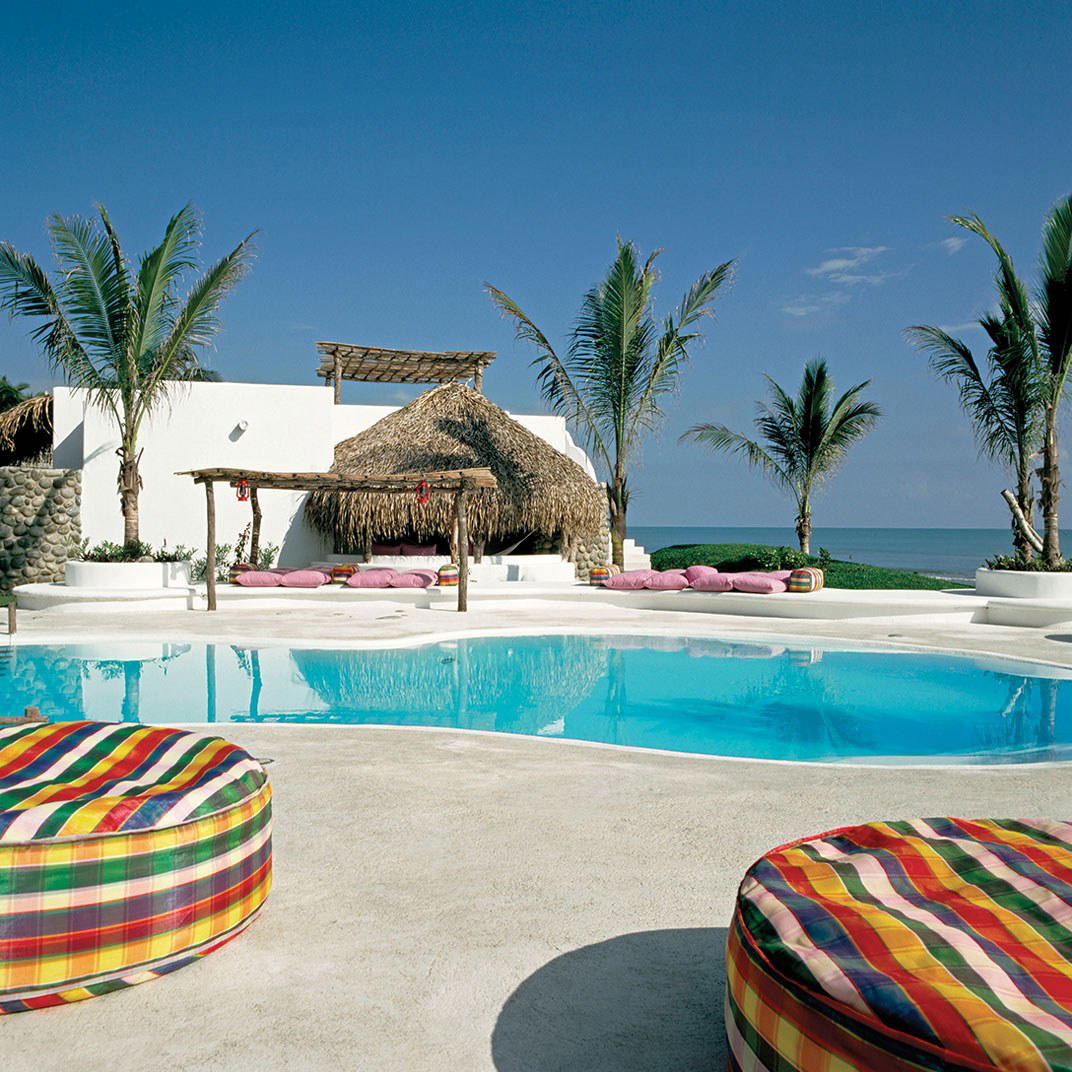
Gulf Coast Architecture on a Road Less Travelled
Mexico's premium hotel conversation tends to cluster around the same coordinates: the Riviera Maya, Los Cabos, Riviera Nayarit. The Gulf Coast rarely enters the frame. Hotel Azucar, positioned along the coastal highway between Nautla and Poza Rica in Veracruz state, sits at a remove from that circuit by geography and by temperament. Its 2025 MICHELIN Selected distinction is the kind of signal that cuts through the promotional noise, placing it in a category of properties where the physical environment, material quality, and operational consistency have been assessed against a defined standard rather than a marketing narrative.
The MICHELIN hotel selection process evaluates across dimensions that include design coherence, service character, and sense of place. That the editors chose a property along a stretch of Veracruz coastline that attracts a fraction of the tourist volume directed at Mexico's Pacific or Caribbean destinations says something pointed about what Hotel Azucar is doing with its physical setting. Properties earn this recognition by making a specific argument about how they belong to a place, not by approximating an international resort template.
What the Architecture Communicates
Along Mexico's Gulf Coast, the design vocabulary for accommodation has historically defaulted to either utilitarian functionality or colonial pastiche. The stretch of coast running through northern Veracruz state, bordered by the Sierra Madre Oriental to the west and the Gulf to the east, has not attracted the design investment that reshaped Tulum or the Mayan Riviera over the past two decades. That context makes Hotel Azucar's architectural positioning more legible: it is not competing with density. It is making a case for a quieter kind of place-specific design at a latitude where such arguments are rarely made.
In the broader pattern of Mexican design-led hospitality, properties that earn critical recognition on quieter stretches of coastline tend to share certain features: a low-rise relationship with the surrounding vegetation, materials sourced in conversation with regional building traditions, and a spatial organisation that privileges the view and the site over programmatic maximalism. Hotel Esencia in Tulum and Xinalani in Quimixto represent different expressions of this logic along other Mexican coastlines.
For travellers who have benchmarked Mexican coastal design against properties such as Maroma in Riviera Maya, One&Only Mandarina in Riviera Nayarit, or Etéreo, Auberge Resorts Collection in Punta Maroma, the Azucar proposition is structurally different. Those properties operate within established luxury tourism corridors where design competition is intense and branding infrastructure is mature. Hotel Azucar operates in relative isolation, which concentrates the guest experience on the setting itself rather than the amenity ecosystem surrounding it.
Veracruz as Context
Understanding why Hotel Azucar's location matters requires a short geography lesson. Veracruz state stretches for over 600 kilometres along the Gulf of Mexico, from the border with Tamaulipas in the north to Tabasco in the south. The city of Veracruz itself carries significant historical and culinary weight as Mexico's oldest European-founded port, a place whose food traditions, including its Afro-Caribbean, Spanish, and indigenous inflections, produced some of the country's most distinct regional cooking. Our full Veracruz restaurants guide maps the dining scene in more detail.
The coastal highway north of the city, where Hotel Azucar is located, is a different kind of place: lower in tourism density, greener and more tropical in character, with a rhythm governed by fishing communities and agricultural towns rather than resort infrastructure. A property that earns MICHELIN recognition in this corridor is being assessed against an absolute standard, not a compressed local field. There are no comparable luxury hotel clusters in the immediate vicinity against which the Michelin editors might be grading on a curve.
For context on what a MICHELIN Selected distinction represents within Mexico's wider hotel landscape, consider the company it keeps at the national level. Properties such as Chablé Yucatán in Mérida, Hotel Casa Santo Origen in Oaxaca, and Casa Antonieta in Oaxaca City sit within the same selection framework.
Planning Your Stay
Hotel Azucar sits on the coastal highway connecting Nautla and Poza Rica, which means arrival is almost certainly by car or private transfer from Veracruz city, approximately 100 kilometres to the south. El Tajín International Airport in Poza Rica provides an alternative northern entry point for travellers approaching from Mexico City or Monterrey by air, though the city of Veracruz's General Heriberto Jara International Airport offers broader connectivity. The highway corridor itself is direct to drive and the coastal scenery on the approach, low jungle, occasional lagoons, Gulf glimpses, establishes a sense of remove from the city before arrival.
The MICHELIN Selected status suggests the property maintains a visible digital presence, but confirmation of room availability and rate structures should be verified through current channels. For travellers comparing Gulf Coast options, the Grand Fiesta Americana Veracruz operates within the city itself as the most prominent large-format alternative in the immediate region.
Those building a wider Mexican coastal itinerary who want to contrast the Gulf experience against the Pacific might consider Playa Viva in Juluchuca, Hotel Humano in Puerto Escondido, or Las Alamandas in Costalegre as properties operating in a similar design-conscious, lower-density register on the opposite coast. For those drawn to the more established high-end Mexican resort circuit, Zadun, A Ritz-Carlton Reserve in Los Cabos, Las Ventanas al Paraíso, A Rosewood Resort in San José del Cabo, and Montage Los Cabos in Cabo San Lucas represent the other end of the scale in terms of infrastructure density and brand recognition. The value of Hotel Azucar lies precisely in the distance it keeps from that world.
At-a-Glance Comparison
Comparable venues nearby, for context on price, style, and recognition.
| Venue | Cuisine | Awards | Notes |
|---|---|---|---|
| Hotel AzucarThis venue — the venue you are viewing | bungalow-chic with rustic tropical and ranchera architecture | Michelin Selected · Design Hotels Member | Not listed |
| Grand Fiesta Americana Veracruz | Luxury beachfront resort with modern facilities and personalized service | Star Wine List | Boca del Río |
| Majagua Hotel Boutique | Adults-only boutique hotel in a restored midcentury Art Deco mansion in Oaxaca’s historic center. | Michelin Selected | Centro Histórico |
| voco Guadalajara Neruda | Modern urban hotel with local Mexican influences | Michelin Selected | Providencia |
| Azúcar | Contemporary minimalist design meets handmade local craftsmanship with ecological and organic positioning using reclaimed materials. | Michelin Selected · Design Hotels Member | Monte Gordo |
| Amina Wind Resort | Ecological beachfront development blending luxury with sustainability, designed as an off-grid adventure destination. | Michelin Selected | La Ventana |
Recognition history
Dated appearances from independent guides and award organizations, with the underlying list record or original source where available.
Michelin Selected
Michelin
Design Hotels Member
Design Hotels
Continue exploring
More in Monte Gordo
Hotels in Monte Gordo
All hotels in Monte Gordo →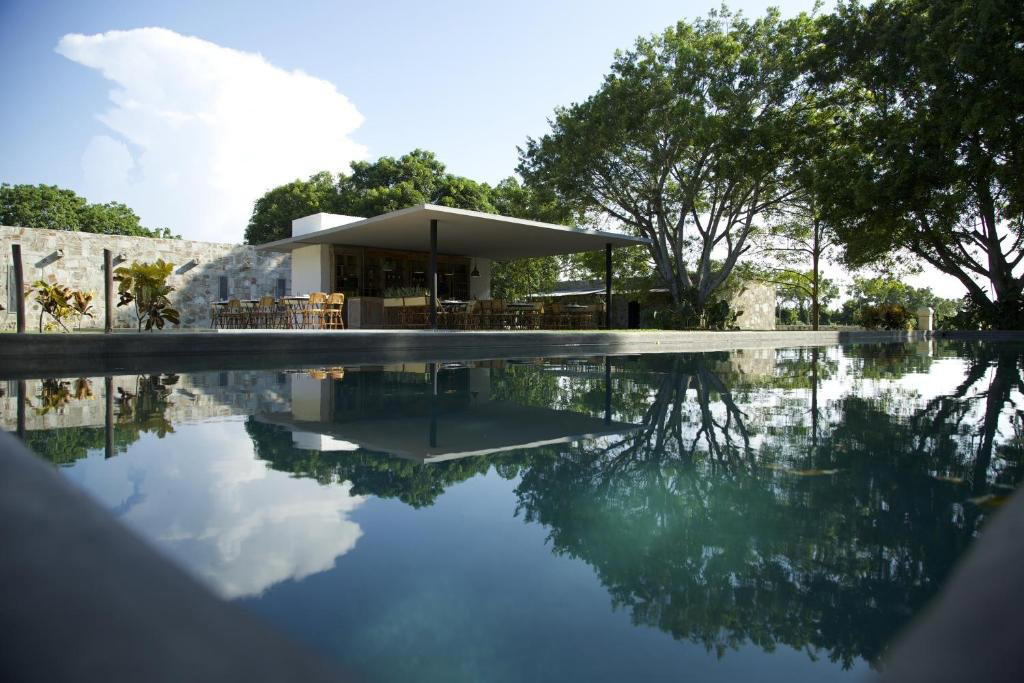
Restaurants in Monte Gordo
All restaurants in Monte Gordo →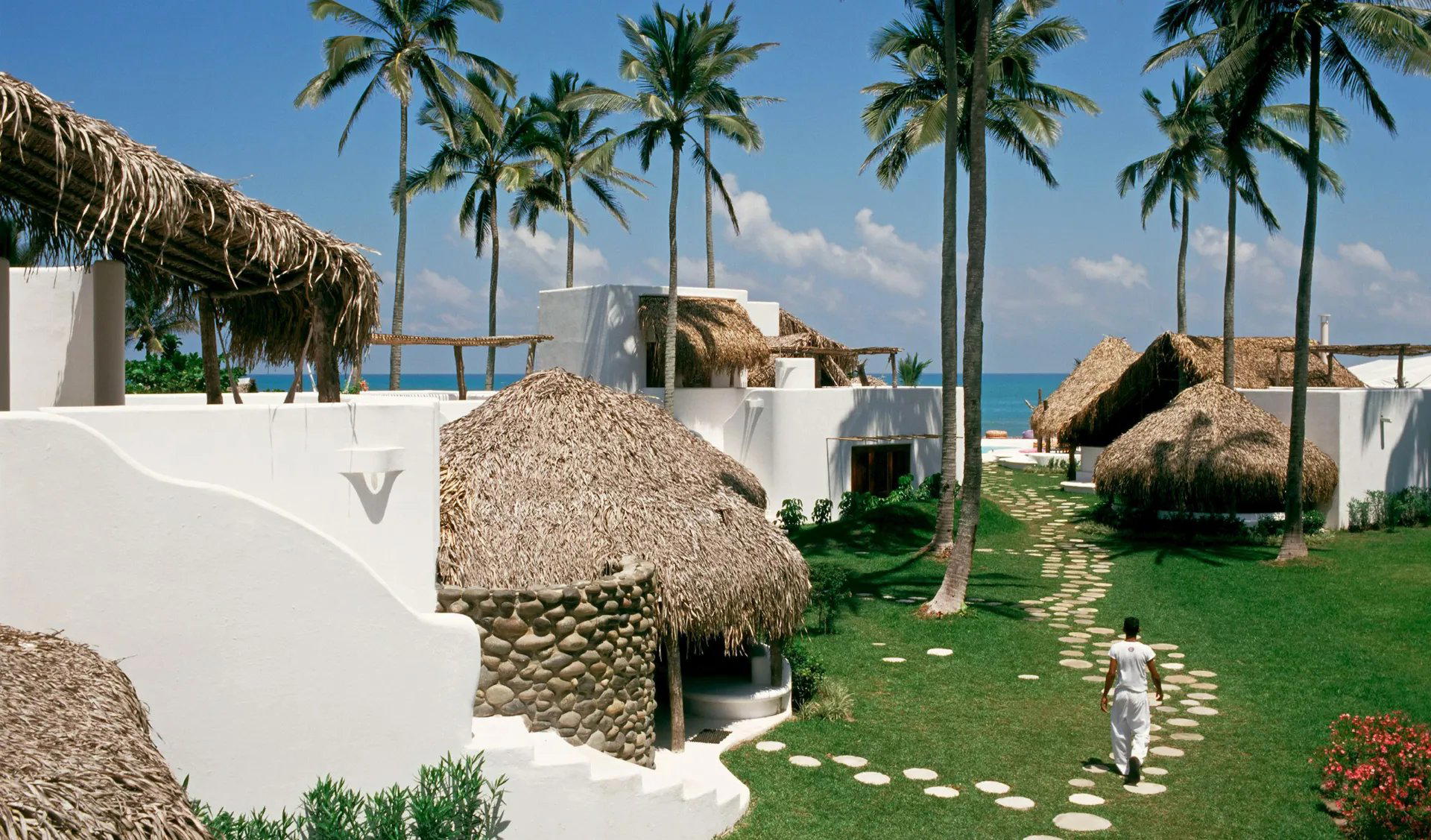
Details
- Romantic
- Quiet
- Cozy
- Rustic
- Intimate
- Scenic
- Honeymoon
- Romantic Getaway
- Weekend Escape
- Anniversary
- Beachfront
- Panoramic View
- Wi Fi
- Pool
- Spa
- Room Service
- Restaurant
- Beach Access
- Waterfront
- Step Free Entrance
Tropical beachside haven with wicker chairs, thatched ceilings, whitewashed walls with bursts of color, and minimalist all-white rooms creating a relaxing seaside atmosphere.