Hopewell Hotel enters Hong Kong’s hotel conversation in a city where dining often defines the stay as much as room category or harbour view. With no published public sources for star rating, restaurants, chef names, prices, or booking channels, it is best read against Hong Kong’s broader hotel-dining culture: a market shaped by Cantonese dining rooms, serious bars, and hotels that function as social infrastructure.
Pearl is the En Primeur Club membership app — saves, bookings, and concierge access live there. Same editors, same standards.
- Address
- 15 Kennedy Rd, Wan Chai, Hong Kong
- Website
- hopewellhotel.com
 Saves & bookings on Pearl
Hong Kong hotel dining before the room key
Approaching a Hong Kong hotel is rarely a quiet act. The city compresses arrival into layers: taxi ranks, office towers, shopping podiums, lobby doors, lift banks, and the constant movement of people using hotels as meeting rooms, dining rooms, bars, and temporary addresses. That matters for Hopewell Hotel because Hong Kong does not treat a hotel as a sealed resort. In this city, a hotel has to operate inside the daily rhythm of business lunches, family banquets, late cocktails, visiting executives, and residents who may never sleep upstairs but know exactly which lobby is useful for a meeting.
The useful way to read Hopewell Hotel is through that civic role. The available record does not list restaurant names, bar programme, chef credentials, price range, phone number, website, awards, or booking method. That absence is not a licence to invent detail. It places the hotel in a different editorial category: a Hong Kong property to assess through context rather than through claimed amenities. The city’s hotel market is unusually competitive because dining credibility has become part of the core product. A room can be spacious and service can be polished, but the property enters the serious conversation only when its restaurants and bars give local guests a reason to return.
In Hong Kong, that is a high bar. The benchmark set includes the dining depth of Four Seasons Hotel Hong Kong, the heritage weight of Mandarin Oriental, Hong Kong, the harbour-facing scale of Rosewood Hong Kong, and the Central address culture around The Landmark Mandarin Oriental, Hong Kong. Hopewell Hotel, by contrast, cannot be positioned through published awards or named chefs in the available record. The honest assessment is that its relevance depends on how it connects to Hong Kong’s dining-led hotel habit, not on unsupported claims about prestige.
The dining programme is the real test in Hong Kong
Hong Kong’s premium hotels have long understood that restaurants do more than feed residents. They host dealmaking, family rituals, visiting collectors, wedding banquets, afternoon tea appointments, and post-work drinks. Cantonese dining, in particular, carries a status function in the city: private rooms, banquet pacing, wine service, tea handling, and seafood sourcing all signal where a property sits in the local hierarchy. International restaurants play a different role, giving hotel guests a familiar frame while allowing locals to use the building for a Friday dinner rather than a formal occasion.
For a hotel such as Hopewell Hotel, the editorial question is therefore not simply whether it has places to eat. The question is whether its restaurants feel embedded in Hong Kong rather than appended to the lobby. Without published cuisine type, chef name, awards, opening hours, or price range, the page cannot name a signature room or describe dishes. What can be said is more useful for planning: travellers who choose Hong Kong hotels partly for dining should verify the current restaurant roster directly before treating the property as a food-led stay. The absence of listed culinary credentials in the available record puts it outside the immediately verifiable comparable set occupied by hotels whose restaurants are already documented in guides, awards systems, or EP Club editorial coverage.
This is where comparison helps. The Peninsula Hong Kong carries a legacy model in which restaurants, afternoon tea, service ritual, and history form a single proposition. The Upper House belongs to a quieter design-hotel register, where scale and restraint shape the stay. Conrad Hong Kong and Cordis, Hong Kong occupy different parts of the business and leisure market. Hopewell Hotel has to be judged against those patterns: not by borrowed glamour, but by the clarity of its dining offer, its convenience within the city, and the practical fit between room product and guest purpose.
How Hong Kong locals use hotel restaurants
Hong Kong hotel dining is unusually local-facing. In many cities, the hotel restaurant is a convenience for guests. In Hong Kong, it can be a dining destination for residents who have no interest in checking in. This is partly due to real estate economics: large dining rooms, private spaces, and polished service teams are easier to sustain inside hotels than in smaller street-level sites. It is also cultural. Banquets, Lunar New Year meals, Mid-Autumn gifting, corporate hospitality, and family celebrations are woven into the city’s calendar, and hotels provide the infrastructure for those moments.
That context should guide expectations at the hotel. If the property’s restaurants are aimed at residents as well as overnight guests, the room experience and the dining experience may follow different rhythms. Breakfast can be about efficiency, lunch can be a business crowd, dinner can shift toward family tables or events, and the bar may be strongest after office hours. None of those specific patterns is confirmed for this hotel in the record, but they are the relevant questions to ask in Hong Kong. A visitor who treats the restaurant as a secondary amenity may miss how the city actually uses its hotels.
For wider orientation, EP Club’s full Hong Kong restaurants guide is the right place to compare hotel dining with independent rooms across the city. The full Hong Kong bars guide gives the same context for cocktails and late-evening drinking, while the full Hong Kong hotels guide helps separate heritage properties, design-led hotels, corporate addresses, and newer hospitality plays.
Where Hopewell Hotel sits among Hong Kong peers
Hong Kong’s hotel market splits into several recognizable tribes. There are trophy harbour hotels, Central business addresses, design-led urban retreats, Kowloon institutions, and properties attached to larger mixed-use developments. Each tribe carries a different dining expectation. Harbour hotels often lean into destination restaurants and view-led bars. Central properties depend on weekday business demand and finance-sector entertaining. Design hotels tend to compress hospitality into fewer, sharper spaces. Larger mixed-use properties can draw energy from retail, offices, and events.
The safe editorial position is to place it in Hong Kong’s broader urban-hotel field rather than attach it to a neighbourhood story not supported by data. For travellers, that means asking practical questions before comparing it with better-documented properties: which MTR station is closest, whether the restaurants are operated in-house or by external partners, whether the bar serves late, whether breakfast is a full dining-room service or a streamlined hotel format, and whether room categories differ meaningfully beyond view and size.
International comparison clarifies the point. Properties such as The Fifth Avenue Hotel in New York City, Hôtel de Paris Monte-Carlo in Monte Carlo, Badrutt's Palace Hotel in St. Moritz, Aman Venice in Venice, and Cipriani, A Belmond Hotel, Venice in Venice show how strongly a hotel’s restaurants can shape its identity. In Asia, the same principle appears at Bvlgari Hotel Tokyo in Tokyo and Mandarin Oriental Bangkok in Bangkok. The hotel needs to be assessed by that same lens: not just the bed, but the rooms where the city actually gathers.
The practical position is simple. Travellers should confirm those details through current official channels before committing to a stay, especially if dining is the reason for booking. In Hong Kong, restaurant schedules can matter as much as room rate: a key room may close on a certain day, a bar may have a separate booking process, and banquet activity can change the mood of public spaces.
Advance planning is sensible in Hong Kong because popular hotel restaurants, festive meals, and weekend service periods can fill quickly across the city. That is general market intelligence rather than a venue-specific claim. If the hotel is being considered for a dining-led trip, the strongest approach is to confirm restaurant names, cuisine types, opening days, reservation channels, corkage policy if relevant, and whether non-resident guests compete for the same tables. For a business stay, proximity to meetings and transport may outweigh the restaurant programme. For a leisure stay, the dining offer should be compared with nearby independent restaurants and bars rather than judged in isolation.
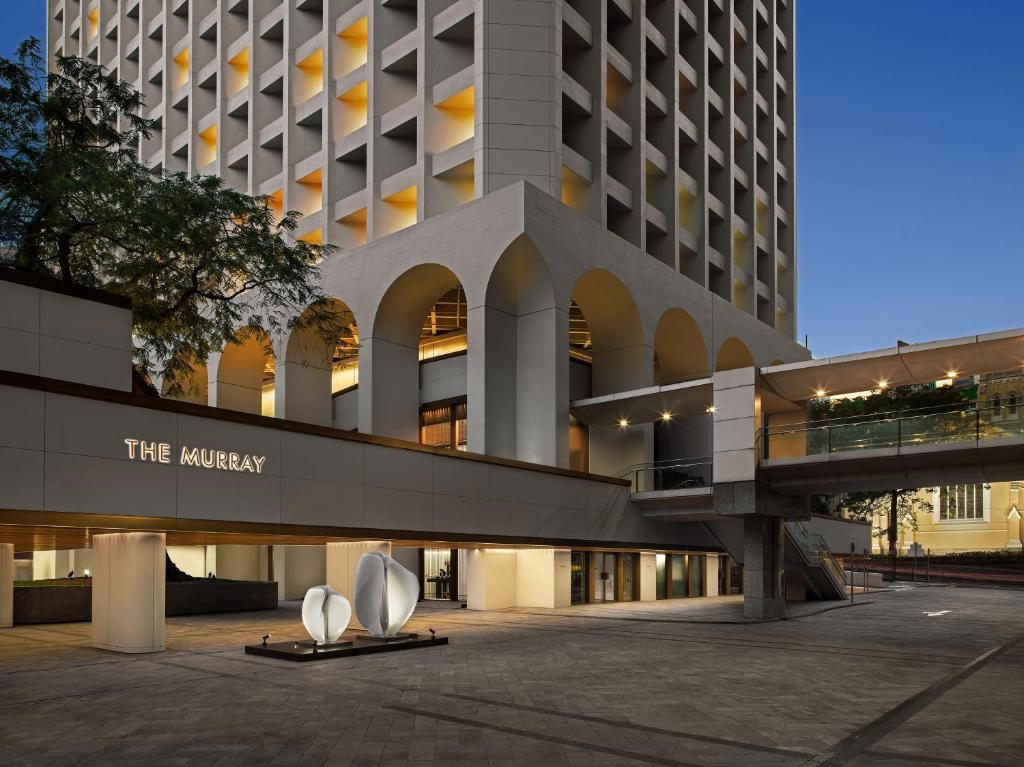
Readers building a broader itinerary can use EP Club’s full Hong Kong experiences guide for cultural planning and the full Hong Kong wineries guide for wine-related context, including the city’s role as a trading and collecting hub rather than a vineyard destination. For hotel comparisons within Hong Kong Island, The Murray, Hong Kong, a Niccolo Hotel in Hong Kong Island is a useful reference point for how architecture, public spaces, and restaurants can frame a stay.
Who should consider Hopewell Hotel
The hotel makes sense for travellers who are comfortable verifying details and who see Hong Kong hotels as part of the city’s wider dining and meeting culture. That does not make the hotel weak; it makes the public evidence incomplete.
The sharper decision is between certainty and discovery. A traveller who wants documented dining depth can compare established Hong Kong names with international counterparts such as Mandarin Oriental Ritz, Madrid in Madrid, Le Bristol Paris in Paris, Aman New York in New York City, and Hotel Sacher Wien in Vienna, where hotel identity is often supported by long-public dining narratives. A traveller who is primarily choosing by district convenience, room rate, or event location may give the hotel a closer look once current logistics are confirmed.
The editorial verdict is deliberately restrained: the hotel should be evaluated as a Hong Kong urban hotel whose dining programme needs confirmation, not as a proven restaurant-led stay. In a city where hotel restaurants can define the property’s social value, that distinction matters. The right guest will ask for specifics, compare the answers with the city’s more documented hotel set, and decide whether the balance of location, rooms, and food culture fits the trip.
Comparable venues nearby, for context on price, style, and recognition.
| Venue | Cuisine | Price | Awards | Notes |
|---|---|---|---|---|
| Hopewell HotelThis venue — the venue you are viewing | Large contemporary 5‑star urban conference and lifestyle hotel integrated with a mall and extensive event facilities. | $$$$ | 5-Star | Not listed |
| Conrad Hong Kong | luxury high-rise business hotel | $$$$ | 5-Star | Central |
| Marco Polo Hongkong Hotel | Luxury heritage hotel positioned as a refined urban retreat with premium service and integrated shopping access in Hong Kong's premier district. | $$$$ | 5-Star | Yau Tsim Mong South |
| The Luxe Manor | Luxury boutique with European grand house grandeur and quirky charm | $$$$ | 4-Star | Tsim Sha Tsui |
| Lanson Place Causeway Bay, Hong Kong | Luxury serviced residences blending Hong Kong vibrancy with French elegance. | $$$$ | 5-Star | Wan Chai |
| The Silveri Hong Kong-MGallery | Contemporary luxury design hotel with emphasis on natural elements and verdant landscaping integrated into urban setting. | $$$$ | 5-Star | Islands |
At a Glance
- Modern
- Elegant
- Scenic
- Sophisticated
- Well Known
- Ornate
- Business Trip
- Family Vacation
- Romantic Getaway
- Celebration
- Group Retreat
- Destination Wedding
- Panoramic View
- Waterfront
- Terrace
- Garden
- Design Destination
- Private Dining
- Wi Fi
- Pool
- Spa
- Fitness Center
- Room Service
- Concierge
- Business Center
- Valet Parking
- Skyline
- Waterfront
- Garden
- Mountain
- Wi Fi
- Pool
- Spa
- Fitness Center
- Room Service
- Concierge
- Business Center
- Valet Parking
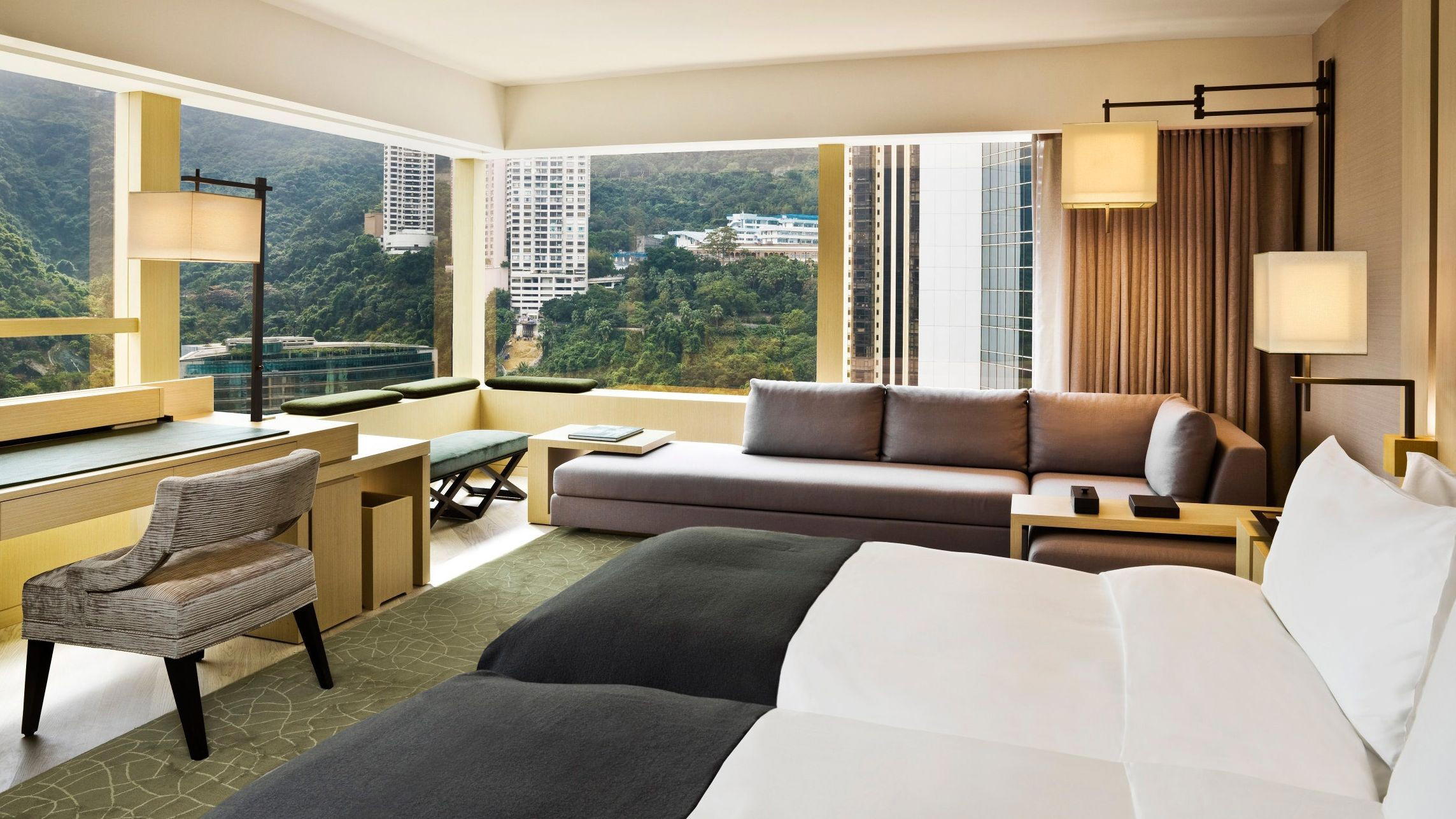
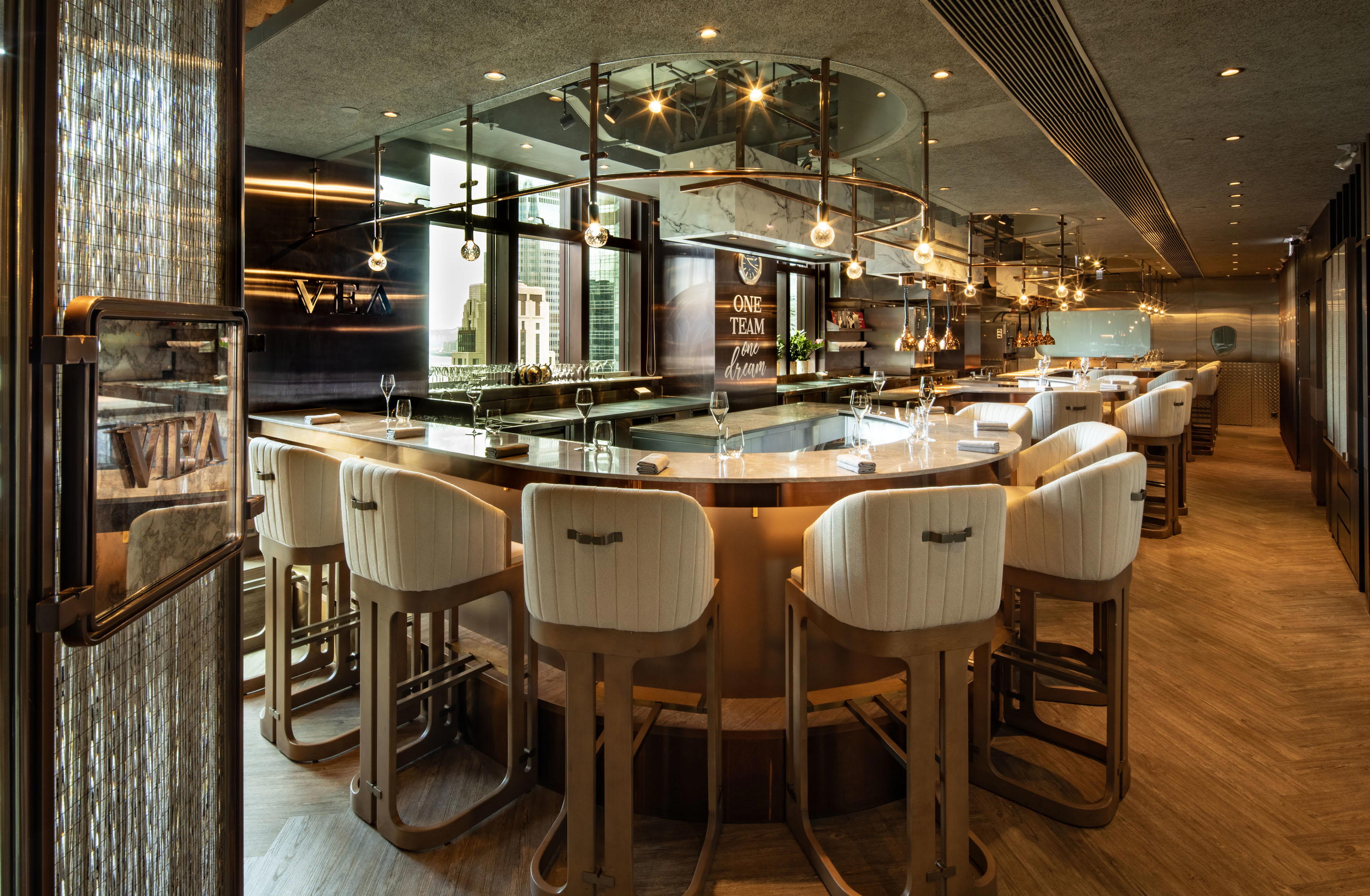
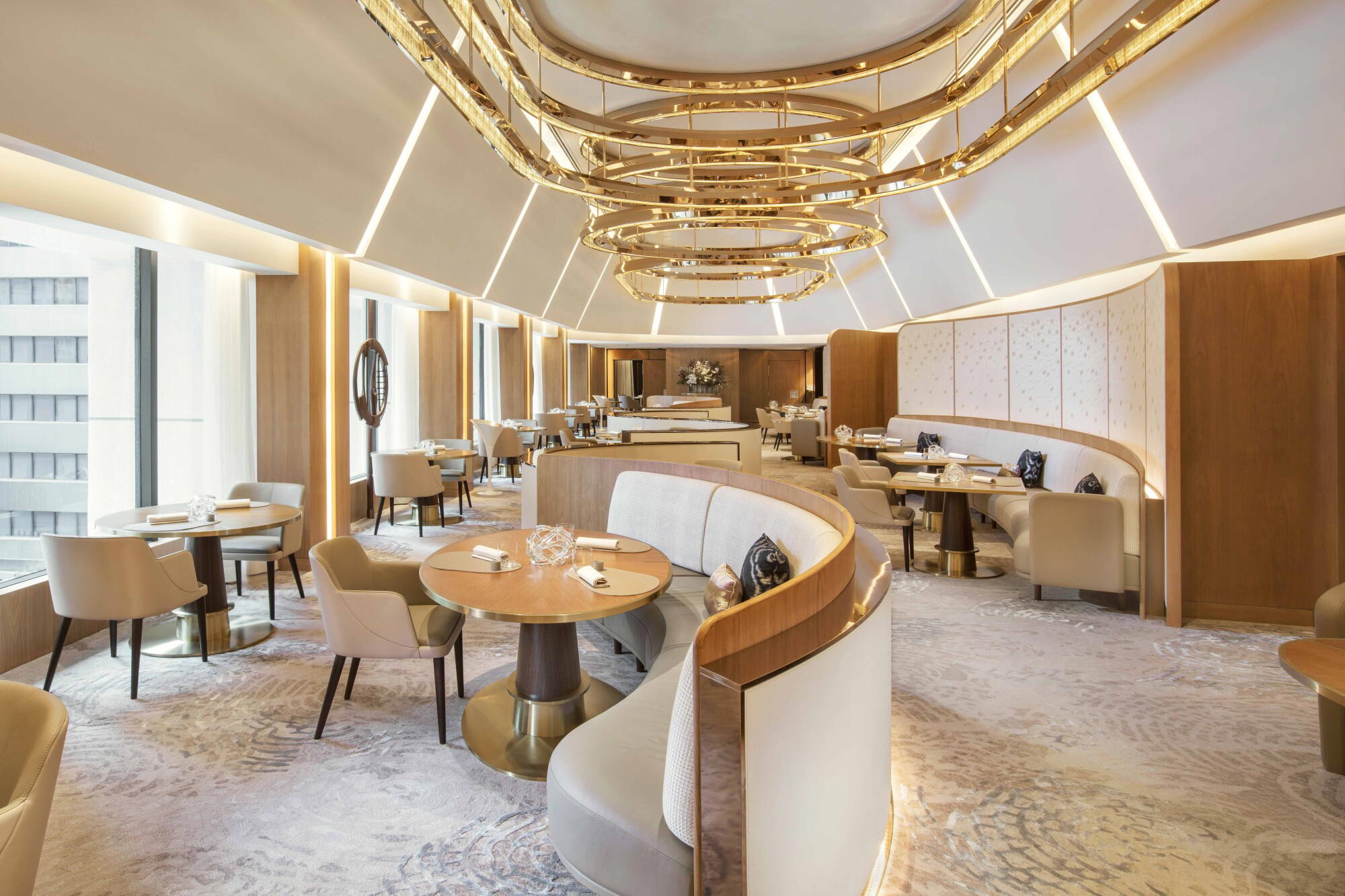
A contemporary, unpretentious luxury atmosphere with spacious, uncluttered rooms in warm wooden and earthy tones, large floor‑to‑ceiling windows framing harbour and city views, and a calm, business‑friendly feel that also suits families and couples.