Dominican Tree House Village
A treehouse accommodation set along the Rincon Trail in El Valle, Samaná, Dominican Tree House Village places guests inside the forest canopy rather than beside it. The property sits adjacent to Lulu Waterfall, making the natural topography the defining architectural element. For travellers drawn to the northern Dominican Republic's quieter interior, this is an alternative to the peninsula's beach-resort mainstream.
Pearl is the En Primeur Club membership app — saves, bookings, and concierge access live there. Same editors, same standards.
- Address
- Lulu Waterfall, Next to Cascada, Rincon Trail, El Valle 32000, Dominican Republic
- Phone
- +1 888 893 7016
- Directions
- Get directions
 Saves & bookings on Pearl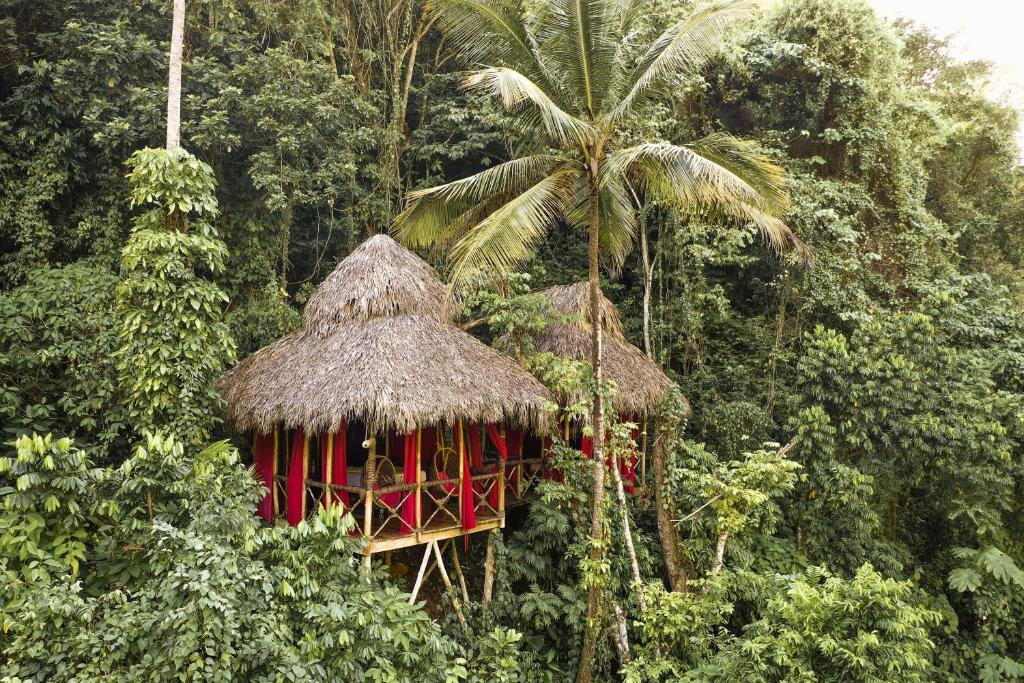
Living Above the Forest Floor: How El Valle's Treehouse Stays Fit Into Dominican Eco-Lodging
The Dominican Republic's accommodation market divides cleanly into two tiers: large-footprint, beach-facing all-inclusives concentrated around Punta Cana and Samaná Bay, and a smaller cohort of design-led, low-impact properties that treat the interior landscape as the experience itself. Dominican Tree House Village belongs firmly to that second category, and its address along the Rincon Trail in El Valle places it at the furthest reach of that cohort, where the Samaná peninsula's forest canopy and waterfall system do architectural work that no construction budget could replicate.
The approach to the property sets the register immediately. The Rincon Trail corridor, leading past Lulu Waterfall and adjacent to Cascada, is not a manicured resort path. It is a working piece of Dominican forest terrain, and the physical arrival — on foot or by vehicle along unpaved track — communicates something about what the stay will prioritise. Elevation matters here: sleeping above the forest floor, with canopy-level sightlines and the acoustic signature of moving water nearby, is a fundamentally different proposition from a beachfront villa or a colonial-city boutique hotel. For context on the latter, the Hodelpa Nicolás de Ovando in Santo Domingo operates within a restored sixteenth-century building in the Zona Colonial, a measure of how broadly Dominican accommodation styles diverge.
The Architecture of Elevation: Treehouse Design as a Genuine Structural Response
Treehouse accommodation has spread across premium travel over the past decade, but the genre bifurcates sharply in execution. At one end sit heavily engineered, amenity-loaded structures that use the treehouse aesthetic as branding while functioning as conventional hotel rooms with branches nearby. At the other end are properties where the structural approach is a direct negotiation with actual trees, root systems, and load constraints. The latter demands more from both builder and guest: there are inherent limits to climate control, soundproofing, and flat surfaces when the building envelope is partly organic.
Dominican Tree House Village's setting adjacent to Lulu Waterfall and the Rincon Trail suggests it operates closer to that second model. The El Valle area receives significant rainfall, which sustains the forest density that makes canopy-level construction viable in the first place, but also means the architecture must contend with humidity, root movement, and the kind of environmental conditions that reduce the lifespan of conventional materials. The design logic here is reactive and site-specific rather than imported and imposed, a meaningful distinction within the eco-lodging category that properties like El Morro Eco Adventure Hotel in Monte Cristi also demonstrate in their respective natural settings across the northern Dominican coast.
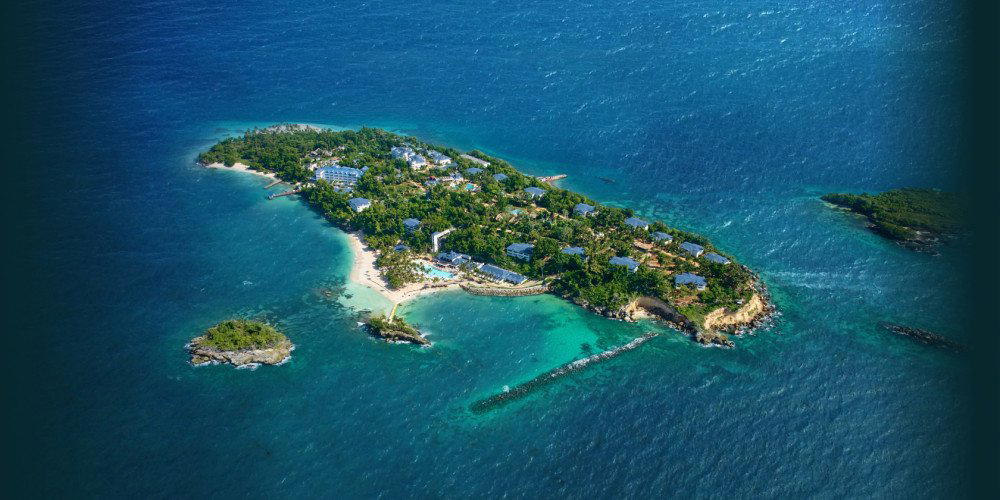
Within the Samaná peninsula specifically, the contrast is instructive. The Cayo Levantado Resort in Samaná operates on a private island in Samaná Bay, with conventional resort infrastructure oriented toward the water. Dominican Tree House Village orients toward vertical height and forest depth instead. Neither is a compromise, they are answers to different questions about what a Samaná stay should deliver.
Positioning Within the Samaná Accommodation Field
The Samaná peninsula has attracted a specific type of traveller for decades: those drawn by humpback whale migration season (January through March), by the comparative quiet of Las Galeras and El Valle relative to Las Terrenas, and by a general preference for terrain over beach amenity. The Sublime Samana Hotel & Residences in Las Terrenas captures the mid-to-upper market in Las Terrenas with a more conventional boutique format; Dominican Tree House Village addresses a different segment of that same traveller profile, one prepared to exchange certain hotel-standard comforts for an uncommon physical position in the environment.
That trade-off is precisely what gives properties in this category their relevance. Across the Dominican Republic's broader accommodation spectrum, the distance between an all-inclusive resort in Punta Cana, Live Aqua Beach Resort Punta Cana or Eden Roc Cap Cana in Cap Cana being representative of the upper end of that format, and a forest treehouse on the Rincon Trail is not merely geographic. It reflects a divergent theory of what a Caribbean stay is for. The former delivers controlled luxury; the latter delivers access, specifically physical access to a forest, a waterfall system, and a topography that beach properties structurally cannot offer.
For those comparing within the eco-adventure tier, Casa Bonita Tropical Lodge in La Cienaga offers another point of reference on the southern peninsula side of the island, demonstrating that the design-led, nature-integrated approach has traction across different Dominican coastal regions. Natura Cabana Boutique Hotel & Spa in Sosua represents a softer version of the same instinct on the north coast, where natural materials and garden settings mediate between beach access and interior character.
Planning a Stay: What the El Valle Setting Requires
The address, Lulu Waterfall, Next to Cascada, Rincon Trail, El Valle, signals the practical reality clearly. El Valle sits on the eastern end of the Samaná peninsula, accessed by road from the town of Samaná or from Las Galeras. Public transport options in this corridor are limited, and the trail-adjacent location means a vehicle is close to essential for arriving with luggage and for day trips beyond walking range. The property has no listed phone number or booking website in available records, which is characteristic of smaller eco-properties in the Dominican interior that often operate through third-party booking platforms or direct contact via email. Visitors should confirm current booking channels before travel and verify access-road conditions, which can change seasonally given the area's rainfall patterns.
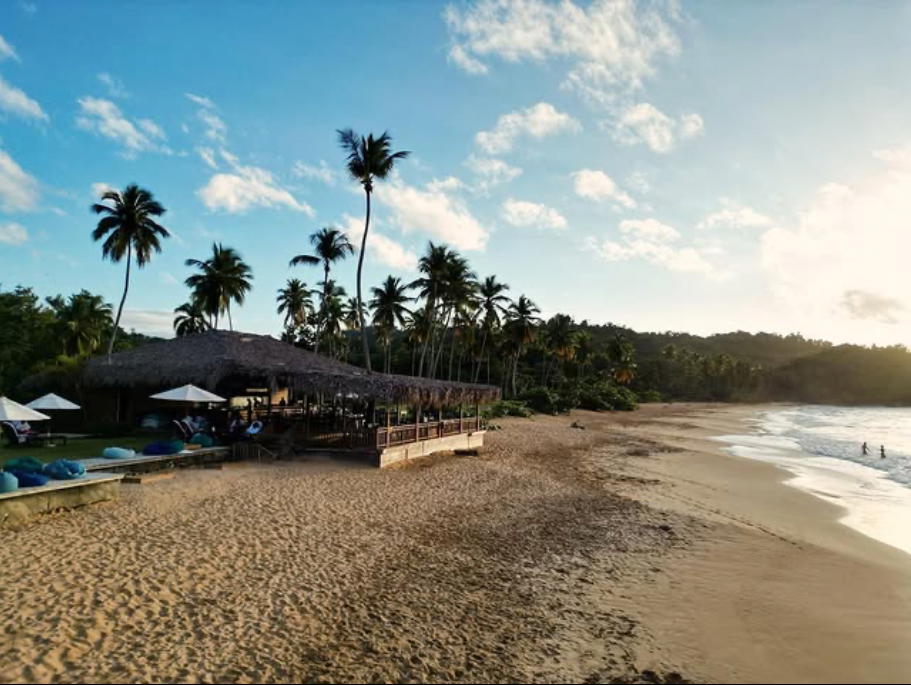
The Rincon Trail itself connects to Playa Rincon, consistently cited as one of the peninsula's least-developed beaches, meaning the property's position is not remote without reward, it sits at the intersection of forest interior and accessible coastal terrain. Whale-watching departures from Samaná town run from January through March and are reachable within an hour's drive, giving a forest-based stay a secondary natural-history dimension that beach hotels cannot easily add to their offer. For those building a broader Dominican itinerary that combines interior eco-lodging with conventional luxury, Casa de Campo Resort & Villas in La Romana and Amanera in Playa Grande represent the ceiling of the conventional tier, useful as contrast stays in a multi-property trip. See our full Samaná guide for broader context on how to structure time across the peninsula.
| Venue | Cuisine |
|---|---|
| Dominican Tree House VillageThis venue — the venue you are viewing | This venue |
Continue exploring
More in Samaná
Hotels in Samaná
Browse all →
At a Glance
- Rustic
- Scenic
- Cozy
- Romantic
- Bohemian
- Romantic Getaway
- Honeymoon
- Wellness Retreat
- Weekend Escape
- Private Villa
- Panoramic View
- Terrace
- Pool
- Fitness Center
- Massage
- Restaurant
- Beach Access
- Garden
- Mountain
- Pool
- Fitness Center
- Massage
- Restaurant
- Beach Access
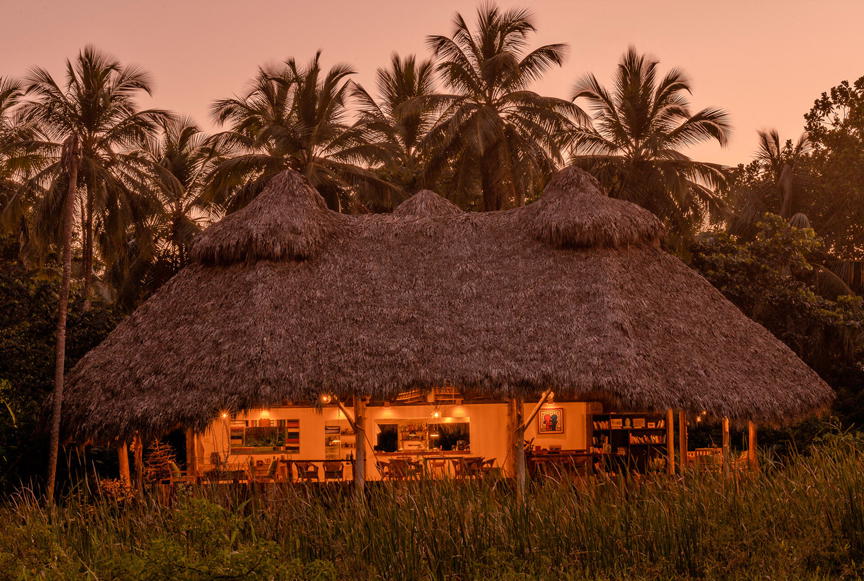
Open-air design with natural ventilation, surrounded by jungle sounds, bird calls, and greenery, fostering a peaceful, magical, and disconnecting atmosphere around fire pits and secluded pools.
Know Before You Go
- Getting there
- Lulu Waterfall, Next to Cascada, Rincon Trail, El Valle 32000, Dominican Republic