

Conde Nast Hot List Hotels · Travel + Leisure It List Hotels
Baa Atoll and the Weight of a UNESCO Address Baa Atoll carries a designation that most Maldivian atolls do not: UNESCO Biosphere Reserve status, granted in 2011, which places it in a small global category of marine environments managed for both conservation and sustainable human activity. That credential is not merely promotional. The manta ray and whale shark aggregations at Hanifaru Bay, one of the atoll's protected feeding sites, occur with the most reliable frequency between June and November, during the southwest monsoon. Guests who arrive outside that window encounter a different Baa Atoll, quieter and less theatrically wild, but still operating on a house reef standard that most Indian Ocean destinations cannot match. . Here Baa Atoll Maldives enters this context as a property whose address alone signals a specific kind of intent. In the Baa Atoll tier, where Anantara Kihavah Maldives Villas, Four Seasons Resort Maldives at Landaa Giraavaru, Milaidhoo Maldives, Finolhu, A Seaside Collection Resort, and Amilla Maldives each occupy distinct segments of the market, the atoll has developed a reputation for housing some of the Indian Ocean's most considered resort experiences. Choosing within it requires understanding what each property is actually optimised for, rather than assuming that Baa Atoll proximity to Hanifaru Bay is sufficient differentiation on its own. Arriving on Water and What It Signals Access to Baa Atoll follows the standard Maldivian two-stage model: international arrival at Velana International Airport in Male, then either a domestic flight to Dharavandhoo Airport or a seaplane transfer, depending on the resort's location within the atoll. Seaplane transfers, the more cinematic of the two options, run only during daylight hours, which means late-arriving international flights frequently require a Male airport hotel overnight before onward travel the following morning. This is a logistical reality that affects every property in the atoll, not a specific limitation of any single resort. Guests arriving on red-eye flights from Europe or connecting from long-haul Asian routes should factor this into their itinerary from the outset. The transfer duration to Baa Atoll properties by seaplane typically runs between 25 and 40 minutes from Male, placing it within the mid-range of Maldivian transfer times. Properties in the southern atolls, including those in South Ari Atoll or further-flung destinations like Niyama Private Islands Maldives in Kudahuvadhoo, involve longer seaplane legs. Baa Atoll's relative proximity to Male is one of its practical advantages for guests with limited stay durations who want to maximise time on-island rather than in transit. The Baa Atoll Resort Tier and What It Demands The Maldives resort market has stratified sharply over the past decade. At one end sit the large-inventory properties with broad amenity programs and accessible price points. At the other, a smaller cohort of low-key-count resorts positions around exclusivity, design specificity, and marine access. Baa Atoll hosts representatives of both categories, though its UNESCO status has drawn a disproportionate share of the latter. Properties like Soneva Fushi in Eydhafushi, arguably the property that established the barefoot-luxury register in the atoll, and the broader Soneva group, which also operates Soneva Jani in Noonu Atoll and Soneva Secret in Haa Dhaalu Atoll, have shaped guest expectations around nature-led programming and editorial-level design. Other Maldivian properties beyond Baa Atoll complete this picture. Huvafen Fushi in Male, Gili Lankanfushi Maldives in Lankanfushi Island, COMO Cocoa Island, Maldives in Makunufushi, COMO Maalifushi in Guraidhoo, and Banyan Tree Vabbinfaru in North Male Atoll each demonstrate how different atolls position against one another. Properties further afield include Angsana Velavaru in Velavaru, Baglioni Maldives Luxury All-Inclusive in Dhaalu Atoll, Coco Bodu Hithi in Bodu Hithi, Constance Halaveli Maldives in Alifu Alifu Atoll, Cora Cora Maldives in Raa Atoll, Fushifaru Maldives in Fushifaru, and Conrad Maldives Rangali Island in South Ari Atoll. The Maldives market is wide; the Baa Atoll segment within it is narrower and more ecologically defined. Planning Around Baa Atoll's Marine Calendar The decision of when to visit Baa Atoll carries more weight than in most Indian Ocean destinations because the seasonal marine events are genuinely differentiated, not simply a matter of weather comfort. The Hanifaru Bay manta aggregations, which can involve hundreds of reef mantas feeding simultaneously in a relatively small lagoon, occur most reliably from May through November. June, July, and August represent the peak concentration period. The wet season brings with it the conditions that trigger the plankton blooms that draw the mantas; the tradeoff is occasionally overcast skies and some swell. The dry season, from December through April, brings calmer seas, clearer skies, and higher prices across the atoll's resort inventory. Diving conditions are excellent, and the house reefs remain accessible year-round. Guests whose primary motivation is the Hanifaru Bay experience should weight the calendar accordingly; guests whose priority is conditions for water sports, photography above the waterline, or simply more predictable weather will find the dry season the stronger choice. Most Baa Atoll properties price up substantially in December and January, aligning with European and Northern Hemisphere winter-holiday travel patterns. What to Expect from the Baa Atoll Category Overwater villa formats with direct lagoon access, house reef snorkelling within swimming distance, and marine biology or conservation programming have become entry-level requirements for any property competing in the premium segment. What separates the top tier from the broader category tends to be the specificity of the programming, the calibre of the marine team, and the degree to which conservation credentials are operationally embedded rather than decoratively applied. Guests researching. Here Baa Atoll Maldives should review the full atoll context before committing, since the specific configuration of the property, its villa count, transfer type, and marine program depth, will determine whether it fits within the low-capacity specialist tier or the broader volume segment of the Baa Atoll market. For a comprehensive view of what the atoll currently offers across its full range of properties, see our full Baa Atoll restaurants and hotels guide. Frequently Asked Questions What is the leading suite at. Here Baa Atoll Maldives?What makes. Here Baa Atoll Maldives worth visiting?Whether.Should I book. Here Baa Atoll Maldives in advance?Baa Atoll properties, particularly those in the lower-inventory segment, book out during the December-to-April dry season and during the June-to-August manta peak. Booking three to six months ahead is standard practice for premium Maldivian resorts in these windows. Check the property's direct booking channel for current availability.What is. Here Baa Atoll Maldives a good pick for?Based on its Baa Atoll location, the property suits guests whose itinerary is structured around marine access, specifically diving and snorkelling on a UNESCO-protected reef system, rather than guests primarily seeking urban or cultural programming. Couples and small parties travelling without large groups tend to self-select into the Baa Atoll tier. Those looking for a wider range of structured activities may find larger-footprint properties like Amilla Maldives a better fit.Any planning tips for. Here Baa Atoll Maldives?Confirm the transfer type (seaplane or domestic flight plus speedboat) before finalising your international flight arrival time. Seaplanes do not operate after dark, so late arrivals from Europe or the Americas typically require a Male overnight. June through November gives the leading marine spectacle at Hanifaru Bay; December through April delivers calmer seas and clearer skies at higher room rates. Factor both variables into your travel window decision.Is staying at. Here Baa Atoll Maldives worth it?The Baa Atoll address carries genuine environmental credentials that hold up against peer properties in other atolls. Whether the specific property's rates, room quality, and marine program justify the spend relative to direct competitors such as Milaidhoo Maldives or Finolhu, A Seaside Collection Resort depends on current pricing and programming details, which are leading verified directly through the property before booking.How does. Here Baa Atoll Maldives compare to other Baa Atoll resorts for diving specifically?Baa Atoll's dive sites include Hanifaru Bay (restricted-access, no scuba permitted inside the bay during peak aggregations, snorkelling only), as well as a network of thilas and channel dives that are consistently rated among the Indian Ocean's most species-rich. Within the atoll, properties with dedicated PADI dive centres and in-house marine biologists, including Anantara Kihavah and Four Seasons Landaa Giraavaru, have set benchmarks for dive programming depth. Prospective guests should confirm whether. Here operates its own dive facility or partners with a third-party operator, as this distinction affects scheduling flexibility significantly.

Pearl is the En Primeur Club membership app — saves, bookings, and concierge access live there. Same editors, same standards.
- Address
- 2X63+43V, Kanufushi Island Baa Atoll, Hithaadhoo, Maldives
- Phone
- +960 660 77 00
- Website
- here-maldives.com
- Directions
- Get directions
Baa Atoll and the Weight of a UNESCO Address
Baa Atoll carries a designation that most Maldivian atolls do not: UNESCO Biosphere Reserve status, granted in 2011, which places it in a small global category of marine environments managed for both conservation and sustainable human activity. That credential is not merely promotional. The manta ray and whale shark aggregations at Hanifaru Bay, one of the atoll's protected feeding sites, occur with the most reliable frequency between June and November, during the southwest monsoon. Guests who arrive outside that window encounter a different Baa Atoll, quieter and less theatrically wild, but still operating on a house reef standard that most Indian Ocean destinations cannot match.
. Here Baa Atoll Maldives enters this context as a property whose address alone signals a specific kind of intent. In the Baa Atoll tier, where Anantara Kihavah Maldives Villas, Four Seasons Resort Maldives at Landaa Giraavaru, Milaidhoo Maldives, Finolhu, A Seaside Collection Resort, and Amilla Maldives each occupy distinct segments of the market, the atoll has developed a reputation for housing some of the Indian Ocean's most considered resort experiences. Choosing within it requires understanding what each property is actually optimised for, rather than assuming that Baa Atoll proximity to Hanifaru Bay is sufficient differentiation on its own.
Arriving on Water and What It Signals
Access to Baa Atoll follows the standard Maldivian two-stage model: international arrival at Velana International Airport in Male, then either a domestic flight to Dharavandhoo Airport or a seaplane transfer, depending on the resort's location within the atoll. Seaplane transfers, the more cinematic of the two options, run only during daylight hours, which means late-arriving international flights frequently require a Male airport hotel overnight before onward travel the following morning. This is a logistical reality that affects every property in the atoll, not a specific limitation of any single resort. Guests arriving on red-eye flights from Europe or connecting from long-haul Asian routes should factor this into their itinerary from the outset.
The transfer duration to Baa Atoll properties by seaplane typically runs between 25 and 40 minutes from Male, placing it within the mid-range of Maldivian transfer times. Properties in the southern atolls, including those in South Ari Atoll or further-flung destinations like Niyama Private Islands Maldives in Kudahuvadhoo, involve longer seaplane legs. Baa Atoll's relative proximity to Male is one of its practical advantages for guests with limited stay durations who want to maximise time on-island rather than in transit.
The Baa Atoll Resort Tier and What It Demands
The Maldives resort market has stratified sharply over the past decade. At one end sit the large-inventory properties with broad amenity programs and accessible price points. At the other, a smaller cohort of low-key-count resorts positions around exclusivity, design specificity, and marine access. Baa Atoll hosts representatives of both categories, though its UNESCO status has drawn a disproportionate share of the latter. Properties like Soneva Fushi in Eydhafushi, arguably the property that established the barefoot-luxury register in the atoll, and the broader Soneva group, which also operates Soneva Jani in Noonu Atoll and Soneva Secret in Haa Dhaalu Atoll, have shaped guest expectations around nature-led programming and editorial-level design.
Other Maldivian properties beyond Baa Atoll complete this picture. Huvafen Fushi in Male, Gili Lankanfushi Maldives in Lankanfushi Island, COMO Cocoa Island, Maldives in Makunufushi, COMO Maalifushi in Guraidhoo, and Banyan Tree Vabbinfaru in North Male Atoll each demonstrate how different atolls position against one another. Properties further afield include Angsana Velavaru in Velavaru, Baglioni Maldives Luxury All-Inclusive in Dhaalu Atoll, Coco Bodu Hithi in Bodu Hithi, Constance Halaveli Maldives in Alifu Alifu Atoll, Cora Cora Maldives in Raa Atoll, Fushifaru Maldives in Fushifaru, and Conrad Maldives Rangali Island in South Ari Atoll. The Maldives market is wide; the Baa Atoll segment within it is narrower and more ecologically defined.
Planning Around Baa Atoll's Marine Calendar
The decision of when to visit Baa Atoll carries more weight than in most Indian Ocean destinations because the seasonal marine events are genuinely differentiated, not simply a matter of weather comfort. The Hanifaru Bay manta aggregations, which can involve hundreds of reef mantas feeding simultaneously in a relatively small lagoon, occur most reliably from May through November. June, July, and August represent the peak concentration period. The wet season brings with it the conditions that trigger the plankton blooms that draw the mantas; the tradeoff is occasionally overcast skies and some swell.
The dry season, from December through April, brings calmer seas, clearer skies, and higher prices across the atoll's resort inventory. Diving conditions are excellent, and the house reefs remain accessible year-round. Guests whose primary motivation is the Hanifaru Bay experience should weight the calendar accordingly; guests whose priority is conditions for water sports, photography above the waterline, or simply more predictable weather will find the dry season the stronger choice. Most Baa Atoll properties price up substantially in December and January, aligning with European and Northern Hemisphere winter-holiday travel patterns.
What to Expect from the Baa Atoll Category
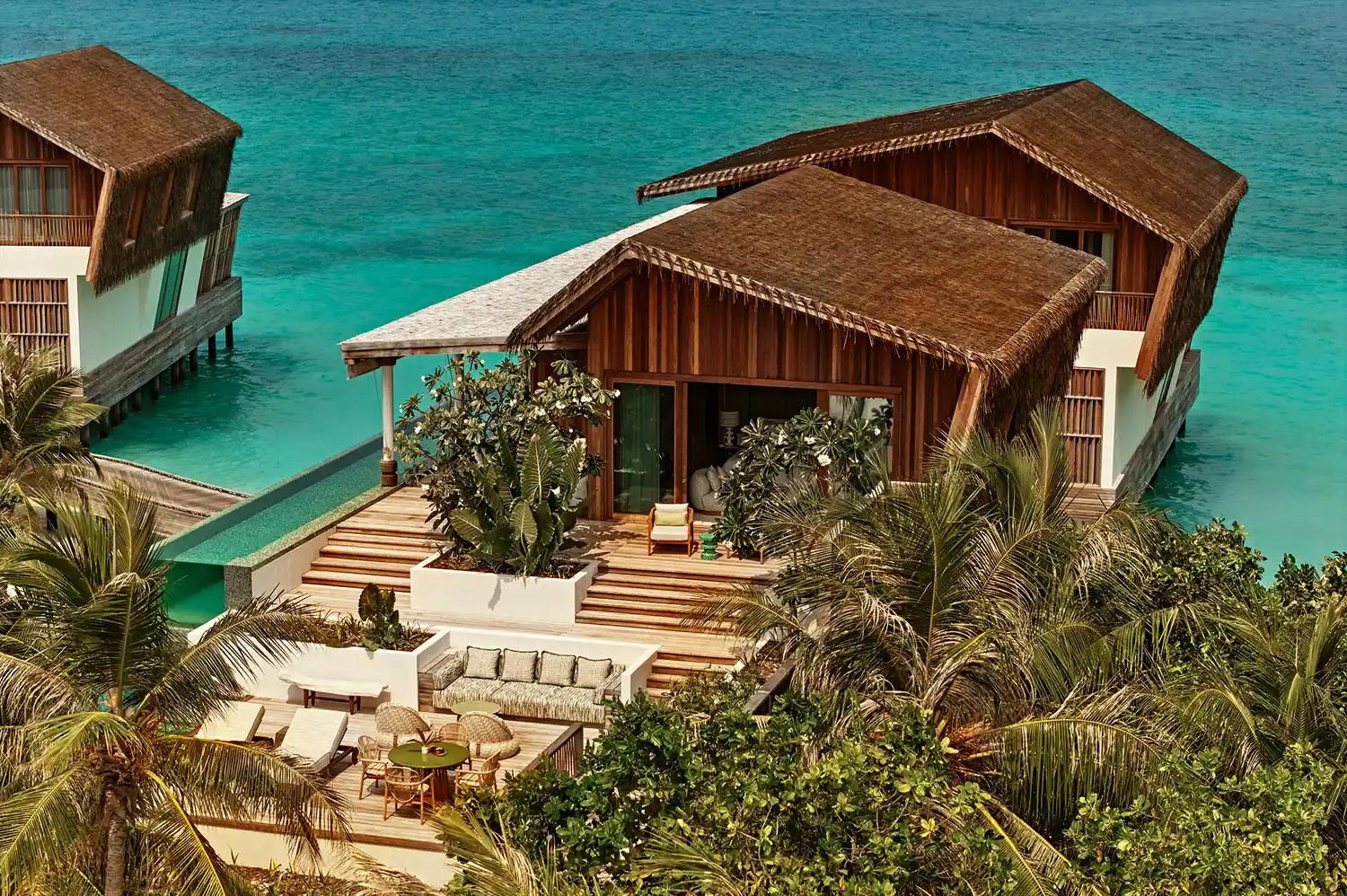
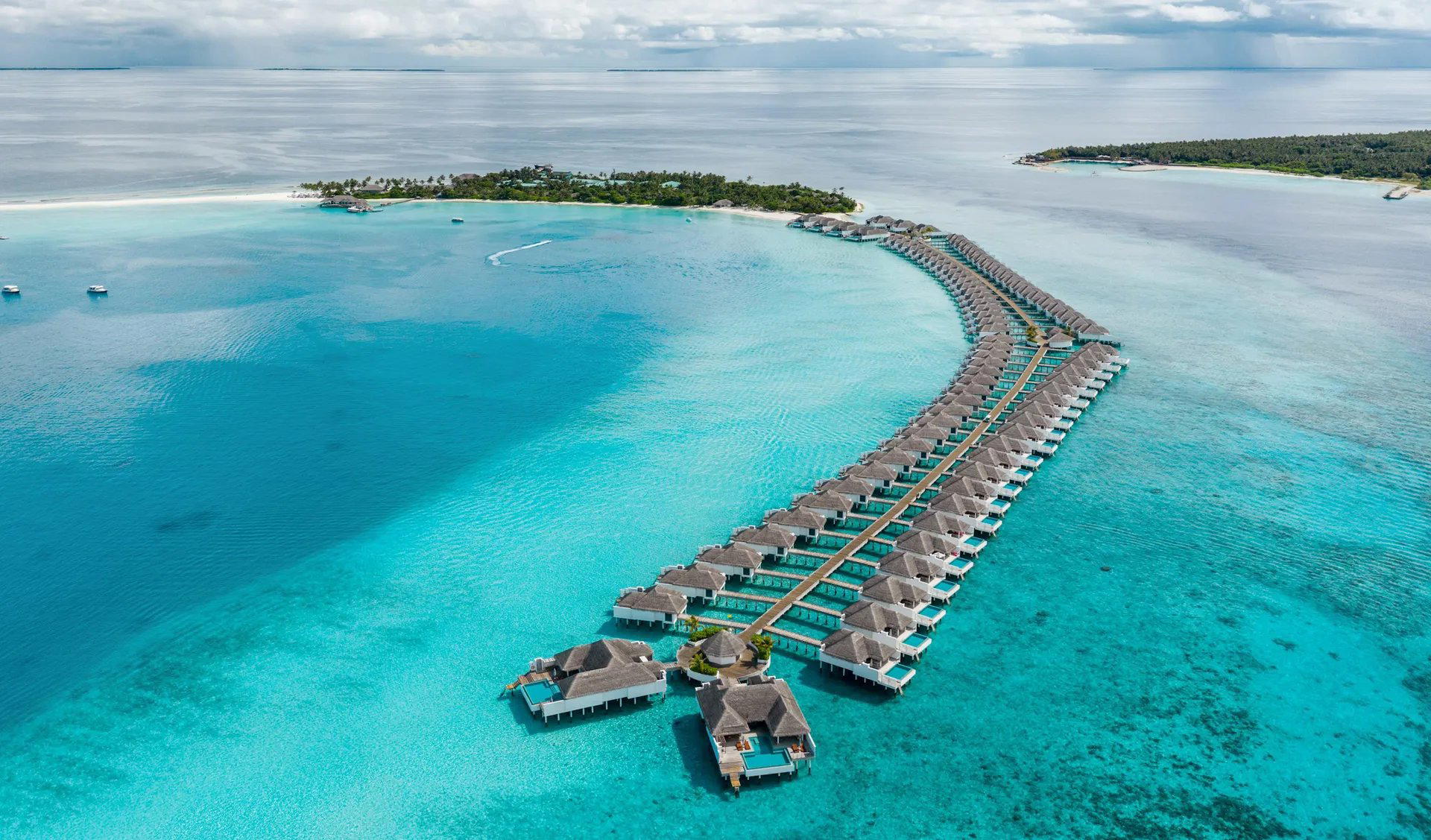
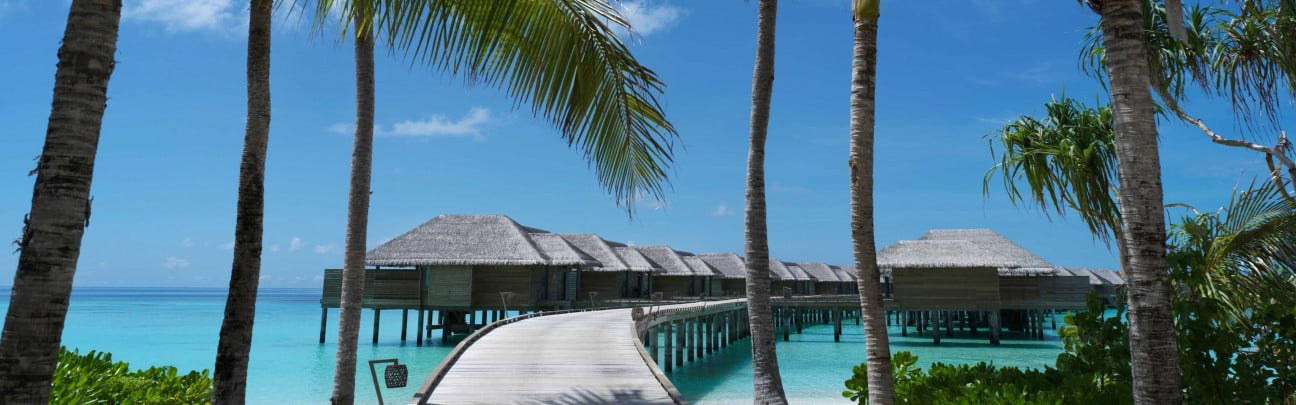
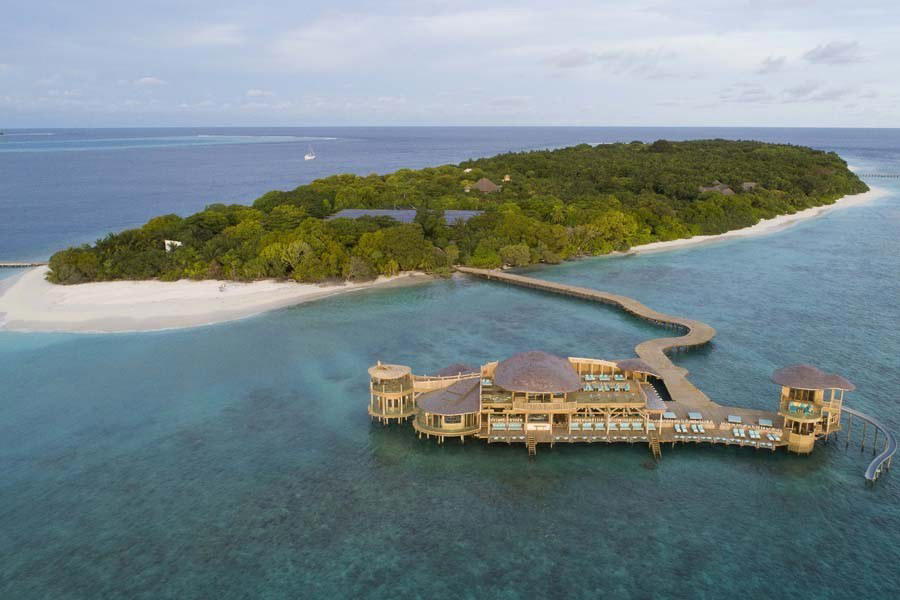
Overwater villa formats with direct lagoon access, house reef snorkelling within swimming distance, and marine biology or conservation programming have become entry-level requirements for any property competing in the premium segment. What separates the top tier from the broader category tends to be the specificity of the programming, the calibre of the marine team, and the degree to which conservation credentials are operationally embedded rather than decoratively applied.
Guests researching. Here Baa Atoll Maldives should review the full atoll context before committing, since the specific configuration of the property, its villa count, transfer type, and marine program depth, will determine whether it fits within the low-capacity specialist tier or the broader volume segment of the Baa Atoll market. For a comprehensive view of what the atoll currently offers across its full range of properties, see our full Baa Atoll restaurants and hotels guide.
Peers Worth Knowing
Comparable venues nearby, for context on price, style, and recognition.
| Venue | Cuisine | Price | Awards | Notes |
|---|---|---|---|---|
| . Here Baa Atoll MaldivesThis venue — the venue you are viewing | Ultra-luxury minimalist boutique resort emphasizing privacy and personalization across two private islands. | $2,500+ | Conde Nast Hot List Hotels · Travel + Leisure It List Hotels | Not listed |
| Somewhere | Ultra-luxury minimalist private island resort emphasizing understated elegance and bespoke personalization with architectural sophistication. | $2,500+ | Not listed | Baa Atoll |
| Finolhu, A Seaside Collection Resort | Eco-certified luxury beach and overwater resort | Not listed | Design Hotels Member | Baa Atoll |
| Amilla Maldives | Contemporary luxury island resort combining wellness and adventure with eco-certified operations and spacious private residences. | $1,000–1,500 | La Liste Top Hotels · Forbes 4-Star | Baa Atoll |
| Nowhere | ultra-exclusive private island retreat with personalized service | Not listed | Not listed | Baa Atoll |
| Anantara Kihavah Maldives Villas | Luxury overwater and beach pool villas and residences with butler service on a private island | Not listed | La Liste Top Hotels · Forbes 4-Star | Baa Atoll |
Recognition history
Dated appearances from independent guides and award organizations, with the underlying list record or original source where available.
Conde Nast Hot List Hotels
Conde Nast
Travel + Leisure It List Hotels
Travel + Leisure
Details
- Romantic
- Scenic
- Intimate
- Elegant
- Sophisticated
- Honeymoon
- Romantic Getaway
- Anniversary
- Celebration
- Group Retreat
- Private Villa
- Butler Service
- Beachfront
- Waterfront
- Private Dining
- Panoramic View
- Destination Spa
- Spa
- Wi Fi
- Room Service
- Concierge
- Beach Access
- Waterfront
Current opening hours
- Monday
- 7:30–11 PM
- Tuesday
- 7:30–11 PM
- Wednesday
- 7:30–11 PM
- Thursday
- 7:30–11 PM
- Friday
- 7:30–11 PM
- Saturday
- 7:30–11 PM
- Sunday
- 7:30–11 PM
Hours can change for holidays and private events. Last verified .
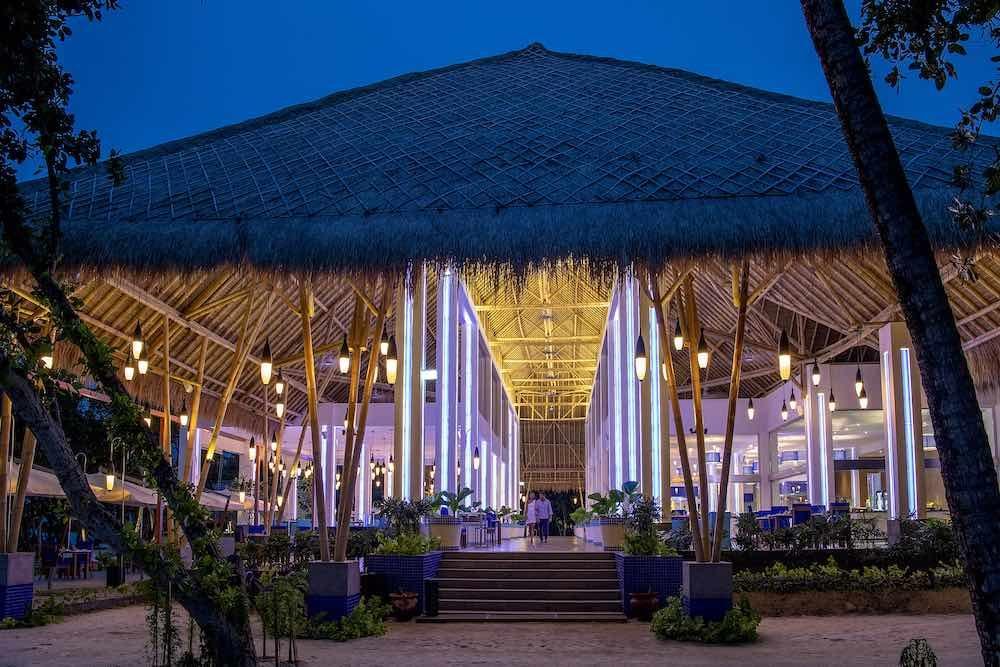
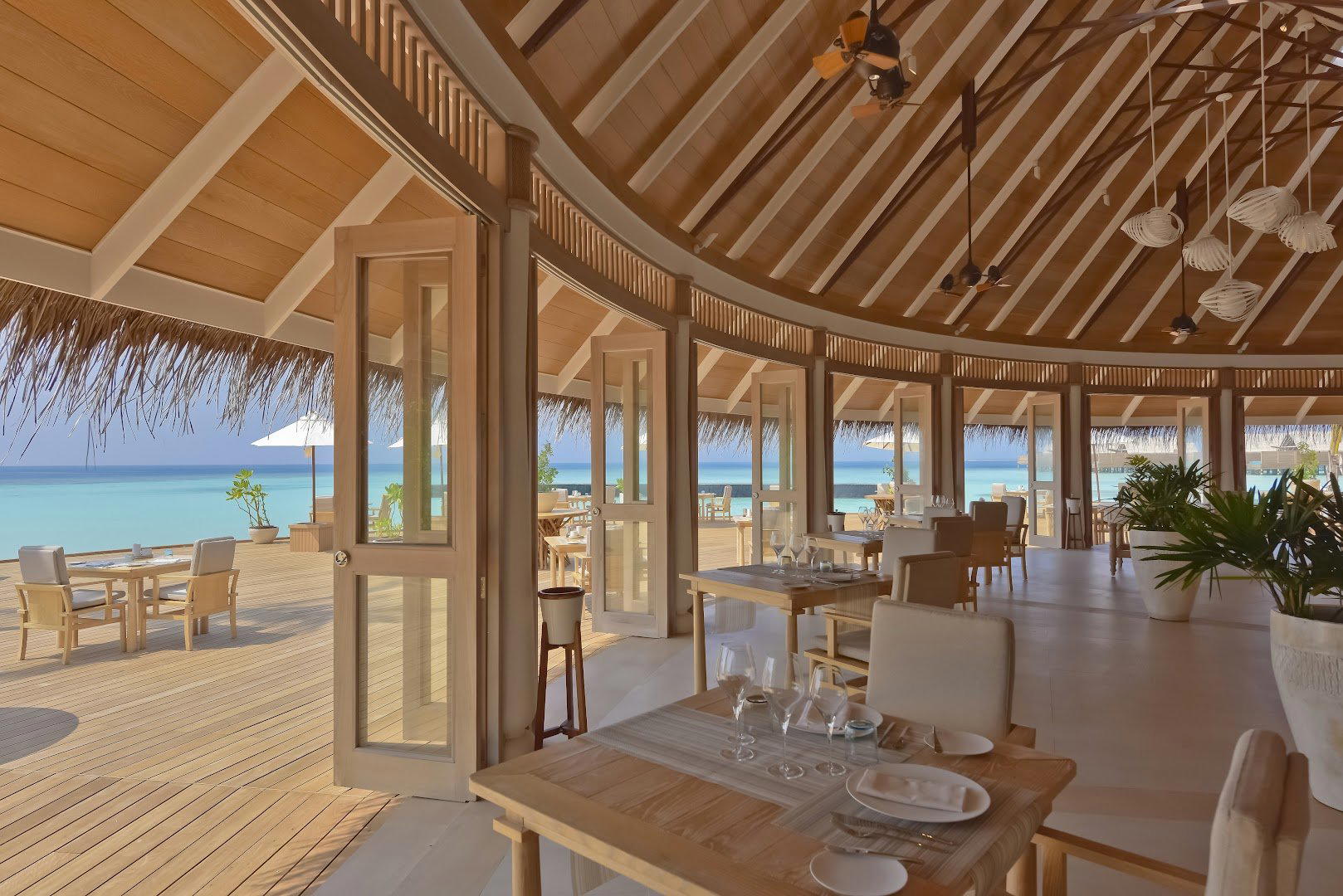
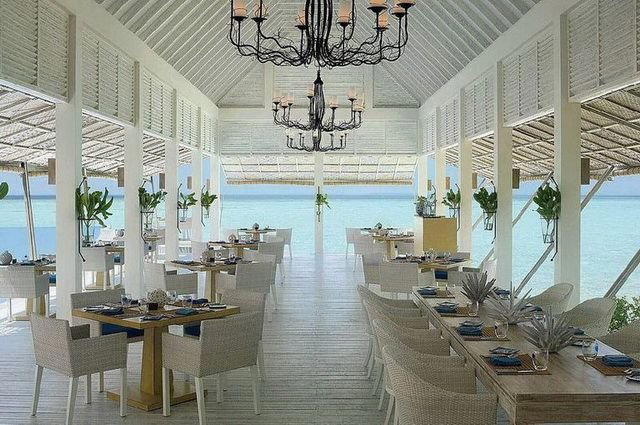
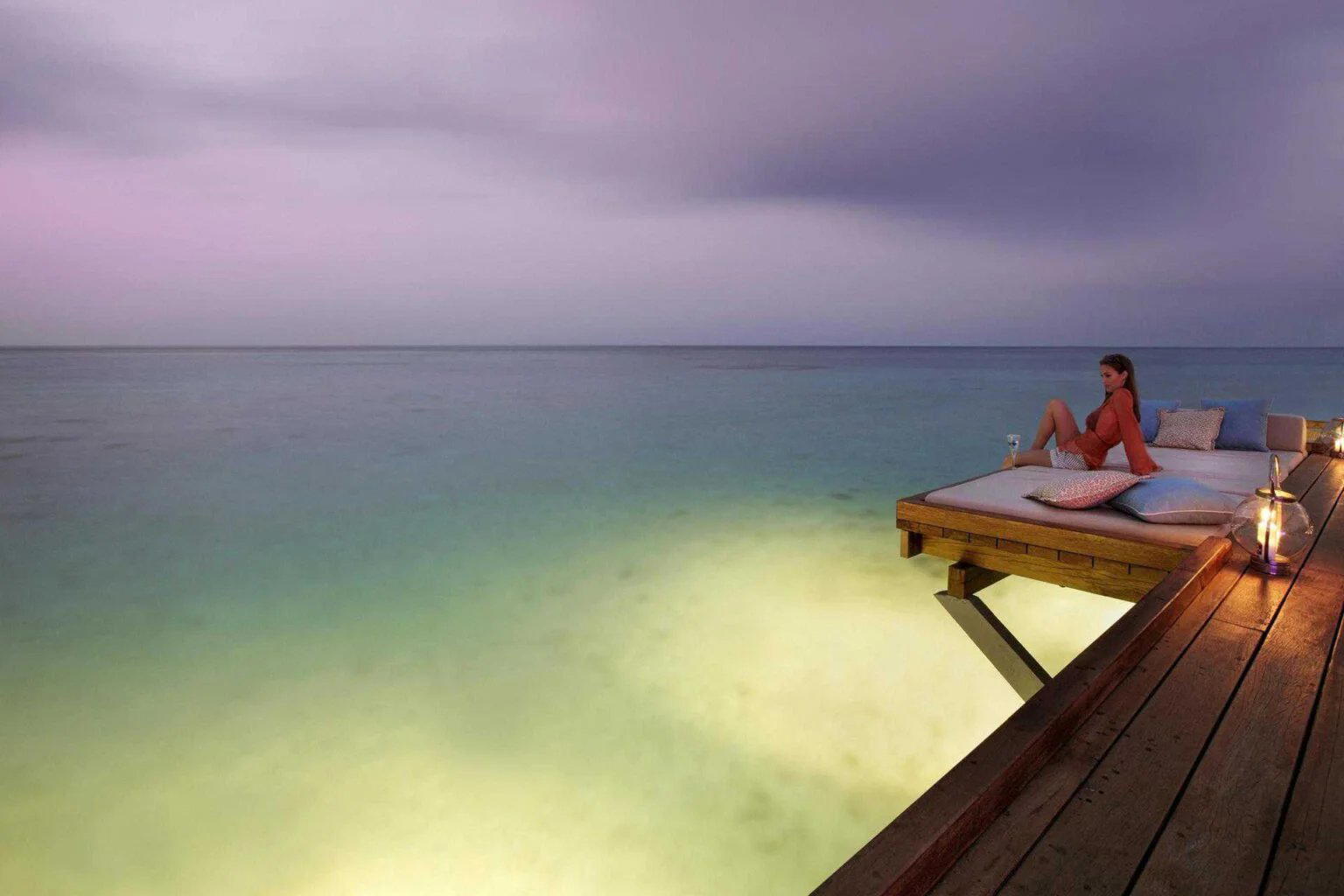
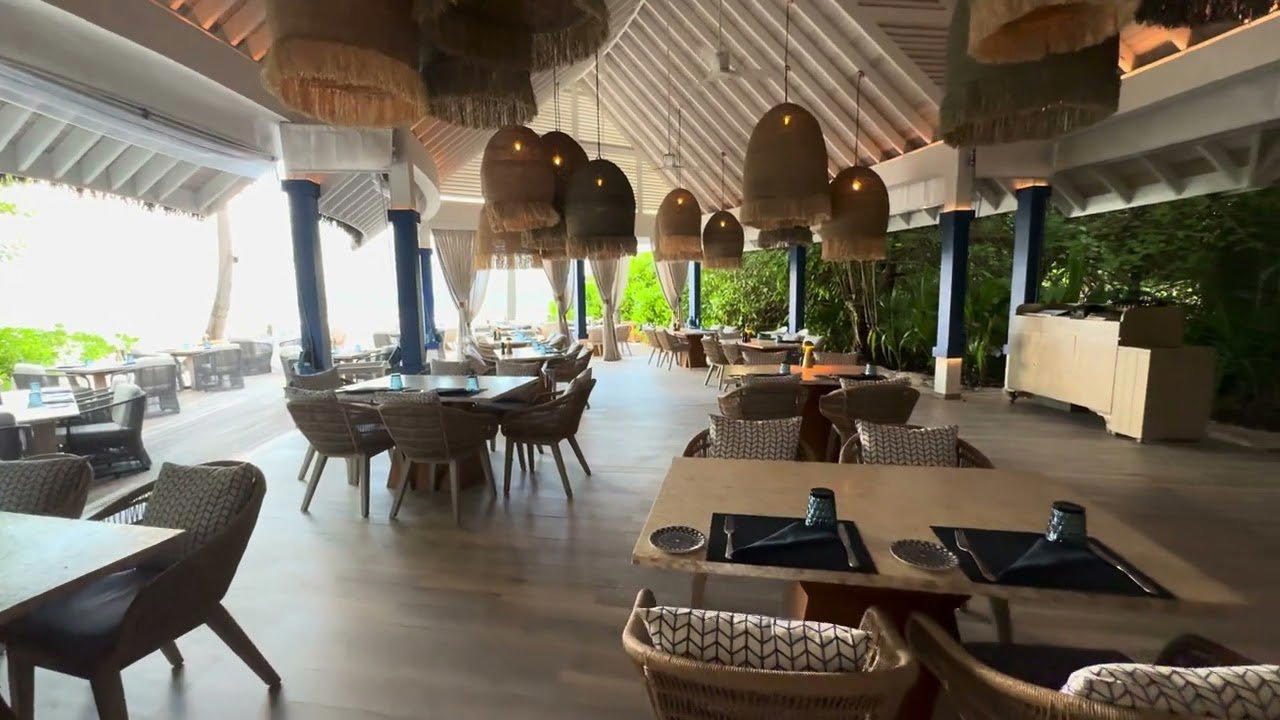
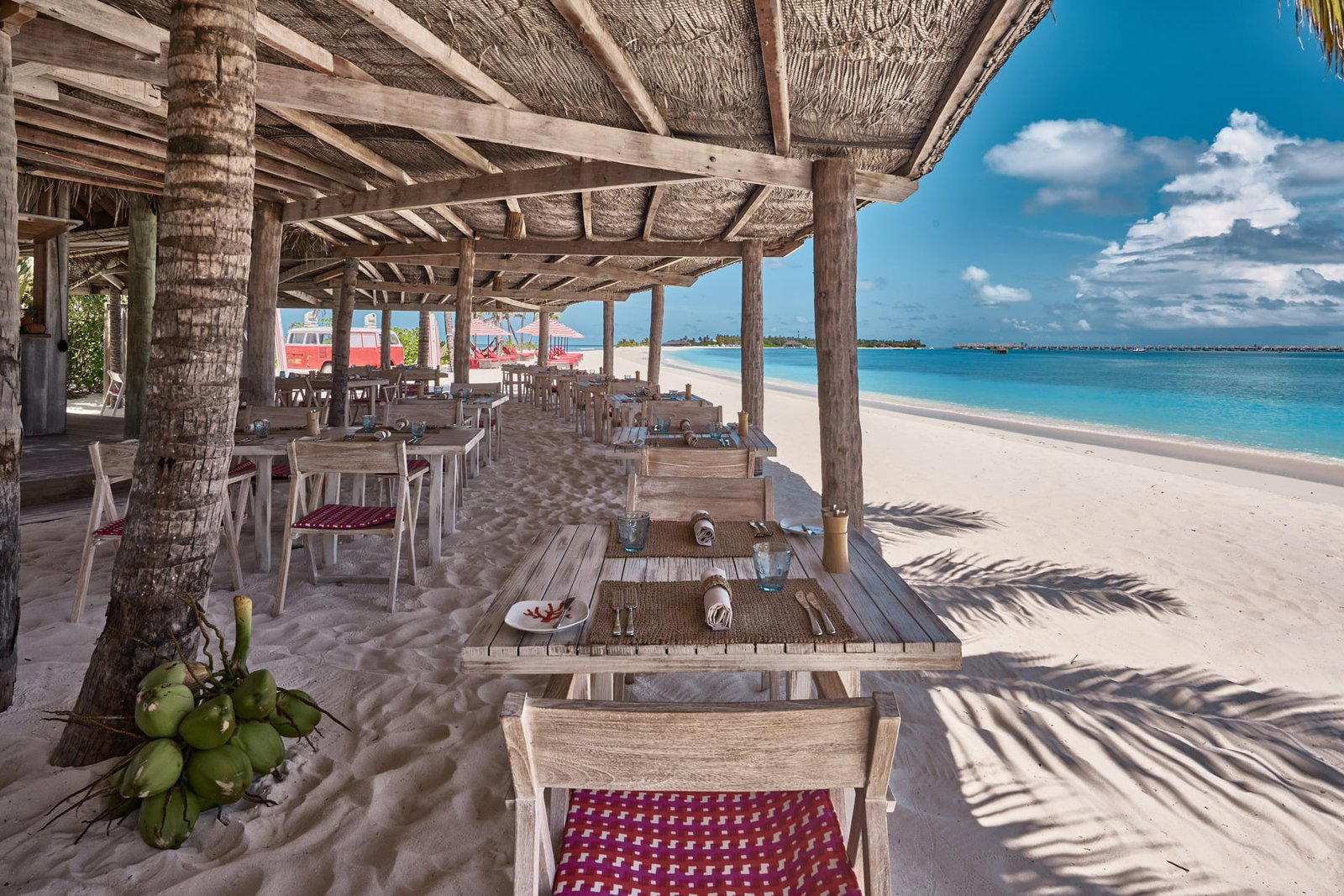
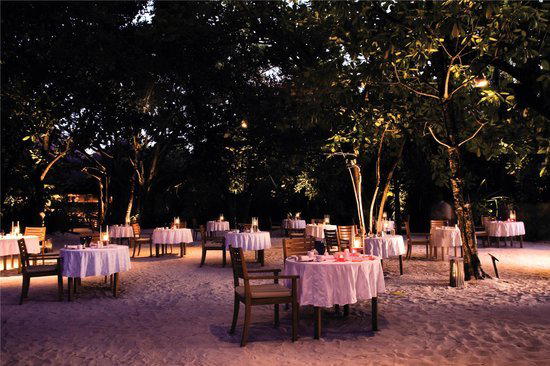
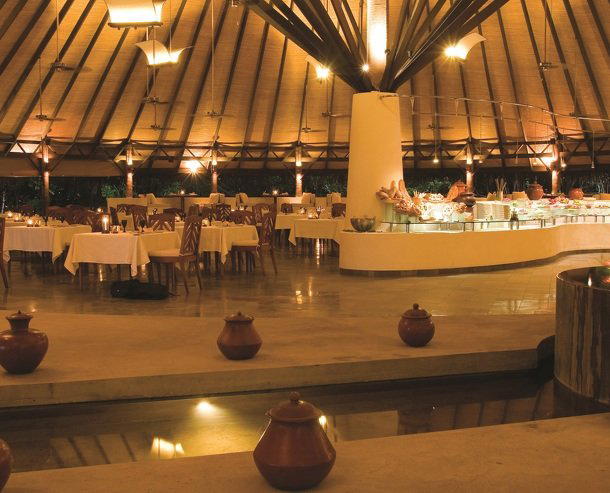
Serene and luxurious with natural materials, soft lighting through abundant glass doors, and seamless indoor-outdoor living that harmonizes with the surrounding tropical environment.