
Hagastrand belongs to the Stockholm hotel conversation where setting and spatial mood matter as much as conventional luxury markers. With no published public sources for awards, pricing, room count, booking method, or design credits, the useful reading is comparative: treat it as a Stockholm stay to verify directly, then measure it against the city’s better-documented design hotels, townhouse properties, and waterfront addresses.

Pearl is the En Primeur Club membership app — saves, bookings, and concierge access live there. Same editors, same standards.
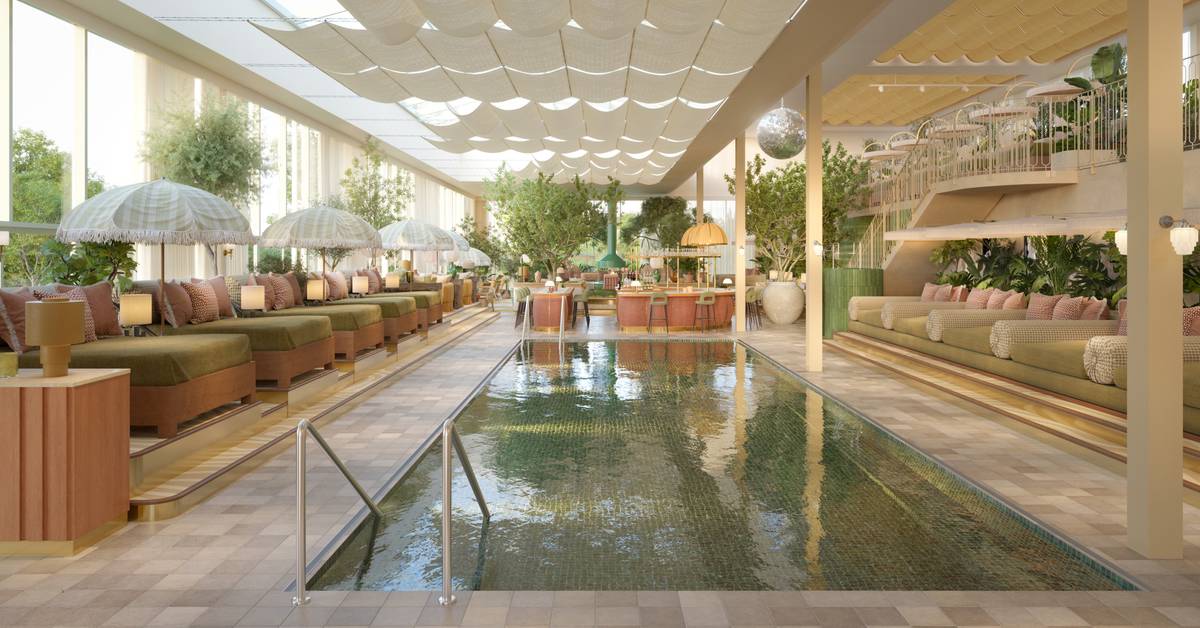
First impression: Stockholm through space rather than spectacle
Approaching a Stockholm hotel is often a lesson in restraint. The city rarely announces hospitality through volume; it works through proportion, daylight, water, stone, timber, and the small social codes of arrival. Hagastrand should be read within that tradition rather than as a sealed-off luxury object. Hagastrand is a 4-star hotel in Stockholm, Sweden, with rooms from about $205 per night. It does not provide an address, published price band, booking channel, design credits, awards, phone number, or website. The serious traveller should not treat the property as a fully documented luxury listing; instead, it belongs in the part of the Stockholm search where direct verification matters before committing dates.
That does not make the hotel irrelevant. It makes context more useful. Stockholm’s hotel scene has a distinct architectural grammar: converted banks, domestic-scale townhouses, cultural buildings, new-build Nordic minimalism, and larger lifestyle hotels designed around public rooms. A stay succeeds when the building’s scale matches the trip. A business visit near central transport asks different questions than a slow weekend built around galleries, restaurants, and water crossings. It is its position as a Stockholm hotel that needs to be judged through setting, room evidence, and operational clarity.
The design question in Stockholm hotels
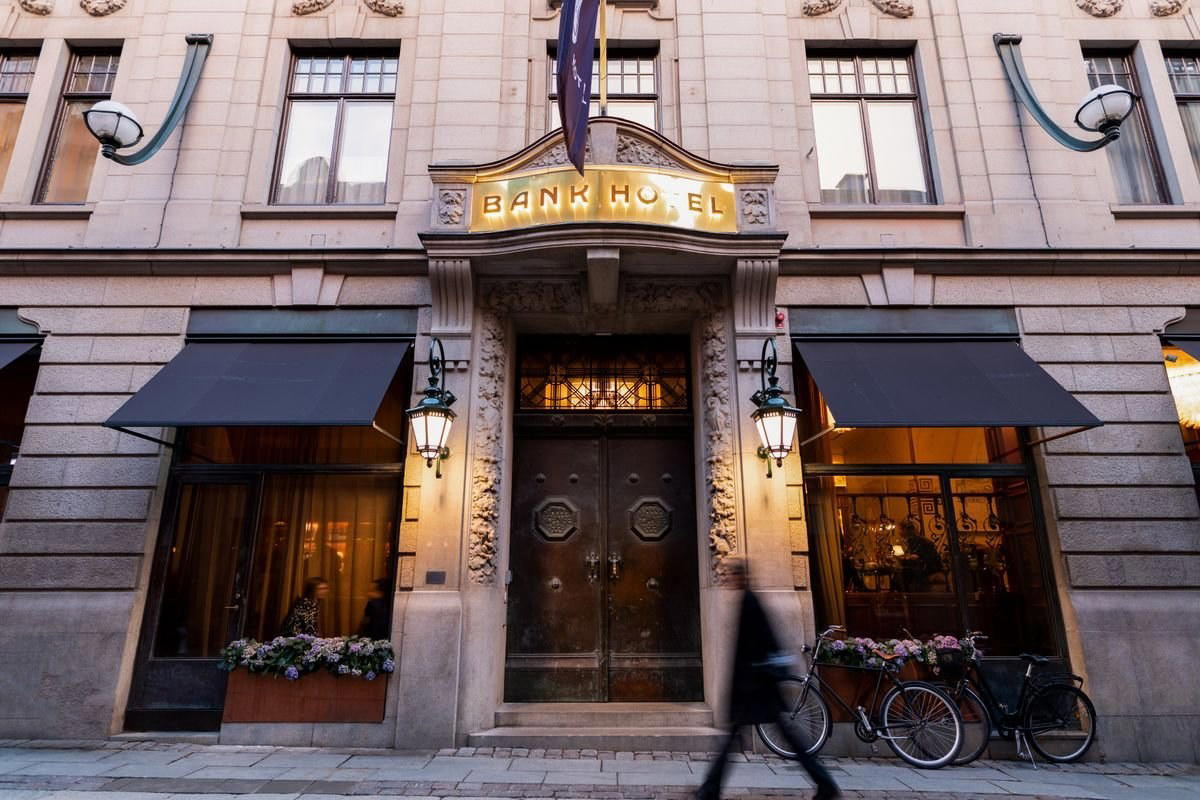
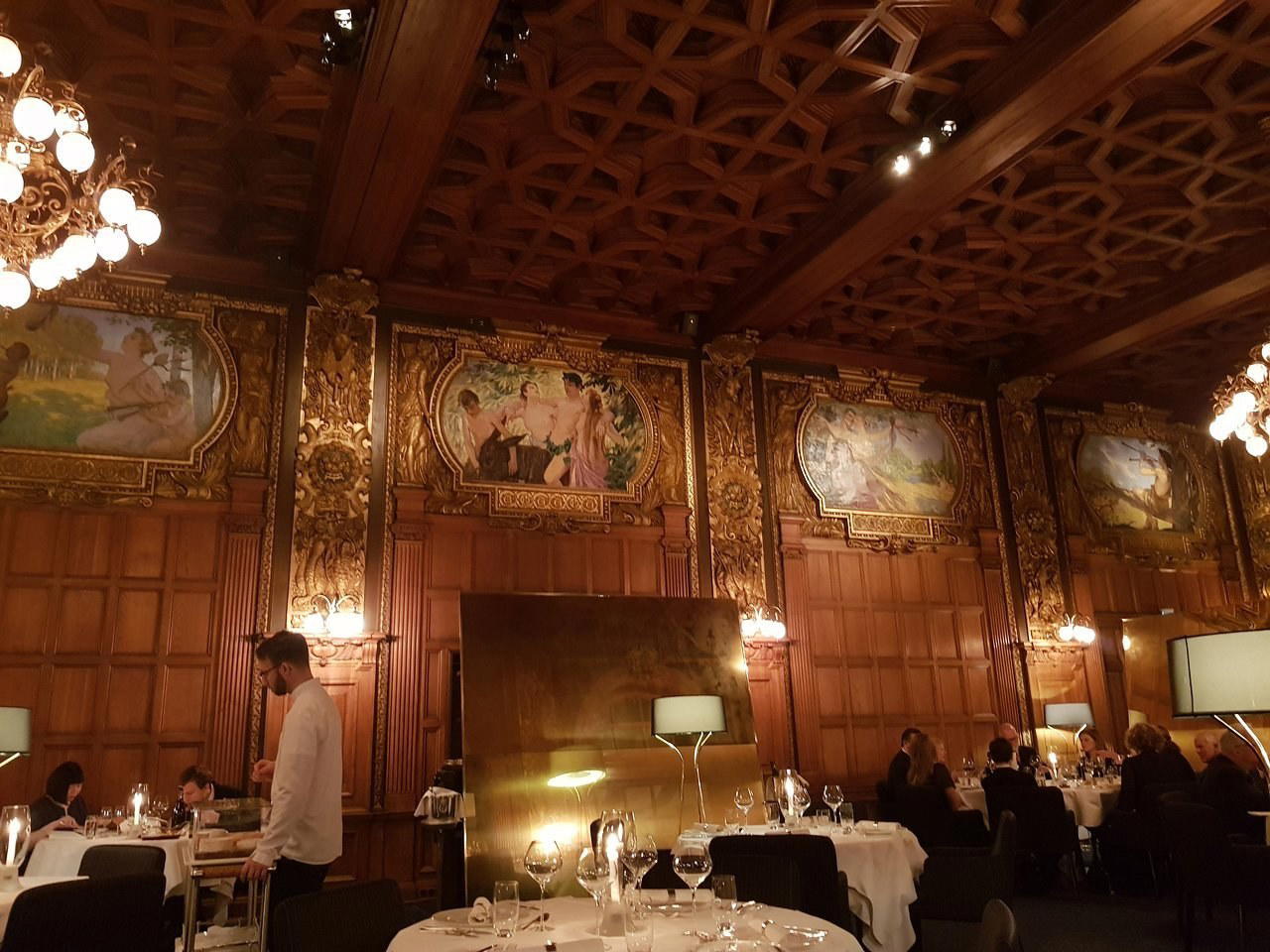
Stockholm is unusually sensitive to architectural tone. In many European capitals, hotels compete through lobby theatre; in Stockholm, the stronger properties tend to use calmer signals: low lighting in winter, practical storage, tactile materials, acoustic control, and public spaces that do not fight the city outside. The comparison set matters because the city offers several clearly defined hotel types. Ett Hem represents the intimate townhouse model, where domestic scale and residential detail shape the stay. At Six sits in the larger central design-hotel category, where art, dining, and city access carry more weight. Bank Hotel shows how a historic commercial building can be adapted into a polished city base.
Against that field, Hagastrand needs evidence before interpretation. If the building leans toward a quieter waterside or edge-of-centre experience, the design value will come from views, silence, and transition from city to retreat. If it is a more urban property, the questions shift to public-room energy, transit access, and the quality of the rooms relative to Stockholm’s established design addresses. Since no verified style field is available, no claim should be made about its interiors, architect, materials, or atmosphere beyond the broader Stockholm context. That caution is not pedantry; in hotel writing, invented design language is one of the fastest ways to mislead a reader.
Where Hagastrand fits in the city's hotel conversation
Stockholm’s premium hotel market divides into several useful clusters. The first is the small, design-led stay, often chosen by travellers who prefer residential rhythm over a large lobby. The second is the central full-service hotel, usually selected for meetings, shopping, transport, and predictable service depth. The third is the culture-adjacent hotel, where proximity to theatres, museums, music venues, or nightlife defines the itinerary. Backstage Hotel Stockholm fits that cultural axis, while Berns Hotel belongs to the city’s social and entertainment tradition. Blique by Nobis points toward the contemporary design and adaptive-use conversation.
Hagastrand cannot be responsibly placed in one of those clusters without more verified property data. The editorially honest position is conditional: if its appeal is location-led, compare it with hotels chosen for access and neighbourhood rhythm; if it is design-led, compare it with the Nobis and townhouse cohort; if it is value-led, compare it with practical central options such as Freys Hotel and Downtown Camper by Scandic. This is how a careful hotel decision is made in Stockholm: not by adjectives, but by matching building type, location, service depth, and price transparency to the trip.
Architecture as itinerary, not decoration
Stockholm rewards travellers who think spatially. The city is built across islands, with movement shaped by bridges, quays, metro lines, ferries, and weather. A hotel’s architectural value is therefore practical, not merely aesthetic. Good winter lighting can change an afternoon check-in. A calm breakfast room matters when daylight is short. Soundproofing becomes part of the luxury proposition when a hotel sits near nightlife or traffic. Lift access, lobby seating, and room layout matter more than ornamental gestures.
The broader Swedish hotel field also helps frame expectations. Country-house and estate properties, such as Görvälns Slott in Järfälla and Maryhill Estate in Glumslöv, trade on setting and architectural remove. City hotels work differently: they need to support movement, timing, and compressed itineraries. University-town stays such as Akademihotellet - Clason House Rooms in Uppsala often privilege heritage setting and walkability. Gothenburg options such as Hotel Flora Göteborg in Gothenburg show another urban Swedish mode, more west-coast in mood and scale. Hagastrand’s usefulness depends on which of these logics it follows, and that should be established through direct booking information rather than assumption.
Food, bars, and the hotel-as-base decision
For Stockholm, the hotel restaurant is rarely the only reason to choose a room unless the property has a documented dining program or an awarded kitchen. That means dining should be treated as an open question. Travellers planning a food-led stay should build the restaurant itinerary independently and then choose the hotel for location, rest quality, and transport convenience.
This distinction matters because Stockholm’s dining culture is dispersed. Serious dinners may pull a traveller away from the hotel district, and the city’s strongest nights are often shaped by a sequence: early drink, booked dinner, then a late walk or short ride back. A hotel without verified food credentials can still be a strong base if it shortens that last leg and offers quiet rooms. Conversely, a handsome property in the wrong location can weaken a food itinerary by adding friction to every reservation.
What to verify before committing dates
Because Hagastrand’s record does not include a website, phone number, booking method, price range, room categories, dress code, or hours, pre-arrival checking is not optional. Confirm the exact address, cancellation rules, check-in and check-out times, breakfast arrangements, room size, bed configuration, lift access, air-conditioning or ventilation details for summer, and the nearest reliable transit connection. Stockholm is easy to move through, but weather and island geography make small logistical errors feel larger in January, during summer event weeks, or when travelling with luggage.
Room category deserves special attention. Without verified category names, no specific room can be recommended. The sensible rule is to choose the room with the clearest evidence: published square metres, exterior outlook, bed size, bathroom layout, and noise exposure. If images show only styled corners rather than full room plans, ask for clarification before payment. If travelling for work, desk space and lighting matter. If travelling as a couple, storage and bathroom privacy matter. If staying in winter, daylight and heating consistency matter. If staying in summer, ventilation and blackout curtains become practical design features rather than minor comforts.
How it compares with Swedish design stays beyond Stockholm
Sweden’s hotel identity is not one note. Rural and coastal properties often make space the point, while city hotels compress design into smaller rooms and sharper service routines. Eco by StrandNara in Morbylanga sits in a slower island-and-nature conversation. Story Studio Malmö in Malmö belongs to an urban southern Swedish context. Sibbjäns in Burgsvik and Vyn Restaurant in Ostra Nobbelov point toward destination-led trips where the surrounding place carries more of the experience. Stora Hotellet in Umeå reflects a northern urban heritage register.
That wider frame helps with Hagastrand because Stockholm properties should be judged by city performance, not countryside romance. The question is not whether the hotel can compete with a destination estate or a coastal retreat; it is whether it serves the Stockholm itinerary with enough clarity. International comparisons sharpen the point. The Fifth Avenue Hotel in New York City, Hôtel de Paris Monte-Carlo in Monte Carlo, and Badrutt's Palace Hotel in St. Moritz operate in markets where name recognition and long-established luxury codes do much of the signalling. Stockholm is quieter. Verification, location fit, and design function carry more weight than mythology.
Planning verdict
Hagastrand is a Stockholm hotel with limited published data to support claims about awards, room categories, service level, dining, or design authorship. That places it in the verify-first category for EP Club readers. The potential appeal lies in how it might answer a Stockholm-specific need: a calm base, a particular setting, or a room product that suits the trip. The risk is opacity. Until address, pricing, booking channel, and room evidence are confirmed, it should be compared carefully against Stockholm hotels with clearer public information.
For design-led travellers, ask for room images and layout specifics. For food-led travellers, map dinner plans first. For business stays, test transit and workspace practicality. For weekend travel, check whether the surrounding area supports the pace of the trip. Stockholm rewards precision; the wrong hotel can look fine on paper and still add drag to every day.
In Context
Comparable venues nearby, for context on price, style, and recognition.
| Venue | Price | Awards | Notes |
|---|---|---|---|
| HagastrandThis venue — the venue you are viewing | $$$ | 4-Star | Not listed |
| Stockholm Waterfront Congress Centre | $$$ | 4-Star | Riddarholmen, Contemporary Scandinavian design with emphasis on sustainability and environmental responsibility; climate-smart office and hospitality complex. |
| Hotel C Stockholm | $$$ | 4-Star | Norrmalm, Contemporary design hotel in the city center with mural walls featuring Stockholm sights. |
| Hotel Kungsträdgården | $$$ | 4-Star | Norrmalm, Historic boutique hotel in restored 18th-century Gustavian building |
| Hotel Frantz | $$$ | Michelin 1 Key | Södermalm, Family-owned historic boutique with homely, character-filled interiors |
| Hotel J | $$$ | 4-Star | Nacka Strand, Nordic-inspired boutique hotel with nautical influences and contemporary Scandinavian minimalism in a restored historic waterfront building. |
Recognition history
Dated appearances from independent guides and award organizations, with the underlying list record or original source where available.
White Guide Sweden Hotels - Exceptional Level
White Guide
At a Glance
- Modern
- Scenic
- Elegant
- Sophisticated
- Quiet
- Trendy
- Wellness Retreat
- Weekend Escape
- Romantic Getaway
- Business Trip
- Group Retreat
- Destination Wedding
- Destination Spa
- Waterfront
- Garden
- Design Destination
- Terrace
- Historic Building
- Wi Fi
- Spa
- Pool
- Fitness Center
- Business Center
- Room Service
- Concierge
- Waterfront
- Garden
- Wi Fi
- Spa
- Pool
- Fitness Center
- Business Center
- Room Service
- Concierge
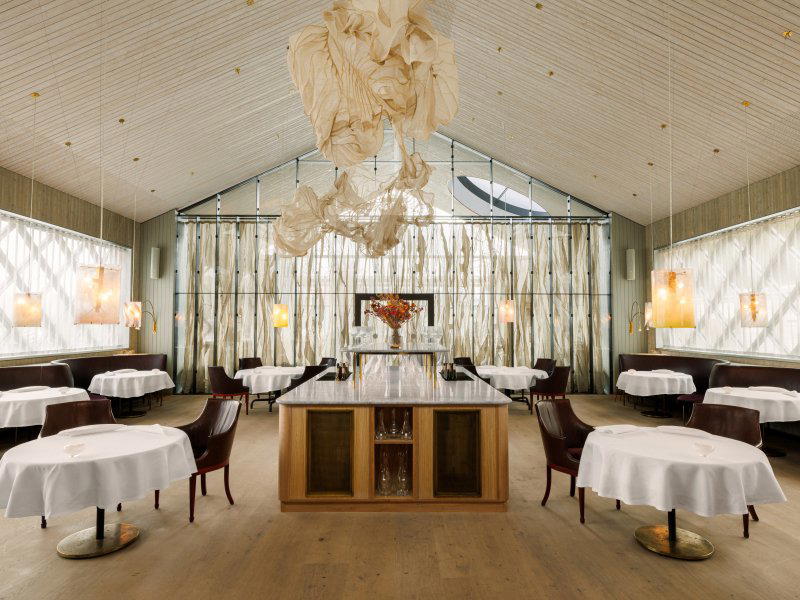
Design-led Scandinavian interiors by Wingårdhs create a refined yet relaxed atmosphere, with peaceful rooms, lively social areas, and a tranquil lakeside setting that feels calm and restorative rather than urban and hectic.