
Forbes 4-Star
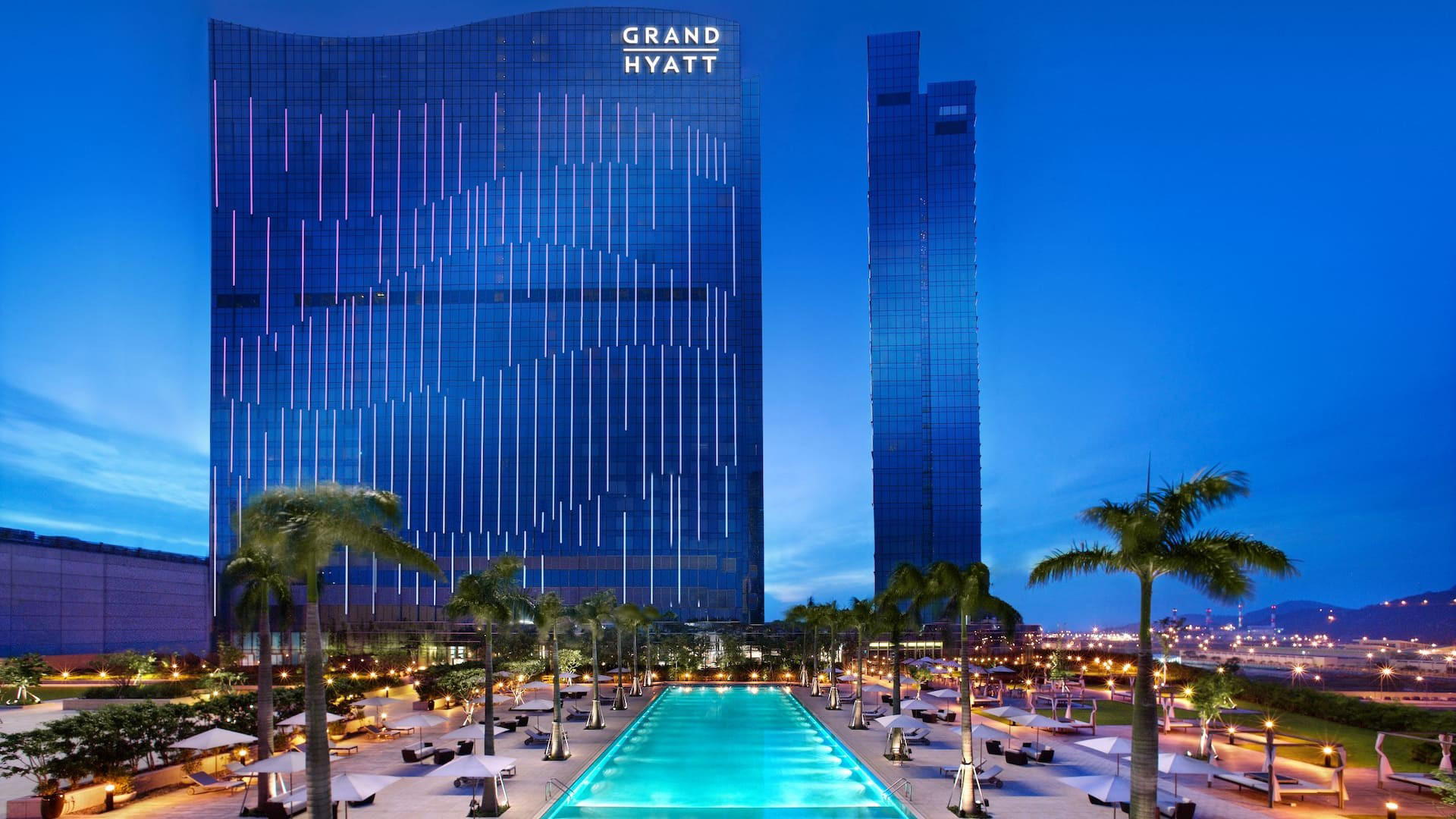
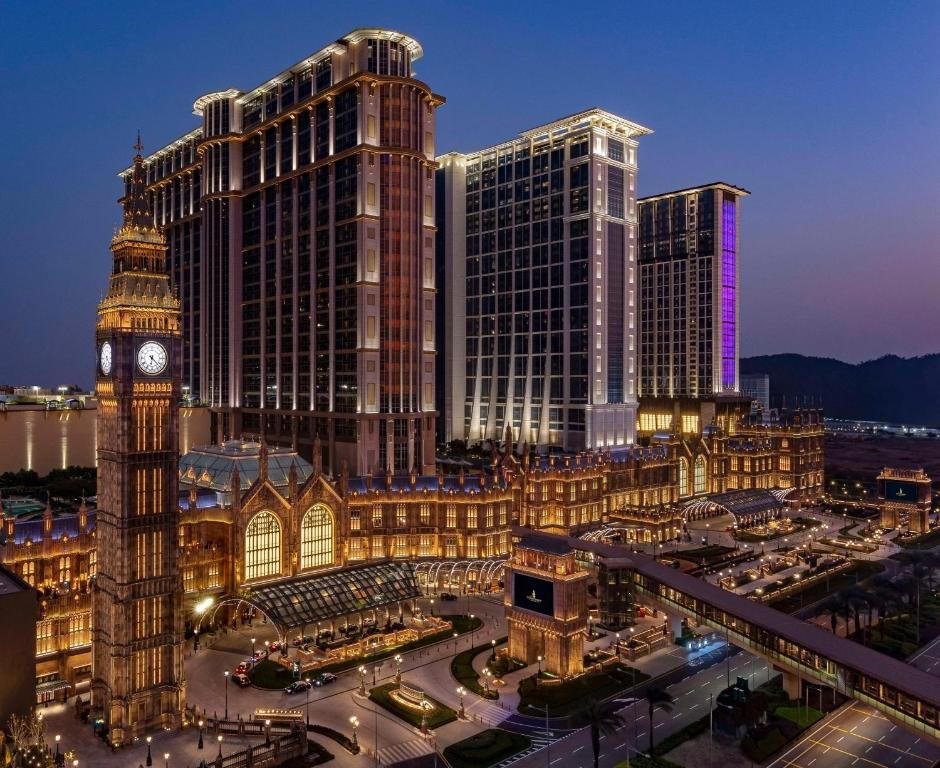
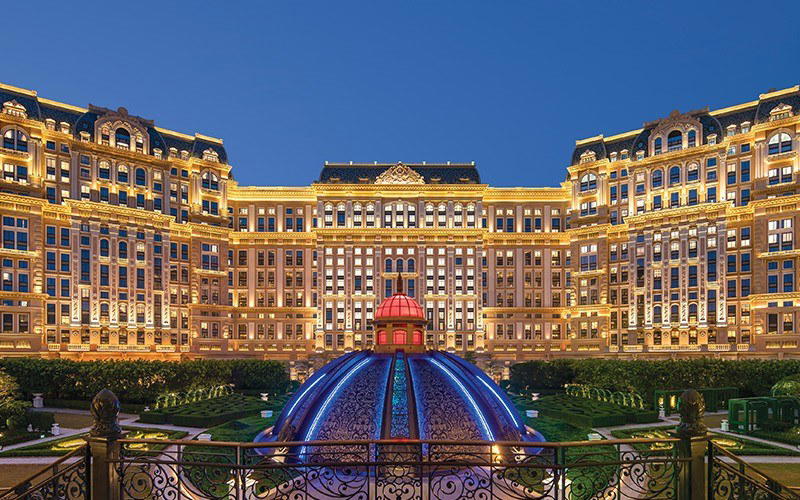
Grand Hyatt Macau occupies twin wave-inspired towers within the City of Dreams complex on Cotai, holding a Forbes Travel Guide Four-Star rating. The property anchors its identity in a combination of polished service, a 40-metre temperature-controlled infinity pool, and dining that ranges from an expansive mezza9 breakfast operation to the tea rituals at Beijing Kitchen. Proximity to the Taipa ferry terminal and Macau airport makes it a practical base for both weekend visitors and longer stays.

Pearl is the En Primeur Club membership app — saves, bookings, and concierge access live there. Same editors, same standards.
- Address
- City of Dreams, Estr. do Istmo, Macao
- Phone
- +853 8868 1234
- Website
- hyatt.com
- Directions
- Get directions
Where Cotai's Casino Energy Meets a More Considered Pace
Step into the lobby of Grand Hyatt Macau and the scale registers first: two wave-inspired towers rising above the City of Dreams complex, a resort built on the premise that spectacle and comfort are not mutually exclusive. Cotai, the reclaimed land strip that now concentrates the bulk of Macau's integrated resort development, has a particular rhythm. Outside, the casino floor of City of Dreams pulses with the clatter of mahjong tiles and the electronic hum of gaming machines. Inside the Grand Hyatt's quieter corridors, the transition from that energy is deliberate and measured. This is a property that understands its context without being entirely defined by it.
That positioning matters: it signals a property that delivers consistent, polished execution across its key guest touchpoints without necessarily pursuing the hyper-curated minimalism of smaller luxury addresses like the Altira Macau or the Encore Macau.
The Ritual of Evening: Music, Tea, and the Beijing Kitchen Table
The editorial angle that leading frames Grand Hyatt Macau is not its architecture or its casino adjacency, but the rituals it builds around meals and evenings. In many integrated resorts across Asia, dining functions primarily as a logistical necessity between gaming sessions. Here, the dining programme makes a different argument.
In the evenings, a live four-piece band performs in the hotel, accompanied by traditional Chinese instruments including the erhu and pipa. This is not background music in the ambient-playlist sense. The erhu, a two-stringed fiddle with a tone that sits somewhere between a cello and a human voice, and the pipa, a plucked lute with roots in Tang Dynasty court music, bring a specific cultural register to the evening atmosphere. For guests arriving from elsewhere in China or from international markets unfamiliar with these instruments, it functions as an accessible introduction to a musical tradition that rarely surfaces in hotel programming at this scale.
The more considered ritual, however, happens at Beijing Kitchen, the hotel's Chinese restaurant. The tea selection there is structured with enough depth to reward attention. The range runs from a 25-year-aged Yunnan pu-erh, a fermented and compressed tea whose earthiness deepens with extended storage, to Huo Shan yellow-bud tea, one of China's rarer tea categories, and artisan blossoming teas that open in hot water. For context, aged pu-erh of 25 years represents a meaningful commitment in tea sourcing: good aged pu-erh is priced and cellared with a seriousness that parallels fine wine. That this appears on a hotel restaurant menu rather than in a specialist teahouse is a signal about the property's intent in its Chinese dining programme. Guests interested in exploring Chinese tea culture beyond the standard jasmine or oolong default will find more structure here than at most comparable properties. For other hotels that take their Chinese dining programmes seriously, the Mandarin Oriental Qianmen in Beijing offers useful comparison.
Breakfast as a Format Study
The breakfast operation at mezza9 warrants separate consideration because it illustrates something broader about how large-format Asian hotel breakfasts have evolved. Where European hotel breakfast buffets tend to converge on a narrow band of continental items, the buffet format in integrated Macau and Hong Kong properties now functions more like an all-day menu compressed into a morning window.
At mezza9, the spread documented by Forbes inspectors includes dim sum, fried rice, made-to-order eggs, flaky pastries, tropical fruits, fresh juices, congee, noodles, smoothies, dried fruits, muesli, and cereals. The presence of congee and noodles alongside pastries and made-to-order eggs reflects a pragmatic acknowledgement of the property's guest mix: mainland Chinese travellers who eat a savoury, soup-forward breakfast sit at adjacent tables to international visitors who want eggs and toast. Managing that range at consistent quality across a large daily service is a genuine operational challenge, and the inspector notes suggest mezza9 handles it well.
The Pool and the Room: What the Physical Product Delivers
The 40-metre infinity pool at Grand Hyatt Macau is temperature-controlled, which in Cotai's subtropical climate addresses a real comfort variable: outdoor pools in this part of China can feel uncomfortably warm in summer and unwelcoming in the cooler months. The pool includes a shallow lounge section where submerged lounge chairs allow guests to sit partly in the water, a format that has become common across Southeast Asian resort pools but remains rarer in Macau's more vertically compressed resort hotels.
The guest rooms are designed around geometric contrast: defined lines, right angles, floor-to-ceiling windows, and a palette built on whites, tans, and dark browns. The bathroom is enclosed entirely in glass, separated from the bedroom by sliding dark-wood panels, with a shade available for privacy. The bathtub is freestanding with an egg-shaped form, paired with a dual-function shower offering both a ceiling-mounted rainfall head and a detachable wall-mounted option. For guests who want the most expansive version of this product, the Grand Executive Suite at 775 square feet occupies a corner position with views over the west bank of the Pearl River Delta.
Room amenities include universal adapters, dental kits, shaving kits, and cotton swabs, and the gym supplies shorts, sneakers, and headphones without charge. The Grand Club Lounge evening cocktail session, available to guests whose bookings include that access, features a self-serve bar with spirits, liqueurs, wine, champagne, and beer alongside a limited food spread. It is worth confirming at booking whether this is included, as the session represents meaningful additional value during a multi-night stay.
Timing and Access: How to Place This Hotel in Your Macau Trip
Grand Hyatt Macau sits within the City of Dreams complex on Cotai, positioned close to the Macau airport and a short taxi ride from the Taipa ferry terminal, which connects to Hong Kong. That geographic convenience makes it a natural first or last night for visitors arriving by sea or air, though it functions equally as a full-stay base for those who plan to concentrate their time in Cotai's integrated resort zone rather than crossing into the older Macau Peninsula.
Timing shapes the experience considerably. During Chinese New Year, National Golden Week (October 1st and the days following), and Grand Prix race weekends, the City of Dreams complex operates at high capacity and the surrounding streets carry a different energy. For guests who want lower ambient noise and easier access to amenities, the quieter intervals between these peaks are worth targeting. Those who want the full spectacle of Macau at its most concentrated, including the mahjong rooms busy with serious players, the holiday season crowds are the appropriate window.
For broader context on where Grand Hyatt Macau fits within Macau's wider hotel and dining offer, the full Macau guide maps properties across the peninsula and Cotai strip, from larger integrated resort addresses like the Epic Tower at Studio City Macau and the Emerald Tower at MGM COTAI to the older colonial-era hotels like the Artyzen Grand Lapa Macau. Hyatt's broader portfolio in the region also includes the Hyatt Place Nanjing Xuanwu for those building a wider China itinerary, while design-led properties on the Chinese mainland, from the Amandayan in Lijiang to the Amanfayun in Hangzhou, represent the smaller, high-design alternative at a different price tier. For travellers continuing to international destinations, Aman New York and Aman Venice offer points of contrast at the ultra-luxury end, while the Fifth Avenue Hotel in New York City sits in a comparable premium-without-ultra-luxury tier.
Where the Accolades Land
Comparable venues nearby, for context on price, style, and recognition.
| Venue | Cuisine | Price | Awards | Notes |
|---|---|---|---|---|
| Grand Hyatt MacauThis venue — the venue you are viewing | Contemporary luxury resort within integrated entertainment complex | $200–300 | Forbes 4-Star | Not listed |
| Grand Suites at Four Seasons Hotel, Macao | residential luxury suites | Not listed | La Liste Top Hotels · Forbes 5-Star | Cotai Strip |
| Emerald Tower at MGM COTAI | Cultural luxury resort with East-West fusion | $300–500 | Forbes 5-Star | Cotai |
| Wynn Macau | Five-star luxury resort blending ornate décor with Art Deco architecture, positioned as a premier destination for both leisure and business travelers seeking internationally prominent amenities and exclusive entertainment. | $200–300 | La Liste Top Hotels · Forbes 5-Star | Macau Peninsula City Center |
| JW Marriott Hotel Macau | Well-known luxury resort within Galaxy Macau entertainment complex | $200–300 | Michelin Selected · Forbes 4-Star | Cotai |
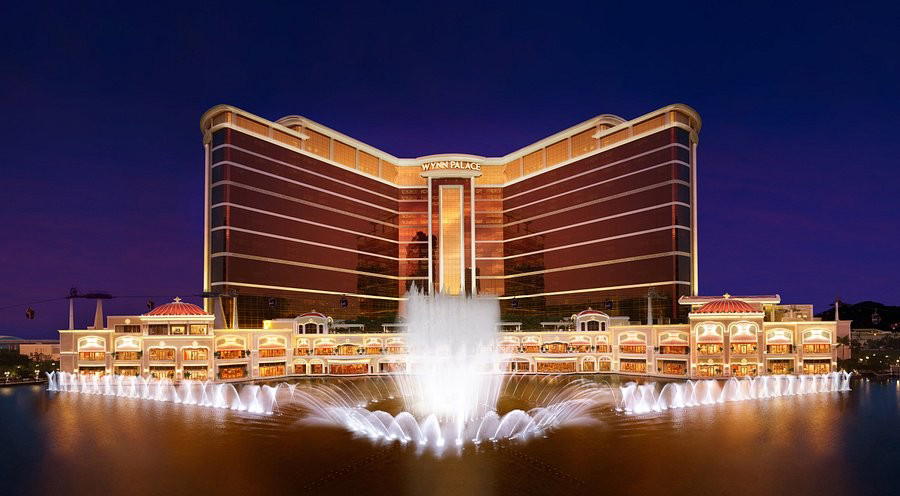
| Wynn Palace | Modern luxury palace-inspired resort blending architectural grandeur with natural splendor, featuring contemporary amenities within a palatial framework. | $300–500 | World's 50 Best #96 · La Liste Top Hotels | Cotai Strip |
Recognition history
Dated appearances from independent guides and award organizations, with the underlying list record or original source where available.
Forbes 4-Star
Forbes
Full recognition history (2 entries)
Forbes 4-Star
Forbes
Details
- Elegant
- Sophisticated
- Modern
- Ornate
- Business Trip
- Family Vacation
- Romantic Getaway
- Weekend Escape
- Rooftop Pool
- Panoramic View
- Pool
- Spa
- Fitness Center
- Room Service
- Concierge
- Business Center
- Valet Parking
- Kids Club
- Skyline
- Wheelchair Accessible
- Elevator
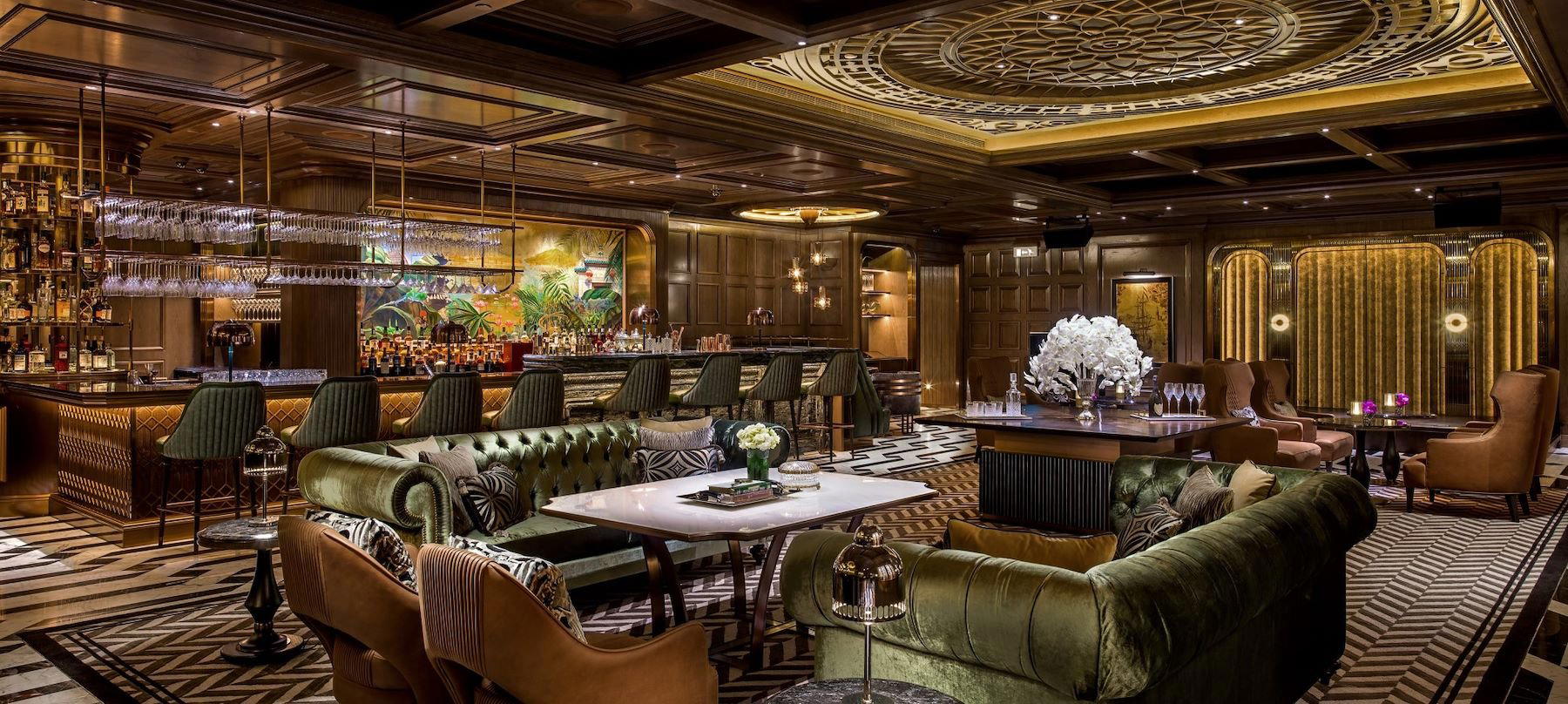
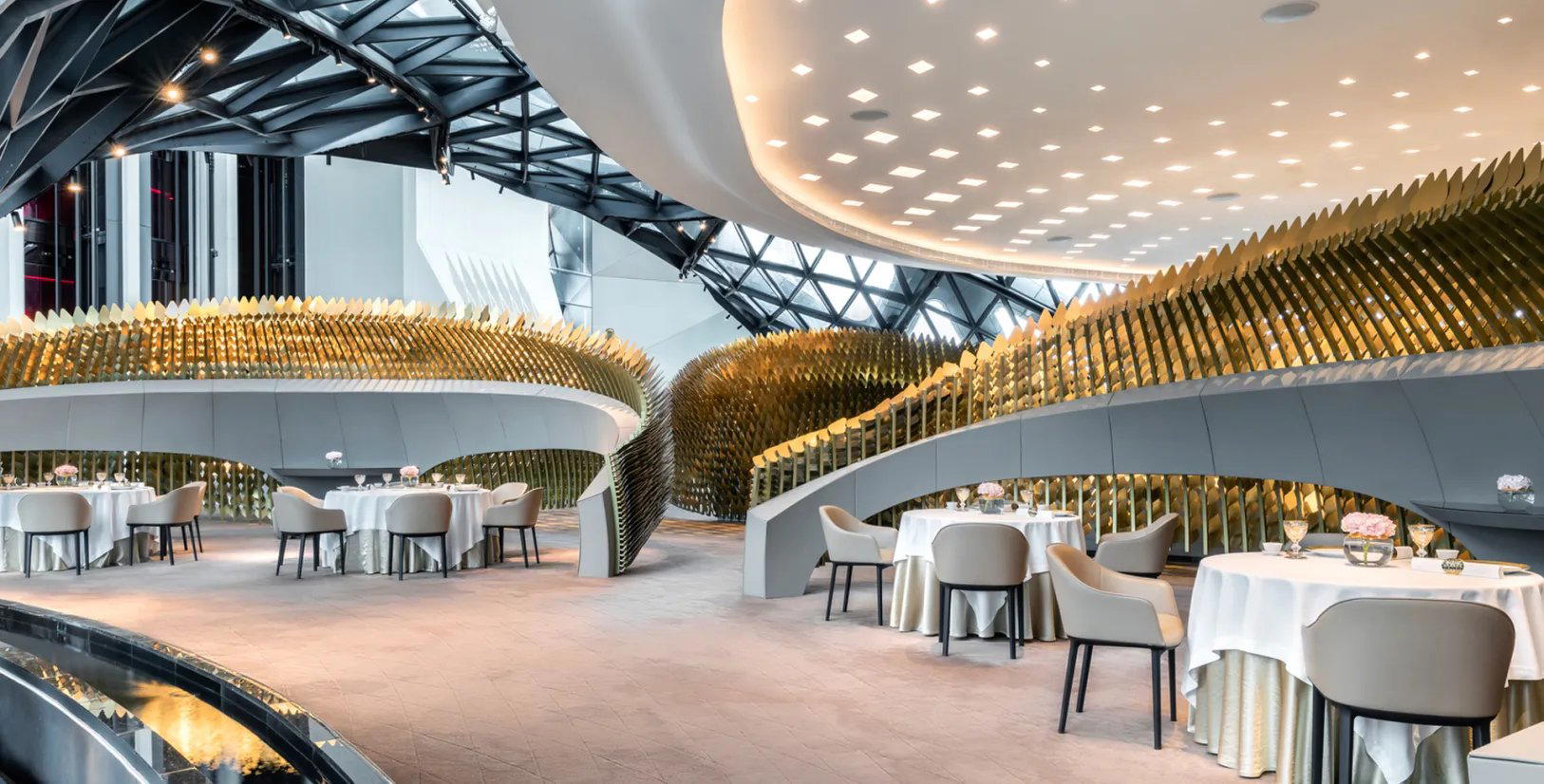
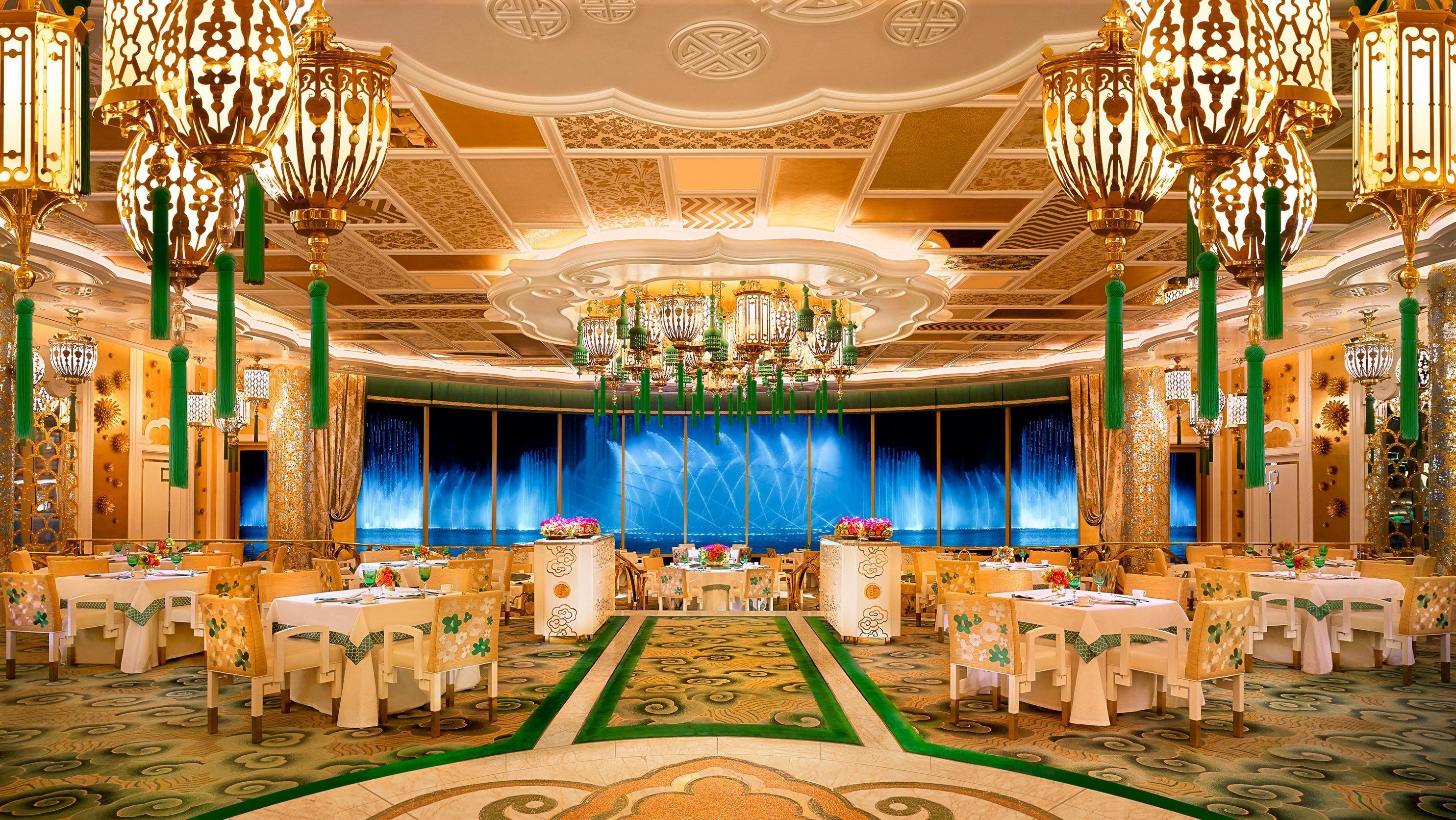
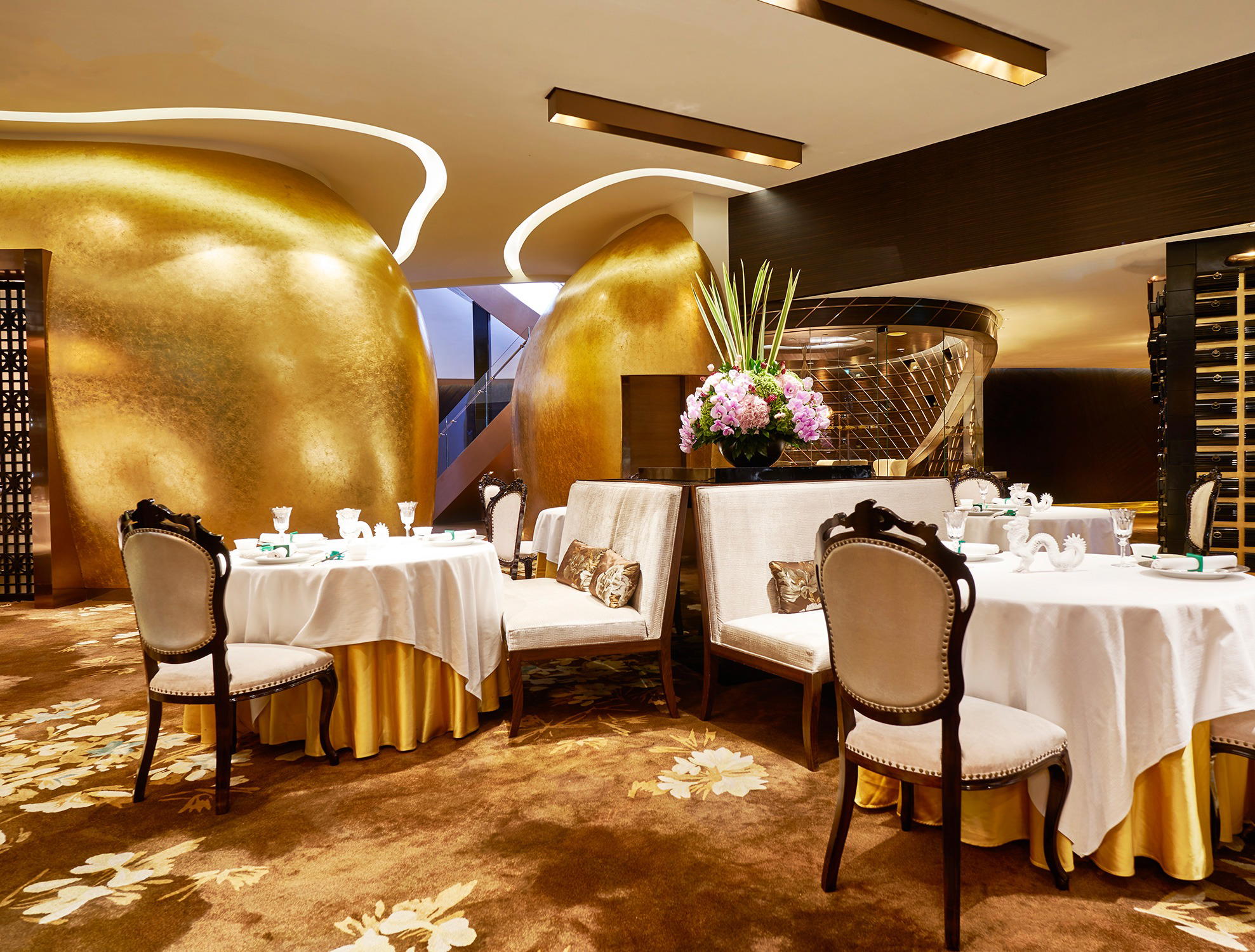
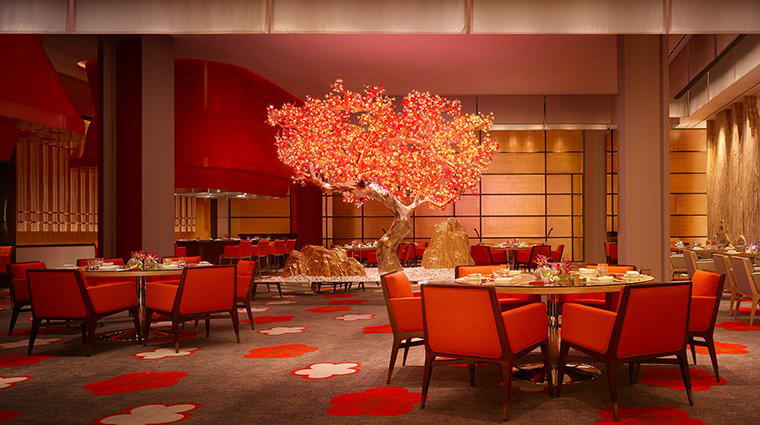
Elegant and tranquil with soothing lighting, contemporary marble bathrooms, and panoramic views creating a luxurious and relaxing atmosphere.