On Rue Cujas in Paris's fifth arrondissement, Grand Hotel Saint Michel sits within walking distance of the Panthéon and the Luxembourg Gardens, placing it squarely in one of the Left Bank's most historically dense neighbourhoods. The address appeals to travellers who want proximity to Saint-Germain-des-Prés intellectual culture without the palace-hotel price tier of the Right Bank.
Pearl is the En Primeur Club membership app — saves, bookings, and concierge access live there. Same editors, same standards.
- Address
- 19 Rue Cujas, 75005 Paris, France
- Phone
- +33 1 46 33 33 02
- Website
- hotel-saintmichel-paris.com
- Directions
- Get directions
 Saves & bookings on Pearl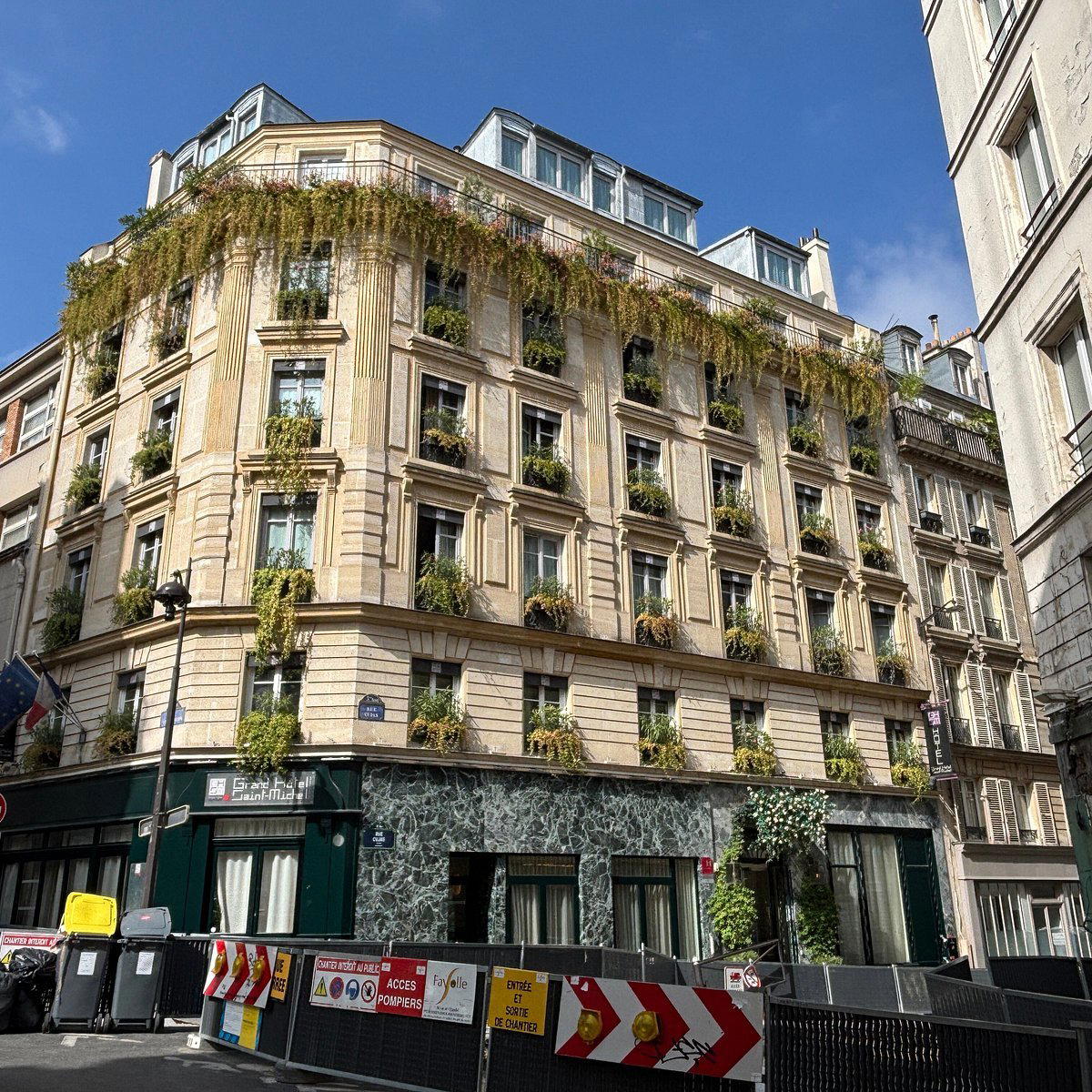
The Left Bank Address Question
Paris hotel decisions increasingly split along a familiar axis: the Right Bank palace corridor running from the eighth arrondissement through to the first, where properties like Cheval Blanc Paris, Hotel Plaza Athénée, Hôtel de Crillon, and Four Seasons George V define one category entirely, and the Left Bank, where the logic of neighbourhood integration matters more than the logic of spectacle. Grand Hotel Saint Michel, at 19 Rue Cujas in the fifth arrondissement, sits in the second camp. The address places it roughly equidistant from the Sorbonne and the Panthéon, two hundred metres from the Luxembourg Gardens, and within the walking radius of the bookshops, café terraces, and stone-faced apartment blocks that give the Latin Quarter its particular texture.
That neighbourhood context shapes the entire case for staying here. The fifth arrondissement is not the Paris of grand-boulevard theatre. It is the Paris of narrow streets that have not been widened since Haussmann stopped caring about them, of students and academics, of a density of history that operates at eye level rather than skyline level. Approaching Rue Cujas on foot from the RER B at Saint-Michel, you move through a quarter where the built environment has changed less dramatically than almost anywhere else in central Paris. That is either the point or it is not, depending on what you want from the city.
Sustainability in Boutique Hotel Operations: The Broader Context
Across Europe's mid-tier and upper-mid-tier hotel sector, sustainability commitments have moved from marketing language to operational standard over the past decade. The pressure comes from multiple directions: EU regulatory frameworks tightening energy and waste reporting requirements, booking platforms increasingly surfacing eco-certification filters, and a segment of the travelling public that treats environmental credibility as a qualifying criterion rather than a bonus. Properties in historic urban buildings face a particular version of this challenge. Retrofitting nineteenth-century stone structures for modern energy efficiency requires a different approach than building to passive-house standards from scratch. The constraints of heritage classification, which apply to significant portions of central Paris's building stock, mean that visible sustainability gestures, solar panels on street-facing rooftops, full facade insulation, are often unavailable. Instead, the work tends to happen inside: LED conversion, heat-recovery ventilation, linen and towel reuse programmes, and sourcing choices in food and amenity supply chains.
For boutique properties in dense urban neighbourhoods like the Latin Quarter, the sustainability calculation also runs through location itself. A hotel within walking distance of major transit connections, Saint-Michel and Luxembourg RER stations are both within ten minutes on foot from Rue Cujas, reduces the car-dependency that inflates the environmental footprint of more isolated properties. The same logic applies to access to local supply chains: the fifth arrondissement sits close to established Paris food markets and artisan suppliers, which creates at least the structural opportunity for reduced transport intensity in food service, even where specific sourcing practices at any given property remain unverified.
This is the operating environment for a property like Grand Hotel Saint Michel. Whether it meets the higher bar of certified sustainable practice, Green Key, Clé Verte, or equivalent French accreditation, is information that should be verified directly with the property before making decisions on that basis. What the address and building type do confirm is that the structural conditions for lower-impact urban hospitality are present.
Placing Grand Hotel Saint Michel in the Paris Competitive Set
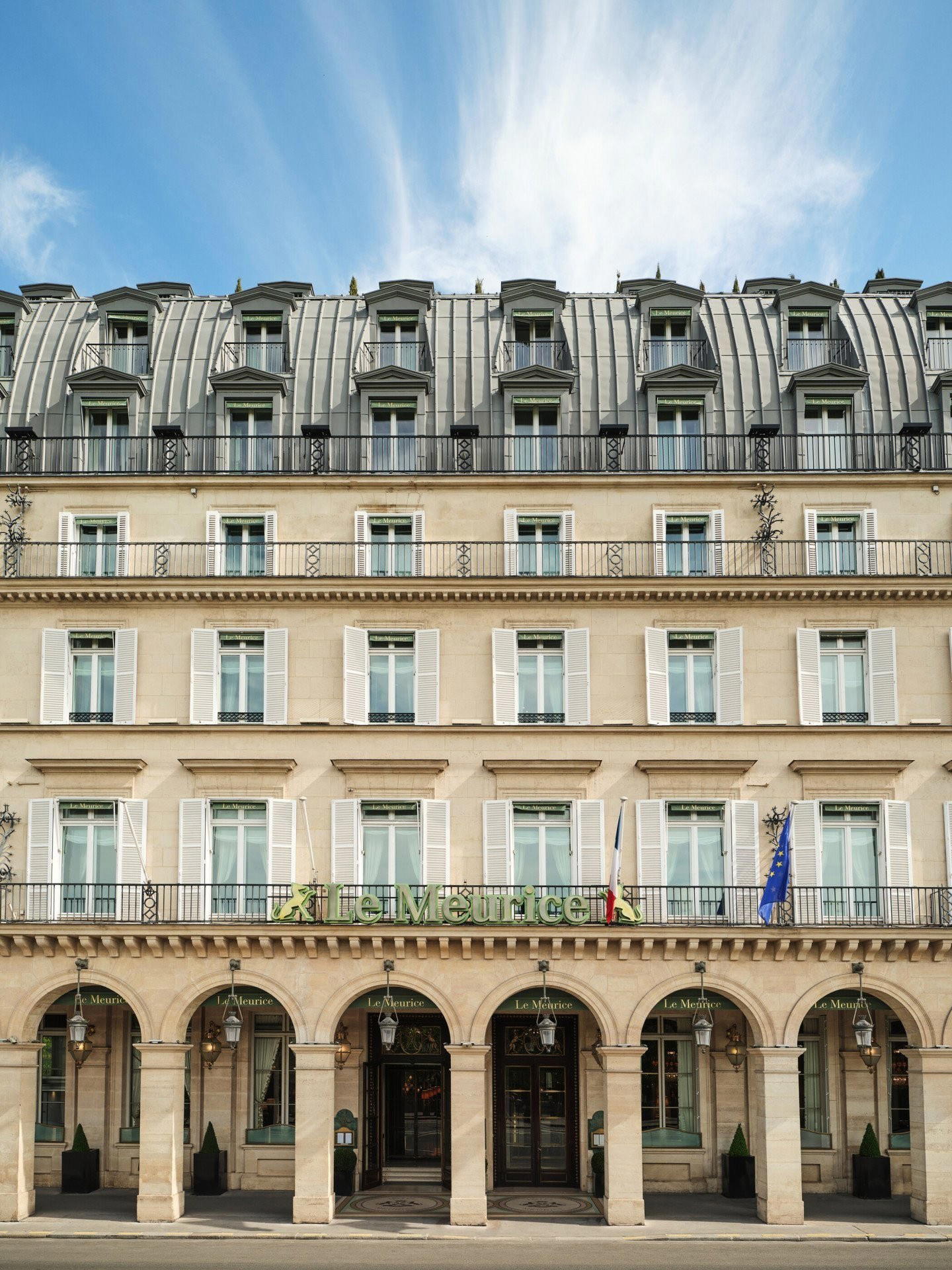
The Paris hotel market above the budget tier organises itself into relatively distinct peer groups. At the leading, palace-classified properties, Le Bristol Paris, Le Meurice, La Réserve Paris, and Airelles Château de Versailles, operate at a price point and service intensity that places them in a category of their own. Below that tier, but above the commodity business hotel, sits a range of independent and small-group boutique properties that compete on neighbourhood positioning, design, and what might be called editorial credibility: the sense that the hotel reflects a considered point of view about where and how to be in Paris rather than simply providing beds at a negotiated rack rate.
Grand Hotel Saint Michel competes in this latter space. The fifth arrondissement has historically been underserved by this tier relative to Saint-Germain-des-Prés proper or the Marais, which means the competitive set is less crowded than it would be two arrondissements west. For travellers oriented toward the intellectual and literary associations of the Latin Quarter, the proximity to Shakespeare and Company on the river, the density of academic institutions, the Musée de Cluny a short walk north, the address carries its own logic that a Right Bank property cannot replicate. Travellers who want to compare the broader French luxury hotel context can also look at regional properties like Domaine Les Crayères in Reims, Les Sources de Caudalie in Bordeaux, or La Bastide de Gordes in Gordes to understand what differentiated positioning looks like across different French contexts.
The Latin Quarter as a Dining and Cultural Neighbourhood
Any honest account of the fifth arrondissement has to acknowledge that its restaurant scene is uneven. The streets immediately around the Panthéon and toward Maubert-Mutualité carry a proportion of tourist-facing brasseries that trade on location rather than kitchen quality. The better dining options require more deliberate navigation: the covered market at Marché Maubert, natural wine bars scattered through the backstreets, and a cohort of smaller bistros whose reputations travel by word of mouth rather than guidebook placement.
What the quarter does offer consistently is proximity to serious cultural institutions without the crowds that concentrate around the Louvre or Musée d'Orsay. The Musée de Cluny's medieval collection, the Arènes de Lutèce, and the Panthéon itself absorb visitors at a pace that allows for something closer to contemplative engagement. The Luxembourg Gardens, reachable from Rue Cujas in under ten minutes on foot, function as a genuine daily park rather than a tourist site, particularly in the early morning. These are the neighbourhood assets that a hotel address on Rue Cujas actually makes accessible.
Planning a Stay
Rue Cujas sits in the heart of the fifth arrondissement, accessible from central Paris via the RER B at Saint-Michel-Notre-Dame or by Métro lines 10 and 4, both within a ten-minute walk. CDG airport connects directly via RER B without interchange, which is a practical advantage over Right Bank addresses that require a taxi or bus transfer for the same journey. For travellers arriving by Eurostar, Gare du Nord is three stops north on the RER B.
Aman New York and The Fifth Avenue Hotel illustrate how New York handles the same tension between neighbourhood integration and luxury positioning, while Aman Venice shows how a historic European city context shapes a property's entire operating logic. Within France, the coastal and alpine markets offer a parallel reference point: Hotel Du Cap-Eden-Roc in Cap d'Antibes, The Maybourne Riviera in Roquebrune-Cap-Martin, Royal Champagne Hotel & Spa in Champillon, Cheval Blanc Courchevel, Four Seasons Megève, Baumanière Les Baux-de-Provence, Hôtel & Spa du Castellet, La Réserve Ramatuelle, Airelles Saint-Tropez Château de la Messardière, and Villa La Coste each represent a distinct version of what premium French hospitality looks like outside the capital.
Where It Fits
Comparable venues nearby, for context on price, style, and recognition.
| Venue | Cuisine | Price | Awards | Notes |
|---|---|---|---|---|
| Grand Hotel Saint MichelThis venue — the venue you are viewing | Refined historic boutique in the Latin Quarter | $$$$ | 4-Star | Not listed |
| Le Relais Saint Germain | Historic 17th-century Parisian townhouse revived as a family-like boutique inn. | $$$$ | 4-Star | Saint-Germain-des-Prés |
| Les Plumes Hôtel | Literary-themed boutique hotel blending traditional Parisian style with avant-garde decor. | $$$$ | 4-Star | 9th arrondissement |
| Maison Mère | Trendy boutique hotel with eclectic, vintage-inspired decor and a hybrid lifestyle concept. | $$$$ | 4-Star | Village Montholon |
| Hôtel Fabric Paris | Industrial heritage blended with contemporary design in a former textile factory. | $$$$ | 4-Star | Oberkampf |
| Villa M Paris | Contemporary mixed-use wellness cocoon with green architecture | $$$$ | 4-Star | Montparnasse |
Continue exploring
More in Paris
Hotels in Paris
Browse all →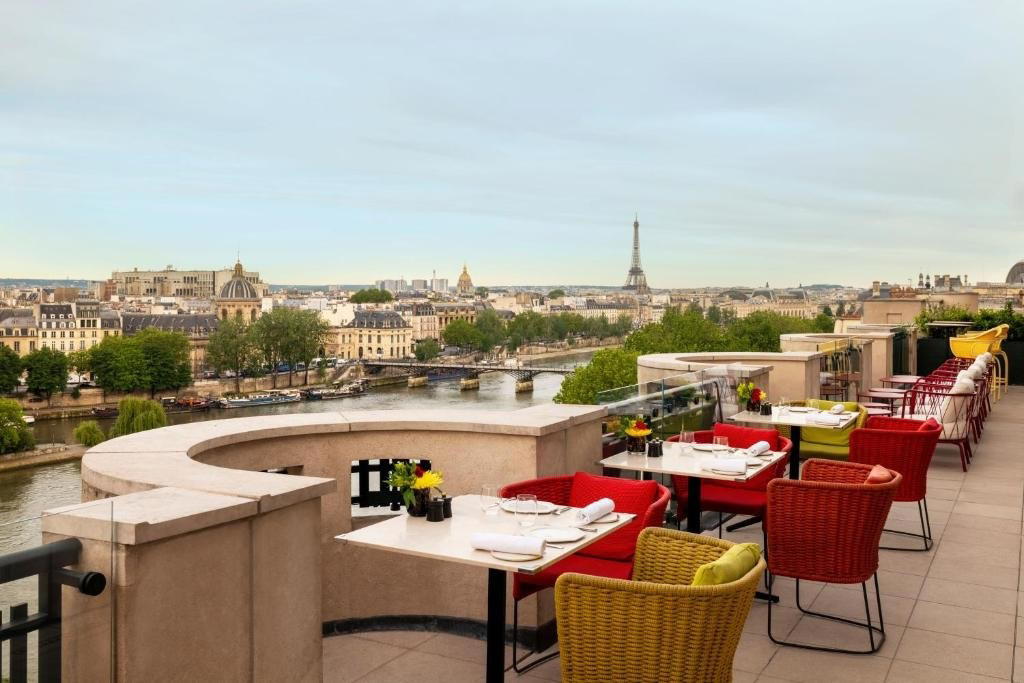
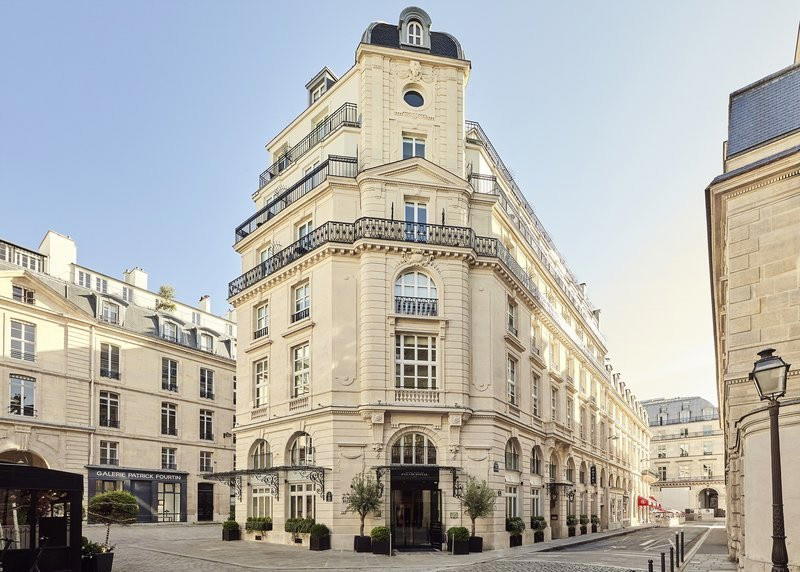

Bars in Paris
Browse all →
Restaurants in Paris
Browse all →



At a Glance
- Elegant
- Sophisticated
- Classic
- Romantic Getaway
- Business Trip
- Weekend Escape
- Historic Building
- Panoramic View
- Wi Fi
- Spa
- Fitness Center
- Room Service
- Concierge
- Business Center
- Skyline
- Wi Fi
- Spa
- Fitness Center
- Room Service
- Concierge
- Business Center
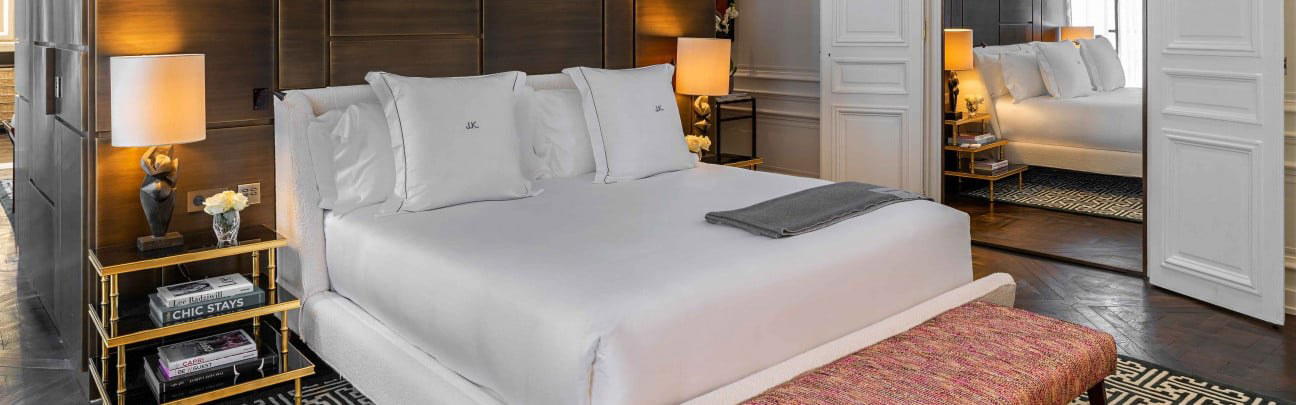
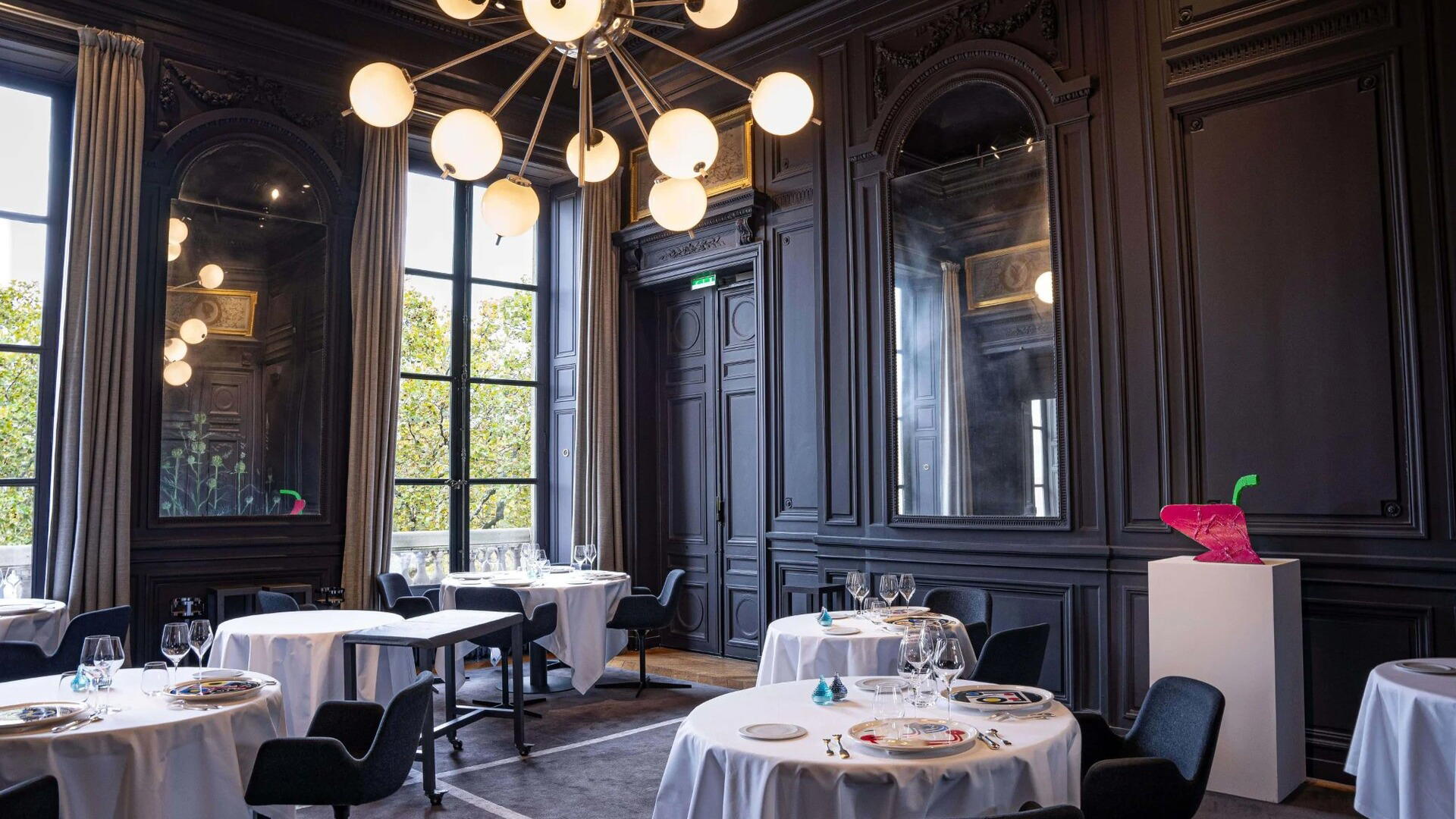
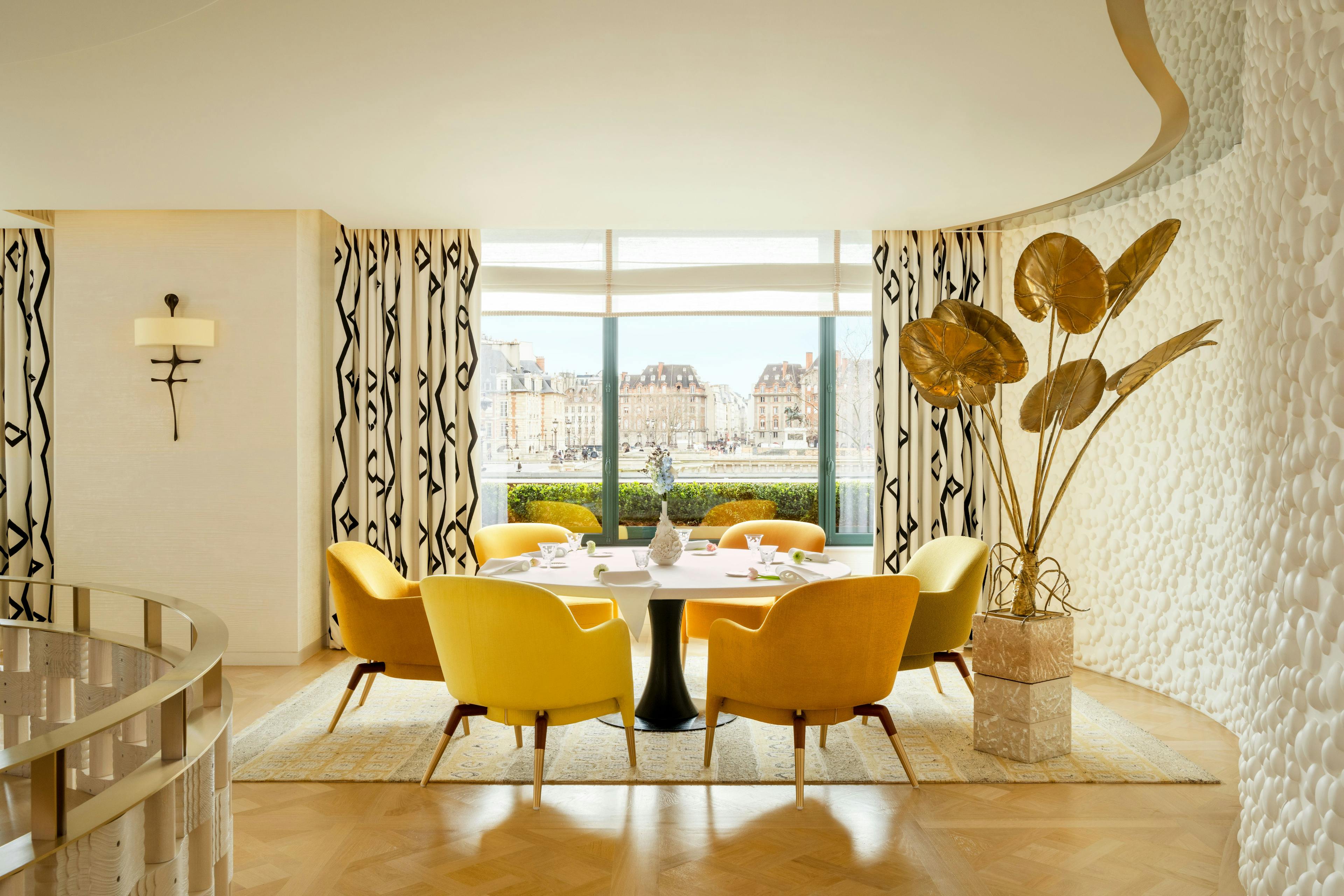
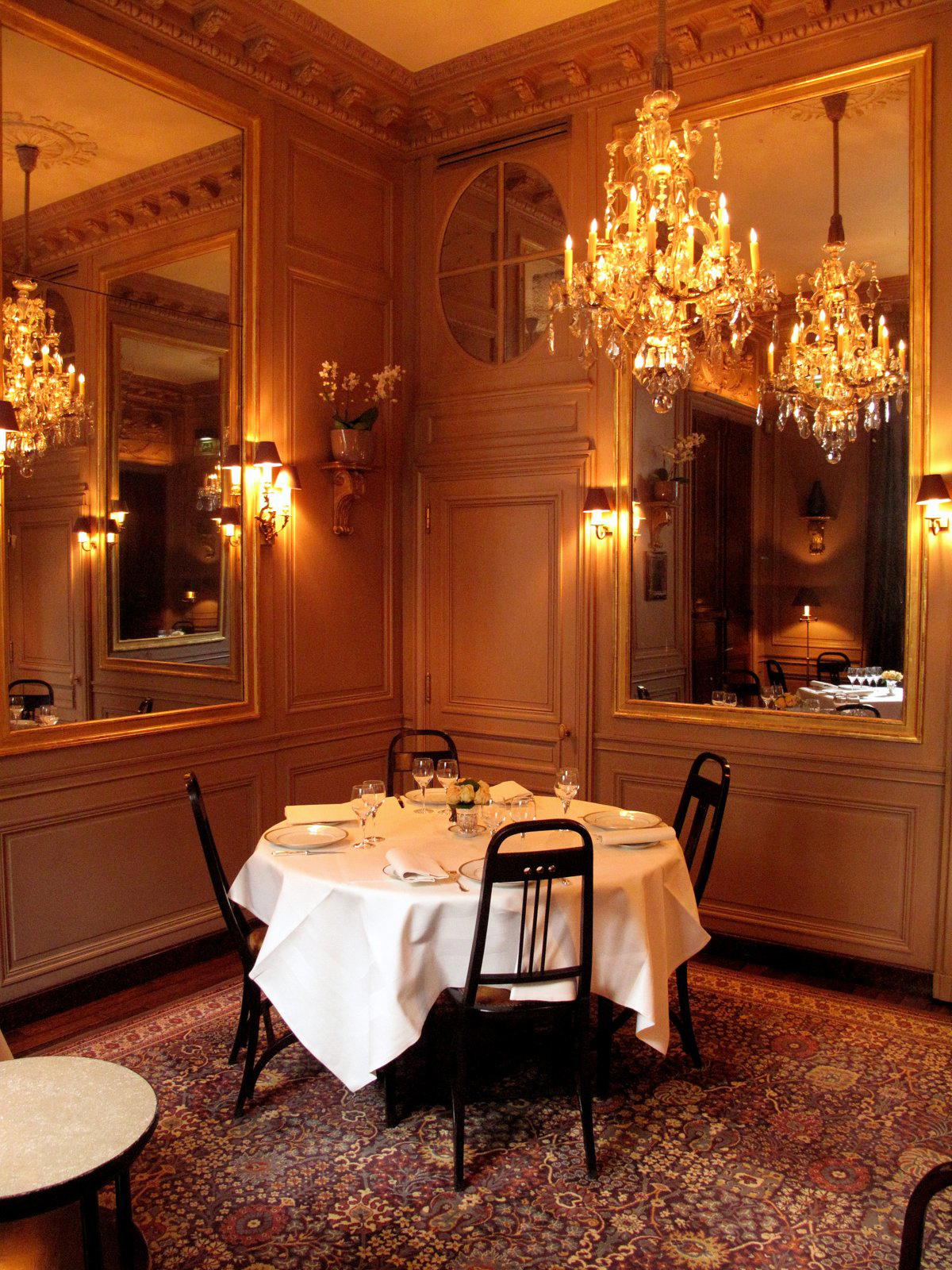
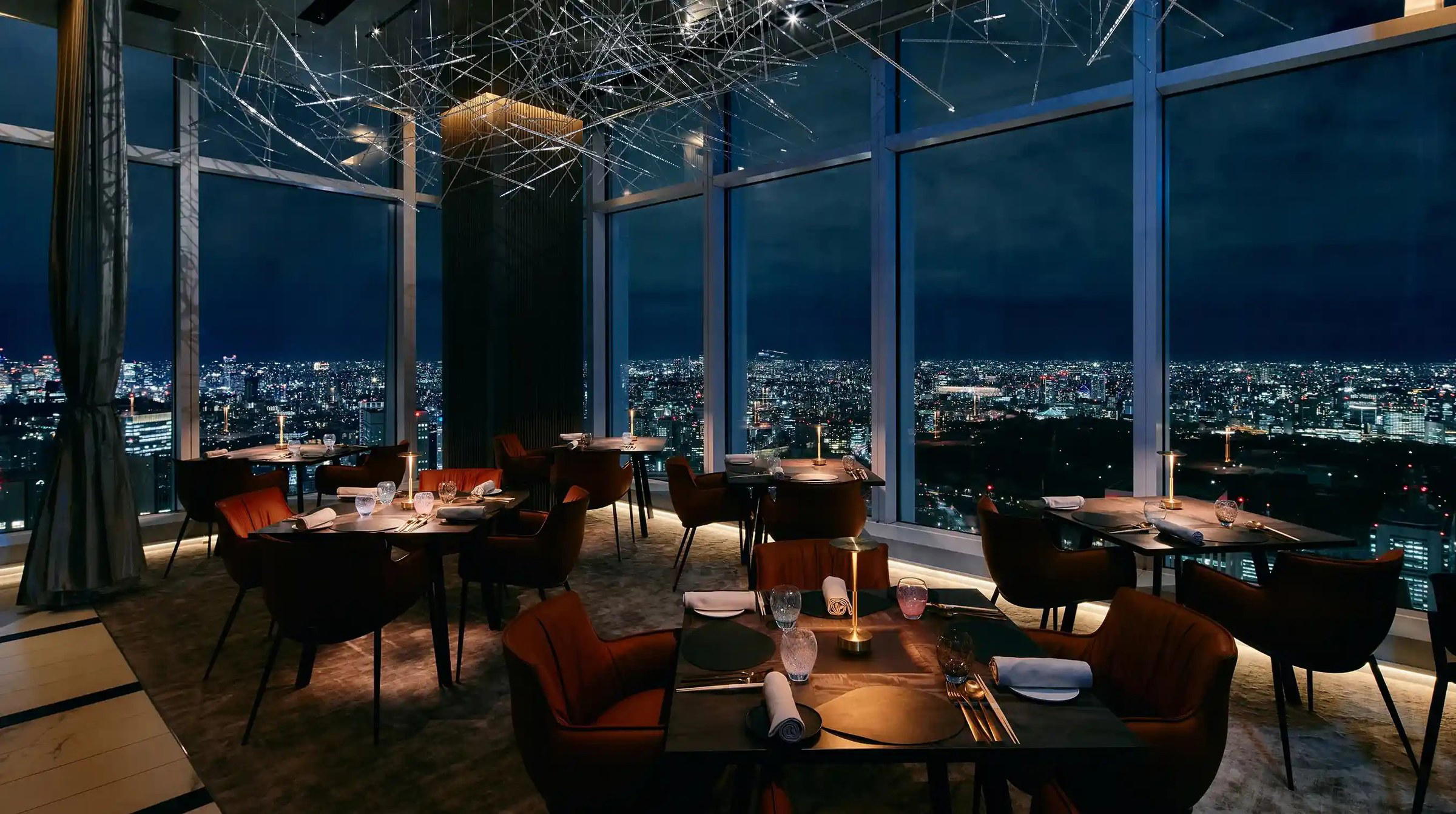
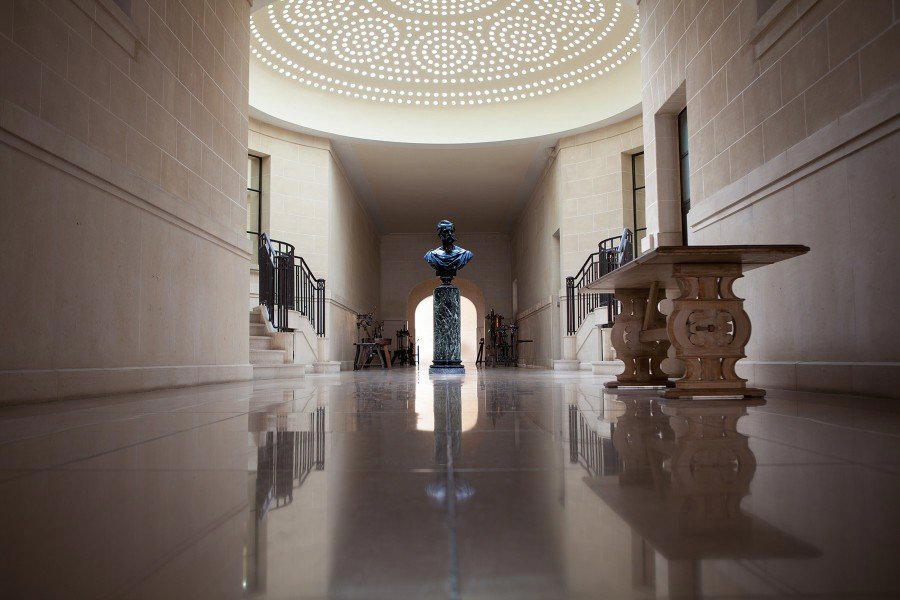
Subtle lighting with contemporary furnishings creates an elegant and tranquil atmosphere in this refined historic property.