Fontenille Menorca
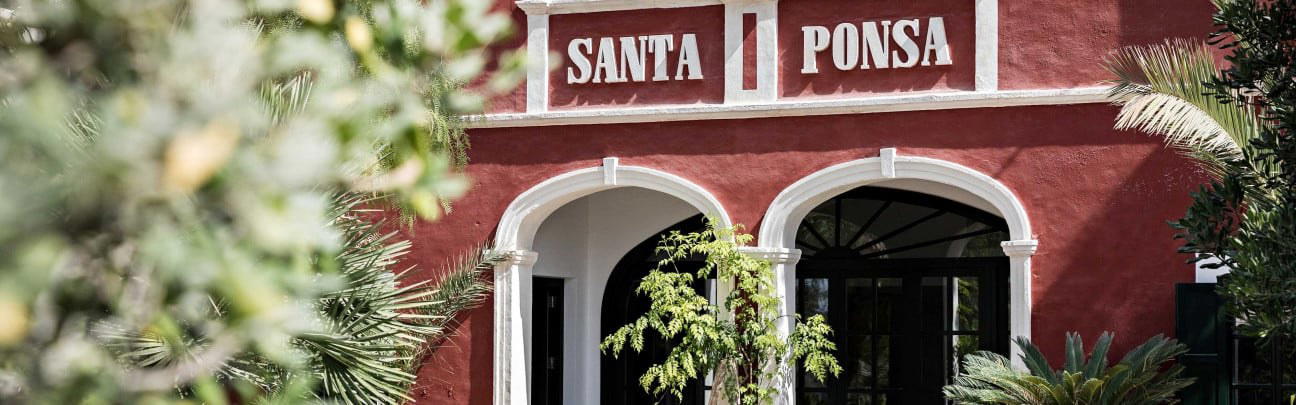
Fontenille Menorca brings the French boutique hotel group's signature approach to rural architecture and restrained luxury to Ciutadella's western reaches, where Menorca's limestone heritage and agricultural interior meet the Mediterranean. The property occupies a converted Menorcan estate, placing it in a growing tier of island properties that prioritise design fidelity and quiet over resort-scale amenities. For travellers who read the Balearics beyond Ibiza and Mallorca, this is where the quieter argument lives.

Pearl is the En Primeur Club membership app, where members save venues, book tables and use the concierge.
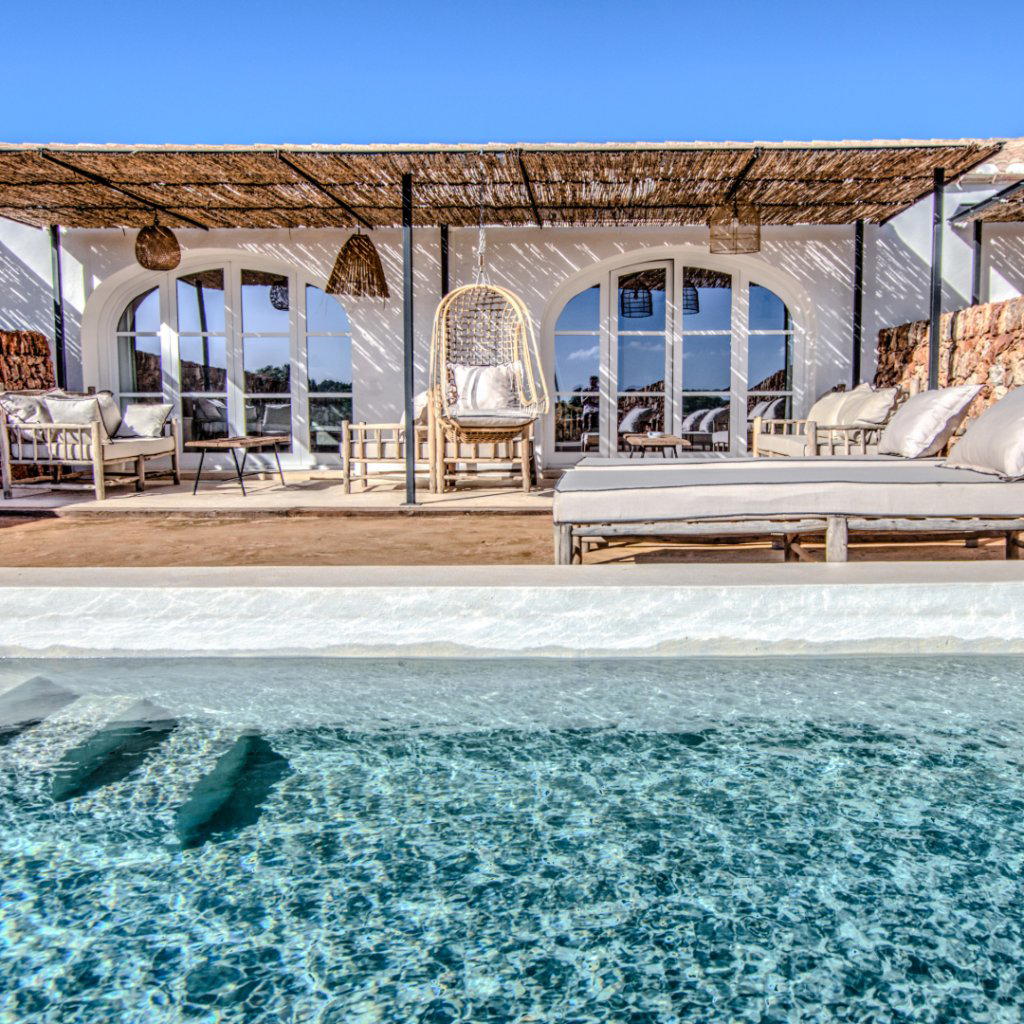
Where Menorca's Stone Silence Becomes a Design Statement
Ciutadella sits at the island's western tip, facing Mallorca across a channel that most visitors never cross. It is the older capital, the more architecturally coherent one, and the town that Menorcan identity most closely associates itself with. The Gothic cathedral, the narrow lanes of the old quarter, the harbour where the Cavalcada unfolds each June during Sant Joan, these are not backdrop details. They are the reason the western end of the island draws a particular kind of traveller: one who has already done the Balearic circuit and is now looking for the version with less noise. Fontenille Menorca positions itself directly inside that argument. For our full picture of where this property sits relative to everything else on offer, see our full Ciutadella restaurants guide.
The Fontenille Approach: Rural Architecture as Editorial Position
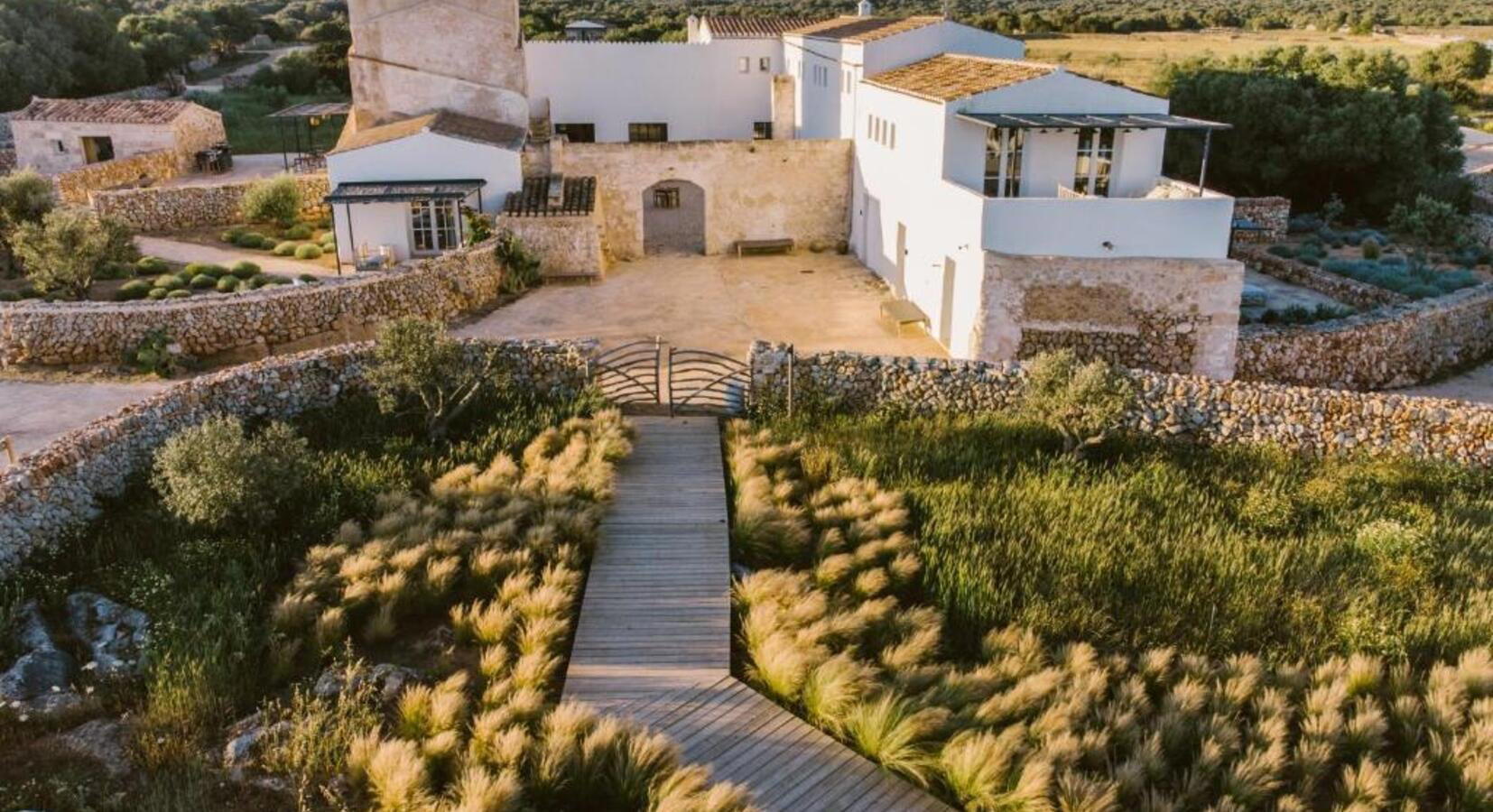
Fontenille as a group built its identity on a direct principle: find an agricultural estate with architectural bones worth preserving, restore it with material fidelity, and let the result do the positioning. The original Fontenille in the Luberon established that template, working with Provençal farmhouse structures to create something that reads as neither boutique hotel nor country house in the conventional sense, but as a place that has simply been lived in carefully across centuries. The Menorca outpost applies the same logic to the island's vernacular: the lloc, the traditional Menorcan farmstead built from the same pale limestone that edges the island's northern coast.
That material, limestone pulled from the land the buildings sit on, is what distinguishes Menorcan rural architecture from its Balearic neighbours. Ibiza's fincas tend toward whitewash and terracotta. Mallorca's estates, including properties like La Residencia, A Belmond Hotel, Mallorca and Hotel Can Ferrereta in Santanyí, bring their own stone vernacular, but operate within a more developed tourism infrastructure. Menorca's building stock has been preserved partly by geography and partly by the island's UNESCO Biosphere Reserve designation, which creates a slower planning environment and discourages the kind of resort development that reshaped Mallorca's southern coastline in the 1980s and 1990s. Fontenille Menorca inherits that preservation context directly.
Design Fidelity in a UNESCO-Protected Context
The Balearics have produced a recognisable tier of design-led small hotels over the past fifteen years. What separates the more considered examples from the merely photogenic ones is how they handle the relationship between restoration and comfort: whether the original structure leads the intervention, or whether contemporary amenity requirements overwhelm the architecture that justified the project in the first place. Properties like Mas de Torrent Hotel and Spa in Torrent and Hotel Can Cera in Palma have each navigated that question in their own way, within their own regional vernaculars. Fontenille's group-wide answer is consistent: the building's logic comes first.
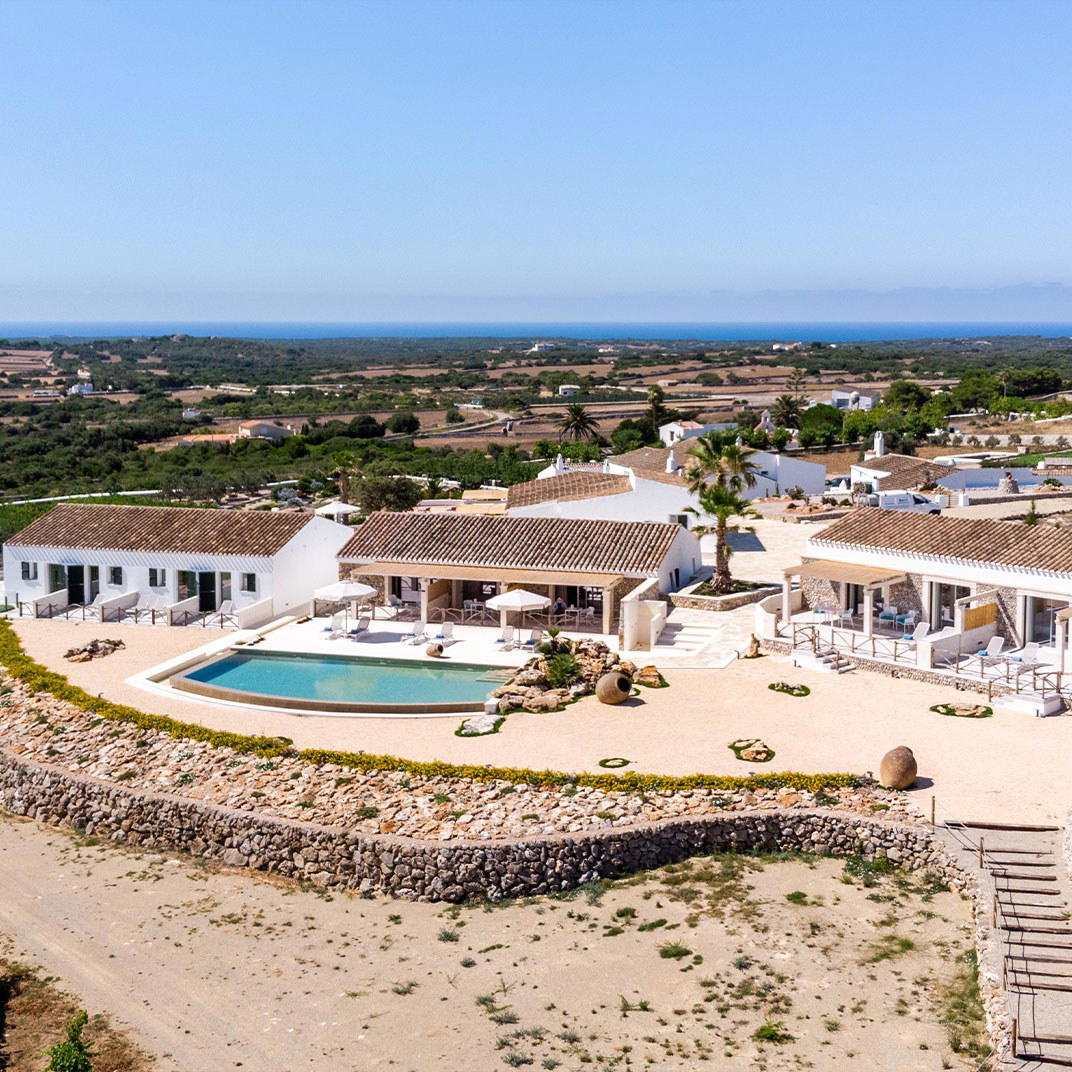
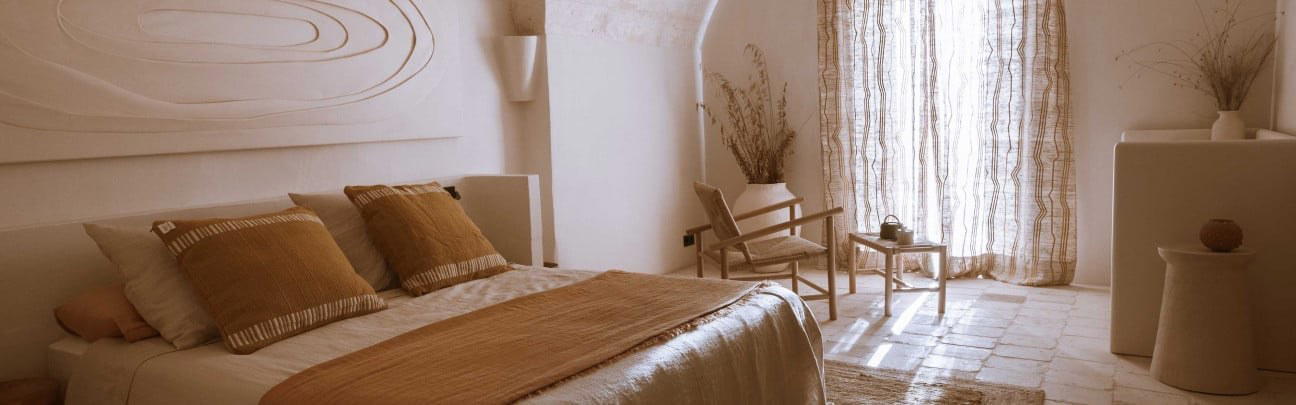
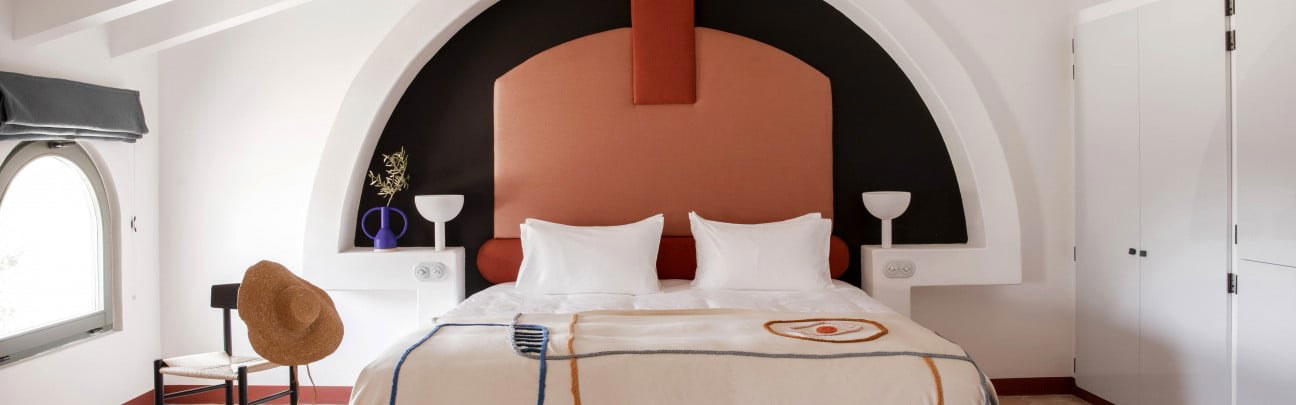
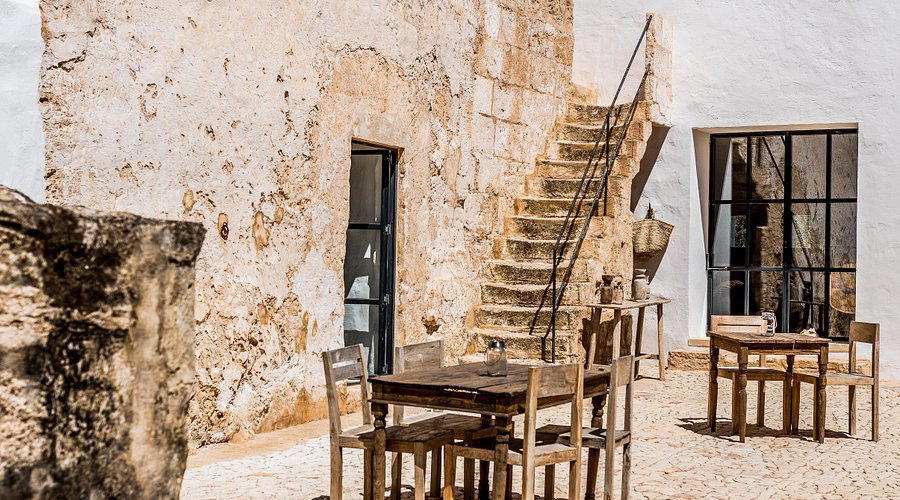
In practice, this means that on a Fontenille property you tend to notice the thickness of walls before you notice the thread count of the linen. Shade and thermal mass do the work that air conditioning would otherwise dominate. Outdoor space is structured by the existing estate geometry, courtyards and terraces that predate the hotel program, rather than landscaped from scratch. The pool, where it exists, typically reads as the one modern insertion the project allows itself. This is a coherent aesthetic position, not a renovation budget limitation, and it places Fontenille Menorca in a different competitive conversation from larger island resort properties like Bahia del Duque in Adeje or the full-service model of BLESS Hotel Ibiza.
The Island's Hospitality Tier and Where This Property Sits
Menorca's hotel offering is thinner at the leading than either Mallorca or Ibiza. The island has historically attracted a quieter demographic, the Northern European family that books the same rental villa for fifteen summers, the Spanish urban couple looking to decompress rather than perform. That demand profile has not historically supported the kind of flagship luxury hotel investment that lands a Mandarin Oriental Barcelona or a Mandarin Oriental Ritz, Madrid. What it has supported is a small collection of design-led properties that read well to a particular international audience: people who find the Mallorcan infrastructure slightly too developed and the Ibizan scene entirely irrelevant to what they are looking for.
Fontenille Menorca occupies a position at the considered end of that local tier. Its competition is not the large resort hotels; it is the handful of other converted estate properties on the island, including Can Alberti 1740 Hotel Boutique in Mahón on the eastern side, and the broader category of Balearic agrotourism at the premium end. Within the Fontenille group's own portfolio, the closer analogue might be Terra Dominicata in Escaladei, which applies a similar agricultural-estate-as-hotel logic to Priorat wine country, or the estate-hotel model of Abadía Retuerta LeDomaine in Teruel.
When to Come and How to Think About a Stay
Menorca's season is compressed. The island receives the majority of its visitors between late June and early September, and the shoulder months of May, early June, and October carry significantly different character: fewer people on the beaches, a cooler sea, and Ciutadella operating at something closer to its own civic rhythm rather than tourist-facing mode. For a property whose appeal is rooted in architectural quiet rather than resort programming, the shoulder window is the more coherent choice. June also brings Sant Joan, Ciutadella's extraordinary annual festival, when the old town becomes genuinely ungovernable for two days in ways that are worth planning around deliberately rather than stumbling into unprepared.
Practical logistics at Menorca's scale are uncomplicated. Menorca Airport, east of Mahón, connects directly to most major European cities during summer, with London, Paris, and several German cities adding seasonal routes. The drive from the airport to Ciutadella runs approximately forty-five minutes along the island's central road, a flat limestone corridor lined with dry stone walls that is itself a kind of acclimatisation sequence. Travellers arriving from properties with more elaborate concierge infrastructure, those used to the service density of a hotel like Akelarre in San Sebastián or Cap Rocat in Cala Blava, should recalibrate expectations accordingly. Fontenille's proposition is not comprehensive service; it is architectural coherence and the particular kind of peace that comes from a well-preserved estate in a quiet corner of a quiet island.
Comparison Snapshot
| Venue | Price | Awards |
|---|---|---|
| Fontenille MenorcaThis venue (the venue you are viewing) | $300–500 | Not listed |
| Mandarin Oriental Ritz, Madrid | Not listed | 3 Michelin Keys · World's 50 Best #71 |
| Four Seasons Hotel Madrid | Not listed | 2 Michelin Keys · World's 50 Best #66 |
| La Residencia, A Belmond Hotel, Mallorca | Not listed | 2 Michelin Keys · La Liste Top Hotels |
| Mandarin Oriental Barcelona | Not listed | 2 Michelin Keys · La Liste Top Hotels |
| Rosewood Villa Magna | $300–500 | 2 Michelin Keys · La Liste Top Hotels |
Continue exploring
More in Ciutadella
Hotels in Ciutadella
All hotels in Ciutadella →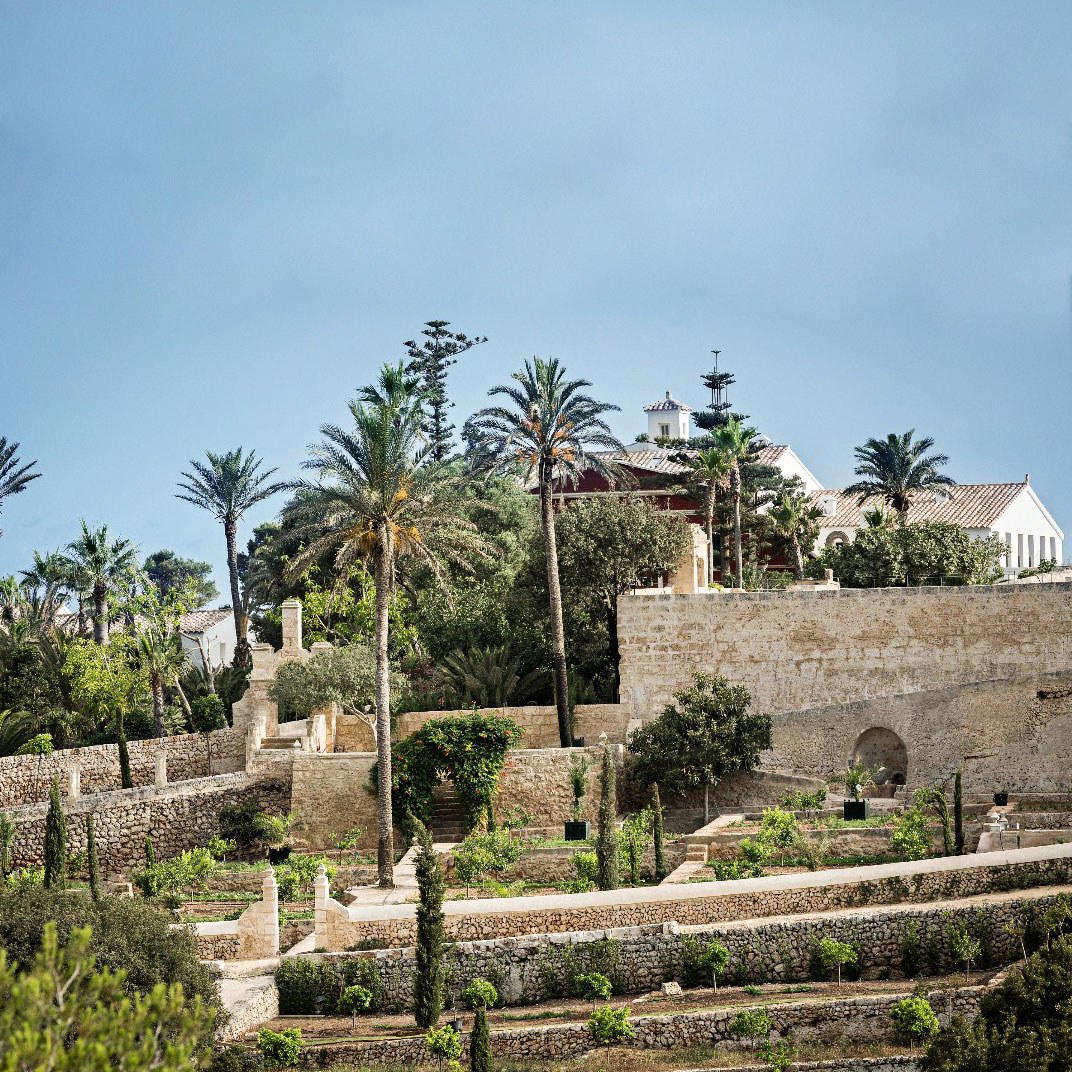
Bars in Ciutadella
All bars in Ciutadella →
Details
- Romantic
- Quiet
- Elegant
- Bohemian
- Scenic
- Romantic Getaway
- Honeymoon
- Wellness Retreat
- Anniversary
- Private Villa
- Destination Spa
- Garden
- Terrace
- Historic Building
- Panoramic View
- Private Dining
- Wi Fi
- Pool
- Spa
- Room Service
- Concierge
- Restaurant
- Bar
- Garden
- Vineyard
- Elevator
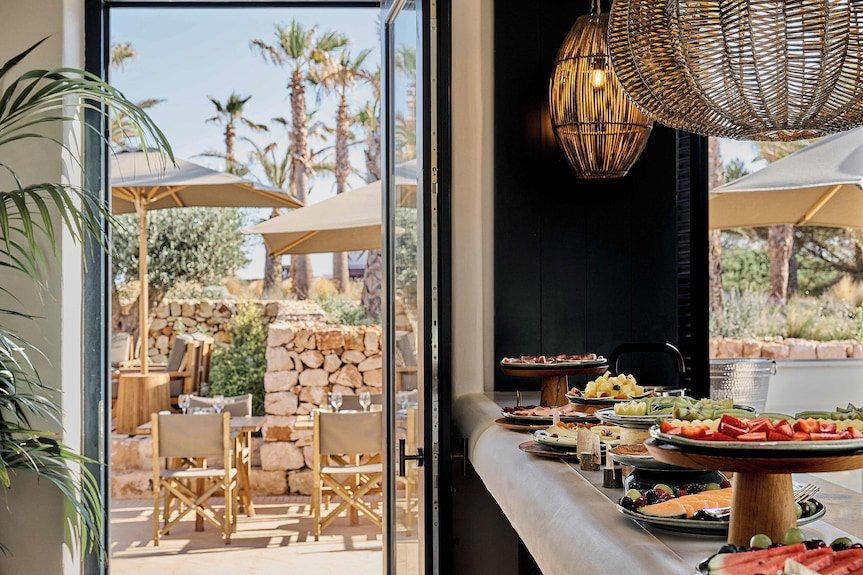
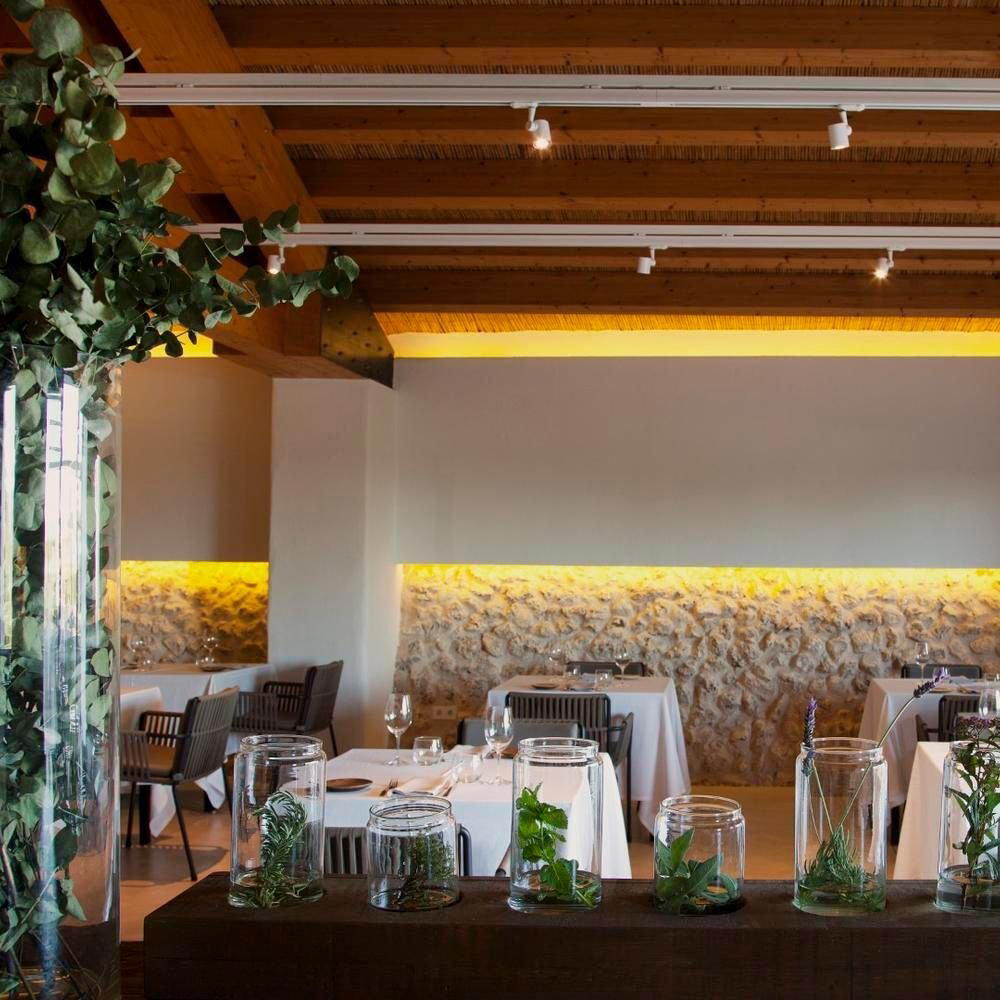
Serene and sophisticated with colonial and bohemian design elements; warm natural lighting from terracotta and stone architecture; peaceful countryside setting with manicured gardens and outdoor treatment areas.