
Mr & Mrs Smith Seal of Approval
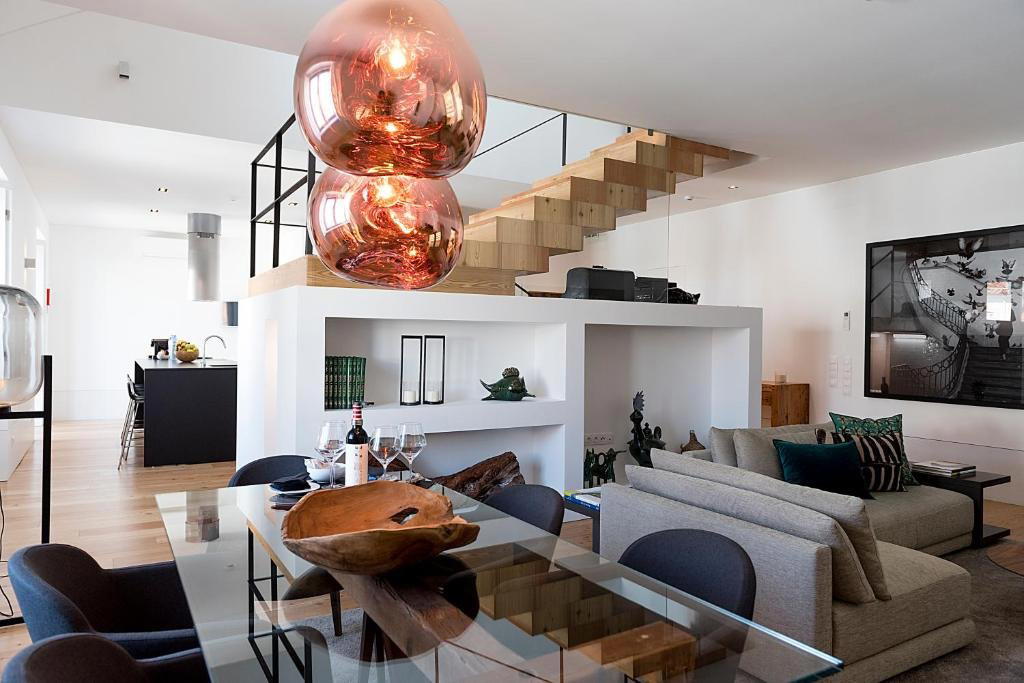
Flora Chiado Apartments occupies a historic address on Rua Anchieta 13, in the heart of Lisbon's most architecturally layered neighbourhood. The property sits at the intersection of Chiado's literary tradition and Baixa's commercial grid, placing guests within walking distance of the city's main cultural and dining draws. For travellers who prefer residential scale over hotel formality, this is a considered Chiado address.

Pearl is the En Primeur Club membership app, where members save venues, book tables and use the concierge.
An Address That Carries Its Neighbourhood's Weight
Rua Anchieta is one of those Chiado streets that functions as a kind of threshold: on one side, the broad commercial pull of Largo do Chiado and its pavement cafes; on the other, the quieter gradient rising toward Bairro Alto's evening density. Flora Chiado Apartments sits at number 13 on this axis, and the address itself does substantial editorial work before you even enter the building. Chiado is not simply a neighbourhood in the tourist brochure sense. It is Lisbon's most contested urban layer, where 18th-century Pombaline grid buildings share street frontage with art nouveau shopfronts and early 20th-century literary associations. The rebuilding that followed the 1988 fire, much of it overseen by Álvaro Siza Vieira, further complicated the district's architectural character, adding contemporary restraint to an already dense historical argument. Apartments in this part of the city carry that argument inside their walls.
What Chiado's Built Environment Means for Staying Here
Lisbon's apartment-style accommodation has split into two recognisable tiers over the past decade. The first is the mass short-let category, which fills converted Pombaline buildings with minimal intervention beyond a new bathroom and an IKEA fit-out. The second is a smaller cohort of properties that treat the existing fabric as the actual design asset: original azulejo tile panels, timber-beamed ceilings, tall sash windows, and stone stairwells that no modern build could replicate at any price point. Flora Chiado Apartments, at this Chiado address, operates in a city where the building stock itself is the primary aesthetic argument. Properties in this neighbourhood bracket are priced against the residential character and cultural density of the location rather than against hotel-room equivalents with pools and spa facilities.
For comparison, the large international flags in Lisbon, among them the Altis Avenida Hotel, deliver full-service infrastructure at a corresponding rate. Apartment formats like Flora Chiado trade that infrastructure for something the international chains structurally cannot offer: the experience of occupying a historic Lisbon building rather than staying adjacent to one. That trade-off defines the segment, and it is a deliberate one for most guests who choose it.
The Pombaline Type and What It Delivers
Understanding what Flora Chiado Apartments offers requires some context about the Pombaline building type itself. Following the 1755 earthquake that destroyed much of central Lisbon, the Marquis of Pombal oversaw a systematic reconstruction of the Baixa-Chiado grid using a standardised modular design: thick limestone facades, timber-framed gaiola (cage) interior structures designed to flex during seismic events, and generous room heights that now read as luxury in a market where ceiling height has become a signifier of premium accommodation. The windows in these buildings are taller than their contemporary equivalents, the street noise carries differently through the thick walls, and the light at different times of day has a specific quality shaped by the orientation of the Pombaline grid toward the Tagus.
Staying in a converted Pombaline building in Chiado is therefore an architectural experience in the most literal sense, not as a marketing frame but as a physical fact. The floors creak in the morning. The staircases are steep and narrow. The views from upper-floor windows look out over a roofline that has not substantially changed in two and a half centuries. These are not amenities that appear on a hotel facilities list, but they are reasons travellers return to this type of accommodation over branded alternatives.
Chiado as a Base: What It Unlocks
The residential logic of an apartment property also changes how a city like Lisbon is used. Chiado's position at the junction of three distinct neighbourhoods makes it one of the more efficient bases in the city. Alfama's hilltop viewpoints, Bairro Alto's late-night bar concentration, the Museu Nacional de Arte Contemporânea do Chiado (MNAC), the ferry terminals on the Cais do Sodré waterfront, and the tram 28 line are all accessible within fifteen to twenty minutes on foot or by a short tram or Metro connection. Travellers staying in apartment format typically engage with neighbourhood food markets, local bakeries, and the daily logistics of a Lisbon block rather than defaulting to hotel breakfast and hotel concierge routing.
For the city's dining geography specifically, Chiado sits at the centre of Lisbon's most concentrated restaurant circuit. The broader picture, including the neighbourhood's current standing in the city's food and drink ecosystem, is covered in our full Lisbon restaurants guide.
How Flora Chiado Compares Within the Chiado Apartment Tier
The apartment and boutique hotel segment in Chiado and the surrounding Baixa district has become notably competitive. Properties like AlmaLusa Baixa/Chiado and Bairro Alto Hotel have established a design-conscious standard in the immediate area, while heritage-led options such as A Casa das Janelas Com Vista and As Janelas Verdes/Riverview, a Lisbon Heritage Collection operate across the city's distinct neighbourhood zones. The 1908 Lisboa Hotel and Art Legacy Hotel Baixa-Chiado occupy adjacent or overlapping price and concept territory. Within this context, a Rua Anchieta address carries location weight that is difficult to replicate elsewhere in the city at apartment scale.
For travellers extending trips into wider Portugal, the apartment-style logic translates well to properties across different regions: M Maison Particulière Porto applies a comparable residential approach in Porto, while the Douro Valley offers distinct alternatives at Ventozelo Hotel & Quinta and Douro Valley - Casa Vale do Douro. Further south, Villa Epicurea in Sesimbra, Craveiral Farmhouse, and Hospedaria da Pensão Agrícola offer contrasting scales of the same independent-property philosophy that apartment formats represent in urban centres.
Planning a Stay: Practical Context
Flora Chiado Apartments is located at Rua Anchieta 13, 1200-023 Lisboa. The address places it within the Chiado quarter, walkable to Largo do Chiado, Rua Garrett, and the Cais do Sodré Metro and train hub. Lisbon's apartment accommodation in this district books steadily through peak season (June to September) and around major cultural events; early reservation is the practical norm for this category rather than the exception. The self-catering format suits stays of three nights or more, where the residential rhythm of the building becomes the actual product rather than a novelty. Guests arriving by air will connect via Lisbon Humberto Delgado Airport, from which the Metro's Red Line to Rato station provides a direct link to the Chiado district.
Cuisine and Recognition
A short peer table to compare basics side-by-side.
| Venue | Price | Awards |
|---|---|---|
| Flora Chiado ApartmentsThis venue (the venue you are viewing) | $300–500 | Mr & Mrs Smith Seal of Approval |
| Four Seasons Hotel Ritz Lisbon | $500–750 | 2 Michelin Keys · La Liste Top Hotels |
| InterContinental Cascais-Estoril | $300–500 | Virtuoso Luxury Hotel Partner · Forbes 4-Star |
| InterContinental Lisbon | $200–300 | Forbes Recommended |
| Sofitel Lisbon Liberdade | $300–500 | Michelin Selected · Forbes Recommended |
| Altis Avenida Hotel | $200–300 | Forbes Recommended · Preferred Hotels Member |
Recognition history
Dated appearances from independent guides and award organizations, with the underlying list record or original source where available.
Mr & Mrs Smith Seal of Approval
Mr & Mrs Smith
Continue exploring
More in Lisbon
Hotels in Lisbon
All hotels in Lisbon →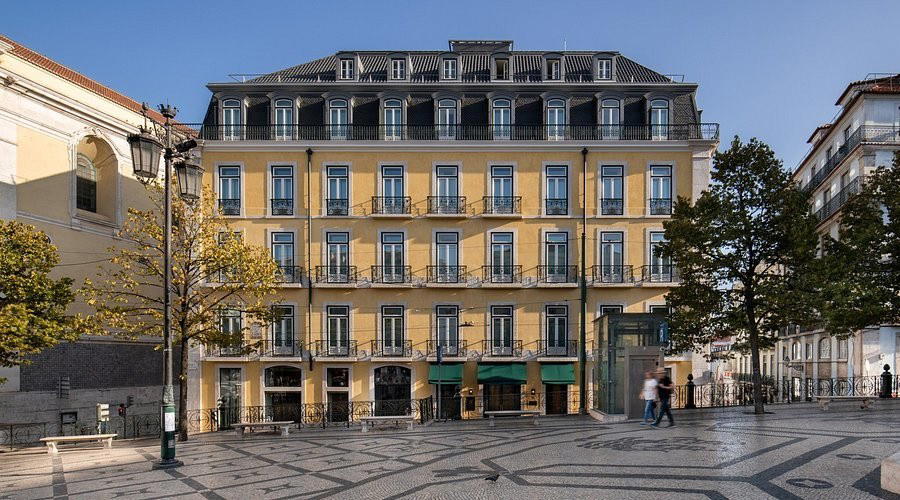
Bars in Lisbon
All bars in Lisbon →
Restaurants in Lisbon
All restaurants in Lisbon →

Details
- Modern
- Elegant
- Romantic
- Intimate
- Historic
- Romantic Getaway
- Weekend Escape
- Terrace
- Historic Building
- Design Destination
- Wi Fi
- Air Conditioning
- Concierge
- Airport Transfer
- Street Scene
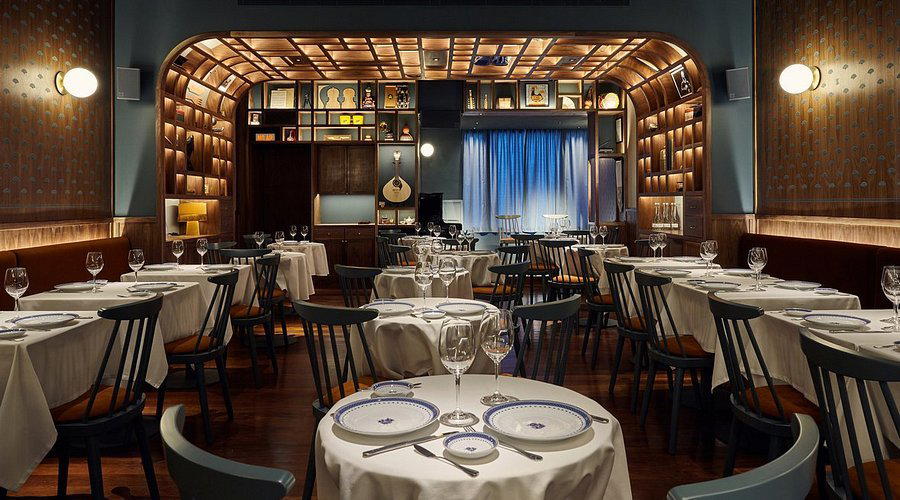
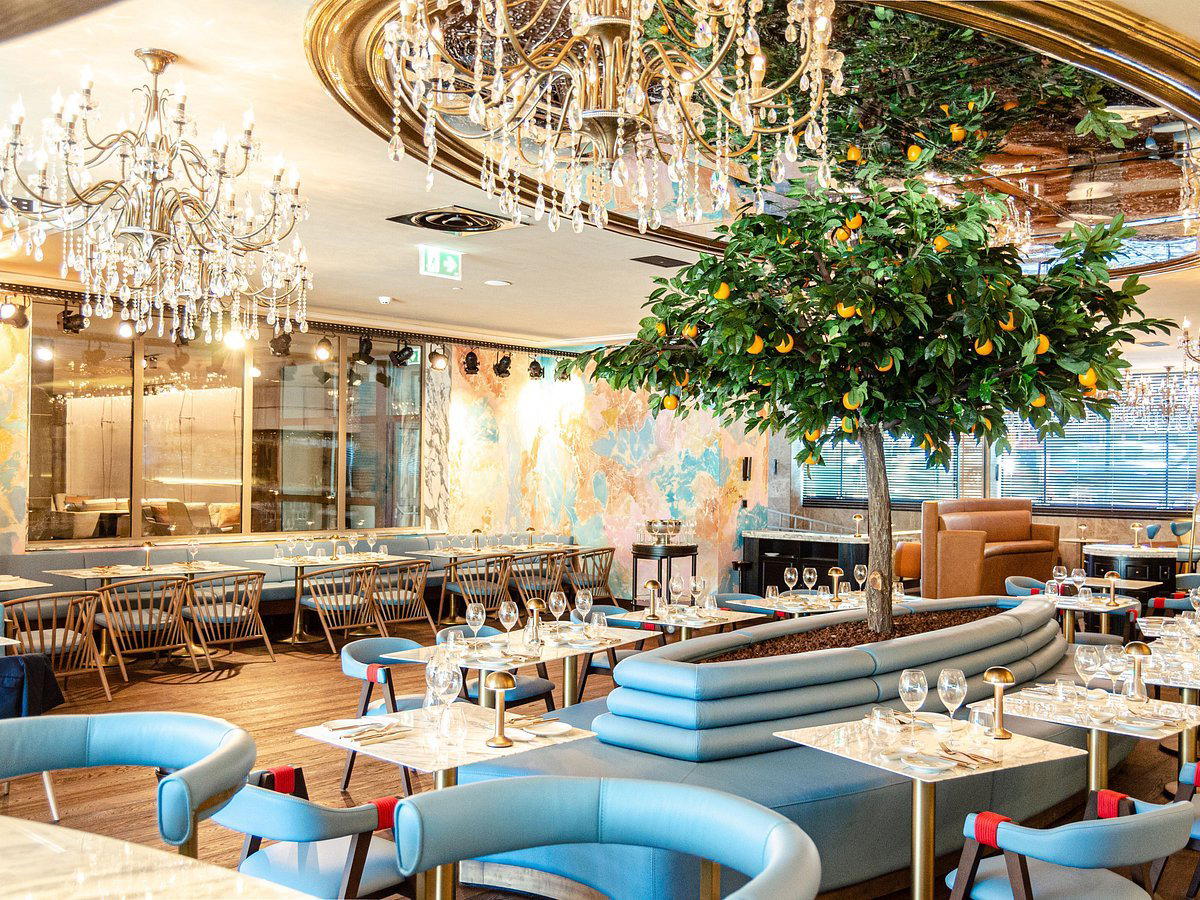
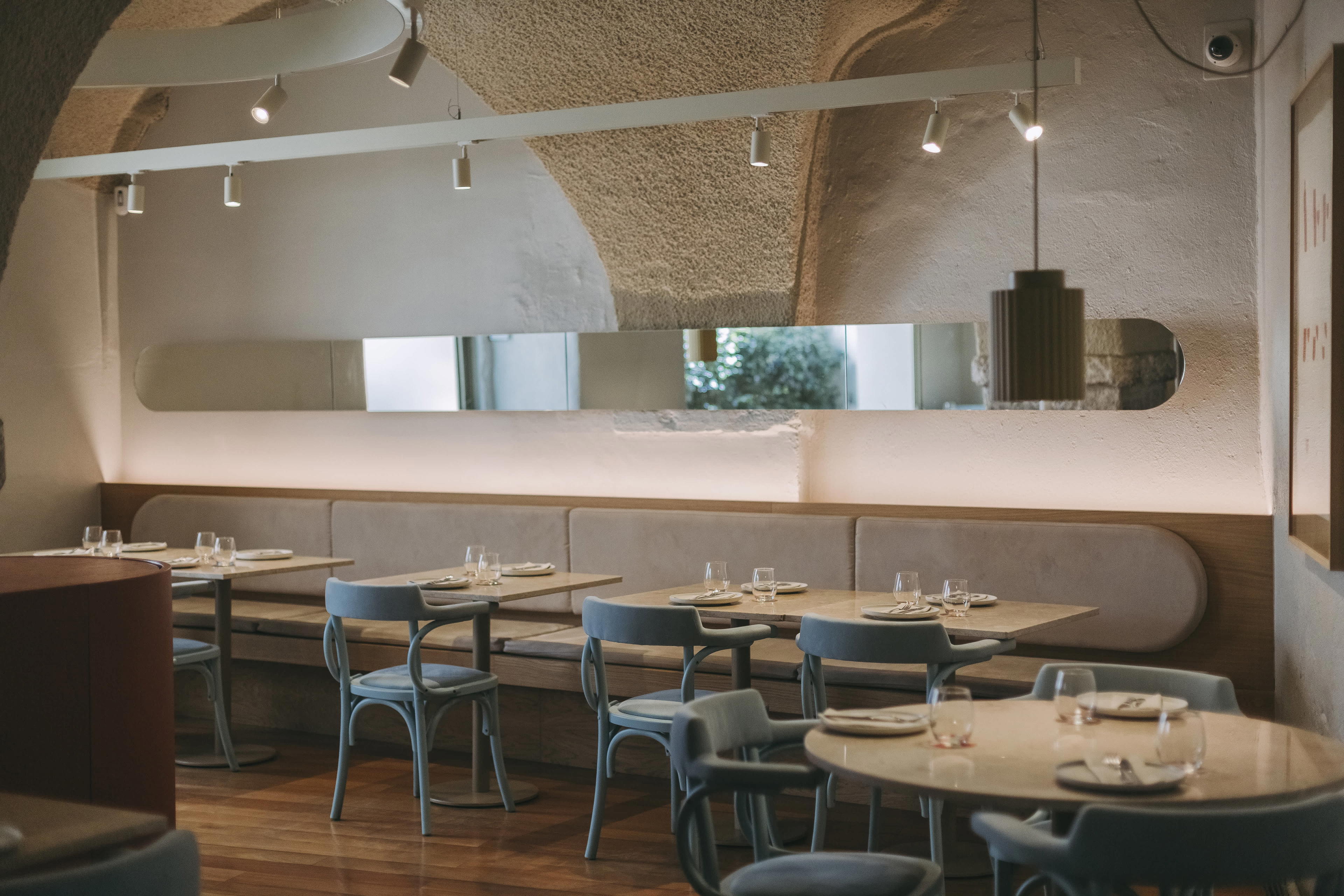
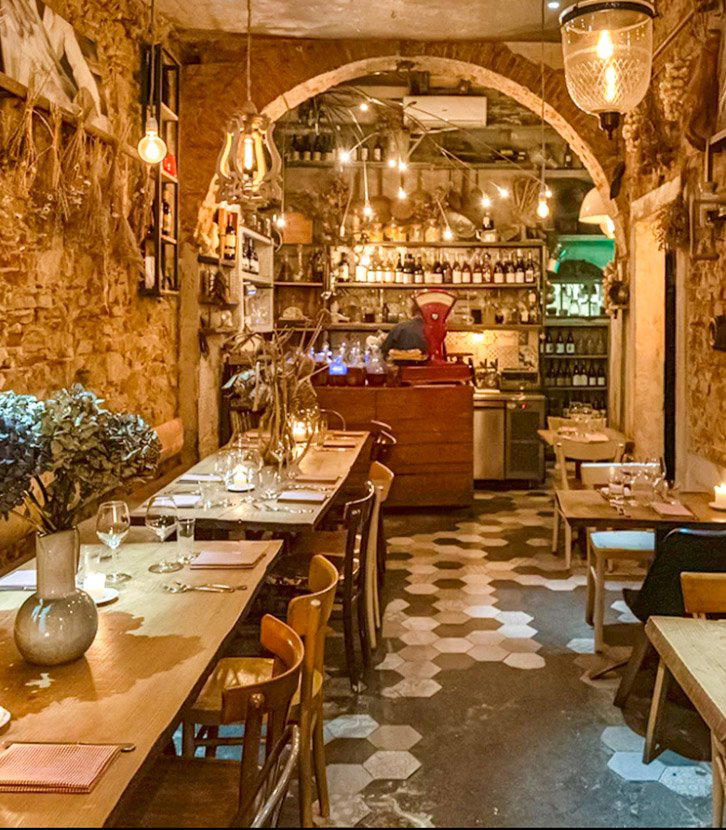
Light-filled oasis with minimalist furnishings, classic Portuguese tiles, fireplaces, and airy spaces evoking old city mystery.