Finch Bay Galapagos Hotel



Named Ecuador's Leading Boutique Resort at the 2025 World Travel Awards and ranked 16th on Condé Nast's Best Resorts list the same year, Finch Bay Galapagos Hotel occupies a privileged position in Barrio Punta Estrada, Puerto Ayora. The property sits at the smaller, design-conscious end of Galapagos accommodation, where proximity to marine iguanas and giant tortoise habitats shapes the daily rhythm as much as the rooms themselves.
Pearl is the En Primeur Club membership app — saves, bookings, and concierge access live there. Same editors, same standards.
- Address
- Barrio Punta Estrada, Puerto Ayora
- Phone
- +1 844-391-4613
- Website
- finchbayhotel.com
- Directions
- Get directions
 Saves & bookings on Pearl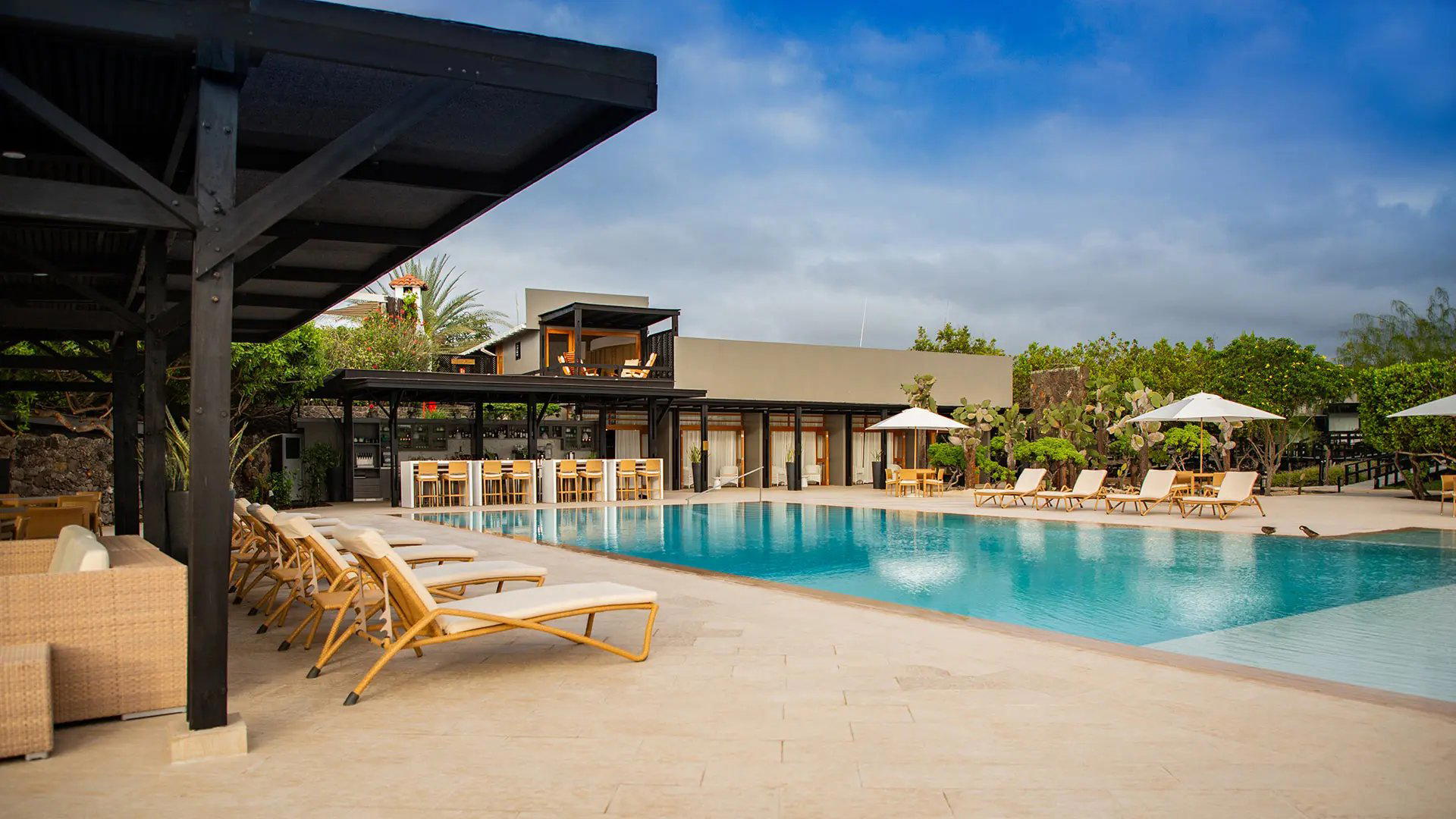
Where the Galapagos Sets the Itinerary
Santa Cruz Island has become the operational hub of Galapagos travel, and Puerto Ayora is its commercial and logistical centre. Within that geography, Barrio Punta Estrada sits slightly apart from the main waterfront noise, occupying a quieter peninsula position where the transition between town and protected parkland is visible rather than theoretical. Finch Bay Galapagos Hotel operates in this pocket.
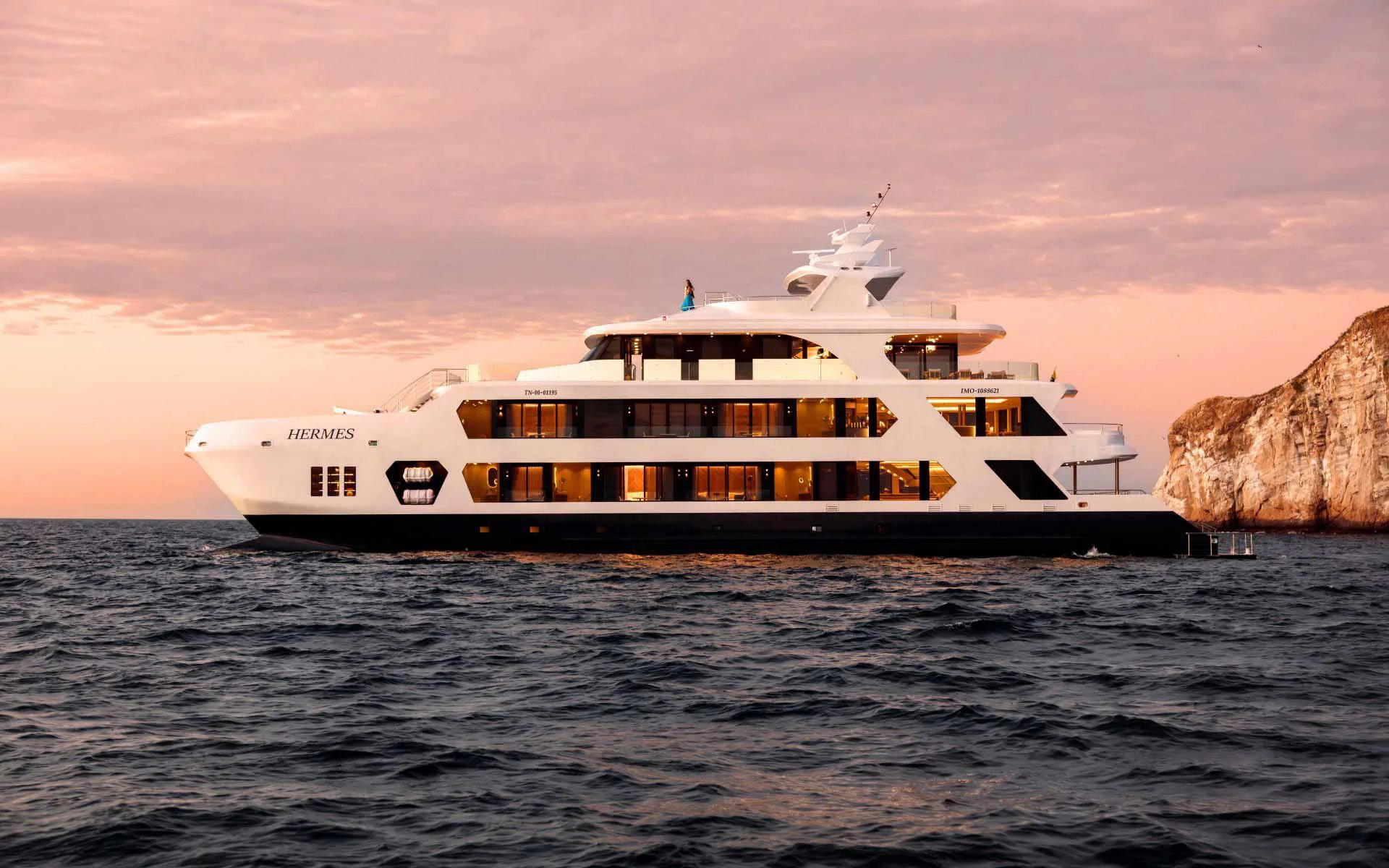
In the broader Galapagos accommodation market, properties divide broadly into two categories: live-aboard vessels that move guests between islands on a set circuit, and land-based hotels that use Santa Cruz as an anchor for day excursions. Options like the Hermes Galapagos Catamaran and Ecoventura - Galapagos serve the live-aboard segment, while Finch Bay operates firmly in the land-based tier. Within that tier, it occupies the boutique end, where award recognition functions as a sorting mechanism: the 2025 World Travel Awards named it Ecuador's Leading Boutique Resort, and Condé Nast placed it 16th on its 2025 Best Resorts ranking. Those two signals together position it above the mid-market Santa Cruz options and in direct conversation with the archipelago's small number of premium land properties, including Pikaia Lodge and the tented-camp format at Galapagos Safari Camp.
Eating at the Edge of a Protected Ecosystem
The editorial angle assigned to any serious Galapagos property is environmental responsibility, but the more revealing lens is food. What a hotel serves in the Galapagos says a great deal about how seriously it takes its commitments. Supply chains into the archipelago are restricted and expensive; the islands sit around 1,000 kilometres from the Ecuadorian mainland, and Galapagos National Park regulations govern what can be brought in. Properties that treat this as a logistical problem end up with uninspired dining. Those that treat it as a curatorial opportunity tend to produce something more interesting.
The culinary tradition across the premium Santa Cruz tier has been moving toward local sourcing for over a decade, drawing on the island's own fish catch, locally grown produce where regulation permits, and Ecuadorian pantry staples from the mainland. Ceviches built on locally caught fish, preparations featuring yellowfin tuna and wahoo, and coastal Ecuadorian flavours appear across this property tier. The dining programme at a boutique resort in this environment also carries social weight: it is often the setting where guests process the morning's excursion, trading accounts of sea lion encounters and blue-footed booby colonies over lunch, and where the hotel's relationship to the natural environment becomes most legible in daily life.
Lodges like Mashpi Lodge in Pichincha and La Selva Eco-Lodge in the Oriente have built their reputations partly on food programmes that treat the surrounding ecosystem as a guide to the menu. The Galapagos version of that approach is more constrained by regulation but no less intentional at the premium tier.
The Boutique Resort as a Category
The World Travel Awards designation as Ecuador's Leading Boutique Resort places Finch Bay in a defined category. Boutique resort in this context means something specific: a property that competes on intimacy, curation, and environmental integration rather than on scale, facilities breadth, or brand infrastructure. It is a different value proposition than what large international operators bring to comparable destinations. Properties like Amangiri or Hotel Esencia in Tulum operate in that same tension between remote natural settings and premium comfort, albeit in different regulatory and ecological contexts.
In Ecuador's premium hospitality tier more broadly, the boutique model has gained ground over the past decade. Carlota in Quito represents the urban version of this positioning; Hotel del Parque in Guayaquil brings the restored-heritage variant. The Galapagos version is distinct because the natural setting dominates the equation in a way that urban or mainland jungle properties cannot replicate. Here, the property's architecture and daily programming are measured against among the more ecologically protected and scientifically significant island chains on Earth, and guests are acutely aware of that context.
The Angermeyer Waterfront Inn represents an alternative approach within Puerto Ayora itself, occupying a historic position with waterfront access and a character shaped by the archipelago's settler history. The two properties attract different travellers: Angermeyer for those who want to sit inside Galapagos history, Finch Bay for those prioritising the award-recognised boutique resort format. Neither is wrong; they answer different questions about what a Santa Cruz stay should feel like.
La Laguna and the Island-Hopping Question
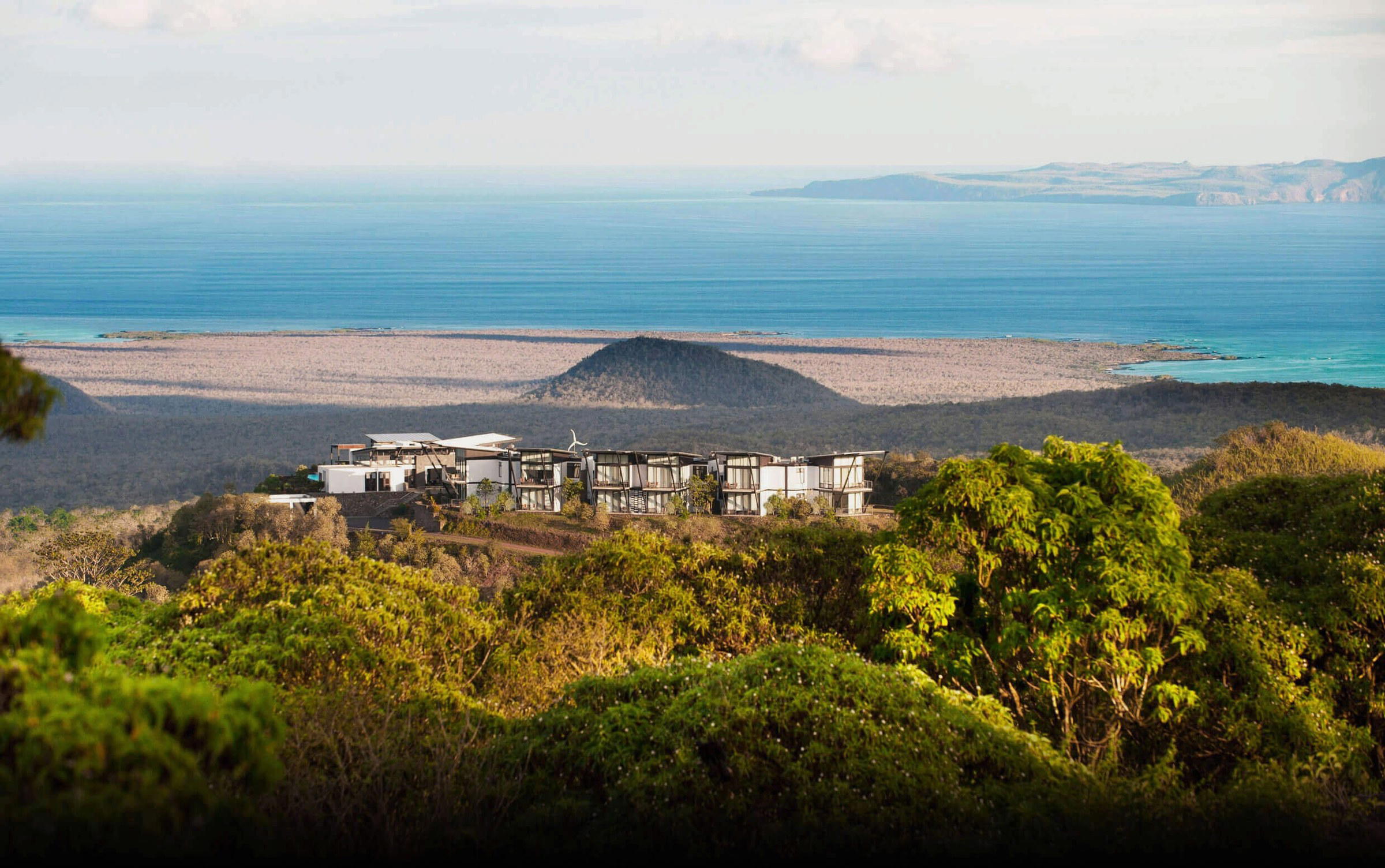
One decision that shapes every Galapagos itinerary is whether to anchor on a single island or move between them. Santa Cruz is especially logistically connected island, with the main airport (on Baltra, a short ferry ride north) and the widest excursion network. Isabela, the largest island by area, attracts travellers looking for a slower pace and different wildlife habitats; La Laguna Galapagos Hotel serves the premium tier there. Staying in both across an itinerary split is possible and increasingly common for visitors with ten days or more.
Planning a Stay
Both Carlota in Quito and Hotel del Parque in Guayaquil are rational overnight options before a morning Galapagos departure.
Beyond the islands, Mashpi Lodge in the cloud forest and La Selva Eco-Lodge in Amazonian territory represent the two other pillars of Ecuador's ecologically-anchored luxury tier. The Galapagos, however, operates at a different scale of ecological significance and visitor regulation, which is why properties here are evaluated against a different set of criteria, and why the World Travel Awards and Condé Nast signals carry particular weight in this market.
Cost and Credentials
Comparable venues nearby, for context on price, style, and recognition.
| Venue | Cuisine | Price | Awards | Notes |
|---|---|---|---|---|
| Finch Bay Galapagos HotelThis venue — the venue you are viewing | Hotel | Not listed | Not listed | Not listed |
| Angermeyer Waterfront Inn | Not listed | $$$ | 3-Star | Puerto Ayora, Waterfront boutique inn with historic charm and modern comforts |
| Hermes Galapagos Catamaran | Not listed | $$$$ | 5-Star | Puerto Ayora, Ultra-luxury expedition catamaran combining five-star accommodations with intimate wildlife exploration, designed for informed travelers seeking exclusive Galapagos experiences. |
| Hotel Otavalo | Not listed | $$$$ | Not listed | city center, Restored Spanish colonial landmark |
| La Selva Eco-Lodge & Retreat | Not listed | $$$ | 4-Star | Yasuni National Park, Sustainable eco-retreat blending native architecture with luxury comforts |
| La Laguna Galapagos Hotel | Not listed | $$$ | 3-Star | Puerto Villamil, Small boutique hotel focused on comfort and scenic relaxation |
Recognition history
Dated appearances from independent guides and award organizations, with the underlying list record or original source where available.
Conde Nast Best Resorts #16
Conde Nast
Michelin Selected
Michelin
World Travel Awards
World Travel Awards
Continue exploring
More in Puerto Ayora
Hotels in Puerto Ayora
Browse all →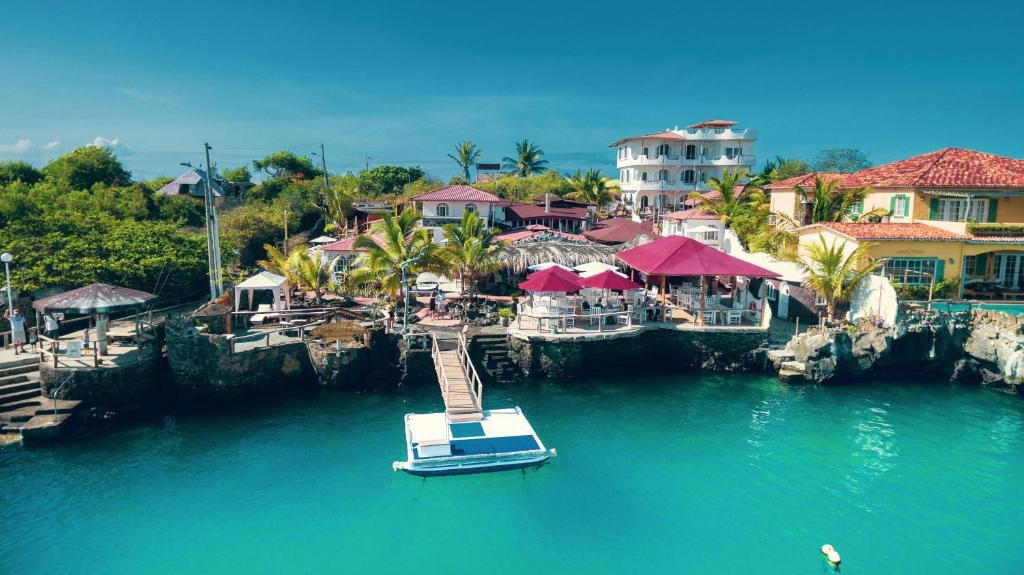
Bars in Puerto Ayora
Browse all →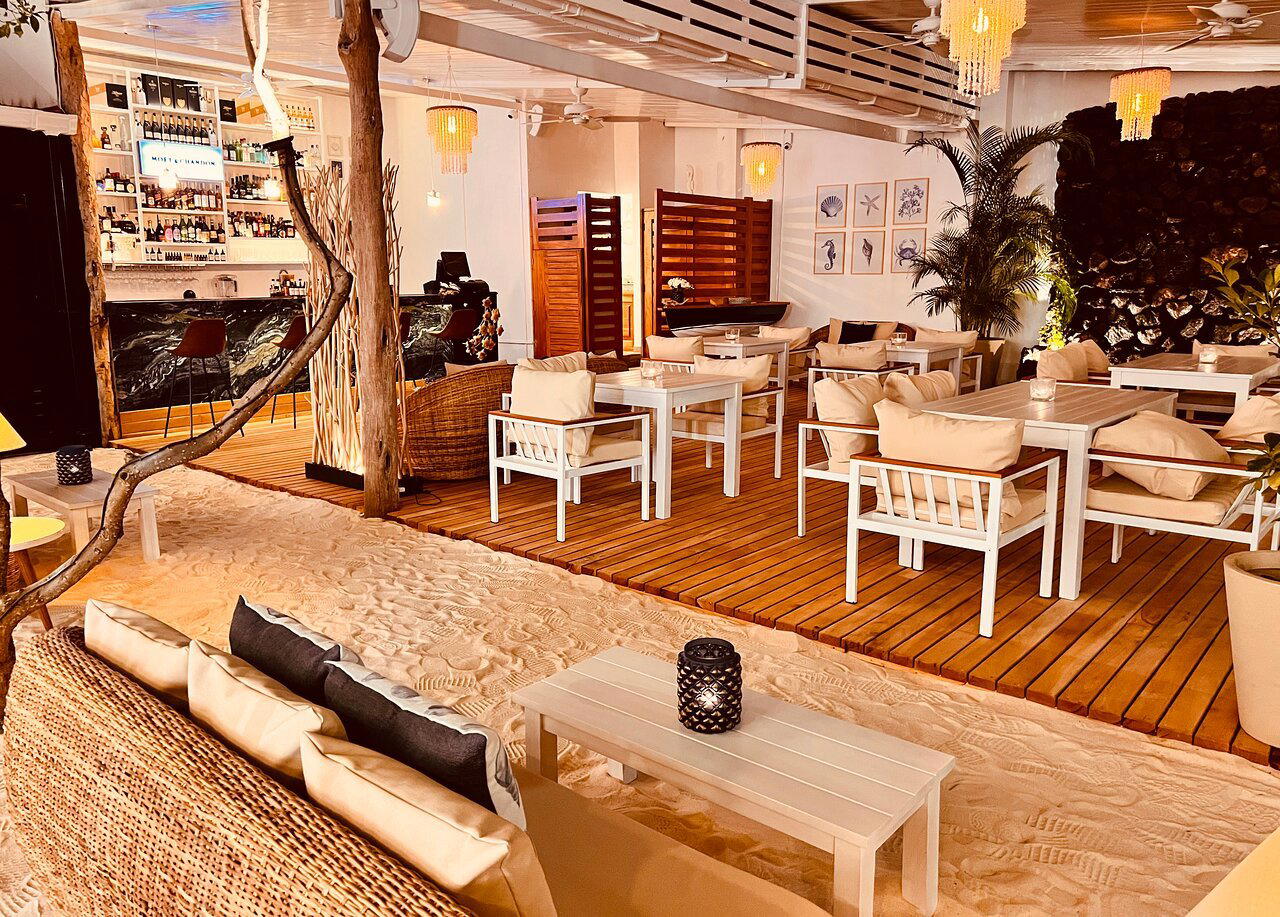
At a Glance
- Scenic
- Quiet
- Romantic
- Sophisticated
- Intimate
- Romantic Getaway
- Family Vacation
- Wellness Retreat
- Anniversary
- Weekend Escape
- Beachfront
- Destination Spa
- Waterfront
- Panoramic View
- Pool
- Spa
- Beach Access
- Wi Fi
- Air Conditioning
- Restaurant
- Bar
- Waterfront
- Pool
- Spa
- Beach Access
- Wi Fi
- Air Conditioning
- Restaurant
- Bar
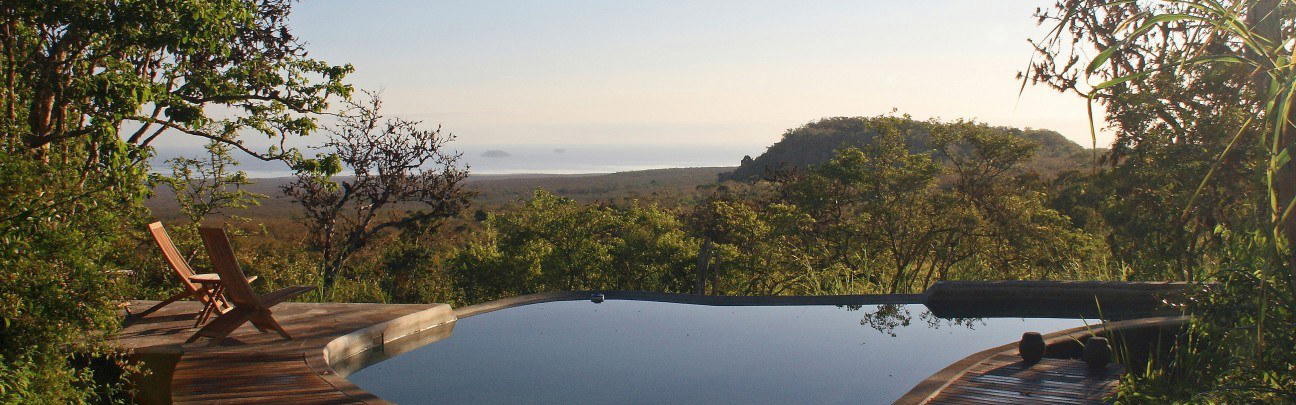
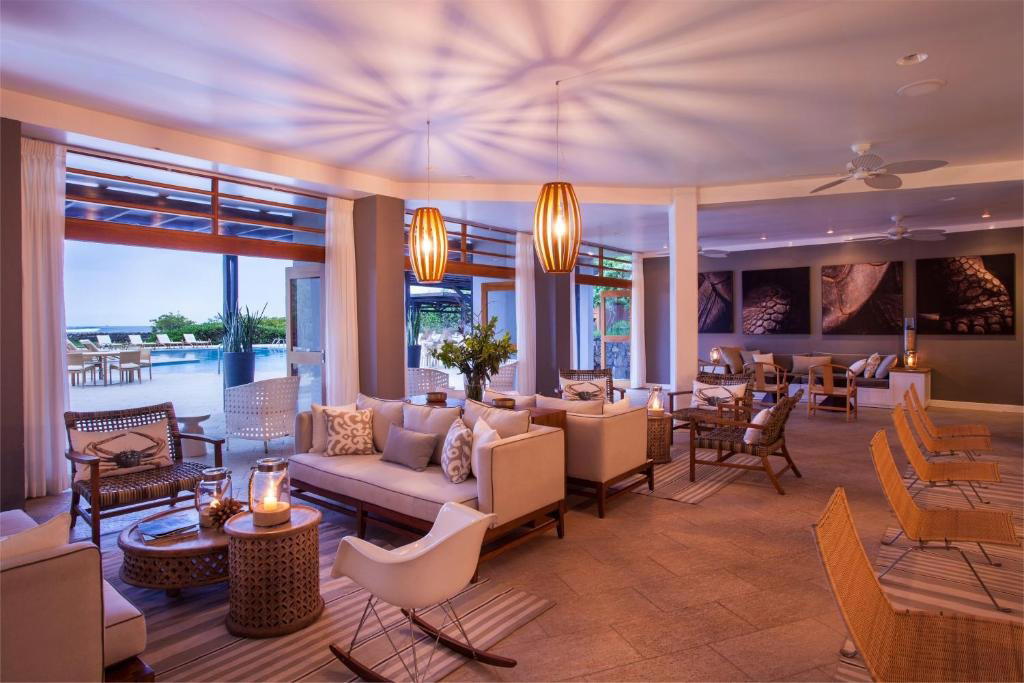
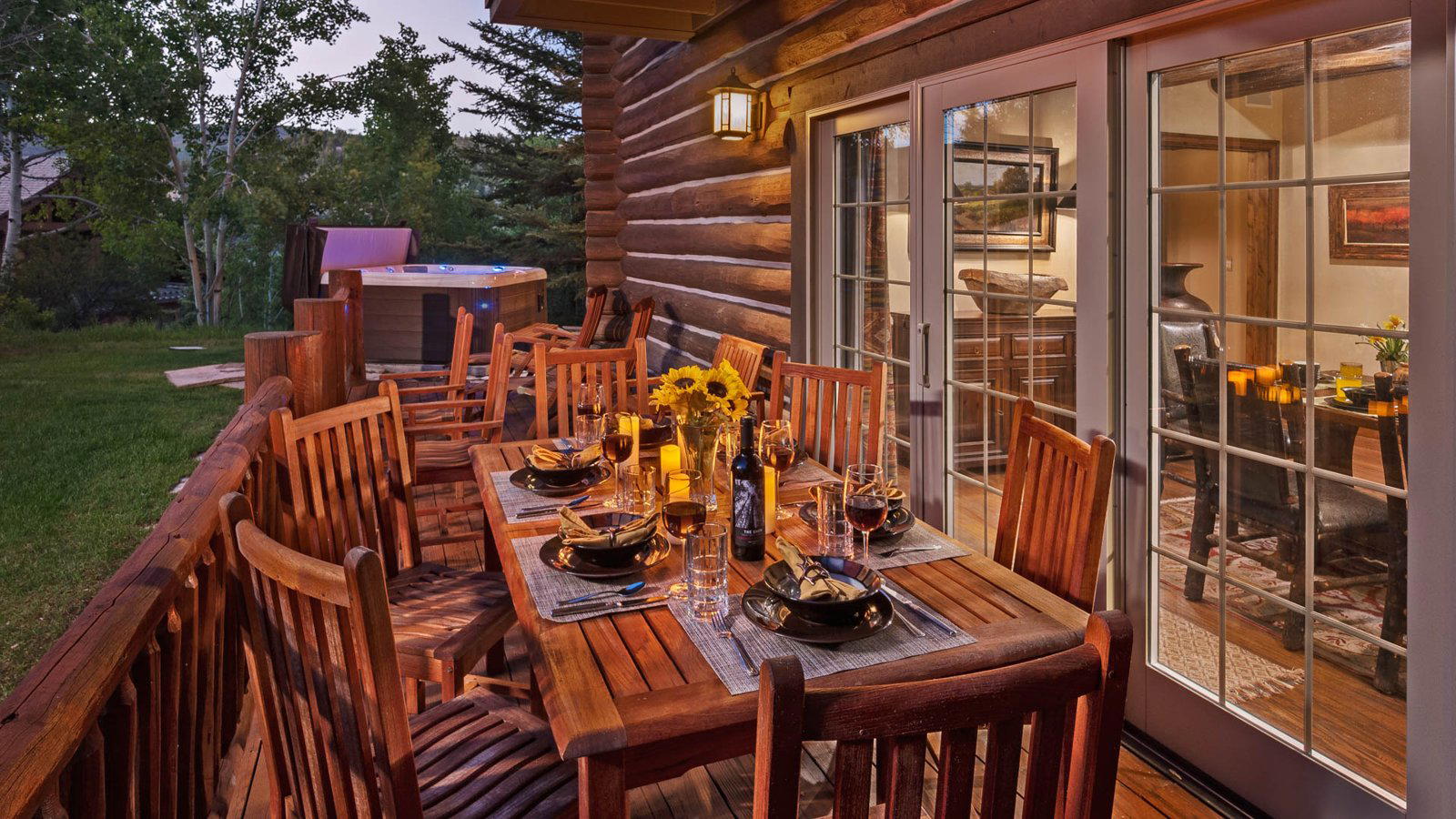
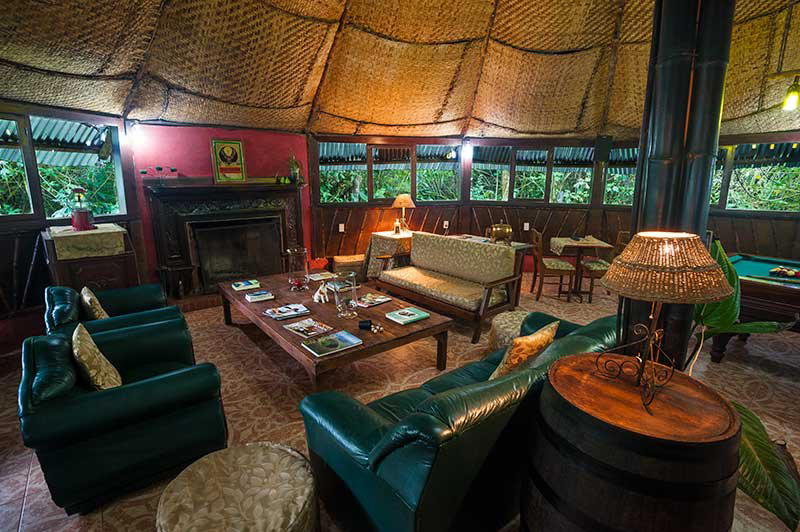
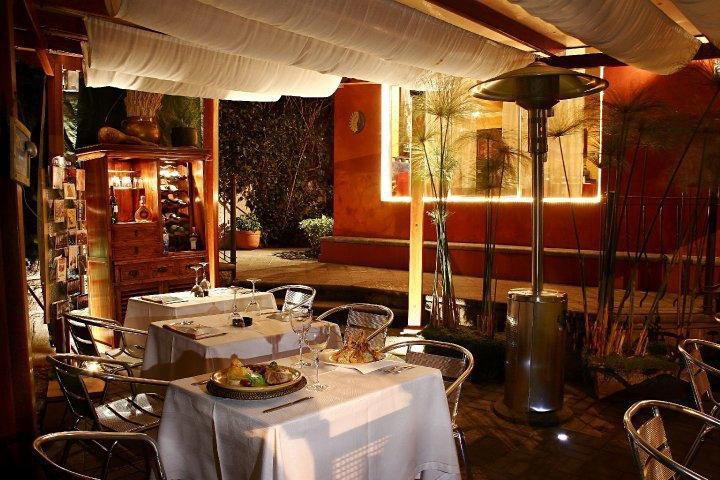
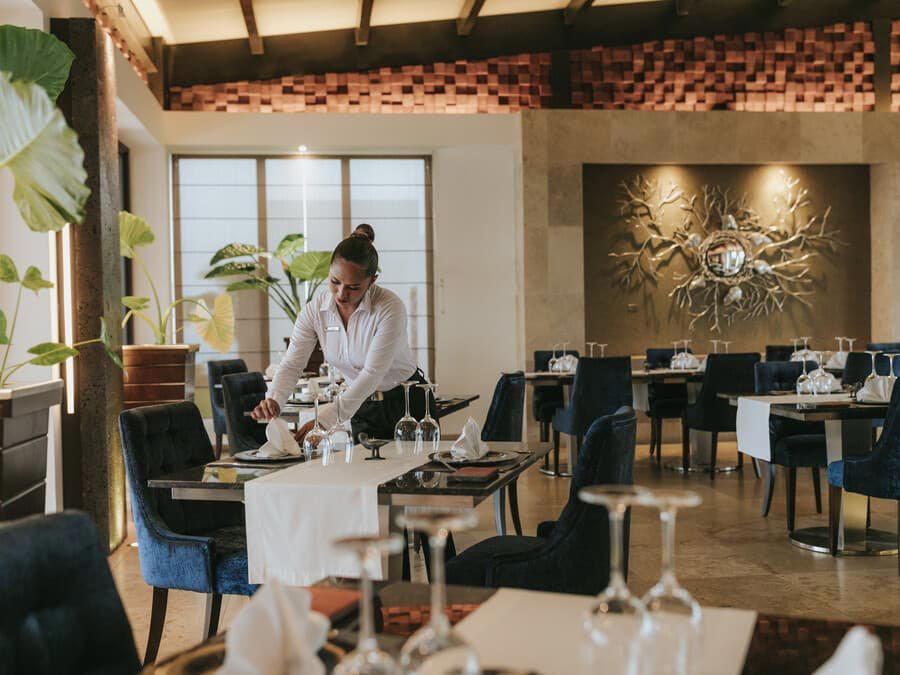
Secluded, serene, and nature-forward, with an airy, light feel, open-air layout, and design that brings the outside in through natural materials, wildlife artwork, and coastal-inspired touches.