
Set against the red cliffs of Namibia's Erongo Mountains, Epako Safari Lodge and Spa occupies a private wildlife reserve in the Omaruru district, roughly 287 kilometres from Windhoek's Hosea Kutako International Airport. Chef Jean Patrice Luchesi leads the kitchen.
Pearl is the En Primeur Club membership app — saves, bookings, and concierge access live there. Same editors, same standards.
- Address
- Q2F2+WR Epako, Omaruru, Namibia
- Phone
- +264 64 570 551
- Website
- epako.com.na
- Directions
- Get directions
 Saves & bookings on Pearl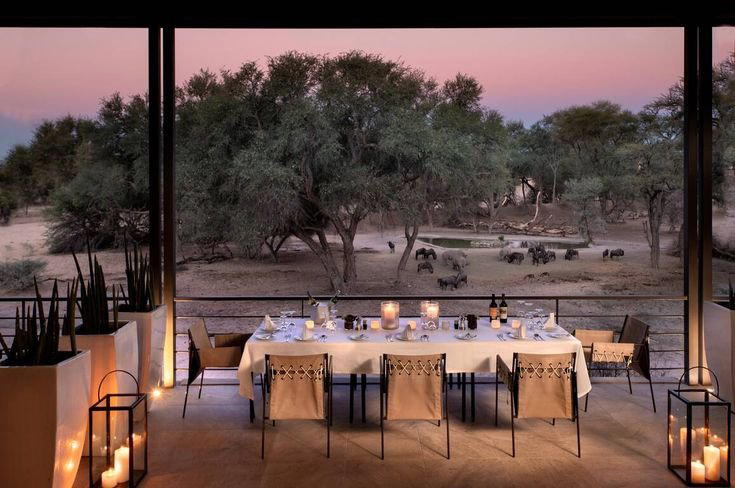
Red Cliffs, Open Savannah, and the Lodge That Earns Its Setting
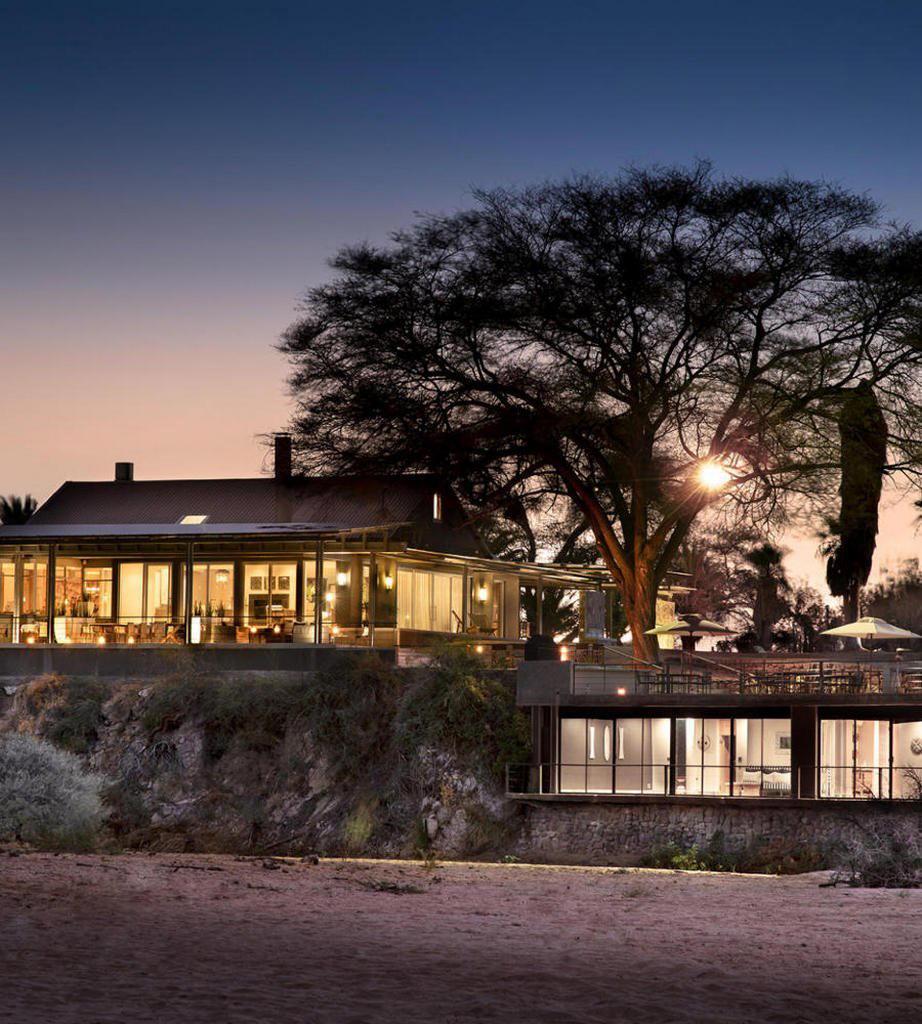
Approaching Epako, the Erongo Mountains announce themselves before the lodge does. The red-rock escarpments that define this part of central Namibia are geological theatre on a scale that most built environments cannot compete with, and the better safari lodges here have learned not to try. Epako's placement within a private wildlife reserve means the transition from open savannah to arrival is gradual rather than abrupt, the kind of approach where the gate, the dust road, and the silence do more to set expectations than any designed reception sequence could. For guests flying in from Windhoek, the 287-kilometre drive from Hosea Kutako International Airport (GPS coordinates -21.2258, 16.0021) is itself an orientation into the terrain.
It is worth reading before committing to a routing decision, particularly if you are weighing central versus northern Namibia as a base.
Where African Safari Dining Sits in 2024
Safari lodge dining across southern and east Africa has undergone a quiet but meaningful shift over the past decade. The era of buffet-heavy, generic bush dinners gave way first to fire-and-forage menus, then to a more considered regionalism that asks what the surrounding environment actually produces and how local culinary traditions can inform a kitchen that serves international guests. Properties like Great Plains Selinda in the Selinda Reserve and Morukuru Family Madikwe represent the upper tier of this shift in their respective ecosystems. In Namibia, the question is somewhat different: the country's German colonial history, indigenous Herero and Nama food cultures, and the extreme aridity of the terrain all shape what a kitchen here can reasonably do.
Epako operates in that context. Chef Jean Patrice Luchesi leads the kitchen, and the French inflection in the name sits inside a category of African safari lodges where European-trained culinary directors interpret local ingredients through a continental technique framework. That combination is common enough in premium bush hospitality to constitute its own tradition rather than a novelty, though the quality variance within that tradition is wide.
For a broader read on what the district offers in terms of food and drink,
The Erongo Setting as Editorial Context
The Erongo Mountains are among Namibia's older geological formations, and the red cliffs that characterise the range around Omaruru create a visual backdrop that distinguishes this reserve from the flatter, thornveld-dominated terrain of Etosha's southern approaches or the dune country further west. What that means practically for a lodge stay is that the sightlines from refined positions are dramatic, and the play of light across sandstone at morning and evening creates the kind of ambient quality that safari photographers and landscape-oriented travellers specifically seek. Wildlife in this region includes free-roaming game on the private reserve, making the experience more contained than a national park encounter but also more consistent in terms of access and proximity.
That combination of geological drama, private reserve wildlife access, and a kitchen operating under a named culinary director places Epako in a specific niche within Namibian safari accommodation. It is neither a working farm stay in the Namibian German mould nor a mass-market tented camp, but a lodge that positions itself on the contemporary, secluded end of the spectrum, smaller in footprint, more deliberate in its relationship to its setting.
Thinking About the Chef's Role in Remote Lodge Kitchens
In remote lodge contexts, the culinary director's role differs substantially from that of a restaurant chef in an urban setting. Supply chains are longer, seasonal availability is constrained by climate and logistics, and the audience is captive for multiple meals across multiple days. The better lodge kitchens treat that constraint as a design brief: working backwards from what is reliably available, building menus that read as coherent across a stay rather than as isolated single-meal experiences. Jean Patrice Luchesi's presence at Epako signals an intent to treat the kitchen as a defined program rather than a functional amenity, though the specific menu content, service format, and any evolution in the culinary direction are not details
For guests interested in how chef-led programming operates at the far end of the ambition spectrum, the contrast with urban flagships like Le Bernardin in New York City, Atomix in New York City, or Alain Ducasse at Louis XV in Monte Carlo is instructive. Those kitchens operate with deep supplier networks, nightly turnover, and the full machinery of formal dining service. A remote Namibian lodge kitchen works against a completely different set of constraints, and the craft involved in producing coherent, ingredient-driven food under those conditions is underappreciated in the broader conversation about culinary achievement.
Planning a Stay: Access, Timing, and What to Know
Epako is accessible by road from Windhoek's Hosea Kutako International Airport, with fly-in access also possible by prior arrangement. Driving remains the more common approach for self-drive travellers exploring Namibia's central region, and the route through the Omaruru district provides early exposure to the landscape before arrival at the reserve. The lodge sits at GPS coordinates -21.2258, 16.0021.
Those building a multi-lodge Namibia itinerary may also find it useful to cross-reference lodge formats across different landscape types before committing to routing.
How It Stacks Up
Comparable venues nearby, for context on price, style, and recognition.
| Venue | Cuisine | Price | Notes |
|---|---|---|---|
| Epako Safari Lodge & SpaThis venue — the venue you are viewing | Namibian Fusion with French Techniques | $$$$ | Not listed |
| EPAKO Restaurant | Namibian fine dining with African influences and French techniques | $$$$ | Omaruru district |
| Gmundner Lodge | Refined Namibian Fine Dining | $$$$ | Dordabis District |
| Ocean Cellar | Namibian Seafood & Oyster Bar | $$$ | Molen Weg, On the Mole |
| Anchors @ The Jetty | Fresh Seafood Waterfront | $$ | Walvis Bay Waterfront |
Recognition history
Dated appearances from independent guides and award organizations, with the underlying list record or original source where available.
Relais Chateaux Award
Relais Chateaux
At a Glance
- Scenic
- Elegant
- Rustic
- Intimate
- Sophisticated
- Special Occasion
- Date Night
- Terrace
- Waterfront
- Hotel Restaurant
- Extensive Wine List
- Local Sourcing
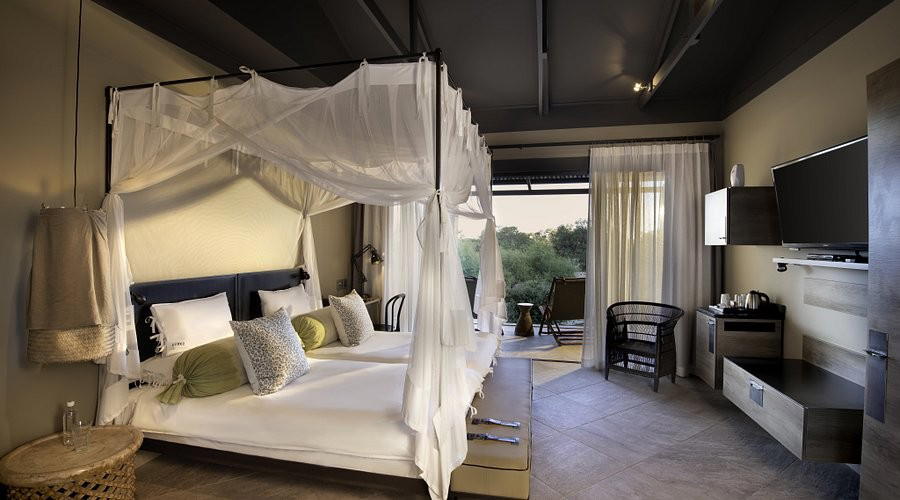
Luxurious and stylish with natural colors, cozy lounge and fireplace areas overlooking the waterhole, relaxed terrace atmosphere enhanced by floodlit wildlife viewing and star-gazing.