

A Leading Hotels of the World member positioned on HaYarkon Street at the edge of Tel Aviv's Mediterranean seafront, Dan Tel Aviv occupies a category of its own among the city's legacy properties. Its address places it within the corridor of grand coastal hotels that shaped modern Tel Aviv hospitality, and its continued affiliation with the LHW collection signals where it sits in the local peer set.
 Discover on Pearl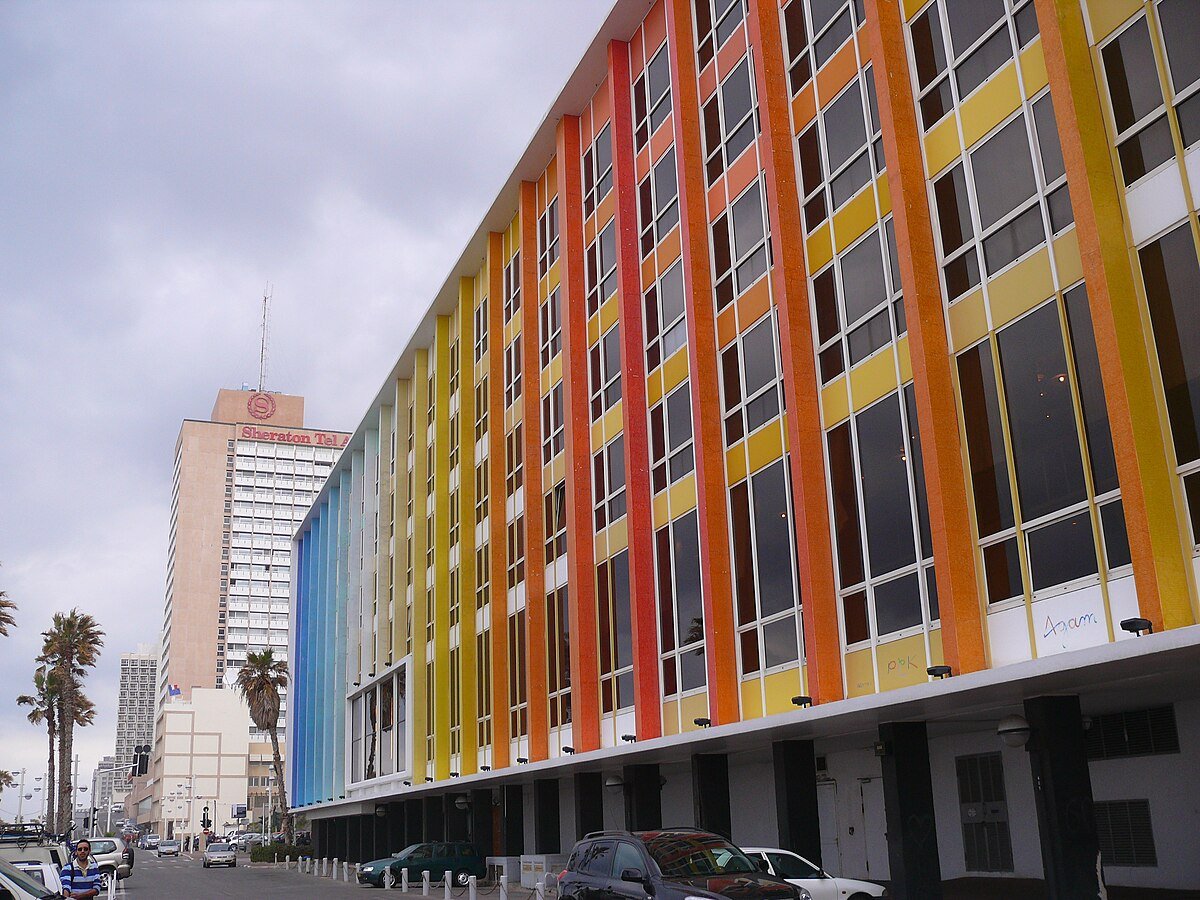
A Seafront Address That Shaped Tel Aviv's Hotel Identity
HaYarkon Street runs the length of Tel Aviv's Mediterranean coastline, and the strip of hotels that lines it represents something closer to an institution than a district. The Dan Tel Aviv, at number 99, sits near the heart of this corridor — a position that says as much about the city's hospitality history as it does about any single property. This part of Tel Aviv is where the grand hotel concept arrived, where visiting heads of state and international press corps checked in during the decades when the city was still establishing its identity as a Mediterranean capital. The physical address is, in itself, a form of editorial context.
Membership in the Leading Hotels of the World collection, awarded in 2025, places Dan Tel Aviv inside a reference group that includes some of the most rigorously evaluated independent and semi-independent properties in the world. LHW membership is not self-reported; it requires inspection and ongoing compliance with standards that cover service delivery, physical plant, and guest experience. For Tel Aviv's coastal corridor, that credential matters: it anchors the property in an internationally legible tier that travelers arriving from Hotel Plaza Athénée in Paris, Badrutt's Palace Hotel in St. Moritz, or Hotel Du Cap-Eden-Roc in Cap d'Antibes will immediately recognise.
The Architecture of a Coastal Legacy Property
Tel Aviv's hotel architecture tells a compressed version of the city's twentieth-century development. The earliest grand coastal hotels arrived in the mid-century period, when modernist influences from Europe were already shaping the White City's residential blocks inland. The seafront properties that followed applied a different logic: scale, visibility, and a frontage relationship with the Mediterranean that was as much about presence as it was about rooms. Dan Tel Aviv belongs to that generation of thinking — properties conceived to be seen from the water and to anchor the skyline from the promenade.
The tension in any legacy coastal hotel of this type is between the original architectural gesture and the accumulated layers of renovation. In Tel Aviv's premium hotel set, that tension plays out differently than it does in, say, Venice or Monte Carlo. The city moves fast; its hospitality culture has been transformed over the past fifteen years by a wave of design-led boutique entrants. The Norman Tel Aviv, with its Bauhaus preservation approach and curated interiors, represents one pole of that shift. The Jaffa Hotel, Tel Aviv, set within a converted French mission and police compound, represents another. Against these properties, the Dan occupies a different position: it is the hotel that predates the boutique wave, and its scale and seafront footprint are assets that no new-build entrant can replicate.
Where Dan Tel Aviv Sits in the Local Competitive Set
Tel Aviv's premium hotel market has sorted itself into a reasonably distinct hierarchy. At one end sit the smaller, historically grounded boutique properties: The Drisco Tel Aviv, operating from a nineteenth-century building in the American Colony neighbourhood, and The Norman, with its Allenby Street Bauhaus credentials. These properties compete on intimacy, design coherence, and neighbourhood specificity. At the other end sit the large-format coastal hotels, where the value proposition shifts toward location, amenity breadth, and the kind of logistical capacity that groups, conferences, and extended-stay travelers require.
Dan Tel Aviv occupies the upper tier of the latter category. Its LHW affiliation puts it in a peer set with properties like The American Colony Hotel in Jerusalem , a fellow LHW member with its own complex relationship between heritage architecture and contemporary hospitality standards. Both properties carry the weight of regional history; both are evaluated against international benchmarks that require more than a famous address.
For travelers calibrating across Israel's luxury tier, the comparison is worth holding: the American Colony offers a walled-garden intimacy that the Tel Aviv seafront cannot replicate, while the Dan's Mediterranean frontage and urban positioning deliver a different register entirely. Neither is a substitute for the other. See our full Tel Aviv experiences guide for further context on how these properties fit into a broader Israel itinerary.
The Seafront as Design Context
One consistent feature of Tel Aviv's coastal hotel corridor is the way the Mediterranean itself functions as the primary design element. This is not unique to the Dan, but it is most legible at properties of its scale. When a hotel commands a significant seafront frontage, the sea becomes architecture: it dictates light conditions across the day, it frames views from upper floors, and it shapes the rhythm of guest movement between interior and exterior space. In the Mediterranean context specifically , shared by properties as different as Aman Venice and Cipriani, A Belmond Hotel, Venice , waterfront access is not an amenity so much as an organising principle.
At HaYarkon 99, that principle plays out against a promenade culture that is distinctly Tel Avivian. The city's beach-going life is dense, democratic, and year-round in a way that distinguishes it from most European coastal hotel contexts. A seafront hotel here is embedded in the city's most public space, not set apart from it. That integration is either an asset or a complication depending on what a traveler is looking for, and it is worth factoring into any comparison with more sequestered coastal properties like Hotel Esencia in Tulum or Six Senses Shaharut in the Negev.
Planning a Stay
HaYarkon Street is directly accessible from Ben Gurion International Airport via the Tel Aviv light rail, which reduced the friction of the airport-to-seafront journey considerably when it opened its main corridor. The address at number 99 puts guests within walking distance of the Gordon and Frishman beach entrances and a short taxi or ride-share from the Carmel Market and the Neve Tzedek neighbourhood. For travelers building a broader Israel itinerary, the property's position on the Mediterranean coast makes it a natural base before or after time in Jerusalem or the Negev. Booking directly through the Dan Hotels group, or through a travel advisor with LHW access, is the standard approach for a property at this tier; LHW membership often carries benefits through affiliated booking channels. Check our full Tel Aviv hotels guide and our full Tel Aviv restaurants guide for the wider context on where this property fits in a complete Tel Aviv visit. Those planning around Tel Aviv's food scene should also consult our full Tel Aviv bars guide and our full Tel Aviv wineries guide for a complete picture of the city's hospitality offer.
Frequently Asked Questions
A Quick Peer Check
A quick look at comparable venues, using the data we have on file.
| Venue | Cuisine | Price | Awards | Notes |
|---|---|---|---|---|
| Dan Tel Aviv | (2025) Leading Hotels of World Member | This venue | ||
| The Drisco Tel Aviv | ||||
| The Jaffa Hotel, Tel Aviv | ||||
| The Norman Tel Aviv |
Preferential Rates?
Our members enjoy concierge-led booking support and priority upgrades at the world's finest hotels.
Get Exclusive Access