
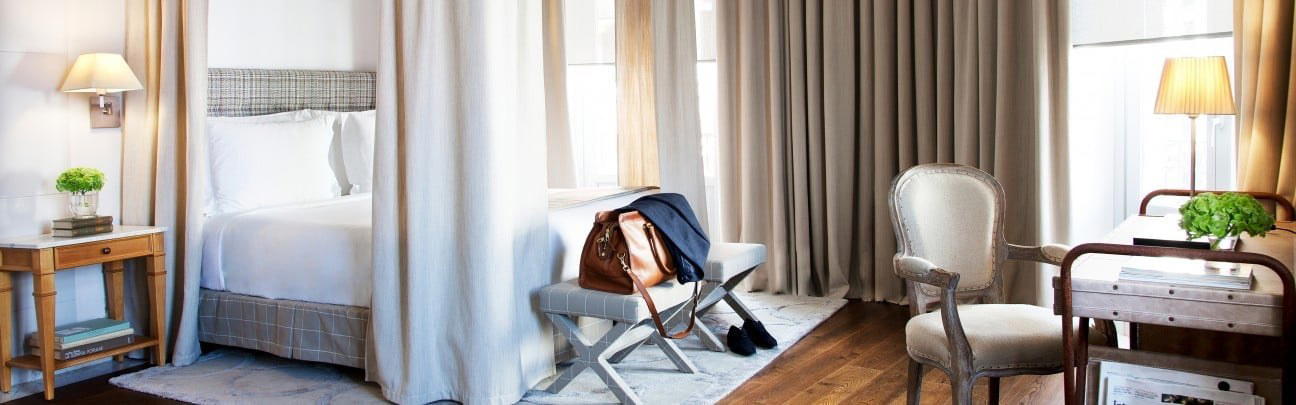
Casa Almagro occupies a quiet address on Calle Amador de los Ríos in Madrid's Almagro district, carrying Michelin Selected status in the 2025 hotel guide. The property sits within a neighbourhood known for its early-twentieth-century residential architecture and proximity to the Paseo de la Castellana, placing it in the tier of design-conscious Madrid hotels that trade scale for character. It reads as a considered alternative to the grand-boulevard flagships a few blocks away.
Pearl is the En Primeur Club membership app — saves, bookings, and concierge access live there. Same editors, same standards.
- Address
- C. de Amador de los Ríos, 3, Chamberí, 28010 Madrid, Spain
- Phone
- +34 913 10 75 00
- Website
- pavilionshotels.com
- Directions
- Get directions
 Saves & bookings on Pearl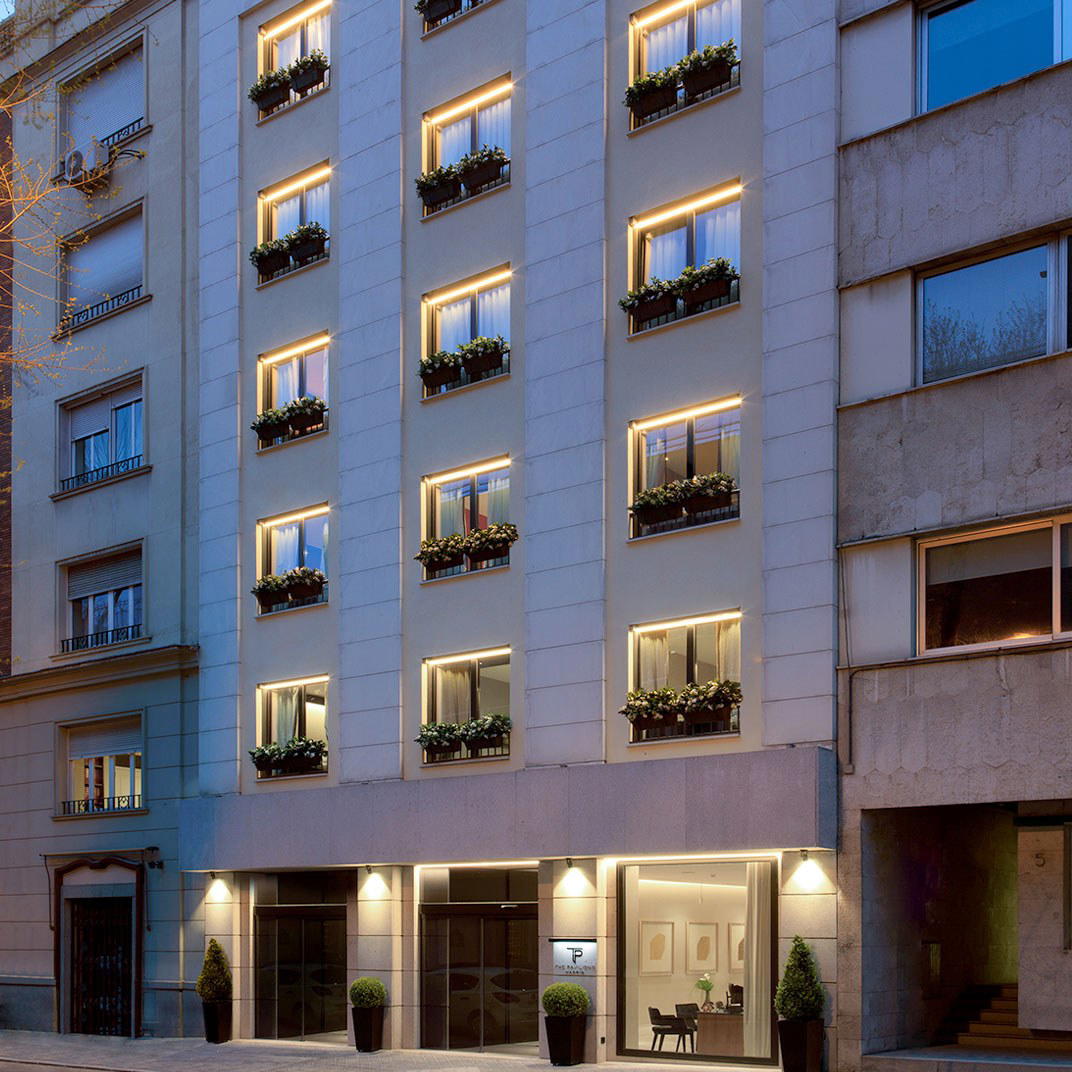
The Almagro Quarter and What It Asks of Its Hotels
Madrid's hotel market has sorted itself into two dominant modes. The first is the grand civic-palace conversion: properties like the Mandarin Oriental Ritz, Madrid and the Four Seasons Hotel Madrid that operate at the scale of institutions, with lobbies built for ceremony and room counts that support full F&B; and events infrastructure. The second mode is quieter: smaller properties in residential or commercial neighbourhoods that compete on intimacy, address specificity, and a guest experience calibrated for fewer people at a time.
Casa Almagro belongs to the second category. Its address on Calle Amador de los Ríos places it inside the Almagro district, a stretch of Madrid characterised by late-nineteenth and early-twentieth-century apartment buildings, embassy residences, and a pace that reads as unhurried relative to the Gran Vía or the Retiro corridors. The Paseo de la Castellana is within walking distance, which means business travellers have the axis they need, but the immediate streetscape has little in common with the lobbied-and-doorman-heavy boulevard hotel format.
Michelin's hotel programme selected Casa Almagro for its 2025 guide. Michelin Selected hotels are assessed against criteria that include comfort, character, and the coherence of the guest experience; inclusion confirms the property has passed a minimum editorial bar. In Madrid's current hotel scene, that distinction places Casa Almagro in a credible peer tier alongside other design-conscious smaller properties, though at a different scale and price position than the Rosewood Villa Magna or the Gran Meliá Palacio de los Duques.
Arriving on Calle Amador de los Ríos
The approach to the hotel sets a register that the rest of the stay tends to maintain. The street is narrow relative to Madrid's broader arterials, and the building presents as residential rather than hotel-commercial. There is no porte-cochère, no rank of taxis idling on a forecourt. The arrival experience in this district is pedestrian and unhurried, which either suits a guest's expectations or quietly corrects them. For travellers used to the choreographed arrival sequences of larger properties, the adjustment takes a moment; for those who prioritise discretion, it reads as a feature.
Within the building, the logic of a smaller hotel with considered service becomes more apparent. Properties in this tier in Madrid tend to operate with staff-to-room ratios that allow more attentive contact than a two-hundred-room property can sustain. The service model is anticipatory rather than transactional: the difference between a concierge who has fielded the same restaurant question from a hundred guests this week and one who has capacity to engage with the specifics of what a particular guest actually wants. That distinction is one of the structural advantages smaller Madrid hotels hold over their larger competitors, and it is the axis along which the hotel's guest experience should be assessed.
For context on what this kind of hotel does well, it's useful to look at analogous properties in Spain's boutique hotel tier. Hotel Unico Madrid and the Gran Hotel Inglés represent the Madrid end of this spectrum, while beyond the capital, properties like Atrio Restaurante Hotel in Cáceres and Abadía Retuerta LeDomaine demonstrate how the small-luxury format plays out across the broader Spanish territory.
Service Culture in the Small-Luxury Tier
The editorial angle on the hotel is less about the property's physical attributes and more about what smaller Madrid hotels are able to deliver in terms of guest experience architecture. At this scale, the front-of-house team is not managing a lobby that functions simultaneously as a bar, a corporate meeting point, and a tourist throughway. The guest relationship is more contained, which creates the conditions for a different quality of service interaction.
Spanish hospitality culture, particularly in Madrid, places considerable weight on the concept of trato: the quality of personal engagement between staff and guest. This is not a formal service philosophy so much as a cultural default that rewards genuine attentiveness. Smaller hotels in Madrid have historically been better positioned to sustain this than international chains operating at volume, and the Almagro neighbourhood, with its residential character, tends to attract guests who value that register.
Travellers who want the full-bandwidth grand-hotel experience in Madrid, the spa, the multi-outlet dining, the brand name that carries weight at other properties, should be looking at the Four Seasons or the Mandarin Oriental Ritz. Those who want a quieter address with Michelin-confirmed quality and a service model built for fewer guests are working in the hotel's territory.
Madrid Context and Comparative Positioning
The Almagro district sits north of Chueca and west of the Castellana, and its hotel density is lower than the central triangle formed by Sol, Gran Vía, and Retiro. That relative scarcity shapes what the hotel offers in positional terms: a Michelin-endorsed address in a district where the competition is thinner and the neighbourhood character is more residential than touristic. For travellers who want proximity to the Paseo de la Castellana's business corridor without the noise and traffic of a central-Madrid address, the location makes practical sense.
Comparable small-luxury properties in other Spanish cities, including the Pepe Vieira Restaurant and Hotel in Poio, Akelarre in San Sebastián, and Casa Beatnik Hotel in A Coruña, each demonstrate how this format adapts to local context. In Madrid, the version of small-luxury that works is typically one that acknowledges the city's social energy while providing a retreat from it. The hotel's address achieves that structural requirement.
Planning a Stay
The Michelin Selected designation for 2025 is confirmed. Travellers comparing this address against larger Madrid options like the CoolRooms Palacio de Atocha or the Hotel Rector should factor in the Almagro district's quieter character as a variable that either adds or subtracts value depending on what they need from a Madrid base.
Where It Fits
Comparable venues nearby, for context on price, style, and recognition.
| Venue | Cuisine | Price | Awards | Notes |
|---|---|---|---|---|
| Casa AlmagroThis venue — the venue you are viewing | Contemporary boutique hotel blending heritage architecture with modern design, positioned as a sophisticated urban retreat for informed travelers seeking refined Madrid experiences. | $$$ | 4-Star | Not listed |
| NH Collection Madrid Gran Vía | Contemporary luxury boutique hotel blending modern elegance with historic architecture on Madrid's most well-known avenue. | $$$ | 4-Star | Sol |
| Madrid Marriott Auditorium Hotel & Congress Center | Contemporary business conference hotel with extensive event facilities | $$$ | 4-Star | Iveco Pegaso |
| NH Collection Madrid Abascal | Elegant mixture of classical decor and modern sophistication in a historic building. | $$$ | 4-Star | Rios Rosas |
| Ocean Drive Madrid | contemporary design with Mediterranean influences | $$$ | 4-Star | Palacio |
| Hotel Atlántico | Historic neoclassic hotel in well-known Gran Vía location | $$$ | 4-Star | Malasana |
Recognition history
Dated appearances from independent guides and award organizations, with the underlying list record or original source where available.
Michelin Selected
Michelin
Continue exploring
More in Madrid
Hotels in Madrid
Browse all →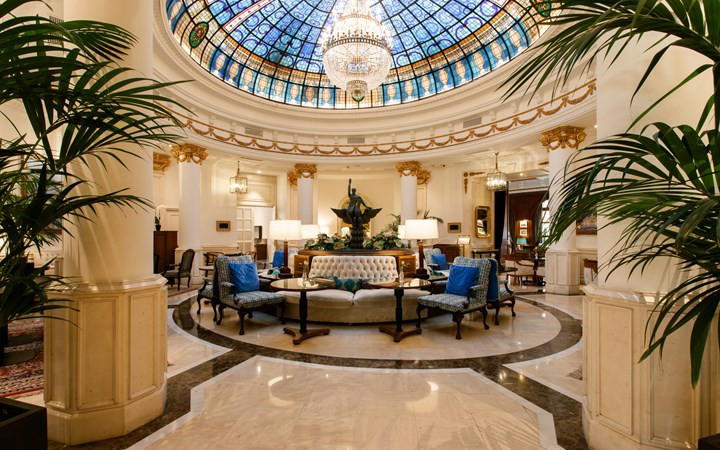

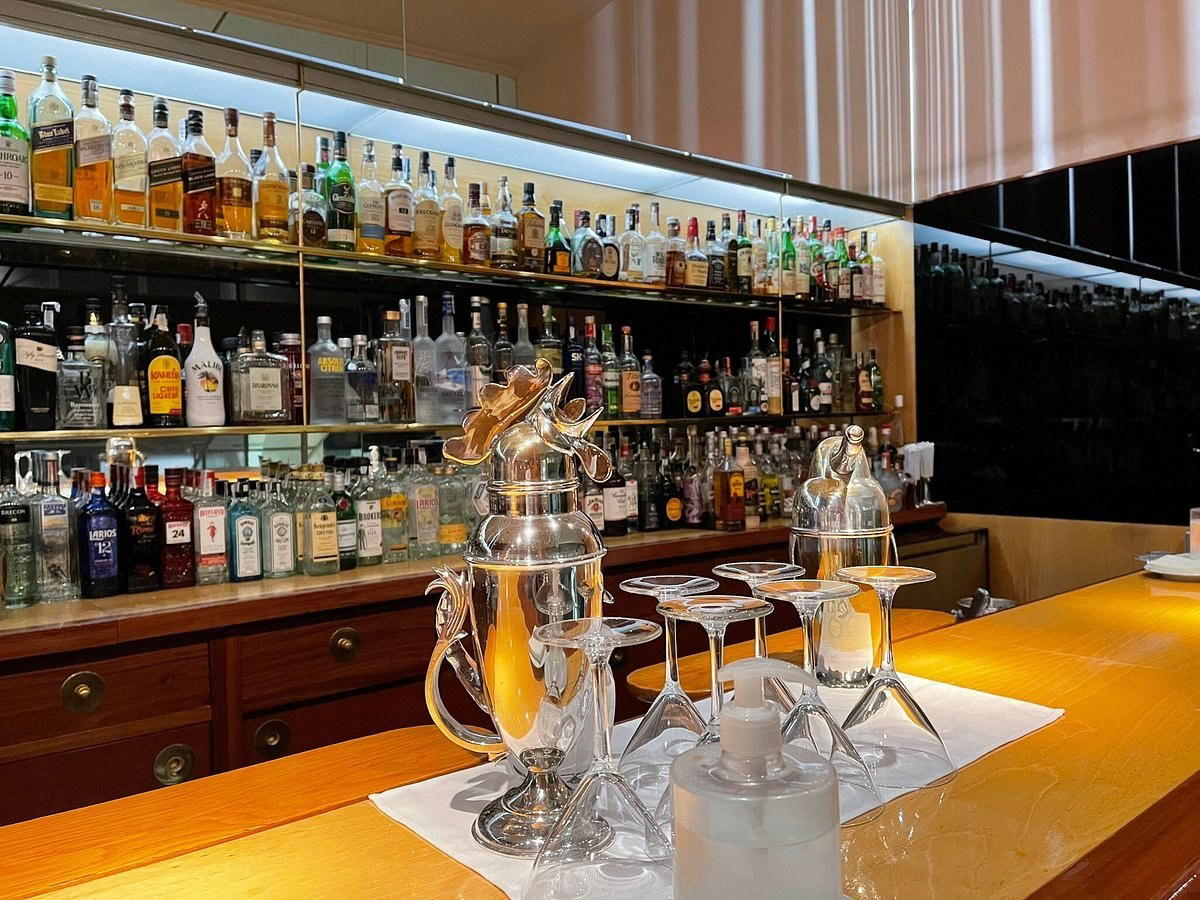
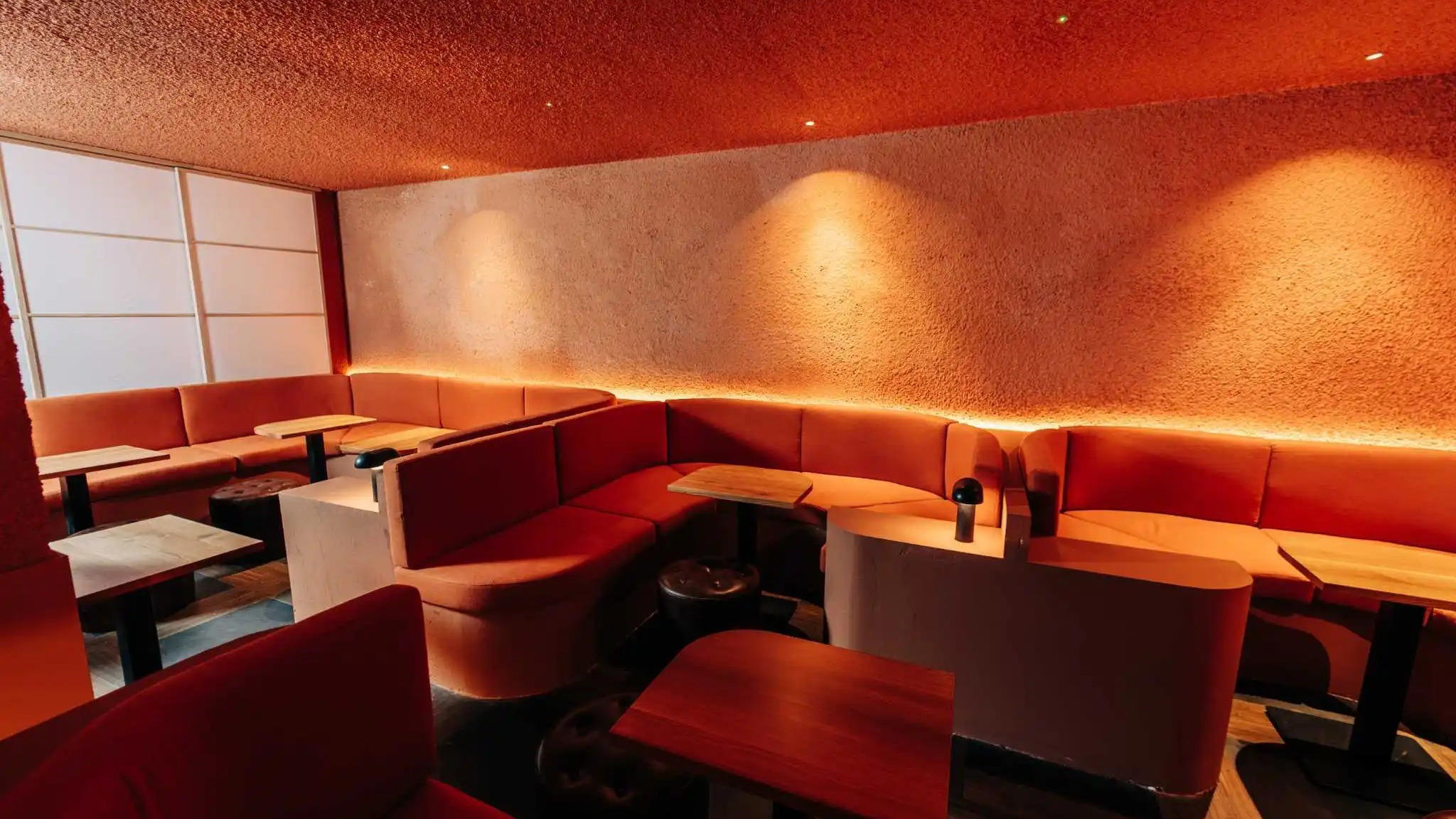
Bars in Madrid
Browse all →
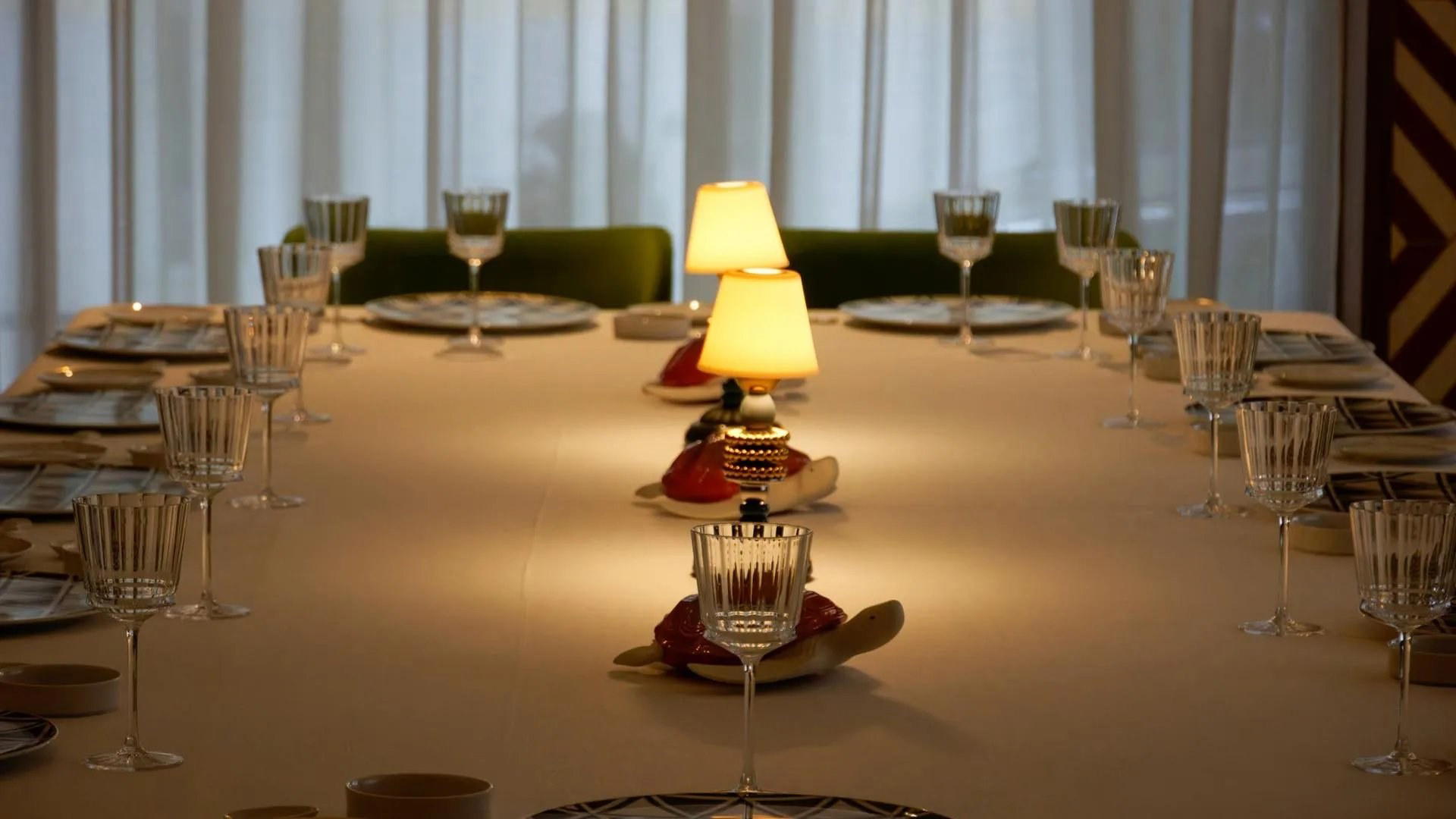
Restaurants in Madrid
Browse all →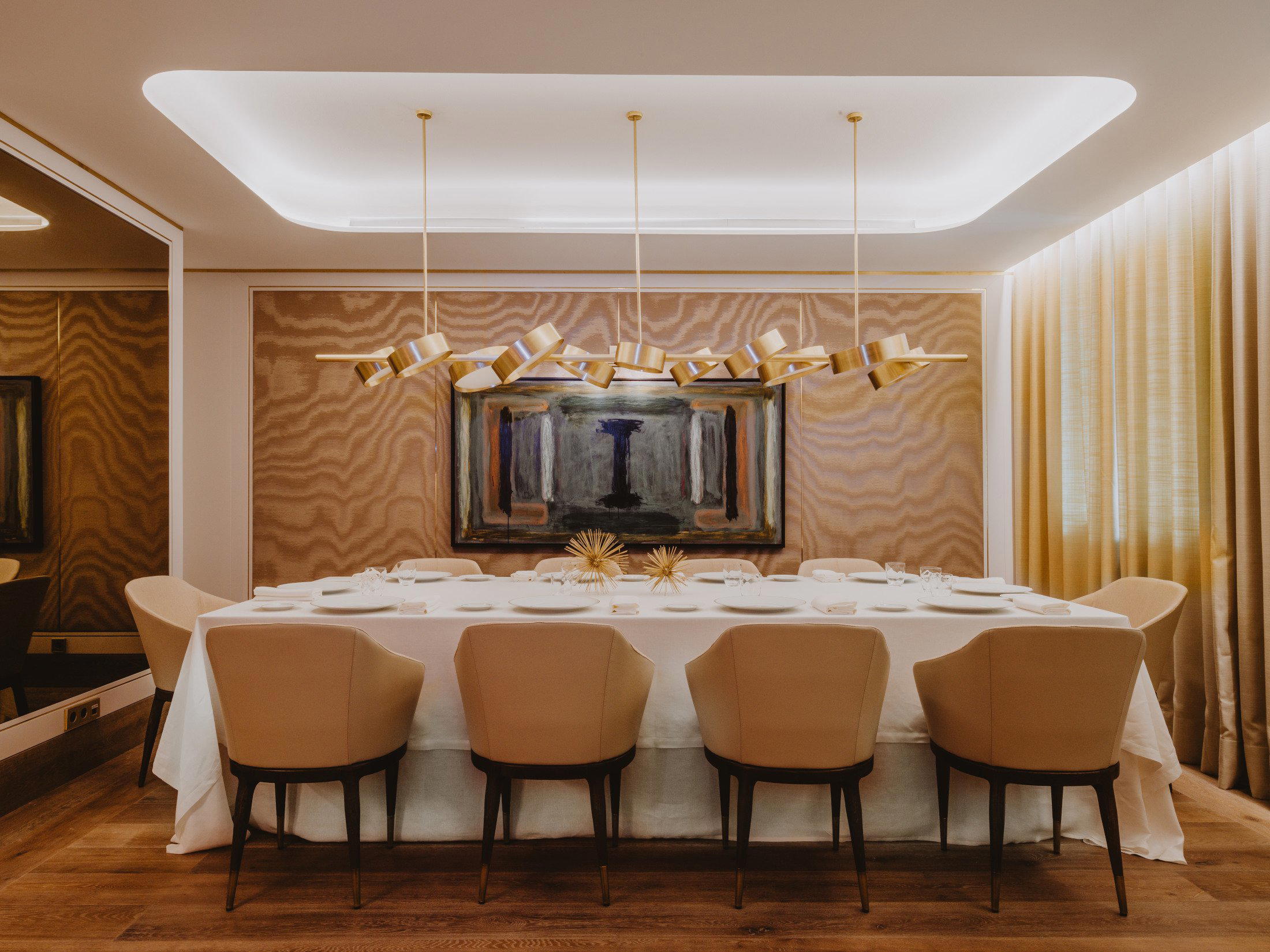
At a Glance
- Modern
- Elegant
- Sophisticated
- Quiet
- Business Trip
- Romantic Getaway
- Weekend Escape
- Terrace
- Design Destination
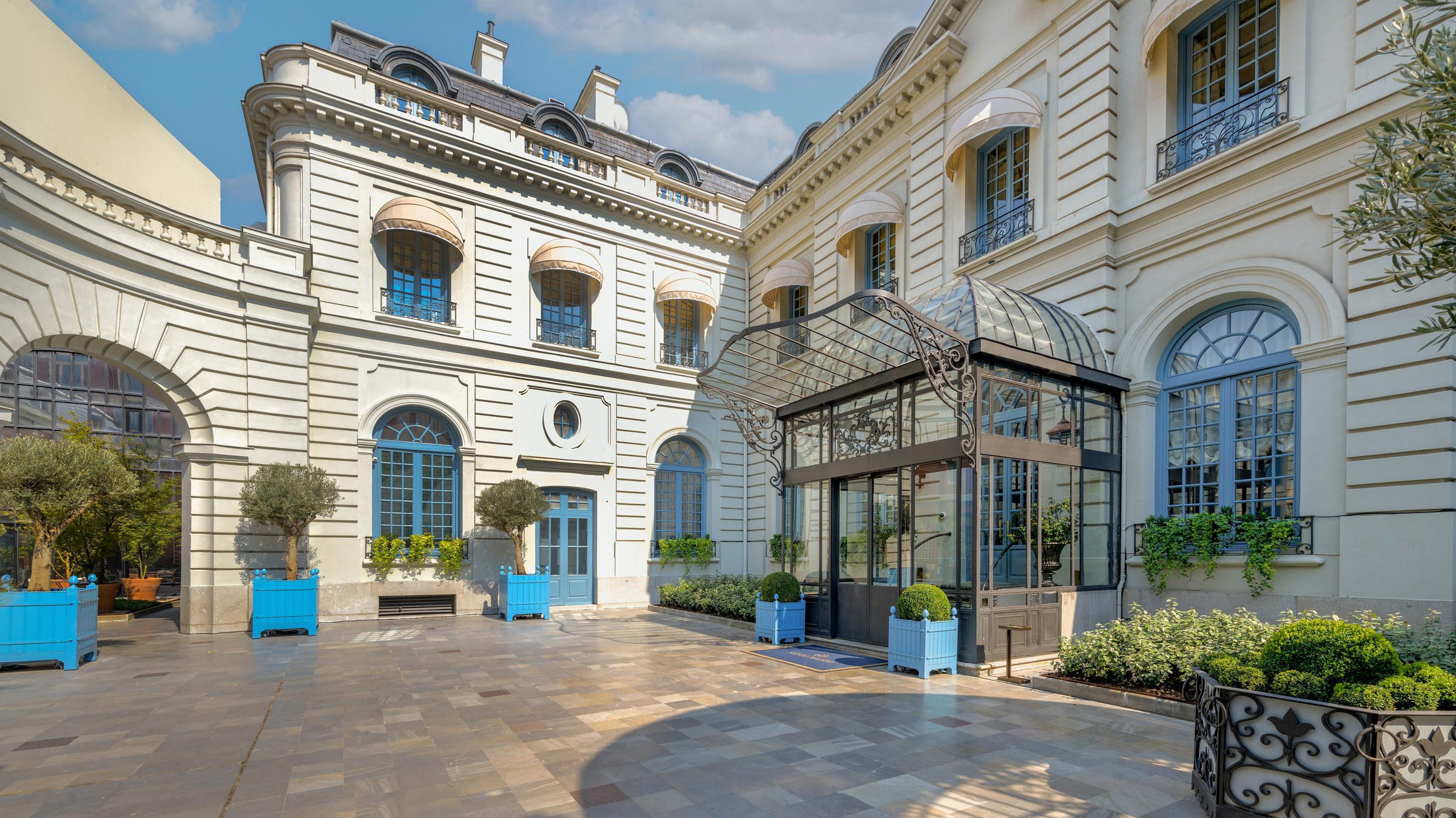
- Historic Building
- Panoramic View
- Wi Fi
- Fitness Center
- Restaurant
- Bar
- Room Service
- Concierge
- Parking
- Street Scene
- Wi Fi
- Fitness Center
- Restaurant
- Bar
- Room Service
- Concierge
- Parking
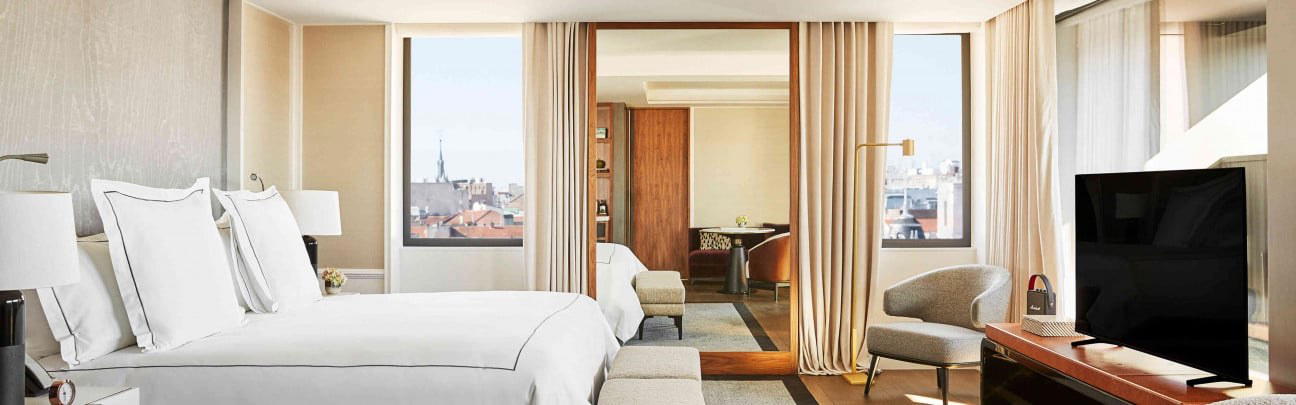
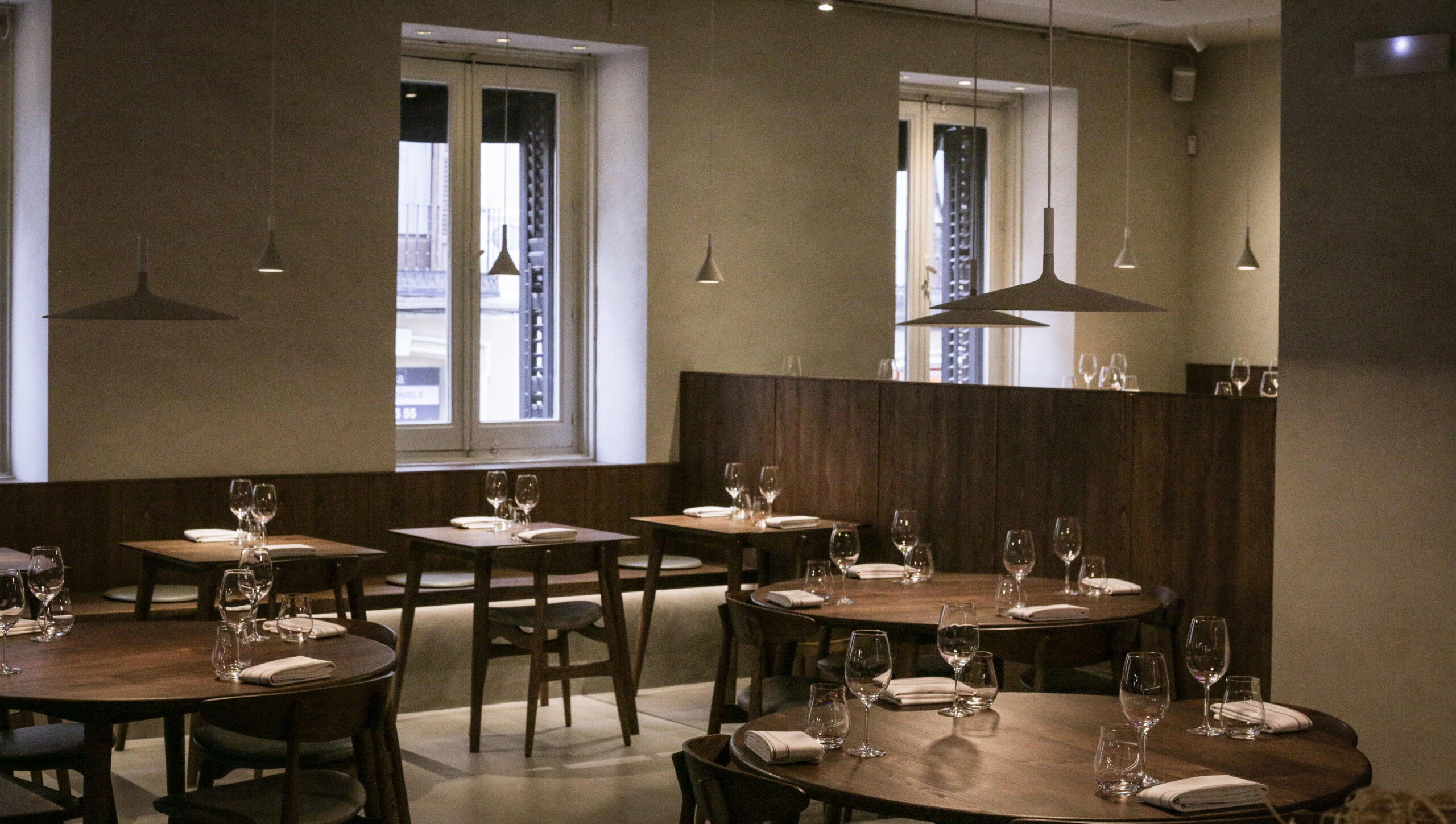
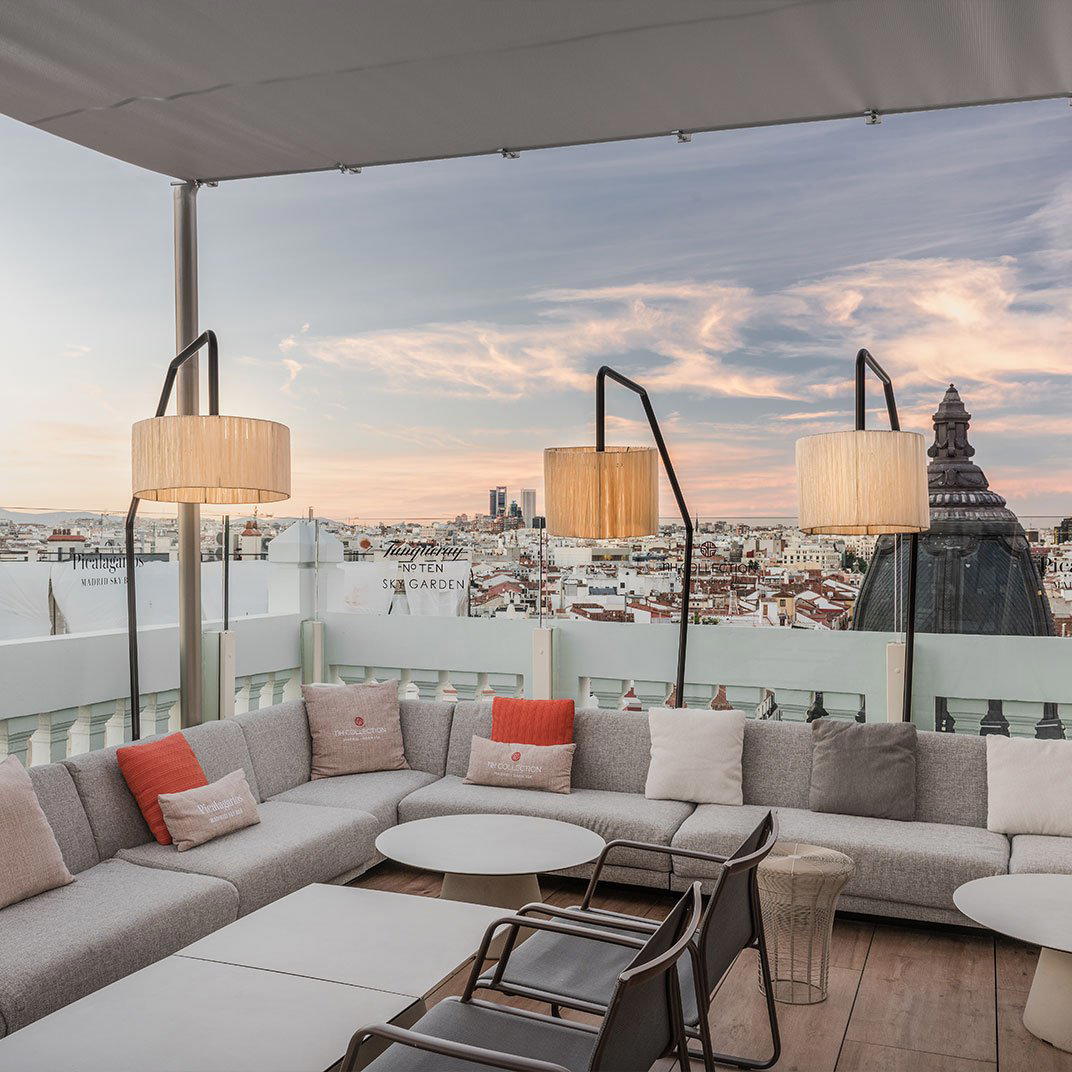
Warm and refined with cutting-edge design elements balanced by traditional Spanish hospitality; modern interiors with artwork by Spanish talents create an atmosphere of understated luxury and tranquility despite proximity to Madrid's bustling energy.