Bvlgari Resort Dubai

On the seahorse-shaped Jumeira Bay Island, connected to central Dubai's coastline by a private 300-metre bridge, Bvlgari Resort Dubai translates the brand's Roman jewellery aesthetic into a 158,000-square-metre Mediterranean village. With 101 rooms, 20 pool villas, Il Ristorante by Niko Romito, and the city's first Bvlgari Yacht Club, it occupies a distinct tier among Dubai's ultra-luxury island properties.
 Discover on Pearl
Pearl is the En Primeur Club membership app — saves, bookings, and concierge access live there. Same editors, same standards.
An Island Apart: Jumeira Bay and the Architecture of Arrival
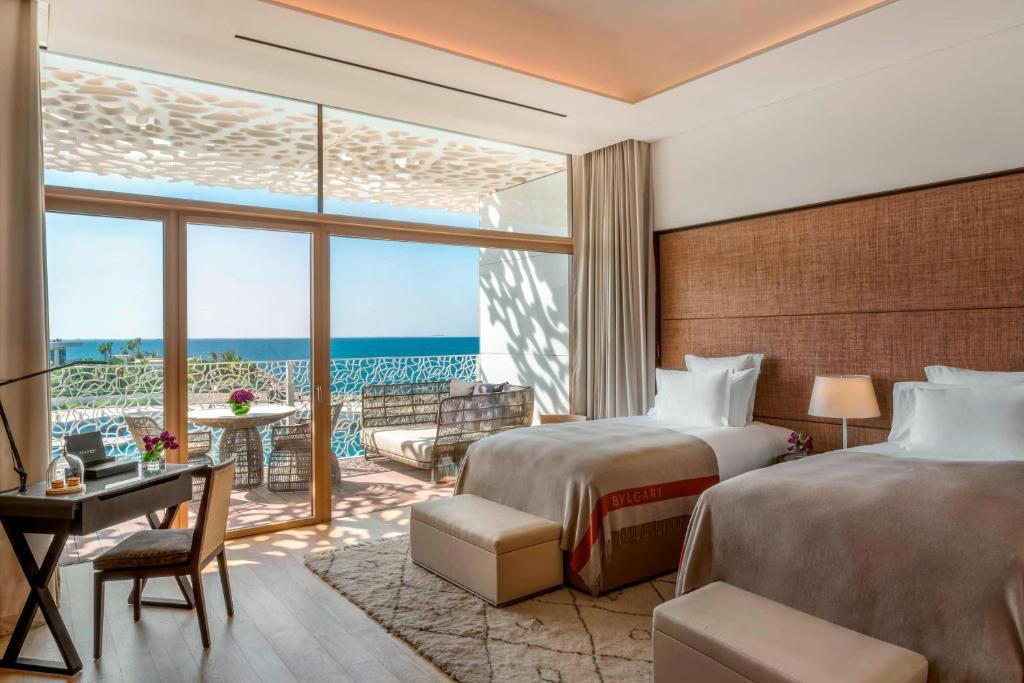
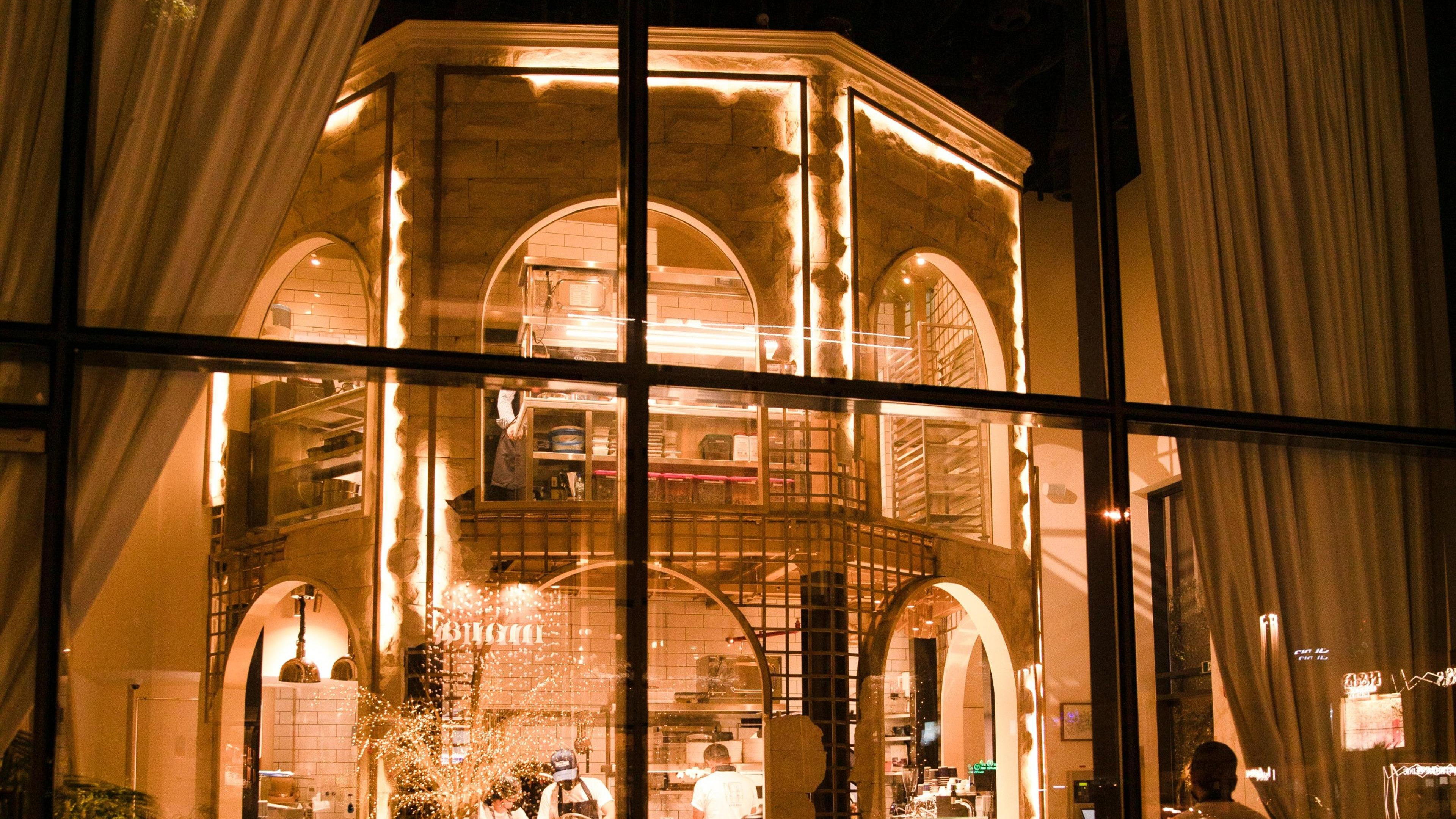
Dubai has built luxury properties on reclaimed land before, but Jumeira Bay Island introduces a different spatial logic. The island is carved into the shape of a seahorse, joined to the central Dubai coastline by a single 300-metre bridge, and that geometry matters: the approach itself filters who arrives. By the time a guest crosses the bridge and reaches the property, the city has receded behind them in a way that few hotels in the Gulf genuinely achieve. This is the structural premise of the resort, and Antonio Citterio Patricia Viel, the Italian architectural firm that has designed every Bvlgari Hotel in the collection, has built the interiors and exteriors around it: a Mediterranean village syntax, warm stone and shaded arcades, that reads as a considered counterpoint to Dubai's prevailing glass-and-steel register.
Among Dubai's island and waterfront ultra-luxury tier, which includes properties like Atlantis The Royal and Jumeirah Marsa Al Arab, the Bvlgari Resort positions itself through restraint in scale and coherence in identity. Where those competitors operate at resort-city scale, the Bvlgari property holds to 121 rooms and suites alongside 20 villas, a count that keeps the ratio of staff to guest notably high and the property's energy notably quieter.
Where Italian Culinary Rigour Meets the Gulf
The editorial angle that applies most clearly to Bvlgari Resort Dubai's dining is the transfer of precise European technique to a city that sources ingredients from across four continents. Il Ristorante, operating under the direction of Niko Romito, represents one of the more deliberate examples of this model in Dubai. Romito's reputation in Italy is grounded in a reduction method: stripping dishes to their structural essentials rather than layering flavour. Translating that philosophy to a property in the Gulf, where produce sourcing spans multiple supply chains and guest expectations skew international, requires a different kind of discipline than running a kitchen in Castel di Sangro.
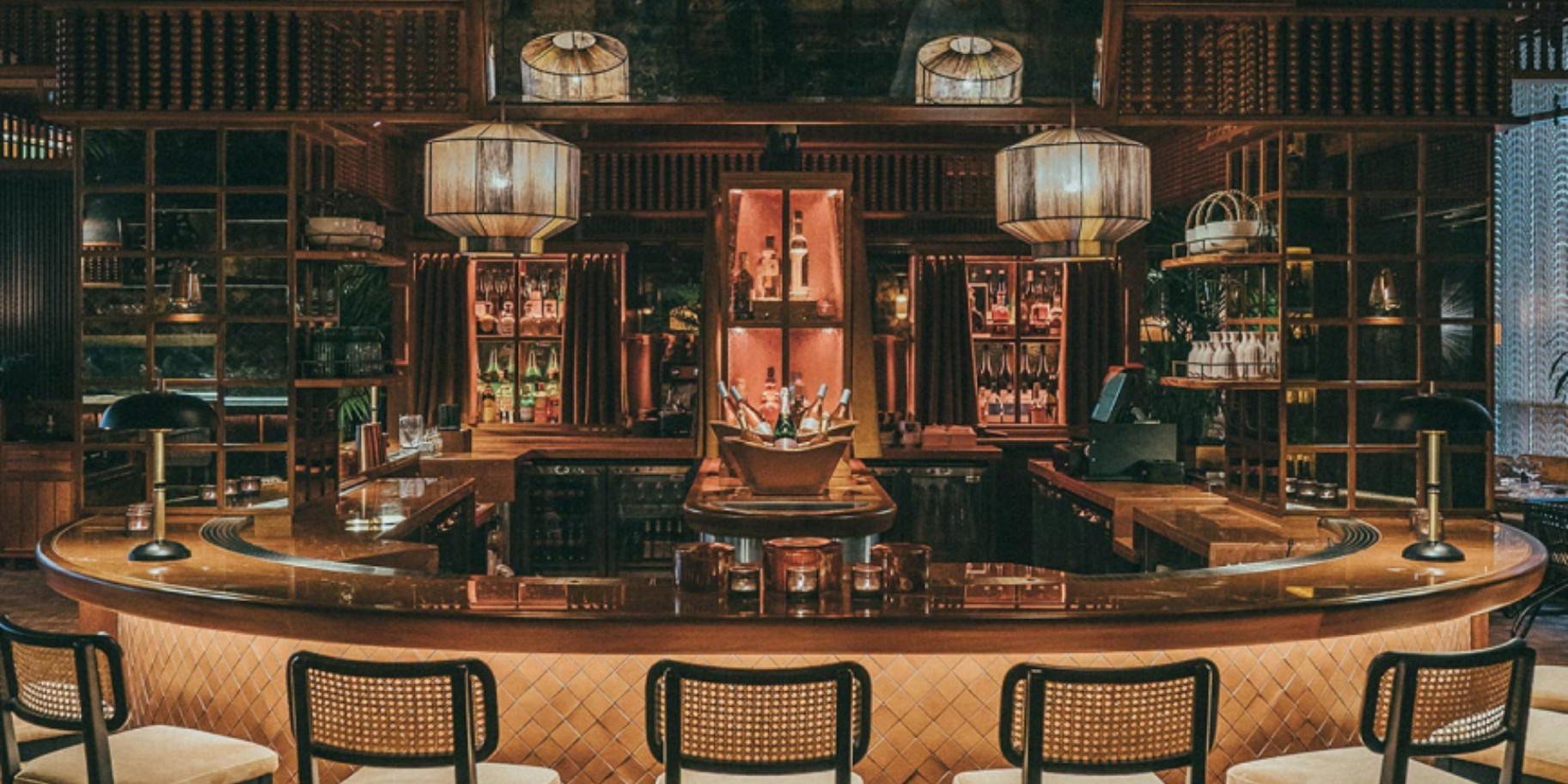
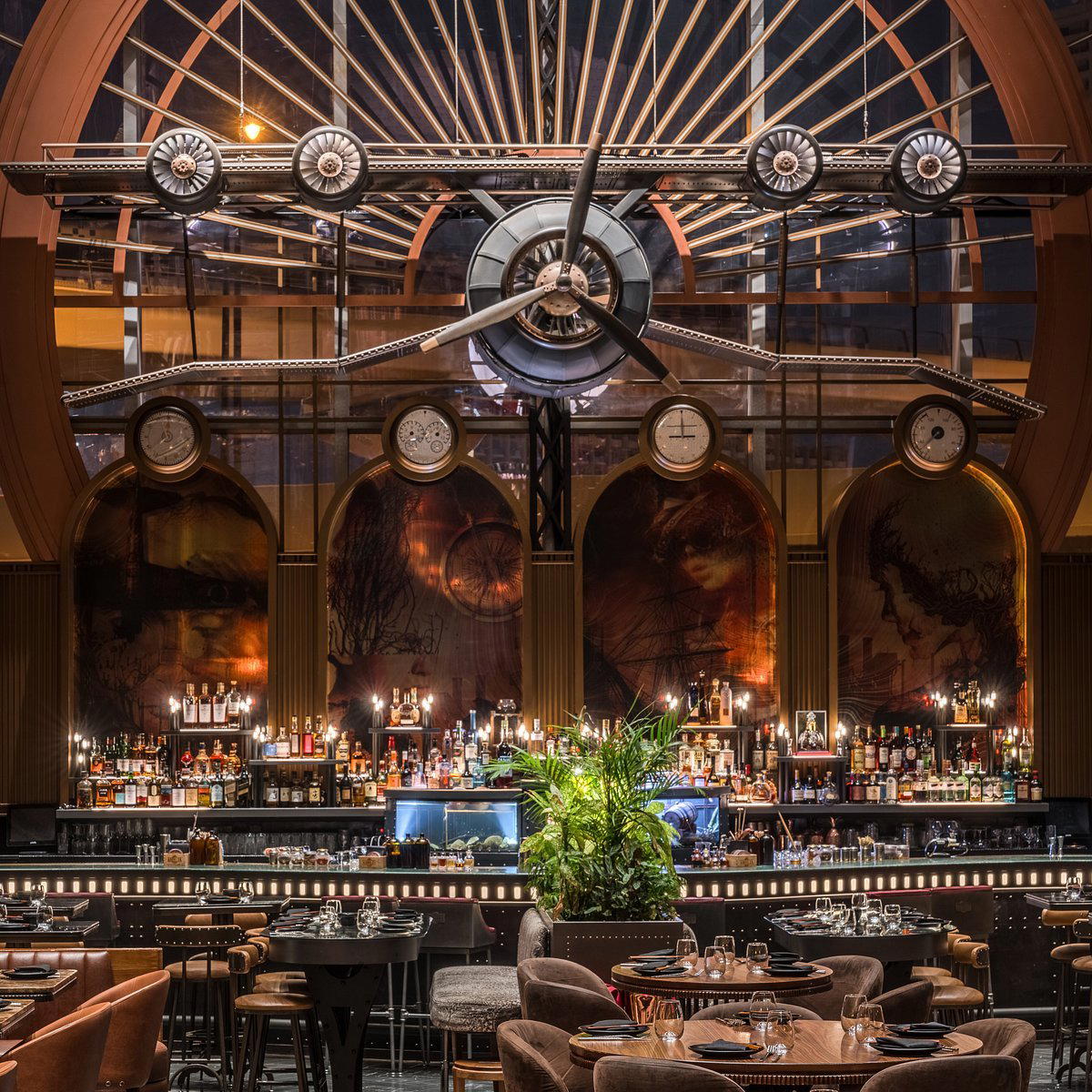
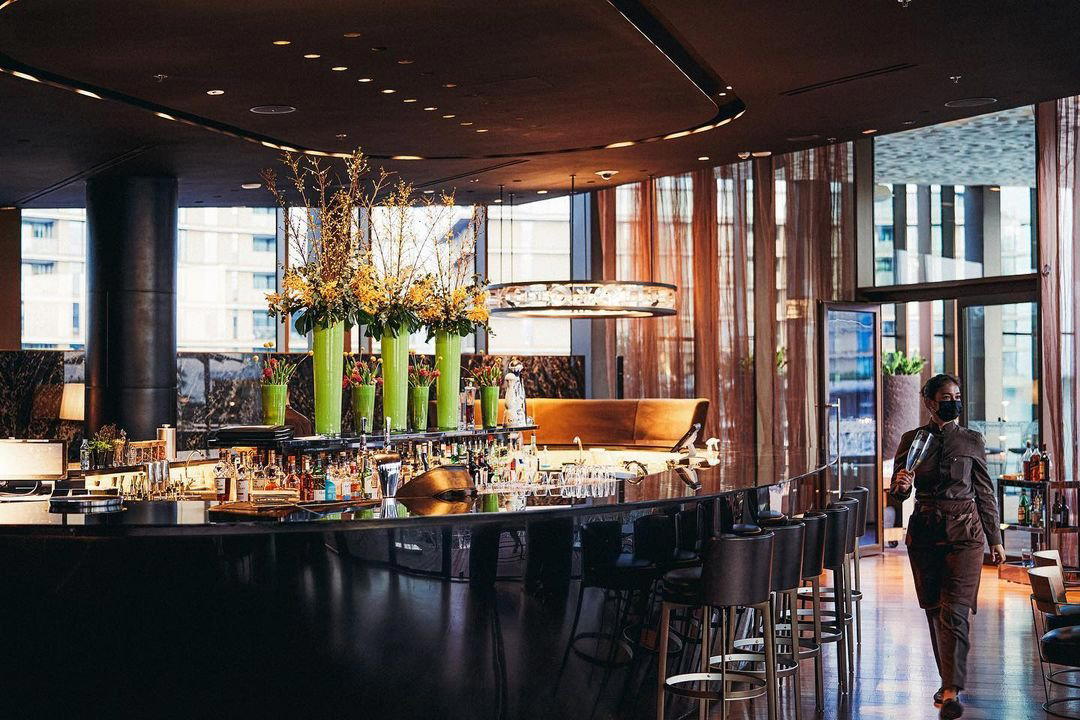
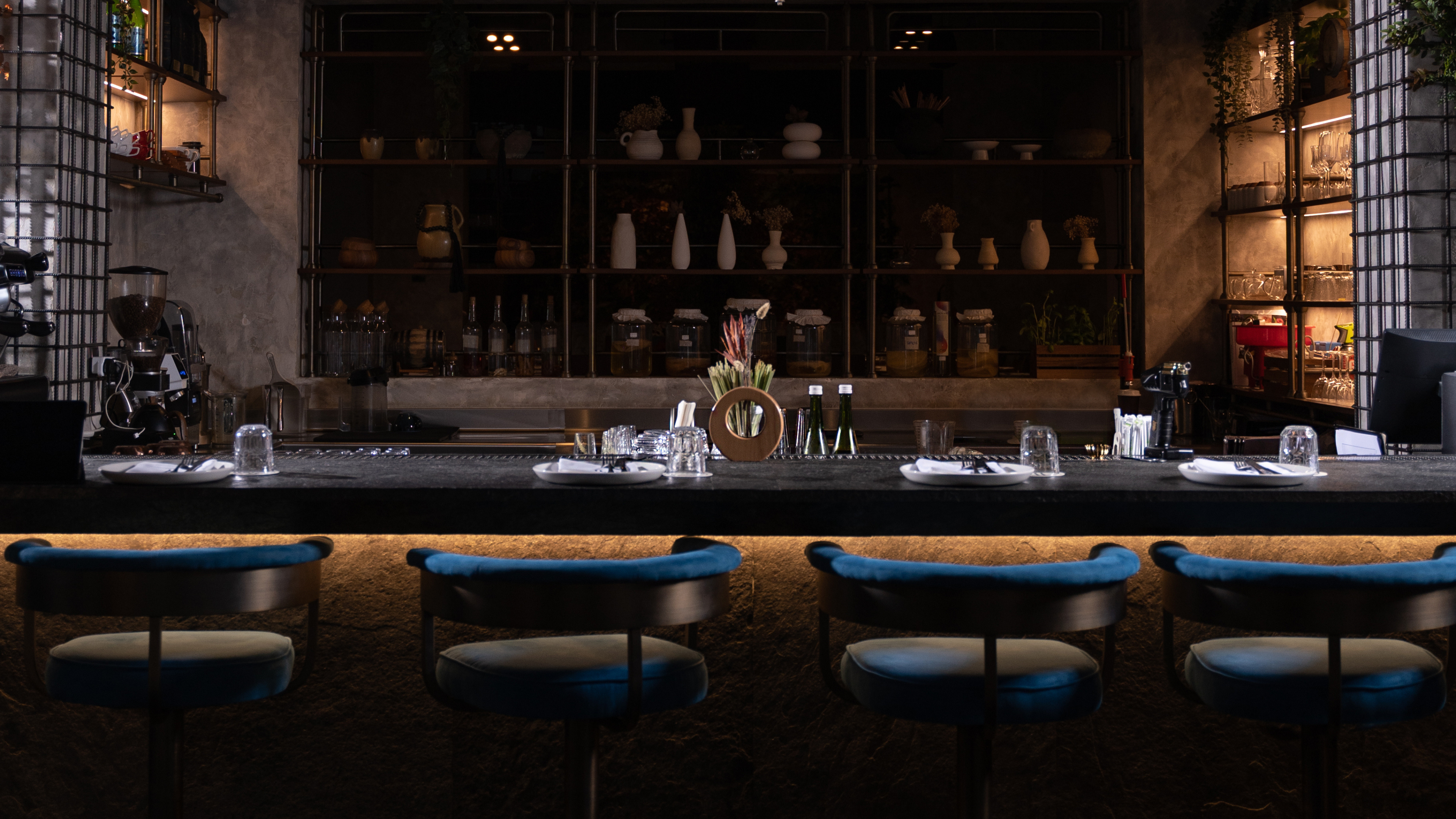
This tension between imported culinary rigour and a genuinely cosmopolitan guest profile is one that Dubai's top-tier hotel restaurants navigate more acutely than almost any comparable city. The dining context here is not a local food culture being interpreted for visitors; it is a global cooking language being performed for a hotel population that may have encountered it in Milan, Tokyo, or New York the previous month. Il Ristorante operates in that competitive frame. The all-day Il Café and Il Bar, with its freestanding oval bar as the centrepiece of the room, service a different register: the informal southern Italian rhythm of espresso and aperitivo that Citterio Patricia Viel has encoded into the property's social spaces.
La Spiaggia, the beach club with its mosaic-tiled outdoor pool, completes a food-and-beverage circuit that moves from formal dining to pool-adjacent leisure without requiring guests to leave the island. For a city where beach clubs operate as standalone destination businesses, having the full continuum within a single property is architecturally and commercially significant.
Villas, Rooms, and the Residential Scale
The 20 Bvlgari villas, each with private pool, garden, and sea views, place the property in direct conversation with the villa-and-residence model that high-end Dubai hospitality has been moving toward across the past decade. The wider island development includes residential apartments and private mansions, which means the resort operates inside a mixed-use community rather than as a freestanding hospitality footprint. That context shapes the atmosphere: this is a place designed to function as a neighbourhood for a particular stratum of resident and visitor, not simply a hotel that guests pass through.
For comparison, The Lana on the mainland and Address Beach Resort both operate within mixed residential and hotel frameworks, but neither combines the island isolation and brand-signature design coherence that Jumeira Bay offers. Properties like Address Downtown or Address Creek Harbour deliver urban proximity; the Bvlgari property trades that for physical separation and a Mediterranean spatial register that few Gulf properties have attempted at this scale.
The Marina and Yacht Club: A Different Kind of Amenity Signal
The private marina and the Bvlgari Yacht Club are not incidental amenities. In a city where waterfront access is heavily developed and marina berths carry significant commercial and social status, the Bvlgari Yacht Club communicates something specific about the intended guest profile. The views from the club across open water complete an experience that the property's land-side components set up: the sense of being genuinely offshore, even while remaining minutes from central Dubai.
The 1,700-square-metre spa, with its hammam, indoor pool, fitness centre, beauty salon, traditional barbershop, and hairdresser, follows the same logic of compression into quality. Rather than expanding the spa's square footage to match the larger footprint properties in the city, the scale is calibrated to the room count.
Planning Your Stay
Jumeira Bay Island is accessed via the bridge from the Jumeirah coastline. Given that the property holds only 121 rooms and 20 villas across a development of this profile, booking lead time is a practical concern rather than a theoretical one, particularly for villa stays.
Category Peers
Comparable venues nearby, for context on price, style, and recognition.
| Venue | Cuisine | Price | Awards | Notes |
|---|---|---|---|---|
| Bvlgari Resort DubaiThis venue — the venue you are viewing | Mediterranean luxury resort on private island | $$$$ | 5-Star | |
| Kempinski The Boulevard Dubai | City lifestyle resort blending luxury and sustainability | $$$$ | 5-Star | Downtown Dubai |
| Mandarin Oriental Downtown, Dubai | contemporary urban luxury tower | $$$$ | 5-Star | Al Wasl |
| Siro One Za'abeel | immersive fitness and recovery sanctuary | $$$$ | 5-Star | Za'abeel |
| Le Méridien Dubai Hotel & Conference Centre | Urban resort with extensive gardens and conference facilities | $$$$ | 5-Star | Al Garhoud |
| InterContinental Dubai Festival City | Sophisticated luxury hotel perched on Dubai Creek with direct mall access. | $$$$ | 5-Star | Festival City |

At a Glance
- Elegant
- Sophisticated
- Opulent
- Honeymoon
- Romantic Getaway
- Family Vacation
- Wellness Retreat
- Beachfront
- Infinity Pool
- Rooftop Pool
- Private Villa
- Butler Service
- Destination Spa
- Panoramic View
- Wifi
- Pool
- Spa
- Fitness Center
- Room Service
- Concierge
- Business Center
- Valet Parking
- Ev Charging
- Kids Club
- Beach Access
- Waterfront
- Skyline
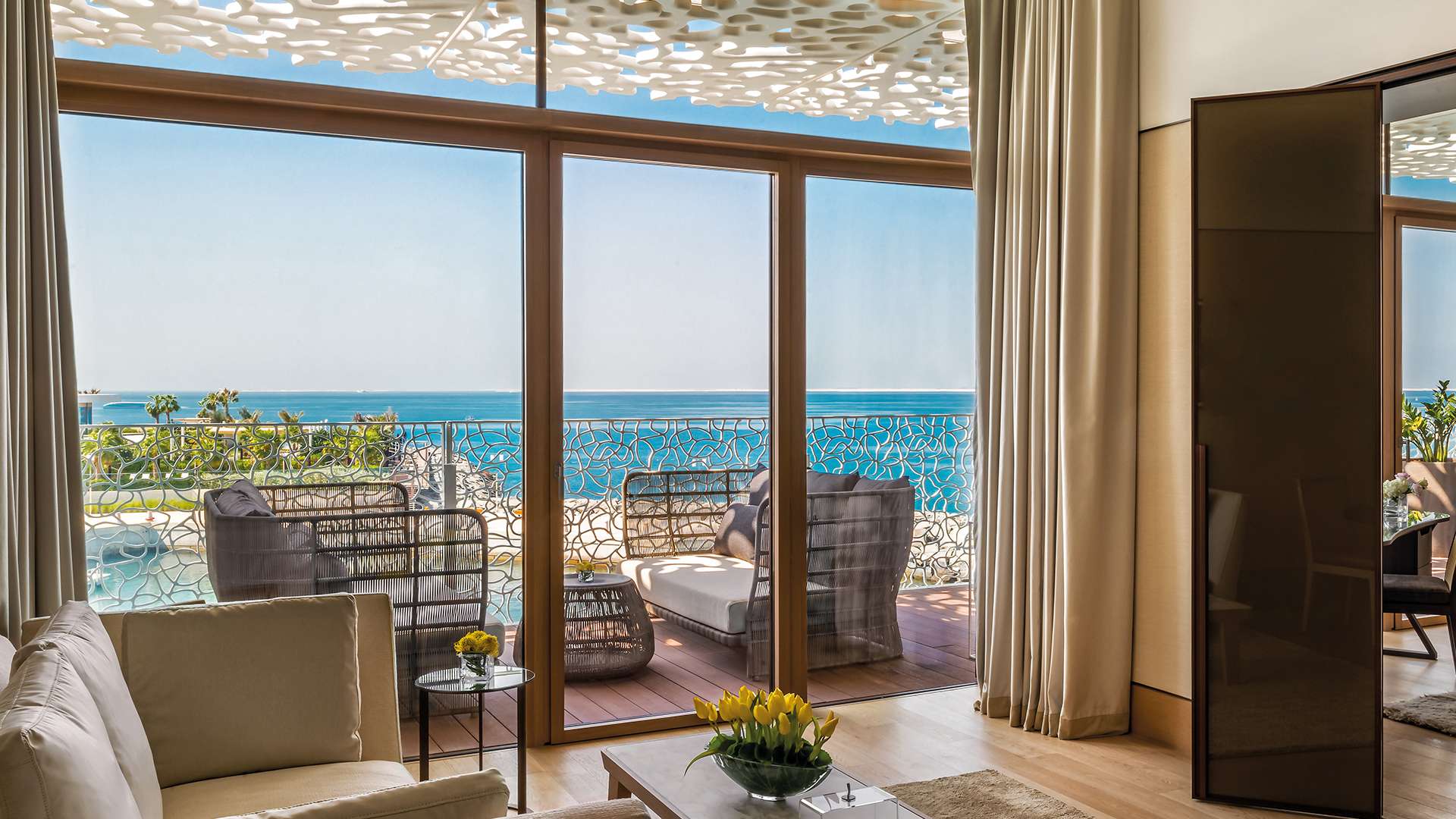
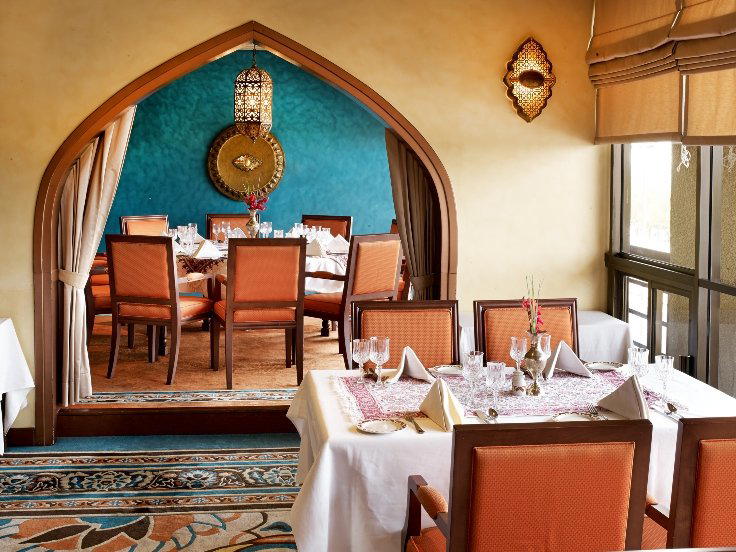
Opulent Mediterranean elegance with marble bathrooms, sea views, soundproofing, and serene spa atmosphere featuring soft lighting and relaxation areas.