A small-scale bed and breakfast on Via S. Carlo in the historic centre of Pienza, Val d'Orcia's most carefully preserved Renaissance hill town. The property sits within walking distance of the cathedral piazza and the surrounding UNESCO-listed countryside. For travellers who want to sleep inside the old town fabric rather than at a resort perimeter, this is the direct option.
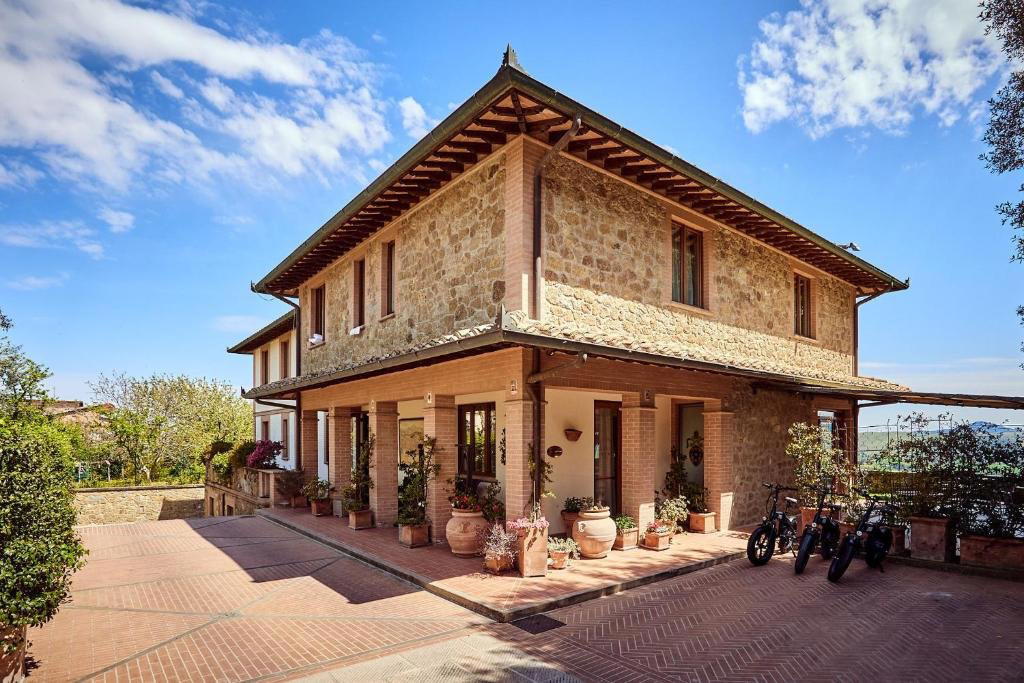
Sleeping Inside the Stone: Pienza's Bed and Breakfast Tradition
Pienza occupies a particular position in Tuscany's accommodation story. Unlike San Gimignano, which absorbed mass tourism into its medieval skin, or Montepulciano, where agriturismo farms pull visitors out to the surrounding hills, Pienza kept its centre intact and its guest infrastructure small. The town was rebuilt by Pope Pius II in the 1460s as a model Renaissance city, and UNESCO recognised the Val d'Orcia valley as a cultural landscape in 2004. That designation formalised what careful travellers already knew: the built environment here is the attraction, and proximity to it matters. Bed and Breakfast Val d'Orcia, addressed at Via S. Carlo 9 in the historic centre, sits inside that built environment rather than adjacent to it.
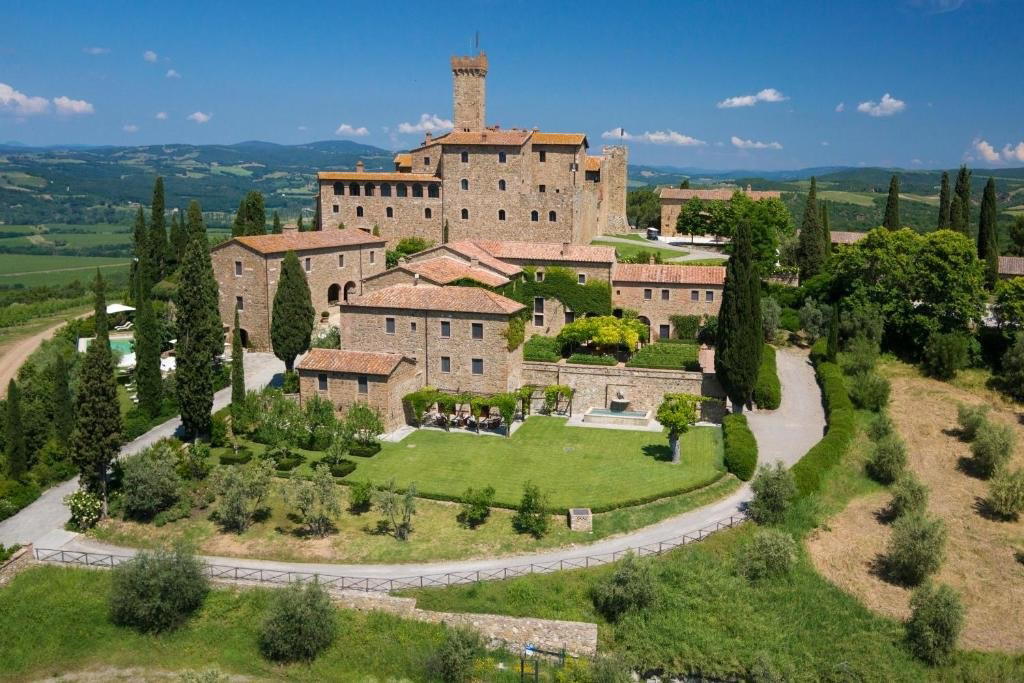
The dominant accommodation model in this part of southern Tuscany splits between two formats. Large converted estates, such as Rosewood Castiglion Del Bosco in Montalcino, offer the resort-within-a-walled-village experience, with pools, restaurants, and programming that keep guests on property. At the other end, small B&Bs; and affittacamere inside historic centres offer a stripped-back alternative: a room, a breakfast, and direct access to the street life, light, and stone architecture that drew visitors in the first place. Bed and Breakfast Val d'Orcia belongs to the second category, occupying a position that is closer in logic to a well-located city pension than to a rural retreat.
Architecture as Context: What Via S. Carlo Tells You
The address itself carries editorial weight. Via S. Carlo runs through the core of the Pienza that Pius II commissioned Bernardo Rossellino to redesign, a project executed between 1459 and 1462 that produced one of the most coherent examples of early Renaissance urban planning still standing in Italy. The grid of streets, the proportioned piazza, the travertine-faced cathedral, and the Palazzo Piccolomini were conceived as a unified whole rather than as individual monuments. Staying on a street within this grid means the architecture is not a backdrop for a short walk; it is the material condition of the stay itself.
This matters practically. Properties inside the historic centre of Pienza face the same constraints as the buildings they occupy: stone construction, limited natural light in some orientations, narrow street access, and the sound envelope of a dense medieval town. These are not flaws to be corrected but conditions that define the experience. Travellers who book into a Pienza centre property and then compare it unfavourably to a countryside pool villa have misread the proposition from the start. The proposition here is the opposite of resort isolation. Compare, for context, the experience at Castello di Reschio in Lisciano Niccone, where the design effort goes into recreating a self-contained world, or Borgo Santandrea on the Amalfi Coast, where the drama is seaward and vertical. Bed and Breakfast Val d'Orcia offers none of that drama, and is not trying to.
The Val d'Orcia as a Frame for Smaller Properties
The surrounding valley context amplifies the case for staying in Pienza's centre. The Val d'Orcia's cypress-lined ridges, the Crete Senesi clay hills to the north, and the thermal baths at Bagno Vignoni are all within reasonable driving distance. Pienza itself functions as a provisioning and orientation point: the weekly market, the pecorino producers along Corso Rossellino, and the concentration of wine shops carrying Brunello di Montalcino and Vino Nobile di Montepulciano make it a useful base rather than a transit stop. A B&B; in the centre places guests close to this infrastructure in a way that a countryside agriturismo, however well-designed, cannot replicate.
Smaller properties in historic Italian centres operate on a different logic than branded hotels. The check-in is rarely theatrical; there is no lobby designed to signal arrival. What they trade on instead is physical integration with a place that larger properties, by necessity, observe from a distance. For readers who have experienced the careful integration of guest rooms into historical fabric at something like Corte della Maestà in Civita di Bagnoregio, the logic is familiar, though the scale and the surrounding town character differ substantially.
Placing This Property in the Pienza Accommodation Tier
Pienza's guest accommodation runs from agriturismo farms on the valley floor to mid-scale boutique hotels inside the walls. The town is too small and too carefully managed to have absorbed large-format hotel development; zoning and heritage constraints limit what can be built or substantially altered in the historic centre. This keeps the accommodation offer genuinely varied at the lower and middle tiers. La Bandita Townhouse represents the boutique end of the in-town offer, with a more programmatic hospitality approach. Casa Newton sits in a similar bracket. Bed and Breakfast Val d'Orcia operates below those in terms of service scope, which for many travellers is an advantage rather than a limitation: lower overhead, direct owner interaction, and pricing that reflects the actual cost of a room rather than the cost of maintaining a full-service hotel infrastructure.
For readers whose Italy travel extends beyond Pienza, the surrounding region offers a wide range of reference points for understanding how accommodation scale correlates with experience type. The Four Seasons Hotel Firenze in Florence and Aman Venice in Venice both represent the palazzo-conversion model taken to its highest financial and operational expression. Casa Maria Luigia in Modena shows what a smaller, chef-driven property does with heritage space. Bed and Breakfast Val d'Orcia sits at the opposite end of that spectrum in terms of scale and amenity, but it occupies genuine historic fabric in a town where that fabric is the entire reason for the visit.
See our full Pienza restaurants guide for what to eat and drink in the immediate area, which is a necessary companion to any stay in the historic centre given the concentration of food producers and wine retailers within a short walk of Via S. Carlo.
Planning Your Stay
Pienza's centre is car-restricted for much of the day, so arriving by car means finding parking at the designated lots near the town walls and walking in with luggage. The town itself is compact enough that Via S. Carlo is accessible on foot within a few minutes from the main entrance gates. High season in the Val d'Orcia runs roughly from late April through October, with August bringing the heaviest visitor concentrations; early May and September offer the most favourable balance of good weather and manageable visitor numbers. Booking well in advance during peak months is advisable for any property in the historic centre, as room counts across all Pienza accommodation are modest relative to seasonal demand.
Comparison Snapshot
| Venue | Price | Awards |
|---|---|---|
| Bed and Breakfast Val d'OrciaThis venue (the venue you are viewing) | Not listed | Not listed |
| Aman Venice | $1,000–1,500 | 3 Michelin Keys · World's 50 Best #79 |
| Cipriani, A Belmond Hotel, Venice | $750–1,000 | 3 Michelin Keys · World's 50 Best #72 |
| Four Seasons Hotel Firenze | $750–1,000 | 3 Michelin Keys · World's 50 Best #12 |
| Rosewood Castiglion Del Bosco | $1,000–1,500 | 3 Michelin Keys · World's 50 Best #62 |
| Bulgari Hotel Roma | Not listed | 3 Michelin Keys · World's 50 Best #32 |
Continue exploring
More in Pienza
Hotels in Pienza
All hotels in Pienza →
Bars in Pienza
All bars in Pienza →
Restaurants in Pienza
All restaurants in Pienza →
Details
- Rustic
- Romantic
- Scenic
- Cozy
- Quiet
- Family Vacation
- Romantic Getaway
- Weekend Escape
- Garden
- Panoramic View
- Historic Building
- Terrace
- Wi Fi
- Air Conditioning
- Pool
- Vineyard
- Garden
- Mountain
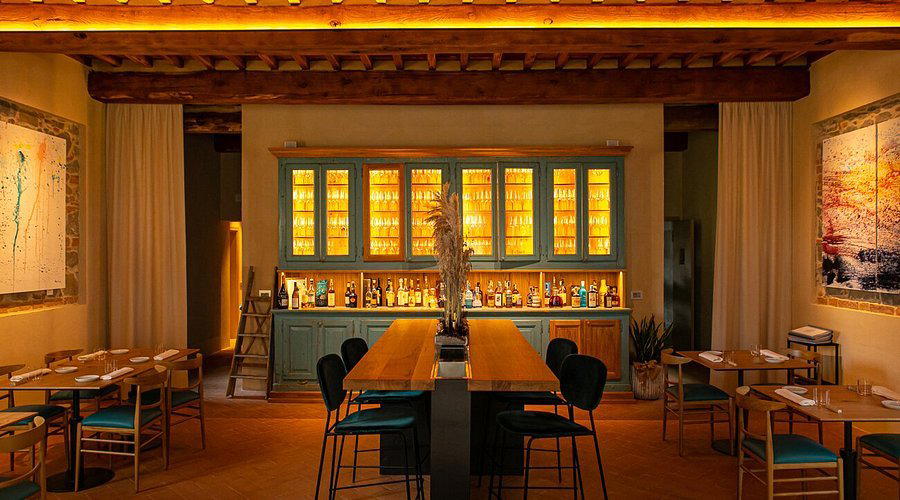
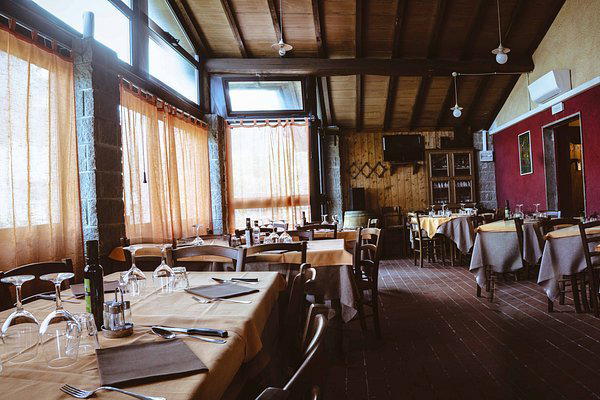
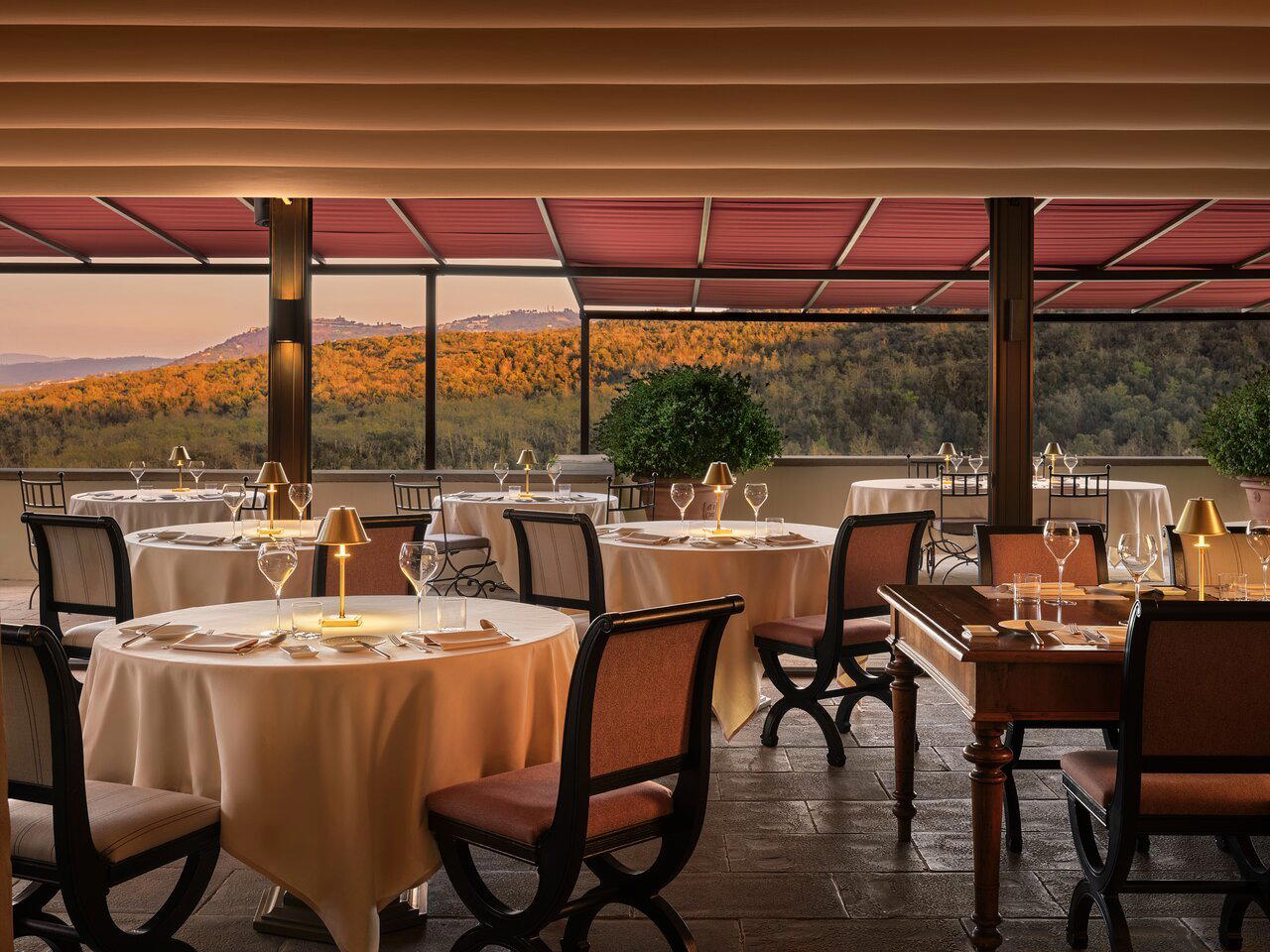
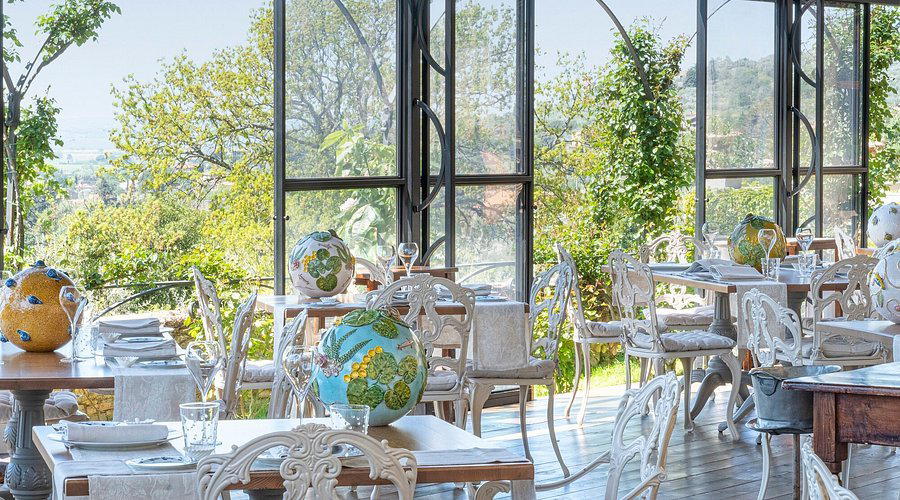
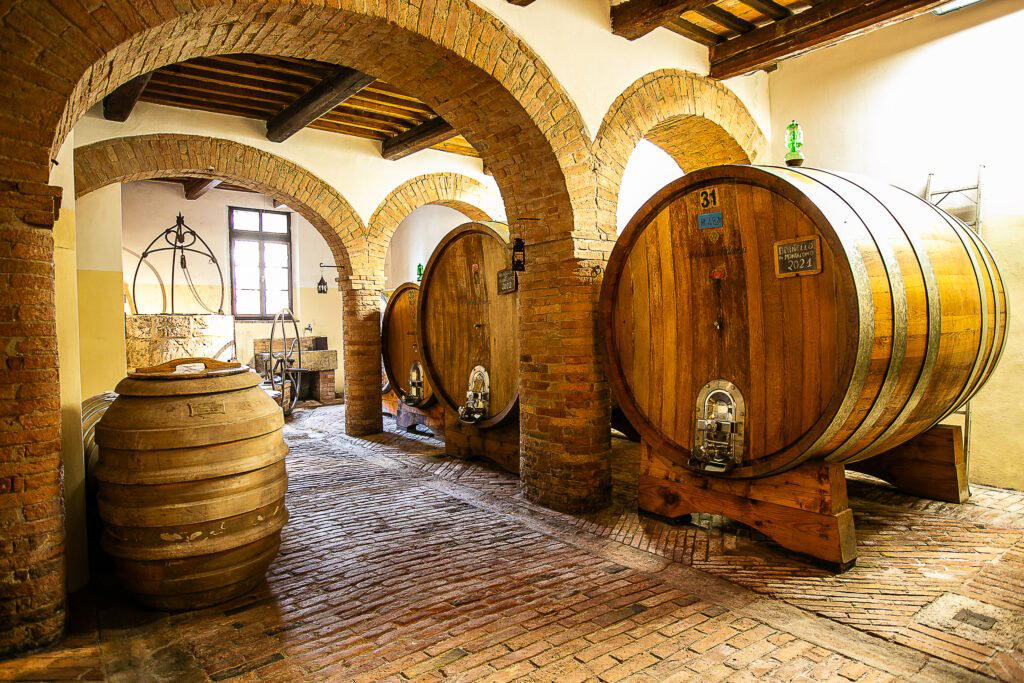
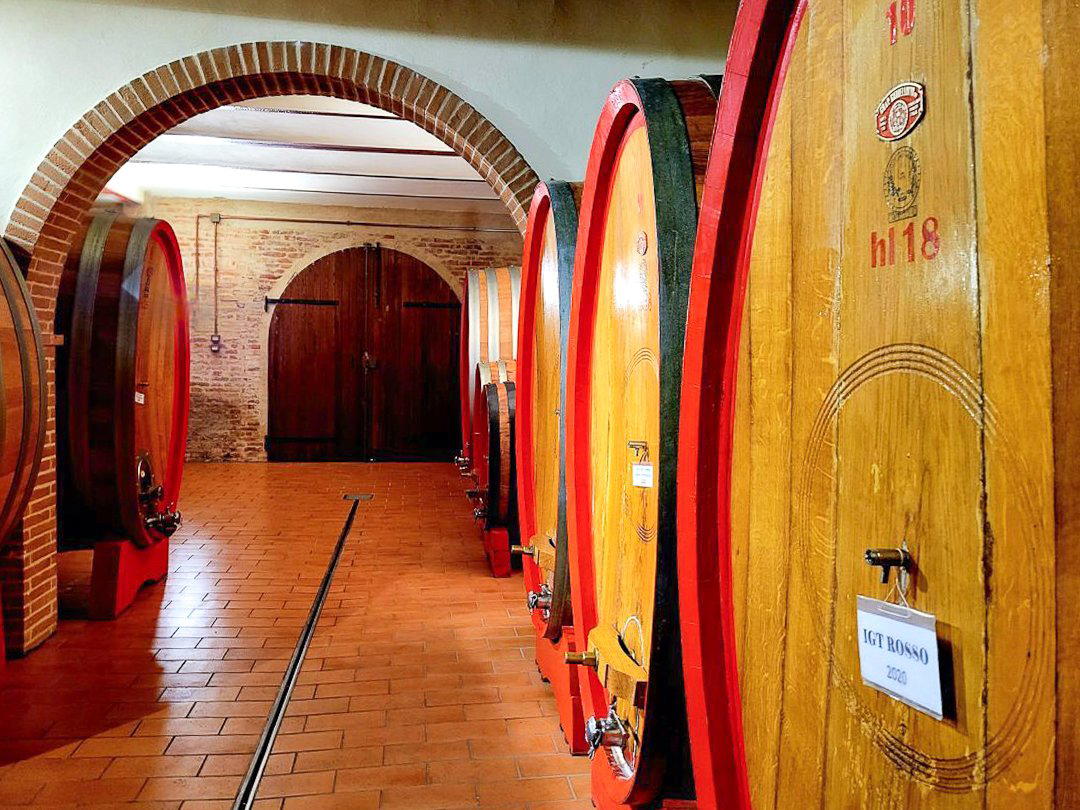
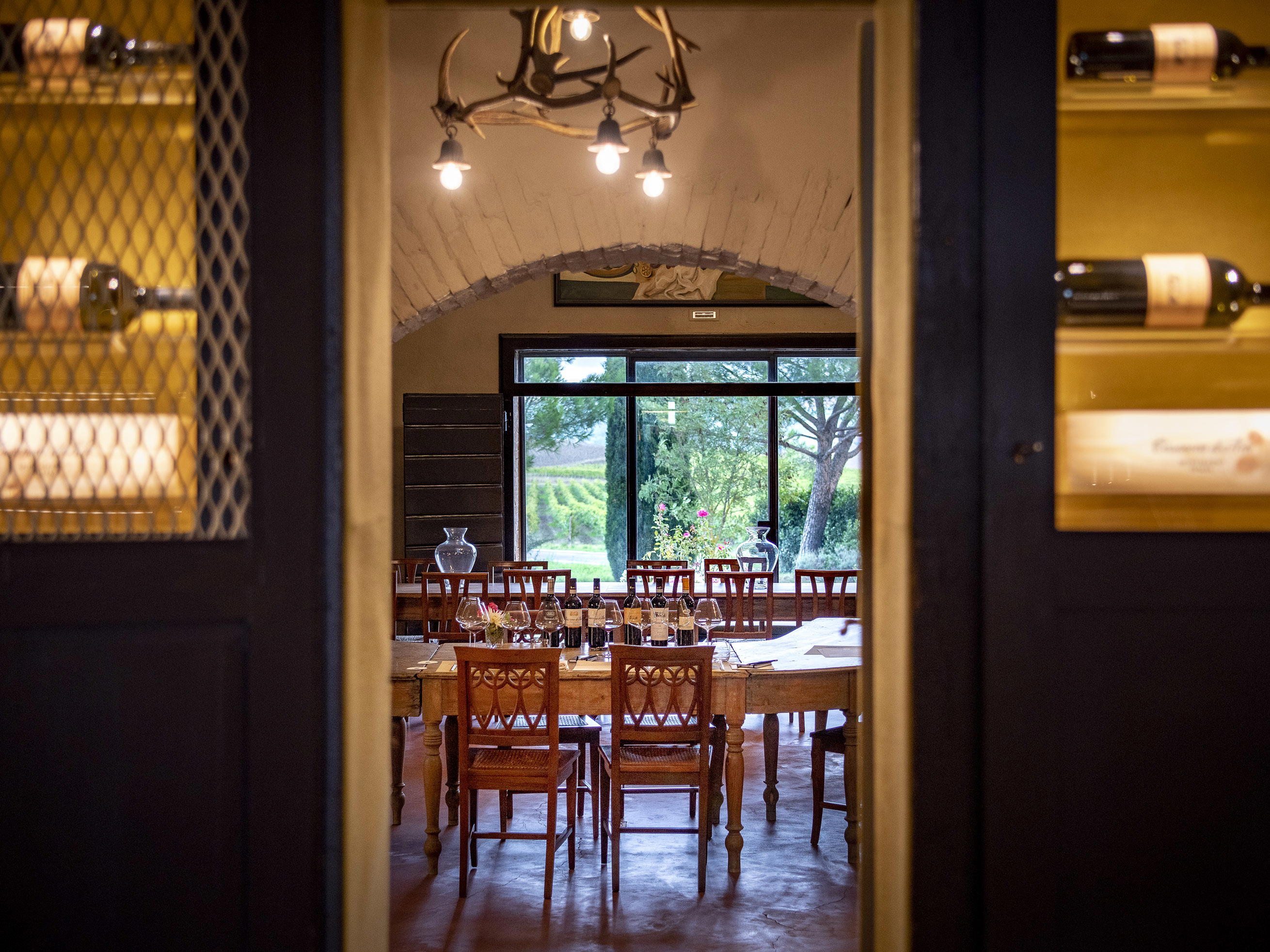
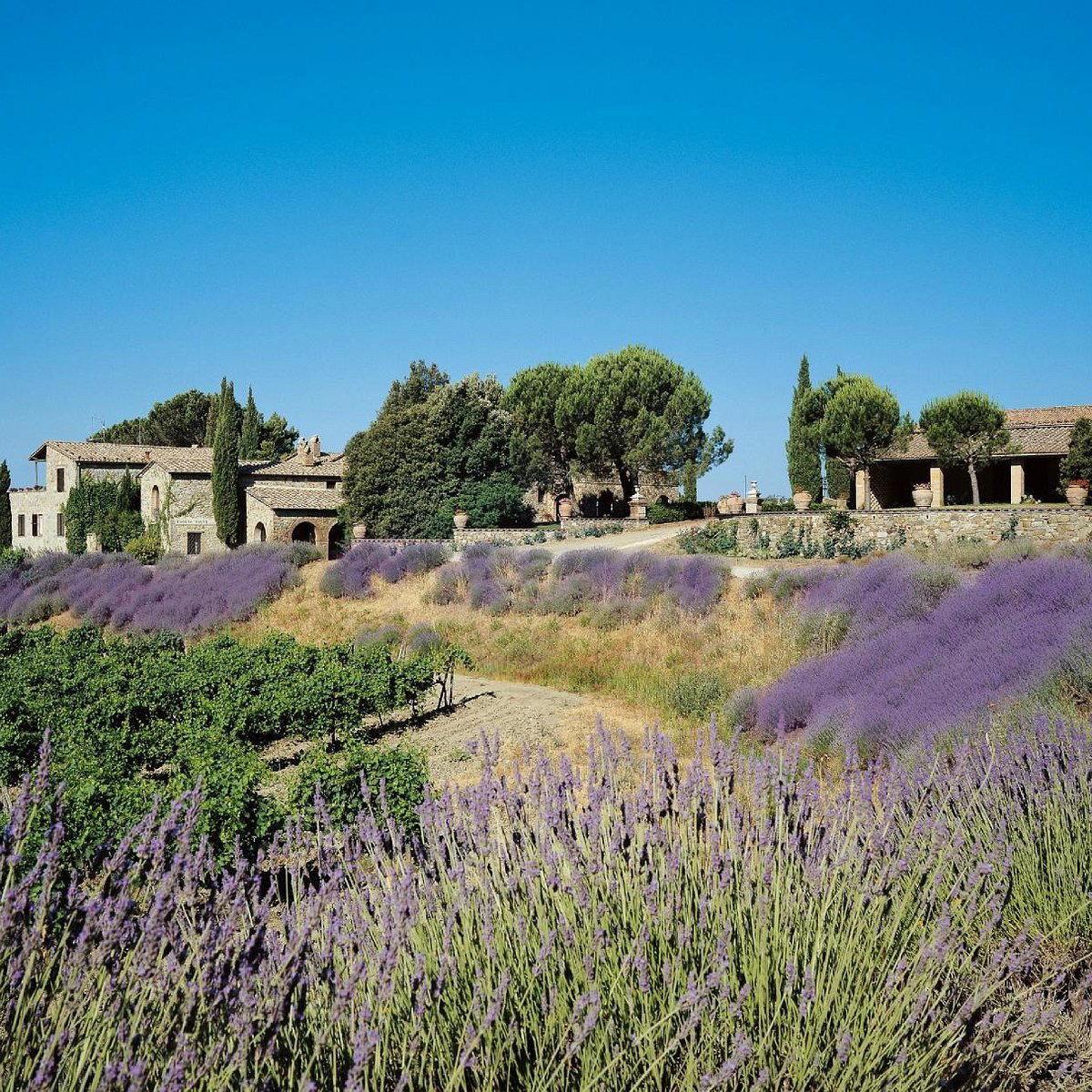
Warm and inviting with traditional Tuscan rustic décor, terracotta floors, exposed wood beams, and natural light from countryside views; peaceful and relaxing atmosphere ideal for families and couples seeking authentic rural retreat.