


Michelin Selected · Mr & Mrs Smith Seal of Approval · Design Hotels Member
A former nuns' convent on Pienza's main corso, La Bandita Townhouse trades on the rhythms of authentic Tuscan village life rather than the choreographed spectacle of larger resort hotels. Set within ancient stone walls in the heart of the Val d'Orcia, it occupies a distinct niche among the region's small-key properties, intimate in scale, grounded in place, and designed around the idea that proximity to a living Italian town is itself the amenity.

Pearl is the En Primeur Club membership app, where members save venues, book tables and use the concierge.
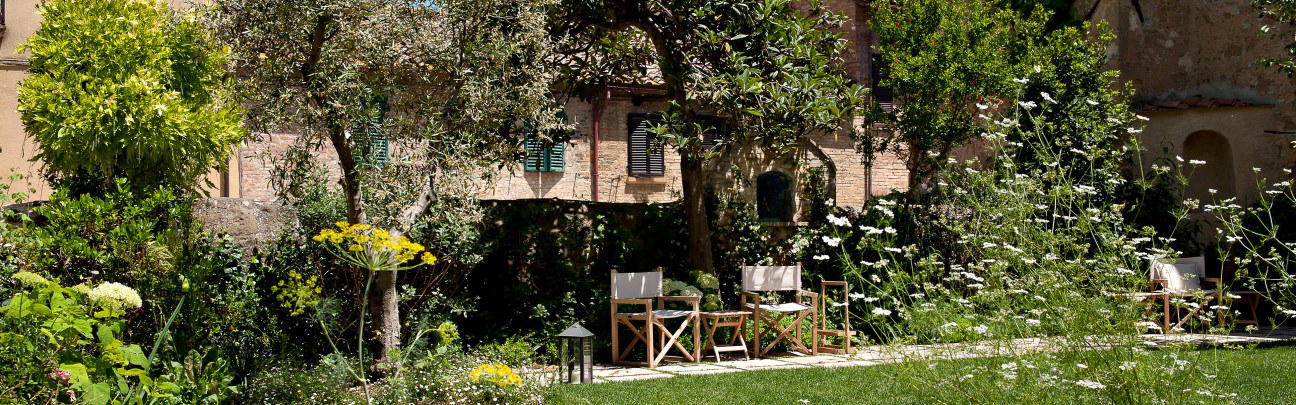
Stone Walls, Living Town
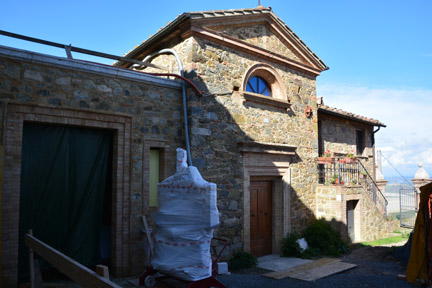
Walk the length of Corso Il Rossellino on any weekday morning and the evidence of a functioning Italian hill town accumulates quickly: the sharp scent of aged Pecorino from the nearest alimentari, elderly men occupying the same bar stools they have for decades, the slow clang of a church bell marking no particular urgency. At number 111, a set of doors opens into what was, for centuries, a convent housing an order of nuns. That history is present in the architecture in ways that no amount of renovation could erase, the proportions of the rooms, the weight of the stone, the way light falls across interior courtyards at an angle that belongs entirely to the fifteenth century. La Bandita Townhouse occupies this building not as a museum piece but as a working small hotel, and its position on the main corso rather than set apart from the village is the operative difference between it and most of the rural agriturismo and countryside retreat options that dominate Tuscany's accommodation market.
A Different Model of Tuscan Hospitality
Southern Tuscany's premium accommodation has historically split into two broad categories: the large estate conversion (vineyard holdings, medieval villages reconstructed as resort clusters) and the countryside villa rental. Properties like Rosewood Castiglion Del Bosco in Montalcino or Castelfalfi in Montaione belong firmly in the estate category, expansive, self-contained, designed to keep guests within their own grounds for days at a time. La Bandita Townhouse operates on a different logic. Its address is a shared civic one. Guests step out of the front door and are immediately on Pienza's principal street, within metres of the Duomo, the market stalls on Saturday mornings, and the trattorias that have been feeding locals and visitors with roughly equal indifference to which category you belong to.
That positioning carries a service implication. The staff here function less as concierge intermediaries managing a curated bubble and more as informed locals pointing guests toward the texture of ordinary Valdorcian life. It is a model you also see in Italy's more design-led urban properties, Portrait Milano in Milan, for instance, operates on a similar premise of deep local embeddedness rather than insulation from the city. In Pienza, at a fraction of the scale, the principle is the same but the material is entirely different: instead of a fashion capital, the context is a Renaissance-planned town of roughly two thousand residents sitting above the Val d'Orcia.
The Building as Context
Former religious buildings carry a particular spatial logic. The convent structure that houses La Bandita Townhouse predates the kind of deliberate architectural showmanship that defines more recently designed boutique hotels. The rooms exist within a framework built for contemplation and communal discipline rather than hospitality, which gives the property a quality that is difficult to replicate with new construction: genuine age, expressed through thick walls that regulate temperature passively, ceilings that were never proportioned for commercial occupancy, and stone detailing that was laid before the concept of a hotel existed in its modern form. Among the small-key properties operating in Pienza, this structural heritage separates it from newer builds. For comparison, Bed and Breakfast Val d'Orcia and Casa Newton offer different entry points into the town's accommodation scene, each with their own character, but the convent footprint at number 111 is a fixed historical asset that those properties do not share.
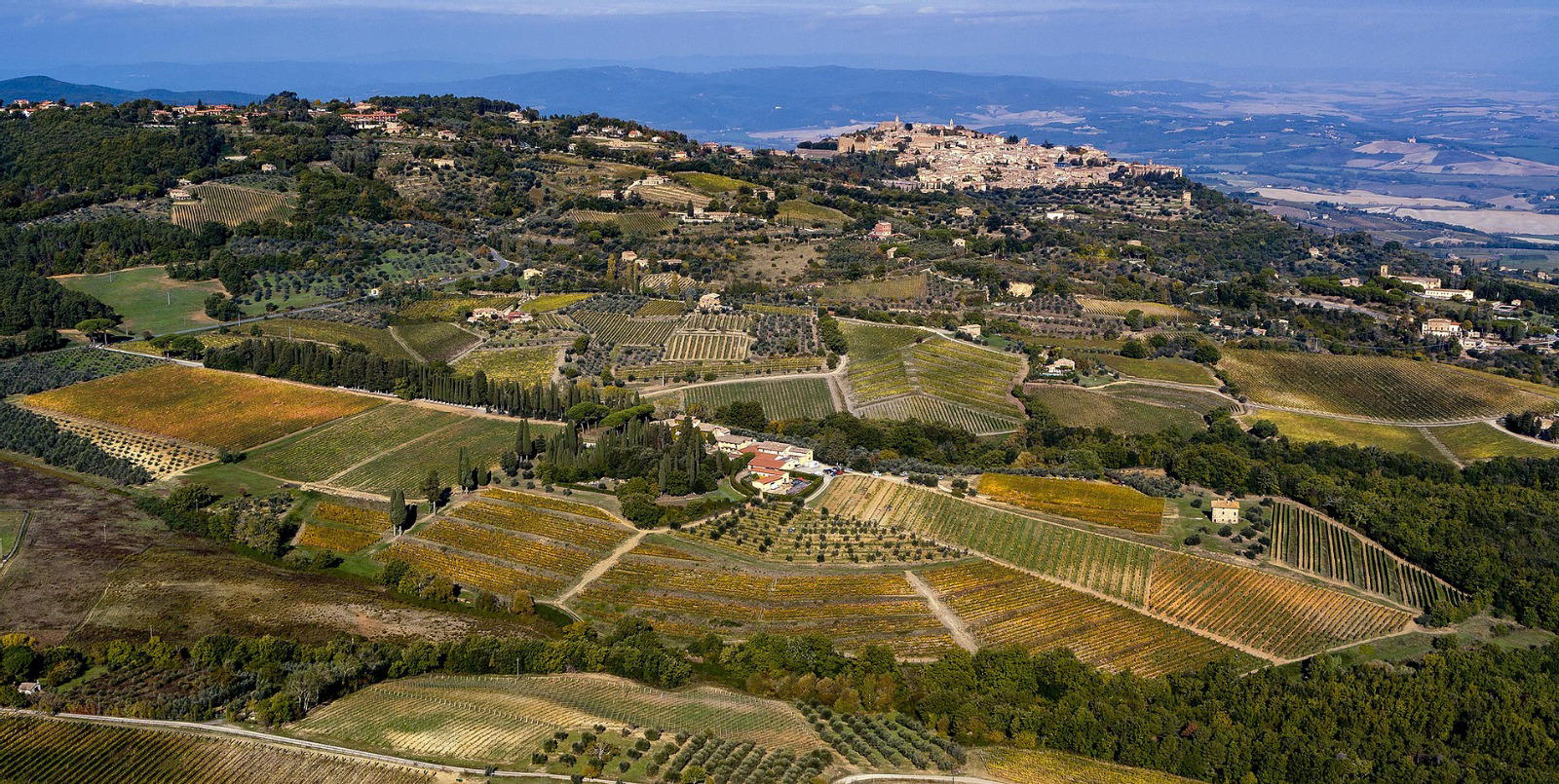
The Val d'Orcia itself is a UNESCO World Heritage landscape, the designation running to the agricultural organisation of the valley floor as much as to its individual built heritage. Staying inside Pienza's historic centre means the view across that valley, south toward Monte Amiata and the cypress-lined roads that have become visual shorthand for Tuscany in ways that neither photograph nor painting quite exhausts, is available from within the town's own walls rather than from a separate rural outpost. That geographic specificity is worth stating plainly: the Townhouse puts guests inside one of the most recognised Renaissance town plans in Europe, not adjacent to it.
Italy's small-key hotel market has expanded significantly in recent years, with former palazzi, convents, and aristocratic residences converted into boutique properties across every region. Quality varies enormously. At the upper end of that spectrum, properties like Passalacqua in Moltrasio, which holds the number one position on the World's 50 Best Hotels list, demonstrate what the category can achieve at its most refined. Aman Venice and Four Seasons Hotel Firenze represent the large-footprint historic palazzo conversion at its most capitalised. La Bandita Townhouse sits below those in terms of scale and resource, but the comparison still matters because it defines the category: historic building, small key count, strong sense of place, service model built around local knowledge rather than international hotel standards.
For guests whose frame of reference is the Amalfi Coast or Rome's design hotel scene, the adjustment to Pienza's pace is itself part of the proposition. Borgo Santandrea on the Amalfi Coast or Bulgari Hotel Roma deliver a very different rhythm of luxury. Val d'Orcia hospitality, at its most honest, is about slower calibration: the late afternoon light on travertine, an unhurried glass of Brunello from a Montalcino producer thirty minutes south, the particular stillness of a hill town after the day-trippers have returned to the valley.
Planning a Stay
Pienza is most comfortably reached by car from Florence (approximately two hours via the Via Cassia) or from Rome (roughly three hours). The town itself is pedestrianised in its historic core, which means parking is managed at the perimeter. The Val d'Orcia rewards extended stays over short ones: the surrounding area includes Montalcino and the Brunello wine zone, the thermal springs at Bagno Vignoni, the medieval centre of Montepulciano, and the dramatically sited town of Civita di Bagnoregio (accessible via Corte della Maestà for those extending the itinerary). Tuscany's high season runs from May through September, with September and early October offering the double advantage of harvest activity across the vineyards and somewhat lighter visitor numbers than the peak summer weeks. For broader context on eating and staying in the area, the EP Club Pienza guide covers the local restaurant scene and nearby properties in full.
Guests considering La Bandita Townhouse against alternatives further afield in Italy should weigh what the Val d'Orcia specifically offers against properties like Borgo Egnazia in Puglia, Il Pellicano in Porto Ercole, or Casa Maria Luigia in Modena, all occupy the small-key, character-led Italian accommodation category but with entirely different regional contexts. The Townhouse's specific argument is the convergence of a UNESCO valley landscape with a living Renaissance town centre and an accommodation format that keeps guests inside both rather than removed from either.
Cuisine Lens
Comparable venues nearby, for context on price, style, and recognition.
| Venue | Cuisine | Price | Awards | Notes |
|---|---|---|---|---|
| La Bandita TownhouseThis venue (the venue you are viewing) | Contemporary luxury boutique hotel integrated into a historic village setting with minimalist modern interiors contrasting with Renaissance architectural elements. | $300–500 | Michelin Selected · Mr & Mrs Smith Seal of Approval | Not listed |
| Casa Newton | Rural residence blending traditional Tuscan features with bespoke mid-century furnishings. | $300–500 | 1 Michelin Key · Mr & Mrs Smith Seal of Approval | Val d'Orcia |
| Bed and Breakfast Val d'Orcia | Family-run heritage farmhouse blending historic charm with contemporary comfort in rural Tuscan setting | Not listed | Not listed | Val d'Orcia |
| Abi d'Oru Beach Hotel&Spa | Historic beach resort with hexagonal pavilions and Mediterranean gardens | Not listed | Michelin Selected | Porto Rotondo |
| Therasia Resort Sea & Spa | Aeolian resort with modern luxury and natural integration | $300–500 | 2 Michelin Keys · Leading Hotels of World Member | Vulcano |
| Quellenhof Luxury Resort Passeier | Luxury alpine resort combining multiple 5-star hotels with innovative wellness and family facilities | Not listed | Michelin Selected | San Martino in Passiria |
Recognition history
Dated appearances from independent guides and award organizations, with the underlying list record or original source where available.
Michelin Selected
Michelin
Design Hotels Member
Design Hotels
Mr & Mrs Smith Seal of Approval
Mr & Mrs Smith
Continue exploring
More in Pienza
Hotels in Pienza
All hotels in Pienza →
Bars in Pienza
All bars in Pienza →
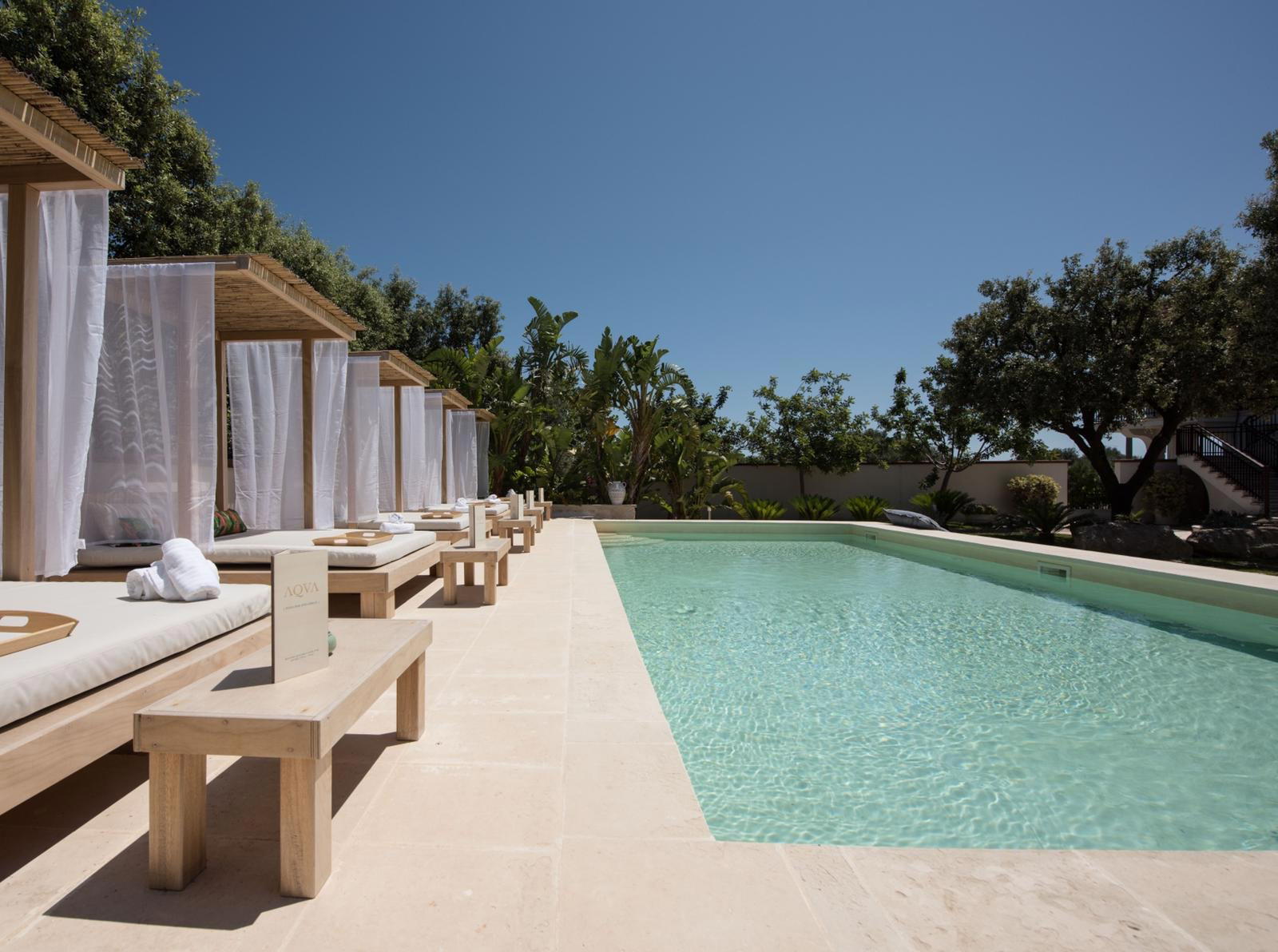
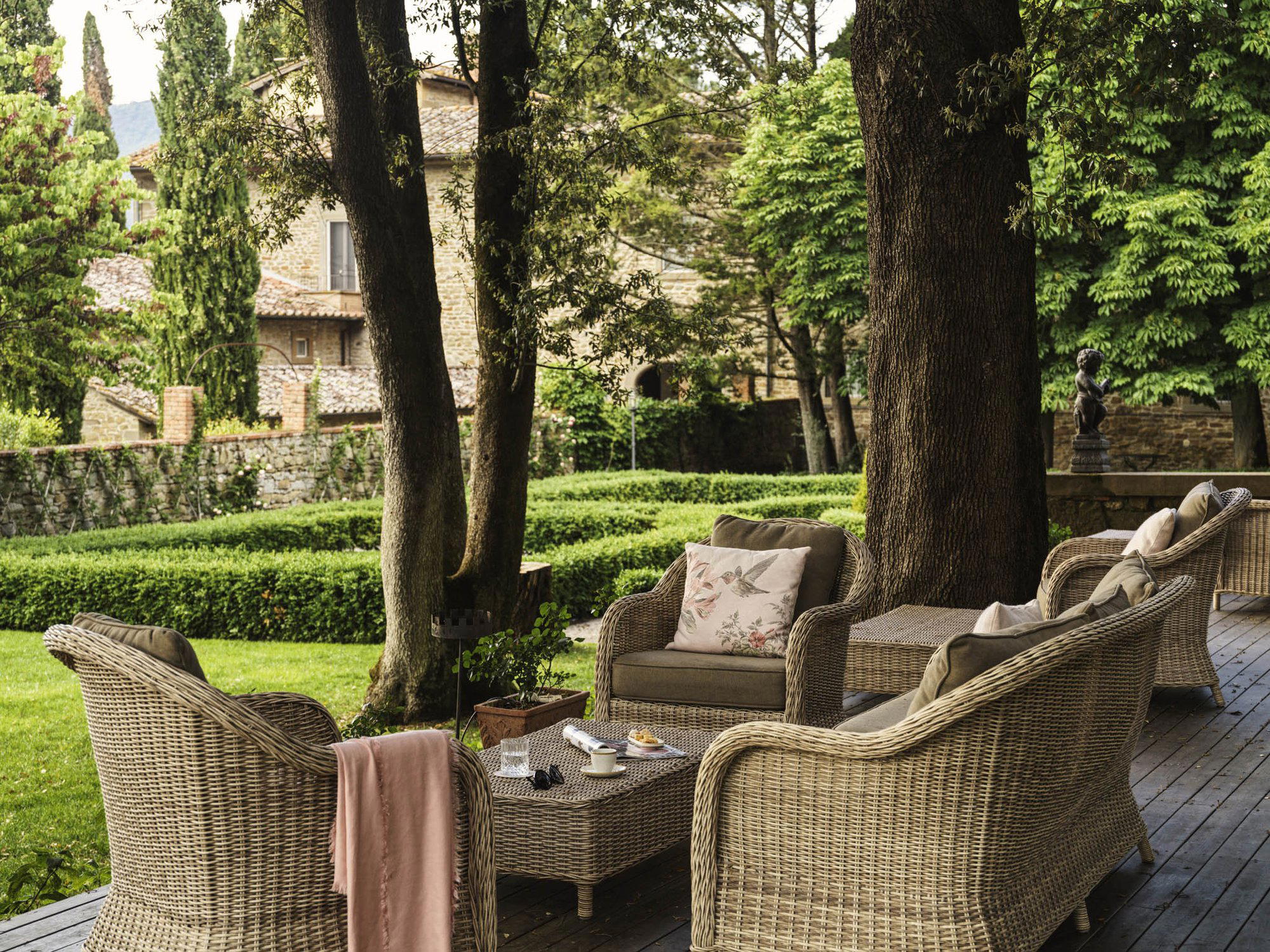
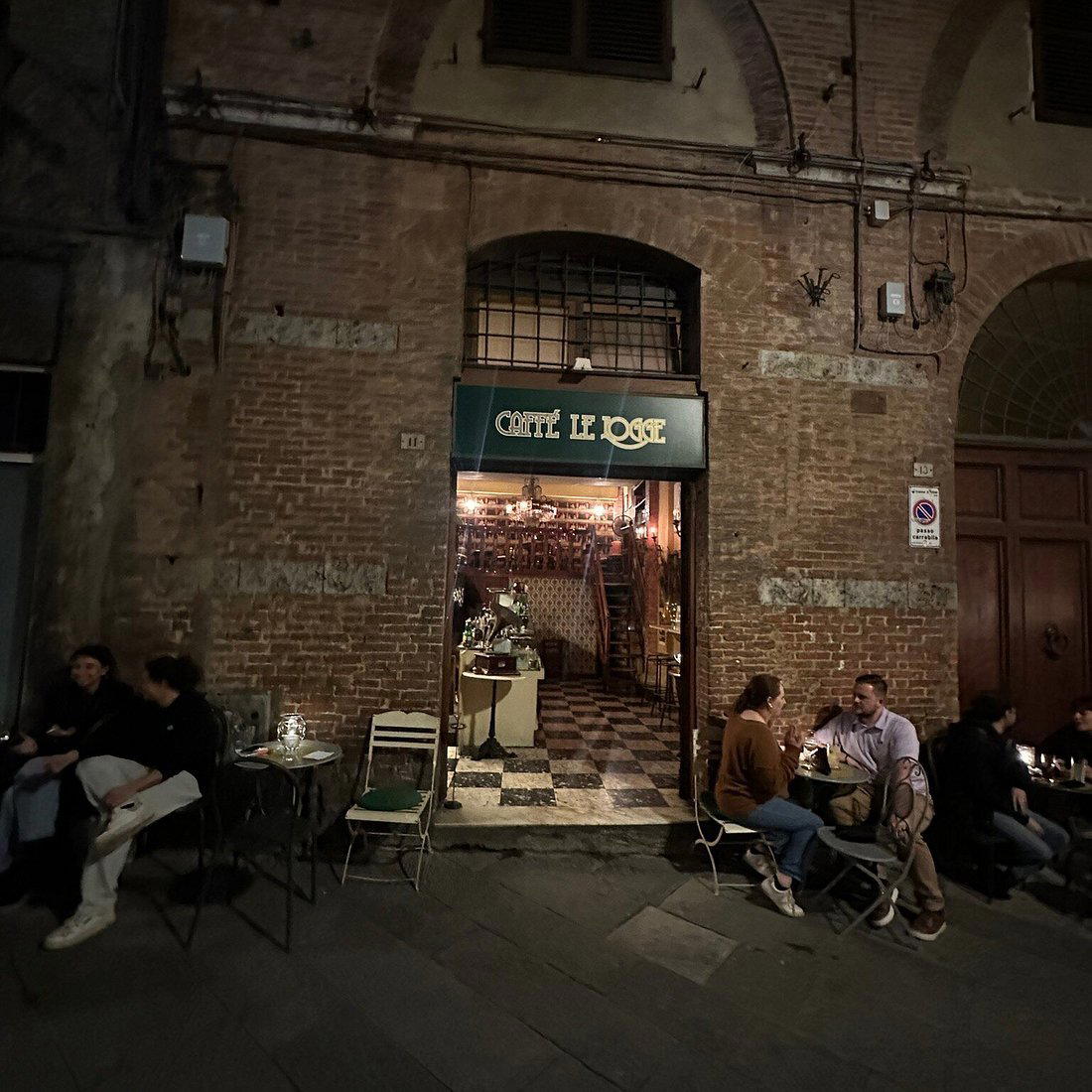
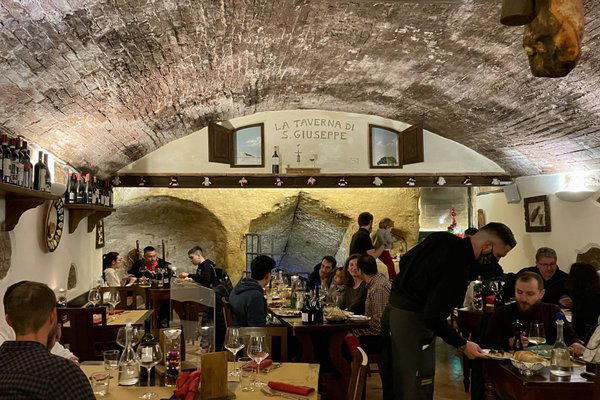
Details
- Romantic
- Elegant
- Quiet
- Classic
- Intimate
- Scenic
- Romantic Getaway
- Anniversary
- Weekend Escape
- Honeymoon
- Historic Building
- Garden
- Terrace
- Design Destination
- Panoramic View
- Destination Spa
- Wi Fi
- Spa
- Restaurant
- Room Service
- Concierge
- Bicycle Rental
- Hot Tub
- Bar
- Garden
- Vineyard
- Street Scene
- Elevator
- Accessible Restroom
Current opening hours
- Monday
- 7:30–9 PM
- Tuesday
- 12:30–2:30 PM, 7:30–9 PM
- Wednesday
- 12:30–2:30 PM, 7:30–9 PM
- Thursday
- 12:30–2:30 PM, 7:30–9 PM
- Friday
- 12:30–2:30 PM, 7:30–9 PM
- Saturday
- 12:30–2:30 PM, 7:30–9 PM
- Sunday
- 12:30–2:30 PM, 7:30–9 PM
Hours can change for holidays and private events. Hours as of .
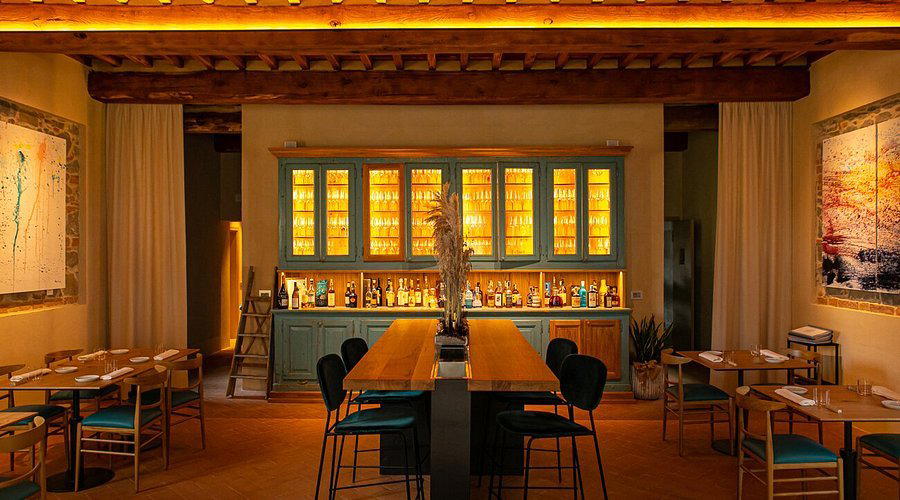
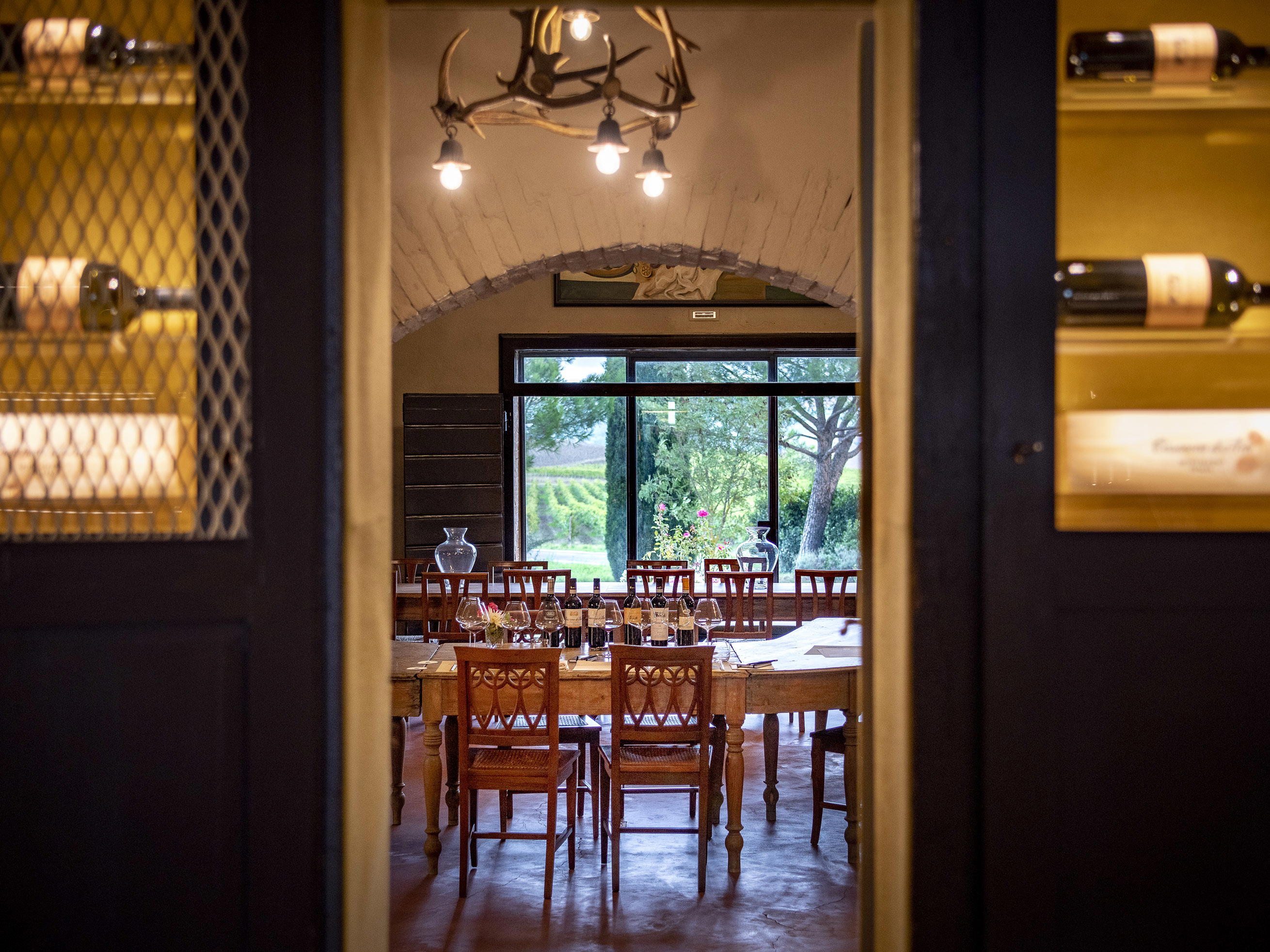
Light and bright with warm Tuscan aesthetics; stone walls, wood-beamed ceilings, and parquet floors create a sophisticated yet intimate atmosphere enhanced by a library with vinyl records and evening aperitivos.