

In Calacoto, La Paz's most polished residential district, Atix Hotel makes the case that design-led luxury and Bolivian cultural identity are not competing priorities. The property positions itself as a showcase for local art, craft, and gastronomy at an altitude few hotels in South America attempt. For travellers who want the city's creative energy channelled into a single address, Atix is the clearest answer.
Pearl is the En Primeur Club membership app — saves, bookings, and concierge access live there. Same editors, same standards.
- Address
- Calacoto, Calle 16 #8052, La Paz N/A, Bolivia
- Website
- marriott.com
- Directions
- Get directions
 Saves & bookings on Pearl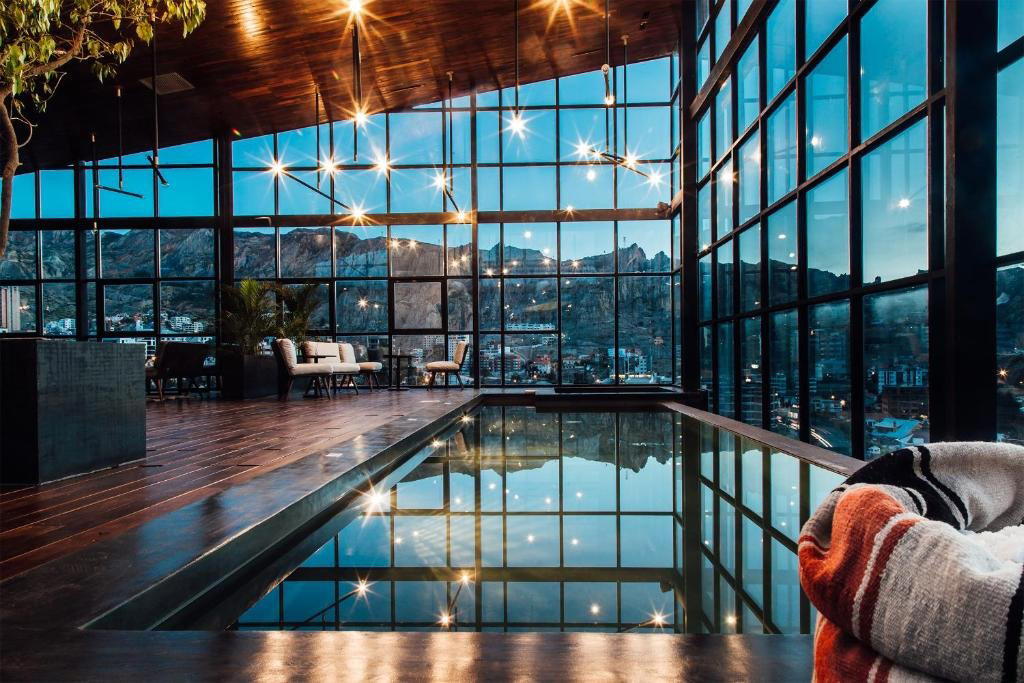
La Paz at Altitude: Where Design Luxury Meets Bolivian Identity
La Paz operates at a register few cities can match. Sitting between 3,600 and 4,100 metres above sea level depending on which neighbourhood you're in, it is the administrative capital of a country whose cultural output, from textiles to contemporary art to indigenous gastronomy, remains systematically underrepresented on the international luxury circuit. The hotels that succeed here do so not by importing a global formula but by committing to place. Atix Hotel, a 4-star hotel in Calacoto, La Paz, offers design-led accommodation at about $152 per night and belongs to the cohort that has chosen the harder and more interesting path.
Calacoto sits in the southern zone of La Paz, a district of embassies, upmarket restaurants, and residential calm that sits at a slightly lower altitude than the city centre, making acclimatisation marginally more manageable for new arrivals. The neighbourhood's character is quieter and more considered than the frenetic pace of central La Paz, and Atix reads as a deliberate extension of that register. The property has been recognised for bearing the torch for design-led luxury in the city, functioning as a showcase for Bolivian culture, art, and gastronomy. That framing is not promotional language, it reflects a deliberate curatorial stance that shapes everything from the physical spaces to the food and drink programme.
The Dining Programme: Bolivian Gastronomy as Editorial Statement
The question of what a hotel's food and drink programme says about its intentions matters more in La Paz than in most cities. Bolivia's culinary identity has been in active recalibration over the past decade, with a generation of chefs working to reframe indigenous ingredients, quinoa, chuño, chufa, various Andean root vegetables, within contemporary technique rather than presenting them as folkloric curiosity. Hotels that engage seriously with this shift, rather than offering a safe international menu with a few local garnishes, signal a different kind of ambition.
Atix's positioning as a gastronomy showcase places it in that more serious camp. The dining spaces are designed to carry the same cultural weight as the rest of the property, functioning as an argument about what Bolivian cuisine can look like when taken on its own terms rather than filtered through external reference points. For travellers whose itinerary extends into the country's interior, a meal here serves as a useful calibration point before encountering the same ingredients in more raw or regional contexts, whether that's a market lunch in the altiplano or dinner near the salt flats at a property like Explora Uyuni in Uyuni.
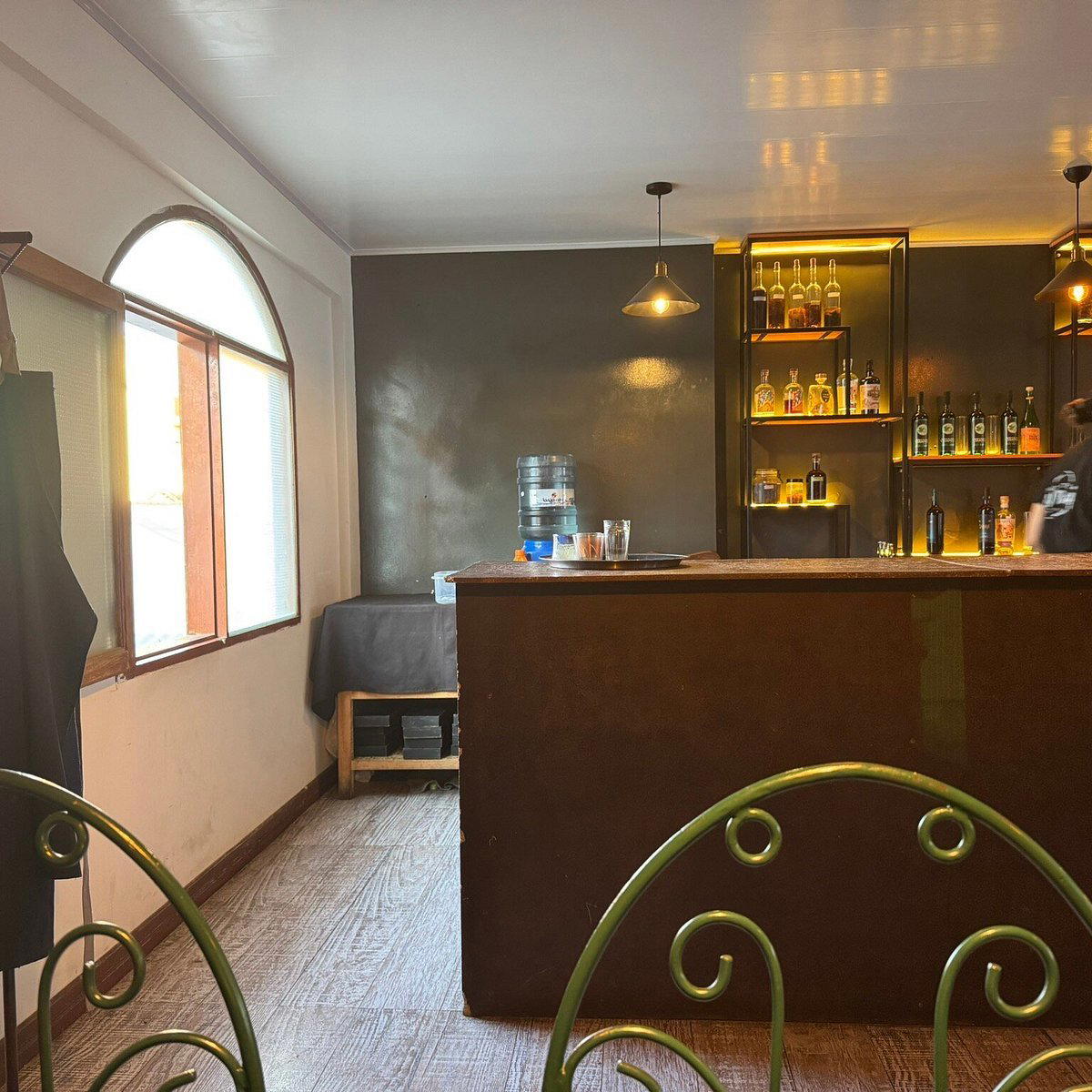
The bar programme at design-led properties in Andean cities has increasingly leaned into local spirits and botanical ingredients, particularly singani, Bolivia's grape-distilled spirit with protected denomination of origin status. A hotel that positions itself as a cultural showcase and does not engage with singani in its drinks list is missing the obvious thread. The broader pattern across the region suggests that particularly credible cocktail programmes here are the ones built around local provenance rather than imported templates.
Art, Culture, and the Case for Place
The decision to frame a hotel around Bolivian art and craft is a specific curatorial choice that carries risk. Done poorly, it produces the aesthetic equivalent of a souvenir shop scaled to boutique proportions. Done well, it creates a property that functions as an introduction to a cultural moment, giving guests a way into the city's creative scene that a gallery or museum visit alone cannot replicate. Atix's recognition in this space suggests the execution lands closer to the latter.
La Paz has a contemporary art scene that operates largely below the radar of international collectors and critics, which means the work on display at properties like Atix carries a different charge than art hung in hotels in cities where the market is already well-mapped. Guests who pay attention will find references to artists and makers whose work rarely travels outside the country. That is a meaningful distinction in a category where art-in-hotels has become formulaic at the international level. Compare this approach to what design-led properties in other markets have developed: the highly curated environments of Castello di Reschio in Lisciano Niccone or the rigorous material choices at Amangiri in Canyon Point. In each case, the property's identity is inseparable from its physical and cultural context. Atix operates by the same logic in a city where that logic is still relatively rare.
Positioning Within La Paz's Accommodation Market
La Paz's upper accommodation tier is smaller than its profile as a capital city might suggest. The market has historically been oriented toward business travellers and backpacker infrastructure, with genuine design-led luxury occupying a narrow band. Atix sits alongside a small comparable set that includes Baja Club, Met Hotel La Paz, and Paradero, each approaching the city's luxury gap from a different angle. What separates Atix within that set is the explicit cultural programme: it is not content to be a well-designed room with a good restaurant, but is making an active argument about Bolivian identity through its spaces, its food, and its art selections.
For travellers comparing options in the city, that distinction is worth weighing carefully. A property that curates this deliberately tends to attract a guest who wants the hotel to do some of the interpretive work, to act as a frame for the city rather than a retreat from it. If that is the kind of experience you are calibrating for in La Paz, the Atix proposition is one developed version of it currently available.
Planning Your Stay
Atix is located at Calle 16 #8052 in Calacoto, one of La Paz's more navigable southern districts. The neighbourhood is well-connected to the city's Mi Teleférico cable car network.
Booking logistics for Atix are typically handled directly or through a premium travel agent.
For those benchmarking against the broader international design-hotel circuit, Atix operates at a different scale and price point than properties like Aman New York, Cheval Blanc Paris, or Hotel Bel-Air in Los Angeles, but the curatorial seriousness it brings to Bolivian culture and gastronomy is a credential that those properties, with their global brand architectures, cannot replicate in this specific context. That is the trade-off La Paz asks of its leading hotels, and Atix has chosen to meet it.
Price and Positioning
Comparable venues nearby, for context on price, style, and recognition.
| Venue | Price | Awards | Notes |
|---|---|---|---|
| Atix HotelThis venue — the venue you are viewing | $$$$ | 4-Star | Not listed |
| Met Hotel La Paz | $$$$ | 5-Star | Alto Obrajes, Contemporary luxury boutique hotel with Nordic-inspired spa design and Andean cultural elements |
| Hotel de Sal Luna Salada | $$$ | Not listed | Colchani, Rustic Andean lodge with contemporary comfort, blending traditional Bolivian design elements with modern amenities in a remote salt flat setting. |
| Explora Uyuni | $$$$ | Not listed | Tunupa volcano slopes, Sustainable minimalist lodge designed for minimal environmental impact with low-profile architecture. |
Recognition history
Dated appearances from independent guides and award organizations, with the underlying list record or original source where available.
Design Hotels Member
Design Hotels
Michelin Selected
Michelin

At a Glance
- Modern
- Elegant
- Sophisticated
- Trendy
- Romantic Getaway
- Business Trip
- Weekend Escape
- Rooftop Pool
- Panoramic View
- Design Destination
- Wi Fi
- Pool
- Spa
- Fitness Center
- Room Service
- Concierge
- Business Center
- Valet Parking
- Mountain
- Skyline
- Wi Fi
- Pool
- Spa
- Fitness Center
- Room Service
- Concierge
- Business Center
- Valet Parking
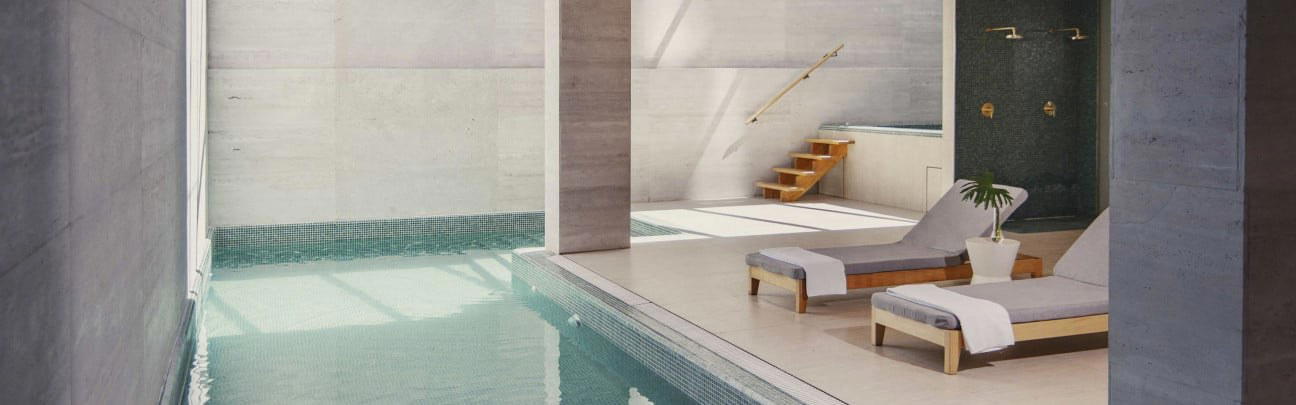
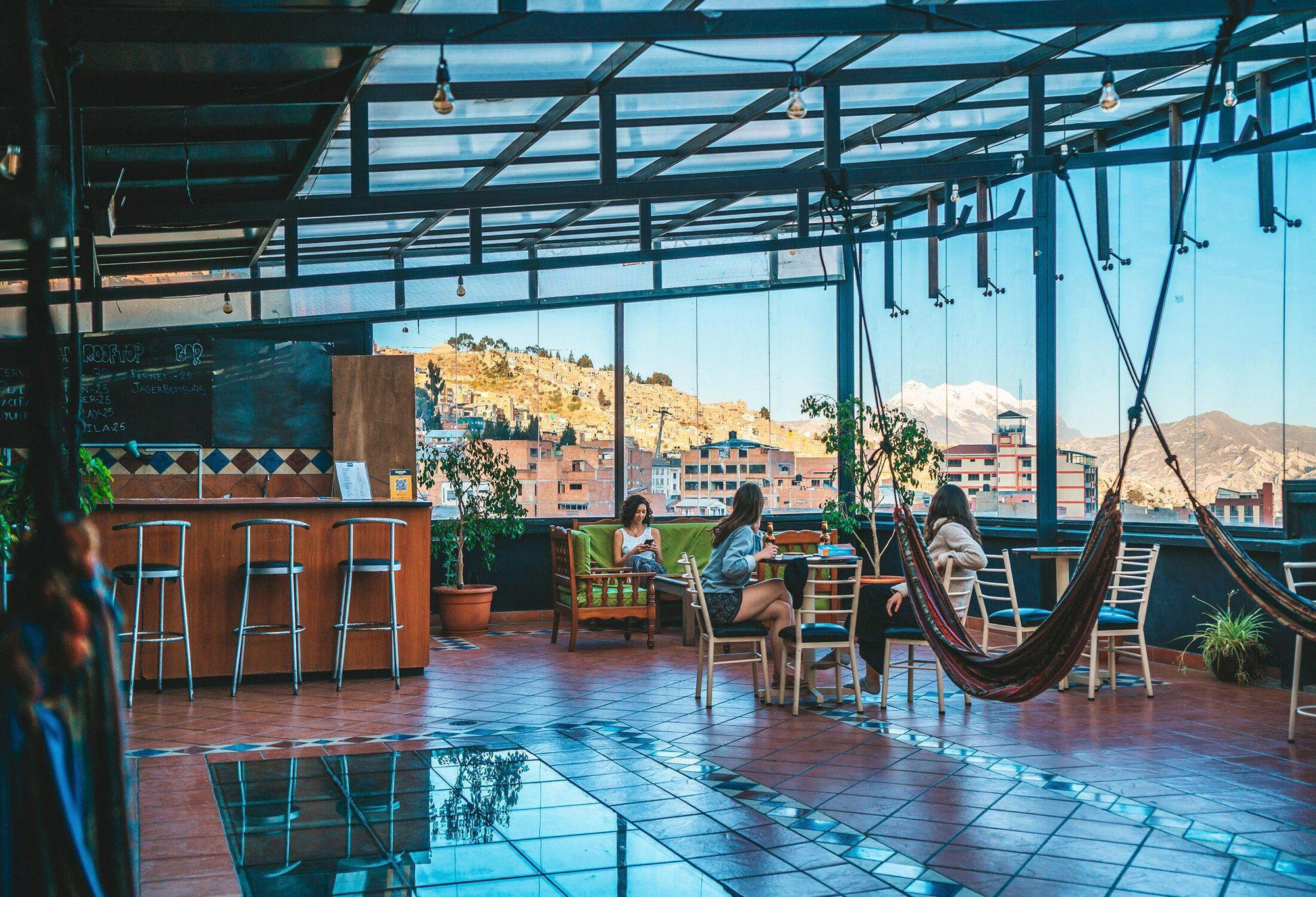
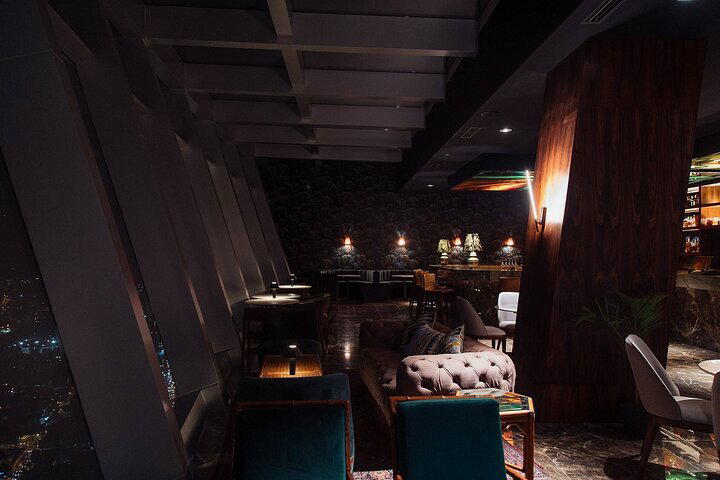
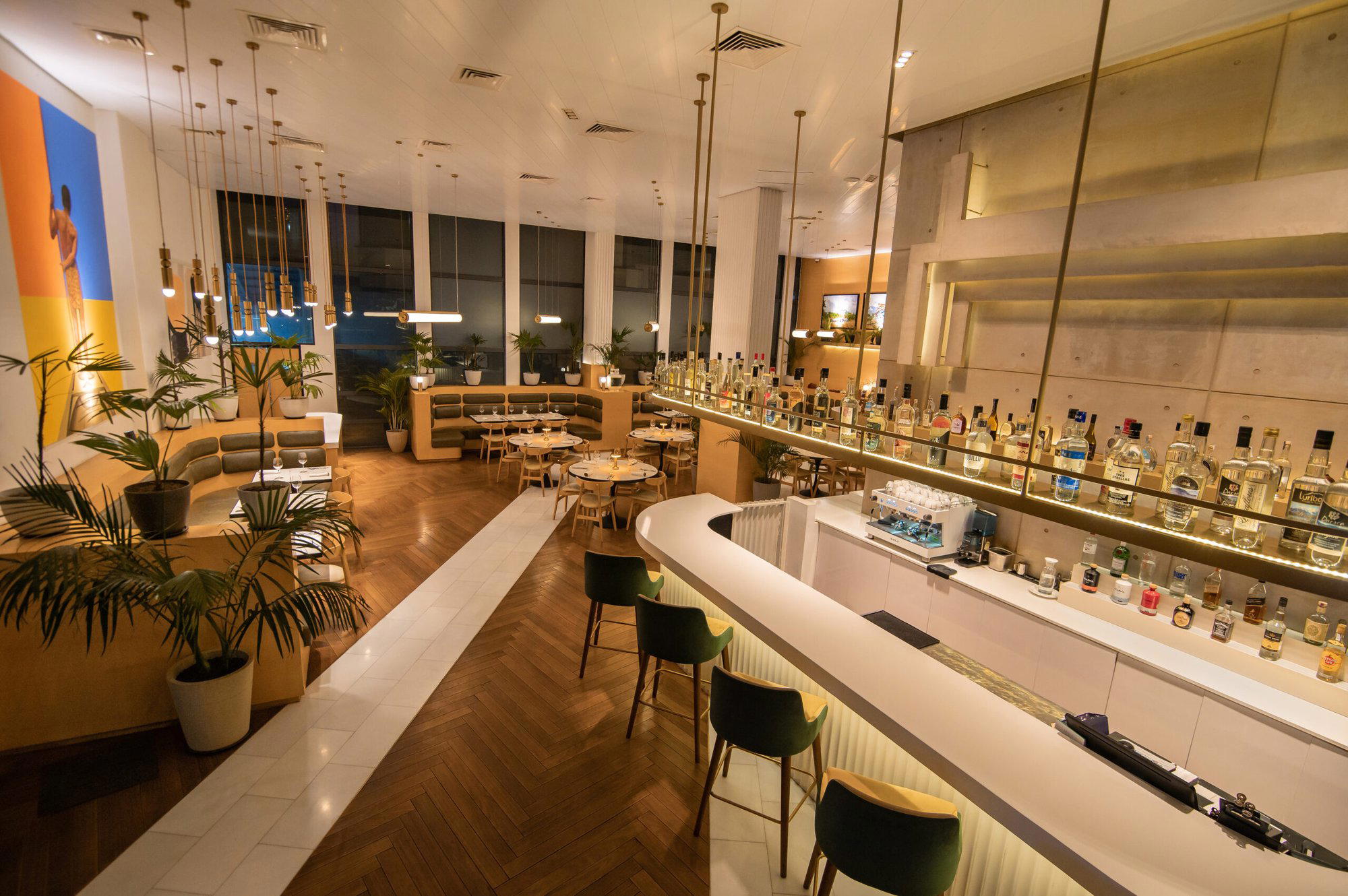
Chic and modern with sophisticated lighting, floor-to-ceiling windows offering panoramic mountain views, and a stylish atmosphere praised for cleanliness and comfort.