
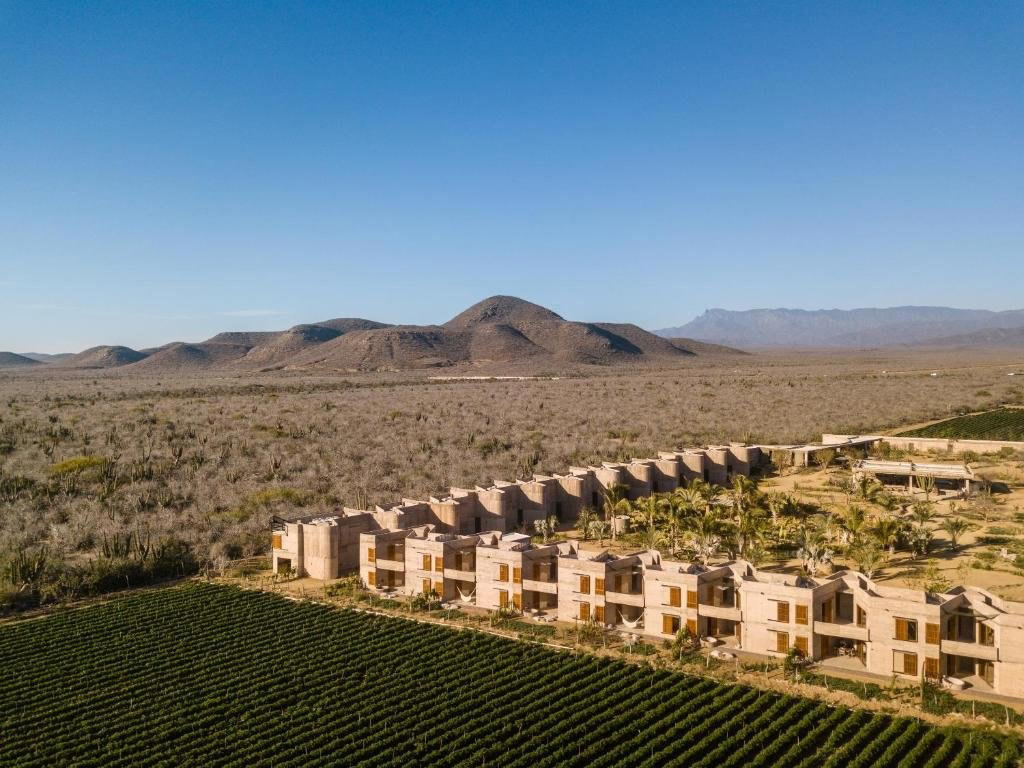
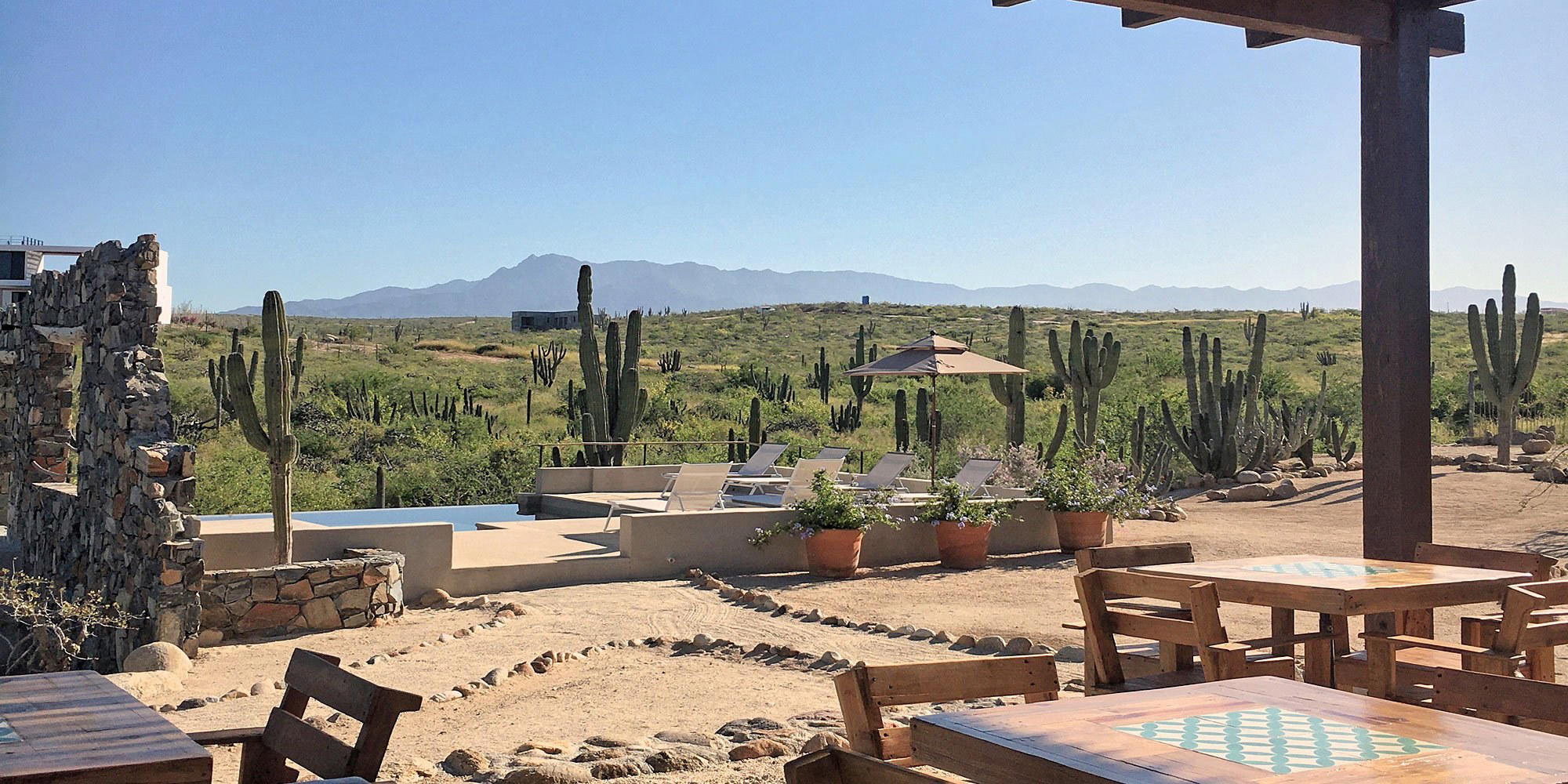
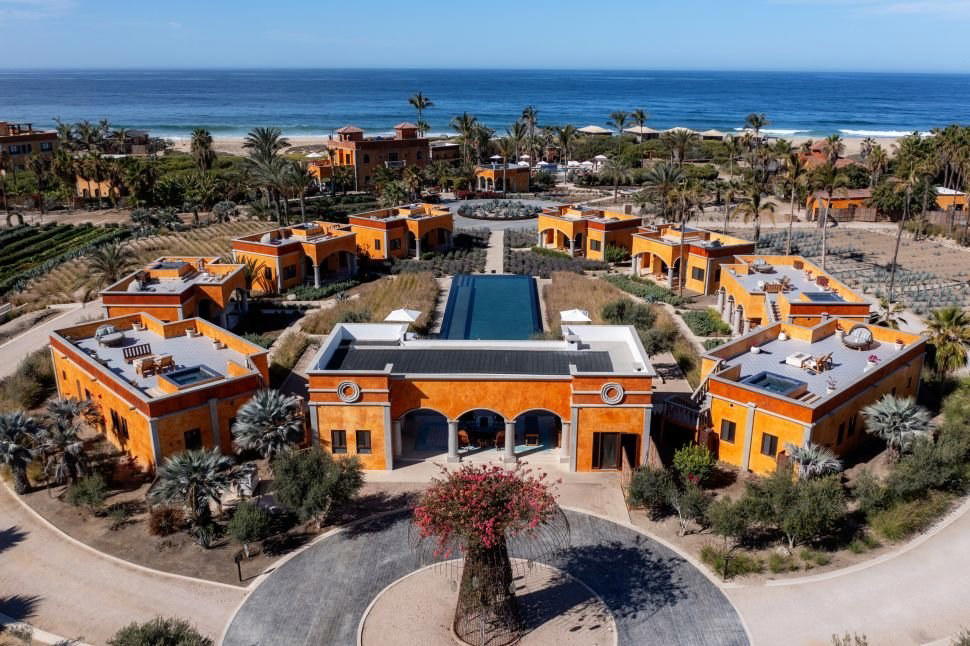
Paradero occupies a stretch of raw Baja terrain outside Todos Santos, where the architecture does the work that amenities usually handle elsewhere. The property sits in the design-led tier of Mexican desert retreats, favouring textured materials and spatial restraint over resort scale. For travellers routing through Baja California Sur, it offers a calibrated counterpoint to the Cabo corridor's more polished infrastructure.
Pearl is the En Primeur Club membership app — saves, bookings, and concierge access live there. Same editors, same standards.
- Address
- La Mesa KM 59 +3100, Degollado, 23300 Todos Santos, B.C.S., Mexico
- Phone
- +52 800 614 7562
- Website
- paraderohotels.com
- Directions
- Get directions
 Saves & bookings on Pearl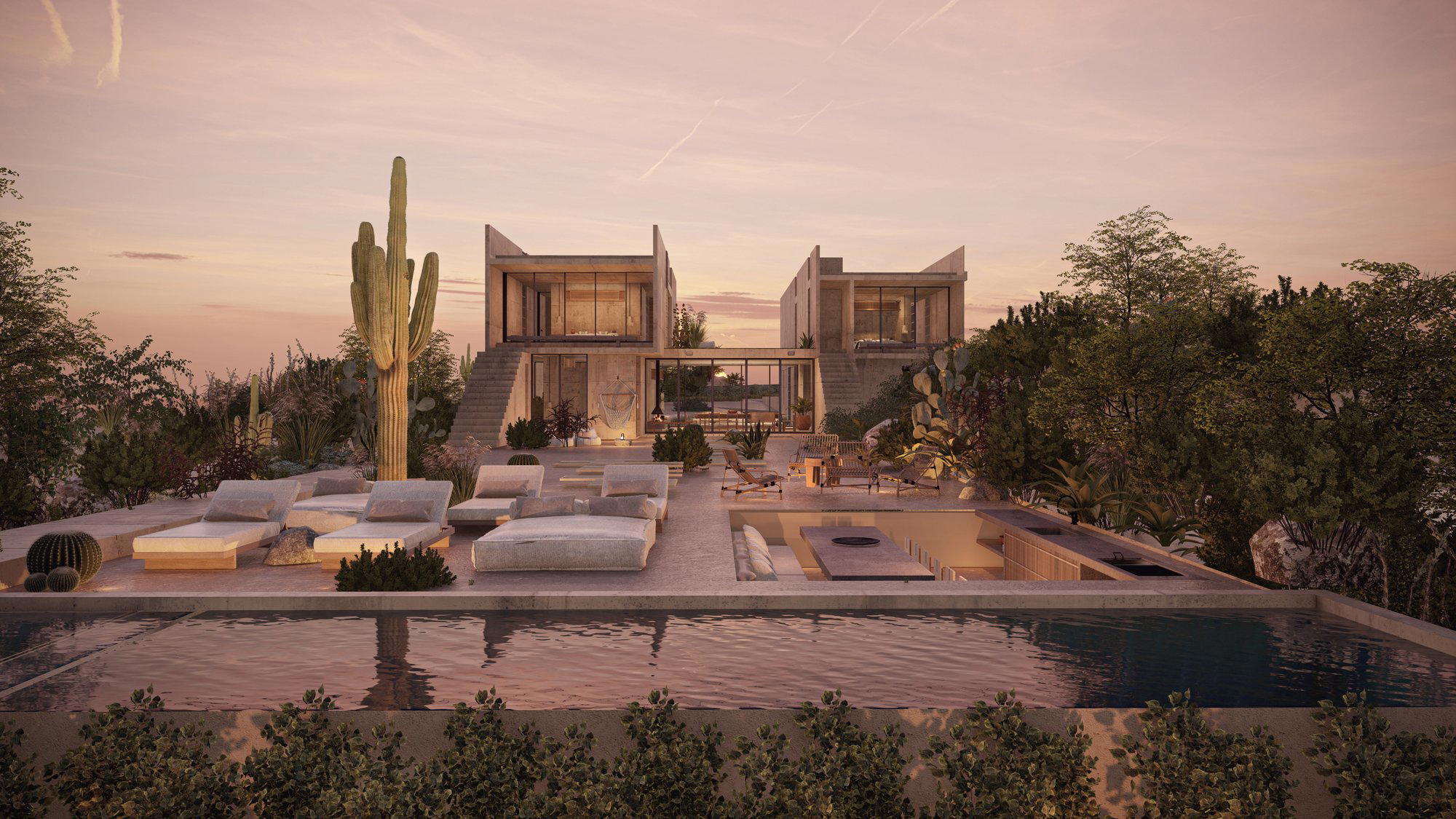
Desert Architecture as the Guest Experience
The Baja California peninsula has long attracted a particular kind of property developer, one drawn less by beach proximity than by the drama of the high desert plateau that runs inland from the Pacific coast. Positioned along the stretch of highway approaching Todos Santos at KM 59, it represents a specific design ambition: to make the raw materials of the Sonoran-adjacent landscape, volcanic rock, dried scrub, wide sky, do the structural and emotional work that most resorts achieve through amenity stacking. The result is a property where the architecture functions as the primary experience rather than its backdrop.
This approach places Paradero in a cohort of Mexican properties that have emerged over the past decade favouring material honesty over branded luxury. Where large-footprint Baja resorts concentrate on ocean-facing pools and curated food and beverage programs, this corner of the Todos Santos corridor has attracted a different model: smaller scale, harder geometry, and a deliberate roughness of finish that signals intent rather than oversight. Comparable thinking appears at properties like Chablé Yucatán in Merida and Hotel Esencia in Tulum, each of which uses vernacular materials and landscape integration to define the guest relationship with place rather than insulate guests from it.
Where Todos Santos Sits in the Baja Hierarchy
Understanding Paradero requires understanding Todos Santos itself. The town, roughly 80 kilometres north of Cabo San Lucas along Mexico Federal Highway 19, sits at an altitude and inland position that gives it a climate and character distinct from the Los Cabos corridor. It is cooler by several degrees in summer, significantly less developed, and has attracted a slower accumulation of design-conscious visitors who find the Cabo end of the peninsula too infrastructurally dense. The town has a small art community, a surf-adjacent culture centred on the Pacific-facing breaks nearby, and a food scene that operates at a fraction of the scale of San José del Cabo.
For the Baja visitor choosing between the full-service luxury of properties like Las Ventanas al Paraíso, A Rosewood Resort in San José del Cabo or Zadun, A Ritz-Carlton Reserve in Los Cabos, and the design-led independence of the Todos Santos stretch, the trade-off is concrete. The Cabo end delivers consistent F&B; spa infrastructure, and proximity to the international airport at San José. The Todos Santos end delivers quiet, land-form drama, and a slower tempo that has to be chosen deliberately. Paradero sits squarely inside that second category.
Paradero occupies a different register entirely, rural rather than urban, land-focused rather than sea-facing, and more austere in its relationship to guest comfort.
The Design Vocabulary of the Property
The architecture at Paradero draws from a visual grammar that has become increasingly identifiable in premium desert retreats across Mexico and the American Southwest: low horizontal volumes, thick walls implying mass rather than enclosure, dark metal joinery, and a material palette that prioritises local stone and unfinished concrete over imported finishes. This vocabulary resists the postcard legibility of white-walled resort architecture and instead asks guests to read the property through texture and shadow rather than immediate visual spectacle.
The approach carries risk. It depends on a guest willing to slow down long enough to notice what the design is doing, and it requires execution at a level where roughness reads as deliberate rather than incomplete. Where properties like Xinalani in Quimixto or Playa Viva in Juluchuca use jungle proximity and ecological programming as their primary experiential hook, Paradero works with drier, more austere materials, the Baja plateau rather than a humid coast, which gives the design problem a different set of constraints and solutions.
Within the broader Mexican design-led hotel conversation, Paradero fits a similar analytical frame to Casa Silencio in San Pablo Villa de Mitla or Casa Antonieta in Oaxaca City: properties where the physical environment and spatial decision-making carry editorial weight, and where the absence of conventional luxury signals is itself a form of positioning rather than a gap in the offer.
Planning a Stay: Logistics and Timing
One practical entry point to the Todos Santos area is Los Cabos International Airport, with a drive of approximately one hour north along Highway 19. La Paz's Manuel Márquez de León International Airport is a viable alternative for travellers who want to combine a Paradero stay with time in the state capital, though the routing adds complexity. Baja California Sur's tourist season runs from October through May, when temperatures on the plateau sit in a range more amenable to outdoor exposure than the humid summer months. The Pacific-facing surf breaks near Todos Santos peak in winter, which concentrates a surf-and-stay visitor cohort from November onward.
Advance planning of six to eight weeks is reasonable for peak season stays, with shorter lead times typically viable in early autumn. Travellers considering a broader Mexico itinerary that includes coastal properties should review the One&Only; Mandarina in Riviera Nayarit or Maroma in Riviera Maya as properties operating at a comparable experiential ambition in different coastal registers.
Comparable Venues
Comparable venues nearby, for context on price, style, and recognition.
| Venue | Cuisine | Price | Awards | Notes |
|---|---|---|---|---|
| ParaderoThis venue — the venue you are viewing | immersive nature-grounded sanctuary | $$$$ | 4-Star | Not listed |
| Amina Wind Resort | Ecological beachfront development blending luxury with sustainability, designed as an off-grid adventure destination. | $$$$ | 4-Star | La Ventana |
| Baja Club | colonial hacienda with contemporary extension | $$$$ | 5-Star | Malecón |
| Una Vida Tulum | Tropical jungle oasis with indoor-outdoor living. | $$$$ | 5-Star | Tulum City Center |
| La Bohemia Baja | Bohemian Mexican boutique hideaway with curated global design elements collected by owner-designers. | $$$ | 4-Star | Downtown Todos Santos |
| Casa Blanco Madera | low-lying whitewashed building with desert gardens | $$$$ | 4-Star | Todos Santos |
Recognition history
Dated appearances from independent guides and award organizations, with the underlying list record or original source where available.
Vogue 2026 Vogue Global Spa Guide: 100 Best Spas in the World
Vogue
At a Glance
- Quiet
- Romantic
- Scenic
- Rustic
- Minimalist
- Romantic Getaway
- Wellness Retreat
- Honeymoon
- Weekend Escape
- Infinity Pool
- Destination Spa
- Panoramic View
- Garden
- Wi Fi
- Pool
- Spa
- Fitness Center
- Concierge
- Airport Transfer
- Mountain
- Garden
- Wi Fi
- Pool
- Spa
- Fitness Center
- Concierge
- Airport Transfer
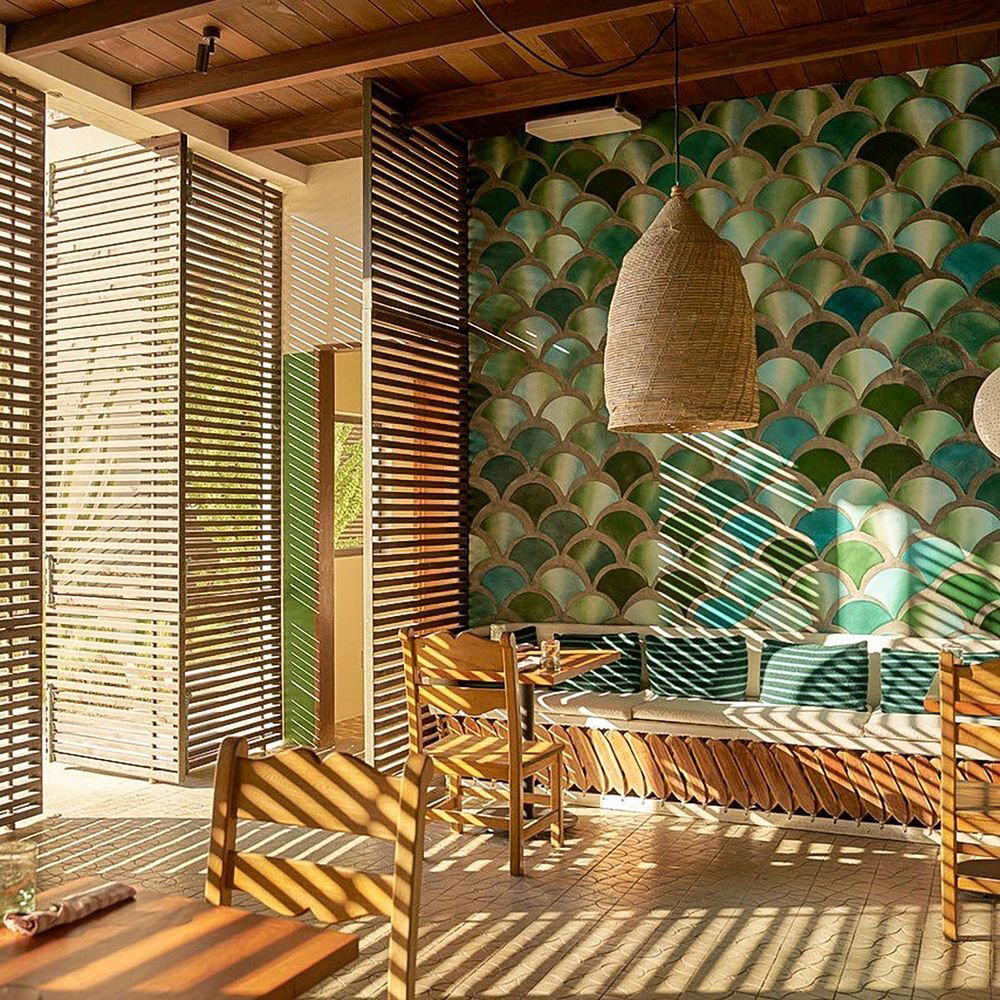
Serene zen-like atmosphere with natural light and shadow play in minimalist, eco-centric design.