Ritzenhof Hotel & Spa am See

Ritzenhof Hotel & Spa am See occupies a lakeside position in Saalfelden am Steinernen Meer, the compact alpine town at the foot of the Steinernes Meer plateau in the Salzburg region. Recognised in the Michelin Selected Hotels 2025 guide, it pairs spa facilities with direct access to the Ritzensee lake, placing it in the upper tier of nature-led Austrian alpine retreats.
Pearl is the En Primeur Club membership app — saves, bookings, and concierge access live there. Same editors, same standards.
- Address
- Ritzenseestraße 33, Saalfelden am Steinernen Meer, Austria
- Phone
- +43 6582 73806
- Directions
- Get directions
 Saves & bookings on Pearl
Where the Salzburg Alps Meet the Water's Edge
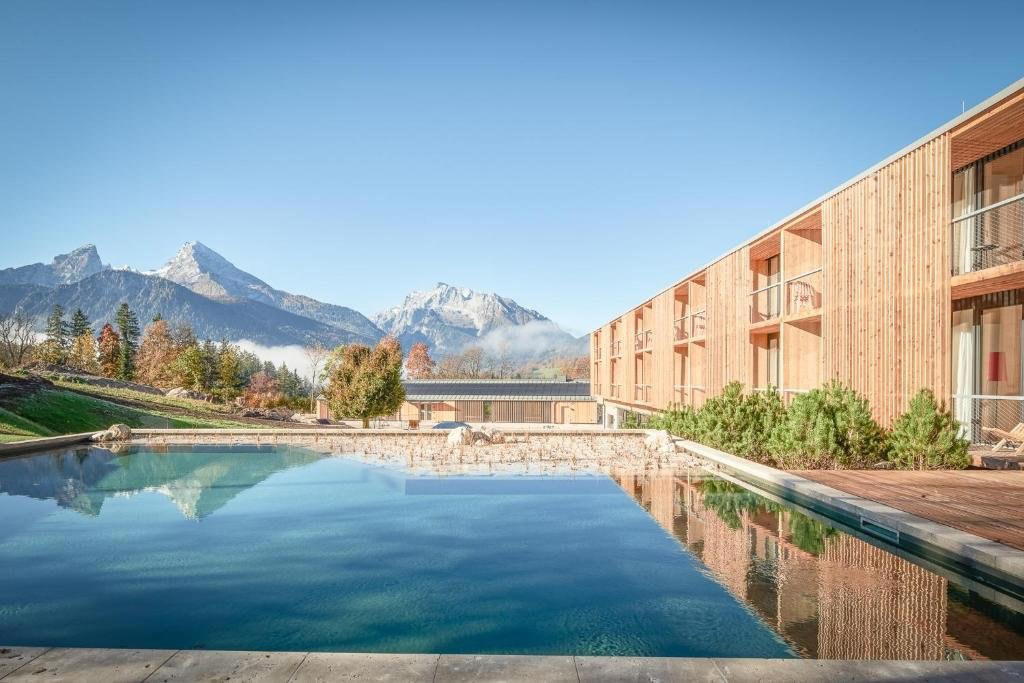
The approach to Saalfelden am Steinernen Meer sets a particular kind of expectation. The Steinernes Meer plateau rises to the south and east, the Leoganger Steinberge run along the north, and the town itself sits in the basin between them, functional and unhurried in the way that Austrian market towns tend to be, with serious mountain terrain available in every direction. Within this geography, properties that have chosen a lakeside orientation occupy a distinct category: the view is not of peaks alone but of still water reflecting them, which changes the character of a stay considerably.
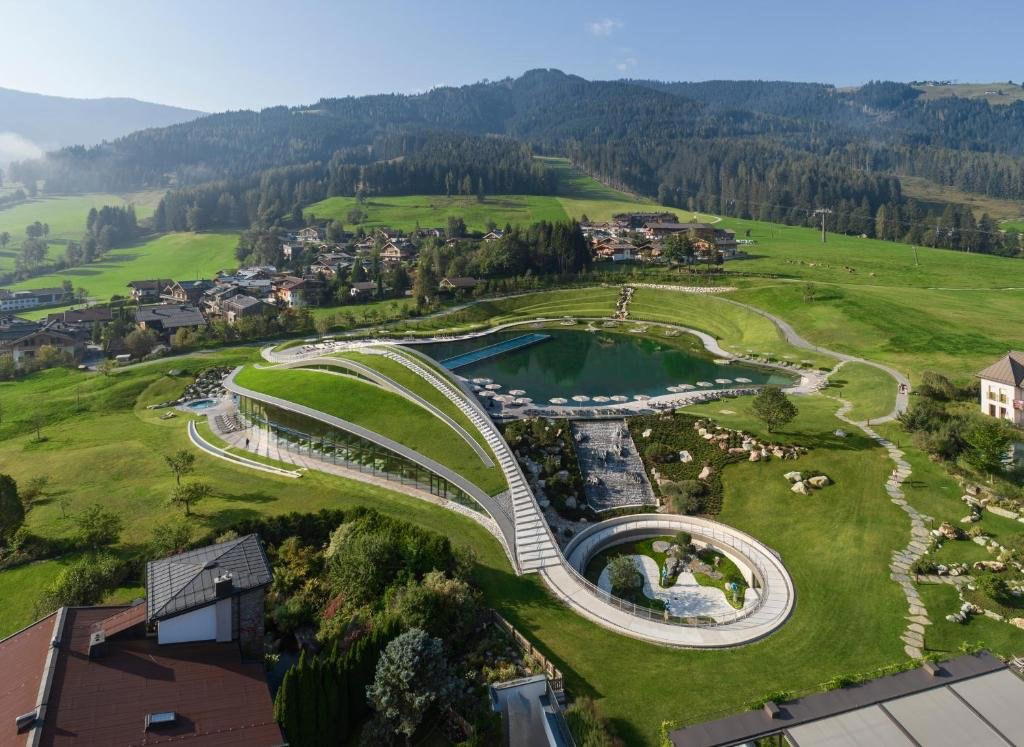
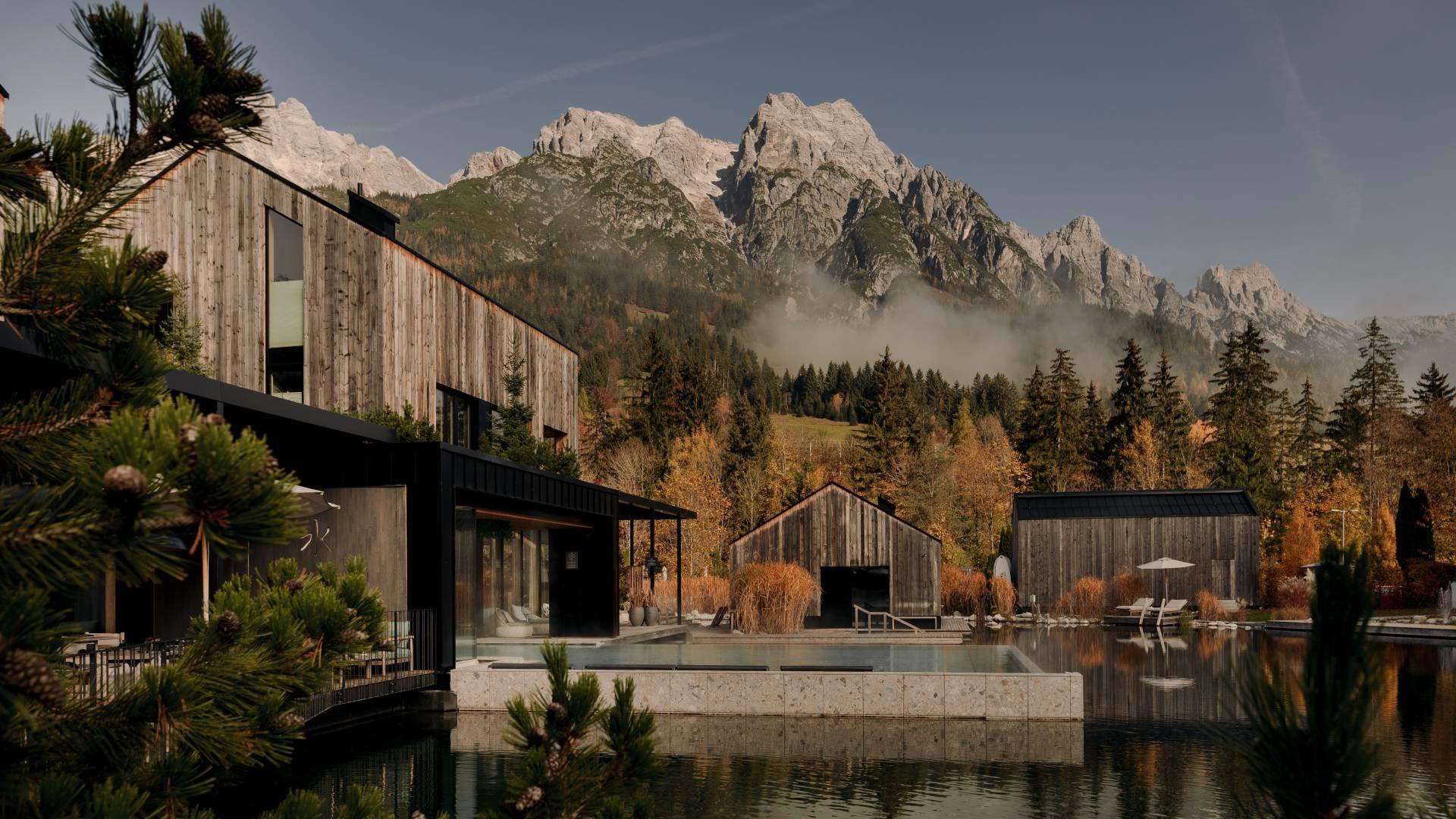
The Ritzenhof Hotel & Spa am See sits on Ritzenseestraße 33, taking its name and its orientation from the Ritzensee, a small glacial lake on the edge of town. That positioning anchors the hotel within a subset of Austrian alpine retreats that prioritise immediate natural immersion over proximity to resort infrastructure, a design and siting decision that carries real consequences for how a stay feels from the first morning. The 2025 Michelin Selected Hotels designation confirms the property's standing within a recognised tier of European hospitality, placing it in company with properties that meet specific standards of quality and character rather than simply scale.
The Architecture of Alpine Lakeside Stays
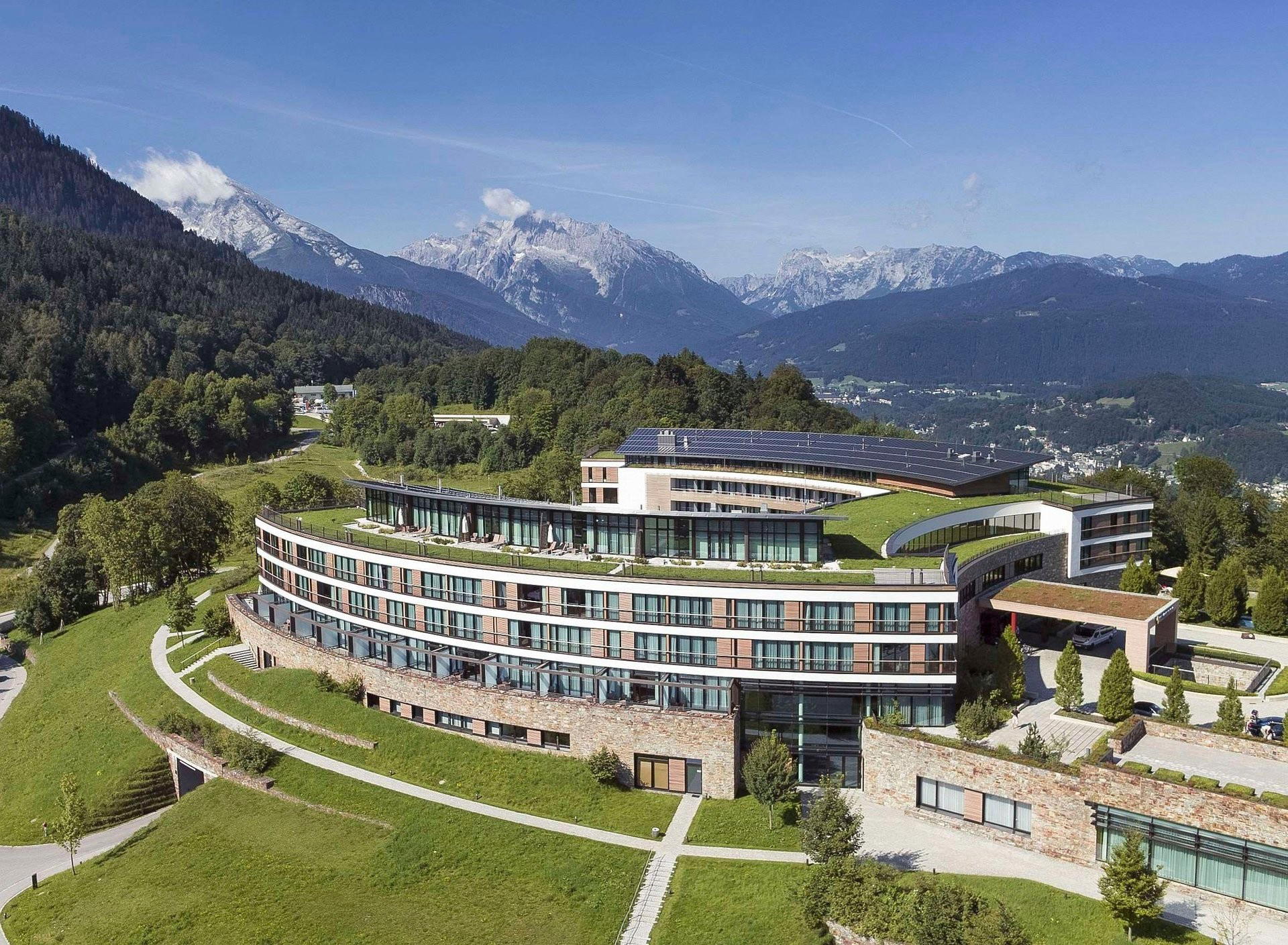
In the Austrian alpine tradition, the relationship between built environment and natural setting tends to be the primary design statement. Properties like the Ritzenhof that have chosen positions directly adjacent to water rather than refined above it commit to a specific aesthetic logic: the building must either step back from the view or frame it, and those choices play out in room orientation, public space arrangement, and the general sense of arrival. The-executed examples in this category treat the lake as a living room, something to be seen from breakfast, from the spa, and from the bed, rather than an amenity at the end of a path.
Across the Salzburg region, the divide between grand historic properties and purpose-built contemporary retreats has sharpened in recent years. At the grander end, properties like Rosewood Schloss Fuschl in Hof bei Salzburg anchor their identity in the architecture of a former imperial hunting lodge. The Ritzenhof operates in a different register: the emphasis is on the lake and the spa as organising principles rather than on historical provenance. This is consistent with a broader pattern in the Salzburg Pinzgau, where properties have increasingly oriented themselves around wellness infrastructure and direct landscape access as their core market proposition.
For comparison across Austria's alpine spa segment, properties such as Naturhotel Waldklause in Längenfeld and the SPA-HOTEL Jagdhof in Neustift illustrate how the category has developed: spa programming and natural setting work together as the primary draw, with accommodation quality serving the experience rather than the reverse. The Alpen-Wellness Resort Hochfirst in Obergurgl and Aktiv & Wellnesshotel Bergfried in Tux also occupy this tier, each with slightly different balances between active sport access and wellness recovery. The Ritzenhof's lakeside placement gives it a specific character within this cohort: the Ritzensee offers swimming in warmer months and a quality of stillness throughout the year that upland spa resorts at higher altitudes do not replicate.
Saalfelden and the Case for the Pinzgau
Saalfelden is not a resort town in the conventional alpine sense. It lacks the lift infrastructure of Zell am See to the south or the density of Kitzbühel, itself home to the Grand Tirolia Kitzbühel, and that is partly the point. The Steinernes Meer and the surrounding ranges offer some of the Salzburg region's most serious terrain for hiking and ski touring, but the approach is self-directed rather than resort-managed. Visitors come to Saalfelden because they want access to landscape rather than lift passes, and the town's low-key character supports that intention.
Within this context, a lakeside hotel with spa facilities occupies a logical position as a base of operations. The Ritzensee itself is notable on a regional scale, a clean, high-altitude glacial lake within walking distance of the town centre, used by locals year-round. For visitors arriving from urban centres in Germany or Austria, the combination of direct lake access and structured wellness programming addresses two of the primary motivations for alpine travel: physical recovery and the decompression that comes from sustained proximity to water and open space.
Broader Austrian Alpine Hotel Context
Austria's premium alpine hotel market has long operated on a regional differentiation model. The Vorarlberg resorts, Lech, Zürs, Hochgurgl, draw a different traveller profile than the Salzburg Pinzgau, partly because of the resort infrastructure and partly because of the longstanding seasonal programming. Properties like Hotel Almhof Schneider in Lech, Grand Resort Zürserhof in Zürs am Arlberg, and LEADING Hotel Hochgurgl in Hochgurgl are embedded in ski resort ecosystems. The Salzburg region's character is different, more oriented toward year-round walking, cycling, and wellness, with less dependence on the ski season as an organising frame.
In the Austrian alpine context, Michelin-recognised properties span from urban addresses like Hotel Sacher Wien in Vienna and Schloss Mönchstein in Salzburg to mountain and lake properties throughout the country.
For readers comparing this with lake-facing properties elsewhere in Austria, the Hotel Schloss Seefels in Techelsberg on the Wörthersee and the Falkensteiner Schlosshotel Velden in Velden am Wörthersee represent the Carinthian lake district alternative, warmer, more resort-oriented, and with a different seasonal rhythm. Those seeking a comparable spa-and-nature formula in a family-oriented format might also consider the Family Nature Resort Moar Gut in Grossarl, situated in a valley to the south.
Comparable Spots, Quickly
Comparable venues nearby, for context on price, style, and recognition.
| Venue | Cuisine | Price | Awards | Notes |
|---|---|---|---|---|
| Ritzenhof Hotel & Spa am SeeThis venue — the venue you are viewing | Modern alpine lakeside retreat | $$$ | 4-Star | Not listed |
| Jaz in the City Vienna | Lifestyle hotel blending Viennese Grätzel culture with music-inspired design. | $$$ | 4-Star | Mariahilf |
| Chalet Untersberg | Traditional Austrian chalet-style hotel | $$$ | 4-Star | Groedig |
| Almwellness Hotel Pierer | Modern Almwellness design harmonizing nature and luxury | $$$ | 4-Star | Teichalm |
| The Harmonie Vienna, BW Premier Collection | Renovated classic building blending Viennese elegance with modern comfort | $$$ | 4-Star | Servitenviertel |
| Augarten Art Hotel | Contemporary design hotel with minimalist aesthetic and curated contemporary art collection; built in 2000 by architect Günther Domenig. | $$$ | 4-Star | Jakomini |
Recognition history
Dated appearances from independent guides and award organizations, with the underlying list record or original source where available.
Michelin Selected
Michelin
Continue exploring
More in Saalfelden Am Steinernen Meer
Hotels in Saalfelden Am Steinernen Meer
Browse all →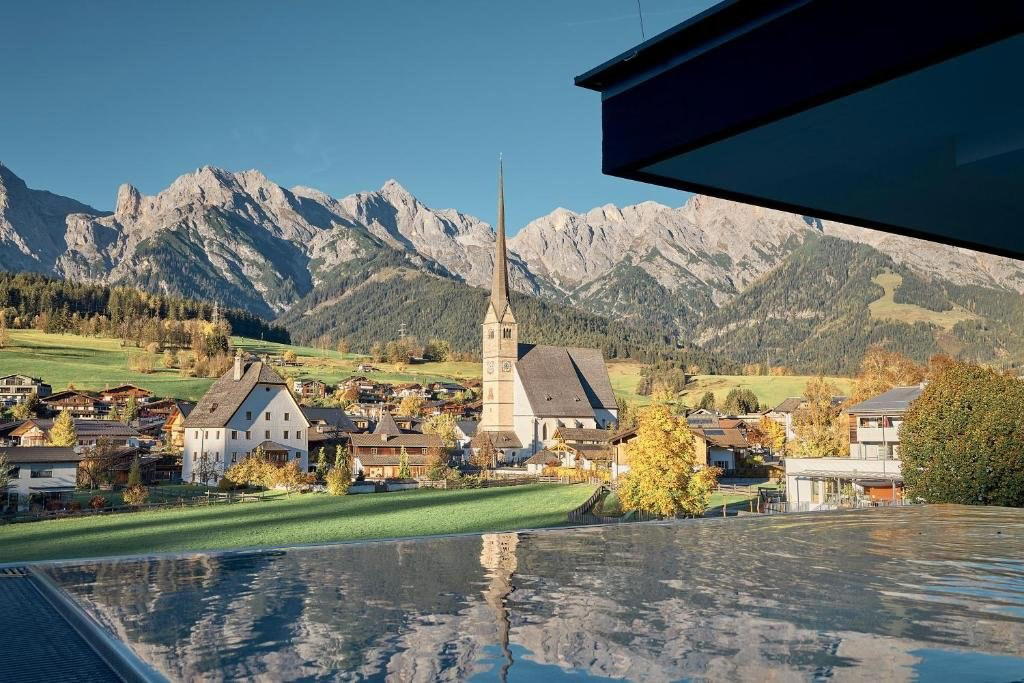
Bars in Saalfelden Am Steinernen Meer
Browse all →


Restaurants in Saalfelden Am Steinernen Meer
Browse all →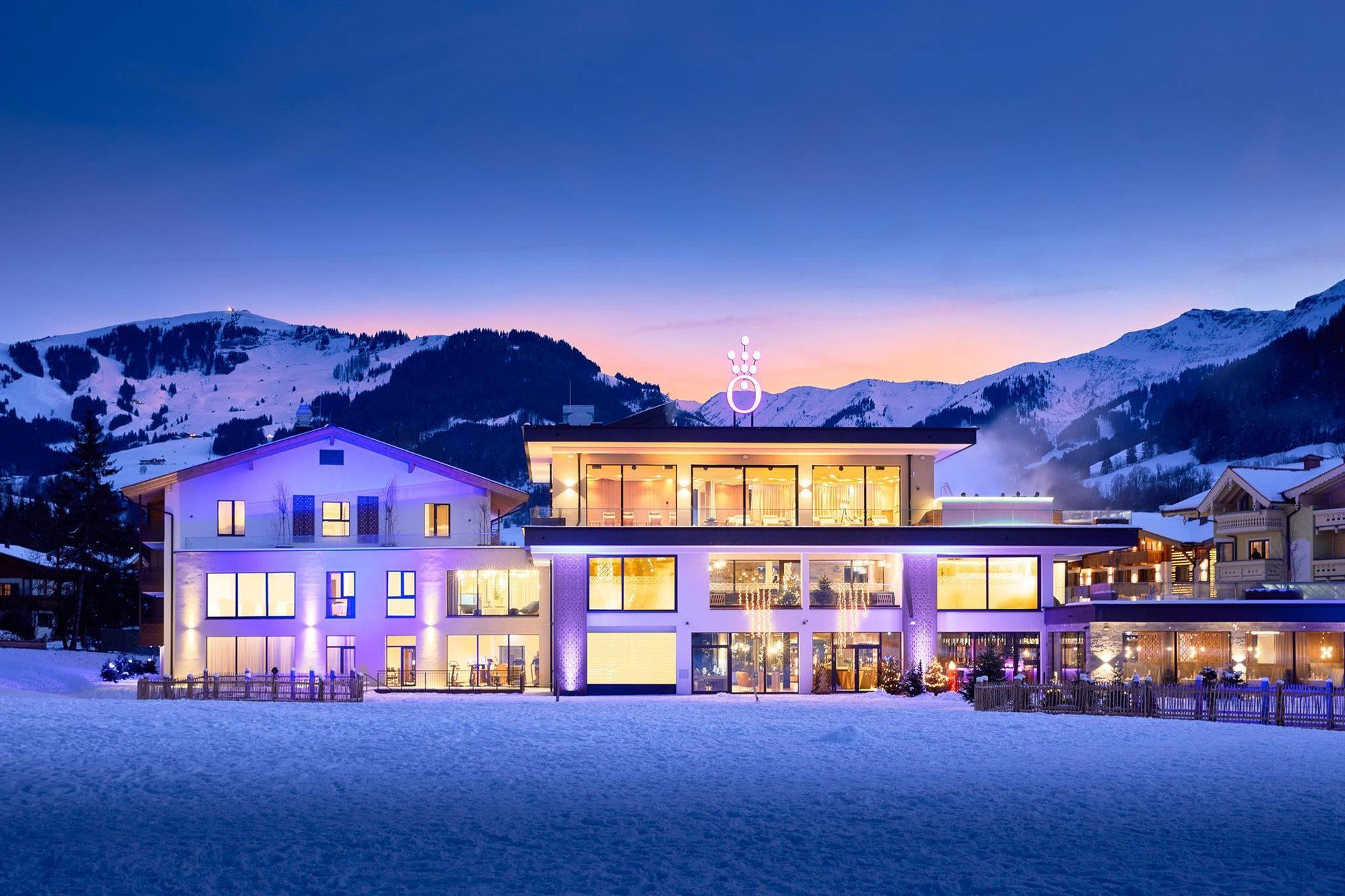
Wineries in Saalfelden Am Steinernen Meer
Browse all →
At a Glance
- Modern
- Scenic
- Elegant
- Romantic Getaway
- Wellness Retreat
- Family Vacation
- Panoramic View
- Destination Spa
- Spa
- Indoor Pool
- Fitness Center
- Sauna
- Wi Fi
- Restaurant
- Room Service
- Waterfront
- Mountain
- Spa
- Indoor Pool
- Fitness Center
- Sauna
- Wi Fi
- Restaurant
- Room Service
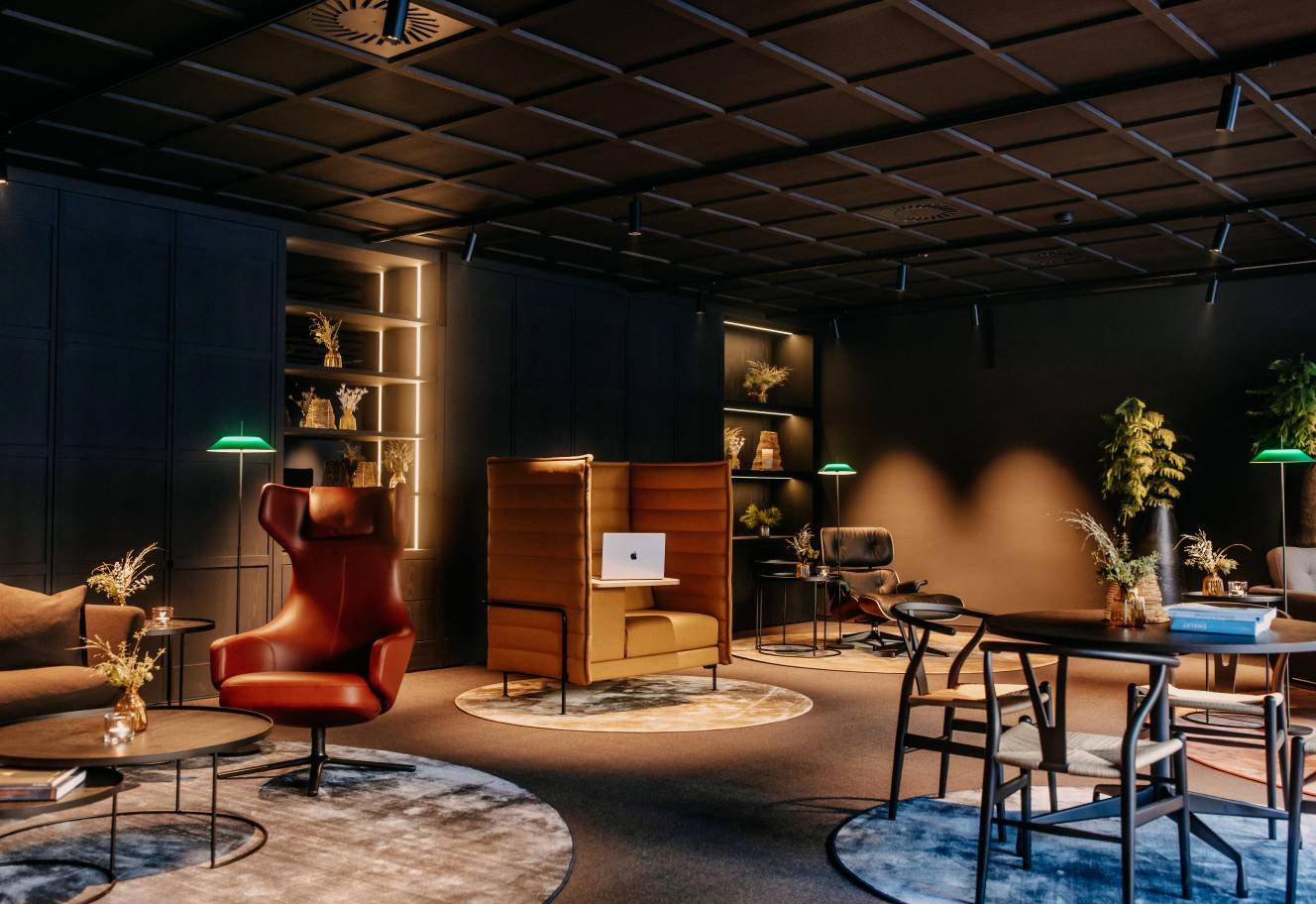
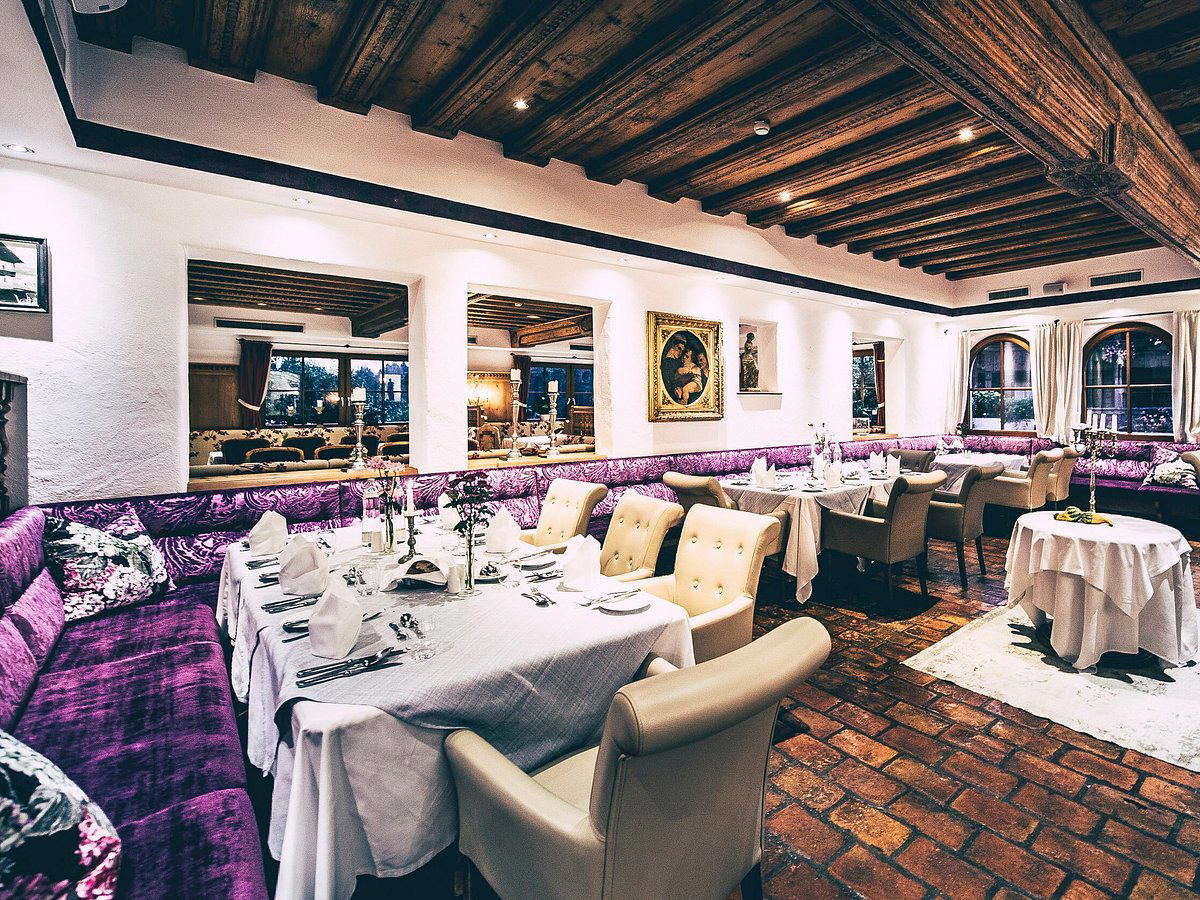
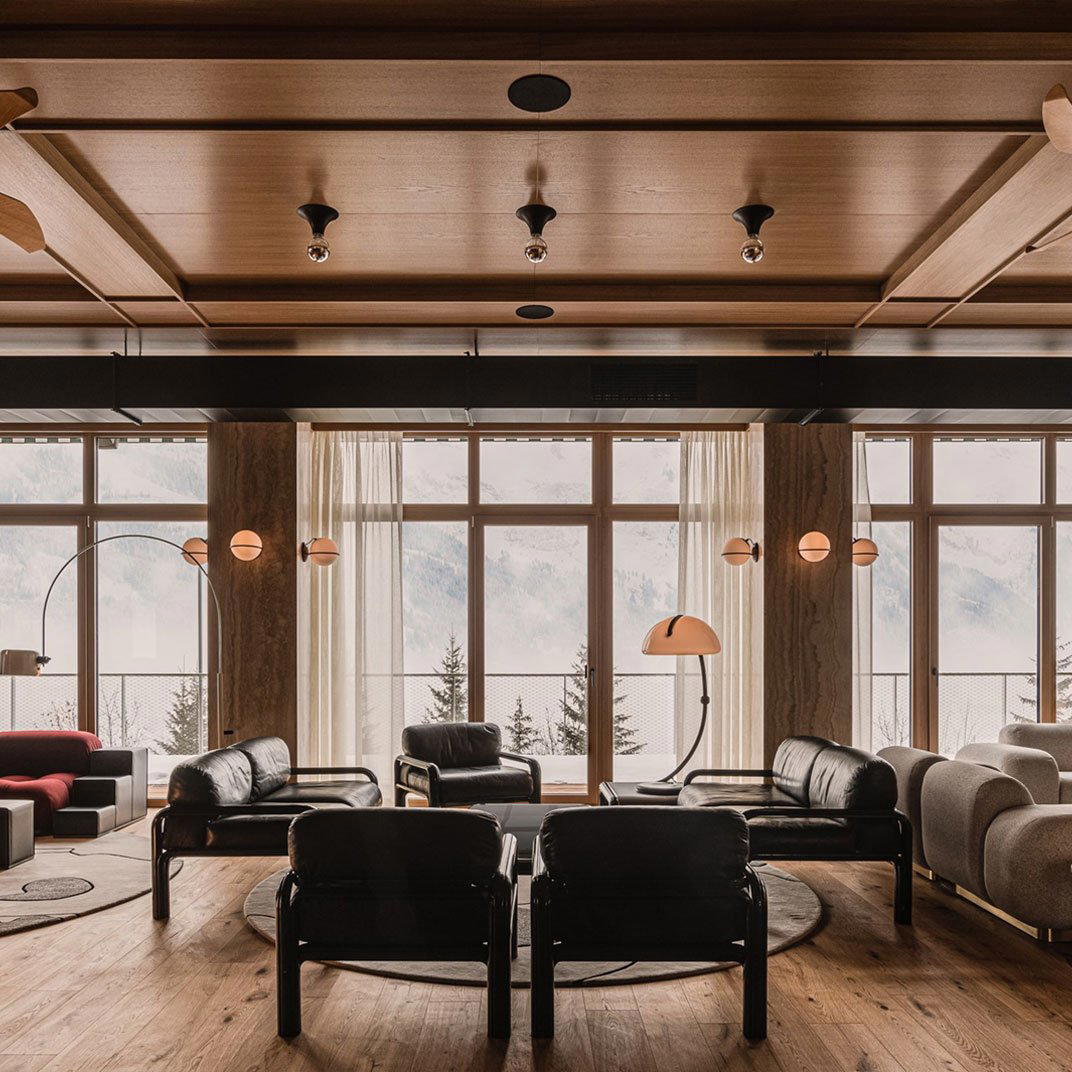
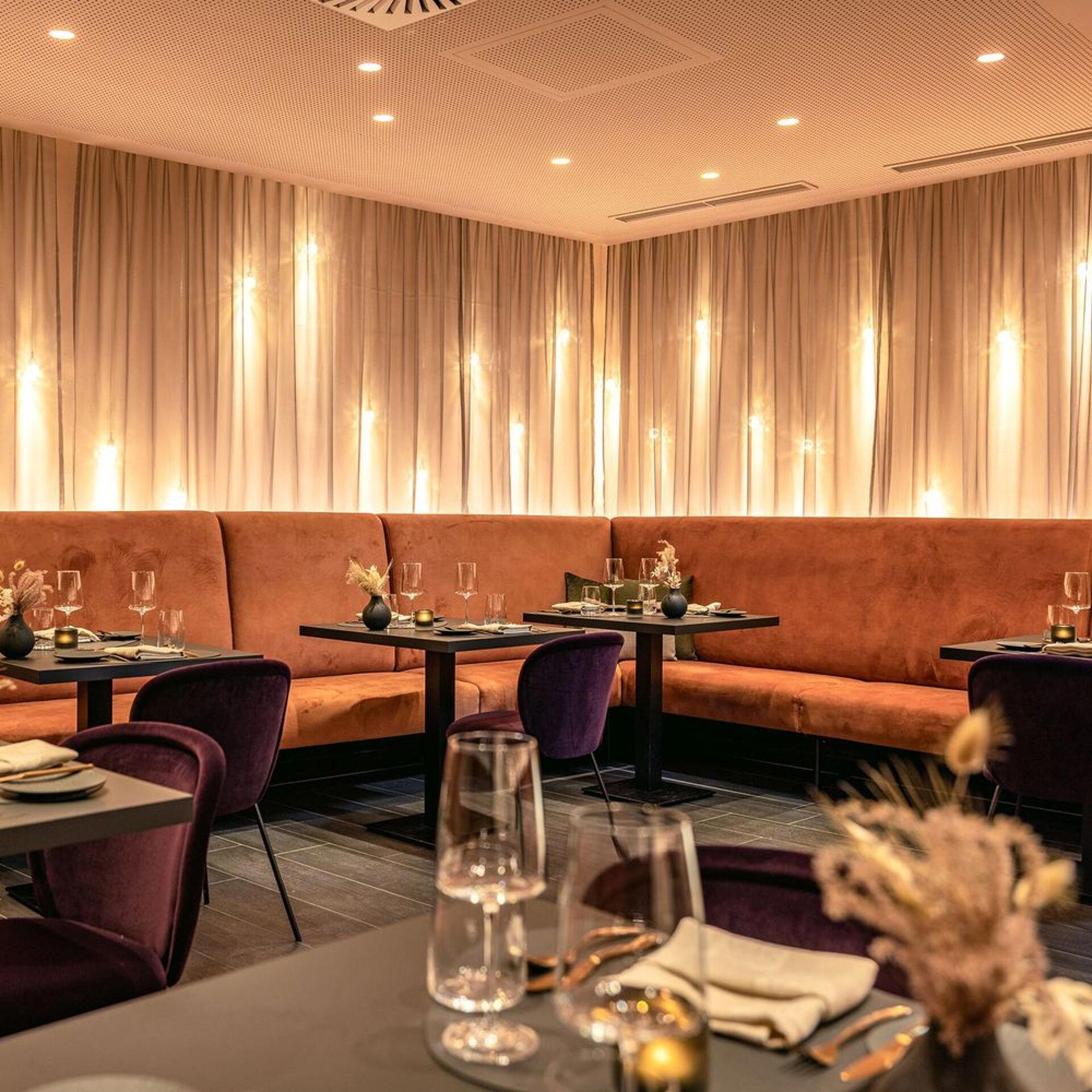
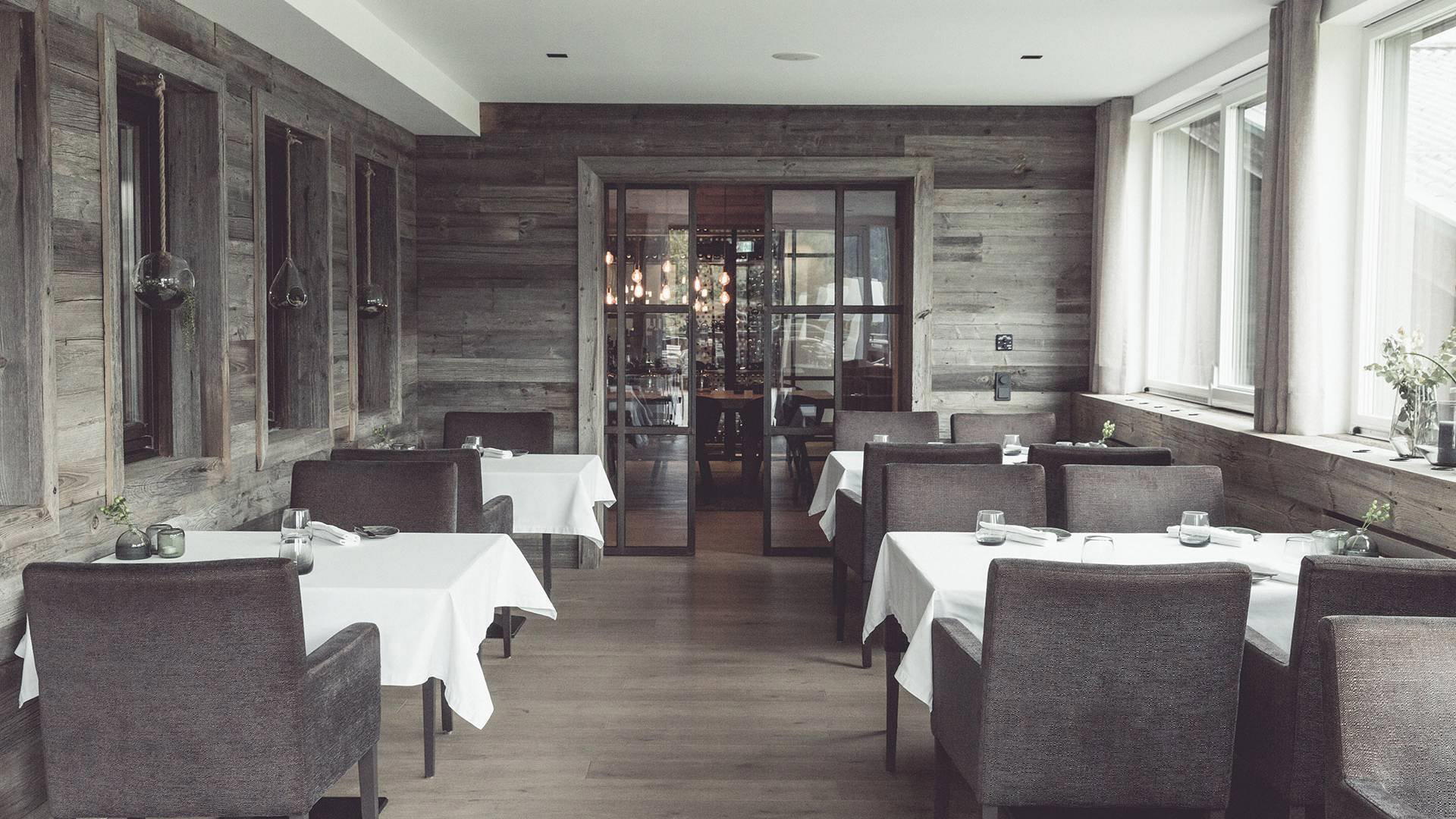
Comfortable public spaces with lilac tones and upholstered banquettes, plush carpeting and warm oak in rooms, creating a modern and inviting atmosphere.