Caravan - The Tiny House Hotel
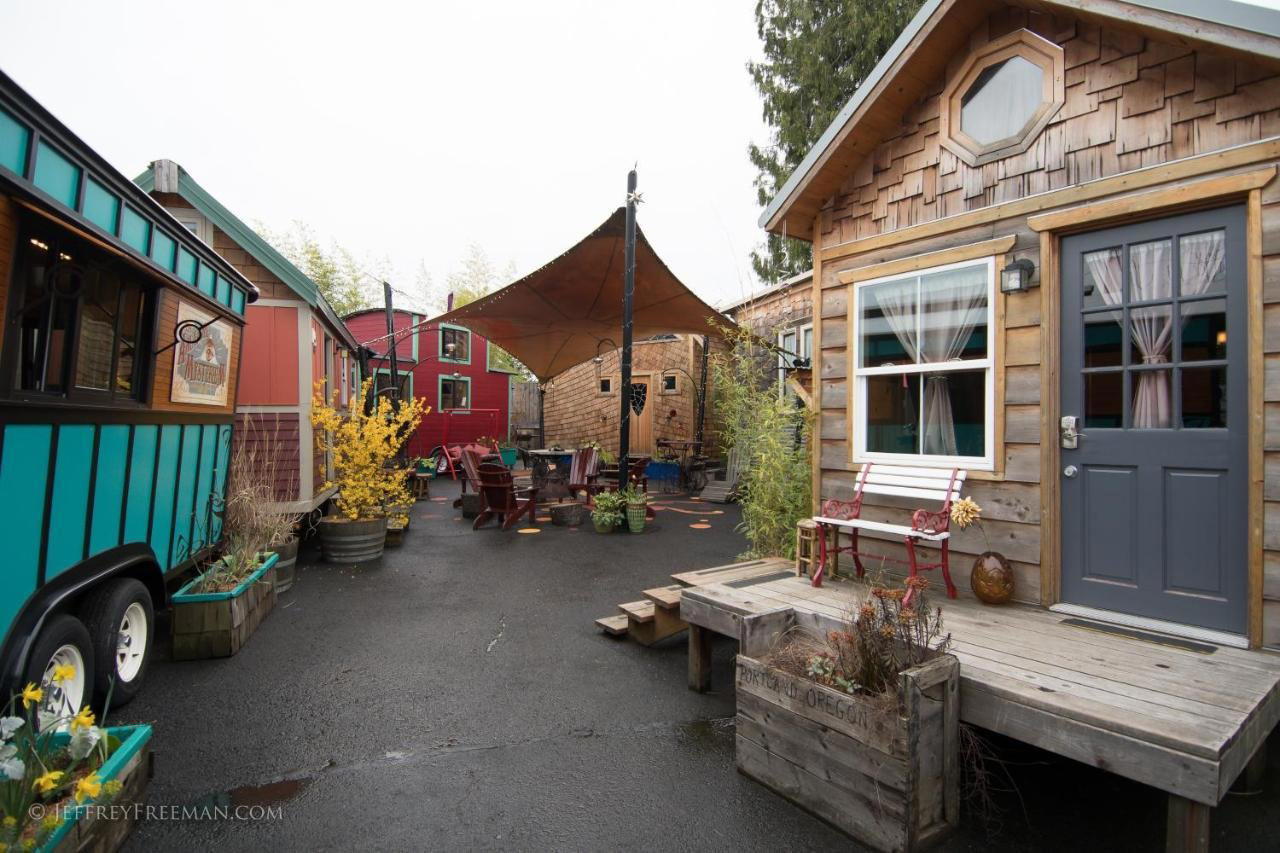
Caravan - The Tiny House Hotel on NE 11th Avenue offers a rare format for Portland: a curated collection of purpose-built tiny houses functioning as standalone accommodation. The concept sits at the intersection of the city's DIY spirit and its appetite for design-forward lodging, offering guests a degree of self-contained privacy that conventional hotels in the neighborhood cannot replicate.
Portland's Tiny House Tradition and Where Caravan Fits
Portland has spent the better part of two decades developing a reputation for small-footprint living. Tiny houses, co-housing cooperatives, and accessory dwelling units became part of the city's planning conversation long before they attracted national media attention, and Northeast Portland in particular cultivated a density of independent, design-conscious residential experiments. Caravan - The Tiny House Hotel, at 5009 NE 11th Avenue, arrived as a direct extension of that local culture: not a novelty import, but something that grew from the neighborhood's own logic.
The format itself deserves context. Tiny house hotels occupy a specific niche within the broader lodging market, one that sits between boutique hotel and vacation rental without fully belonging to either. Guests get the privacy of a standalone structure, the curated design of a boutique property, and the impermanence of a hotel stay. In a city with strong alternative-lodging instincts, this format found natural soil in Portland before it spread to other markets.
The NE 11th Avenue Address and Its Neighborhood Character
NE 11th Avenue in the 97211 zip code places Caravan inside a stretch of Northeast Portland that reflects the city's broader residential evolution. The corridor between Alberta Arts District to the north and the Eliot neighborhood to the south has accommodated small creative businesses, craft food producers, and independent hospitality projects for years. This is not the downtown hotel district, and that distance from the convention center hotel cluster is precisely the point for the guests who seek it out.
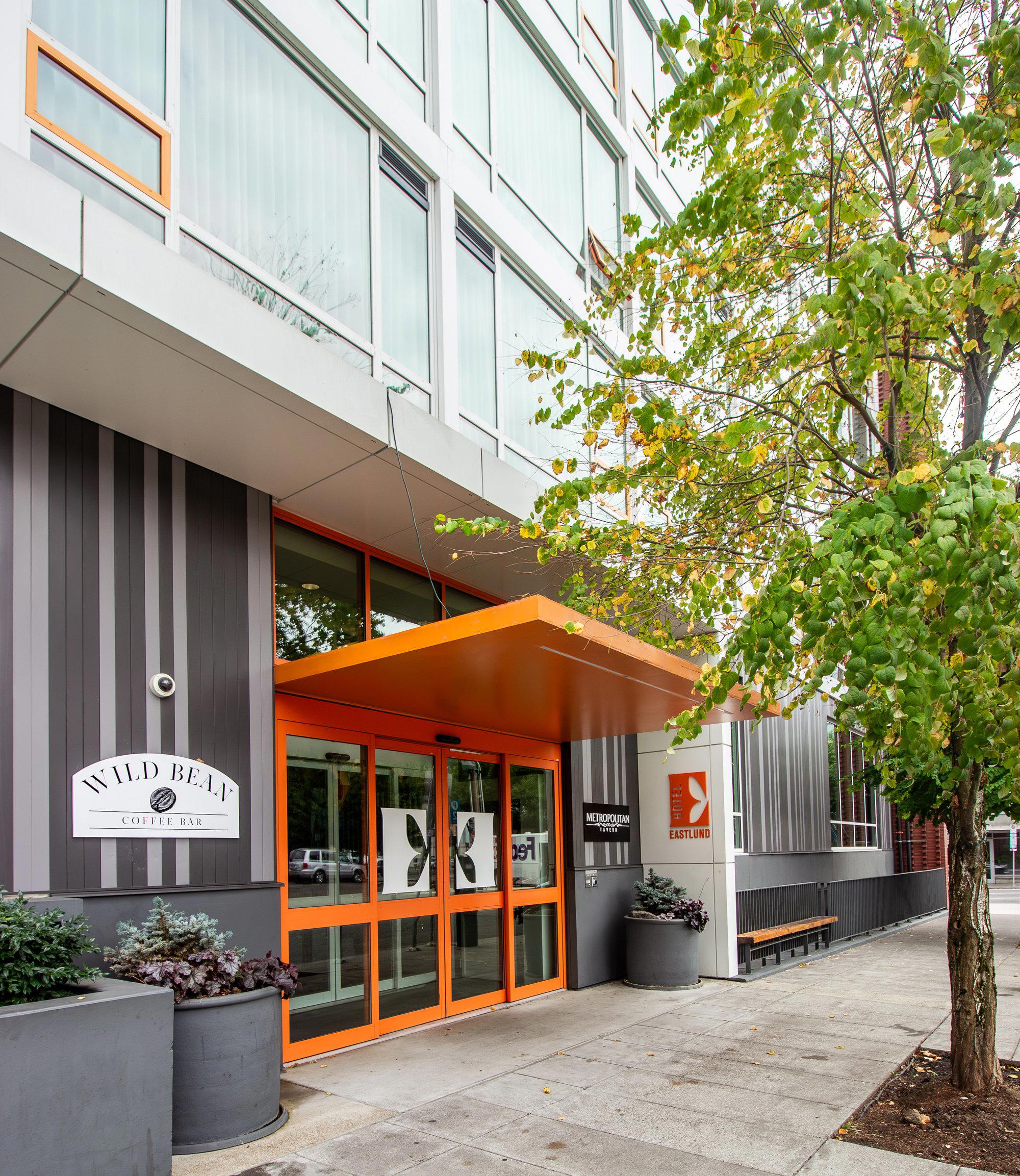
The neighborhood context matters when selecting Portland accommodation. Properties like Hotel Eastlund and Hotel Lucia anchor the downtown and Lloyd District ends of the Portland lodging spectrum, while The Hoxton, Portland and Woodlark represent the design-forward downtown tier. Caravan operates in a different register entirely, closer in spirit to a residential neighborhood stay than to any of those centrally positioned properties. Guests who choose NE 11th Avenue are, in effect, choosing to experience Portland as a local rather than as a downtown visitor.
The Tiny House Format as a Design Tradition
Each unit at Caravan is a purpose-built tiny house, constructed and fitted out as a discrete, self-contained space rather than a partitioned room inside a larger structure. The architectural tradition behind the tiny house movement draws on a long American history of mobile and minimal dwelling, from the Airstream culture of mid-century road travel to the small-cabin retreats that have served as creative refuges for writers and artists across the Pacific Northwest. Caravan translates that lineage into an urban hotel format, where the tiny house sits not in a remote field but on a city lot, accessible by transit, surrounded by Portland's streetscape.
That urban placement distinguishes the format from rural retreat properties that deploy similar aesthetic language. Comparing Caravan to something like Amangiri in Canyon Point or Post Ranch Inn in Big Sur would misread the intent: those properties use isolation as a feature; Caravan uses the neighborhood itself as part of the offering. The tiny house here is a room with walls rather than partitions, delivering acoustic separation and a private outdoor threshold within a walkable urban setting.
Who Stays Here and When
The guest profile at a property like Caravan tends to skew toward travelers who have already engaged with Portland's independent character and want accommodation that reinforces rather than contradicts it. Design-interested visitors, couples seeking privacy, and travelers who have tired of corridor-access hotel rooms all find the format appealing. Portland's shoulder seasons, particularly late spring and early fall, represent the periods when the tiny house format shows leading: mild temperatures allow guests to use outdoor spaces between units, and the city's festival calendar and farmers market season are both active.
Summer in Portland brings reliable dry weather and the city's food and drink scene at full activity, which makes the Alberta Arts District and nearby Mississippi Avenue accessible on foot or by short transit ride from NE 11th Avenue. Winter stays are quieter, and Portland's rainy season from November through March means the compact interior of a tiny house functions as a different kind of retreat, closer in feel to a cabin stay than a summer urban break.
Placing Caravan in the Portland Accommodation Conversation
Portland's lodging market has diversified considerably over the past decade. At the leading end, The Ritz-Carlton, Portland represents the global luxury brand tier, while properties like Blind Tiger Portland – Carleton Street and Blind Tiger Portland – Danforth Street occupy a boutique residential niche. The AC Hotel Portland Downtown/Waterfront serves the design-conscious business traveler in a more conventional format.
Caravan fits none of these tiers precisely because the tiny house model is its own category. Price-per-night comparisons with standard hotel rooms understate the difference in what is actually being purchased: not a room with a bed, but a standalone structure with its own entrance, its own walls, and its own micro-scale sense of place. For travelers accustomed to properties like Troutbeck in Amenia or SingleThread Farm Inn in Healdsburg, where the accommodation is inseparable from a specific landscape or agricultural context, Caravan offers an urban parallel: the unit and the neighborhood are co-authors of the stay.
For broader Portland planning, our full Portland restaurants guide covers the dining options nearest to the NE 11th Avenue location, including the Alberta Arts District's independent restaurant cluster a short distance north.
Planning Your Stay
Caravan - The Tiny House Hotel operates at 5009 NE 11th Avenue in the 97211 zip code, in Northeast Portland. Given the limited number of units a property of this format can accommodate, advance booking is advisable, particularly for summer weekends and during Portland's major food and art events. The property's website or direct booking channel should be the first point of contact for availability and current rates; the small-unit count means the booking window fills faster than larger hotel inventories in the city. Guests arriving without a car will find TriMet bus service accessible from NE 11th Avenue, with connections toward downtown and the Pearl District running regularly.
Peers Worth Knowing
Comparable options at a glance, pulled from our tracked venues.
| Venue | Price | Awards |
|---|---|---|
| Caravan - The Tiny House HotelThis venue (the venue you are viewing) | Not listed | Not listed |
| The Ritz-Carlton, Portland | Not listed | 1 Michelin Key · Forbes Recommended |
| The Nines, A Luxury Collection Hotel | $100–200 | Michelin Selected · Forbes Recommended |
| Woodlark | Not listed | 1 Michelin Key · La Liste Top Hotels |
| Blind Tiger Portland – Carleton Street | Not listed | 1 Michelin Key · Mr & Mrs Smith Seal of Approval |
| The Hoxton, Portland | $100–200 | 1 Michelin Key |
Continue exploring
More in Portland
Hotels in Portland
All hotels in Portland →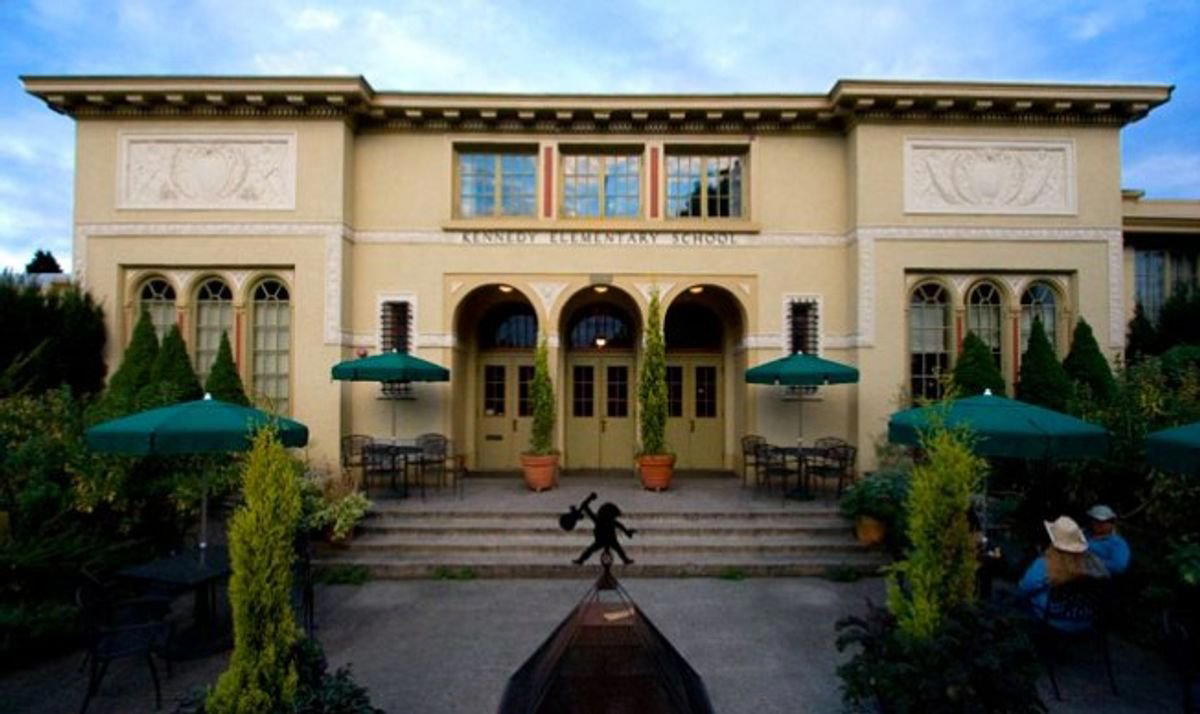
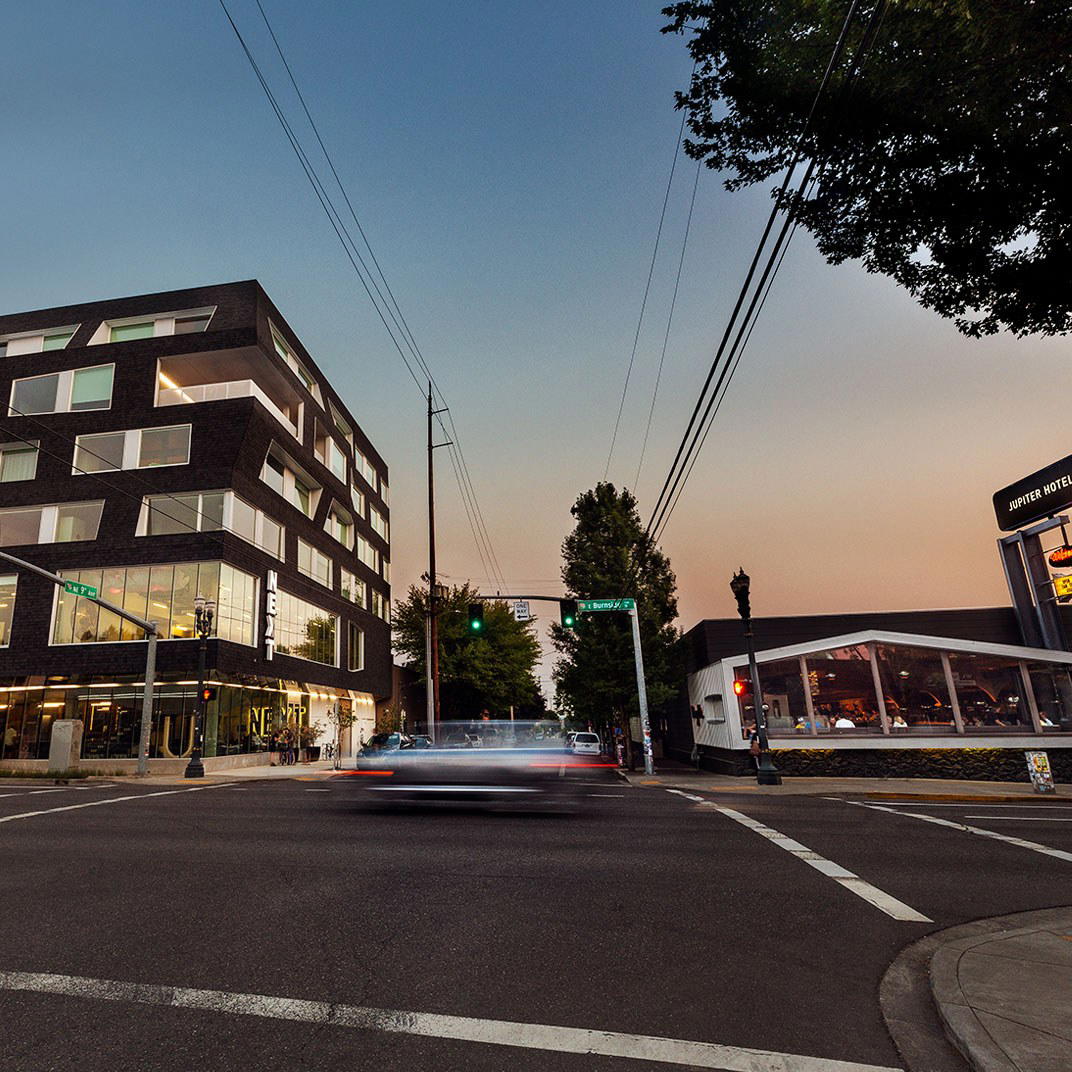
Bars in Portland
All bars in Portland →


Details
- Whimsical
- Bohemian
- Cozy
- Rustic
- Trendy
- Weekend Escape
- Family Vacation
- Celebration
- Design Destination
- Garden
- Wi Fi
- Air Conditioning
Quirky, artistic, and intimate with a communal gathering space; each tiny house features handmade quilts, twinkly lights, and locally-sourced high-end toiletries creating a cozy, personalized atmosphere.