21c Museum Hotel Lexington

Michelin Selected
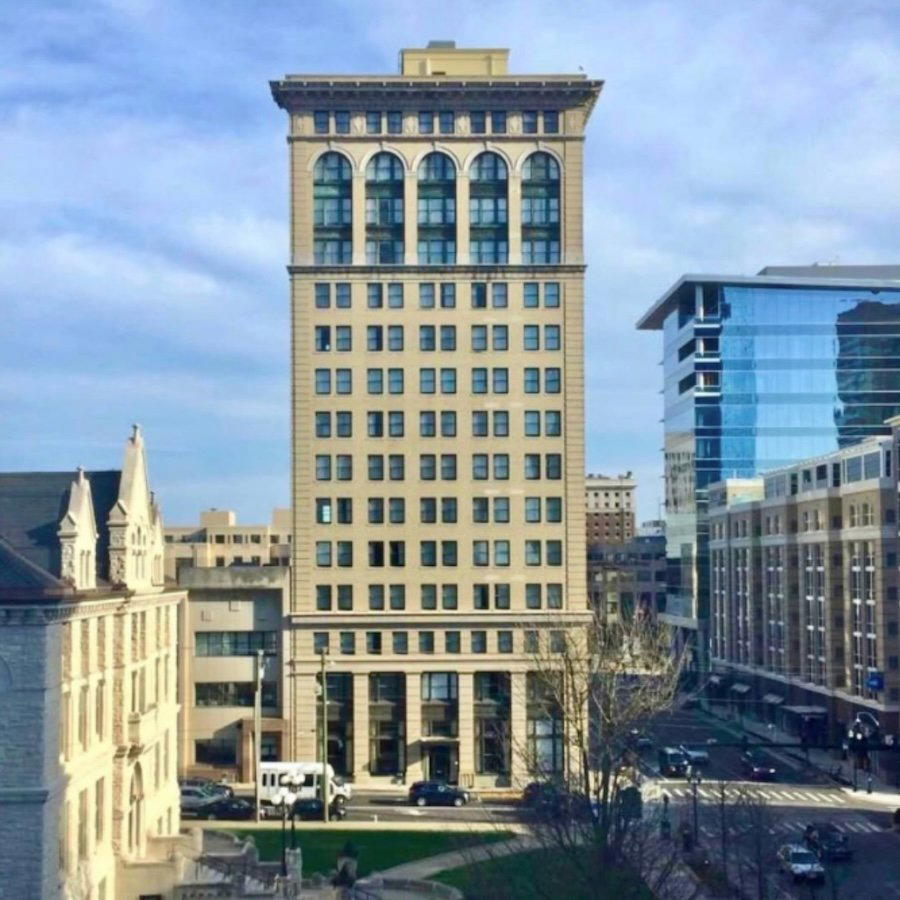
21c Museum Hotel Lexington occupies a converted 19th-century warehouse at 167 W Main St, where contemporary art installations extend through every corridor and guest floor. The property belongs to the 21c Museum Hotels collection, which has made the art-hotel format its defining proposition across the American South and Midwest. Dining and cultural programming anchor the experience as much as the rooms themselves.

Pearl is the En Primeur Club membership app — saves, bookings, and concierge access live there. Same editors, same standards.
- Address
- 167 W Main St, Lexington, KY 40507
- Phone
- (859) 899-6800
- Website
- 21cmuseumhotels.com
- Directions
- Get directions
Art, Hospitality, and the Question of What a Hotel Is For
The art-integrated hotel format has matured considerably since its early-2000s novelty phase. What began as lobby installations and rotating gallery pieces has, in the most committed examples, grown into a genuine institutional stance: the hotel as cultural venue first, accommodation second. 21c Museum Hotels, as a collection, has pursued that proposition more consistently than most American hotel groups, and the Lexington property at 167 W Main St reflects that accumulated conviction. The building itself is a rehabilitated 19th-century warehouse in the heart of downtown, a block type that has become central to Lexington's ongoing effort to activate its urban core. The choice of structure is not incidental: adaptive reuse signals a particular attitude toward place, one that acknowledges history without being enslaved to it.
Lexington sits in a different hospitality tier than Louisville, Nashville, or Cincinnati. Its hotel market has historically skewed toward business travel and university visitors, which makes the presence of a design-led, art-forward property more consequential than it might be in a larger city. For travelers accustomed to properties like the Chicago Athletic Association in Chicago or the The Fifth Avenue Hotel in New York City, both of which play in the historic-building-meets-contemporary-programming space, the 21c Lexington reads as a recognizable format executed in an underserved market. That context matters when calibrating expectations: this is not a resort destination in the way that Amangiri in Canyon Point or Post Ranch Inn in Big Sur command a destination visit in their own right. It is, instead, a considered urban property that raises the ceiling for what Lexington hotels can be.
The Dining Programme and Its Role in the Property's Identity
Across the 21c Museum Hotels collection, the restaurant function is treated as load-bearing rather than supplementary. The group's dining venues are designed to draw local residents alongside hotel guests, which serves a dual purpose: it generates revenue independent of occupancy, and it anchors the hotel within the community's cultural life rather than sitting apart from it. This model, common among the more ambitious boutique hotel groups in the United States, distinguishes the collection from hospitality brands that treat the restaurant as a convenience amenity.
For comparison, consider how properties like Auberge du Soleil in Napa or SingleThread Farm Inn in Healdsburg have made their dining operations central to their reputational identity, drawing non-guests who would not otherwise engage with the property. The 21c approach in Lexington follows a similar logic, adapted to a mid-size Kentucky city where the dining scene has grown in ambition but still has room for a property-anchored restaurant to register as a genuine local destination.
Kentucky's food culture carries specific regional weight: bourbon, country ham, burgoo, and a broader tradition of Southern Appalachian cooking that is neither simple nor monolithic. A hotel dining programme operating in this context has a choice between engaging that tradition with specificity or defaulting to the kind of generic contemporary American menu that travels without friction. Travelers with strong preferences around dining format should verify the current programme directly before booking.
The Art Programme as Infrastructure
What separates 21c Museum Hotels from hotels that simply hang art on walls is the institutional commitment to the exhibition function. The collection operates its spaces as genuine museum environments: the art is curated, rotated, and presented with the kind of contextual framing that would be expected in a contemporary art institution. Guest corridors, common areas, and the museum floors are open to the public without charge during museum hours, which positions the property as civic infrastructure rather than a private amenity. In a city the size of Lexington, that public access policy carries more weight than it would in a market already saturated with cultural institutions.
The format attracts a particular type of traveler: one who is comfortable in gallery spaces, who finds value in art as environment rather than decoration, and who reads the presence of rotating exhibitions as a signal about the property's overall intelligence. This is a different proposition from the amenity-maximalist approach of, say, Canyon Ranch Tucson in Tucson or the landscape-immersion logic of Ambiente, A Landscape Hotel in Sedona. It is also distinct from the resort-scale luxury of Four Seasons at The Surf Club in Surfside or Kona Village, A Rosewood Resort in Kailua-Kona. The 21c model is urban, cerebral, and deliberately porous between guest and public.
Where It Sits in the Lexington Hotel Market
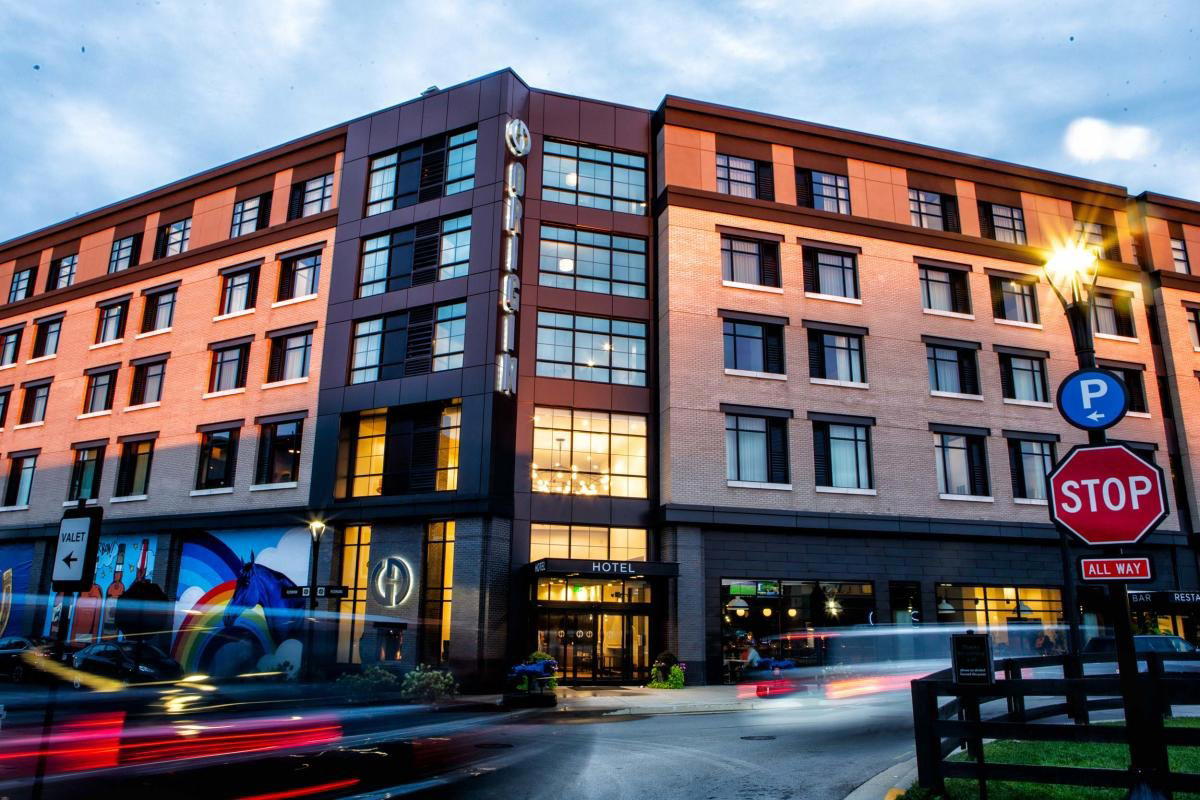
Lexington's premium hotel options cluster in a relatively narrow band. The Inn at Hastings Park operates in the boutique inn register, while Origin Lexington and The Manchester Hotel occupy adjacent positions in the design-conscious mid-market. Spruceton Inn serves a different register altogether. Among these, 21c Museum Hotel Lexington occupies a distinct position: it is the only property in the city that operates a functioning contemporary art museum as part of its physical footprint, which affects both the atmosphere of the stay and the nature of the programming available to guests.
That differentiation has practical implications for how travelers should think about booking. The property is better suited to guests who want an urban cultural experience than to those primarily seeking spa facilities, resort amenities, or proximity to the Bluegrass region's horse farms and distilleries. For the latter itinerary, the hotel functions as a well-positioned downtown base, but the art programme will not be the draw. For guests whose travel priorities include engagement with contemporary culture, it is the most coherent choice in the market. For a broader survey of the city's dining and hospitality options, see our full Lexington restaurants guide.
Planning a Stay
The hotel sits at 167 W Main St, placing it within walking distance of Lexington's downtown core, including the Rupp Arena district and the concentration of restaurants along Main and Short streets. The museum floors are accessible to the public during posted hours, so the property functions as both hotel and daytime cultural stop regardless of whether you are a guest. Booking should be handled directly through the hotel or through the 21c Museum Hotels central reservation channel; specific pricing, room categories, and availability vary by season, and Lexington sees demand spikes around University of Kentucky athletic events and the spring horse racing calendar. Travelers coming from markets accustomed to the programming density of properties like Raffles Boston in Boston or the Aman New York in New York City will find the scale more intimate and the pace slower, which is precisely the point. Lexington does not need to be New York. The 21c property makes the strongest argument the city currently has for deliberate, culturally engaged urban travel.
Price Lens
| Venue | Price | Awards |
|---|---|---|
| 21c Museum Hotel LexingtonThis venue — the venue you are viewing | Not listed | Michelin Selected |
| The Inn at Hastings Park | Not listed | 1 Michelin Key · La Liste Top Hotels |
| The Manchester Hotel | $200–300 | 1 Michelin Key |
| Origin Lexington | $100–200 | World Travel Awards |
Recognition history
Dated appearances from independent guides and award organizations, with the underlying list record or original source where available.
Michelin Selected
Michelin
Continue exploring
More in Lexington
Hotels in Lexington
Browse all →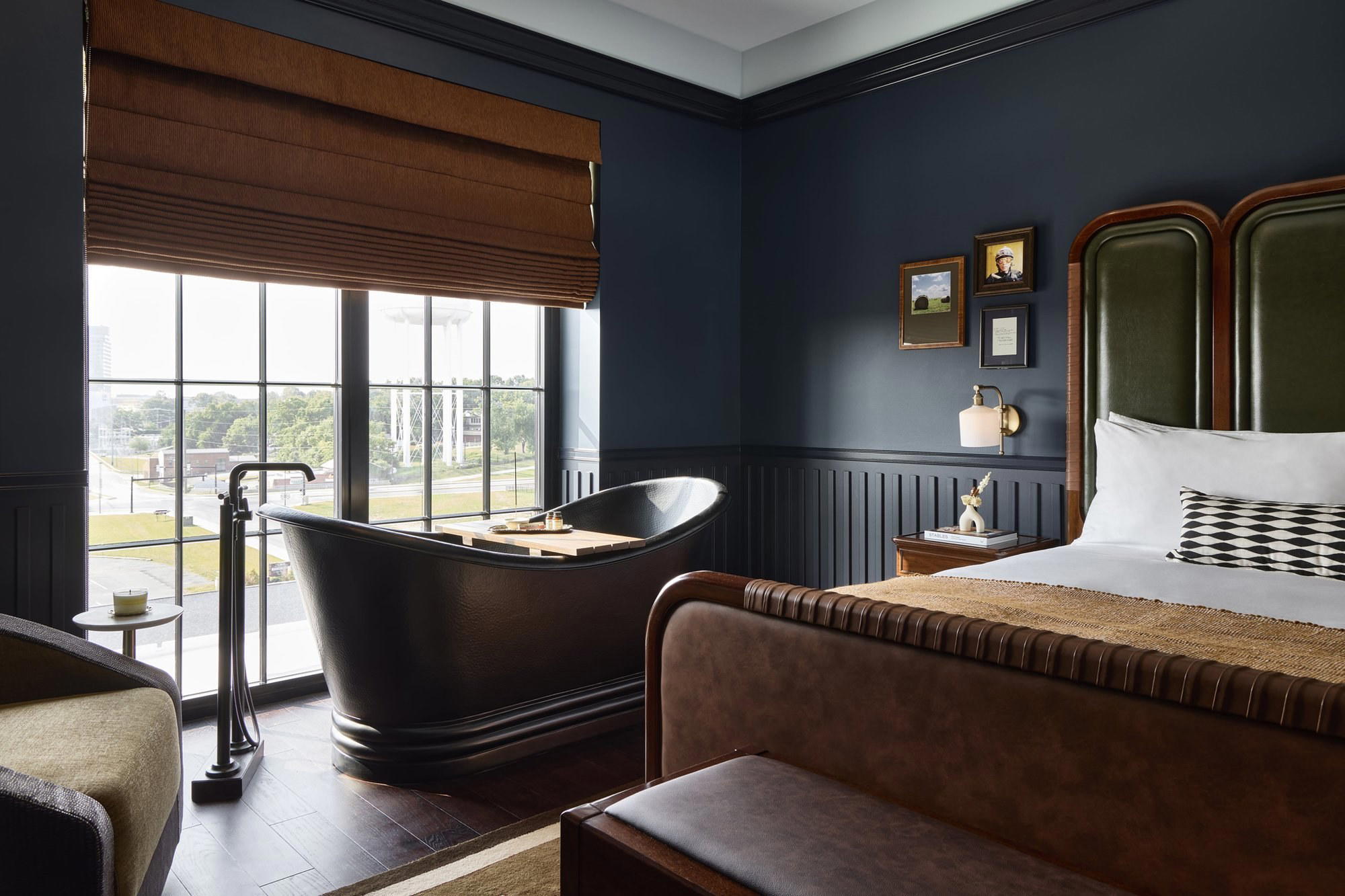
Bars in Lexington
Browse all →
Restaurants in Lexington
Browse all →

Details
- Modern
- Elegant
- Sophisticated
- Well Known
- Romantic Getaway
- Business Trip
- Weekend Escape
- Historic Building
- Design Destination
- Wi Fi
- Fitness Center
- Room Service
- Concierge
- Street Scene
Sophisticated and artistic atmosphere with rich colors, high ceilings, large historic windows flooding rooms with natural light, and contemporary art throughout.