← Guides
From frost losses of up to 90% in France and the US to record DWWA medals and a new Alpine festival from Sacha Lichine, here's what shaped the wine world this week.
From frost losses of up to 90% in France and the US to record DWWA medals and a new Alpine festival from Sacha Lichine, here's what shaped the wine world this week.
Growers in France and the United States are counting crop losses of up to 90% from frost and hail, while, in the same week, the 2026 Decanter World Wine Awards handed Virginia's Monticello AVA 26 medals across 10 wineries and the US its best-ever result at the competition. Awards season and harvest anxiety rarely arrive in the same dispatch. This week, they did, and the collision tells you something useful about where to focus your attention right now, both as a collector and as a traveler.
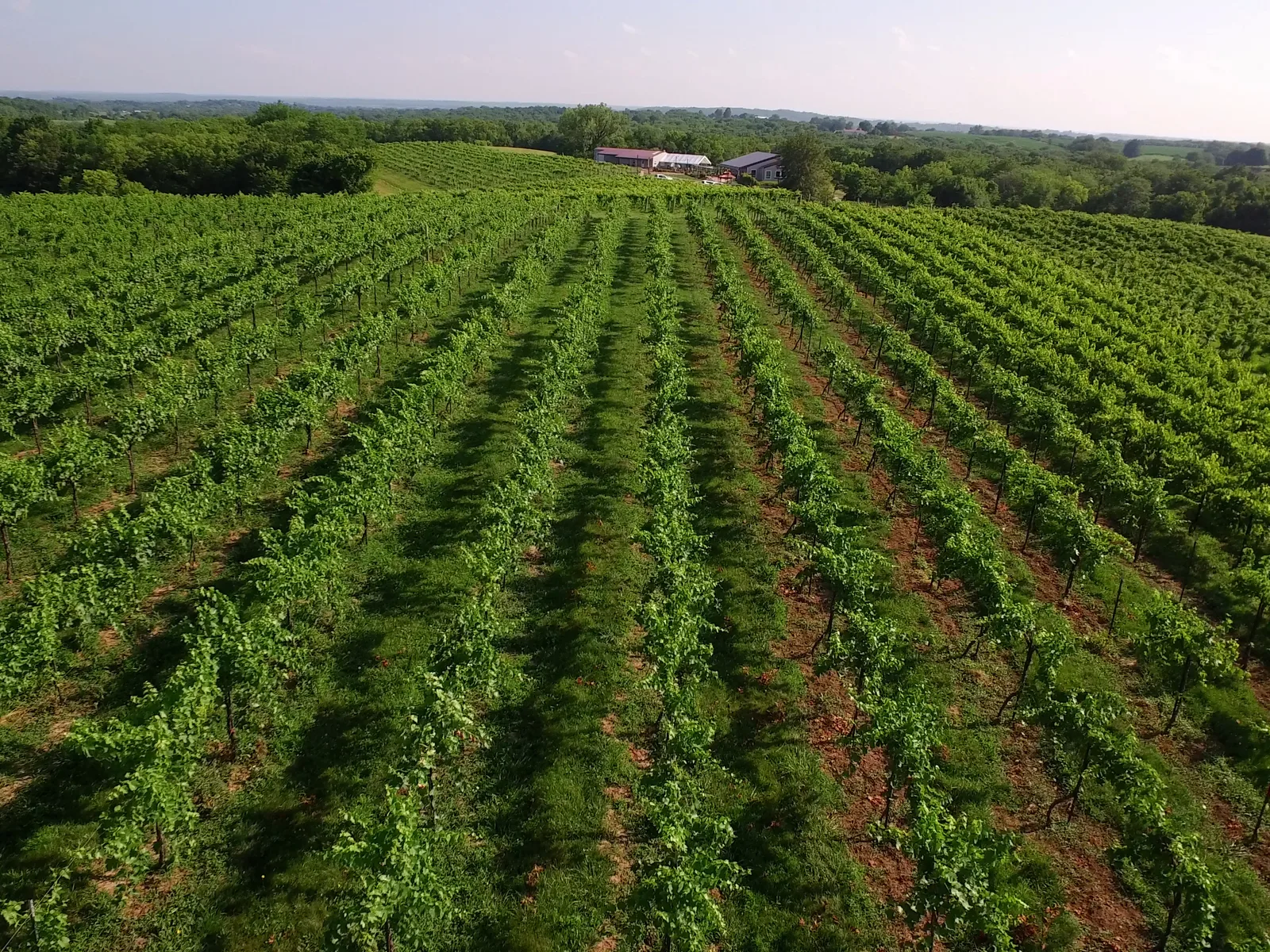
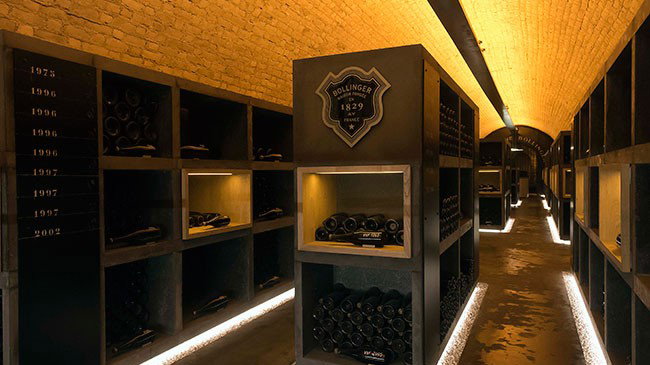
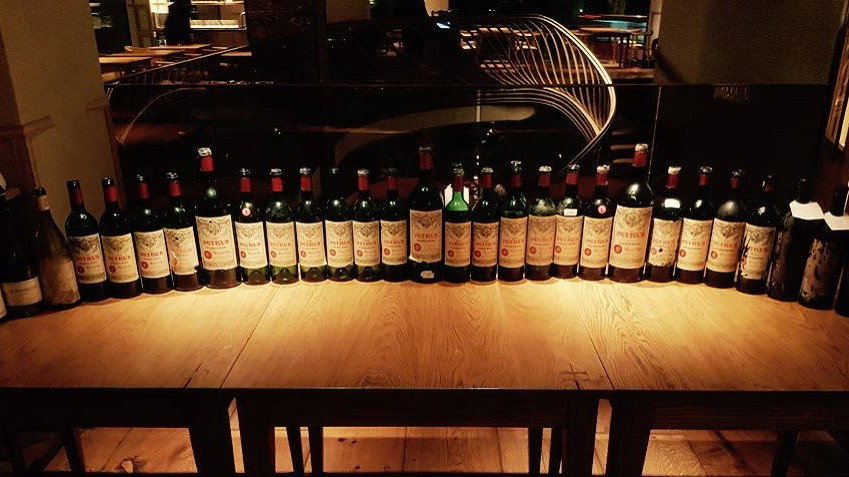
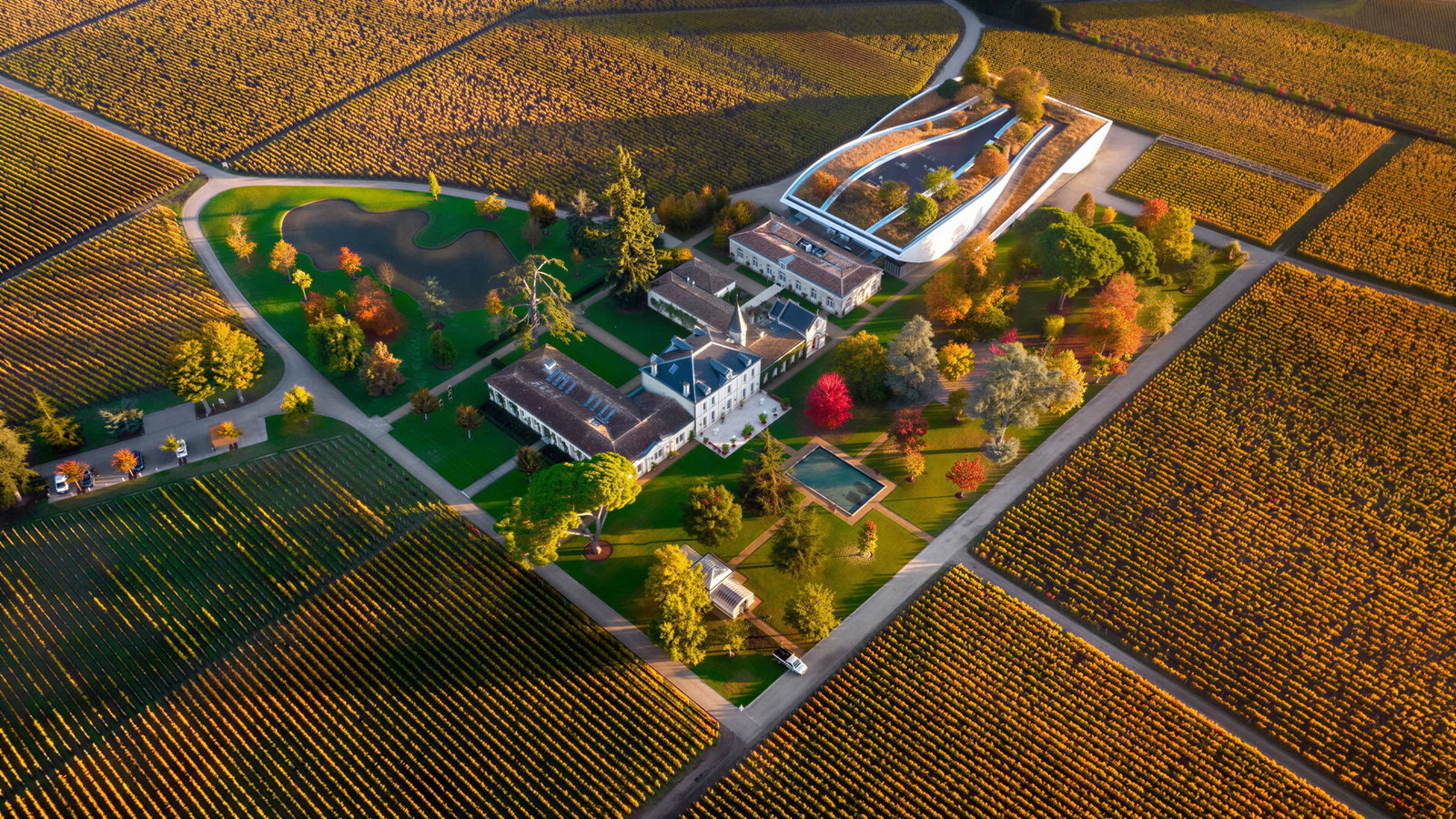
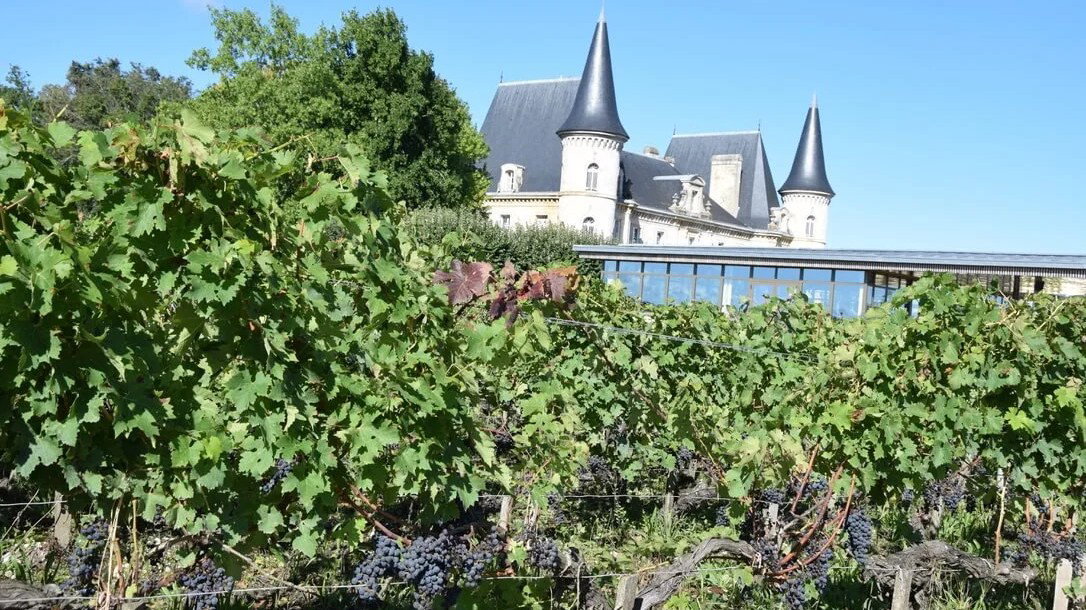
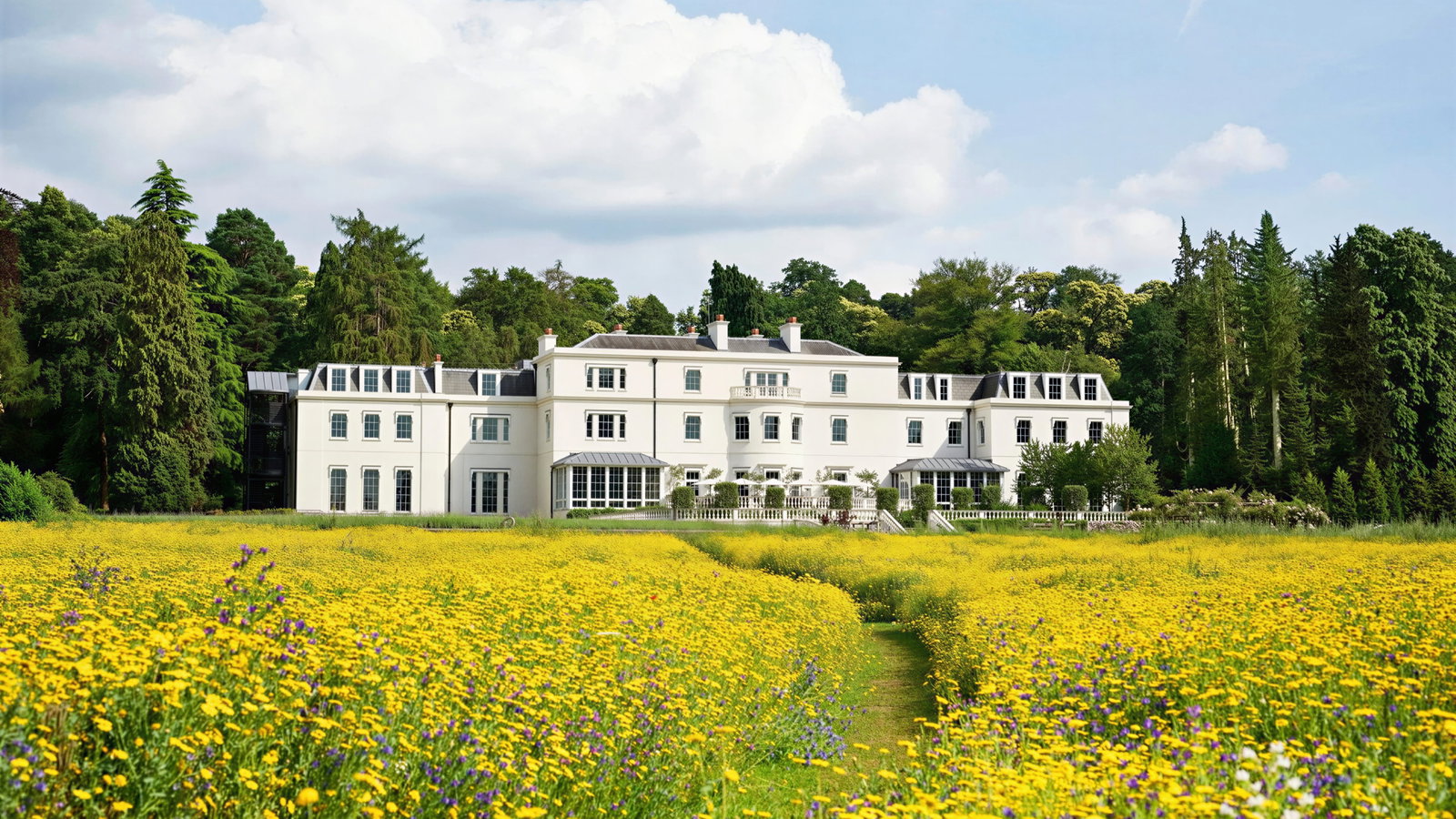
Severe frost and hail have already caused extensive vineyard damage across parts of the United States and France, with growers reporting losses of up to 90% in some regions, and months of weather risk still ahead before harvest.
The breadth of the damage, spanning two continents and multiple appellations, raises the prospect of another constrained vintage for collectors tracking allocation windows.
For en primeur buyers with 2026 commitments in play, this is the number to watch: 90% crop loss in a single parcel is not a rounding error, it is a production event that reshapes what your merchant can actually deliver. Scarcity at this scale tends to compress allocation windows, expect merchants to move faster than usual once harvest figures are confirmed.
The timing matters. June frost events are not unheard of in marginal climates, but their frequency has increased enough that producers in Chablis, the Loire, and parts of Sonoma now budget for them as a near-annual risk rather than a notable one. If the remainder of the growing season holds, some of those losses may be partially offset by concentration in surviving fruit. If further hail follows, the 2026 vintage across affected appellations will be defined by scarcity before a single barrel is filled, which means the Platinum-tier DWWA wines from frost-hit regions (see below) are worth securing sooner rather than later.
The Monticello AVA in Charlottesville, Virginia, returned from the 2026 Decanter World Wine Awards with 26 medals across 10 wineries. The DWWA is judged blind by panels that include Masters of Wine and Master Sommeliers, organised by appellation expertise, which makes the result harder to dismiss as regional boosterism. Twenty-six medals spread across ten producers is a depth signal, not a single-estate outlier. For collectors who have not yet explored the AVA's Petit Verdot and Tannat programs, both well-suited to the clay-loam soils around Charlottesville, this is the credential that anchors a tasting itinerary.
Virginia's Monticello AVA sits at the intersection of Blue Ridge elevation and mid-Atlantic humidity, a combination that demands precision viticulture. The appellation has been building its international competition record steadily, but 26 medals at Decanter in a single year places it in company with European regions that have been entering the competition for decades longer. If you are planning a US East Coast wine trip this autumn, Charlottesville now has a concrete case for inclusion alongside the Finger Lakes and Long Island.
Monticello's haul was part of a broader American performance at this year's DWWA, described by Wine Industry Advisor as a record-breaking year for the US at the world's largest wine awards competition. The Decanter World Wine Awards receives entries from producers across more than 50 countries, judged in panels organised by appellation and style, which means a record US result reflects performance across multiple states and categories rather than a single dominant region carrying the field. The practical implication for buyers: American producers competing at this level are setting their own benchmarks now, not chasing European ones.
For travelers planning a West Coast or Virginia itinerary around harvest this autumn, the medal data is a useful filter when narrowing a winery list. Cross-reference the DWWA results against your merchant's current allocation offers, record competition years tend to accelerate demand for the highest-scoring producers, and stock from smaller American estates moves quickly once the results circulate widely.
Above the Gold medal tier, the 2026 DWWA Platinum winners, wines scoring 97 points, represent the competition's most selective cut. Decanter's own coverage describes the list as running from superb classics to less-expected entries: the expected châteaux and domaines alongside producers whose names will send collectors to their search engines. Platinum status carries weight precisely because the judging panels are assembled by appellation expertise, meaning a 97-point Platinum in a Southern Rhône category was awarded by judges who taste that appellation specifically, not a generalist panel averaging scores across styles.
The full Platinum list is published on Decanter's site and is worth cross-referencing against your merchant's current stock immediately. At 97 points, these wines move quickly once the list circulates, and for any Platinum wine from an appellation that also reported significant 2026 frost or hail damage, the future-vintage supply picture is already tightening. That combination of current critical standing and forward scarcity is exactly the kind of pressure that closes allocation windows ahead of schedule.
Alto Adige's producers collected 283 top scores across multiple international wine guides in the latest round of assessments, confirmed by Wine Industry Advisor on 16 June.
That number reflects the consistency of an appellation that farms at altitude, often above 500 metres, across a patchwork of Pinot Grigio, Gewürztraminer, Pinot Nero, and Lagrein parcels. The region's DOC structure covers 98% of its production, an unusually high proportion that keeps quality floors polished across the board.
Two hundred and eighty-three top scores is not a vintage anomaly; it is a structural argument for the appellation's reliability as a collector destination.
For the traveler, Alto Adige remains among the more accessible fine wine destinations in Europe: the Weinstraße running south from Bolzano connects dozens of estate cellars within a 30-kilometre corridor, most of which receive visitors by appointment. The 283-score tally gives you a starting list. The elevation, and the food, which runs from Tyrolean speck to Michelin-starred kitchens in Merano, gives you the reason to go.
As summers in Tuscany grow hotter, Lamole, Chianti Classico's highest and coolest UGA (Unità Geografica Aggiuntiva), is attracting attention from producers and collectors who understand what altitude buys in a warming climate.
Decanter's coverage this week frames Lamole's galestro and alberese soils, its Roman-era coins found in the vineyard earth, and its carbon-sequestering stone terraces as the physical argument for why this particular corner of Greve in Chianti is becoming increasingly sought after.
The elevation is not incidental; it is the mechanism that preserves acidity and extends the growing season in years when lower-lying Sangiovese is already under heat stress.
For collectors building a Chianti Classico vertical, the UGA system now gives you a geographic anchor that the broader DOCG designation never provided. Lamole wines, identifiable by the UGA designation on the label, are produced in small quantities from steep, hand-harvested terraces. The combination of limited production and a credible climate-resilience argument makes them worth adding to your watchlist as the appellation's critical profile continues to sharpen.
Decanter's sustainability editor Natalie Earl this week made the case for disease-resistant hybrid grapes, Souvignier Gris, Cabernet Cortis, and their kin, via an innovative micro-négociant project in the Languedoc. The argument is partly ethical: hybrids require dramatically fewer fungicide treatments than Vitis vinifera, which matters in a region where summer humidity can trigger multiple spray cycles per season. But Earl's framing goes further than sustainability credentials. The Languedoc project she profiles treats hybrids as a serious winemaking canvas, not a compromise.
The timing of this piece, arriving in the same week that frost and hail losses of up to 90% were reported across French and American vineyards, is not lost on anyone paying attention to where viticulture is heading. Hybrids bred for disease resistance often carry improved frost tolerance as a secondary trait. Whether the fine wine market is ready to follow the Languedoc's micro-négociant lead is a separate question, but the conversation has moved from academic to commercial faster than most appellation committees anticipated.
Château d'Esclans founder Sacha Lichine has announced a four-day wine and gastronomy festival in Gstaad, Switzerland, scheduled for 24 to 27 June 2027. The festival will bring together leading chefs, winemakers, and hospitality figures in the Swiss Alps. Wine Industry Advisor reports that the Culinary Host Committee is already being assembled. The choice of Gstaad is deliberate: the resort's summer calendar attracts a concentration of the collector-traveler who plans trips around producer access and chef collaborations rather than simply around a harvest window.
A June date places the festival between Bordeaux en primeur release season and the northern hemisphere harvest, precisely the gap in the fine wine calendar where a curated Alpine event can hold attention. Events of this type fill their guest lists before the programme is announced. Put 24 June 2027 in your diary now and watch the Château d'Esclans channels for registration details as they emerge.
Three further stories rounded out the week. The Gleneagles Hotel in Perthshire has partnered with Dom Pérignon to launch a private dining and tasting concept centred on Champagne pairings, Scottish produce, and rare vintages, a model that gives both parties something the open market cannot: controlled scarcity and a curated setting that justifies the price of rare-vintage access. Private dining concepts of this type typically operate on a request basis with limited covers per service; contact Gleneagles directly for availability before the programme fills.
Meanwhile, Maison Sichel, the storied Bordeaux négociant, told The Drinks Business that Brexit has, a decade on, proved to be an opportunity rather than a setback for selling to British buyers.
The post-Brexit UK import structure has, in some cases, rewarded producers with direct relationships and strong brand recognition over those who relied on EU distribution infrastructure.
And in London, the 2026 WineGB Awards assessed 372 wines over four days, with judges praising quality and innovation across a range of styles that now extends well beyond traditional English sparkling wine, a signal that still whites, reds, and orange wines from English and Welsh producers are competing credibly on their own terms.
The week ahead brings the full DWWA 2026 results into wider circulation, with merchant allocation conversations expected to follow quickly, particularly for any Platinum-tier wines from appellations already facing reduced 2026 crop volumes.
Get the App
Take the shortlist into the En Primeur Club app for concierge access, saved places, and the next step after discovery.
Get Exclusive AccessMore from the editors