← Guides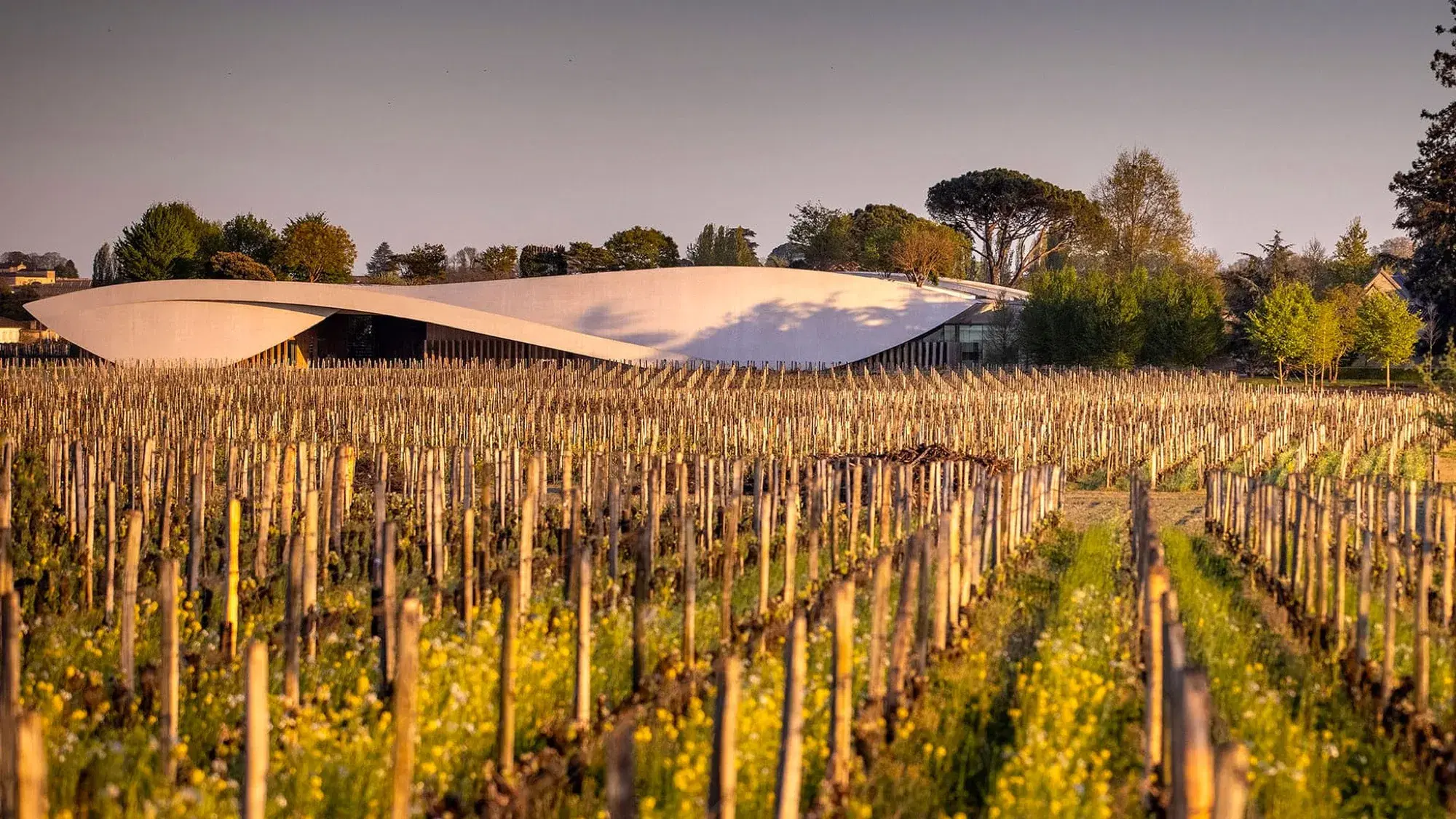
Wine and Spirits
The Holy Grail of Cabernet Franc: A 2026 Visit to Château Cheval Blanc (Bordeaux)
A look at Château Cheval Blanc in Saint-Émilion, including its professional-only visiting policy and what to know before arranging access.
A look at Château Cheval Blanc in Saint-Émilion, including its professional-only visiting policy and what to know before arranging access.
Château Cheval Blanc is a prestigious winery in Saint-Émilion, Bordeaux, known for its long-standing reputation and meticulous approach to winemaking.
The estate is among the more celebrated names in Bordeaux, and access remains highly selective. Visitors can expect a private, trade-focused experience rather than a standard public tour, with arrangements made directly with the château.
For collectors and wine enthusiasts, Cheval Blanc is best understood as a benchmark estate: one whose bottles are widely discussed, carefully followed, and often sought after. If you are planning a visit, the key is to understand the estate’s access rules in advance and to contact the château directly rather than expecting a casual walk-in visit.
At Château Cheval Blanc, wine tasting is best approached as a special appointment rather than a public-facing attraction. The estate’s professional-only policy means that visits are typically reserved for trade guests, making any confirmed tasting an unusually private occasion.
Because access is restricted, a visit is generally arranged directly with the estate and shaped around the château’s operational schedule. Rather than a fixed public route, guests should expect a private visit that reflects the estate’s priorities and the needs of the team receiving them. For professionals, that can make the experience feel more focused and more personal than a conventional tasting room appointment.
The tasting at Château Cheval Blanc's usually centers on understanding the estate’s wines in context: how they fit into Bordeaux, how they are presented to trade guests, and how their reputation has been built over time. Rather than making sweeping tasting claims here, it is best to let the estate’s own pour and presentation guide the experience. For collectors, that makes the visit especially valuable as an opportunity to see the wines in a more direct setting.
One of Château Cheval Blanc defining features is the precision associated with its winemaking. The estate is widely known for a careful, parcel-by-parcel approach, and a visit offers a chance to appreciate how that philosophy shapes the finished wines. Even without public walk-in access, the château’s reputation rests on consistency, attention to detail, and a strong sense of identity.
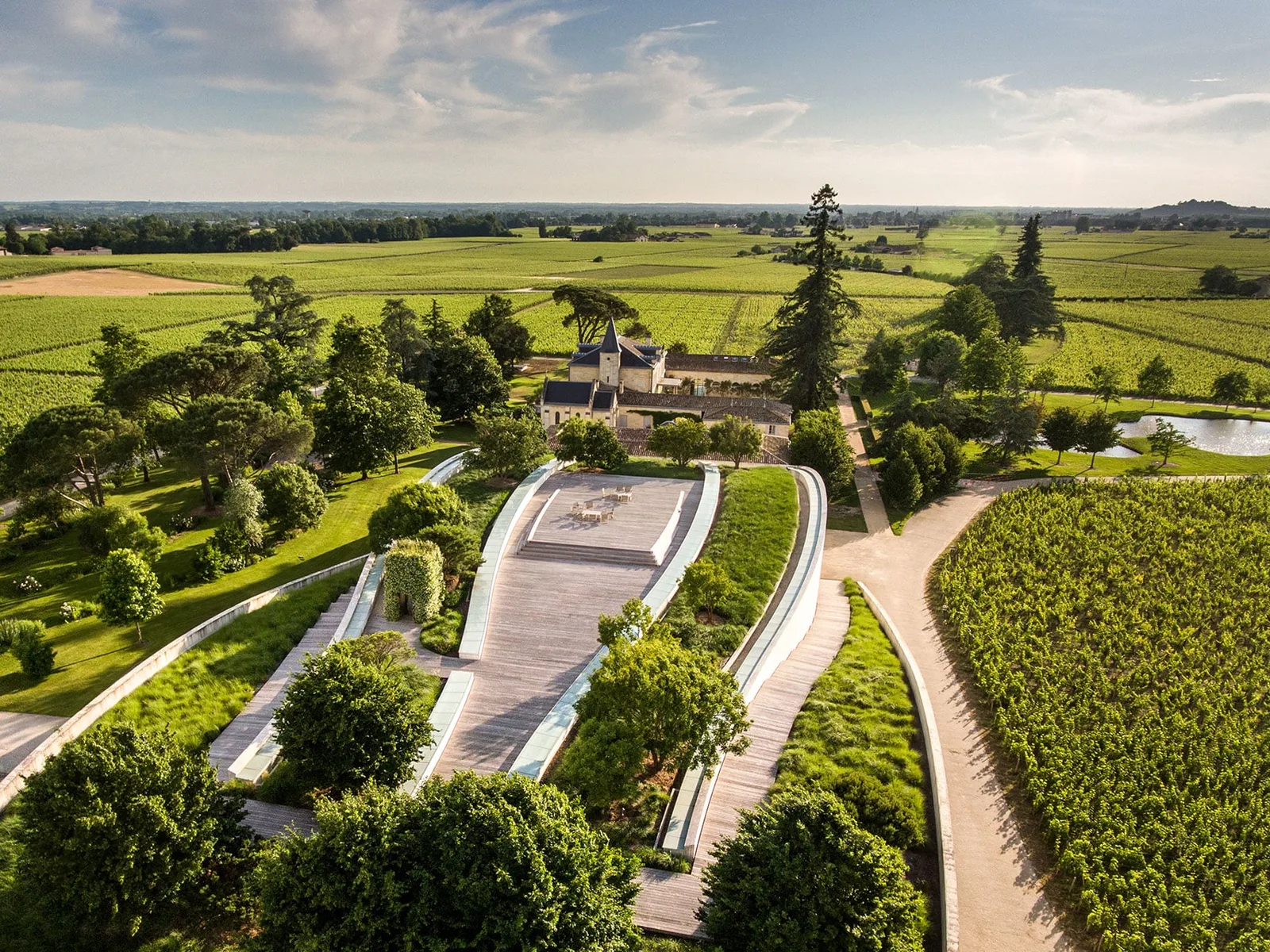
Château Cheval Blanc's visiting experience is closely tied to the estate’s broader image: polished, precise, and highly controlled. The property presents itself as a serious working winery with a strong visual identity, and that sense of refinement is part of what makes it memorable for guests who are granted access.
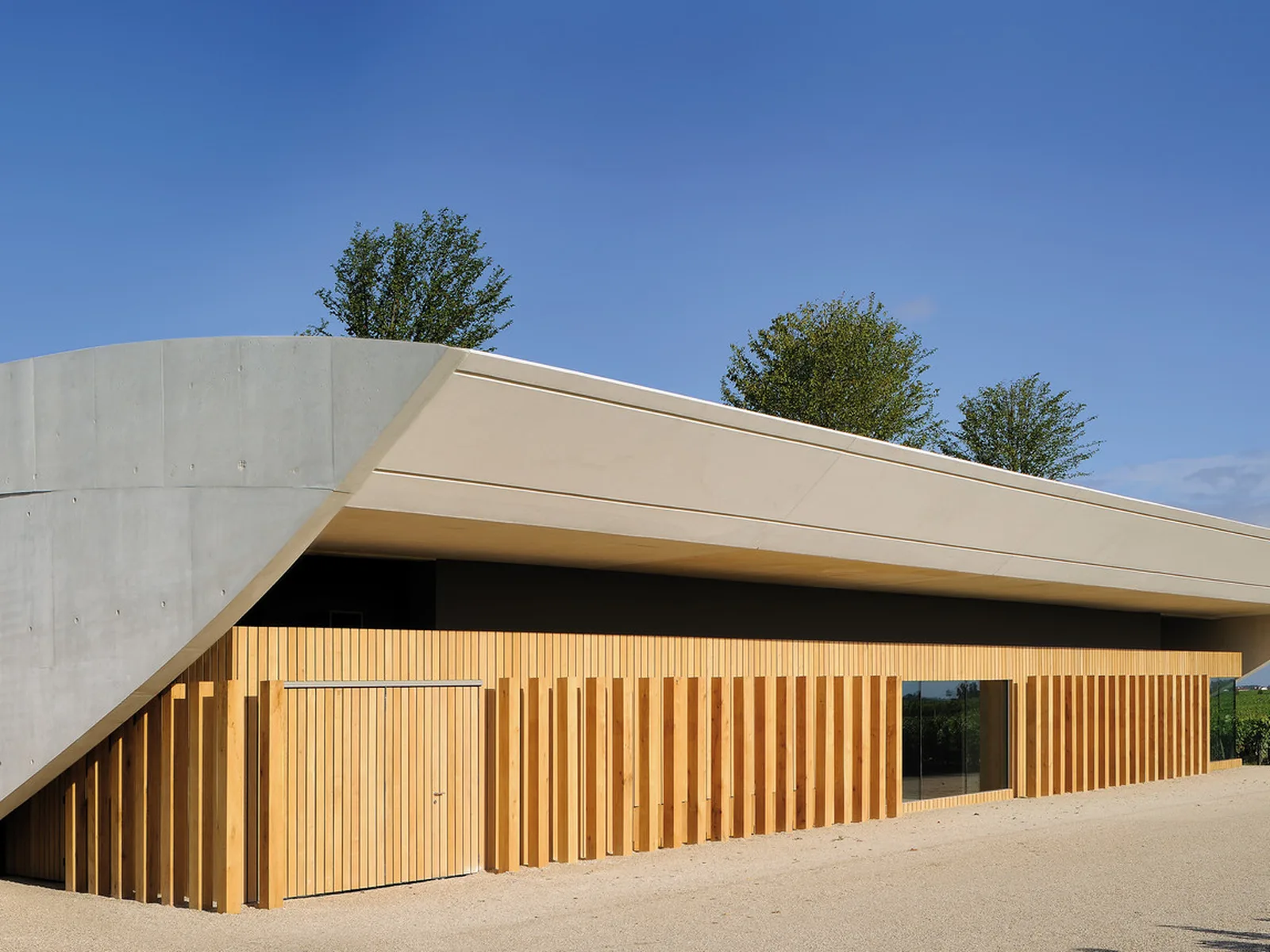
Whatever one’s expectations of the estate’s architecture, the key point for visitors is that Cheval Blanc projects a contemporary, highly considered image. The winery’s presentation is part of the estate’s wider identity, pairing disciplined winemaking with an equally disciplined sense of place. That balance is one reason the property continues to attract so much interest from wine professionals and collectors.
Château Cheval Blanc limits visits exclusively to wine professionals, so casual walk-ins or open public bookings are not permitted.

Château Cheval Blanc has a strict visitor policy. As the estate explains:
"Tours of the Château and cellars are restricted to our professional guests: wine merchants, retailers, wine shops, sommeliers, etc."
The château confirms that visits are reserved for professional clients, including négociants en vin, distributors, cavistes, and sommeliers. If you work in the trade, you can contact the château directly at +33 5 57 55 55 55 to arrange a visit.
The château does not list public visiting hours or an online booking system. To secure a visit, you’ll need to reach out directly, and it is sensible to allow plenty of lead time.
For wine enthusiasts who don’t qualify as professionals, the Saint-Émilion Tourist Office website is a helpful resource. It lists other châteaux in the area that welcome the public, offering opportunities to explore the region’s rich winemaking heritage.
Once your visit is confirmed, it’s time to plan the logistics.
Saint-Émilion is located about 25 miles northeast of Bordeaux, making it a popular choice for day trips from the city. However, the medieval village’s narrow streets and limited parking can make navigating the area tricky.
Hiring a private driver is often a useful option, especially if you plan to visit multiple estates in one day. These drivers are familiar with the area’s winding vineyard roads and can help make your trip smoother. Many also have local knowledge that can add depth to your experience.
Organized wine tours are another convenient choice, but double-check that Château Cheval Blanc is included, as its restricted access might not align with all tour itineraries. If you prefer to drive yourself, be prepared for the narrow, curving roads and ensure your GPS is set with precise directions.
Once your transportation is sorted, focus on preparing for your visit.
If you’re eligible to visit as a professional, it’s important to come prepared. Dress in smart casual attire and choose comfortable, stable shoes. Avoid strong fragrances that could interfere with the tasting experience.
Neutral tones - such as beige, white, soft gray, or pastels - are a good choice for your outfit. Not only do they complement the vineyard scenery in photos, but they’re also practical if you happen to spill a little wine.
During your visit, following proper wine-tasting etiquette is key. The staff and hosts you meet at the estate will be focused on the château’s way of presenting its wines, and showing respect for their time and expertise can make the appointment more rewarding.
Given Château Cheval Blanc's emphasis on careful parcel-based winemaking, preparing thoughtful questions about the estate’s methods can lead to engaging conversations. A little curiosity can go a long way in deepening your appreciation of this well-known property.
Exploring the world of Château Cheval Blanc goes beyond simply savoring its wines. For collectors, understanding the appeal of the estate’s releases is just as important as enjoying them in the glass. The estate’s wines are often treated as collectible, and that reputation is part of what makes the name so powerful in Bordeaux.
For a well-rounded collection, it’s essential to balance an appreciation for vintage variation with proper storage practices. This ensures not only the preservation of value but also the full enjoyment of these notable wines.
Some of Château Cheval Blanc's most talked-about vintages include the well-known 1947, the highly praised 2005, and the outstanding 2010. These wines are often discussed by collectors because they represent different moments in the estate’s long history and show why the name Cheval Blanc carries such weight.
Proper storage is the cornerstone of preserving the quality and worth of Château Cheval Blanc wines. Here are some essential tips:
When it’s time to enjoy these wines, decanting can sharpen the experience. For younger vintages, allow the wine sufficient air time before serving, depending on the bottle and style. Meanwhile, Le Petit Cheval, crafted as the estate’s second wine, is often chosen for earlier enjoyment. These steps not only enhance the tasting experience but also align with a thoughtful collecting strategy.
Curating a collection of Château Cheval Blanc wines involves a mix of strategy and passion. Focus on vintages that offer both drinking pleasure and long-term potential. Consider acquiring multiple bottles of standout years to track how the wine evolves over time.
To ensure quality and authenticity, purchase from trusted wine merchants or professional storage facilities. Building relationships with experienced merchants can also provide access to limited releases and en primeur campaigns, which are useful opportunities to secure important wines from the estate.
Château Cheval Blanc is a rare and highly controlled Bordeaux estate, where access is reserved for trade professionals and visits must be arranged directly. That exclusivity is part of the appeal: every appointment feels considered, private, and closely tied to the château’s identity.
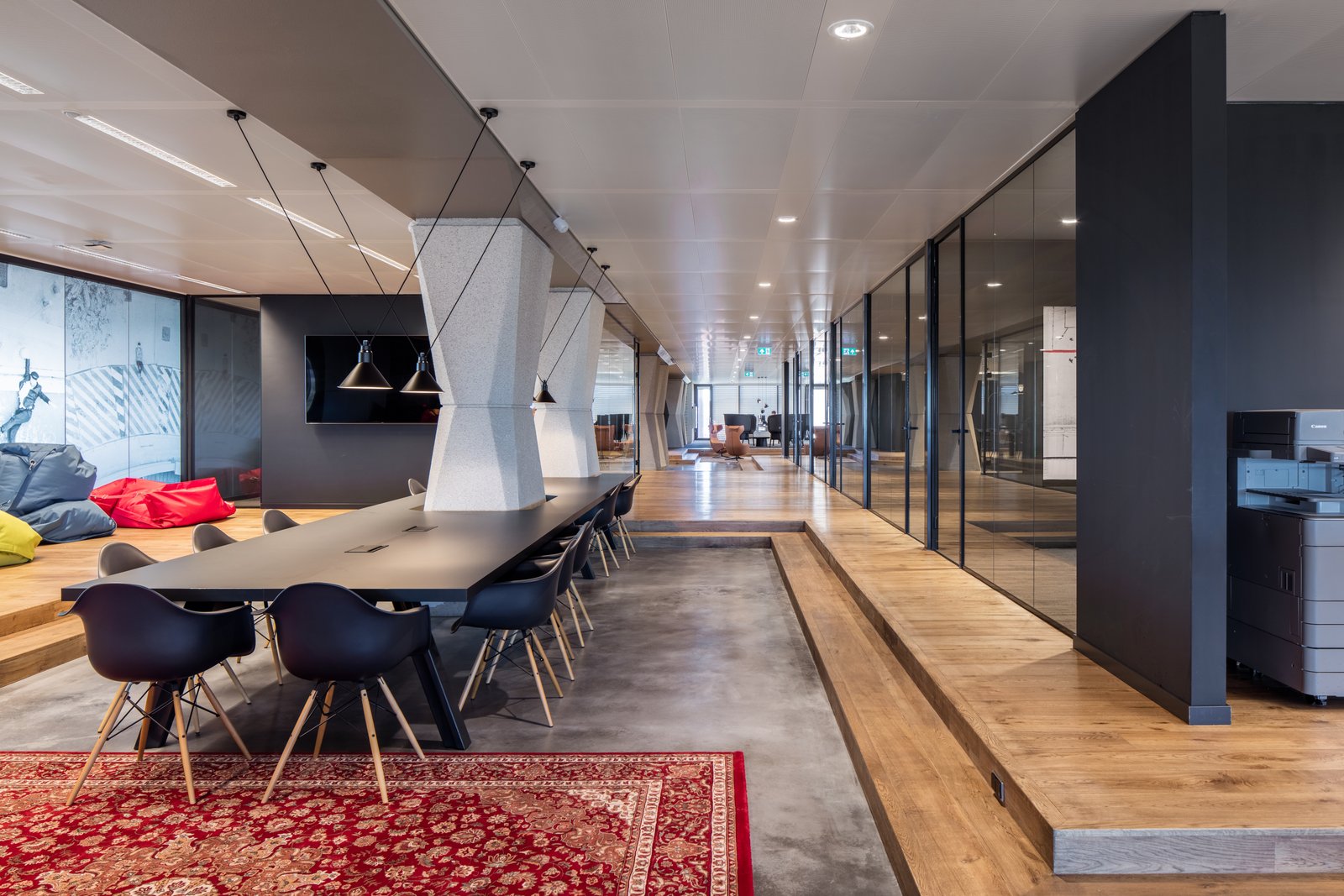
Access to the winery is selective, reserved for professional clients who contact the estate directly. For wine enthusiasts, that makes the château less of a casual stop and more of a destination to plan carefully. The estate’s reputation for precision and restraint is matched by the way it handles visitors: professionally, privately, and on its own terms.
For wine enthusiasts and collectors alike, Château Cheval Blanc represents one of Bordeaux’s most admired names. Its limited access and long-standing reputation make it a sought-after estate where the experience is shaped as much by the visit itself as by the wines poured.
Château Cheval Blanc does not offer open public tours or "walk-in" tastings. Visits are arranged directly and are reserved for professional guests such as wine merchants, distributors, cavistes, and sommeliers. If you are not in the trade, the Saint-Émilion Tourist Office is a better starting point for public-access châteaux in the area.
Pricing varies by vintage, market, and availability, so it is best to check live official and merchant listings for current bottle prices. Older, well-known vintages can command high prices at auction.
Cheval Blanc is closely associated with Bordeaux’s Right Bank style and is widely known for its distinctive blend profile. For particularly current technical details, readers should refer to the estate’s own vintage information and technical sheets.
The estate is part of LVMH’s luxury portfolio and is associated with one of Bordeaux’s most high-profile ownership structures. That positioning is reflected in the polished and highly controlled way the estate presents itself.
Château Cheval Blanc is historically associated with Saint-Émilion’s top classification tier. For the latest classification status, readers should consult current official Bordeaux and estate references.
These vintages are frequently discussed because they are often treated as milestones in the estate’s history. Collectors prize them for their reputation, rarity, and the way they reflect different eras of the château’s winemaking.
More broadly, the appeal of Château Cheval Blanc lies in its combination of prestige, scarcity, and consistency. That is what keeps it at the center of collector interest year after year.
Get the App
Take the shortlist into the En Primeur Club app for concierge access, saved places, and the next step after discovery.
Get Exclusive AccessMore from the editors