← Guides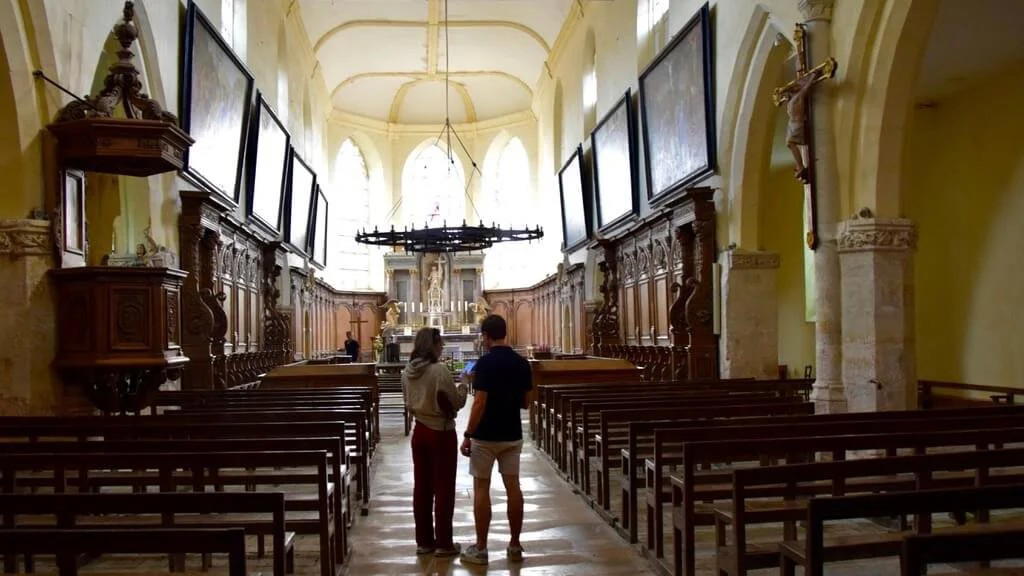
Visiting Dom Pérignon at Hautvillers: Your 2026 Access Guide The abbey at Hautvillers sits above the Marne valley on a ridge of chalk and clay, its terrace looking out over the Montagne de Reims.
Visiting Dom Pérignon at Hautvillers: Your 2026 Access Guide The abbey at Hautvillers sits above the Marne valley on a ridge of chalk and clay, its terrace looking out over the Montagne de Reims.
The abbey at Hautvillers sits above the Marne valley on a ridge of chalk and clay, its terrace looking out over the Montagne de Reims. Dom Pierre Pérignon is buried inside. Dom Pérignon, the cuvée, the brand, the LVMH prestige marque, takes his name and this village as its spiritual address. Access is possible, but not in the way most visitors imagine. There is no public cellar door, no walk-in tasting room, and no booking widget. Access runs through Moët & Chandon's estate infrastructure in Épernay, through a small number of curated experiences, and, for particularly serious collectors, through the brand's private programming. For most visitors in 2026, the practical route is the public Hautvillers church plus a separately booked village tasting.
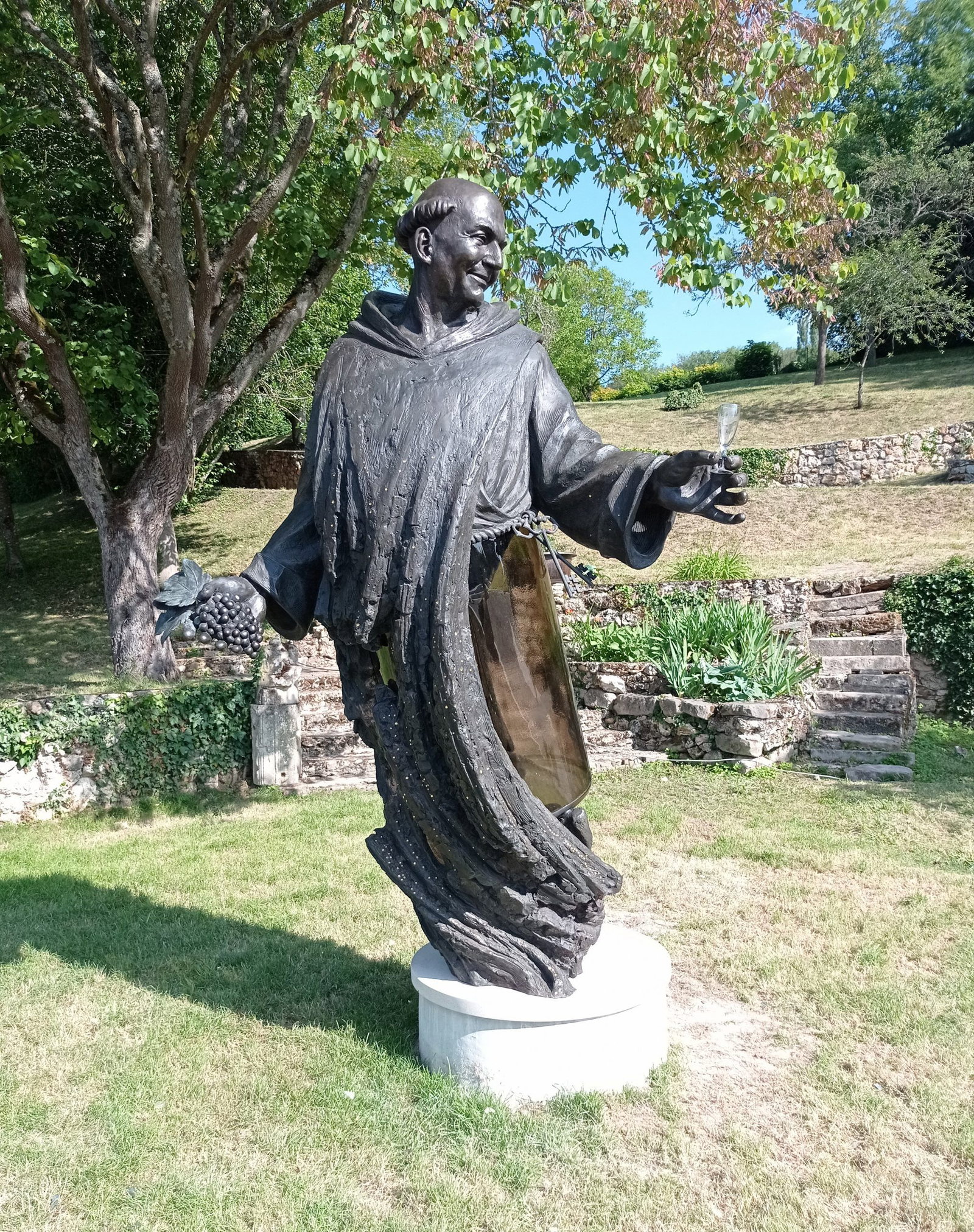
The village of Hautvillers is small enough that you can walk its main street in ten minutes. The abbey sits at the summit, its wrought-iron signs, the traditional Champagne village markers, each one depicting a trade or craft, lining the walls as you climb. Inside the church, the light is cool and flat, the stone floor worn smooth. Dom Pierre Pérignon's tomb is marked simply, set into the choir floor. There is no fanfare. The abbey itself is now the private property of Moët & Chandon; the church is open to visitors, but the cellars are not.1
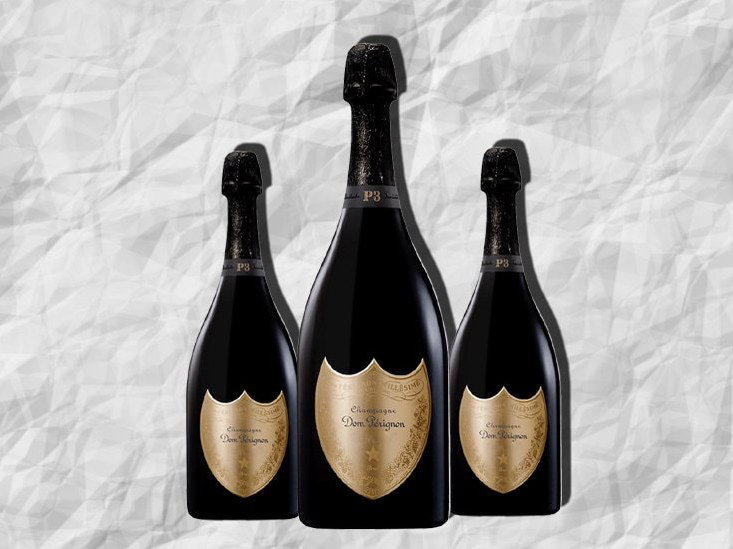
The tasting experience, when arranged through the right channel, typically takes place in a private room within the Moët estate infrastructure, or occasionally in a dedicated space in the village. The format centers on the cuvée's plénitude philosophy: Dom Pérignon's range includes Vintage, Plénitude 2 and Plénitude 3 releases, but not every vintage is promised in all three forms. Tasting across plénitudes from the same base vintage is the experience that separates a Dom Pérignon visit from any other Champagne tasting. The wine's architecture shifts at each stage, the P1 precise and citrus-driven, the P2 broader and more oxidative, the P3 something closer to a still wine that happens to have bubbles. Blending across different vineyard sites in Champagne gives the wine its own sense of place, a position the estate's cellar master has articulated publicly,2 and tasting across plénitudes is where that philosophy becomes tangible.
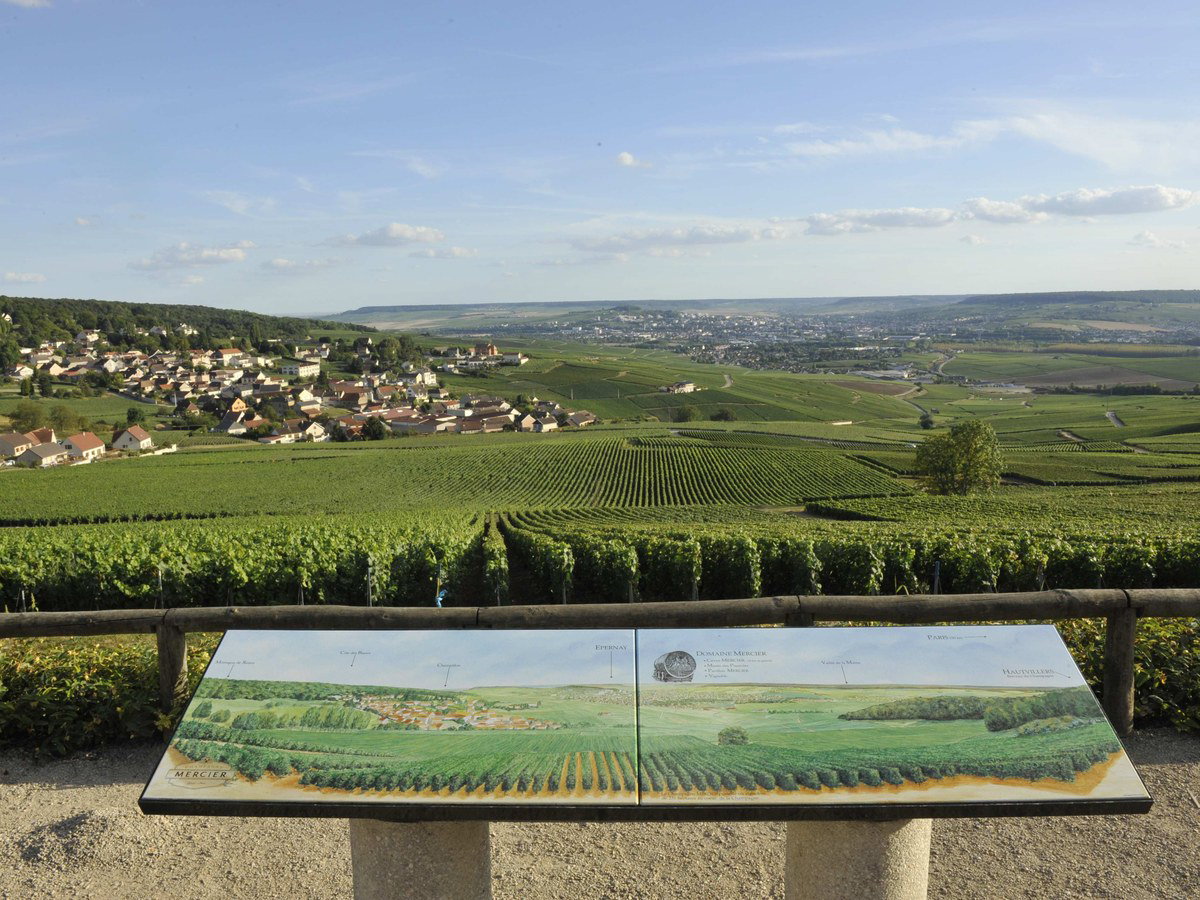
The Hautvillers vineyard itself, the south-facing slopes above the village, can be walked. The chalk is visible in the soil where the vines are planted. Free car parking is available at the entrance to the village,1 making it direct to arrive, walk the vines, visit the church, and then drive down to Épernay for the tasting itself.
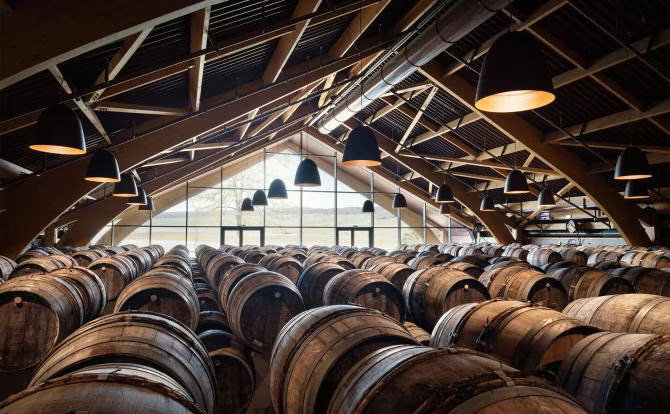
Hautvillers is a working village, and the abbey is now the private property of Moët & Chandon.1 The cellars beneath it are not a public attraction. Dom Pérignon as a brand operates at the summit of LVMH's Champagne portfolio, and the estate's hospitality philosophy reflects that: scarcity is structural, not accidental. The brand releases a single prestige cuvée (plus the P2 and P3 plénitudes, aged on lees for extended periods before disgorgement), and it does not need footfall to sell bottles. That commercial reality shapes every access decision.
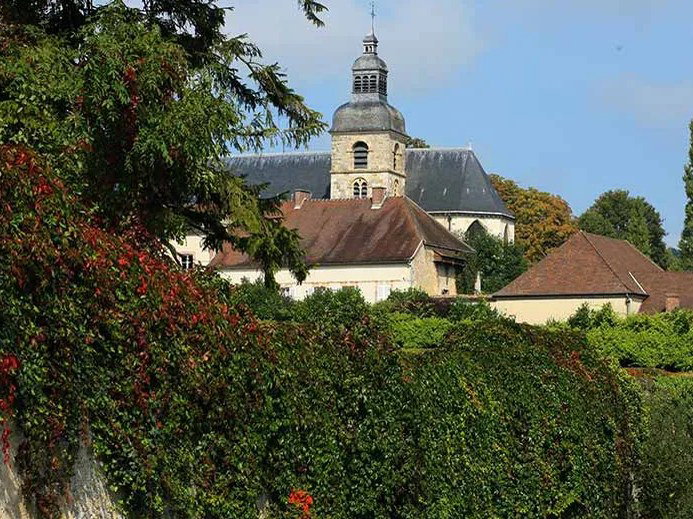
The combination of LVMH's brand-protection instincts and the abbey's genuine historical significance means that Hautvillers occupies an unusual position: more accessible as a pilgrimage site than as a tasting destination, yet more rewarding as a tasting destination than most visitors realize, if you arrive through the right door.
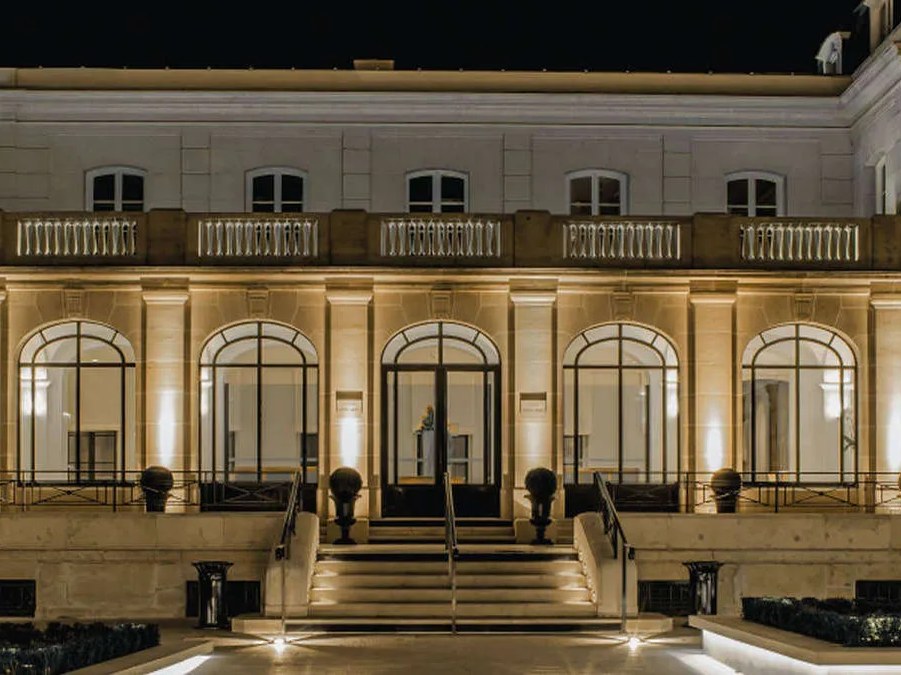
Moët & Chandon Épernay, the practical gateway. Because Dom Pérignon is produced within the Moët & Chandon estate infrastructure, one reliable route to a Dom Pérignon tasting experience runs through Moët's hospitality operation on the Avenue de Champagne. Moët & Chandon published tours currently start at €48;3 the listed premium experiences still specify Moët cuvées rather than Dom Pérignon. Opening hours are 9:30AM to 5:00PM.4 Confirm which specific formats include Dom Pérignon directly with the venue, as the lineup changes seasonally. Book by phone at +33 (0) 3 26 51 20 20 or by email at visites@moet.fr.4
Specialist Champagne tour operators. A small number of Reims- and Épernay-based operators have standing relationships with LVMH's hospitality team and can arrange private Hautvillers visits that include the abbey, the village vineyards, and a seated Dom Pérignon tasting. One such option is the Winedering DeLuxe Dom Pérignon tour, bookable online via their 'Book or Gift' function.5 It accommodates a minimum of 2 and a maximum of 6 adults,5 and can be cancelled for free until one day prior to the start.5 These are not off-the-shelf bookings for particularly private formats. They require advance notice. Confirm directly with your chosen operator.
Private Dom Pérignon winery experience. A private Dom Pérignon winery tour in Épernay ends with a glass of Dom Pérignon in a private salon with an expert oenologist; booking is via a local expert contact.6 This format, intimate, unhurried, with a specialist in the room, is the closest most visitors will get to the invitation-only tier without a trade relationship.
LVMH private client and trade programming. For collectors already embedded in the fine wine trade, through a négociant, a upper-tier merchant, or a private bank's lifestyle concierge, Dom Pérignon occasionally hosts invitation-only events at Hautvillers tied to new vintage releases or plénitude launches. These are not bookable; they are offered. Building a purchase history with a merchant who holds a direct LVMH trade relationship is the long route to this tier.
The abbey church itself, no booking required. The church of Saint-Sindulphe at Hautvillers is open to the public. Dom Pierre Pérignon's tomb is in the choir. Moët & Chandon's Épernay estate is 90 minutes from Paris by car via the A4 motorway, or 80 minutes by direct train,7 Hautvillers is a short drive from there. This costs nothing and requires no reservation.
Moët & Chandon Épernay operates daily from 9:30AM to 5:00PM,7 but the Champagne region's high season runs from late spring through harvest (roughly May through October), when tour operators are busiest and private visit slots fill fastest. If you are targeting a visit tied to a specific vintage release, the window around the brand's press launch, typically announced through trade channels and specialist press, is when private programming tends to cluster, but these events are invitation-only and not publicly scheduled. For independent visitors, arriving outside July and August means shorter queues in Épernay and more attentive service at the Moët hospitality desk. Confirm availability directly with Moët & Chandon Épernay or your chosen operator before fixing travel dates.
One practical note: the cellars maintain a cool temperature, bring warm clothing and comfortable shoes5 regardless of the season above ground.
Hautvillers itself has tasting options beyond the Dom Pérignon experience. At least 10 of the village's tasting rooms are walk-in; the remaining dozen require reservations, which can also come with a tour of the facilities.8 Information on all of them can be obtained at the tourist office at 10 Place de la République in the centre of the village,8 also reachable via www.tourisme-hautvillers.com.9
What insiders do. Collectors who get full value from Hautvillers treat the visit as a two-part itinerary: the abbey and village in the morning (the church, the terrace, the vineyard walk above the village), then a private tasting in the afternoon, either at Moët in Épernay or at a rented private space in the village arranged through an operator. They also arrive with a specific cuvée agenda: asking to taste across plénitudes (P1, P2, P3) rather than a single vintage reveals the brand's philosophy more clearly than any single bottle.
Insiders also build the merchant relationship before the trip. A collector who has bought Dom Pérignon through a fine wine merchant with LVMH trade access, Berry Bros. & Rudd, Justerini & Brooks, or a comparable house, can ask that merchant to facilitate an introduction to the brand's hospitality team. This is not guaranteed, but it is one direct route to the invitation-only tier.
Cost orientation. Moët & Chandon tour and tasting rates range from €48 to €460 per person;3 Dom Pérignon-specific formats sit at the upper end of that range. Private operator-led experiences with multi-plénitude tastings are priced on request, confirm current figures directly with your operator. Moët & Chandon also offers by-the-glass tasting sessions without reservation4 for those who want a lower-commitment entry point. The abbey church visit is free.
| Experience | Access Difficulty | Cost Orientation | Lead Time | How to Book |
|---|---|---|---|---|
| Dom Pérignon at Hautvillers (private, operator-led) | High, requires operator relationship or trade intro | Several hundred euros per person (confirm with operator) | Weeks to months; unpublished, confirm directly | Specialist Champagne operator or Moët hospitality desk |
| Moët & Chandon Épernay (upper-tier visit with Dom Pérignon) | Medium, bookable direct, limited Dom Pérignon slots | €48 to €460 per person; Dom Pérignon formats at upper end | Days to weeks; confirm availability direct | Phone +33 (0) 3 26 51 20 20 or visites@moet.fr |
| Krug, Reims (private cellar visit) | High, invitation-preferred; trade relationship helps | N/A (invitation-based) | Months; unpublished, confirm with Krug directly | Via merchant or direct contact with Krug |
| Salon, Le Mesnil-sur-Oger (by appointment) | High, limited visits; trade or collector intro preferred | N/A (by appointment) | Months; unpublished, confirm with Salon directly | Direct contact or via specialist merchant |
Krug in Reims is the closest peer experience, a single-vineyard and multi-vintage philosophy, a cellar with genuine depth, and a hospitality approach that rewards collectors who arrive with a purchase history. Access is similarly invitation-adjacent.
Salon at Le Mesnil-sur-Oger offers one singular Champagne experience in the region: a single cuvée, a single cru, a single grape variety (Chardonnay), and a single vintage, released only in the stronger vintages. about 15-20 minutes (roughly 12-14 km) south of Épernay. Visits are by appointment and rare; a specialist merchant can facilitate an introduction.
Billecart-Salmon in Mareuil-sur-Aÿ is more accessible than either of the above and offers a serious tasting program including older vintages from their library. For collectors who want a prestige Champagne experience without the access friction of LVMH's top tier, this is especially reliable alternative.
Yes, but only if you organize it properly before you arrive. The abbey church is freely accessible and genuinely moving: Dom Pierre Pérignon's tomb, the vineyard terrace, the village itself. The tasting experience, however, requires advance planning through Moët & Chandon Épernay4 or a specialist operator, and the formats that include the P2 and P3 plénitudes require either a trade relationship or a well-connected operator. Walk-ins do not get poured the aged plénitudes.
The allocation list route, building a purchase history with a merchant who holds LVMH trade access, is the long game, but it is the one that eventually opens the invitation-only programming.
For 2026, one practical path is a private half-day format booked through a Champagne specialist: abbey in the morning, multi-plénitude tasting in the afternoon, dinner in Épernay.
That itinerary is achievable with a few weeks' notice outside peak season, and it delivers the specific thing Dom Pérignon does that no other Champagne house quite replicates, the chance to taste the same base vintage at three different points in its life, in the village where the wine's mythology began.
The plénitude tasting is the reason to make the trip; the abbey is the reason to linger, and that combination, for a collector who already knows the wine, is difficult to replicate anywhere else in Champagne.
The abbey church of Saint-Sindulphe, where Dom Pierre Pérignon is buried, is open to the public and requires no booking. The cellars, winemaking facilities, and private tasting spaces within the Moët-owned abbey are not publicly accessible. A tasting experience requires advance arrangement through Moët & Chandon Épernay or a specialist Champagne tour operator.
Specialist operators who arrange Hautvillers visits recommend contacting them at least several weeks in advance for standard formats, and several months ahead for harvest-season visits or experiences tied to vintage launches. Confirm current availability directly with your chosen operator or with Moët & Chandon Épernay's hospitality desk at visites@moet.fr or +33 (0) 3 26 51 20 20.
Not automatically. No current public format at Moët & Chandon Épernay. Ask directly before booking rather than inferring inclusion from price or tier. Entry-level visits cover Moët's own range.
Dom Pérignon releases each vintage three times at different stages of aging: P1 (the standard release, roughly 8 to 9 years after harvest), P2 (around 16 years), and P3 (25 or more years). Tasting across plénitudes from the same base vintage is the defining experience of a serious Dom Pérignon visit. No official public visit currently promises that comparative format; verify any private listing before paying.
The cellars maintain a cool temperature year-round, bring warm clothing and comfortable shoes regardless of the season above ground. No formal dress code is published for Dom Pérignon or Moët & Chandon hospitality visits; smart casual is appropriate for private tasting formats. For invitation-only brand events, attire expectations may be communicated with the invitation.
Get the App
Take the shortlist into the En Primeur Club app for concierge access, saved places, and the next step after discovery.
Get Exclusive AccessMore from the editors