← Guides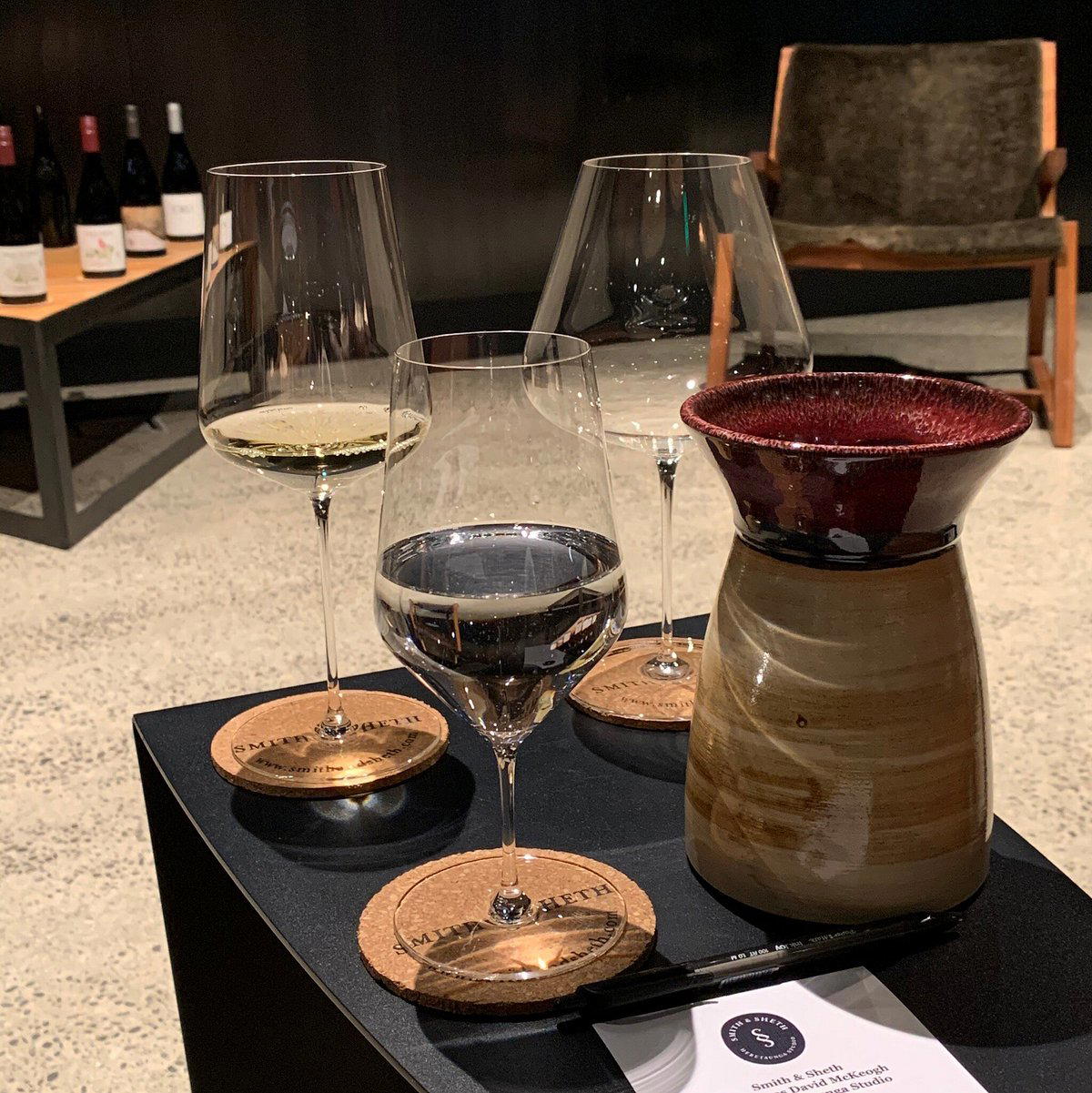
Smith & Sheth Les Graviers led blind Chardonnay tastings against white burgundies up to £990, with 300 bottles due next May.
Smith & Sheth Les Graviers led blind Chardonnay tastings against white burgundies up to £990, with 300 bottles due next May.
Smith & Sheth Les Graviers, a one-barrique Chardonnay from the Omahu vineyard in Hawke’s Bay, was rated a leading wine overall in three blind tastings against white burgundies priced up to £990. The tastings, held in Christchurch, London and Burgundy, placed 10 New Zealand Chardonnays (£35, £95) beside 14 white burgundies (£55, £990), with 13 Masters of Wine and four Master Sommeliers among the tasters (Jancisrobinson1).
For collectors who still file New Zealand Chardonnay under “promising alternative” rather than serious cellar conversation, this is the result to read closely. Smith & Sheth did not match bottles by price. Steve Smith MW and Brian Sheth put their wines into the ring against Domaines Leflaive, des Comtes Lafon and François Raveneau, with the burgundies sourced through Farr Vintners in London. One Hawke’s Bay Chardonnay finished first overall.
Smith & Sheth organized the blind tastings across two hemispheres: Christchurch in July, then London and Burgundy last month. The Burgundy session took place at Les Sources de Vougeot, with Jancis Robinson joining Smith, Sheth, Jasper Morris MW, Anthony Hanson MW and other tasters at the hotel.
The format gave the New Zealand wines no shelter. The 10 Smith & Sheth Chardonnays retailed between £35 and £95. The 14 white burgundies ran from £55 to £990, including a £990 Bâtard-Montrachet from Domaines Leflaive, with des Comtes Lafon and François Raveneau also in the line-up. It was a direct comparison with the names collectors already know by vineyard, vintage and merchant allocation.
Smith framed the decision plainly before the tasting. “There’s no point in matching prices. If you don’t win that, you’re dreaming.” That sentence explains the tension in the room better than any ranking table. A New Zealand producer was asking tasters to judge Chardonnay without the label, then asking whether the glass belonged to Burgundy or New Zealand.
The result turned on Smith & Sheth Les Graviers. The only wine she scored 18.5 was a Smith & Sheth wine, and it was also the tasters’ top wine overall. Les Graviers is currently unavailable commercially. It comes from Omahu vineyard in Hawke’s Bay, from one barrique, with 300 bottles to be launched next May (Jancisrobinson1).
The three tastings asked tasters to score each wine and identify whether it came from Burgundy or New Zealand. That second task matters. In fine Chardonnay, origin is often treated as the comprehensive credential, especially when the bottle says Puligny-Montrachet, Meursault, Chablis or Bâtard-Montrachet. Blind tasting strips that language away and leaves acidity, reduction, oak integration, texture and finish to do the work (Jancisrobinson1).
The 24 wines were divided into four groups by supposed quality and style: village equivalents, Chablis and similar wines, “premiers crus” and counterparts, then “grand crus” and counterparts. All the burgundies were 2023s, picked before rains affected that generous vintage. The New Zealand wines were 2024s, from a vintage described in the report as excellent there. That vintage split is inevitable across hemispheres, yet it also sharpened the comparison, Burgundy’s young 2023s beside New Zealand’s 2024 Chardonnays (Jancisrobinson1).
The Burgundy venue added another layer of pressure. Les Sources de Vougeot sits inside the orbit of the Côte d’Or, where Chardonnay’s grandest pricing architecture was built parcel by parcel. To pour Hawke’s Bay Chardonnay there, blind, against burgundies selected from producers admired by Smith and Sheth, made the tasting harder to dismiss as a home-ground exercise.
Tom Parker MW of Farr Vintners also appears in the tasting account, and his presence matters because Farr sourced the burgundies. These were not random bottles assembled for convenience. They came through a merchant that serious Burgundy buyers know, and the producer list included domaines with established collector demand. The £55 Verget from the Mâconnais stood apart for obvious ripeness, while the Domaine Guffens-Heynen St-Véran, Clos de Poncetys, was the tasters’ overall favourite in the “premier cru” group.
The tasting panel carried the kind of credentials that make a blind result harder to wave away: 13 Masters of Wine, including two Burgundy specialists, four Master Sommeliers, and fine-wine merchants from Australasia and Europe. That does not make the result a verdict for every cellar, but it does give the exercise weight. These are tasters trained to separate label memory from structure in the glass.
Robinson’s own tasting note framework gives a useful clue to why New Zealand performed strongly. She has long praised New Zealand’s “crisp, bright-fruited Chardonnays,” and she acknowledged that young white burgundies can be “surlier” at this stage. In the Chablis-style group, she failed to match a single wine with its actual origin, and Tom Parker MW was similarly caught out. She suspected New Zealand’s naturally high acidity, shared with Chablis, played a role.
That is one important sensory detail in the report: acidity, not fruit sweetness or oak volume, blurred the map. For collectors accustomed to reading white Burgundy through chalk, cut and restraint, the Chablis group suggests that New Zealand Chardonnay can enter the conversation through line and tension rather than a caricature of New World ripeness.
Les Graviers then raises the stakes because it did not merely perform respectably. Smith & Sheth Les Graviers finished as the tasters’ top wine overall. Its composition also ties the wine directly to Burgundian plant material: it is based on two co-fermented Chardonnay clones that came originally from top Burgundy vineyards, one known as Wente in California and Mendoza in New Zealand, the other from a cutting Smith took, with permission and under anonymity, from Le Montrachet vineyard in 1995. Smith planted that material in 2017 after its earlier path through quarantine and Villa Maria.
Smith & Sheth was formed in 2014 in Hawke’s Bay on the east coast of New Zealand’s North Island. Steve Smith is a Master of Wine and co-founder of the producer; Brian Sheth, co-founder, is the former president of Vista Equity Partners. Steve Smith MW and Brian Sheth are named on the label and cellar door.
The company is located in Havelock North, and its public-facing home now matters for travelers as much as the blind-tasting result matters for collectors. Smith & Sheth was named the 2026 Regional winner for Innovative Wine Tourism Experiences. Its Heretaunga Wine Studio is described as an immersive tasting room and a luxurious escape for a few hours (Greatwinecapitals2).
That kind of programmed tasting can easily feel overproduced when the wines do not carry the room. Here, the order is better: Les Graviers gives the wine studio a bottle collectors will ask about first.
Hawke’s Bay also benefits from this being a Chardonnay story rather than another New Zealand Sauvignon Blanc story. Smith has previously worked to show New Zealand wine beyond commercial Sauvignon Blanc, and this tasting placed Chardonnay in front of the people most likely to challenge the claim. The Burgundian heartland of the Côte d’Or is much warmer than Smith & Sheth’s three sites in Hawke’s Bay, North Canterbury and Low Burn in Central Otago, especially as harvest approaches. That observation helps explain why acidity, ripeness and timing have become central to the comparison.
The price spread is the first collector signal. New Zealand Chardonnays at £35, £95 went up against white burgundies at £55, £990. The expensive Burgundy in the tasting, the Domaine Leflaive Bâtard-Montrachet, sat at a level where provenance, merchant source and vintage timing matter before the cork is even pulled. Smith & Sheth Les Graviers topped the overall result from a one-barrique lot.
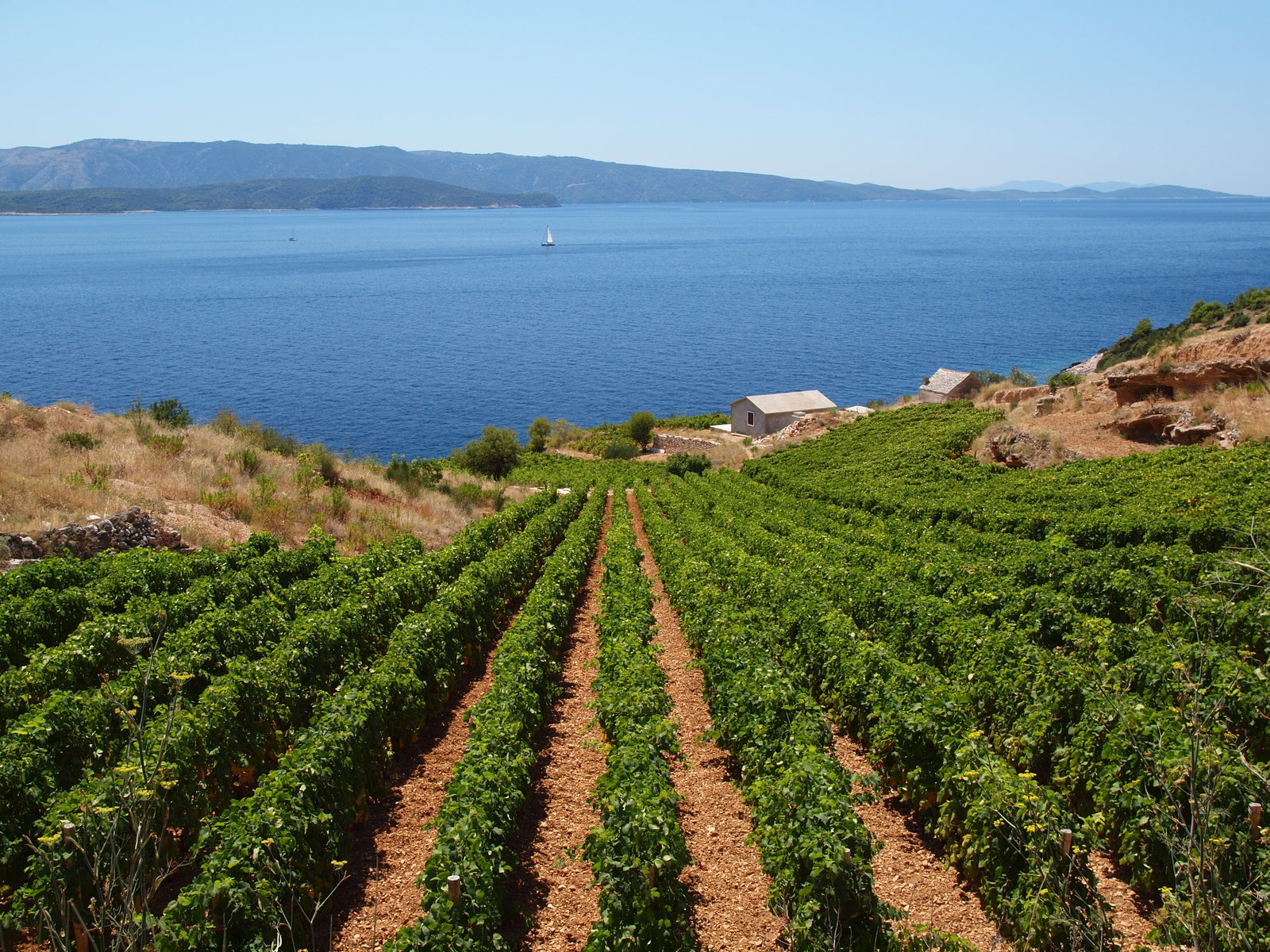
Scarcity is the second signal. A single barrique yielding 300 bottles does not create a broad market. It creates a small circle of drinkers, tasters and collectors who will have direct experience of the wine. If Les Graviers becomes a reference point for Hawke’s Bay Chardonnay, much of its reputation will be built through a limited number of opened bottles.
The release timing is equally important. Les Graviers is currently unavailable commercially, with 300 bottles to be launched next May. For anyone tracking New Zealand fine wine, Smith & Sheth Les Graviers now belongs on the same calendar as Burgundy en primeur offers, mature cellar releases and allocation notes from merchants who understand the category. The wine has already had its blind test. The next test is how quickly the collector market pays attention.
A blind tasting does not make Hawke’s Bay a substitute for the Côte d’Or, and it does not make every New Zealand Chardonnay a Raveneau analogue. A tiny-production Chardonnay from Omahu vineyard outranked a set of white burgundies that included bottles from Domaines Leflaive, des Comtes Lafon and François Raveneau.
For the wine traveler, the route now runs in both directions. Burgundy remains Burgundy: the villages, cellars, climats and restaurant lists still set the reference point for Chardonnay pilgrims. Yet the Burgundy session at Les Sources de Vougeot gave Hawke’s Bay a seat at that table, and Havelock North now has a sharper pull for travelers who plan itineraries around serious tastings rather than postcard vineyards.
Smith & Sheth’s Oenothèque in Havelock North is the practical address to keep in mind if you want to taste the producer’s range in situ. The Heretaunga Wine Studio adds a structured hospitality layer to the cellar experience, and the 2026 Regional award for Innovative Wine Tourism Experiences gives that visit a credential beyond the tasting bar. For collectors, the more urgent detail remains Les Graviers: Omahu vineyard, one barrique, 300 bottles, next May.
Strong outcome of this tasting would be more precision from everyone. Burgundy buyers should ask which New Zealand Chardonnay, from which site, in which vintage. New Zealand producers should welcome the same scrutiny Burgundy has lived with for generations. Smith & Sheth Les Graviers has made that conversation more exacting, one blind glass at a time.
Get the App
Take the shortlist into the En Primeur Club app for concierge access, saved places, and the next step after discovery.
Get Exclusive AccessMore from the editors