Yes, you can visit M. Chapoutier, and the barrier is lower than you might expect for a domaine producing some of the Northern Rhône's most sought-after single-parcel Hermitage. The estate runs structured tours and tastings at its Tain-l'Hermitage base, and while the flagship cuvées like Le Méal and L'Ermite are allocated rather than poured freely, getting through the door requires nothing more than advance planning and a direct booking. The harder question is not whether you can visit, but which format puts you closest to the wines that matter.
Why Chapoutier's Cellar Door Draws a Crowd
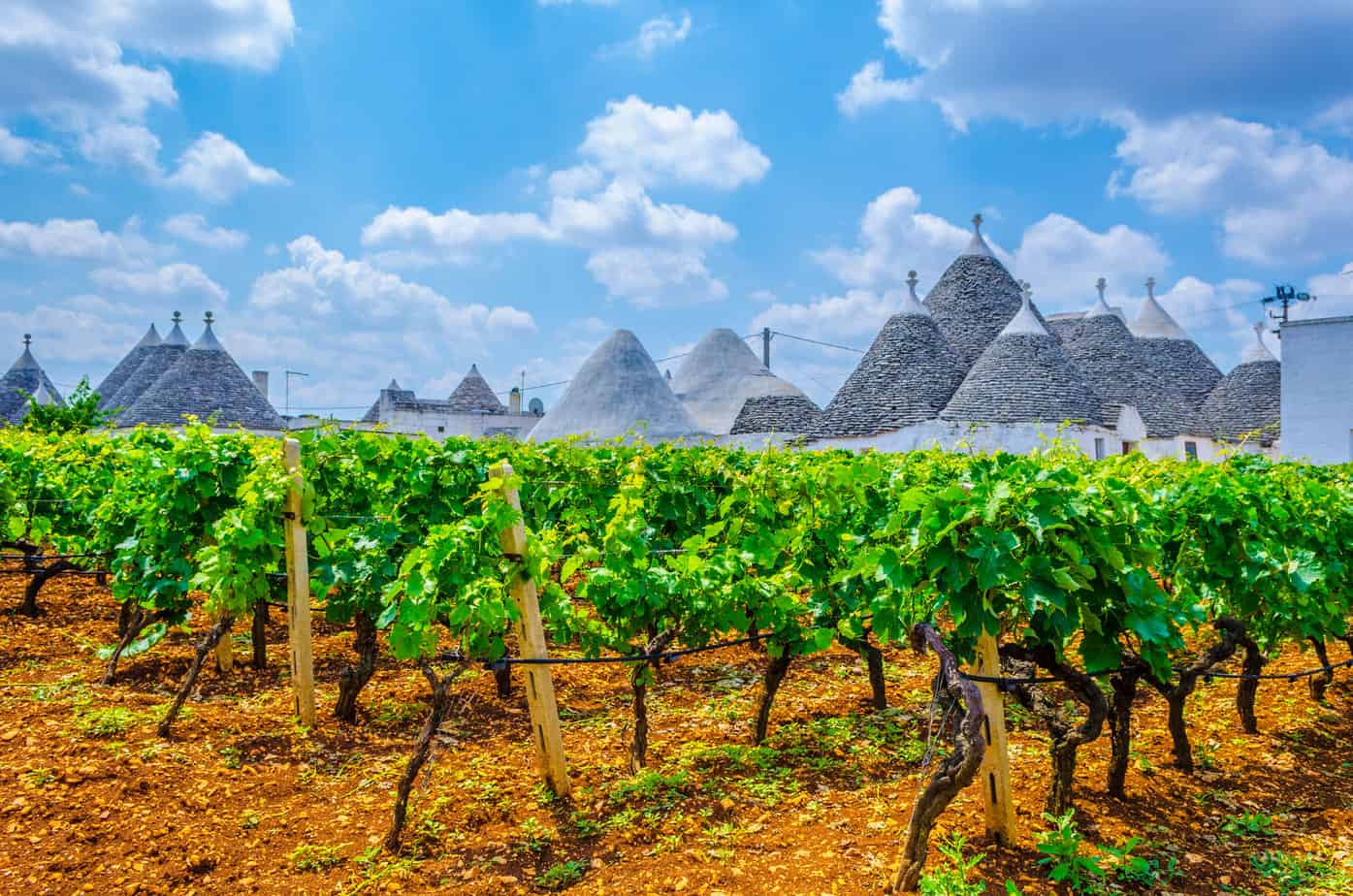
Tain-l'Hermitage sits on a narrow granite shelf above the Rhône, and M. Chapoutier controls parcels across the hill's most coveted lieux-dits, Le Méal, L'Ermite, Les Greffieux, and De l'Orée among them. Michel Chapoutier converted the entire estate to biodynamic viticulture in the early 1990s, one of the first négociant-growers in France to do so at scale, and the domaine now farms all its vineyards according to Demeter-certified biodynamic principles. That combination, grand cru terroir, a conversion story with genuine depth, and a négociant operation that also produces wines across the Rhône Valley and beyond, makes Tain a logical pilgrimage for collectors who want context alongside the glass.
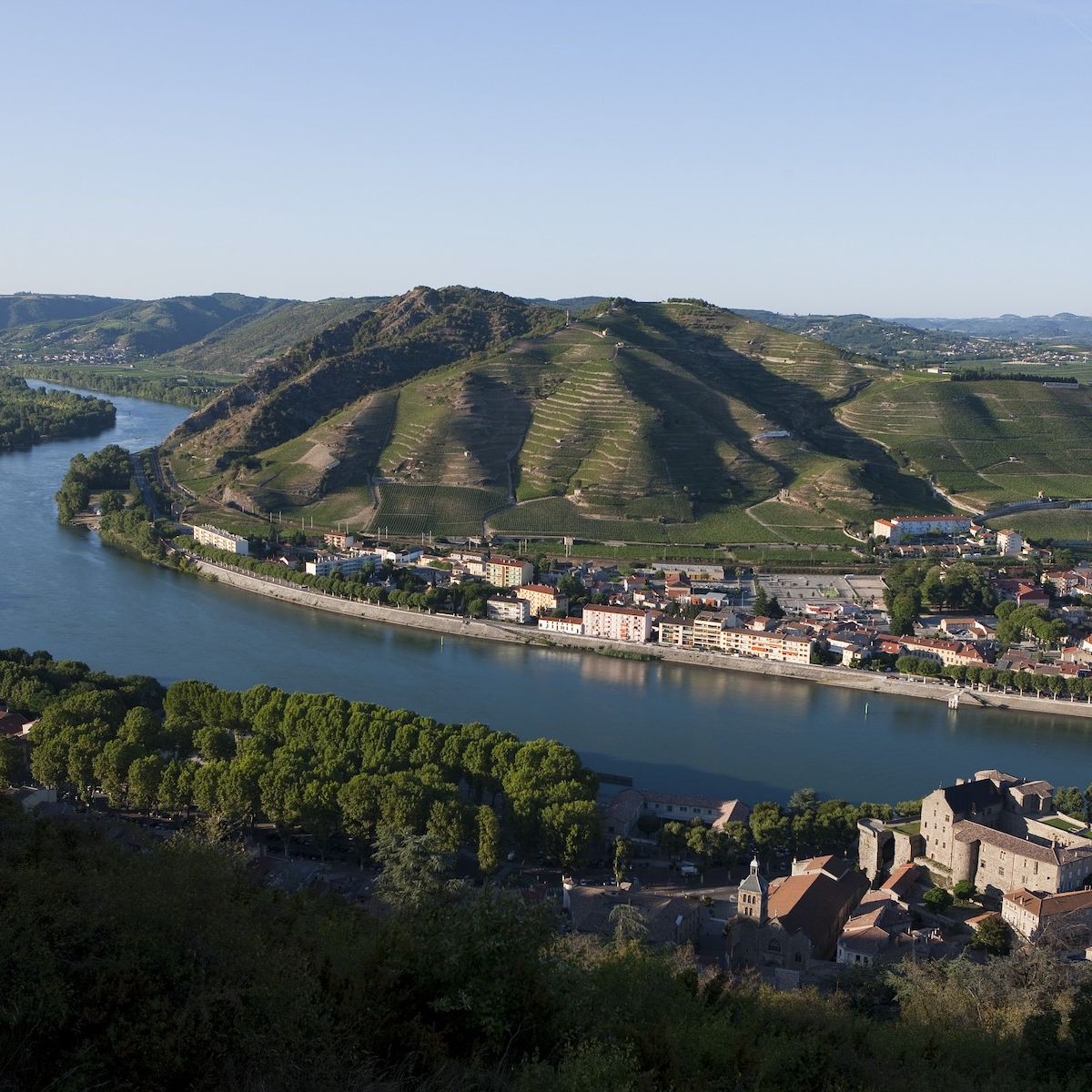
Demand at the cellar door reflects the wines' profile. The single-parcel Hermitage whites and reds sit at the summit of the Northern Rhône's secondary market, and visitors hoping to taste L'Ermite or Le Méal in situ will find those pours reserved for premium formats rather than walk-in tastings. Group visits accommodate up to 100 people,1 but capacity on guided tours is shaped by the working winery environment, this is not a purpose-built visitor centre.
When Chapoutier Tours Actually Open
M. Chapoutier's visitor programme operates year-round from its maison at 18 avenue du Dr Paul Durand, 26600 Tain-l'Hermitage,1 with tours and tastings available by appointment. Availability is managed on a rolling basis. Visitors can book or find out more by visiting the domaine's website, calling, or emailing;2 confirm directly with the maison before planning travel around a specific date.
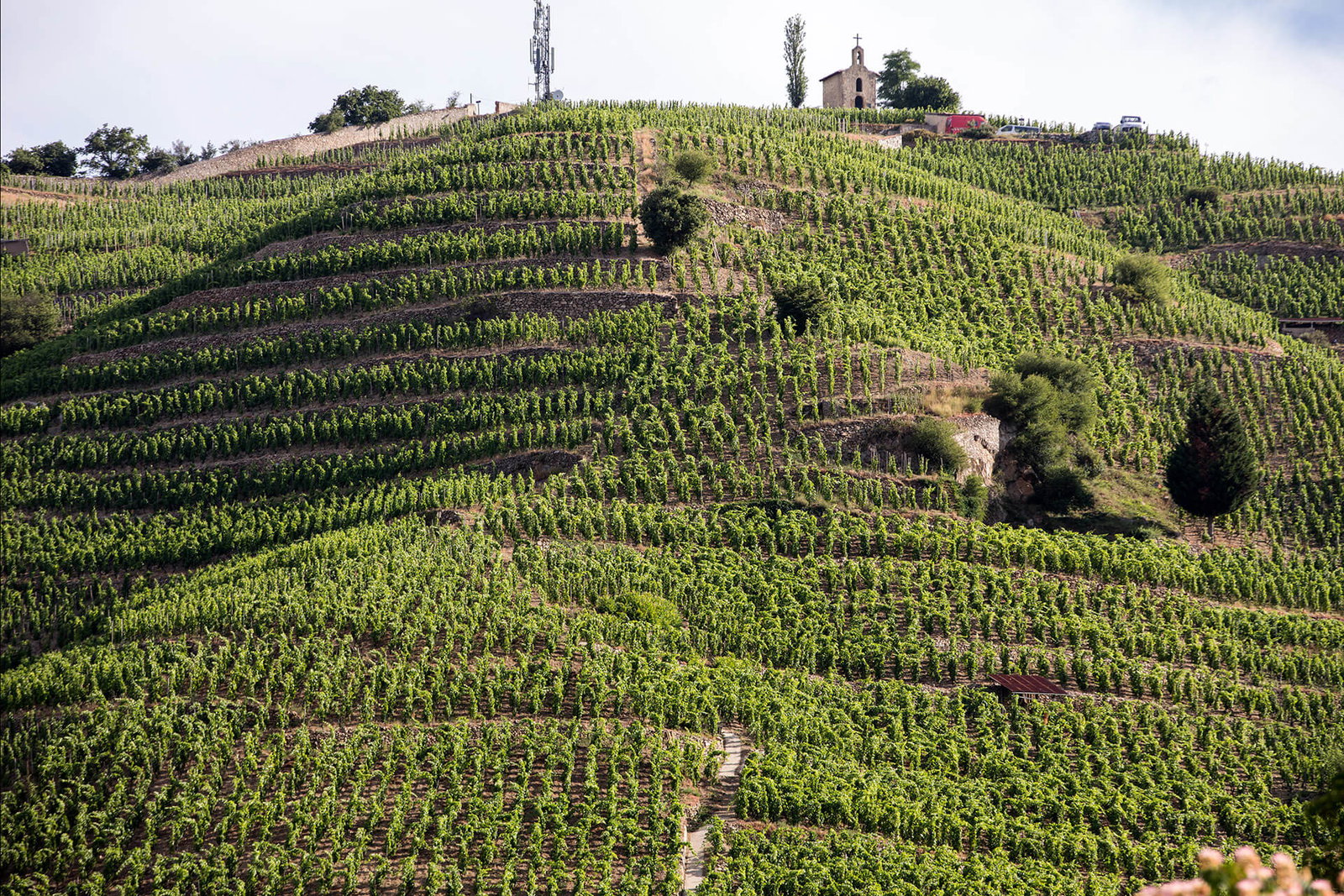
Harvest season, typically September into October in the Northern Rhône, brings particularly atmospheric visits, with activity in the cellars and the hill's granite terraces at their most photogenic. That same window is also competitive for availability. January through March, when the winery is quieter between harvest and the spring vine cycle, tends to offer more flexibility.
How to Book: Channels Ranked
One direct route is through M. Chapoutier's official website, where the domaine lists its current tour and tasting formats. Tours can be tailored to your group or based on a set programme, concluding with a tasting in the wine bar or a private room,1 booking direct gives you the clearest picture of what each format includes and which wines are poured at each tier, critical information if your priority is tasting the single-parcel Hermitage rather than the broader Rhône range.
Specialist wine travel operators, Arblaster & Clarke, Grape Escapes, and similar, package Chapoutier visits alongside other Northern Rhône producers, which can be useful if you want a curated itinerary across Crozes-Hermitage, Saint-Joseph, and Cornas in the same trip. The trade-off is less flexibility on format and timing.
For collectors already holding Chapoutier allocations through a merchant, a call to your account manager is worth making before booking independently, some négociant relationships carry informal access to less-publicised tasting formats, though this is not a published policy and should be treated as a possibility rather than a guarantee.
Note that M. Chapoutier no longer has any activity bookable through Rue des Vignerons,3 so that platform is not a viable channel.
Cost Breakdown and What You Pay at Each Step
M. Chapoutier offers tiered tasting experiences. Individual guided tours are available on request, and the individual tasting is free of charge.1 Group guided tours are also available on request, with the group tasting charged for,1 group prices run between €39 and €130 per adult,1 depending on the format selected. Premium formats that include single-parcel Hermitage pours sit at the higher end of that range, and some are available only to groups or by prior arrangement.
There is no membership fee or allocation deposit required to visit, access to the cellar door is not gated behind a mailing list in the way that, say, a Burgundy domaine like Domaine de la Romanée-Conti operates. The cost is the tasting fee itself, plus whatever you choose to purchase from the estate's shop. Bottles of the single-parcel cuvées are not always available for retail purchase at the cellar door; availability depends on the vintage and the estate's current stock position.
Mistakes That Cost People the Visit They Wanted
Arriving without an appointment. Walk-ins are not reliably accommodated at Tain-l'Hermitage. The working winery environment means unscheduled visitors may find the cellar door unstaffed or unavailable. Book ahead, even for a standard tasting.
Booking the entry format when your goal is the grand cru wines. If Le Méal or L'Ermite is the reason you're making the trip, confirm explicitly at the time of booking that those cuvées are included in your chosen format. Not every tasting tier reaches the single-parcel Hermitage.
Visiting during harvest without lead time. September and October are particularly atmospheric weeks on the hill, but they are also when the winemaking team is at its most stretched. Confirm current availability directly with the maison, as slots during harvest fill earlier than at other times of year.
Overlooking the biodynamic calendar. Chapoutier's team takes the biodynamic calendar seriously, fruit days, flower days, root days. Tasting on a root day is widely considered suboptimal for showing wines at their best. It is worth checking the Biodynamic Association's calendar when finalising your date, even if you treat it as a soft preference rather than a hard rule.
What Insiders Do Differently
Collectors who visit Tain regularly tend to book the premium format on the first visit to establish a relationship with the team, then draw on that relationship to ask about less-publicised opportunities, vertical tastings, library stock, or access to formats not listed on the public booking page. The domaine's scale as a négociant means there is more depth in the cellar than the standard visitor programme surfaces.
Pairing the Chapoutier visit with a meal at a Tain or Tournon restaurant that carries a serious Rhône list, Michel Chabran in Pont-de-l'Isère has long been the reference point, extends the tasting experience into a second register and gives you a chance to see how the wines perform at the table rather than just at the cellar door.
Insiders also pay attention to the domaine's Australian operations in Heathcote, the Victorian Pyrenees under Domaine Tournon, Beechworth, and Mount Benson in South Australia, which produces wines under the same biodynamic principles. Engaging with those wines through a merchant builds a broader relationship with the house that can occasionally translate into access to Rhône allocations.
The domaine's wine school is a further option worth knowing: the M. Chapoutier wine school offers ten modular seminar rooms ranging from 23 m² to 177 m², accommodating groups of 5 to 80 people,4 and team-building formats include vineyard tours by foot or electric bike, with tastings led by sommeliers,4 a structured alternative for groups who want more than a standard cellar door visit.
Alternatives Worth Considering
Northern Rhône Cellar Door Visits: M. Chapoutier vs Alternatives
| Producer | Appellation Focus | Booking Difficulty | Biodynamic / Organic | How to Book |
|---|---|---|---|---|
| M. Chapoutier | Hermitage, Crozes-Hermitage, Saint-Joseph | Moderate, appointment required | Demeter-certified biodynamic | Direct via chapoutier.com or by phone |
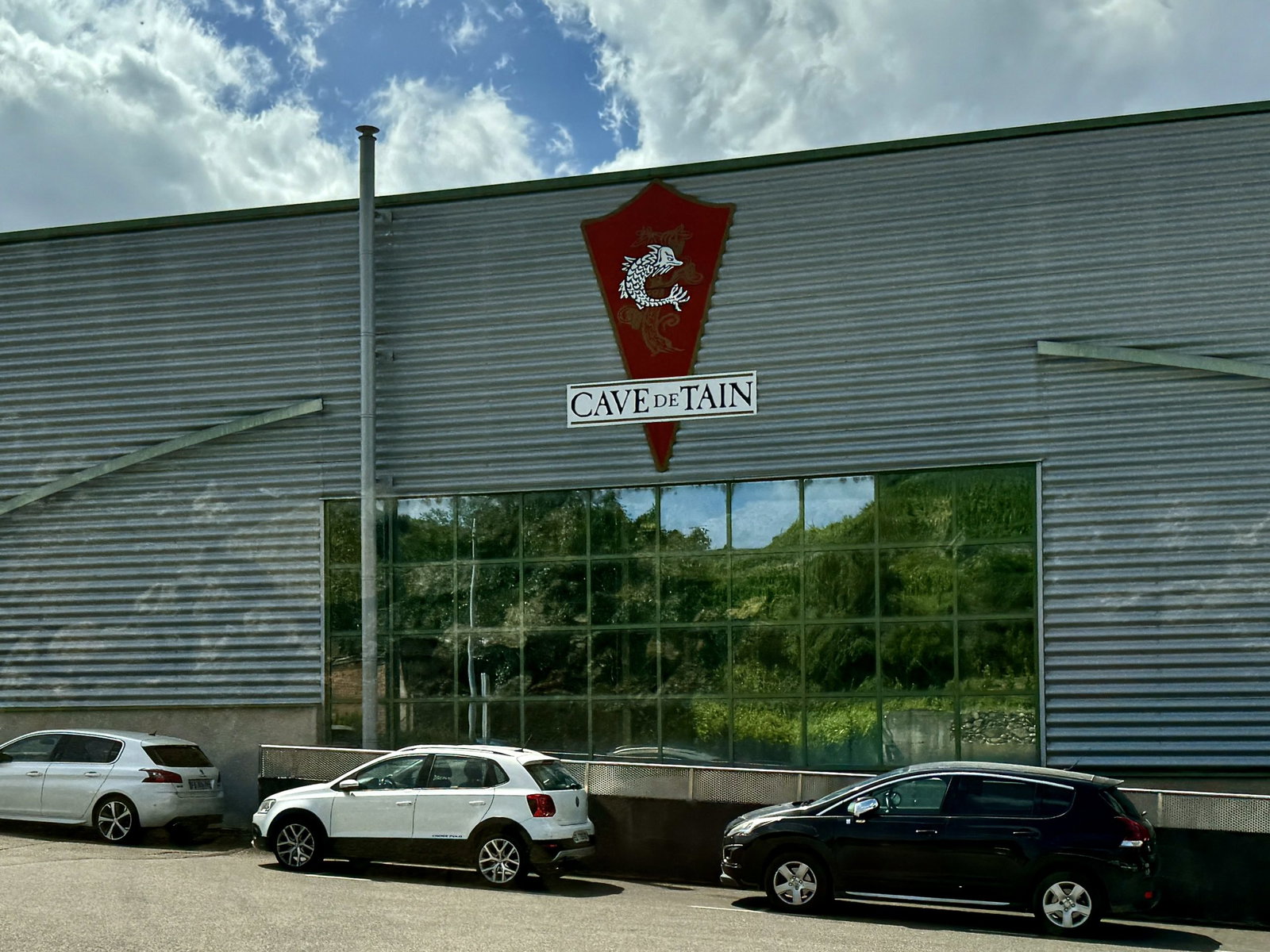
| Cave de Tain | Hermitage, Crozes-Hermitage | Low, walk-ins often possible | Conventional / some sustainable | Direct, no appointment needed for standard tasting |
| Paul Jaboulet Aîné | Hermitage (La Chapelle), Crozes-Hermitage | Moderate, appointment preferred | Organic conversion underway | Direct via jaboulet.com |
| Jean-Louis Chave | Hermitage (domaine), Saint-Joseph | high, effectively invitation-only for domaine wines | Lutte raisonnée / minimal intervention | Through established merchant relationships only |
Cave de Tain is one accessible entry point on the hill, the cooperative counts Chapoutier among its historical neighbours and produces Hermitage from parcels across the appellation. Walk-in tastings are more reliably available, and the range gives a useful cross-section of the appellation's style.
Paul Jaboulet Aîné, now under the Frey family, has invested in the estate since acquisition; the Vineum tasting room in Tain-l'Hermitage is worth a visit for the La Chapelle vertical context, the 1961 remains the benchmark against which every subsequent Hermitage is measured. Confirm current visit arrangements directly with the estate before travelling.
Jean-Louis Chave is the clear no for most visitors: domaine visits are effectively invitation-only, and the allocation list for the Hermitage rouge and blanc is closed to all but long-standing merchant clients. The négociant range (Mon Coeur, Farconnet) is available through merchants and gives a flavour of the house style without the access problem.
Inside the Chapoutier Maison: Granite, Biodynamics, and the Single-Parcel Pours
The Chapoutier maison sits at the foot of the Hermitage hill in the centre of Tain-l'Hermitage, with the granite terraces rising directly behind it. Guided tours move through the vineyards and production spaces before concluding with a tasting in the wine bar or a private room,5 with the guide contextualising the biodynamic approach, preparation 500 and 501, the lunar calendar, the shift away from synthetic inputs that Michel Chapoutier drove through the 1990s.
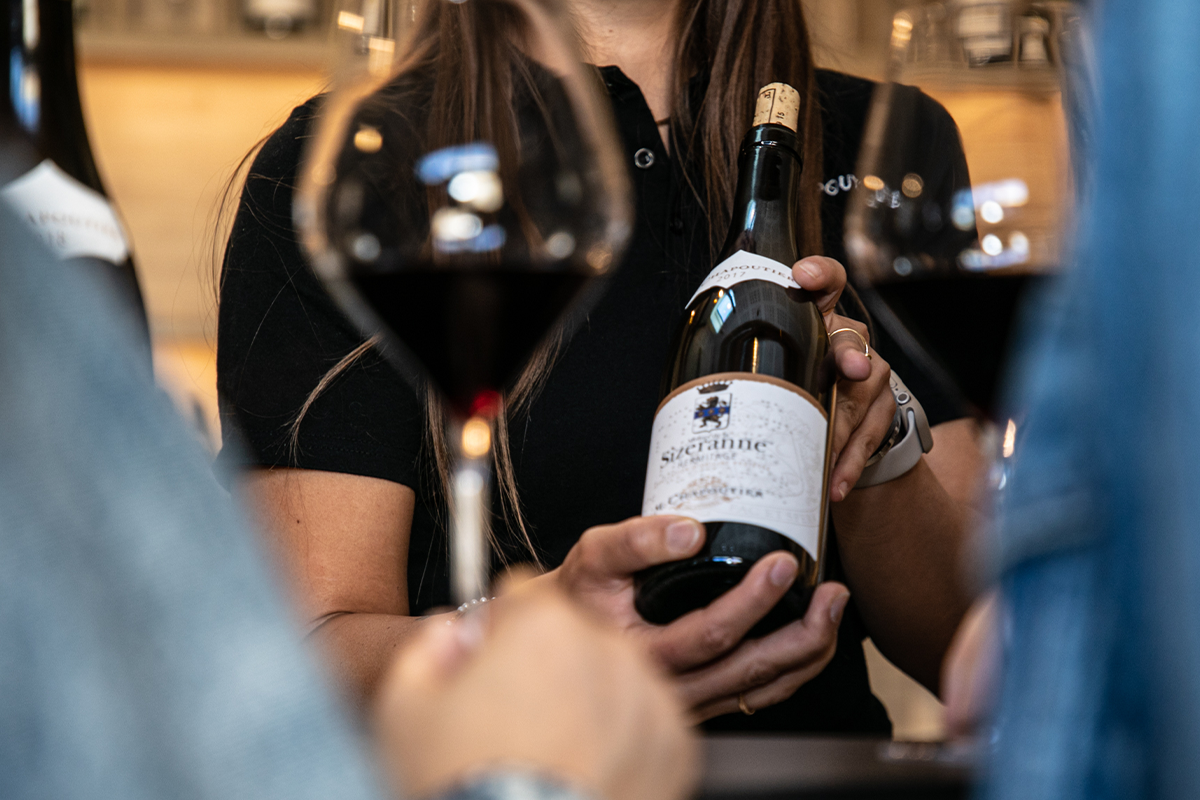
Tour and tasting activities typically run from one to three hours,5 and the average guided tour, whether individual or group, runs to 90 minutes.1 The tasting itself is structured by format. Entry-level visits cover the domaine's broader Rhône range: Crozes-Hermitage, Saint-Joseph, and the Côtes du Rhône cuvées that represent the négociant side of the operation. Premium formats move into the single-parcel Hermitage, the whites from De l'Orée and L'Ermite, the reds from Le Méal and Les Greffieux, where the granite's influence on texture and the Marsanne's capacity for long ageing become the subject of the pour rather than the backdrop.
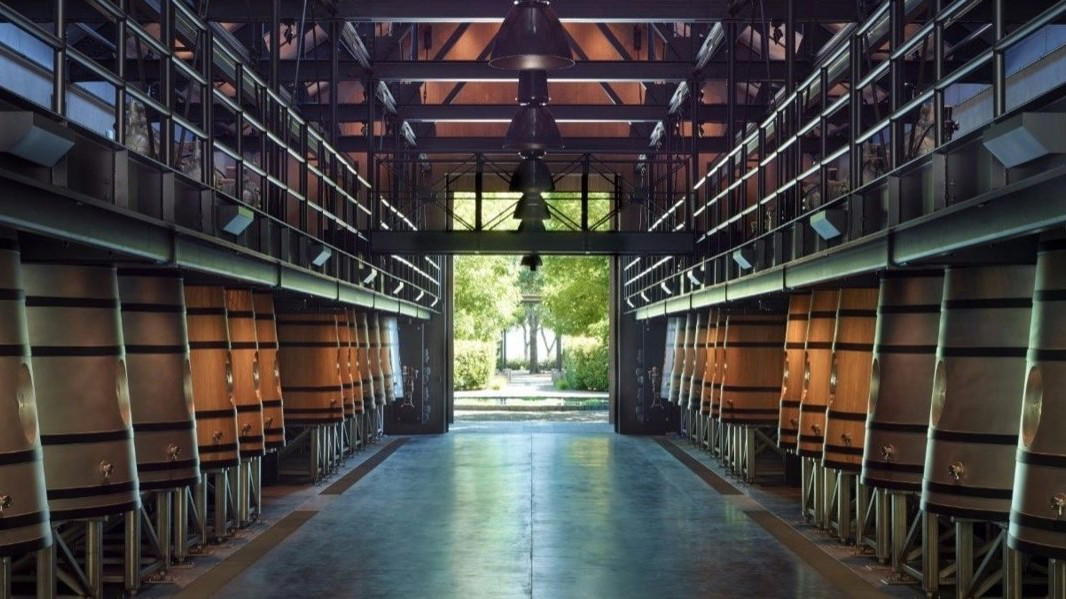
Tours are conducted in English, Spanish, French, and Italian,1 a practical detail worth confirming when booking if you have a language preference. The wines are presented in Braille-labelled bottles, a detail that reflects Michel Chapoutier's long-standing commitment to accessibility and tends to prompt a conversation about the domaine's broader philosophy. The cellar environment is working rather than theatrical: this is not a purpose-built visitor experience, and the atmosphere is closer to a serious producer's chai than a wine tourism centre.
Who Should Make the Trip, and When
The Chapoutier visit rewards collectors who want to understand the biodynamic argument from the source, not as a marketing position, but as a farming system with a specific logic applied to specific parcels of granite. If your interest is primarily in tasting the single-parcel Hermitage in context, the premium format is the one to book; the entry-level tasting is better suited to visitors building familiarity with the Northern Rhône's appellation structure.
Tain-l'Hermitage anchors a broader Northern Rhône itinerary naturally, Cornas lies to the south, Côte-Rôtie to the north, and the Drôme Provençale is within easy reach for a day off the wine trail. The visit sits most comfortably inside a multi-day circuit rather than as a standalone day trip from Lyon; confirm travel distances directly, as journey times vary by route and season.
Those whose primary goal is securing an allocation of Le Méal or L'Ermite should note that a cellar door visit, while valuable for relationship-building, does not substitute for working with a specialist Rhône merchant. The single-parcel cuvées move through négociant and merchant channels; the cellar door visit is context, not the allocation route itself.
Worth the Drive to Tain?
For anyone serious about the Northern Rhône, yes, the Chapoutier visit is one of the more accessible ways to stand in front of the Hermitage hill with a glass of De l'Orée in hand and a guide who can explain why the granite at the summit of the hill produces something structurally different from the alluvial soils at its base. The booking process is not complicated; the barrier is simply making the appointment rather than assuming you can walk in.
Book the premium format if the single-parcel wines are your reason for going. Confirm which cuvées are poured before you commit to the date. Check the biodynamic calendar when you can. And pair the visit with a meal somewhere that takes the Rhône seriously, the wines at the table, with food and time, tell a different story than the same wines at the cellar door.
For collectors chasing allocations of the flagship Hermitage, the cellar door is the beginning of a relationship, not the end of the access problem, the merchant route remains the reliable channel for bottles of L'Ermite and Le Méal, and the visit is most valuable as the context that makes those allocations worth holding. Tain rewards the collector who arrives prepared; the hill has a way of making the preparation feel worthwhile.
Frequently Asked Questions
Do you need an appointment to visit M. Chapoutier in Tain-l'Hermitage?
Yes. M. Chapoutier operates its cellar door visits by appointment rather than as a walk-in tasting room. The working winery environment means unscheduled visitors may find the space unavailable. Book through the domaine's official website or by calling the maison directly before travelling.
Can you taste M. Chapoutier's single-parcel Hermitage cuvées, Le Méal or L'Ermite, on a standard tour?
Not on the entry-level format. The single-parcel Hermitage wines, including Le Méal, L'Ermite, Les Greffieux, and De l'Orée, are reserved for premium tasting formats. Confirm at the time of booking that your chosen format includes these cuvées if they are your priority.
How far ahead should you book a Chapoutier cellar door visit during harvest season?
Harvest season (September, October) is one competitive period for availability, and slots fill earlier in that window than at quieter times of year. Confirm current availability directly with the maison, as slot release is managed on a rolling basis rather than a fixed calendar.
Is M. Chapoutier's entire estate certified biodynamic, and does that affect when you should visit?
Michel Chapoutier converted the domaine's vineyards to biodynamic viticulture in the early 1990s, and the estate holds Demeter certification across its own-farmed parcels in the Northern Rhône. The biodynamic calendar, fruit days, flower days, root days, is taken seriously by the team, and many collectors check it when finalising a tasting date, treating it as a soft preference rather than a hard rule.
What is the group pricing structure for a guided tour at M. Chapoutier's Tain-l'Hermitage maison?
Group guided tours are available on request, with the group tasting charged for. Prices run between €39 and €130 per adult depending on the format selected, and the maximum group size is 100 people. Individual guided tours are also available on request, with the individual tasting free of charge. Confirm current pricing directly with the domaine at the time of booking.
Get the App
Keep the guide close to the booking moment.
Take the shortlist into the En Primeur Club app for concierge access, saved places, and the next step after discovery.
Get Exclusive AccessMore from the editors