← Guides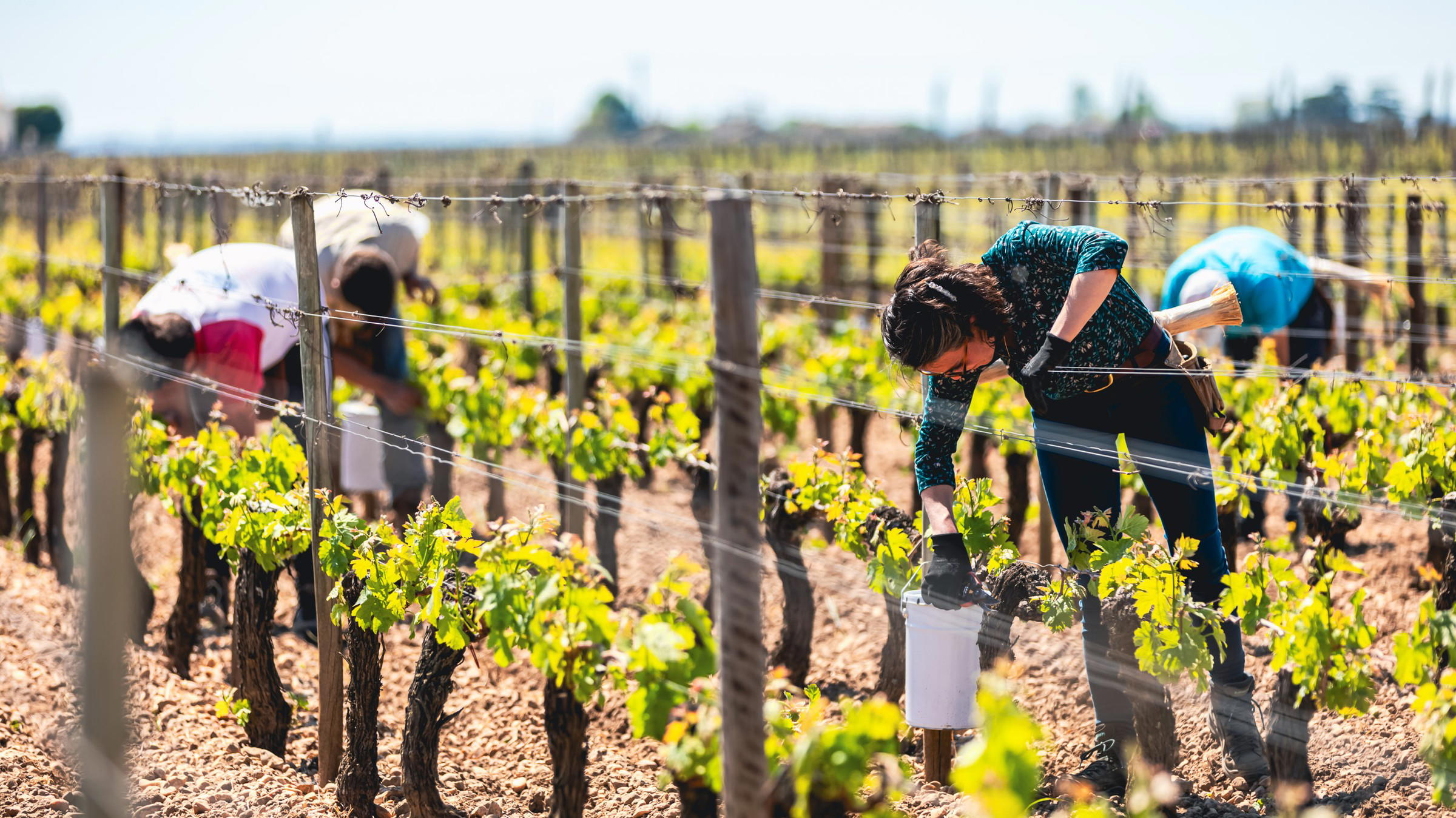
Lafleur has irrigated three times since early June 2026 during 40°C+ heat, a move that would have been illegal under Pomerol AOC rules just months earlier.
Lafleur has irrigated three times since early June 2026 during 40°C+ heat, a move that would have been illegal under Pomerol AOC rules just months earlier.
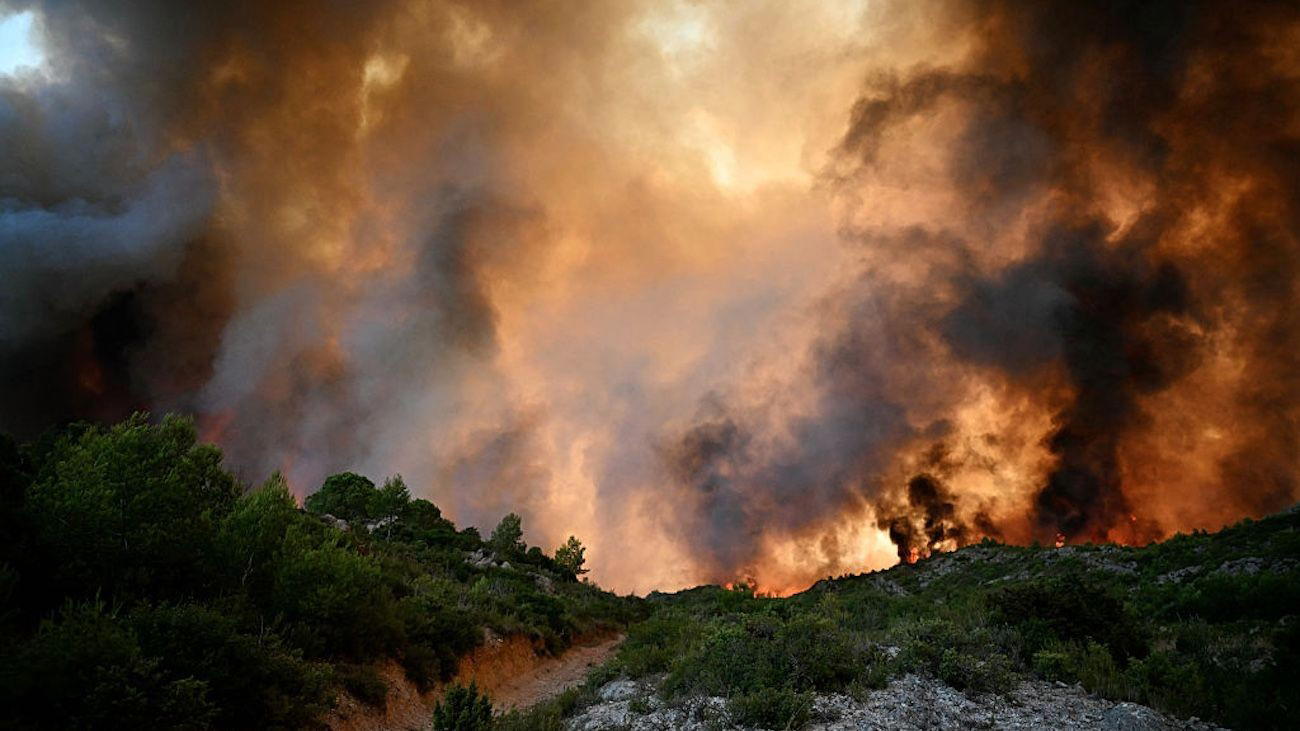
Lafleur has irrigated its vines three times since early June 2026, drawing water from a Dordogne overflow reservoir during temperatures that soared into the 40s, roughly 10 degrees higher than the usual 30 degrees at this time of year. The interventions would have been illegal under Pomerol AOC rules.
They're possible now only because the estate withdrew from both the Pomerol and wider Bordeaux appellations from the 2025 vintage, citing the need to face climate change with precision and efficiency not possible under the current system.
The timing tells the story: Lafleur irrigated in early June, weeks before the Pomerol AOC granted emergency dispensation last year on 22 July, a date Miles Davis of Vinum Fine Wines, which represents Lafleur, described as too late, after damage had already been done.
The decision to leave Pomerol AOC was not a protest gesture. It was a viticultural calculation. Lafleur, formerly Château Lafleur, operates under the Société Civile du Château Lafleur, which manages six wines that all became Vins de France following the withdrawal: Château Lafleur, Les Pensées, Les Perrières, Les Champs Libres, Château Grand Village Rouge, and Château Grand Village Blanc in Mouillac, Fronsac. The estate is now free to irrigate when its team determines the vines need water, not when the appellation grants permission weeks into a crisis.
Lafleur withdrew from Pomerol AOC in 2025 to gain irrigation flexibility, prioritizing vine survival over appellation designation. The estate announced the move just over a year ago, framing it as a response to climate realities that the AOC system could not accommodate. The withdrawal was immediate, the 2025 vintage was the first to carry the Vins de France designation rather than Pomerol. At the time, there was speculation in Bordeaux that irrigation restrictions were a primary driver. The estate's actions in June 2026 confirm that speculation.
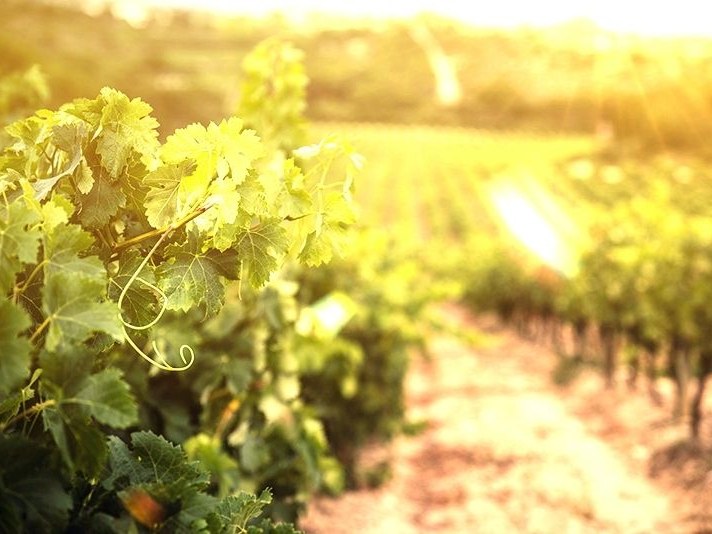
Bordeaux's irrigation rules generally forbid watering after year three post vine planting, except in rare emergencies. The philosophy is rooted in terroir: vines trained to push roots deep into the subsoil find water reserves and minerals that define place. If irrigation is overused, roots creep upward toward the surface, leaving vines more fragile and wines less expressive. That philosophy has served Bordeaux for centuries. But extreme heat is testing whether protecting terroir conflicts with protecting the plants themselves.
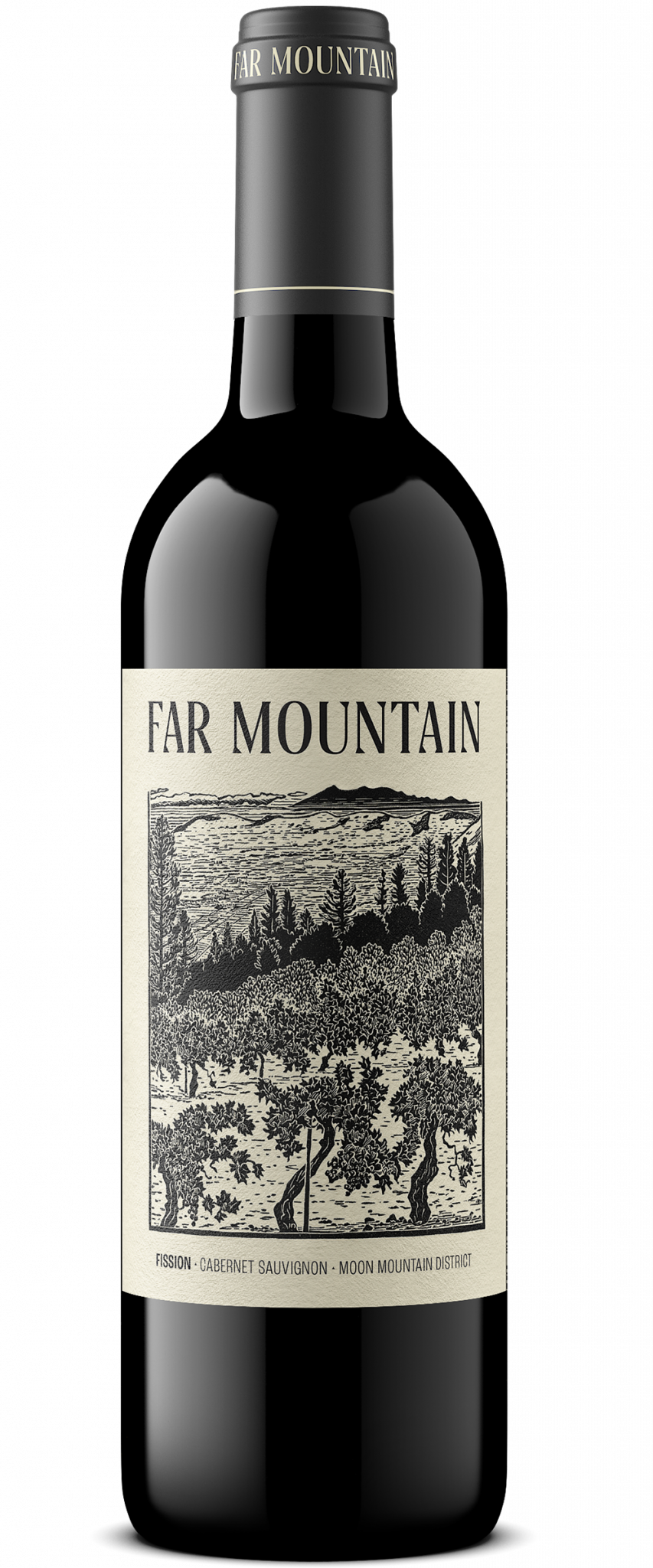
The stakes are clear: all six wines in the Société Civile du Château Lafleur portfolio now carry the Vins de France designation. That includes not just the flagship Château Lafleur, but also Les Pensées, Les Perrières, Les Champs Libres, and both Château Grand Village cuvées. The estate forfeited the Pomerol label across its entire range, a decision that affects every bottle released from the 2025 vintage forward. For an estate of Lafleur's stature, that is not a minor regulatory adjustment. It is a complete exit from the appellation system that has defined Bordeaux's hierarchy for generations.
Bordeaux AOC rules prohibit irrigation to preserve terroir expression, but extreme heat is making that stance untenable for vine health. The tension is not new, but the severity of recent vintages has sharpened it. In 2025, the Pomerol AOC allowed watering on 22 July. By that date, Davis noted, a lot of damage had already been done. The appellation system requires estates to wait for official dispensation, even when vineyard managers see stress building weeks earlier. That lag can be the difference between healthy vines and burnt leaves, or worse, vine death.

that's a lot of water to find when you've got 6,500-8,000 vines per hectare, as in Saint-Émilion or Pomerol.1
Gavin Quinney, Bordeaux Commentator and Owner of Chateau Bauduc
The rationale behind early irrigation is to pre-empt hydric stress before vines shut down. When vines shut down, they cannot take up water or cool themselves, leading to burnt leaves and fruit. The worst-case scenario is vine death. Lafleur's approach aims to mimic natural summer rainfall as closely as possible, avoiding the risk of vines becoming dependent on human intervention. The estate injects water far from the roots, in the middle between rows, to avoid giving vines easy access. The objective is to revive the soil and its flora and fauna first. Only then do the vines and soil negotiate how much water the vines receive.
This method reflects conversations Lafleur has had with growers in New World regions such as Adelaide, Napa, and Swartland, where irrigation is less heavily restricted. The estate is also experimenting with a misting procedure, Davis likened it to the misting systems used on lettuces in French supermarkets. These are not emergency measures. They are viticultural tools that Bordeaux's AOC system does not permit, even as the climate that shaped that system changes.
The technical detail matters for collectors tracking vintage character. Lafleur's water comes from a Dordogne overflow reservoir, a dedicated supply that allows the estate to irrigate without drawing from municipal sources or competing with other agricultural users. The estate injects small, scientifically measured amounts three times since early June, targeting soil revival rather than direct vine hydration. That precision is only possible when the estate controls the timing. Under AOC rules, even estates with water infrastructure must wait for appellation-wide dispensation, regardless of site-specific conditions.
Three irrigation events since early June 2026 during 40°C+ temperatures show the severity of climate stress even in the early growing season. Davis reported that 2026 is easily outstripping 2025 and all other years since records began in heat. There are already signs of burnt leaves in parts of the appellation. Normal temperatures at this time of year are around 30 degrees, the current conditions are roughly 10 degrees higher. That difference is not marginal. It is the difference between vines coping and vines failing.
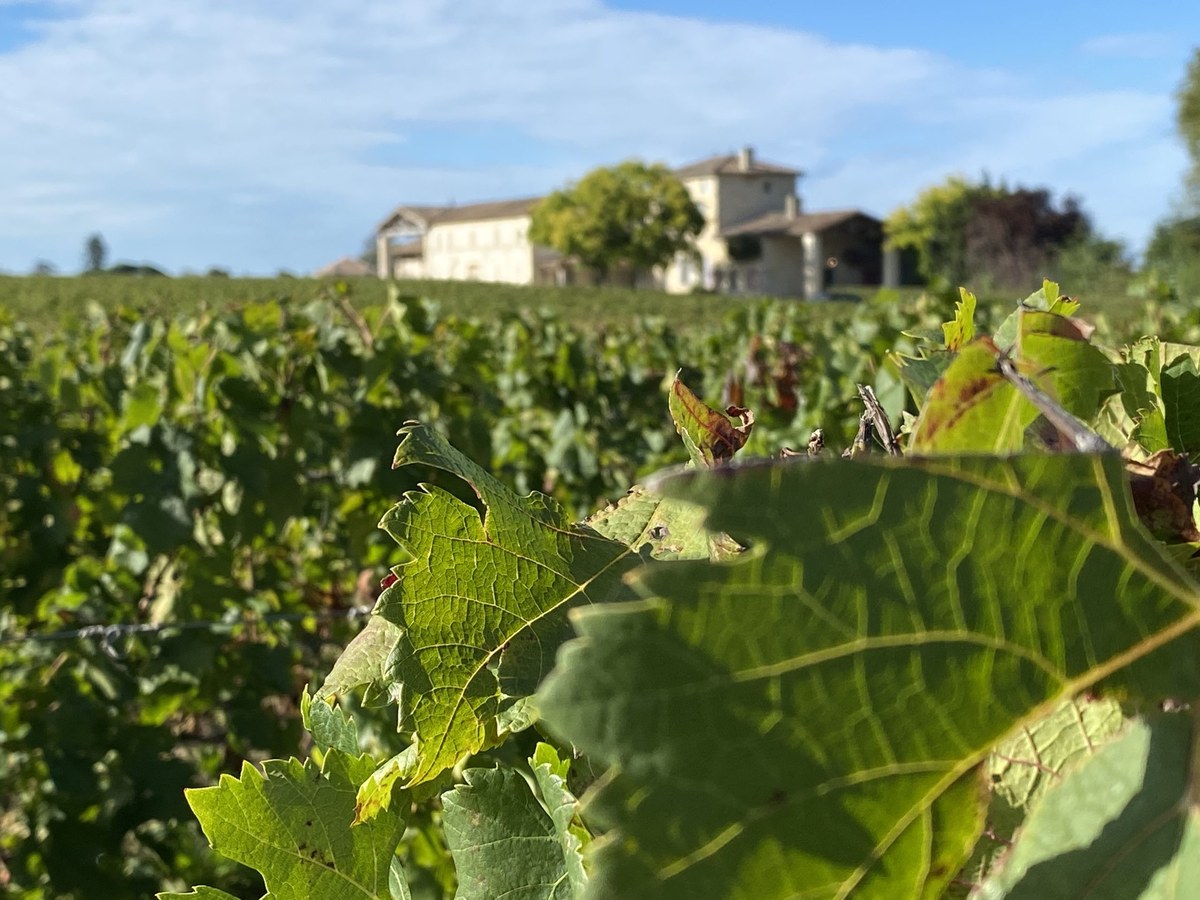
The timing of Lafleur's irrigation, early June, not late July, underscores how early in the season extreme conditions are now arriving. Historically, Bordeaux's summer heat peaks in August. In 2026, vines were already under severe stress by early June. The appellation system, which waits for widespread distress before granting dispensation, is structurally misaligned with the speed at which heat stress develops. Lafleur's decision to irrigate in early June was not premature. It was responsive to conditions that, left unchecked, would have caused irreversible damage.
The heat data is stark: temperatures in the 40s in early July, when Bordeaux typically sees 30-degree weather. That 10-degree differential translates to vine stress that arrives weeks earlier than historical norms. For collectors evaluating the 2026 vintage, that timing matters. Early-season stress affects flowering, fruit set, and the vine's ability to regulate ripening later in the season. Lafleur's early irrigation may have preserved the vine's physiological capacity to ripen fruit evenly, a factor that will only become clear when the wines are tasted.
Loss of Pomerol AOC affects label prestige and secondary market positioning, but may preserve wine quality under extreme conditions. For collectors, the shift from Château Lafleur, Pomerol to Lafleur, Vins de France is not trivial. The Pomerol designation carries cachet. It signals terroir, tradition, and a specific set of viticultural practices. Vins de France, by contrast, is a catch-all category that includes everything from experimental natural wines to bulk production. The label no longer tells the story of place in the same way.
But the wine itself may benefit. If irrigation prevents vine shutdown and burnt fruit, the 2026 vintage from Lafleur could be more balanced and expressive than it would have been under AOC constraints. The estate is betting that the quality of the wine, the result of responsive, site-specific viticulture, will matter more to serious collectors than the appellation designation. That bet assumes collectors understand the context: that Lafleur left Pomerol AOC not to cut corners, but to preserve the integrity of its viticulture under conditions the AOC system could not accommodate.
The secondary market will test that assumption. Pomerol's top estates, Pétrus, Le Pin, Lafleur, have historically commanded premiums based on appellation prestige as much as quality. Lafleur's withdrawal introduces uncertainty. Will the 2025 and 2026 vintages trade at a discount because they lack the Pomerol label? Or will collectors recognize that the estate's decision to irrigate early may have saved the vintage from the kind of damage that would have made the wine undrinkable, regardless of its appellation?
For en primeur buyers, the calculus is different. Lafleur's allocation system has not changed. The estate still releases wines through its established distribution channels. But the narrative around the wine has shifted. Collectors are no longer buying a Pomerol, they are buying a statement about climate adaptation and the limits of traditional appellation systems. That narrative may appeal to some buyers and alienate others. The 2025 and 2026 vintages will be case studies in whether quality and context can outweigh the loss of a prestigious label.
The allocation question is practical: collectors who have secured Lafleur through négociants or mailing lists in prior years will still have access. But the wine's positioning has changed. It no longer competes directly with other Pomerol estates in critics' rankings or auction results. It occupies a new category, Vins de France from a former Pomerol icon. That shift may create opportunity for collectors willing to look past the label, or it may depress demand among buyers who prioritize appellation prestige. The market will decide, vintage by vintage.
Lafleur's withdrawal raises a question the rest of Bordeaux cannot avoid: at what point does protecting terroir conflict with protecting the vines themselves? The estate is not the first to face this dilemma, but it is the first Pomerol icon to walk away from the appellation rather than wait for the system to adapt. Other estates are watching. If Lafleur's wines from 2025 and 2026 are well-received, if collectors and critics judge them to be as good or better than they would have been under AOC constraints, other producers may follow.
The appellation system is not static. Bordeaux has adjusted its rules before, allowing earlier harvest dates and permitting certain viticultural practices that were once forbidden. But those adjustments have been incremental and reactive. Lafleur's decision to leave the system entirely is a signal that incremental change may not be fast enough. The estate is not calling for the AOC system to be dismantled. It is simply choosing to operate outside it, in a regulatory space that allows for the kind of responsive viticulture that extreme heat demands.
For collectors and travelers, the story is not just about one estate's decision. It is about the broader tension between tradition and adaptation in a region that has built its identity on terroir. Lafleur's irrigation in early June 2026 is a data point. The quality of the resulting wine will be another. If the wine is excellent, it will validate the estate's choice. If it is not, it will raise questions about whether leaving the appellation system was worth the trade-off. Either way, the 2025 and 2026 vintages from Lafleur will be among the more closely watched in Bordeaux's recent history.
The estate's conversations with growers in Adelaide, Napa, and Swartland suggest it is looking beyond Bordeaux for viticultural models. Those regions have dealt with heat and water stress for decades. Their practices, drip irrigation, canopy management, misting systems, are not exotic. They are standard tools in hot climates.
Bordeaux has resisted adopting them, in part because the climate did not require them. That is no longer true. The question is whether the appellation system will adapt quickly enough to keep pace with the climate, or whether more estates will follow Lafleur's lead and step outside the system to manage their vineyards as conditions demand.
For now, Lafleur's decision stands alone. The estate has not called for others to follow. It has simply chosen a path that allows it to irrigate when its vines need water, not when the appellation grants permission. That choice has cost the estate its Pomerol designation. Whether it preserves the quality of the wine, and the health of the vines, will become clear in the vintages ahead. If this is the kind of insider detail you look for in a glass, join the club, we'll keep pouring.
Get the App
Take the shortlist into the En Primeur Club app for concierge access, saved places, and the next step after discovery.
Get Exclusive AccessMore from the editors