← Guides
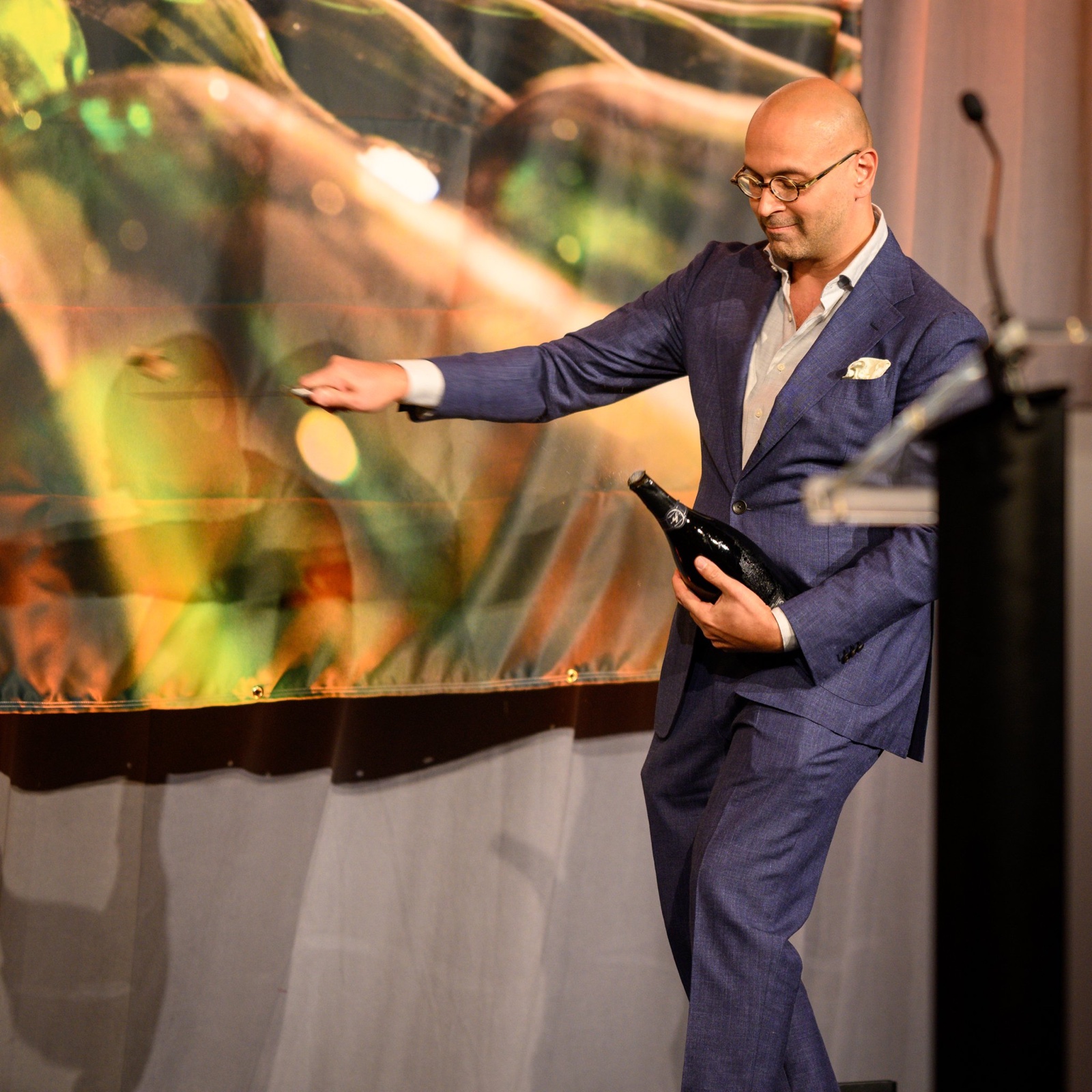
Klearhos Kanellakis, a Decanter judge formerly of 67 Pall Mall, has opened London's most ambitious new wine program in a former banking hall, with 2,200 bottles and a 6.5-metre glass wall.
Klearhos Kanellakis, a Decanter judge formerly of 67 Pall Mall, has opened London's most ambitious new wine program in a former banking hall, with 2,200 bottles and a 6.5-metre glass wall.
At Jul’s in St James’s, a former banking hall now comes with Aegean glamour and a wine programme shaped by Greek-born Decanter judge Klearhos Kanellakis. Klearhos Kanellakis joined the project in January, bringing credentials from 67 Pall Mall, Trivet and Ekstedt at The Yard to a bespoke cellar holding around 2,200 bottles.
The restaurant opened in March 2025 in the former National Bank of Egypt building, occupying a space that Athens-based design firm ArcSet transformed with scorched beams, clay plaster, and bespoke ceramics. Seventy percent of opening stock came from Jul's Ibiza location, enabling access to bottles unavailable through standard UK channels.
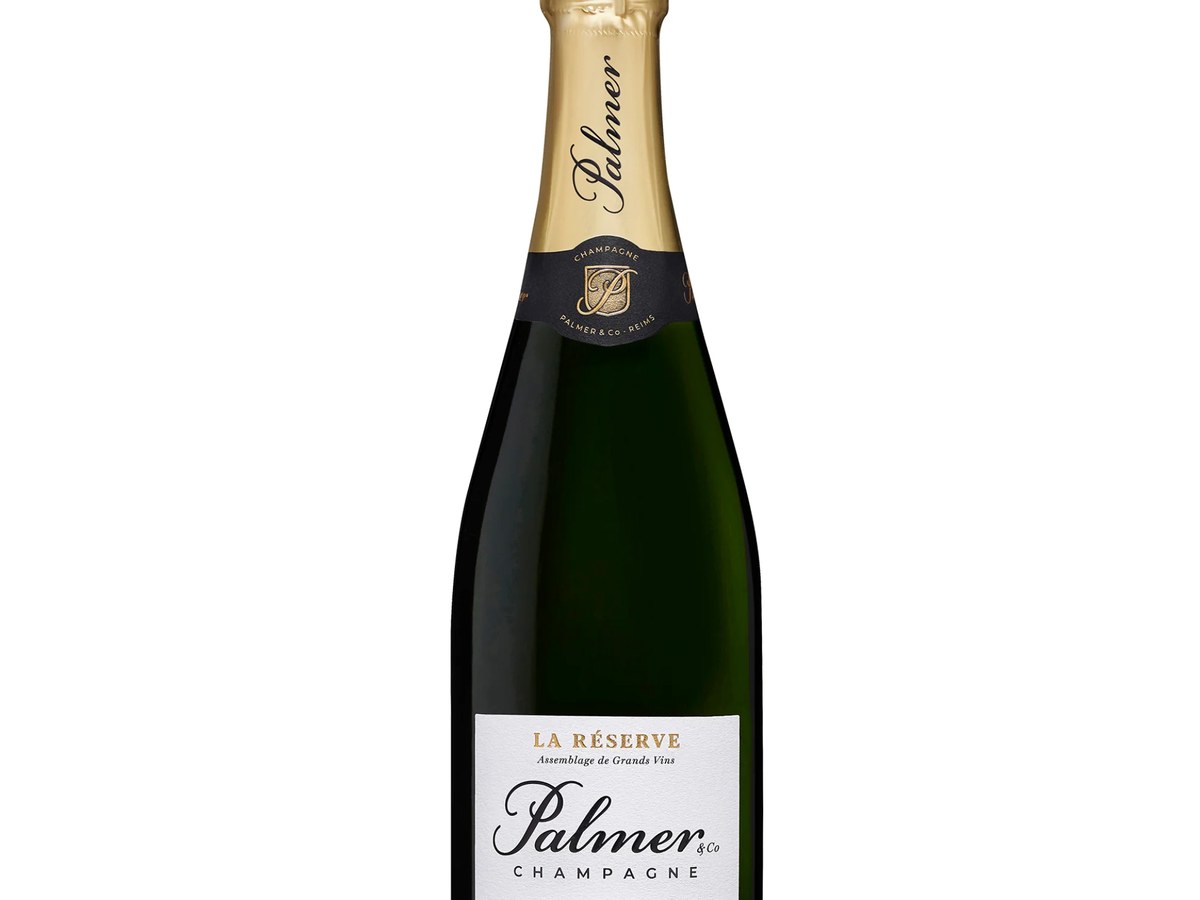
Palmer is the house champagne, chosen for its lighter frame. Senior Sommelier Haoyi (Eva) Chen assists the wine program. Producers including Prieuré Roch, Gut Hermannsberg, and Giacomo Fenocchio have already visited the restaurant.
St James's has long been London's most collector-dense district, anchored by67 Pall Mall'smembers-only cellar and the neighborhood's concentration of auction houses, wine merchants, and fine-dining institutions. Jul's enters this market with a credential advantage: Kanellakis is a Greek-born Decanter judge who was part of the opening team at67 Pall Mall before moving to Trivet and then Ekstedt at The Yard. His arrival in January 2025 gave the project the wine authority it needed to compete in a district where serious collectors expect depth, not just architectural drama.
The timing matters. London's fine-dining wine programs have consolidated around a predictable model: Burgundy-heavy lists with Champagne by the glass and a token natural wine section. Jul's wine list breaks that pattern through its Ibiza sourcing strategy and its focus on agility over prestige labels. Kanellakis watched the mosaics being laid during the restaurant's final construction phase, building a list capable of resisting the room's Aegean-luxury aesthetic rather than serving it. The cellar holds around 2,200 bottles, a scale that positions Jul's between neighborhood wine bars and the city's deepest collector cellars.
Athens-based ArcSet filled the former banking hall with scorched beams, clay plaster and a 6.5-metre wine wall, an architectural feature in a room built around serious drinks credentials. The wall climbs from sparkling wines near the ground floor to the mezzanine, with bottles backlit against clay plaster and scorched beams. Jul's avoids the trap of treating wine as a supporting act by centering the program as the primary draw, with Executive Chef Christos Fotos's Aegean-inspired menu built to support rather than dominate the cellar.
"Niklas Ekstedt's cooking demanded something richer; Jul's calls for greater agility."
, Klearhos Kanellakis, sommelier, The Drinks Business1
Kanellakis's previous role at Ekstedt at The Yard required a richer, more structured wine program to match Niklas Ekstedt's wood-fired Nordic cooking. Jul's demands the opposite: lighter frames, higher acidity, and the flexibility to pair with dishes that move between Greek, Mediterranean, and Aegean influences. Palmer Champagne anchors the sparkling program, chosen specifically for its lighter frame rather than the prestige-label approach most St James's restaurants default to.
The cellar's 2,200-bottle capacity places Jul's in the middle tier of London's serious wine destinations, larger than most neighborhood restaurants, smaller than the city's collector institutions. The scale allows Kanellakis to build depth in specific categories rather than chasing breadth across every major region. The Ibiza sourcing strategy, which supplied 70% of opening stock, gives the program access to bottles that don't move through standard UK distribution channels. That advantage matters in a market where collectors have already secured allocations for particularly sought-after labels through their existing relationships.
The wine wall itself is a 6.5-metre glass structure designed by ArcSet, the Athens-based firm responsible for the restaurant's overall aesthetic. The wall climbs from sparkling wines near the ground floor to the mezzanine, with bottles backlit against the room's scorched beams and clay plaster. The design creates a visual anchor for the space, but it also raises a practical concern: the huge windows that make the wall visible from St James's Street expose the cellar to daylight, which accelerates wine aging and degrades bottles over time.
Palmer Champagne is the house pour, a choice that reflects Kanellakis's preference for agility over weight. Palmer's lighter frame and higher acidity make it a more versatile pairing for the restaurant's Aegean-inspired menu than the richer, more structured Champagnes that dominate most fine-dining lists. The decision to feature Palmer as the house option rather than relegating it to a mid-tier slot signals confidence in the wine's quality and fit. For collectors accustomed to seeing Palmer only in allocation-driven contexts, the house pour positioning offers immediate access without the usual waitlist friction.
Senior Sommelier Haoyi (Eva) Chen works alongside Kanellakis, providing the floor presence and guest education that a 2,200-bottle cellar demands. Chen's role is critical in a dining room where the wine program needs to justify its ambition through service, not just selection. The combination of Kanellakis's curation and Chen's floor work gives Jul's the infrastructure to compete with St James's established wine destinations.
Producers including Prieuré Roch, Gut Hermannsberg, and Giacomo Fenocchio have already visited the restaurant, a sign that the wine program is attracting serious attention from winemakers who typically reserve their time for established institutions.
Prieuré Roch's Burgundy holdings, Gut Hermannsberg's Riesling program, and Fenocchio'sBarolo all represent categories where collector demand outstrips supply. Their presence at Jul's suggests Kanellakis has built the kind of relationships that give the restaurant access to allocations and library bottles that won't appear on competitor lists.
When a producer visits personally, it signals confidence in the sommelier's ability to represent the wines properly, and often unlocks access to parcels that never reach the open market.
Jul's was founded in 2018 on Ibiza by Executive Chef Christos Fotos, with Jem Akyuz overseeing business development and his son Ilhan Akyuz serving as general manager. The group expanded to Athens with Humain and established a two-hectare organic farm in Ibiza before opening the London location in March 2025. The Ibiza connection is more than branding, it's the operational backbone of the wine program. Around 70% of opening stock came from Jul's Ibiza location, a sourcing strategy that gives the London cellar access to bottles that don't move through UK importers or distributors.
That 70% figure matters because it represents a structural advantage over competitors who rely entirely on UK-based suppliers. Wines that are allocated, sold out, or never imported to the UK can still reach Jul's through the Ibiza pipeline, assuming the group's logistics can handle cross-border inventory transfers without excessive cost or regulatory friction. The strategy also allows Kanellakis to source wines that reflect Mediterranean and Aegean terroir more authentically than a London-centric list would, aligning the cellar with the restaurant's culinary identity.
The two-hectare organic farm in Ibiza supplies produce to the group's restaurants, creating a farm-to-table narrative that extends beyond the wine program. Whilethe farm doesn't produce wine itself, its existence signals the group's commitment to ingredient sourcing and terroir-driven hospitality. That commitment translates into the wine program through Kanellakis's focus on producers who farm organically or biodynamically.
Kanellakis has made multiple visits to Blandy's and Henriques & Henriques, two of Madeira's most respected producers, with another Madeira trip planned through an educator's course. That focus on fortified wine is unusual for a new restaurant, where most sommeliers prioritize Burgundy, Champagne, and natural wine to signal credibility.
Madeira's aging potential, oxidative stability, and food-pairing versatility make it an ideal category for a restaurant with a 2,200-bottle cellar and a commitment to agility.
The wines can sit in the cellar for years without degrading, they pair with a wide range of dishes, and they offer collectors access to vintages that predate most table wines by decades.
The Madeira focus also aligns with the restaurant's Aegean identity. Madeira's historical trade routes connected the island to Mediterranean ports, and the wine's oxidative character complements the charred, wood-fired, and fermented flavors common in Greek and Mediterranean cooking.
Kanellakis's visits to Blandy's and Henriques & Henriques suggest he's building relationships with producers who can supply library bottles and single-vintage Madeiras that won't appear on competitor lists.
The educator's course he's planning signals a commitment to deepening his Madeira knowledge beyond the standard sommelier curriculum, a level of specialization that could make Jul's the city's most serious Madeira destination outside of specialist wine bars.
Palmer Champagne's role as the house pour reflects the same agility principle. The wine's lighter frame and higher acidity make it a more versatile pairing for the restaurant's menu than the richer, more structured Champagnes that dominate most fine-dining lists. Kanellakis chose Palmer specifically for its fit with the food, not for its brand recognition or prestige. That decision signals a sommelier confident enough to prioritize pairing logic over the safe choice.
The combination of Madeira depth and Palmer as the house Champagne gives Jul's a wine program that resists easy categorization. It's not a Burgundy-heavy list, it's not a natural wine bar, and it's not a prestige-label showcase. Instead, it's a cellar built around pairing versatility, collector access, and the kind of agility that allows the program to evolve as the menu and guest base develop.
Jul's occupies the former National Bank of Egypt building on St James's Street, a location that places it within walking distance of 67 Pall Mall, Christie's, and the district's concentration of wine merchants and auction houses. The dining room features ArcSet's design: scorched beams, clay plaster, golden snails on corners, bees caught in wire-net curtains, stone-collage tables, and bespoke ceramics. The 6.5-metre wine wall is visible from the street, a deliberate architectural statement in a district where wine credibility determines whether a restaurant survives its first year.
Reservations can be made through the restaurant's website. The mezzanine level offers one direct engagement with the wine program, with the cellar's upper sections visible from the seating area. Guests interested in specific bottles or categories should request Kanellakis or Chen by name when booking, both sommeliers have the floor presence and wine knowledge to guide collectors through the 2,200-bottle cellar.
The restaurant's opening in March 2025 means it's still building its guest base and refining its service rhythm. The wine program's credentials, Kanellakis's Decanter judge status, the 2,200-bottle cellar, the Ibiza sourcing strategy, and the Madeira focus, are strong enough to justify a visit. Guests should be aware that the cellar's huge windows expose bottles to daylight, which accelerates aging and degrades wine over time. The 70% Ibiza sourcing strategy also raises questions about sustainability, as opening stock depletes, can the Ibiza pipeline maintain the cellar's depth and access to hard-to-find bottles?
The restaurant's proximity to 67 Pall Mall creates both a competitive challenge and an opportunity, collectors who are members at 67 can now access a different kind of wine experience within walking distance.
Jul's arrival in St James's represents a shift in how new restaurants approach wine programs. Instead of defaulting to a Burgundy-heavy list with Champagne by the glass and a token natural wine section, Kanellakis has built a cellar around agility, Ibiza sourcing, and depth in underexplored categories like Madeira. That approach requires more curation and guest education than a standard fine-dining list, but it also creates the kind of wine destination that collectors will return to repeatedly.
The Ibiza sourcing strategy gives Jul's a structural advantage over competitors who rely entirely on UK-based suppliers. Wines that are allocated, sold out, or never imported to the UK can still reach Jul's through the group's cross-border logistics. That advantage matters in a market where collectors have already secured allocations for particularly sought-after labels through their existing relationships. Jul's offers access to bottles that won't appear on competitor lists, a point of differentiation that could define the restaurant's long-term success.
Kanellakis's Decanter judge credentials and his previous roles at 67 Pall Mall, Trivet, and Ekstedt at The Yard give him the authority to build a wine program that resists the room's Aegean-luxury aesthetic rather than serving it. His focus on agility, his choice of Palmer as the house Champagne, and his commitment to Madeira depth all reflect a sommelier confident enough to prioritize fit over brand recognition.
For collectors planning trips to London, Jul's offers a different kind of wine experience than the city's established institutions. It's not amembers-only club like 67 Pall Mall, it's not a Burgundy-heavy fine-dining venue, and it's not a natural wine bar. Instead, it's a cellar built around pairing versatility, collector access, and the kind of agility that allows the program to evolve as the menu and guest base develop. Request Kanellakis or Chen by name when booking, ask about the Madeira selection and the Ibiza-sourced bottles. The restaurant opened in March 2025, before reservations become impossible, this is the moment to visit.
Jul's wine list breaks from the typical Burgundy-heavy model by sourcing 70% of its opening stock from its Ibiza location, providing access to bottles unavailable through standard UK channels. The program focuses on agility and lighter frames rather than prestige labels, with Palmer Champagne as the house selection.
Klearhos Kanellakis, a Decanter World Wine Awards judge, leads the wine program. He joined Jul's in January 2025 after working at 67 Pall Mall, Trivet, and Ekstedt at The Yard, bringing significant credentials to the 2,200-bottle cellar.
The cellar holds approximately 2,200 bottles, visible through a 6.5-metre glass wall on St James's Street. This scale positions Jul's between neighborhood wine bars and London's deepest collector cellars, allowing for depth in specific categories.
Jul's opened in March 2025 on St James's Street in the former National Bank of Egypt building. The space was transformed by Athens-based design firm ArcSet with scorched beams, clay plaster, and bespoke ceramics.
Palmer was selected specifically for its lighter frame, which better suits the agility required to pair with Executive Chef Christos Fotos's Aegean-inspired menu. This choice reflects the restaurant's focus on flexibility over prestige-label defaults common in St James's.
Get the App
Take the shortlist into the En Primeur Club app for concierge access, saved places, and the next step after discovery.
Get Exclusive AccessMore from the editors