← Guides
Harlan Estate allocation in 2026 is less about booking a visit than building the right merchant relationships, auction discipline, and long-term cellar strategy.
Harlan Estate allocation in 2026 is less about booking a visit than building the right merchant relationships, auction discipline, and long-term cellar strategy.
A mature bottle of Harlan Estate is often easier to place on your table than a place on the estate's private allocation list. Treat Harlan as a relationship wine, not a booking exercise. Harlan Estate does not sell wine through retail channels, does not list on Vivino, and does not accept unsolicited applications in any volume that matters. The allocation list is effectively closed to new entrants. For most collectors, the practical route is the secondary market or a merchant with deep Napa relationships, rather than a direct offer from Oakville.
Harlan Estate produces a single grand vin from hillside vineyards above Oakville, on the western bench of the Napa Valley. Production remains deliberately small, the estate has never chased volume, and the wine's reputation has run ahead of supply for decades. The allocation list grew organically from the estate's founding and has been managed as a private relationship network ever since. Existing allocatees receive their bottles first; any remaining wine moves through a small circle of fine-wine merchants who have cultivated the relationship over years. If you are starting from zero, build the merchant relationship before you expect the bottle.
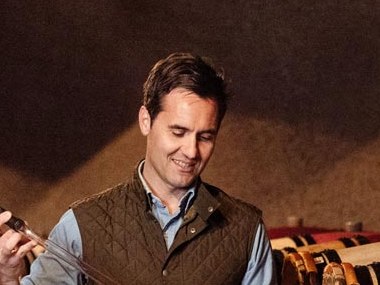
The secondary market reflects this scarcity directly: recent auction results for the Harlan Estate red wine regularly place it among the leading-performing Napa Valley bottles at Hart Davis Hart, Acker, and Sotheby's Wine, with mature vintages from the late 1990s and early 2000s trading at multiples of their original release price. The 1997, widely cited as the vintage that cemented Harlan's standing among Napa's most sought-after Cabernets, appears at auction with the provenance documentation serious collectors expect.
Demand reaches well beyond the United States. European and Asian collectors compete for the same bottles, which compresses secondary availability and keeps prices firm regardless of vintage variation. The estate's second wine, The Maiden, draws from younger vines and parcels not selected for the grand vin, and it circulates in somewhat larger quantities, though the gap is narrower than many newcomers expect.
Existing allocatees report receiving offers by direct communication from the estate, typically in the period following bottling.
The estate publishes an allocation request form on its website. To request an allocation, individuals must submit a form on the estate's website,1 though submitting that form begins a process measured in years, not a guaranteed path to an offer. The estate is explicit that the private allocation is for individuals who intend to open and enjoy the bottles they receive, not for speculation.1 Resale has consequences: if an allocation or part of it is re-sold within two years of release, it may affect future allocations.1 Verify any current intake status directly with the estate before planning around it.
There are three realistic routes for a collector starting from zero, ranked by reliability. Choose according to what you want most: bottles to drink now, a merchant relationship to build over time, or the slim chance of a direct estate relationship.
Fine-wine merchants with Napa allocations. A small number of US merchants, Wally's in Los Angeles, K&L Wine Merchants, and a handful of New York independents, have maintained long-standing relationships with Harlan and receive occasional allocations. These are not guaranteed annual offers; they depend on the merchant's purchase history and the estate's discretion. Building a purchase history with these merchants across their broader Napa portfolio is especially actionable step a new collector can take. Ask specifically about Harlan and The Maiden when you establish the account; the merchant needs to know you are interested before an allocation arrives. Trade inquiries from merchants and restaurants should be addressed to François Vignaud at francois@harlanestate.com.1
The secondary market and auction. Hart Davis Hart, Acker Merrall & Condit, Sotheby's Wine, and Zachys all handle Harlan regularly. For collectors who want to drink rather than wait, this is the surest channel. Provenance matters here more than almost anywhere else in Napa, so insist on documented cellar history and original wooden cases. The 2013, 2016, and 2019 vintages have drawn particular attention from buyers seeking wines with cellar runway; confirm current auction estimates directly with the house before bidding, as secondary pricing shifts with each sale cycle.
Direct contact with the estate. The allocation request form on the estate's website is the formal starting point. A direct, professional inquiry, expressing genuine long-term interest rather than a single-transaction request, is how any direct relationship begins. Do not expect a rapid response or a guaranteed outcome. Harlan Estate has a reported six-year waiting list to access the primary release,2 and that figure reflects conditions that may have tightened further since it was published.
What insiders actually do: Collectors who eventually land direct allocations almost universally describe the same pattern: they built a relationship with a Harlan-connected merchant first, bought consistently across that merchant's Napa portfolio, not only the trophy names, and expressed interest in Harlan specifically and repeatedly over multiple years. Some attended Napa Valley Vintners events or the Napa Valley Wine Auction, where estate principals occasionally appear. The relationship is the application; the form on the website is where it starts, not where it ends.
Insiders also buy The Maiden consistently. It is a serious wine from the same hillside parcels, and buying it signals to the estate and its merchant network that you are a committed long-term customer rather than a speculator chasing the grand vin for resale.
Mistakes that cost access:
One durable strategy runs three tracks at once. First, establish accounts with two or three Napa-specialist merchants and buy across their portfolios, Screaming Eagle, Bond, Promontory, and Scarecrow all operate similar allocation models and share some of the same merchant relationships. Second, buy Harlan and The Maiden at auction to understand the wines across vintages; this also signals to the market that you are an active buyer. Third, submit the allocation request form on the estate's website, make a single well-crafted follow-up inquiry expressing long-term interest, then leave it alone for at least a year.
The en primeur angle is limited here: Harlan does not offer futures in the Bordeaux sense. The wine is released after bottling, not before. There is no futures window to draw on, and no price advantage to buying early through a merchant versus waiting for secondary availability; the secondary market for young Harlan is active enough that the price differential is rarely significant.
For collectors focused on drinking rather than cellaring, the 2013 and 2016 vintages are worth tracking at auction now. Both are showing well and carry further runway, though confirm current auction estimates directly before bidding.
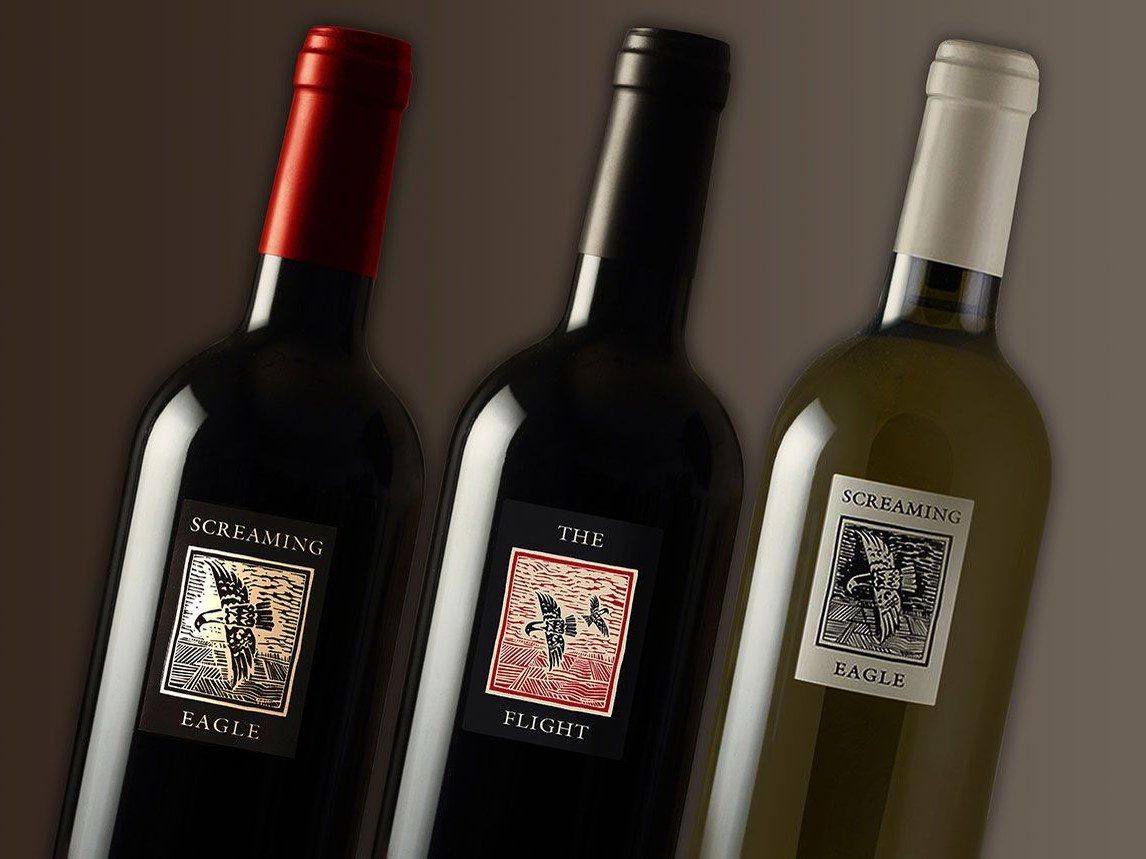
| Wine | Allocation Difficulty | Second Wine Available? | Primary Channel | Auction Availability |
|---|---|---|---|---|
| Harlan Estate | high, list effectively closed; six-year wait reported | Yes, The Maiden | Merchant relationship / secondary | Regular, strong provenance required |
| Screaming Eagle | high, waitlist reported at thousands of names | Yes, Second Flight | Direct waitlist / merchant | Regular, premium pricing |
| Bond Estate | High, mailing list, sister property to Harlan | No | Mailing list / merchant | Less frequent than Harlan |
| Promontory | High, newer estate, list more accessible | No | Mailing list / merchant | Growing secondary market |
| Scarecrow | High, small production, Rutherford | No | Merchant relationship | Regular |
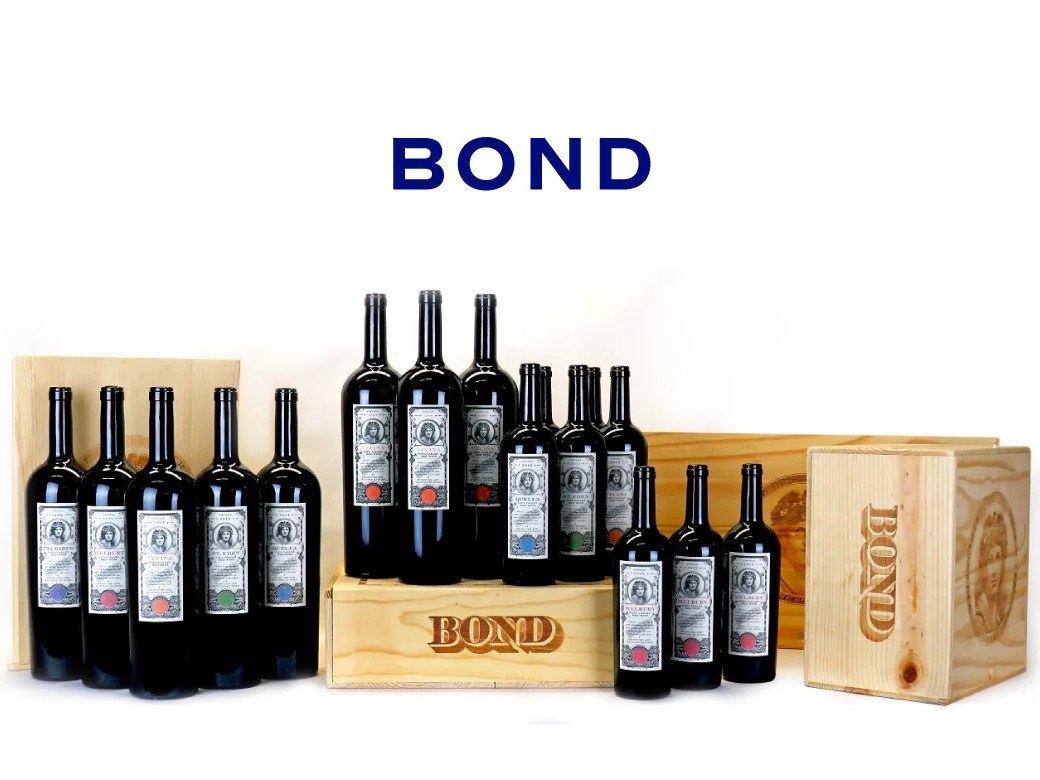
Bond Estate is especially natural alternative: it shares ownership with Harlan, draws from similarly positioned hillside sites across five Napa Valley parcels, Melbury, Vecina, St. Eden, Quella, and Pluribus, and operates a mailing list that, while competitive, has historically been more accessible to new entrants than Harlan's. Joining the Bond list is a legitimate path toward the Harlan network.
Promontory, also from the Harlan family of estates, focuses on a single large parcel in the western hills above Oakville and produces a wine that shares the estate's philosophical DNA: hillside Cabernet Sauvignon, minimal intervention, long aging. The mailing list is newer and worth joining now.
Screaming Eagle's Second Flight scratches a similar itch for collectors who want Oakville-adjacent Cabernet at slightly more accessible allocation quantities. The waitlist for Screaming Eagle itself is reported to run into the thousands of names, but Second Flight moves through merchants with somewhat more regularity.
Scarecrow, from the J.J. Cohn estate in Rutherford, produces a single Cabernet Sauvignon in quantities that make it scarce but not entirely inaccessible through Napa-specialist merchants. It rewards the same patient, relationship-first approach.
Harlan Estate does not offer public tastings, cellar tours, or visitor experiences in any standard sense. The property is a working estate on the Oakville hillside, and access is by invitation only, extended to existing allocatees and, occasionally, to guests of the estate's merchant partners during specific events. If your goal is to taste Harlan in 2026, plan around sourcing a bottle, not booking the estate.
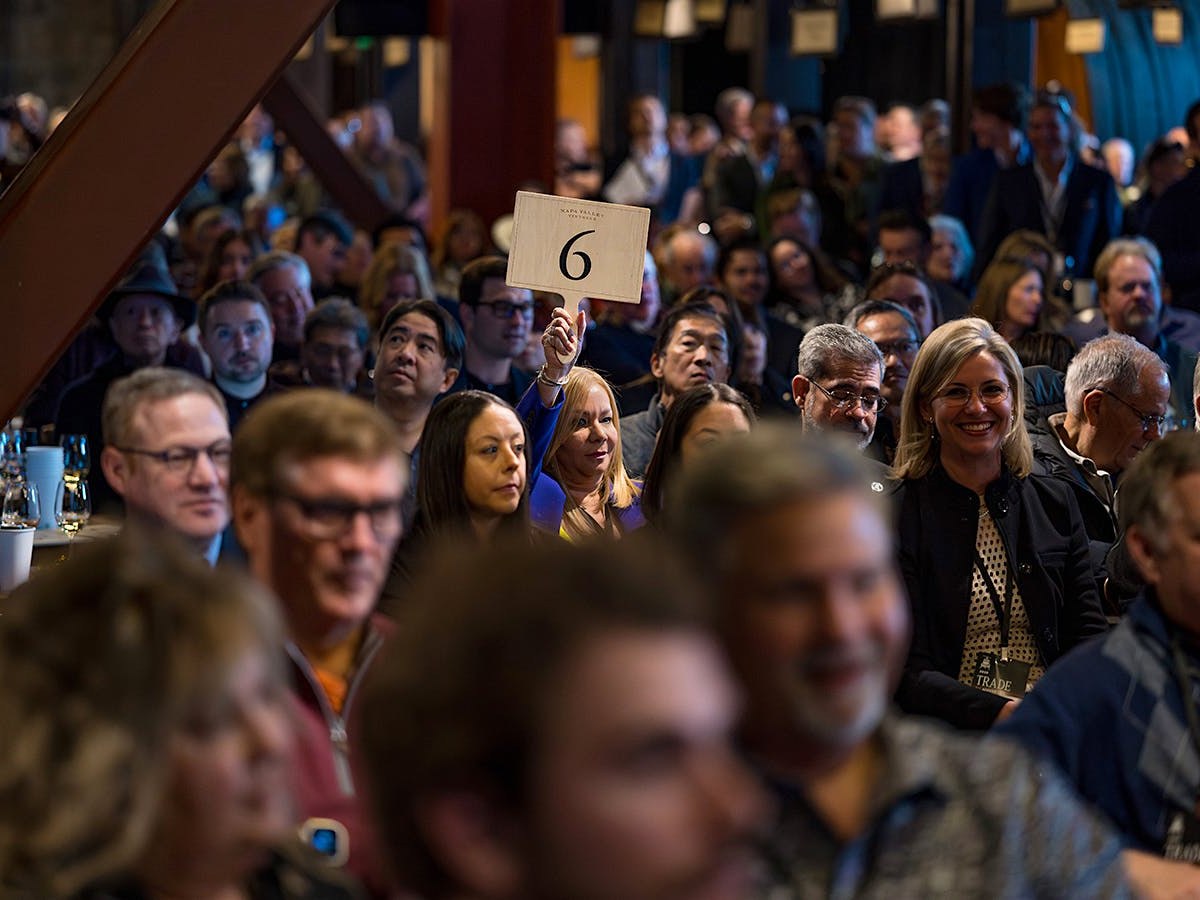
The Napa Valley Wine Auction (Auction Napa Valley), held annually, has historically included access to estate principals and occasionally to the properties themselves. This is one of the few public-facing contexts in which Harlan's team appears, and attending, either as a bidder or through a charity connection, is one of the few ways a new collector might make a direct introduction. The auction benefits local nonprofits and draws the Napa Valley's most significant producers; it is worth attending on its own terms regardless of any Harlan ambition.
Beyond that, a visit to the estate itself is not a product Harlan offers. The experience of Harlan is the wine in the glass, ideally a mature bottle from a strong vintage, opened with enough time to breathe, alongside food that can hold its own against a wine of that structure and concentration. That experience is available to anyone who can source the bottle. The estate visit is not.
The Harlan allocation is worth pursuing if you are building a serious Napa cellar over a decade or more, have the patience for a relationship-first process, and are genuinely interested in the estate's full range, including The Maiden and the Bond and Promontory wines. If you are looking for a single case for a specific occasion or a short-term investment, the secondary market is faster and more reliable, and the effort of building toward a direct allocation outweighs the goal.
Collectors who already have accounts with Napa-specialist merchants and buy consistently across the category are particularly natural candidates to eventually receive an offer. Those starting from zero in 2026 should set a realistic timeline. The reported six-year figure reflects conditions that may have tightened further since it was published.
For most collectors, the secondary market is the practical route to Harlan Estate, not a fallback. The allocation request form on the estate's website1 is the formal starting point for anyone serious about a direct relationship, but submitting it opens a process measured in years, not months. The relationship-building process is long by design. None of that makes the wine less worth drinking; it makes the strategy clearer.
Start with The Maiden and the Bond Estate wines. Build merchant history with two or three Napa specialists. Submit the allocation form, make one direct inquiry, and leave it alone. Buy mature Harlan at auction when provenance is clean; the 2013 and 2016 vintages are worth tracking, though confirm current estimates with the auction house before committing. Join the Promontory mailing list while it remains accessible; the wine shares the same hillside philosophy and the list will not stay open indefinitely.
The collectors who eventually drink Harlan from their own allocation are almost always the ones who stopped treating it as a target and started treating it as a relationship, patient enough to let that relationship develop on the estate's timeline, not their own.
Harlan Estate requires individuals to submit a form on the estate's website to request an allocation.1 The estate manages its list as a private relationship network, and submitting the form is the beginning of a process that may take years. Verify the current situation directly with them before planning around it.
Yes, the secondary market is a reliable channel for collectors not on the direct list. Major auction houses including Hart Davis Hart, Acker, Sotheby's Wine, and Zachys handle Harlan regularly. A small number of fine-wine merchants with long-standing Napa relationships also receive occasional allocations. Provenance documentation is essential when buying at auction.
The Maiden is Harlan Estate's second wine, produced from younger vines and parcels not selected for the grand vin in a given vintage. It circulates in somewhat larger quantities than the grand vin and is available through some of the same Napa-specialist merchants. Buying The Maiden consistently is among the more effective ways to signal genuine long-term interest to the merchant network and, indirectly, to the estate. The same resale policy applies: re-selling within two years of release may affect future allocations.1
Harlan Estate does not offer public tastings, cellar tours, or visitor experiences. Access to the property is by invitation only, extended to existing allocatees and occasionally to guests of merchant partners at specific events. The Napa Valley Wine Auction (Auction Napa Valley) is one of the few public-facing contexts where estate principals appear and where introductions are occasionally made.
Bond Estate and Promontory are both produced by the Harlan family and operate mailing lists that have historically been more accessible to new entrants than Harlan's allocation. Bond produces single-vineyard Cabernet Sauvignon from five named Napa Valley parcels; Promontory focuses on a hillside site above Oakville. Joining both mailing lists now is a practical first step for collectors interested in the broader Harlan portfolio.
Get the App
Take the shortlist into the En Primeur Club app for concierge access, saved places, and the next step after discovery.
Get Exclusive AccessMore from the editors