← Guides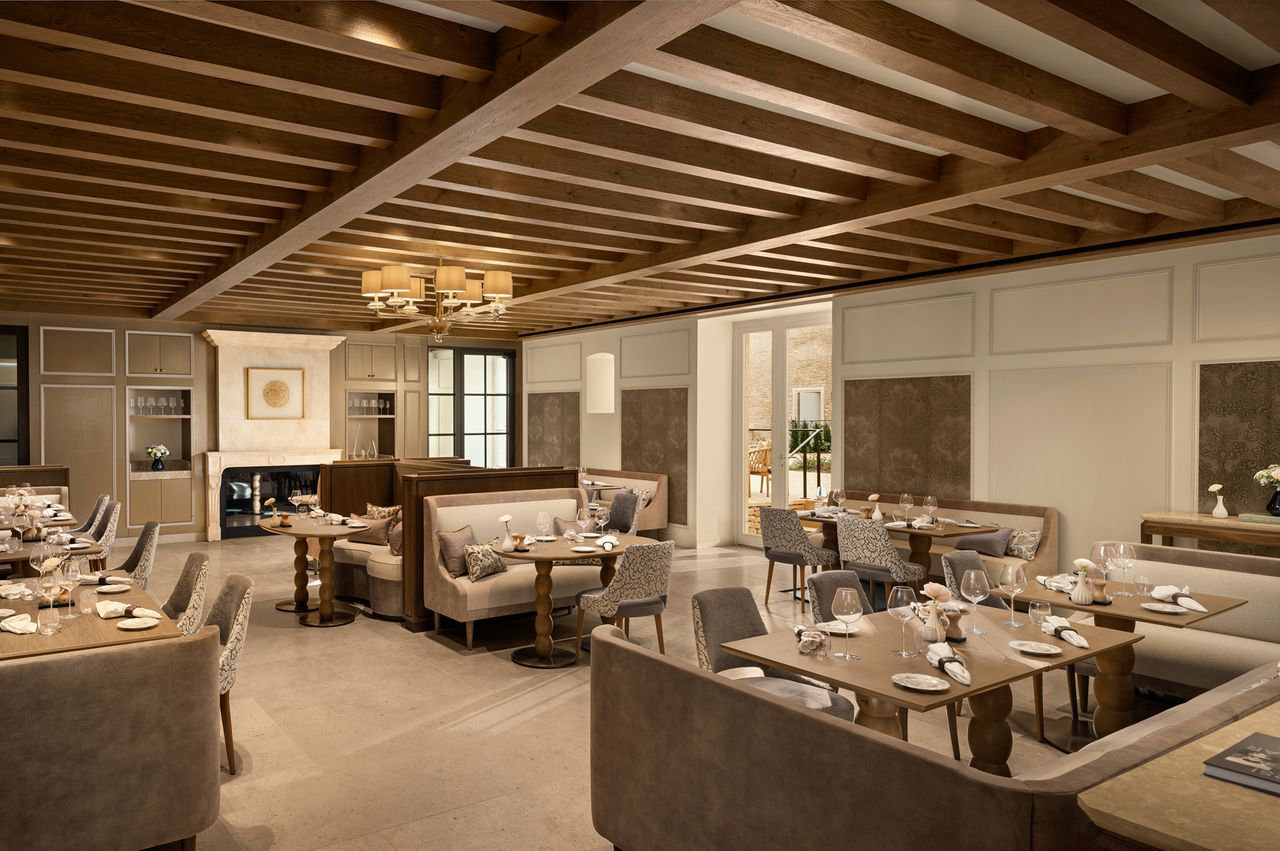
Fontenille Collection enters Burgundy with a Meursault château above 12th-century Cistercian cellars and 18 rooms at opening.
Fontenille Collection enters Burgundy with a Meursault château above 12th-century Cistercian cellars and 18 rooms at opening.
Fontenille Collection opened Château de Cîteaux Meursault on 24 July 2026 as its first Burgundy property, placing 18 rooms above 12th-century Cistercian cellars in the heart of Meursault near Beaune. The timing gives the arrival its edge: according to the announcement carried by HospitalityNet, the Burgundy debut coincides with Fontenille Collection’s 10-year anniversary, and the estate will ultimately offer 35 rooms and suites once the restored Vieux-Clos opens in January 2027 (Hospitalitynet1).
For a wine traveler, the address matters before the thread count does. Meursault is not a convenient backdrop; it is the subject. The village sits minutes from Beaune, with cellars, domaines, restaurants, and Côte d’Or itineraries close enough that a morning appointment and a long lunch can share the same day without turning Burgundy into logistics.
The property also arrives with a deeper inheritance than most hotel openings can claim. Château de Cîteaux rises over cellars built by monks from the Abbey of Cîteaux to vinify and preserve wines from Meursault. That is not decorative history. It is the foundation under the house.
Fontenille Collection’s first Burgundy property is a 19th-century château in Meursault, near Beaune, built above Cistercian cellars from the 12th century. The group has not simply taken a vineyard-adjacent house and added a restaurant. It has chosen a site where the wine story is below ground, inside the stone, and tied to the village’s own memory of cultivation and cellar work (Hospitalitynet1).
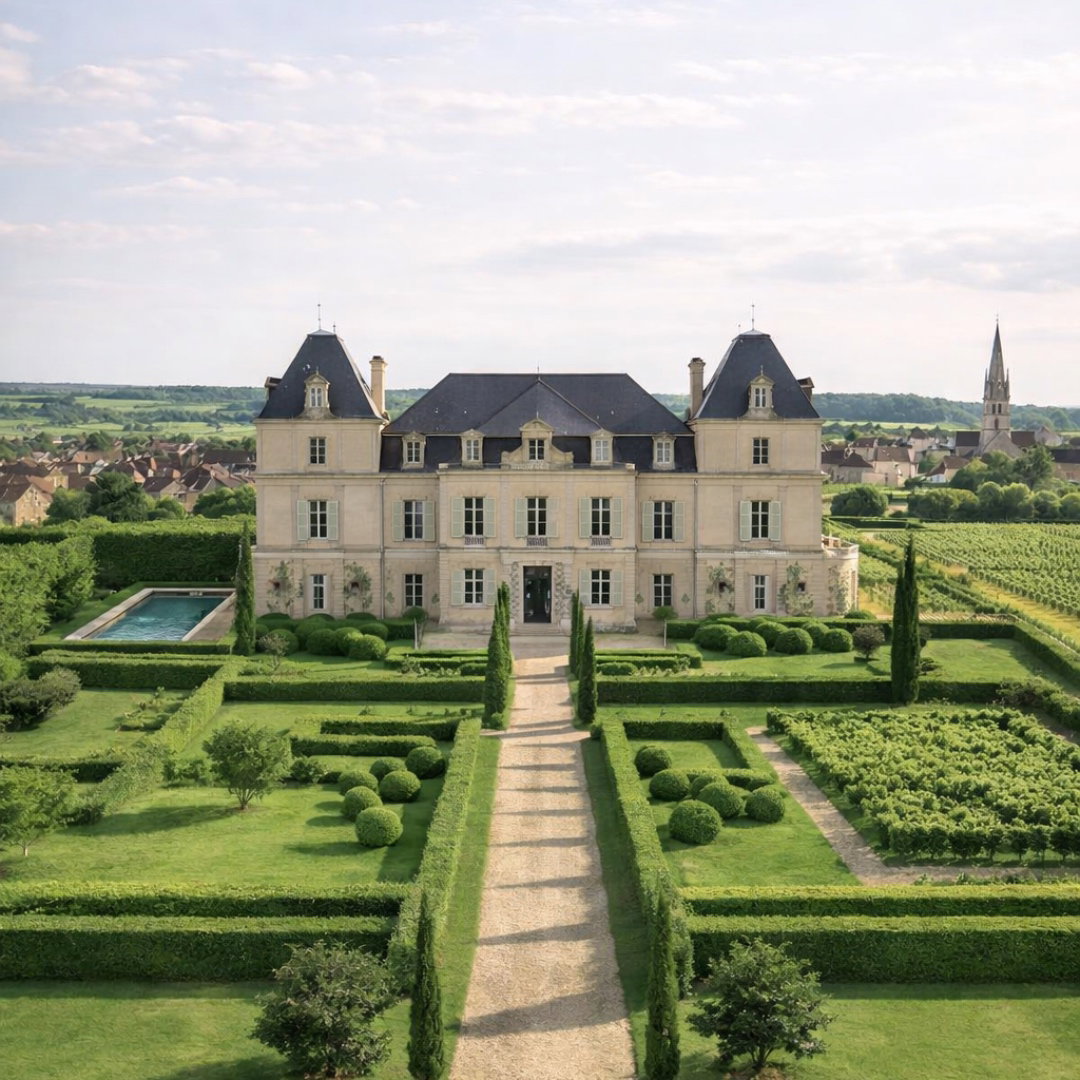
The confirmed room count gives the opening a collector’s kind of scarcity. The château opened with 18 rooms. A further 17 rooms in the restored Vieux-Clos are scheduled for January 2027. In a region where harvest weeks, auction periods, and domaine appointments can compress demand into narrow windows, 18 rooms at opening is not a large inventory. It will shape who gets the earliest experience of the property (Hospitalitynet1).
Fontenille’s announcement frames the opening as part of its 10-year anniversary, which gives the move a deliberate cadence. Burgundy is not an easy region in which to enter quietly. The Côte d’Or already asks visitors to understand scale: small villages, small parcels, few bottles, calendars that fill before travel plans become firm. Château de Cîteaux Meursault inserts a new address into that rhythm, with the advantage of a name already tied to cellars, Meursault wines, and a long local association.
That association includes Philippe Bouzereau, the estate’s former owner, whom the announcement describes as remaining a neighbor and friend of the house. Several wines from Domaine Château de Cîteaux will feature on the property’s wine list. For guests, that detail does more than furnish the cellar. It keeps the new hotel connected to a Meursault winemaking family rather than leaving the wine program as a polished but anonymous exercise.
Meursault carries a particular charge for Chardonnay drinkers. You do not need a lecture on the appellation to understand the pull: the name alone can steer an itinerary, especially for collectors who plan Burgundy travel around tasting appointments, restaurant lists, and the hope of encountering mature bottles in the right dining room.
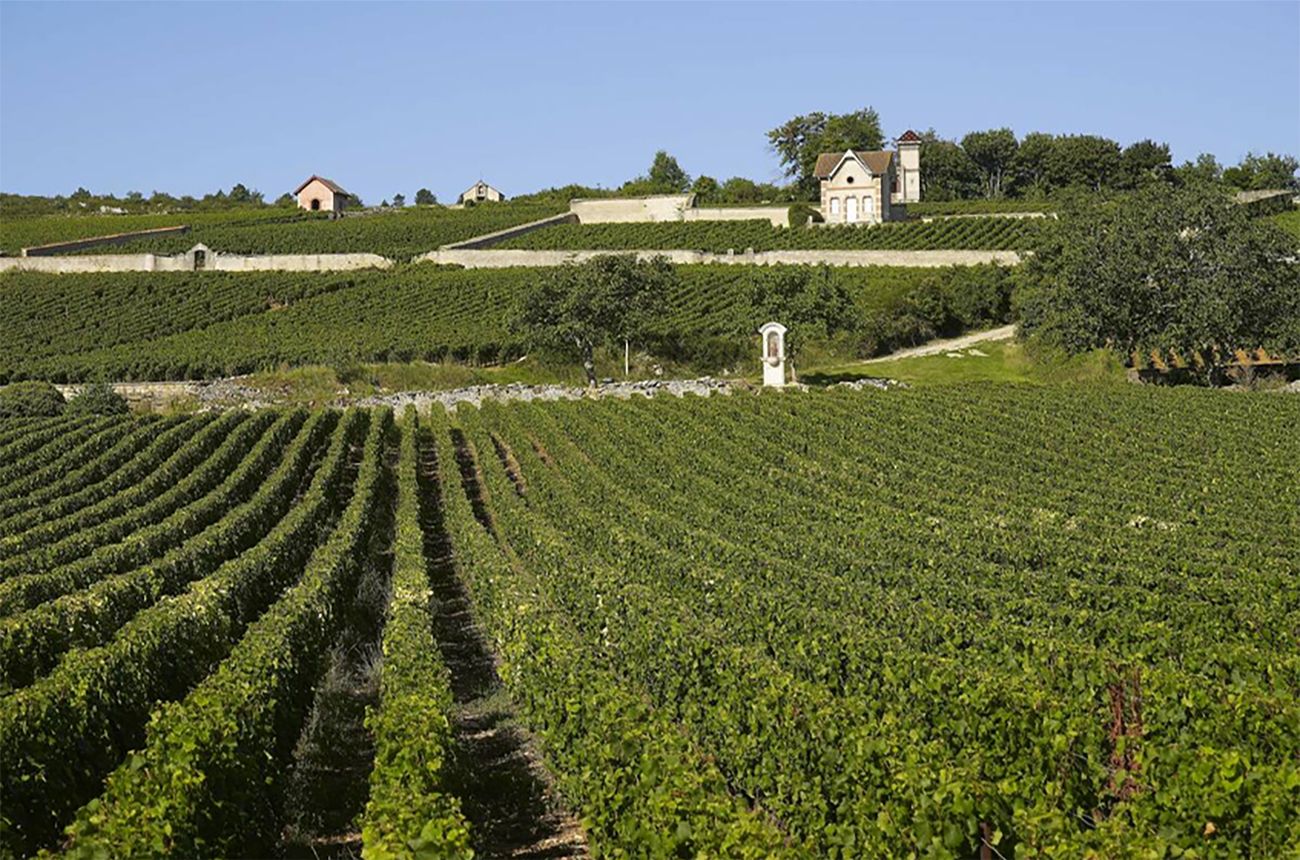
Château de Cîteaux sits 10 minutes from Beaune, 30 minutes from Dijon, and about 2h30 from Paris by train, according to the announcement. Those numbers matter. They make the château viable for a long weekend from Paris, a Côte d’Or base after a Dijon arrival, or the central stop in a longer Burgundy route. If you have ever tried to make a 9:30 a.m. cellar appointment after sleeping too far from the Côte de Beaune, the value of those 10 minutes from Beaune needs no embellishment (Hospitalitynet1).
The location also gives the property a natural bridge between village life and wine-country travel. Beaune remains the capital of Burgundy wines in the language of the source material, and the château’s proximity allows visitors to pair Beaune’s restaurants, merchants, and cellars with Meursault’s vineyard setting. You can base yourself close to the commercial and cultural gravity of Beaune without surrendering the morning quiet of a wine village.
For collectors, Château de Cîteaux Meursault offers a different proposition from a city hotel followed by day trips. The itinerary starts in the appellation. That changes the pace of the day: fewer transfers, more room for a second appointment, more patience at lunch, and a better chance of treating Burgundy as a sequence of villages rather than a checklist of famous names.
One compelling confirmed detail is below the guest rooms. The château stands over 12th-century Cistercian cellars, among the oldest in the region, carved by monks from the Abbey of Cîteaux for the vinification and preservation of Meursault wines. The source traces the story back to 1098, when Robert de Molesme founded the Cistercian order at the Abbey of Cîteaux, some 35 kilometres north-east of Meursault.
The Dukes of Burgundy later granted the brothers vineyards in Meursault’s Vieux-Clos, according to the announcement, and the cellars beneath today’s château survived as the monastic foundation of the estate. Burgundy often asks visitors to read time through tiny differences: a wall, a clos, a change in slope, a cellar arch. Here, the connection is literal. The hotel’s upper floors rest on spaces created for wine.
That continuity gives the opening more weight than a standard restoration. The monks did not build those cellars for theatre. They built them to handle Meursault wine. Their function was practical: vinify, preserve, protect. In Burgundy, where cellars often reveal more about a domaine than any reception room, this matters.
The current château came later. Architect Jules Bernard raised the house in 1865 directly over the monastic foundations, according to the source. The resulting structure joins two eras: Cistercian utility below and 19th-century reception architecture above. For a guest, the building offers a rare vertical reading of Burgundy’s wine culture, monastic cellars at the base, bourgeois entertaining rooms above, contemporary hotel use layered into the present.
That layering should resonate with anyone who travels for wine rather than scenery alone. Burgundy’s appeal lies partly in how little separates the bottle from the place that made it. A few minutes at the right cellar door can recalibrate a vintage in your mind. A hotel built over old Meursault cellars gives that recalibration a physical address.
The completed property will offer 35 rooms and suites. Fontenille opened the château with 18 rooms, followed by 17 additional rooms in the restored Vieux-Clos in January 2027. That split opening creates two distinct phases for travelers: the first season in the main house, then a broader estate experience once Vieux-Clos joins the room inventory.
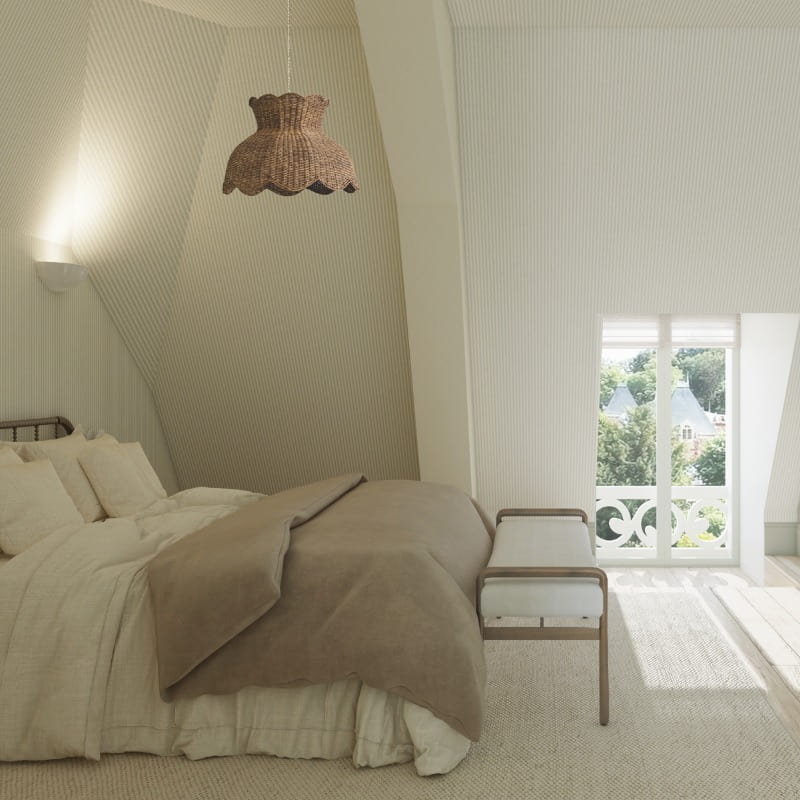
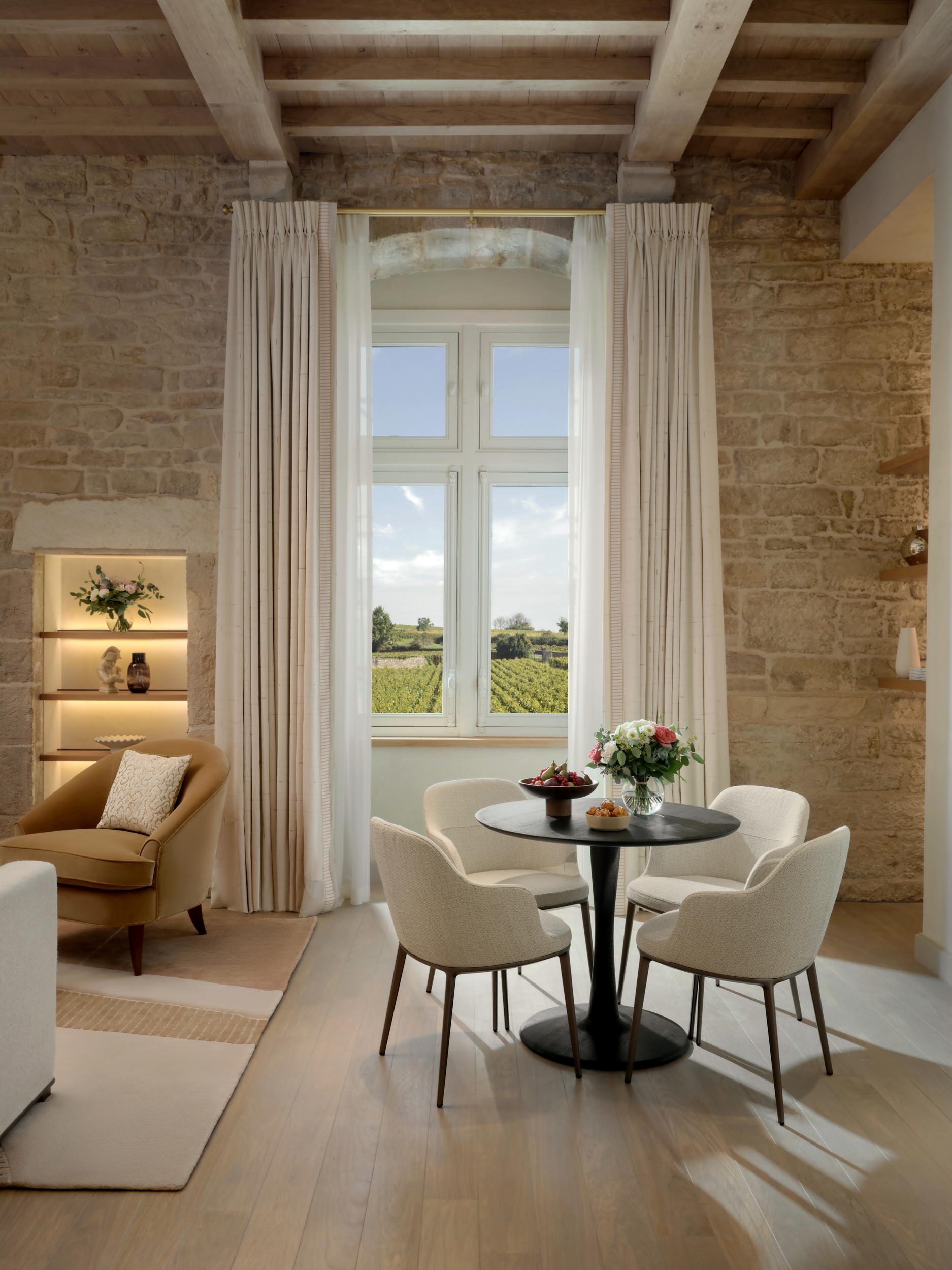
The interiors draw from the Second Empire, but the announcement’s details suggest restraint rather than costume. Torsade columns appear as subtle markers. Moldings remain present without overwhelming the rooms. The palette takes its cues from aged greens, stone greys, and earthy browns, colors that speak more softly than gilding would.
Material choices carry the same tone. Parquet appears above; terracotta appears below. Bespoke furniture sits against restored stonework and patinated woodwork. Those details matter because Burgundy does not reward overstatement. A Meursault hotel has to know when to let limestone, timber, and cellar history do the talking.
The source also notes an aesthetic echo of the Barbizon School, the 19th-century painters associated with attention to natural light and rural subjects. In practice, that points toward rooms shaped by quiet texture rather than visual noise. For wine travelers who spend the day reading labels, cellar walls, and vineyard rows, that kind of interior rhythm can be a relief.
Scarcity will be part of the opening season by simple arithmetic. Eighteen rooms mean fewer beds for guests who want to be in Meursault itself. Once Vieux-Clos opens, the estate’s capacity nearly doubles, but early visitors will encounter a tighter version of the property. That first phase will likely define the château’s reputation among Burgundy regulars: how the restaurant handles the wine list, how the cellars are presented, how well the hotel understands the tempo of tasting days.
Fontenille Collection now identifies its fine dining restaurant as Célestine, led by chef Christophe Vauthier, alongside an Alaena spa, wine cellars, and a seminar room at Château de Cîteaux. Current official information still does not set out the cellar inventory or a general tasting-access format, so those details should stay off the table for now. What is confirmed is enough to sketch the property’s intended use: stay, dine, taste, gather, recover.
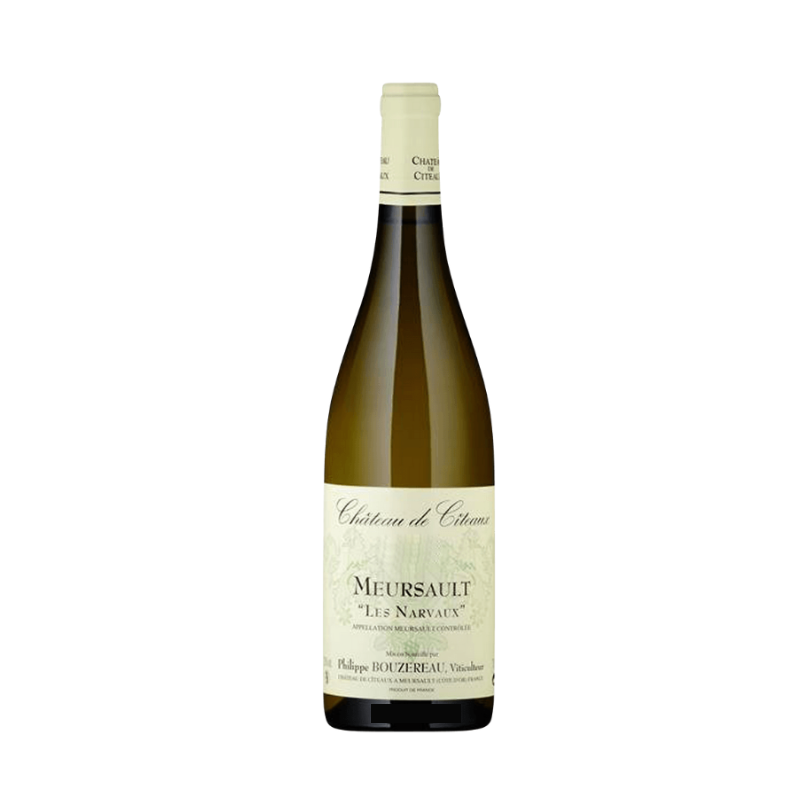
The wine list detail deserves the closest attention. Several wines from Domaine Château de Cîteaux, connected to Philippe Bouzereau, will appear on the list. Bouzereau is the estate’s former owner and remains associated with the property as a neighbor and friend of the house. In Meursault, that continuity matters. A hotel wine program can easily become a trophy shelf; a list that includes the estate’s own thread gives guests an immediate way into the address.
For oenophile travelers, the question will be how deeply the wine cellars integrate with the stay. The source confirms their presence, but not the format of tastings or cellar access. That leaves room for the property to define itself. Will the cellars serve mainly as historic rooms? Will the list lean heavily into Meursault? Will Domaine Château de Cîteaux sit beside neighboring producers, mature vintages, or a broader Côte d’Or selection? Those are the details collectors will want once the hotel releases more information.
The fine dining restaurant also carries responsibility because of where it sits. In Meursault, a restaurant list cannot treat white Burgundy as a decorative category. Guests will arrive with opinions about vintages, producers, and serving temperatures. They may have tasted earlier in the day. They may bring fresh impressions from a cellar appointment into dinner. The strongest version of this restaurant will understand that the wine program is not an accessory to the room; it is part of the reason many guests will come.
The Alaena spa gives the property another rhythm. Burgundy travel can be deceptively demanding: early departures, cellar visits, long lunches, late dinners, train logistics, and the quiet concentration that serious tasting requires. A spa within the château makes sense for travelers building a wine-led stay that still leaves space to pause between appointments.
The practical geography is clean. Château de Cîteaux is about 2h30 from Paris by train, 30 minutes from Dijon, and 10 minutes from Beaune. That places it within reach for a Paris-to-Burgundy weekend, but the better play is to give Meursault more than one night. The village rewards time, and the Côte de Beaune works best when you do not spend the entire day in transit.
Because the initial opening includes 18 rooms, travelers planning around fixed dates should treat availability as part of the itinerary, not an afterthought. Burgundy already has pressure points: harvest periods, wine events, school holidays, and the weekends when Paris empties toward the vineyards. A 35-room property will still feel small once Vieux-Clos opens; at 18 rooms, the first phase is tighter still.
Château de Cîteaux Meursault also gives collectors a useful base for separating a Burgundy trip into themes. One day can stay close to Meursault and the Côte de Beaune. Another can move through Beaune for merchants, restaurants, and cellar visits. Dijon sits 30 minutes away, which makes arrival and departure less punishing if you prefer rail over driving. The confirmed travel times make the château easier to slot into a serious itinerary than many countryside properties that look close on a map and behave differently on the road.
The site’s historical depth should also shape how you use the stay. Do not treat the cellars as a pre-dinner photograph. If the property offers access, give them time. Their origin, Cistercian monks from the Abbey of Cîteaux building spaces to vinify and preserve Meursault wines, is the reason this opening has resonance beyond another set of rooms in wine country.
The operating details are now more precise: 18 château rooms, 17 Vieux-Clos rooms due in January 2027, Célestine, an Alaena spa, wine cellars, a seminar room, and a wine list that includes Domaine Château de Cîteaux. The details still to track are wine programming, cellar access, and how Philippe Bouzereau’s continuing association appears in the guest experience.
Fontenille Collection’s Burgundy debut has a rare advantage: Château de Cîteaux does not have to borrow a wine story from its surroundings. It opens on top of one, and the next test is how carefully the hotel lets those 12th-century cellars speak.
Get the App
Take the shortlist into the En Primeur Club app for concierge access, saved places, and the next step after discovery.
Get Exclusive AccessMore from the editors