← Guides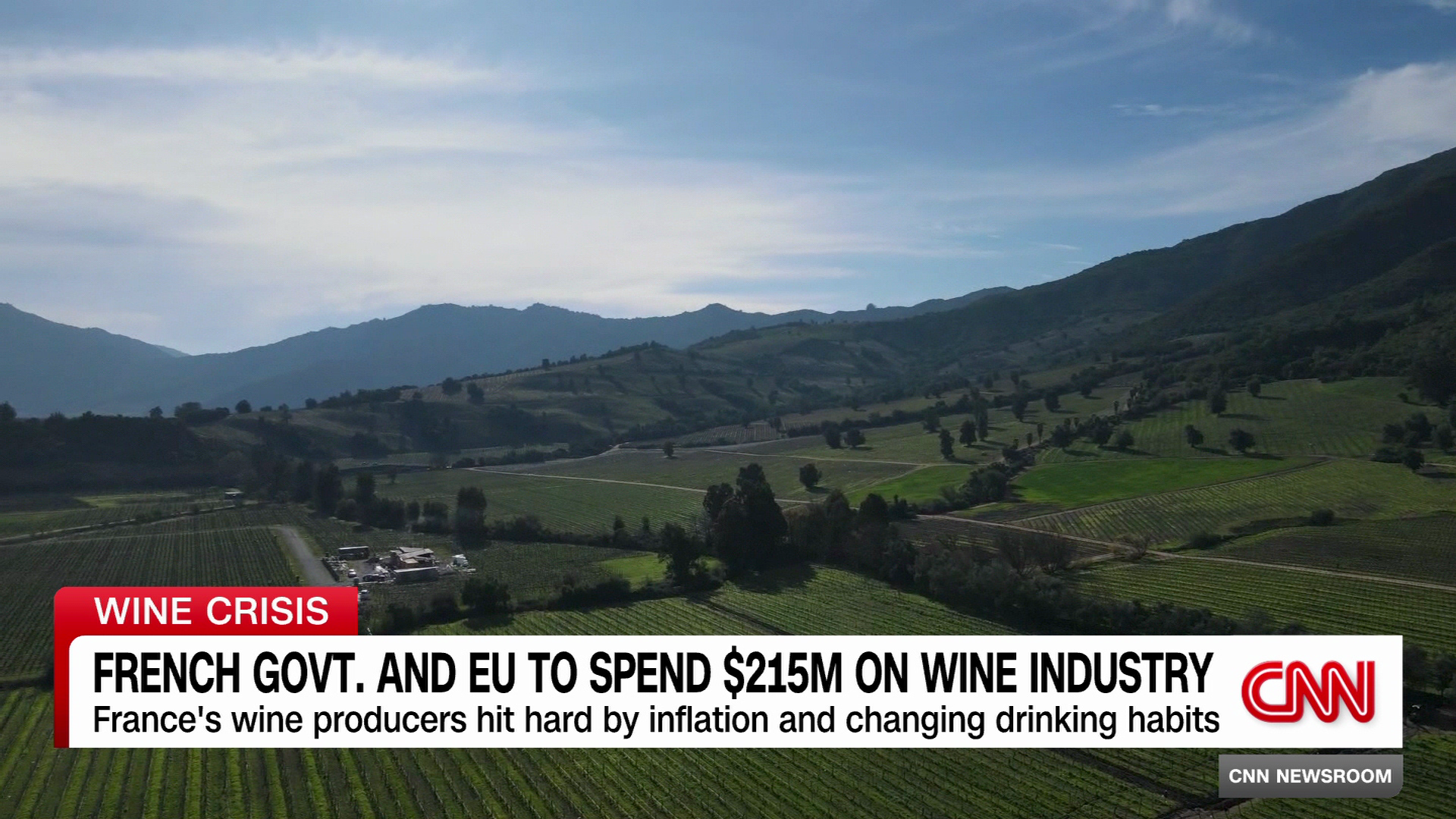
Arsenio Wines offers a producer-led lens on Europe’s wine reset: dry farming, premium focus and storytelling built for younger drinkers.
Arsenio Wines offers a producer-led lens on Europe’s wine reset: dry farming, premium focus and storytelling built for younger drinkers.
Rioja weighing vineyard removals, Bordeaux testing heat-tolerant plant material, world wine consumption at a 60-year low in 2024: the pressure on Europe’s cellars now starts long before a cork is pulled. The European wine crisis has two fronts, climate instability in the vineyard and weaker demand beyond the cellar door. Arsenio Wines brings that pressure down to producer level, where adaptation begins in the soil and continues through the way wine is shared with a younger audience.
For collectors and serious wine travelers, Europe’s great regions are not simply vanishing. The sharper question is which estates can protect quality through drought, floods and erratic rain, then explain that work clearly enough to reach drinkers who no longer buy wine out of inherited habit.
Arsen Khachaturyants sees classic European wine regions at an inflection point. Climate instability and declining consumer demand now press on producers simultaneously: one threatens the bunches before harvest; the other threatens the audience after bottling.
The European wine crisis is most visible where weather and demand meet. Chaotic rain patterns, floods and droughts are making excellent vintages harder to deliver consistently, with greater fluctuation in grape yields and quality. Extreme weather has added droughts, fires and flooding to the commercial risk of running a European wine business.
Collapse is unlikely in the next 100 to 200 years if producers keep adopting more climate-resilient growing and harvesting methods. That condition matters. Tradition alone will not stabilize a vineyard when heat, water stress and badly timed storms begin to define the growing season.
Demand brings a different pressure. Studies show Gen Z rejecting the elitist culture associated with wine, with concerns around inclusivity, environmental sustainability and health-conscious living. Producers who want younger drinkers to care need to show the farming, the values and the pleasure in the glass, not rely on status alone.
Consistency now means more than a familiar house style. It means resilience: preserving grape quality when rain arrives at the wrong moment, when heat accelerates ripening, or when a parcel needs protection just before picking.
“At Arsenio Wines, we’ve chosen to work with dry farming.”
That line sits at the centre of Arsenio Wines’ vineyard philosophy. Dry farming is not a universal prescription; results vary by soil, local climate and the varieties under cultivation. At Arsenio, it forms part of a wider effort to preserve water and reduce evapotranspiration.
The farming details are practical rather than ornamental. Cover crops can improve soil water retention, prevent erosion and increase organic matter. Mulching with wood chips or straw helps lower soil temperatures and reduce evaporation. Shade nets serve three purposes: protecting grapes from birds and insects, reducing hail damage, and guarding against sunburn that can leave shrivelled berries with bitter, burnt flavours.
For a visitor, these are the details to ask about before the tasting begins: dry ground, cover crops, mulch and shade nets tell you how the estate is protecting fruit quality before it reaches the cellar.
Arsenio is an organic wine farm, which limits what can be sprayed and how often. Sprays are used strategically and only when necessary, with the goal of maintaining grape quality as heat rises and weather becomes less predictable.
Bordeaux shows how carefully a classic region may need to evolve. Many winemakers are adopting clones of existing grape varieties such as Merlot that better withstand drought and heat while still producing sugar levels within a desirable range.
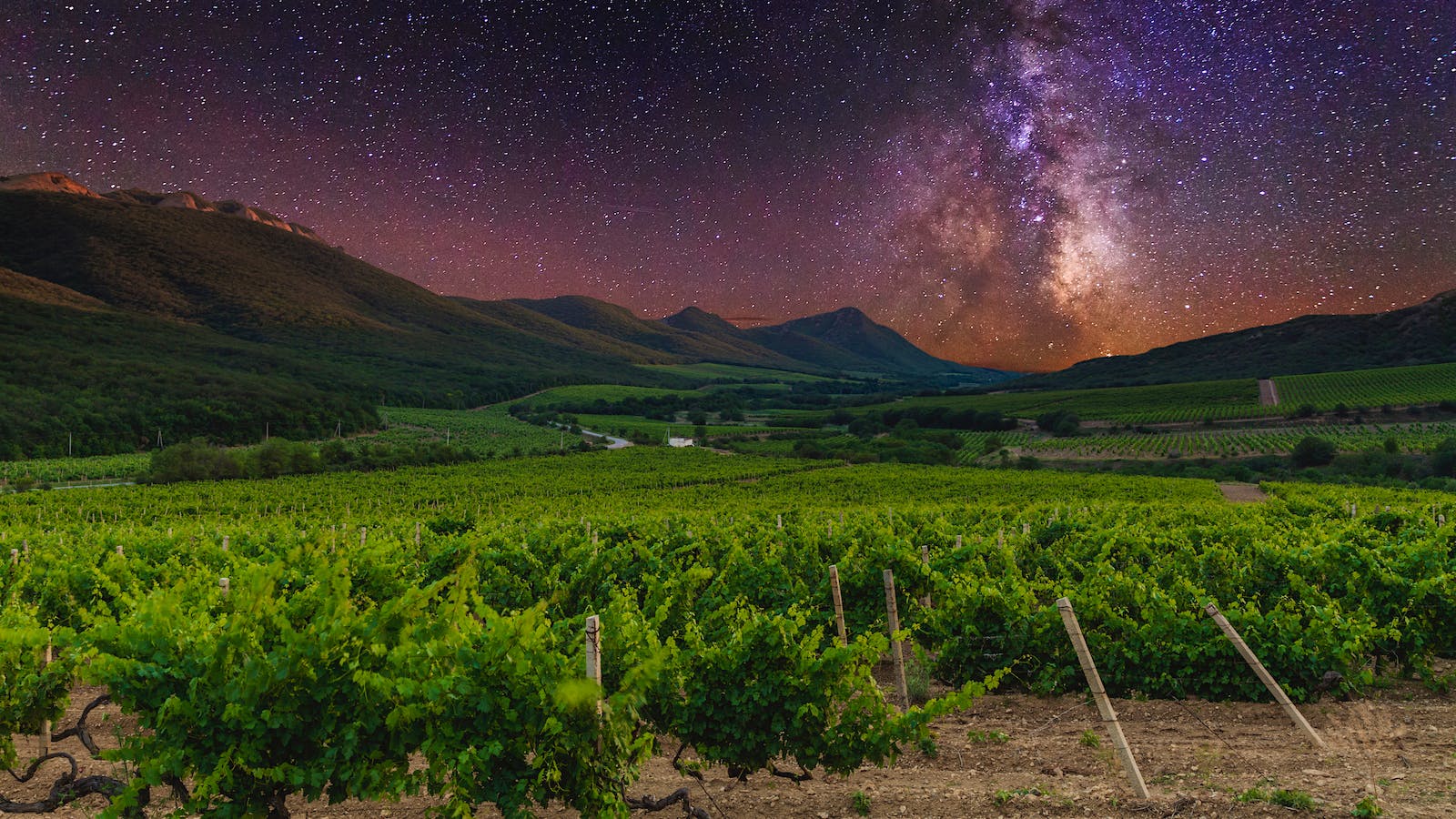
The more provocative move is varietal. Producers are considering non-native grapes including Fer Servadou, Duras, Manseng Noir and Arinarnoa alongside traditional Bordeaux varieties such as Merlot and Cabernet Sauvignon. The intention is to make wines better able to withstand climate change while maintaining the classic Bordeaux style.
Harvest timing is changing as well. Picking earlier can help avoid adverse weather events, but it carries a tradeoff: skins may not be fully developed, with a potential loss of complexity in the finished wine.
For collectors, the question becomes granular. Which estates are choosing heat- and drought-tolerant material? Which are rethinking harvest dates? Which can preserve balance without letting adaptation blur the identity of the appellation?
Scale is a liability when demand softens. Price-focused brands have little room to cut further, while large producers carry more workers, more machinery and more wine to sell. If a main market drops, a major winery may need to place tens of thousands of cases quickly.
Boutique and premium producers have proved more resilient because they work with smaller volumes, higher profit margins and highly targeted markets. A small producer can find private buyers or niche channels for 1,000 cases if necessary.
The commercial risks differ, too. Large winemakers often have bigger marketing and PR budgets, but they also face greater exposure to tariffs, logistical costs and market volatility. Smaller premium estates can be leaner and more agile.
For the serious buyer, premium positioning has to rest on more than packaging. Origin, farming choices and transparent storytelling now help explain why a bottle deserves attention when overall consumption is falling.
Smaller producers across Tuscany and beyond are experimenting with sustainable practices and new ways to connect with younger drinkers. The useful lesson is not that every estate should follow the same playbook; it is that focused producers can move quickly, speak directly and align farming with the values of a defined audience.
Gen Z is asking wine to feel welcoming before it feels prestigious. Younger drinkers are not automatically persuaded by old cellars, famous appellations or inherited rituals. Producers need to make wine experiential and culturally legible without flattening its seriousness.
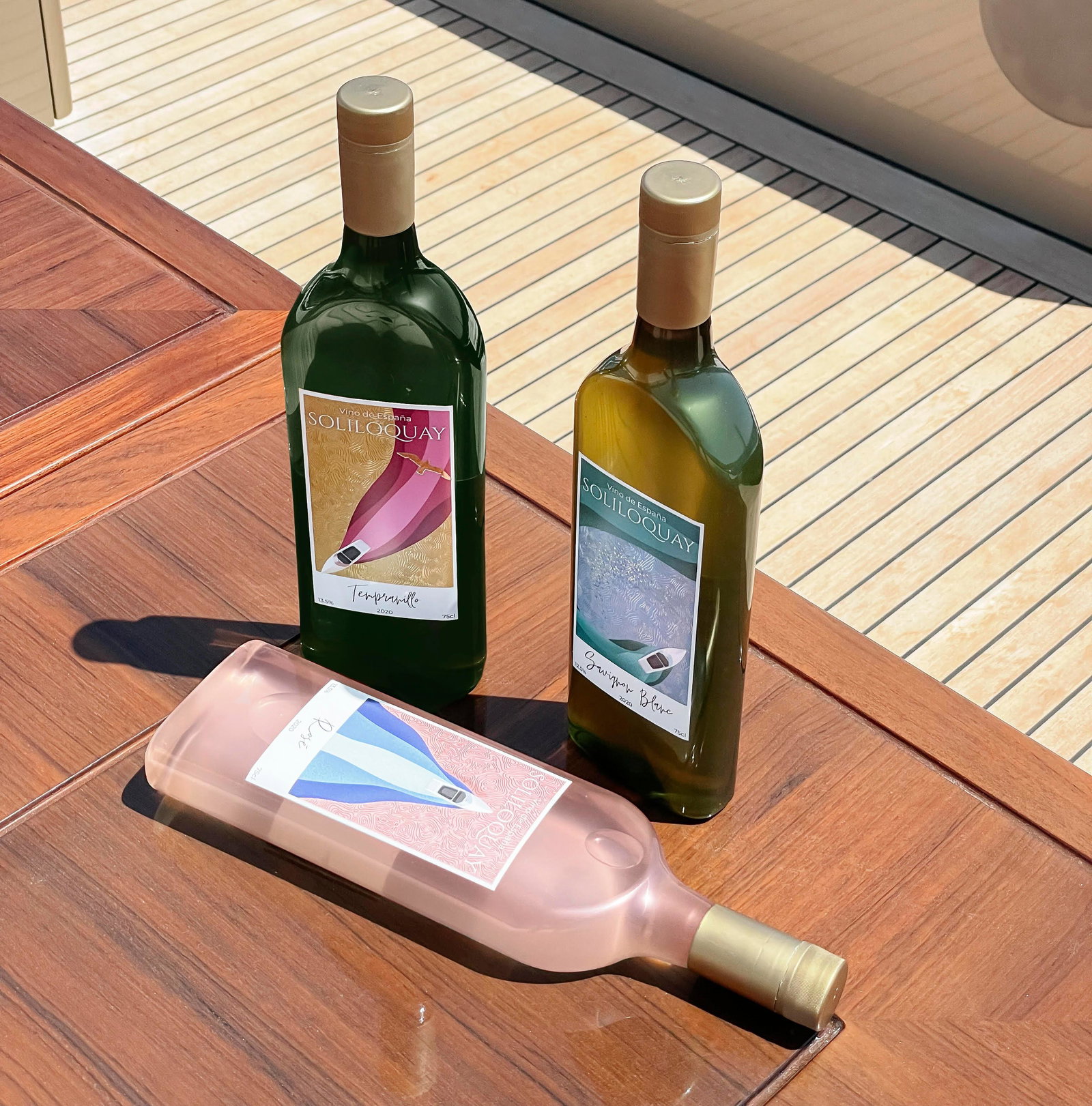
Other drinks have taken the spotlight in films and television: whisky, cocktails, spirits and champagne. Wine needs stronger visibility in advertising, films and shows aimed at younger audiences, while still communicating history, uniqueness and status.
Visual identity matters as well. Brands that want Gen Z’s attention need to be aesthetically compelling, but image cannot outrun values. Environmental sustainability, equality and inclusivity all influence trust; poor worker treatment or resistance to eco-friendly production methods can quickly weaken loyalty.
Health-conscious drinking changes the frame further. Gen Z is drinking less than any other generation, with many drawn to the sober-curious movement. Low-alcohol or alcohol-free wines, along with nutritional information on labels, can speak to that audience more directly.
Arsenio’s own Instagram presence places wine alongside olive oils, dry farming, respect for the land, food and farm life. If you are judging whether a producer can reach the next drinker, look at whether the story leads back to the land rather than stopping at a label image.
The old collector’s question, what vintage, what appellation, what producer, still matters. It now needs a fourth layer: what adaptation? Clone selection, varietal trials and harvest timing are no longer technical footnotes; they are part of how quality is defended.
At Arsenio Wines, the signals are visible before the fruit reaches the cellar. Water management, soil protection, organic constraints and physical protection for bunches all reveal how a producer is trying to preserve the conditions for balanced wine.
Travelers should read these choices on the ground. A serious estate visit is no longer only about tasting a finished cuvée; the revealing moments may come in the vineyard, where a grower explains how weather, soil and farming decisions shaped the season.
For buyers, the same discipline applies. Premium identity is credible when a producer can connect farming choices, market positioning and bottle quality without leaning solely on heritage. In a weaker consumption market, scarcity alone is not enough. The bottle has to carry a reason for existing.
The European wine crisis is forcing a more exact conversation about what should be preserved and what should change. Bordeaux can protect stylistic ambition through careful adaptation. Rioja can confront supply pressure without surrendering the identity that made the region matter. Smaller producers can use sustainable farming and more direct storytelling to keep quality and relevance moving together.
Arsenio Wines gives the shift a human scale: an organic wine farm choosing a dry-farmed path, managing water stress and treating communication as part of the work rather than an afterthought. These are decisions made before wine becomes a finished bottle.
If you follow Europe’s classic regions, watch the estates that make resilience visible in the vineyard, in the glass and in the way they invite a new generation to understand why classic European wine still has something to say.
Tagged
Get the App
Take the shortlist into the En Primeur Club app for concierge access, saved places, and the next step after discovery.
Get Exclusive AccessMore from the editors