← Guides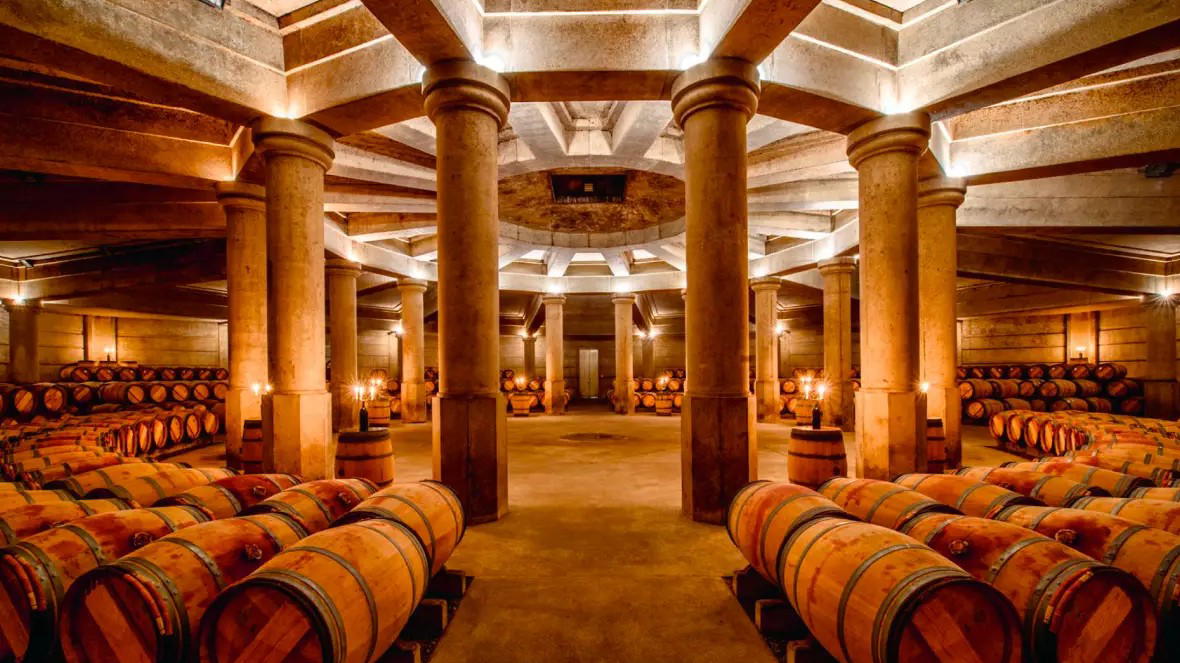
Can You Actually Visit Château Lafite Rothschild in 2026? The answer is yes, but only on Château Lafite Rothschild's terms, and those terms are stricter than almost anywhere else in the Médoc.
Can You Actually Visit Château Lafite Rothschild in 2026? The answer is yes, but only on Château Lafite Rothschild's terms, and those terms are stricter than almost anywhere else in the Médoc.
The answer, for 2026 and 2027, is no: Château Lafite Rothschild is closed to visitors until January 2028 for major renovation work, and during the closure the estate directs visitors to its sister Pauillac property, Château Duhart-Milon. When Lafite reopens, access will remain on its own terms, stricter than almost anywhere else in the Médoc. Château Lafite Rothschild does not operate a public tasting room, and the vertical tasting format that serious collectors covet is reserved for guests with an established relationship with the estate or its négociant network. Once visits resume after the renovation, the realistic entry point for most readers will be a written appointment request submitted well in advance, and even then, confirmation is not guaranteed. The single best route for a first-time visitor is through a Bordeaux négociant or a specialist wine merchant who already holds a commercial relationship with the Domaines Barons de Rothschild (Lafite).
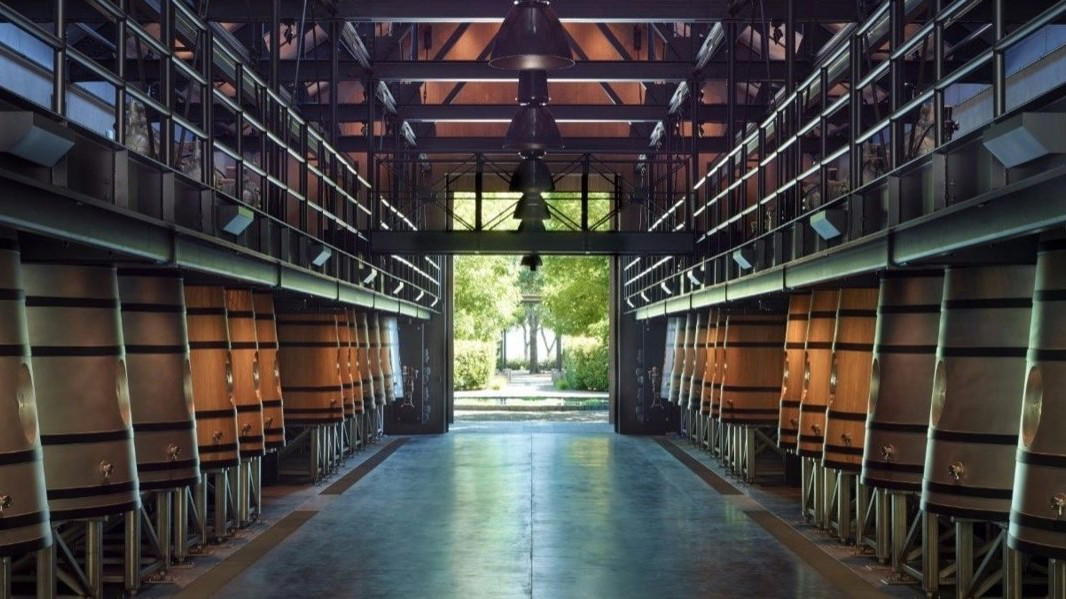
Pauillac's left bank sits low and gravelly, and Lafite's chai, the barrel hall, is where the visit earns its reputation. The estate's first-year chai holds the new vintage in 225-litre Bordeaux barriques; the second-year chai, partly underground, is where the wine completes its élevage before bottling. Walking between the two is the structural spine of any guided visit.
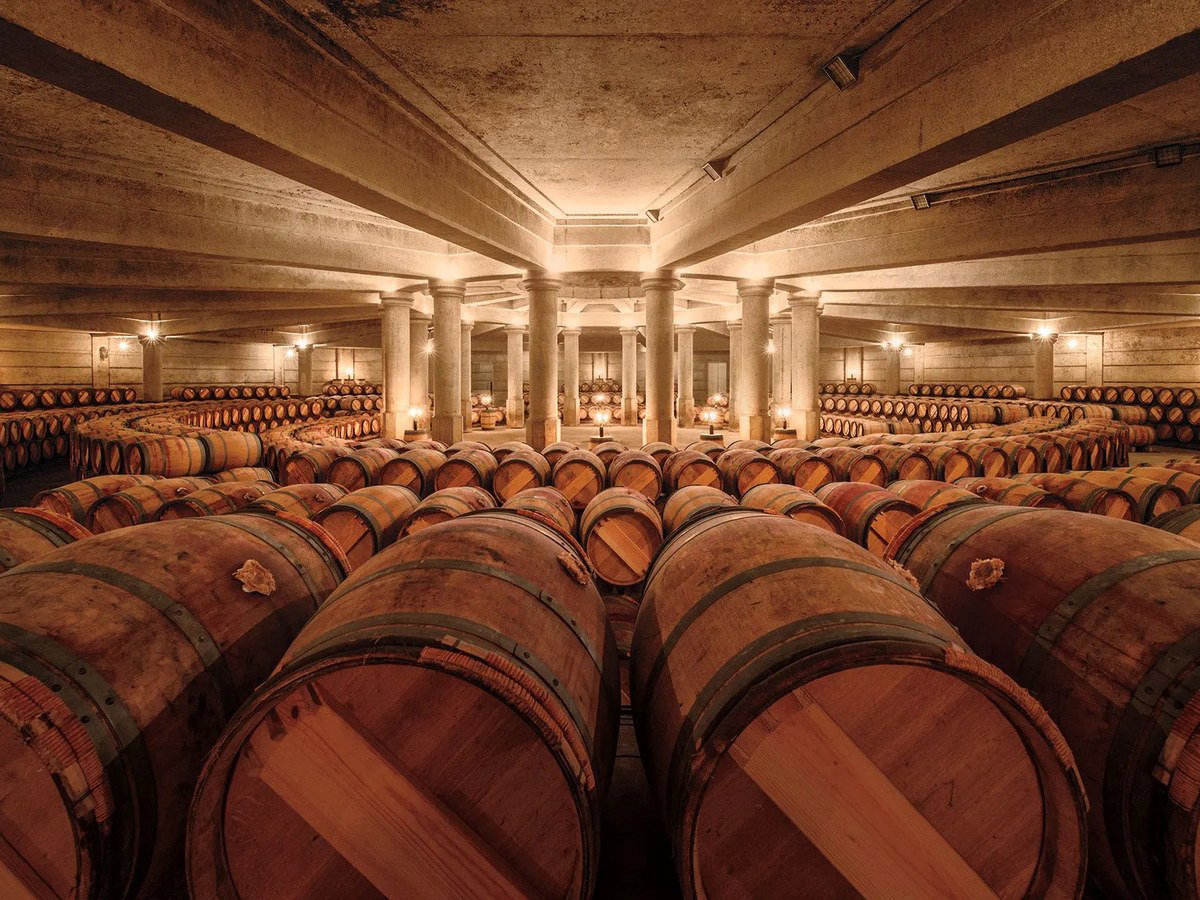
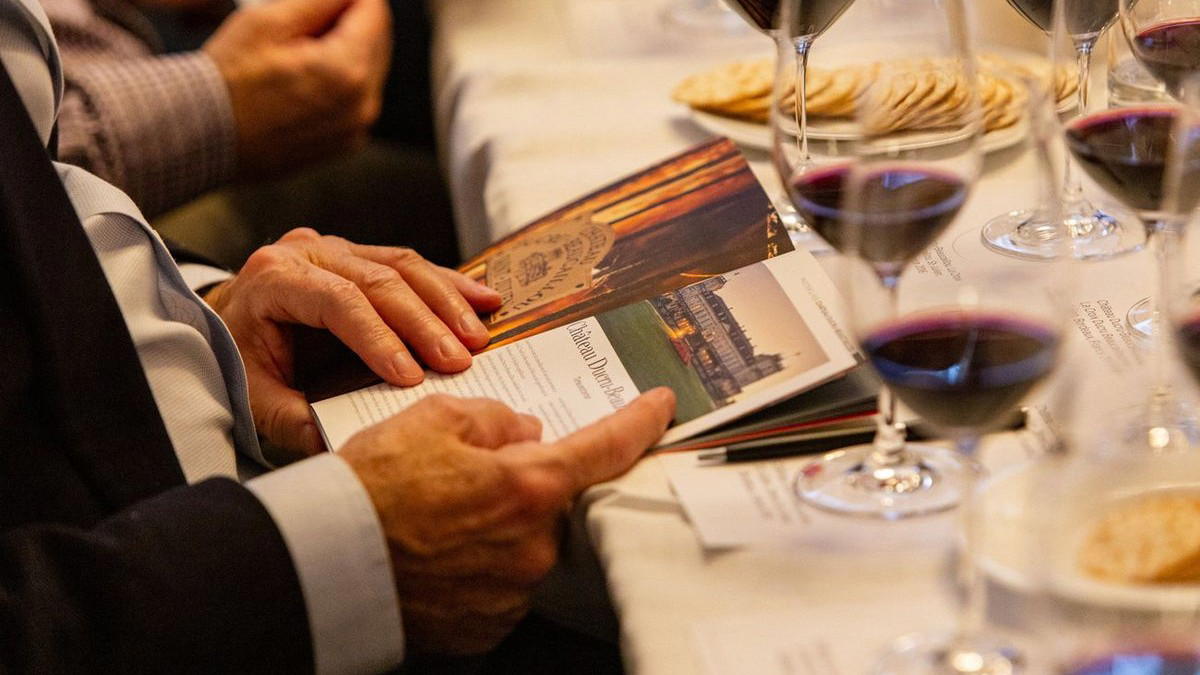
The standard appointment covers a tour of the vineyards, the chais, and the circular cellar designed by Ricardo Bofill, a subterranean rotunda that holds back vintages in bottle and functions as the estate's most photographed space. A tasting follows the tour of the property,1 typically a structured flight of two or three wines from the current release or recent back-vintages, poured by a member of the technical or commercial team. The format is guided, not freeform; questions are welcomed, but this is not a drop-in bar experience.
Tours are conducted in French and English,1 and groups are capped at fifteen persons,1 a ceiling that keeps the experience intimate and the conversation substantive. Trade visit slots run at 9:00 am and 10:30 am;1 private individual slots are at 2:00 pm and 3:30 pm.1
The vertical tasting, the format that draws collectors from Tokyo to São Paulo, is a different proposition entirely. A true vertical at Lafite, spanning a decade or more of the grand vin, is arranged for trade partners, long-standing allocation clients, and occasionally for groups assembled by a négociant house or a fine-wine merchant with deep Bordeaux ties. If you have never bought Lafite through an established channel, a vertical is not the starting point; it is the reward for a relationship already built.
Costs, where they apply, are confirmed at the time of appointment, verify directly with the château or through your merchant contact before planning around a specific figure.
The estate produces a volume of the grand vin that sounds substantial until you map it against global demand from private collectors, négociants, Asian importers, and institutional buyers. The château holds a Premier Grand Cru Classé position in the 1855 Classification, a designation that concentrates collector attention on a handful of addresses in the Médoc, and by secondary-market volume, Lafite draws more of that attention than any other address on the left bank.
That demand pressure means the estate has no commercial incentive to operate an open-door visitor programme. Every hour a technical team member spends on a tour is an hour not spent on the wine. The château's priority is the wine and the négociant relationships that move it; tourism is a secondary consideration, managed carefully rather than encouraged broadly.
The result is a visit culture that functions more like a private audience than a winery tour. Appointments are essential for tours and tastings,2 groups are small, and the château's gatekeeping, polite, unhurried, but firm, reflects the reality that demand for access vastly exceeds the estate's willingness to supply it.
This is not an oversight; it is policy. Visits are by appointment only, Monday to Friday, via written request to visites@lafite.com.1 More reliably, introductions come through a négociant or fine-wine merchant who can make the approach on your behalf.
The practical implication: there is no Resy page to monitor, no OpenTable slot to grab at midnight. If you are planning a visit to Pauillac and want Lafite on the itinerary, begin the outreach process well in advance, and accept that the château may decline or defer without detailed explanation. The château is closed on holidays, bank holidays, and from August until the end of October,1 a window that rules out harvest season entirely for private visitors. En primeur week in April is equally difficult: the négociant network descends on the Médoc for barrel tastings, and private visitors without trade credentials are not the priority.
If you need to reach the estate directly, the château's general line is +33-5-56731818,3 confirm the current process before building a travel itinerary around a specific date.
There are three realistic routes to a Lafite appointment, ranked by probability of success:
1. Through a Bordeaux négociant or fine-wine merchant. This is the channel that works most consistently. Négociant houses, Millésima, CVBG, and the Place de Bordeaux network more broadly, maintain commercial relationships with the Domaines Barons de Rothschild (Lafite) and can, in some cases, arrange visits for valued clients. A merchant in London, Hong Kong, or New York who allocates Lafite to your account is your most credible introduction. The stronger your purchase history, the more likely the introduction lands.
2. Direct written request to the estate. A direct, professional written request, specifying your interest, your background in wine, and your preferred dates, is worth sending, particularly if you have a legitimate reason for the visit (a significant birthday, a collecting milestone, a professional context). Responses are not guaranteed.
3. Organised wine travel specialists. A small number of Bordeaux-focused travel companies, including those that build itineraries around en primeur week, have standing relationships with first-growth estates and can include a Lafite visit as part of a broader Médoc programme. This route trades some spontaneity for a higher probability of access, and it typically bundles the visit with Pichon Baron, Mouton Rothschild, or Léoville-Las Cases on the same trip.
There is no public online booking surface for Lafite visits, the estate does not list on third-party reservation platforms. Any link purporting to book a Lafite tasting through a generic tourism aggregator should be treated with scepticism.
Arriving without an appointment. The gates at Lafite are not decorative. Showing up unannounced, even during open-château periods in the broader Médoc, will not result in a tour. The estate's security and hospitality staff are courteous but consistent: no appointment, no entry.
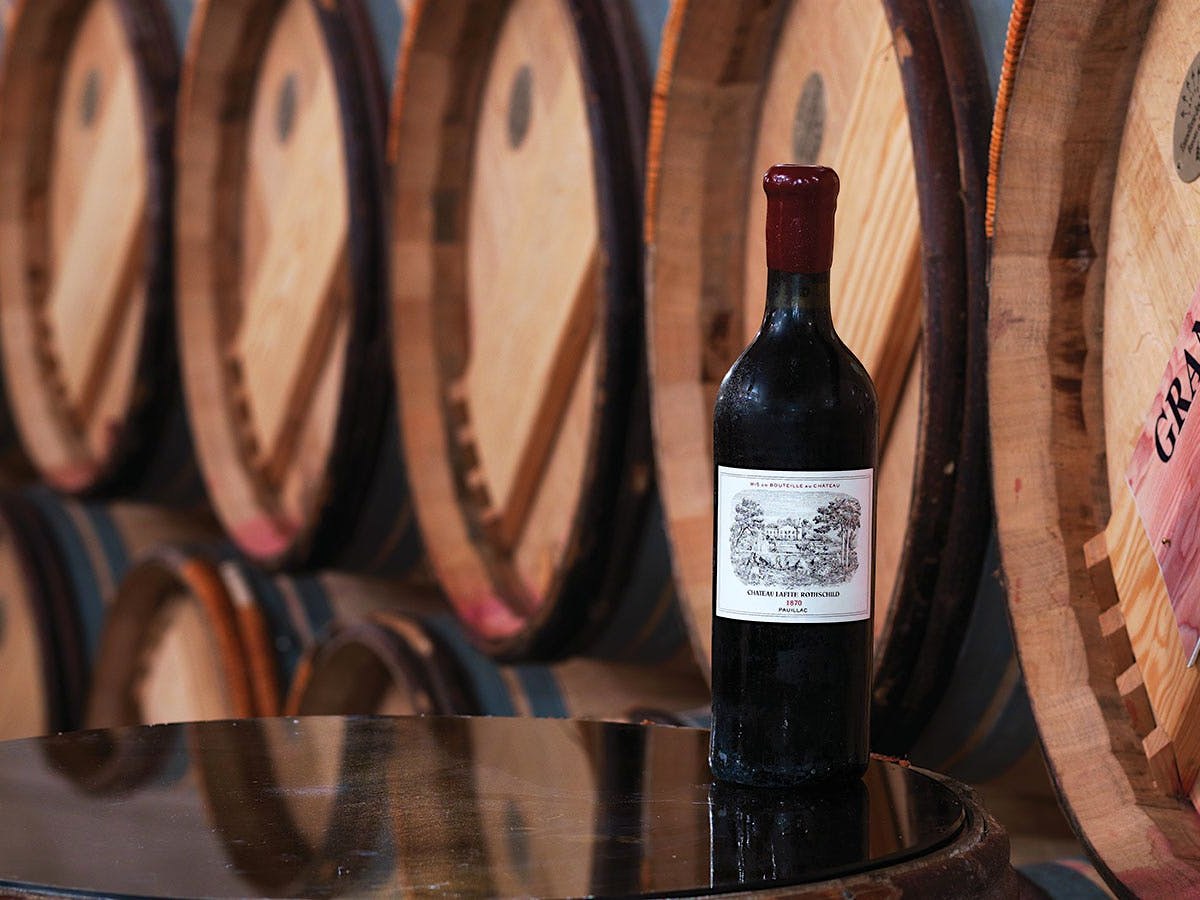
Requesting a vertical before establishing a relationship. Asking for a ten-vintage vertical of the grand vin as your opening gambit signals that you do not understand how the estate operates. Begin with a standard visit; let the relationship develop through your merchant or négociant.
Timing the request around en primeur week without trade credentials. April in Bordeaux is when the négociant network descends on the Médoc for barrel tastings. Private visitors without trade credentials are not the priority during this window, and appointment requests submitted for April are frequently deferred to quieter months.
Neglecting the purchase relationship. Lafite's hospitality flows toward people who buy Lafite. If your allocation history is thin, or if you have been buying on the secondary market rather than through the Place de Bordeaux, your standing for an appointment is correspondingly limited. Building a purchase relationship through a merchant who holds a Lafite allocation is the single most durable investment you can make toward eventual access.
For many collectors, the wine matters more than the visit. Lafite's grand vin moves through the Place de Bordeaux via négociants, and the en primeur campaign, typically offered in spring following the harvest, is the primary window for acquiring the wine at release price. The 2022 vintage was offered en primeur through négociants and fine-wine merchants in 2023; collectors who missed that window are now paying secondary-market premiums on platforms like Liv-ex. Whether 2022 ranks among the decade's leading is a matter of ongoing critical debate, consult your merchant or a current Liv-ex report for the latest consensus.
The practical allocation strategy: establish an account with two or three merchants who hold Lafite allocations, buy consistently across vintages (including the less-celebrated years), and make clear that you are a long-term collector rather than a speculative buyer. Merchants allocate scarce wines to clients who demonstrate loyalty across the range, including Carruades de Lafite, the second wine, which is both more accessible in price and a credible signal of sustained interest in the estate.
Carruades de Lafite also functions as one sensible entry point for collectors who want to understand the Lafite house style before committing to grand vin pricing. The second wine draws from younger vines and declassified parcels but is vinified by the same technical team and aged in a proportion of the estate's barrels, the same gravelly Pauillac terroir, the same élevage philosophy, at a fraction of the cost.
A Lafite appointment is worth pursuing if you are a serious collector with an existing allocation relationship, a wine professional with a legitimate trade context, or a traveller building a once-in-a-decade Bordeaux itinerary around a significant occasion. The visit rewards people who already know the wine; it is not an introduction to Bordeaux for the curious generalist.
If you are visiting the Médoc for the first time, or if your Bordeaux experience is still developing, the effort-to-reward ratio tilts toward estates with more accessible visitor programmes, and there are several within a short drive of Pauillac that offer structured tastings without the appointment complexity.
A vertical tasting of the grand vin, tracking the shift from the tighter, more austere profile of a young Lafite toward the cedar, graphite, and dried-rose complexity that emerges after fifteen or more years in bottle, is a format reserved for collectors with the purchase history to support the request. If that describes you, the patience required to arrange it is well spent.
| Estate | Visit Difficulty | Booking Route | Public Tasting Room | Vertical Tasting Available |
|---|---|---|---|---|
| Château Lafite Rothschild | Closed to visitors until January 2028; high, appointment only, selective | During the closure the estate directs visitors to Château Duhart-Milon in Pauillac. Direct request (visites@lafite.com) or via négociant/merchant. | No | Yes, for established clients/trade |
| Château Mouton Rothschild | High, appointment required; museum visit more accessible | Direct via estate website; museum open more broadly | No (museum open separately) | By arrangement for trade/collectors |
| Château Margaux | High, appointment only, trade-focused | Direct written request or via merchant | No | By arrangement |
| Château Lynch-Bages | Moderate, more visitor-friendly; Bages village adds context | Direct booking via estate; village open to visitors | Yes (Café Lavinal nearby) | N/A |
| Château Pichon Baron | Moderate, structured visitor programme | Direct booking via estate website | Yes | By arrangement |
Château Mouton Rothschild, a short drive north along the D2, operates a more structured visitor programme that includes the estate's art label museum. The wine is a fellow first-growth, and the visit gives you the same gravelly Pauillac terroir with a more predictable booking experience.
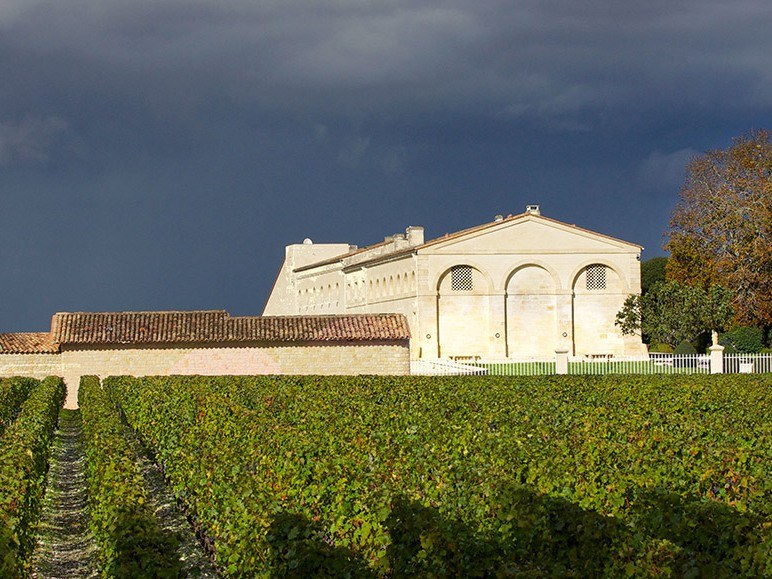
Château Lynch-Bages, a Fifth Growth that consistently punches above its classification, has invested heavily in visitor infrastructure through the Bages village project. The Café Lavinal and the village's artisan shops make it a half-day destination in its own right, and the estate's tasting room is among the more welcoming in the appellation.
Château Pichon Baron, directly across the road from Latour, offers a structured tasting programme with a visitor centre and dramatic château architecture. The wine, a Second Growth, is a serious Pauillac that rewards the same collector attention as the first growths at a different price point.
Carruades de Lafite through a merchant allocation, if the visit itself is out of reach, buying Carruades de Lafite through a merchant who holds an allocation puts you inside the Lafite winemaking philosophy at a fraction of the grand vin's price. It is not the same wine, but it reflects the estate's winemaking, and it builds the purchase history that eventually opens the door to the appointment you actually want.
Château Lafite Rothschild is not a winery that courts visitors, and the appointment process reflects that. For collectors with an established négociant relationship and a sustained interest in the estate's vertical library, the effort is worth making, the Bofill cellar, the chai walk, and a structured tasting of recent vintages constitute one of the more serious wine experiences the Médoc offers. But the route there runs through a merchant relationship, not a booking platform, and the timeline is measured in months, not days.
For most readers, the practical answer is to build the purchase relationship first, through Carruades de Lafite, through consistent en primeur participation, through a merchant who holds a Lafite allocation, and let the visit follow naturally from that history.
The alternatives in Pauillac are genuinely strong: Mouton's museum, Lynch-Bages's village, Pichon Baron's visitor centre. None of them is Lafite, but all of them are open, and for a first visit to the Médoc, that accessibility matters more than the name on the gate.
For the collector who already knows the wine and has the relationship to support the request, Lafite rewards patience; for everyone else, the second wine and a well-chosen merchant are the smarter starting point, and a more honest measure of where the relationship actually stands.
No. The estate operates exclusively by appointment and does not admit walk-in visitors. The gates are staffed, and arriving without a confirmed appointment will not result in entry, regardless of the time of year or the day of the week.
The estate does not operate a public booking calendar; outreach well ahead of your intended travel dates is advisable. Confirm the current process directly with the château at visites@lafite.com or through your wine merchant.
Any costs associated with a visit are confirmed at the time of appointment. Verify the current fee structure directly with the château or through the négociant or merchant arranging your visit.
A vertical tasting spanning multiple vintages of the grand vin is reserved for trade partners, long-standing allocation clients, and groups arranged through négociant houses or fine-wine merchants with established Lafite relationships. It is not available to first-time visitors or through any public booking channel. Building a purchase history through a merchant who holds a Lafite allocation is one reliable path toward this format.
Château Mouton Rothschild, a short drive north in Pauillac, offers a more structured visitor programme including its art label museum. Château Lynch-Bages operates a welcoming tasting room and the Bages village complex. Both are in the same appellation and offer serious Pauillac wines without the appointment complexity of Lafite. Buying Carruades de Lafite, the estate's second wine, through a merchant allocation is also a practical way to engage with the Lafite winemaking team's work while building the purchase relationship that supports a future visit request.
Get the App
Take the shortlist into the En Primeur Club app for concierge access, saved places, and the next step after discovery.
Get Exclusive AccessMore from the editors