White Wolf Japanese Patisserie at Noble Village Clawson
White Wolf Japanese Patisserie sits inside Noble Village in Clawson, Michigan, bringing a format that remains rare in metro Detroit: Japanese-influenced pastry and confectionery with the precision and restraint that defines the tradition. For those tracking where craft-focused specialty operations are taking root outside major urban centers, this address on 14 Mile Road is worth attention. See our full Clawson guide for broader context on the local scene.
Pearl is the En Primeur Club membership app — saves, bookings, and concierge access live there. Same editors, same standards.
- Address
- 45 E 14 Mile Rd, Clawson, MI 48017
- Phone
- +1 248 585 2314
- Website
- whitewolfbakery.com
- Directions
- Get directions
 Saves & bookings on Pearl
Where Japanese Pastry Discipline Meets a Michigan Suburb
The strip-mall context of 14 Mile Road in Clawson, Michigan is not where most people expect to find a patisserie drawing on Japanese confectionery traditions. Across the United States, Japanese-influenced pastry has largely concentrated in coastal cities with established Japanese-American communities: Los Angeles, New York, Seattle, Honolulu. The emergence of a dedicated operation in suburban Oakland County signals something broader about how specialty food culture now moves through mid-sized American markets, following population density and diaspora patterns that rarely make national food press.
Noble Village itself functions as a small commercial cluster, the kind of independent-retailer environment that tends to attract specialty operators with low overhead ambitions and high craft focus. White Wolf occupies that positioning precisely. The patisserie format in the Japanese tradition prioritizes technical execution over volume, which makes it an unusual fit for suburban Michigan and, simultaneously, an interesting one. Clawson sits within commuting distance of the wider Detroit metro, which means the potential customer base extends well beyond the immediate zip code. For context on the broader Clawson dining and specialty food scene, our full Clawson restaurants guide maps the neighborhood's emerging character.
The Japanese Patisserie Format and What It Demands
Japanese patisserie is a distinct discipline. It draws on French technique absorbed during the post-war period when Japanese bakers and pastry chefs trained extensively in Europe, then refined those methods through a characteristically Japanese emphasis on precision, restraint in sweetness, and the elevation of texture as a primary variable. The result is a pastry tradition that looks familiar to Western eyes but operates differently: less sugar, more attention to moisture content, a preference for clean dairy flavors and seasonal ingredients over baroque decoration.
This format has parallels in the cocktail world, where bartenders trained in classical European and Japanese technique have built programs around restraint and technical depth rather than maximalist flavor layering. Bars like Kumiko in Chicago have made Japanese precision central to their identity, applying it to spirits and vermouth the way a Japanese patissier applies it to cream and flour. The discipline transfers. What both share is a commitment to the idea that reduction, not addition, is the harder skill. Bar Leather Apron in Honolulu operates in similar territory, where Japanese-influenced attention to detail shapes the entire drinking experience rather than just individual recipes.
For patisseries working in this tradition, the challenge in an American suburban context is calibrating that restraint against a market that has been trained on sweeter, richer European-American baking. It is the same challenge facing bartenders in mid-market American cities who build technically precise cocktail menus and then watch guests default to the most familiar option. The operations that survive this tension tend to do so by building a loyal core audience that specifically seeks the alternative.
Craft Specialization Outside Major Markets
The broader trend worth noting here is geographic diffusion. Premium specialty food and drink operations no longer concentrate exclusively in gateway cities. A generation ago, a Japanese patisserie in suburban Michigan would have been nearly inconceivable as a commercial proposition. Today, the combination of food media access, travel experience among middle-class consumers, and the logistics of sourcing specialty ingredients has made niche operations viable in markets that previously could not sustain them.
The cocktail world documented this shift earlier and more visibly. Programs in Phoenix (Bitter and Twisted), Seattle (Canon), and Houston (Julep) demonstrated that sustained craft ambition outside New York, Chicago, and Los Angeles could find an audience and build reputations that extend nationally. The food side of that diffusion is following a similar trajectory, with Japanese-influenced formats among the more technically demanding to execute and therefore the more significant when they appear in unexpected markets.
Operations like ABV in San Francisco and Allegory in Washington, D.C. have shown how specialist programs build identity through consistent technical focus rather than through volume or spectacle. White Wolf sits in an analogous position within its own category: a specialist operating in a market where the category itself is underrepresented, which creates both the risk of operating ahead of local demand and the opportunity to define the category for a region.
What to Know Before You Go
White Wolf Japanese Patisserie is located at 45 E 14 Mile Road, Clawson, MI 48017, within the Noble Village commercial development. Clawson is accessible from both the northern Detroit suburbs and the wider Oakland County corridor, which substantially broadens the realistic catchment area beyond the immediate neighborhood. For visitors combining this with a broader exploration of the Detroit metro's specialty food and drink scene, the patisserie works as a standalone destination or as part of a day that takes in multiple independent operators across the northern suburbs.
Given the specialty nature of the operation and the format's typical constraints around production volume, visiting earlier in the day is the more reliable approach for availability. Japanese patisserie production schedules are generally tied to morning prep cycles, which means late-afternoon visits in smaller operations often encounter reduced selection. Contact details and current hours are best confirmed directly through Noble Village or local listings before visiting, as the available public information on hours and booking is limited at this stage.
Bars like Jewel of the South in New Orleans, Superbueno in New York City, Bar Kaiju in Miami, and The Parlour in Frankfurt all represent the same underlying argument: that technical ambition and cultural specificity, applied with discipline, can build durable audiences in markets that are ready for them. White Wolf makes that argument in pastry form, in a Michigan suburb, which is the kind of thing worth paying attention to.



At a Glance
- Elegant
- Modern
- Sophisticated
- Casual Hangout
- Counter Only
Current opening hours
- Monday
- 7 AM–8 PM
- Tuesday
- 7 AM–8 PM
- Wednesday
- 7 AM–8 PM
- Thursday
- 7 AM–8 PM
- Friday
- 7 AM–8 PM
- Saturday
- 8 AM–8 PM
- Sunday
- 7 AM–8 PM
Hours can change for holidays and private events. Last verified .
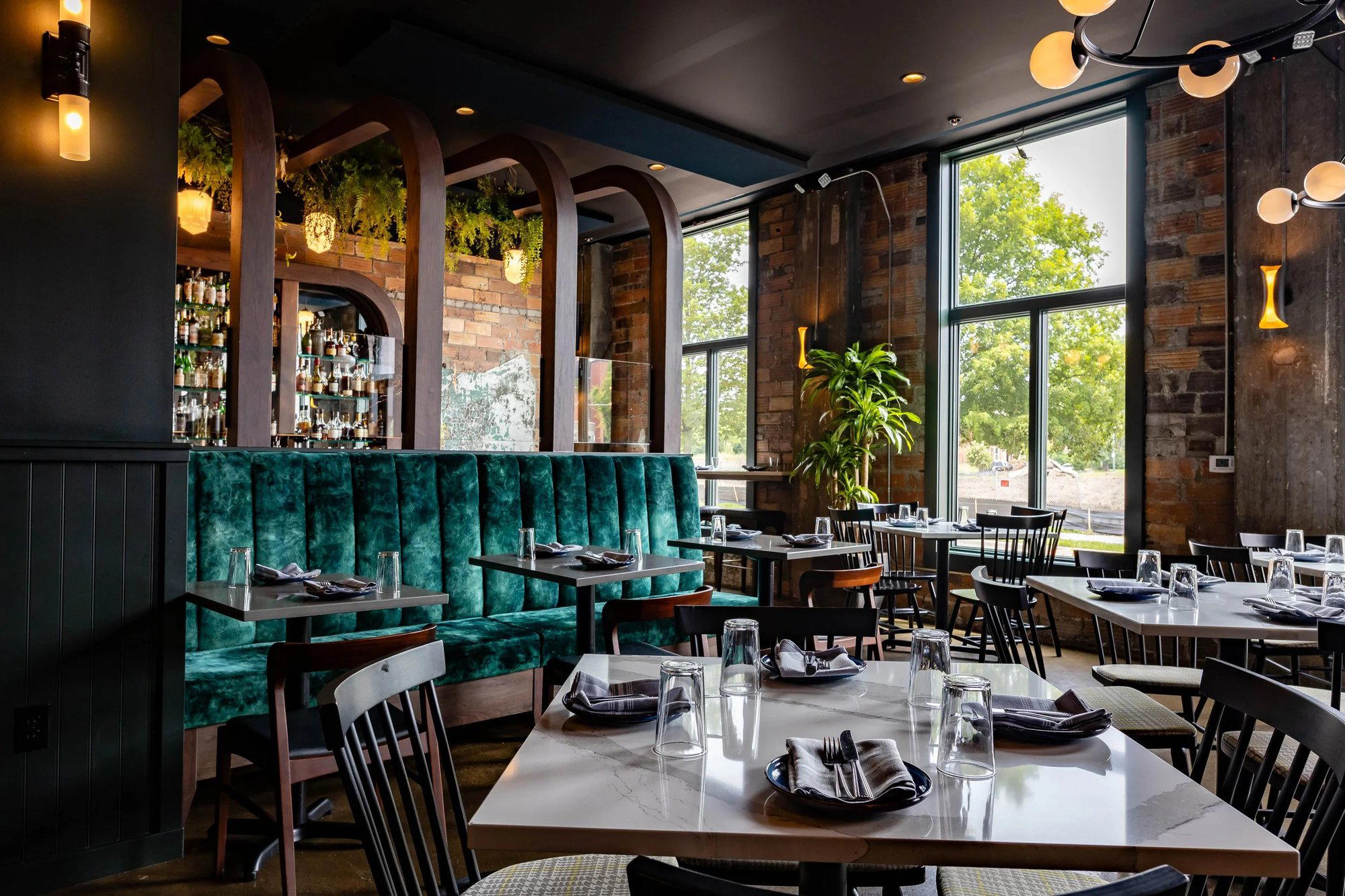
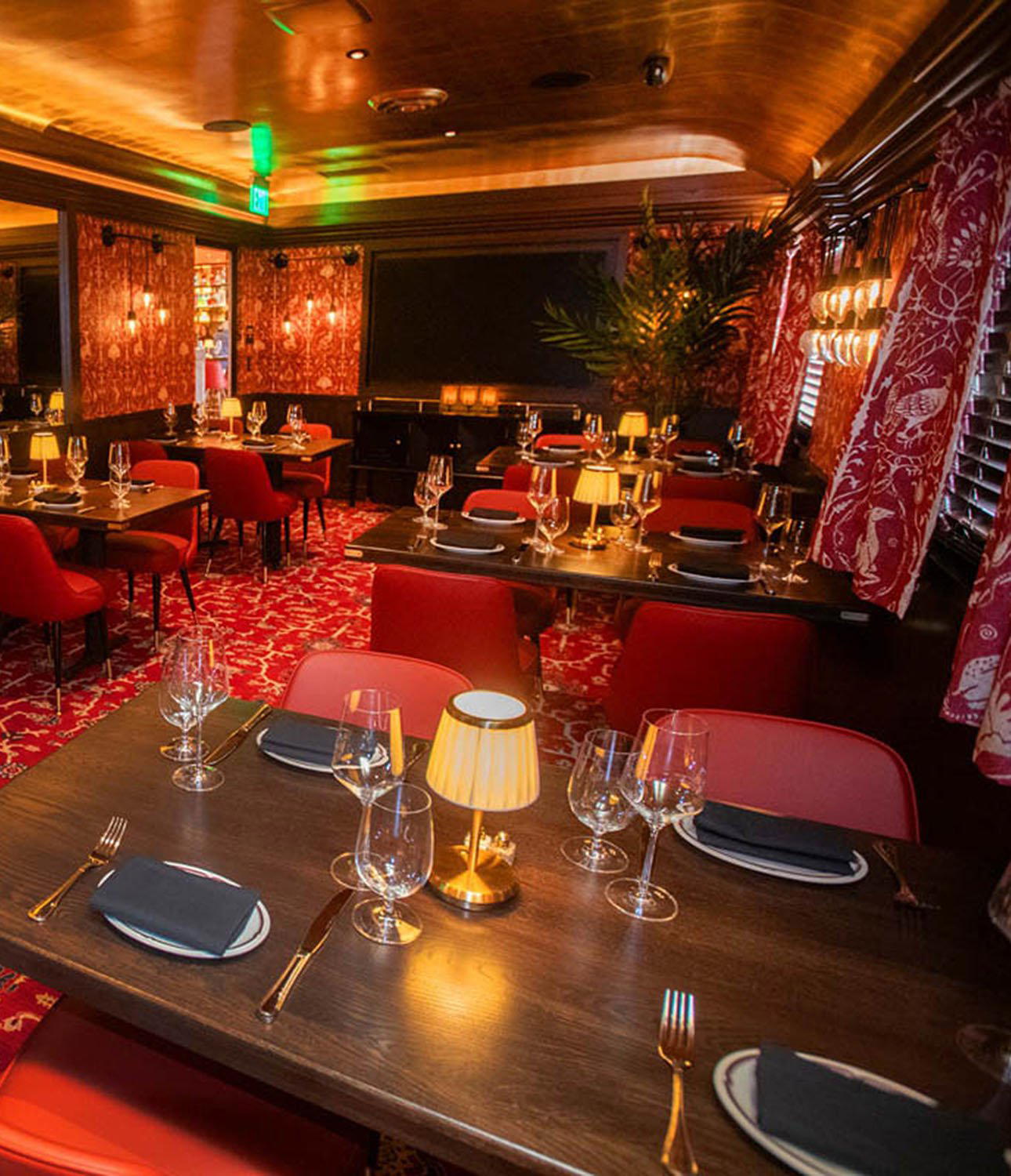
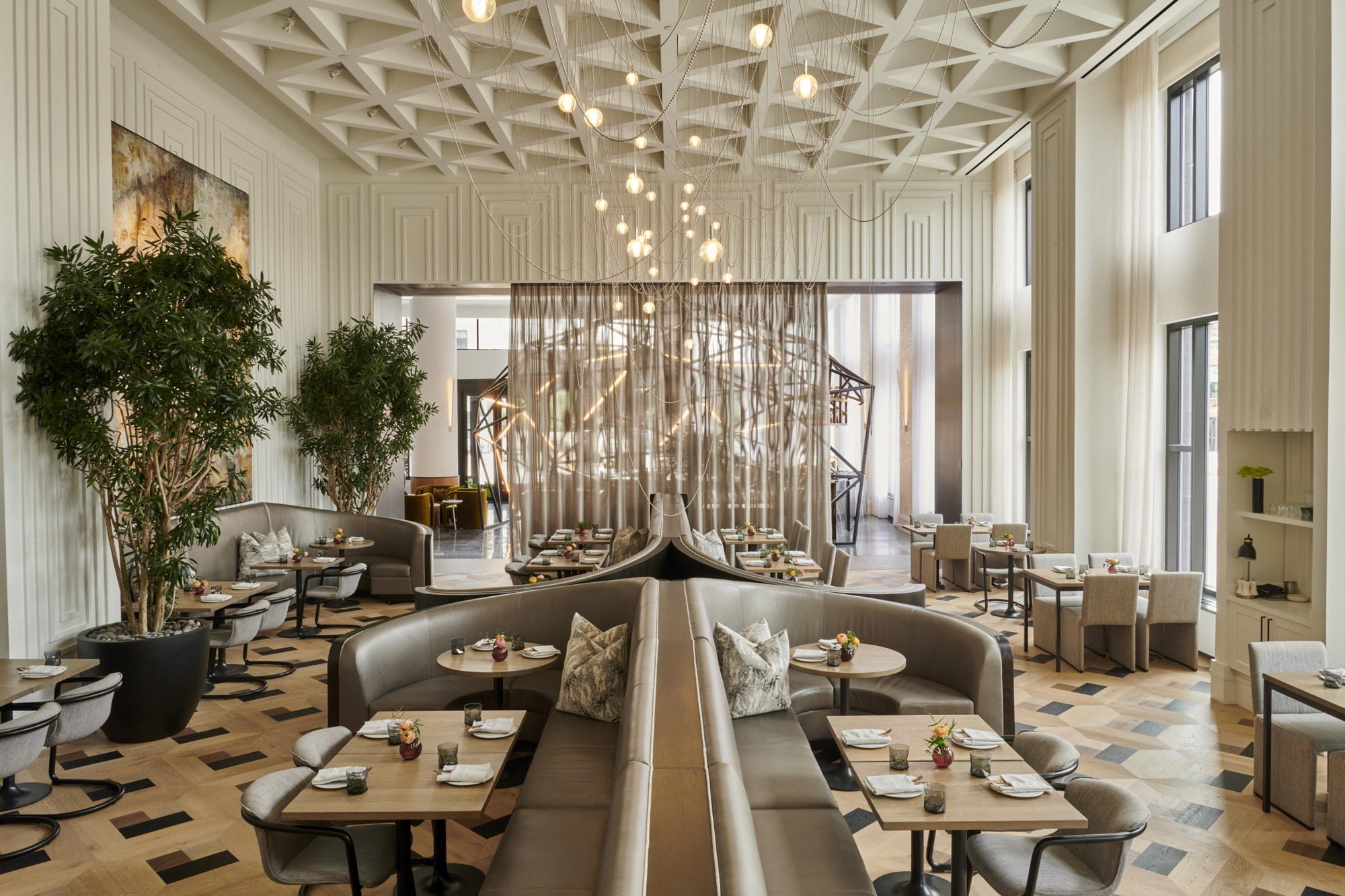
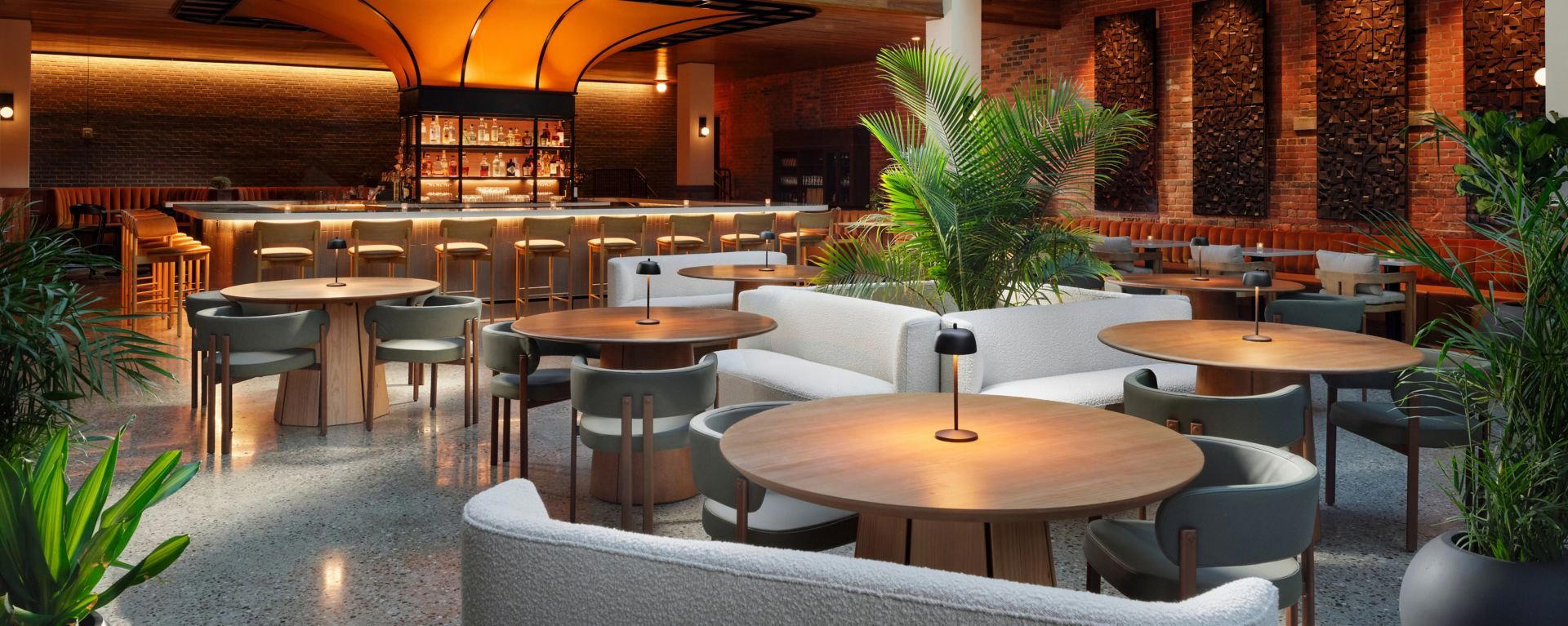
Beautifully designed space evoking New York City elegance with professional coffee service.
Know Before You Go
- Getting there
- 45 E 14 Mile Rd, Clawson, MI 48017