Osaka Steakhouse
Osaka Steakhouse on West Maple Road brings a Japanese steakhouse tradition to Clawson, Michigan, placing it within a suburban Detroit dining corridor that draws on both American chophouse culture and the theatrical teppanyaki format refined in postwar Japan. The address at 1119 W Maple Rd puts it in easy reach of the broader Oakland County dining circuit.
Pearl is the En Primeur Club membership app — saves, bookings, and concierge access live there. Same editors, same standards.
- Address
- 1119 W Maple Rd, Clawson, MI 48017
- Phone
- +12488507830
- Website
- osakasteakhousemi.com
- Directions
- Get directions
 Saves & bookings on Pearl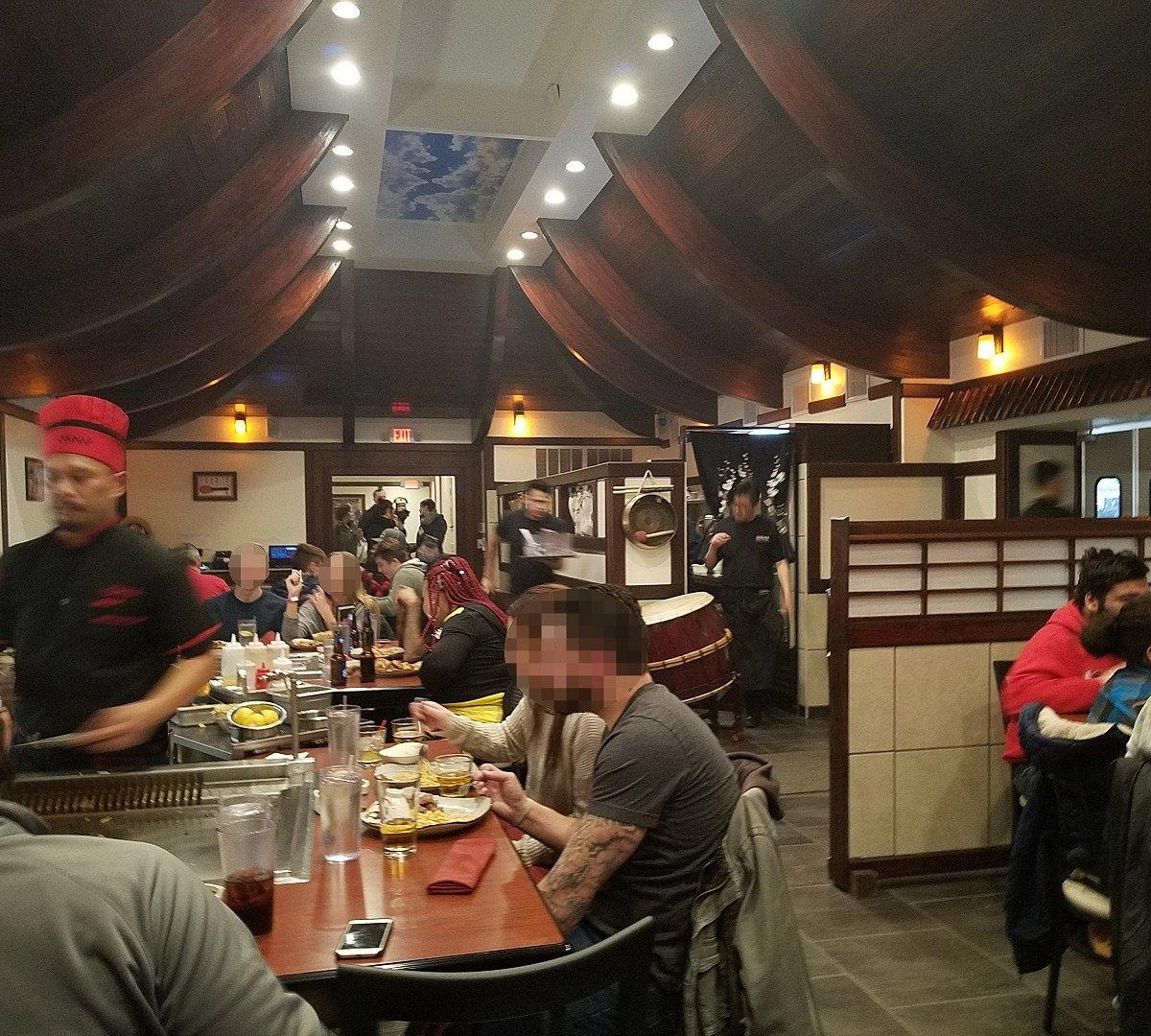
Where Teppanyaki Meets the Midwest
The Japanese steakhouse format has a specific cultural origin that rarely gets acknowledged in the American suburbs where it thrives. Teppanyaki, the iron-griddle cooking style that underpins the genre, was refined for Western audiences at Benihana of Tokyo beginning in the 1960s, when founder Hiroaki Aoki recognized that theatrical tableside cooking could bridge Japanese culinary technique with American dining room expectations. What emerged was a hybrid format: the precision and quality-consciousness of Japanese beef culture applied to an open-kitchen performance model that American diners found immediately legible. Osaka Steakhouse on West Maple Road in Clawson sits within that tradition, drawing on a format that has now been part of the American dining fabric for more than half a century.
Clawson occupies a position in the Oakland County dining corridor that rewards knowing where to look. The stretch of W Maple Road that runs through this small city connects to a wider network of independent restaurants operating in the shadow of Troy and Royal Oak, two markets that attract more editorial attention but whose pricing often runs significantly higher. Osaka Steakhouse, at 1119 W Maple Rd, addresses a specific local demand for the Japanese steakhouse experience without requiring a drive into higher-cost suburban centers.
The Cultural Weight of the Japanese Steakhouse
It is worth understanding what the Japanese steakhouse format actually represents before treating it as a novelty category. Japan's beef culture, particularly around wagyu breeds developed in Kobe, Matsusaka, and Omi, reflects centuries of agricultural selectivity and postwar economic transformation. When those traditions crossed into American casual dining, they did so through a deliberate act of translation: the theatrical element was amplified, the proteins were adapted to domestic sourcing, and the format was packaged for groups rather than the counter-seat intimacy of Japanese yakiniku. The result is a dining category that is simultaneously American in its hospitality logic and Japanese in its culinary lineage.
That duality gives the Japanese steakhouse format more staying power than its critics sometimes allow. Venues like Osaka Steakhouse operate in a category where the experience is built around participation: the cooking happens at the table, the timing is communal, and the format suits celebrations and group occasions in a way that most fine-dining models cannot match. For comparison, American fine dining at the level of Alinea in Chicago or The French Laundry in Napa is built around a fundamentally different contract with the guest: sequential, controlled, and individualized. The Japanese steakhouse occupies the opposite end of that spectrum, where the group dynamic is the point.
Clawson's Dining Character and Where Osaka Fits
Clawson's restaurant scene is defined by independent operators rather than national chains, a characteristic it shares with adjacent communities in Oakland County. The W Maple Road corridor hosts a range of formats, from the American chophouse tradition represented by Clawson Steak House to the all-day cafe format of French Toast Bistro and the Southwestern positioning of Mojave Cantina.
That positioning matters for understanding the venue's role. In markets where the Japanese steakhouse format is represented by a single independent operator, the venue tends to anchor a specific occasion type, particularly birthdays, anniversaries, and family group dinners, rather than competing for the weeknight solo or couple trade that steakhouses and cafes chase. This is a pattern visible across comparable suburban markets throughout the Midwest, where the format's theatrical elements make it a default choice for celebration dining that has no obvious substitute.
The American Steakhouse Tradition and Its Japanese Counterpart
The broader American steakhouse tradition, which shaped everything from fine-dining beef programs at venues like Bacchanalia in Atlanta to the farm-to-table beef sourcing visible at Blue Hill at Stone Barns in Tarrytown, prizes provenance and aging above theatrics. The Japanese steakhouse format inverts that priority hierarchy: the performance of cooking is foregrounded, and the sourcing, while it matters, is secondary to the experience of watching protein meet high heat at close range. Neither approach is inferior; they answer different questions about what a meal is for.
For readers who want to benchmark the full range of American fine dining, the roster extends from coastal anchors like Le Bernardin in New York City and Providence in Los Angeles to regional leaders like Emeril's in New Orleans, Lazy Bear in San Francisco, Single Thread Farm in Healdsburg, Addison in San Diego, The Inn at Little Washington, Brutø in Denver, Atomix in New York City, and internationally at 8 1/2 Otto e Mezzo Bombana in Hong Kong. The Japanese steakhouse in a suburban Michigan setting is a different category entirely, but it connects to a continuous thread in how American diners have absorbed and reinterpreted non-Western cooking traditions.
Planning Your Visit
The restaurant is located at 1119 W Maple Rd, Clawson, MI 48017, on a commercial strip that is accessible by car from the broader Oakland County area. Current hours, pricing, and booking availability are available from the venue: Mon to Thu 11:30 AM to 2:30 PM and 4:30 PM to 10 PM, Fri 11:30 AM to 2:30 PM and 4:30 PM to 10:30 PM, Sat 12 PM to 10:30 PM, and Sun 12 PM to 9:30 PM. Pricing is moderate, around $30 per person, and reservations are recommended. The Japanese steakhouse format works well for groups, since the teppan table is designed around communal seating.
Cost Snapshot
Comparable venues nearby, for context on price, style, and recognition.
| Venue | Cuisine | Price | Notes |
|---|---|---|---|
| Osaka SteakhouseThis venue — the venue you are viewing | Clawson, Japanese Hibachi Steakhouse | $$ | Not listed |
| Clawson Steak House | Clawson, Classic American Steakhouse | $$$ | Not listed |
| Mojave Cantina - Clawson | Clawson, Tex-Mex | $$ | Not listed |
| French Toast Bistro | Clawson, Cajun-Inspired Brunch Bistro | $$ | Not listed |
| Sushi Ko | Not listed | $$ | Farmington Hills, Traditional Japanese Sushi |
At a Glance
- Lively
- Energetic
- Group Dining
- Celebration
- Family
- Open Kitchen
- Sake Program
Current opening hours
- Monday
- 11:30 AM–2:30 PM, 4:30–10 PM
- Tuesday
- 11:30 AM–2:30 PM, 4:30–10 PM
- Wednesday
- 11:30 AM–2:30 PM, 4:30–10 PM
- Thursday
- 11:30 AM–2:30 PM, 4:30–10 PM
- Friday
- 11:30 AM–2:30 PM, 4:30–10:30 PM
- Saturday
- 12–10:30 PM
- Sunday
- 12–9:30 PM
Hours can change for holidays and private events. Last verified .
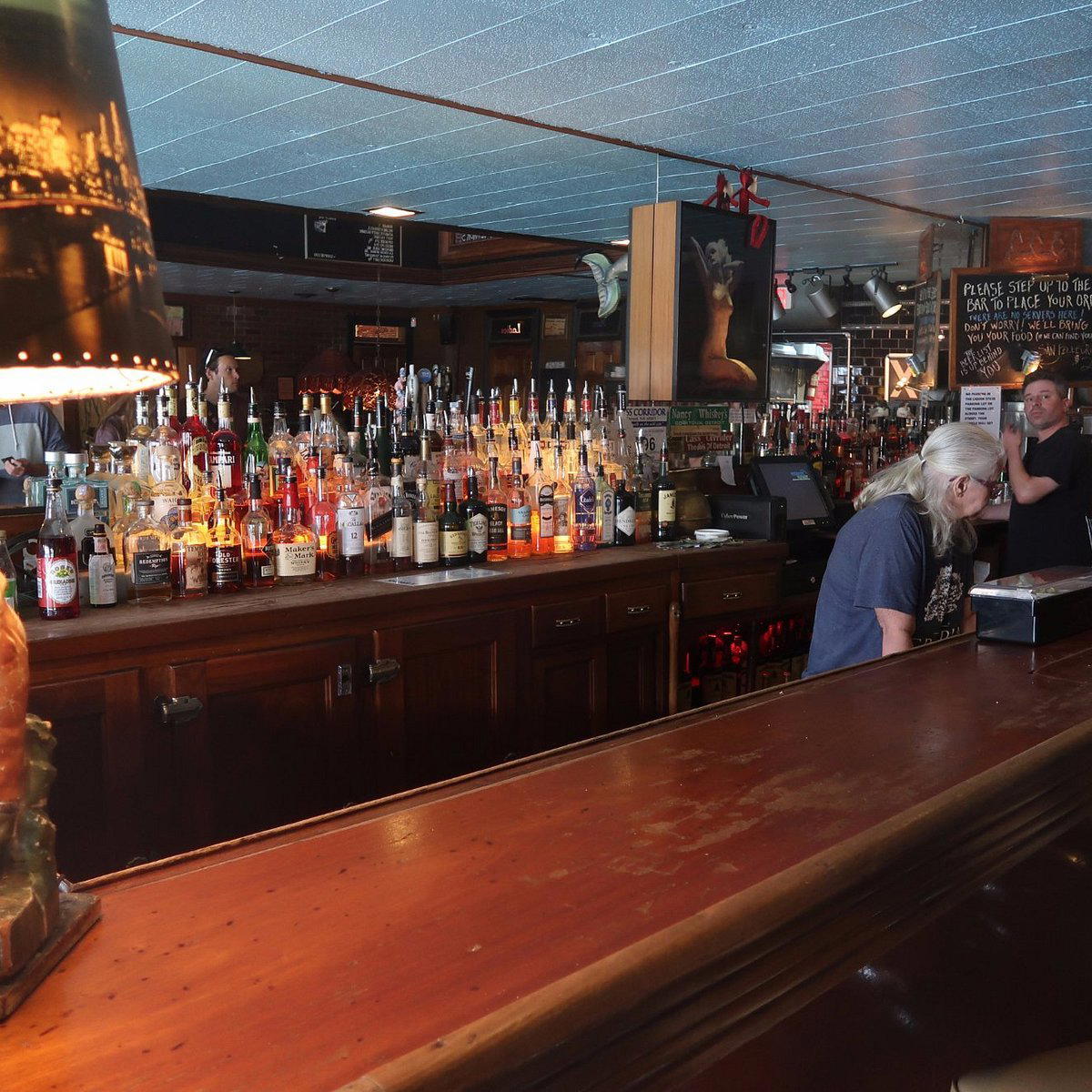
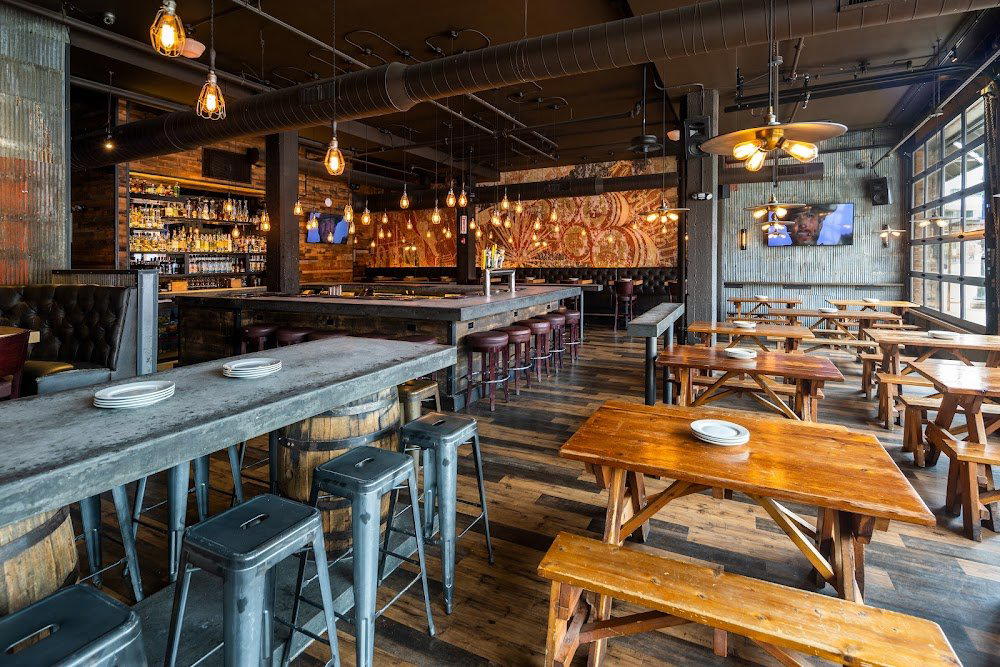
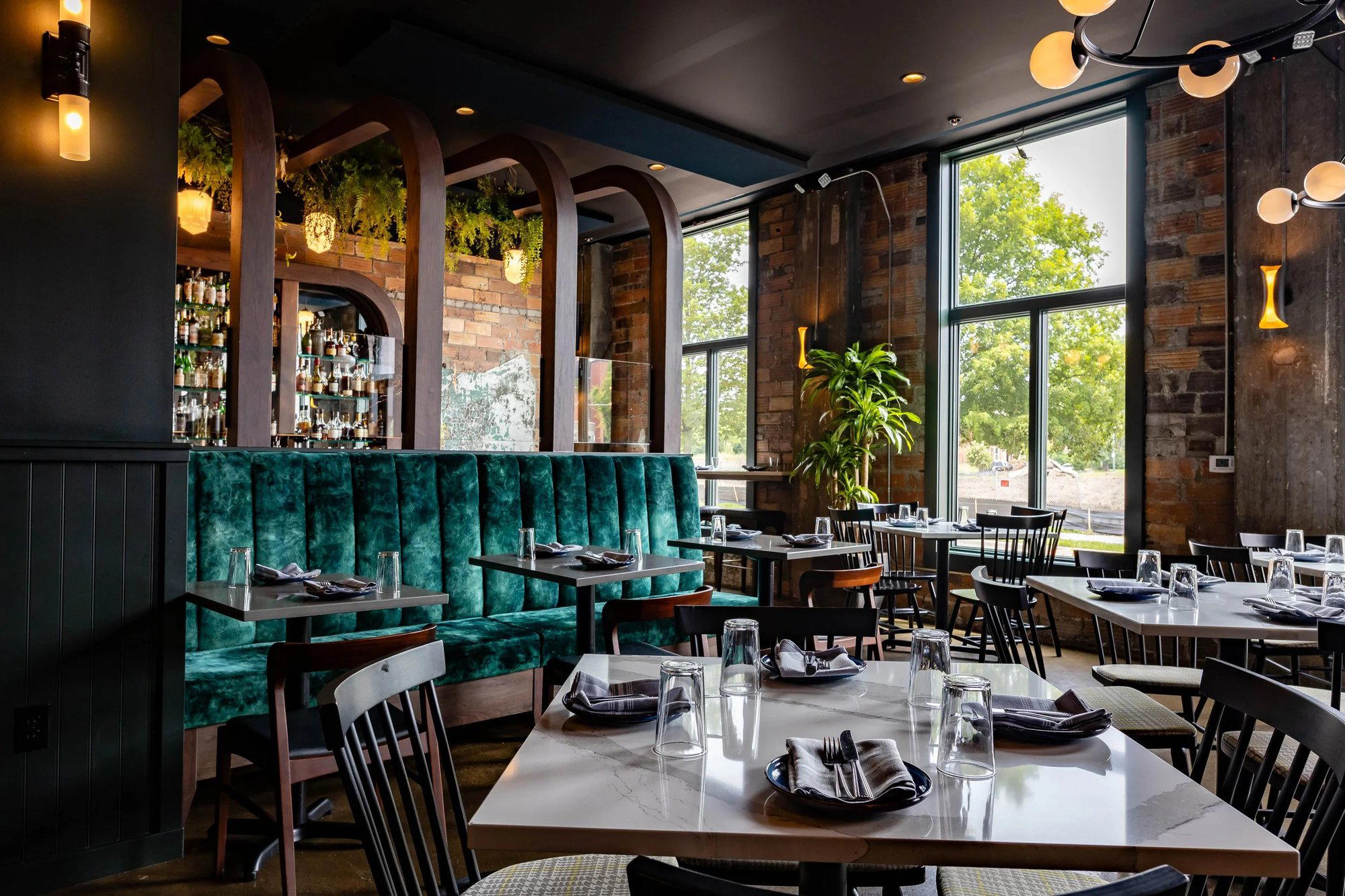
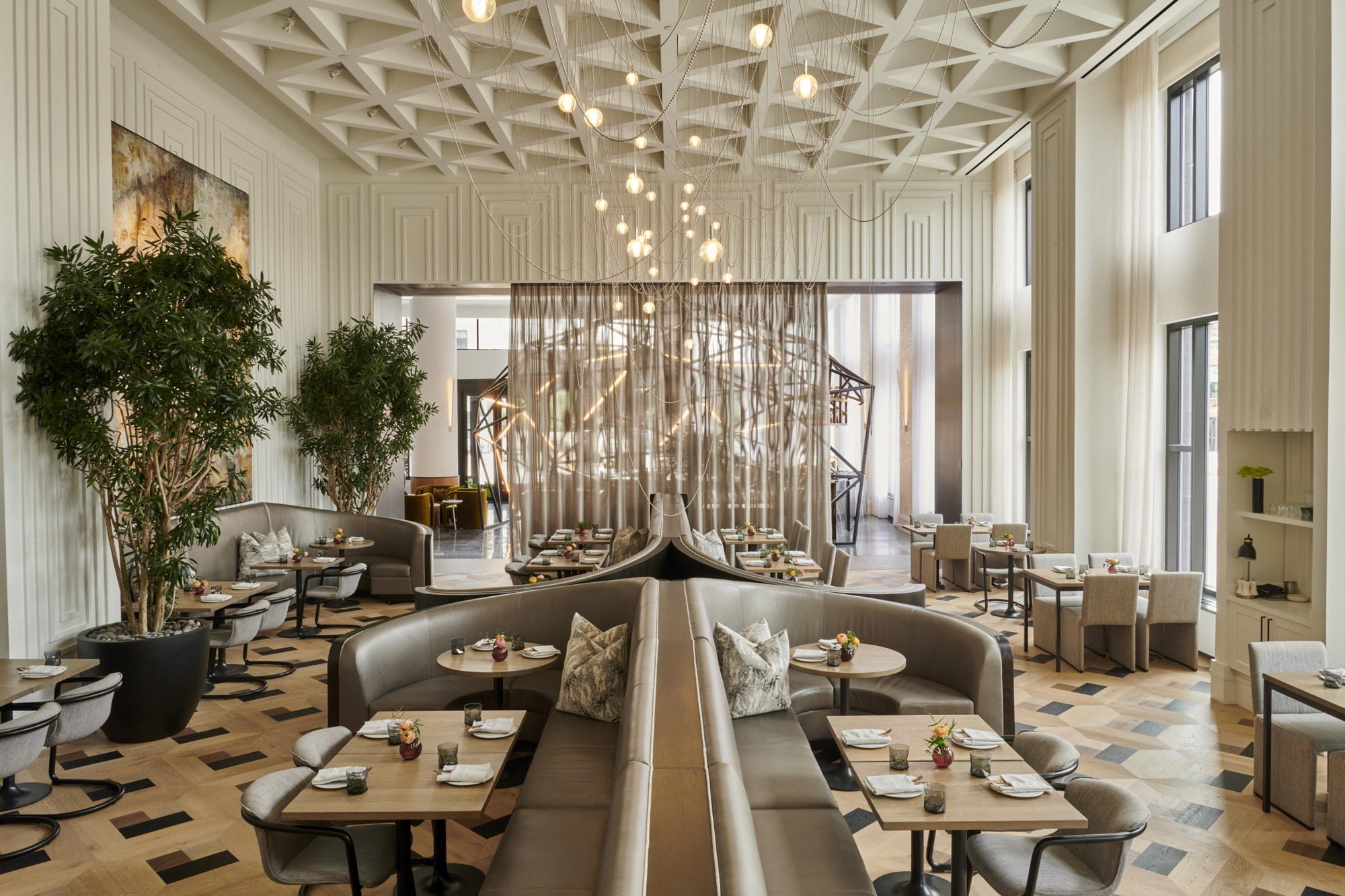
Smoky dining hall with lively atmosphere from open hibachi cooking and chef performances.