Three Brothers
Three Brothers occupies a corner of Milwaukee's Bay View neighborhood where Serbian-American cooking has held ground for decades. The kitchen leans on slow-cooked Balkan traditions rarely found elsewhere in the Midwest, making it a reference point for the city's longer-running ethnic dining culture. Book ahead and arrive hungry — portions are substantial and the room fills early on weekends.

Pearl is the En Primeur Club membership app — saves, bookings, and concierge access live there. Same editors, same standards.
Bay View's Balkan Anchor
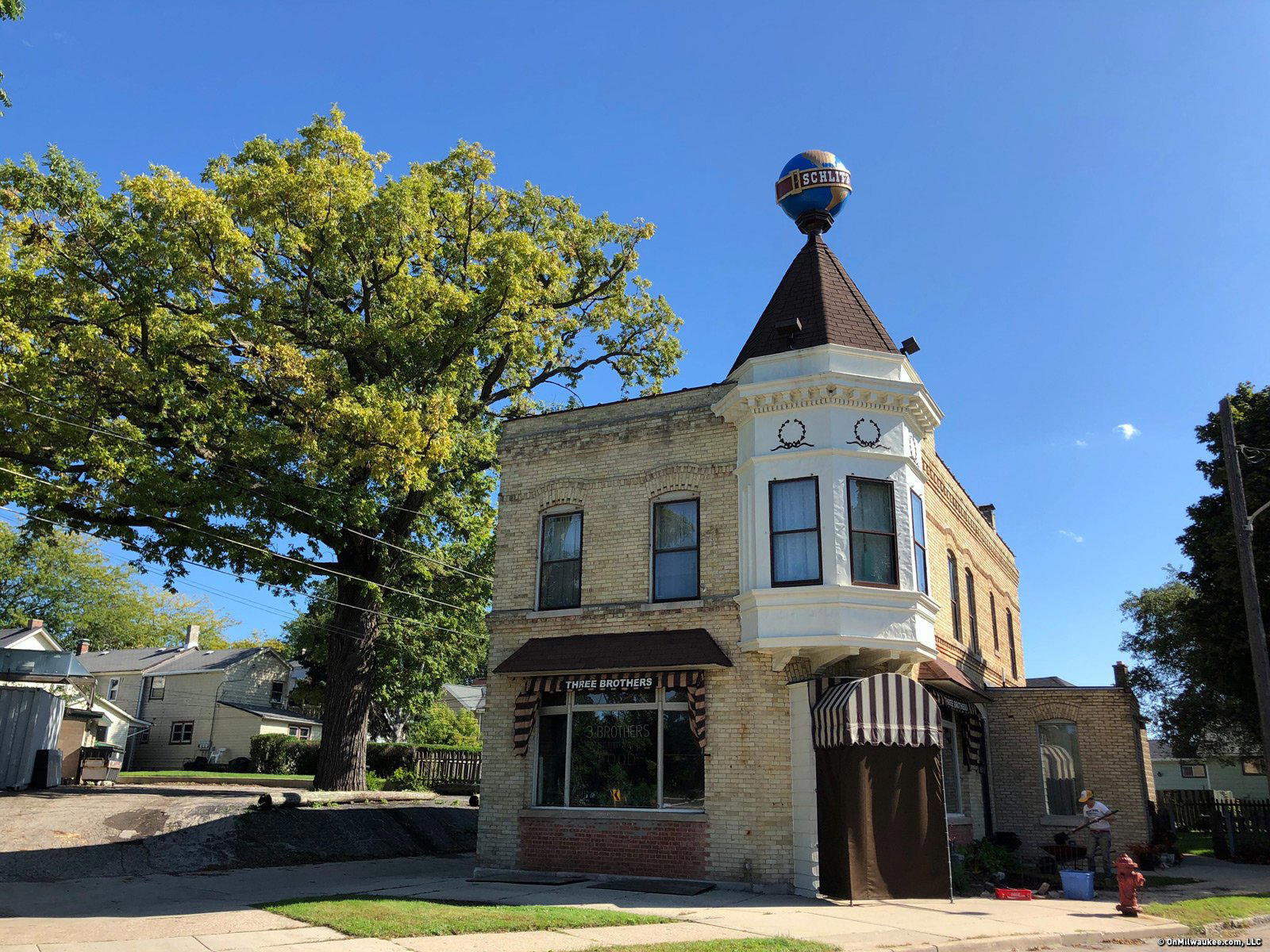
There is a particular kind of neighborhood restaurant that Milwaukee does better than most American cities its size: the deeply rooted ethnic dining room that has outlasted trends, ownership changes in surrounding blocks, and the general churn of the hospitality industry. Three Brothers, at 2414 S St Clair St in the Bay View neighborhood, belongs to that category. It occupies a former Schlitz tied-house — one of the ornate corner tavern buildings the brewery seeded across Milwaukee in the late nineteenth and early twentieth centuries — and the building's bones communicate something the menu then confirms: this is a place with a long memory.
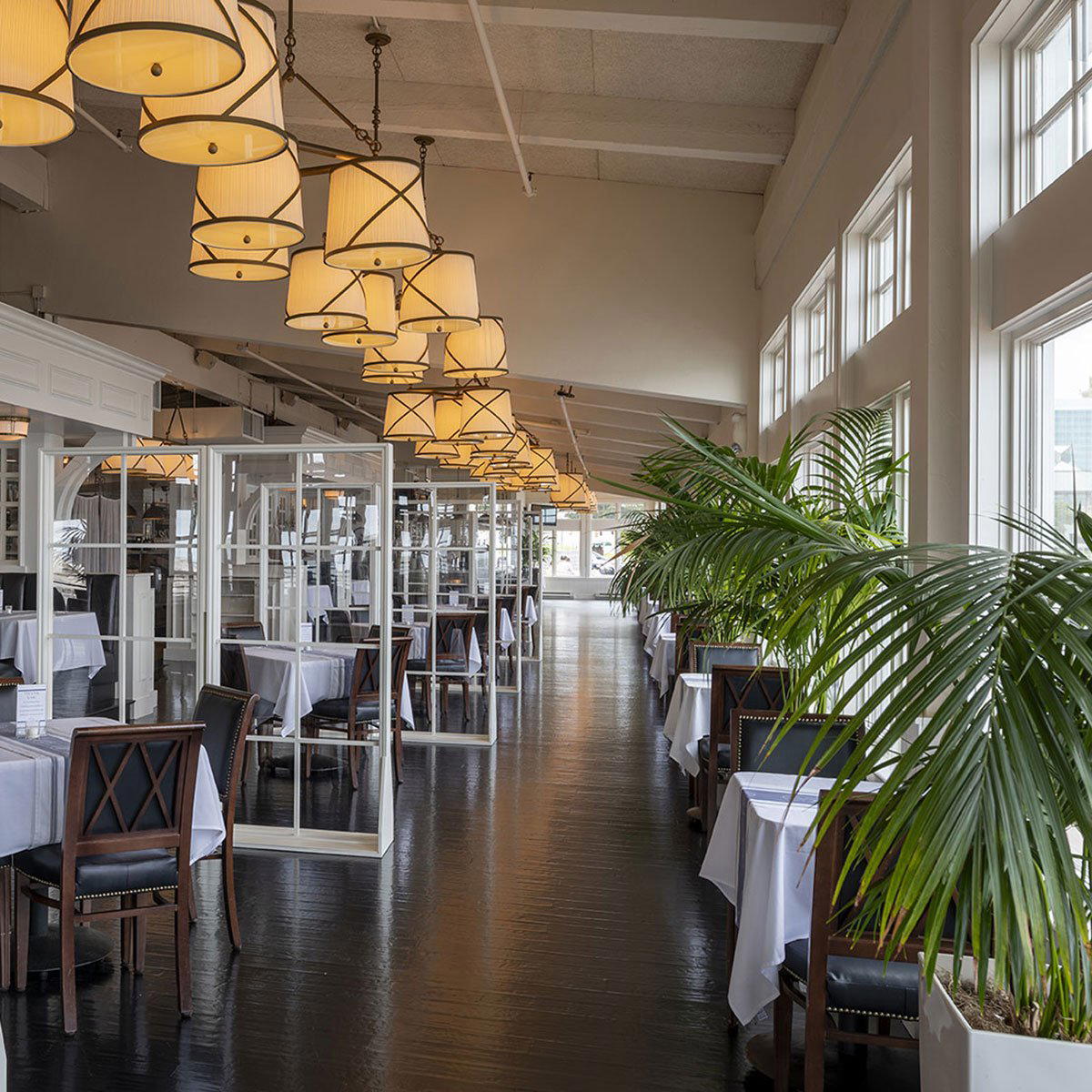
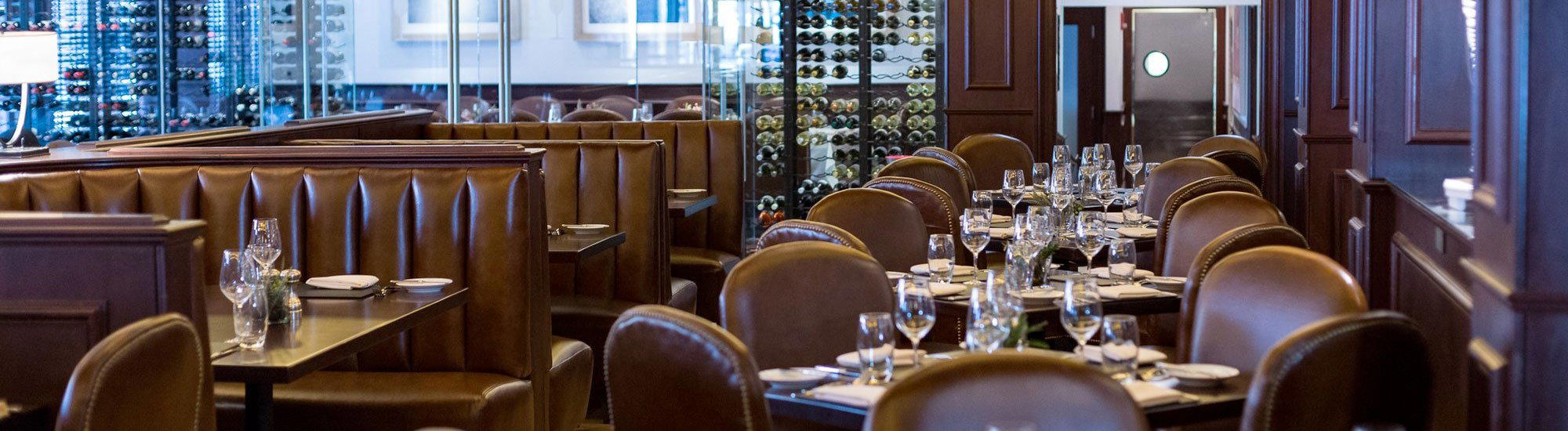
Walking toward it from the street, the architecture does the work before you reach the door. The rounded corner entry, the pressed-tin details, and the low-lit interior visible through the windows place you in a city where brewing money built neighborhoods block by block. Inside, the dining room operates at a pace that resists the efficiency logic of contemporary restaurant design. Tables are set with a deliberateness that signals the kitchen is not in a hurry, and the room itself, with its accumulated decades of use, carries the kind of earned patina that cannot be manufactured.
The Serbian-American Table in the Midwest
Serbian cuisine sits at a peculiar intersection in the American dining conversation: too specific to be folded into a generalized Balkan or Eastern European category, yet not prominent enough in the national food media to have generated the wave of trendy interpretations that has washed over, say, Georgian or Ukrainian cooking in recent years. That relative obscurity is precisely what makes Three Brothers a useful address for anyone mapping the actual scope of Midwestern ethnic dining.
The cooking tradition that the restaurant draws from is built around slow-braised meats, paprika-heavy stews, and dishes that reward patience rather than speed. Sarma, stuffed cabbage rolls, is the kind of preparation that defines this tradition: simple in concept, technically demanding in execution, and dependent on the quality of the underlying stock and the discipline to braise long enough. It is also the kind of dish that exposes shortcuts immediately. The same applies to the broader principle of Serbian home cooking, where the line between restaurant and domestic tradition is thinner than in more codified European cuisines.
In the Midwest, this tradition has found durable footholds in cities with significant Central and Eastern European immigration histories, Chicago, Cleveland, and Milwaukee among them. Milwaukee's Serbian community established anchors in the Bay View and South Side corridors, and Three Brothers has functioned as one of the most legible public-facing expressions of that community's culinary continuity. Compared to restaurants in Chicago working adjacent Eastern European traditions, or the cocktail-forward dining rooms that define much of Milwaukee's current food conversation, Three Brothers operates on a different register entirely: it is about inheritance, not reinvention.
The Team Dynamic Behind the Room
The editorial angle that applies most productively to a restaurant like Three Brothers is not the individual chef's biography but the collaborative logic that keeps a long-running neighborhood dining room functional across decades. In restaurants of this type, the division of labor between kitchen, floor, and the people who manage the relationship with regulars tends to be more integrated than in chef-driven tasting-menu operations, where hierarchy is explicit and credentialed.
Front-of-house in a room like this carries institutional knowledge that does not appear on any menu. A server who has been working the dining room for years knows which tables prefer the quieter corner, which regulars arrive on which nights, and which dishes run out first on a busy Saturday. That knowledge is the operational backbone that allows the kitchen to focus on cooking rather than constant guest management. At Three Brothers, the reported character of the dining experience, unhurried, warm without being performative, attuned to repeat visitors, suggests a floor team that treats familiarity as an asset rather than a risk. This is, broadly, how the leading long-running neighborhood restaurants sustain themselves: not through the kind of team dynamism that generates press coverage, but through the quieter discipline of consistency.
The same principle applies to the kitchen's relationship with sourcing and preparation. Serbian cooking does not require exotic ingredients, but it requires reliable ones. The quality of the pork, the freshness of the sauerkraut, the depth of the stock all accumulate into a coherent result, and that coherence is a product of repetition and stable supplier relationships rather than seasonal creativity.
Planning Your Visit to Bay View
Bay View sits south of downtown Milwaukee, and Three Brothers anchors the neighborhood's longer dining history in the same way that newer arrivals like Braise Restaurant & Culinary School anchor its more recent farm-to-table conversation. The two coexist in a neighborhood that has absorbed several decades of change without losing its residential character.
For drinks before or after, Milwaukee's bar scene offers considerable range. At Random is a mid-century ice cream drink institution on the South Side with a devoted following; Birch and Boone & Crockett offer more contemporary cocktail programming.
Three Brothers does not have a published website or phone number in current circulation, which means the most reliable approach is to visit in person or contact through current local listings. The restaurant's hours and reservation policy are best confirmed closer to your visit; weekend evenings fill reliably, and arriving without a plan is a gamble that the room's popularity makes inadvisable. See our full Milwaukee restaurants guide for broader planning context across the city's neighborhoods.
Nearby-ish Comparables
| Venue | Price |
|---|---|
| Three BrothersThis venue — the venue you are viewing | Not listed |
| La Dama | Mexican Kitchen & Bar | $30–50 |
| Vendetta Coffee Bar | $10–20 |
| Club Garibaldi | $20–30 |
| Il Cervo | $30–50 |
Continue exploring
More in Milwaukee
Bars in Milwaukee
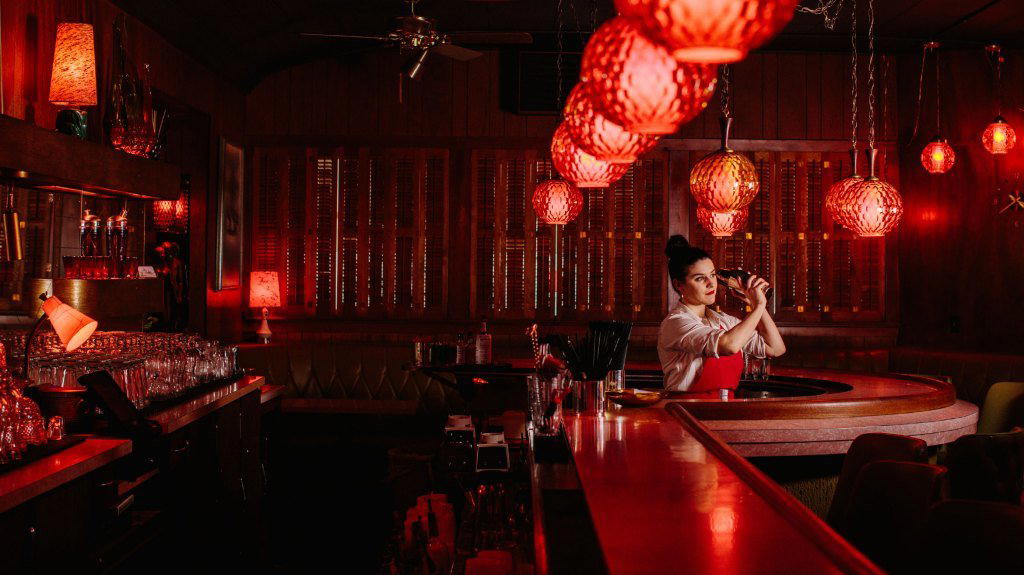
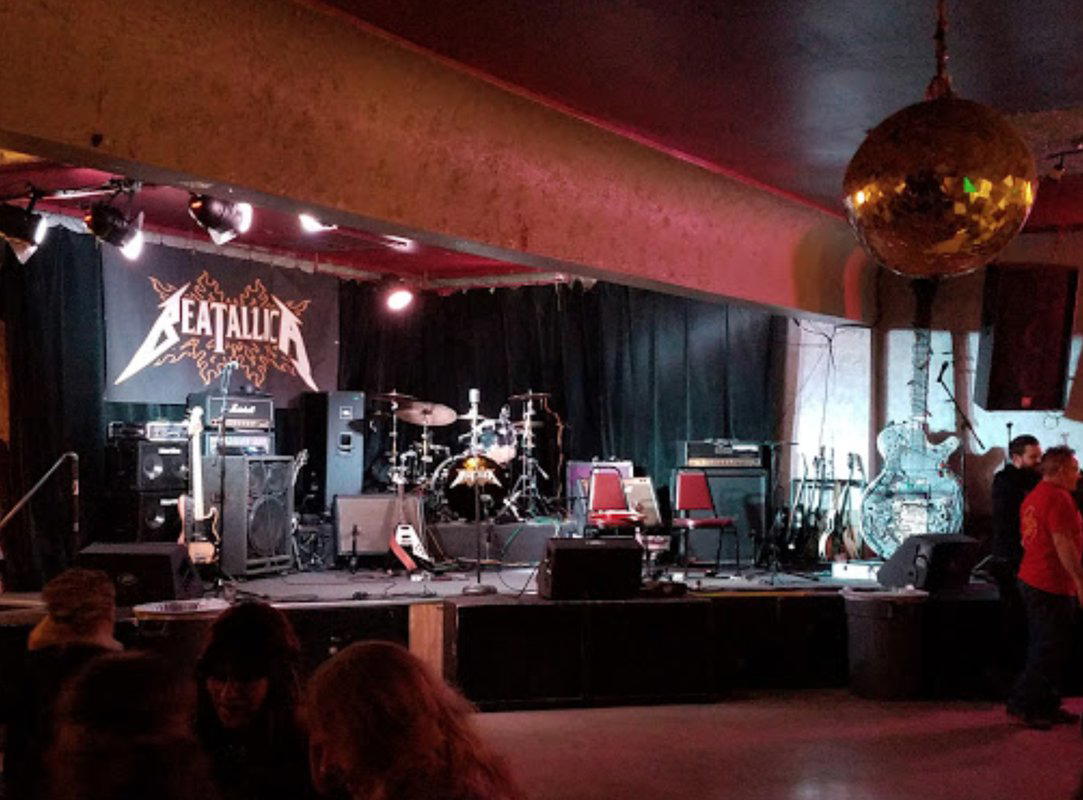
All bars in Milwaukee →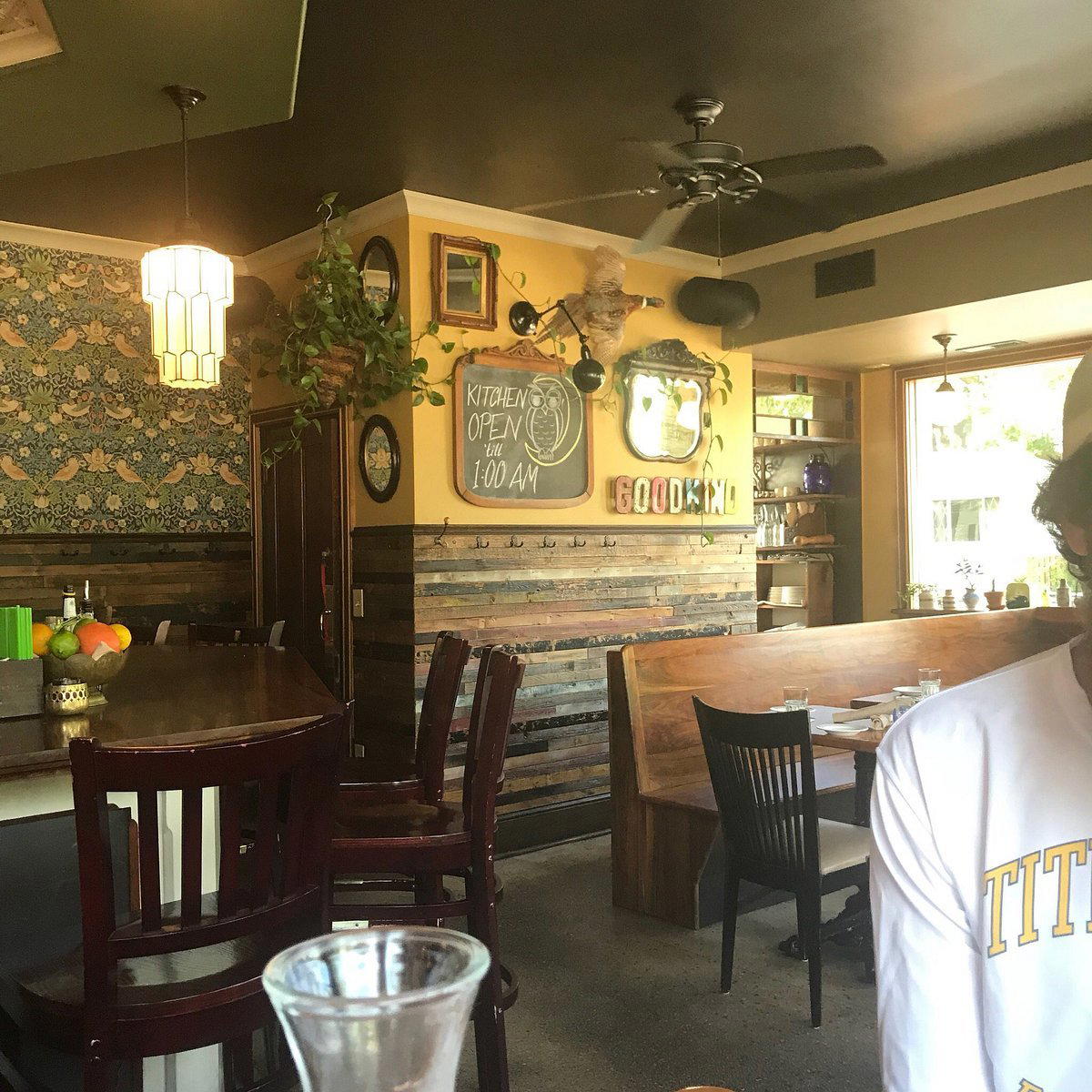
Three Brothers
The drinks
- Classic cocktails
Signature drinks: Serbian Kiss.
Details
- Classic
- Cozy
- Rustic
- Casual Hangout
- Historic Building
- Seated Bar
- Booth Seating
- Classic Cocktails
Current opening hours
- Monday
- Closed
- Tuesday
- Closed
- Wednesday
- 5–9 PM
- Thursday
- 5–9 PM
- Friday
- 5–9 PM
- Saturday
- 4–9 PM
- Sunday
- 4–9 PM
Hours can change for holidays and private events. Last verified .
Warm, inviting old-school atmosphere with vintage vibes and a great local-bar feel.