Braise Restaurant & Culinary School
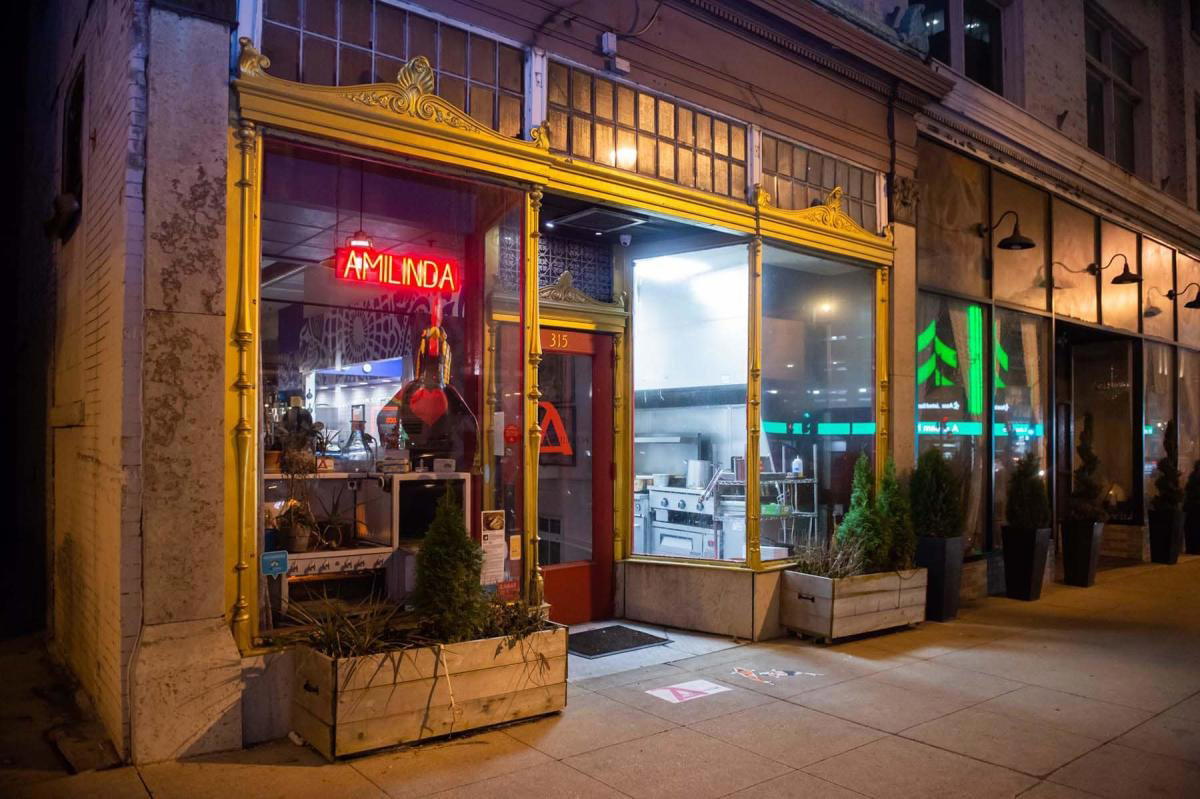
Braise occupies a distinct position in Milwaukee's dining scene, operating as both a working restaurant and a culinary school at 1101 S 2nd St. The dual format draws a crowd that includes serious home cooks alongside destination diners, all converging on a menu shaped by local sourcing and technical discipline. It is one of the city's more deliberate dining addresses.

Pearl is the En Primeur Club membership app, where members save venues, book tables and use the concierge.
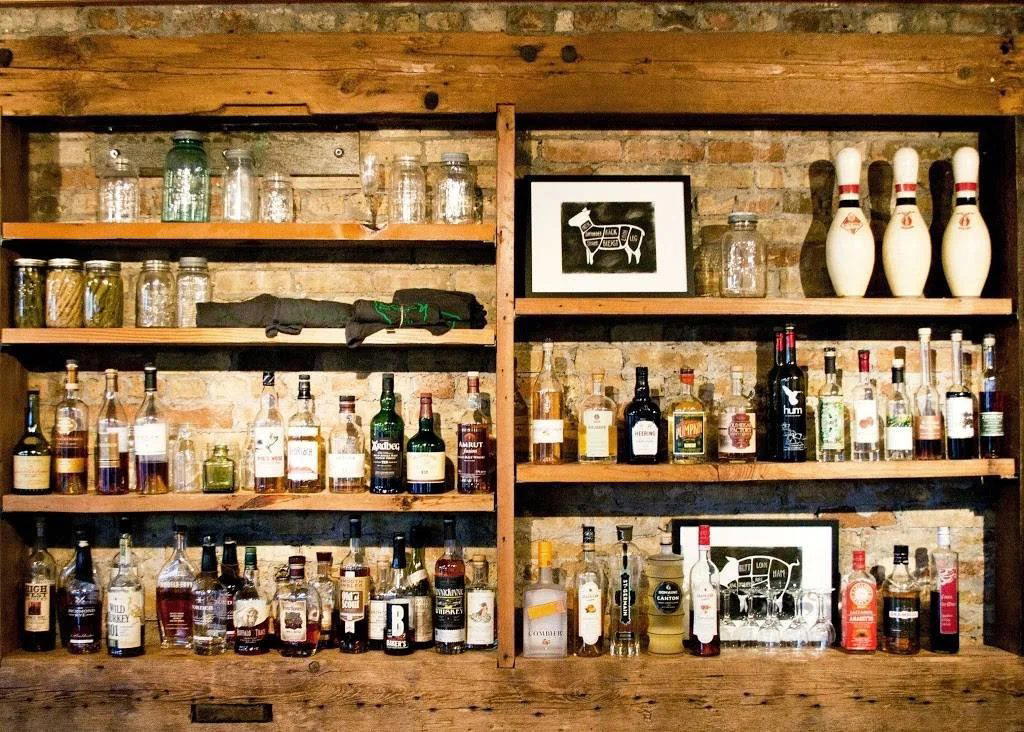
Where the Kitchen Is the Point
On the south side of Milwaukee, where Walker's Point transitions into quieter residential blocks, a different kind of dining institution has taken root. Braise Restaurant & Culinary School, at 1101 S 2nd St, occupies a format that remains relatively rare in American cities: a full-service restaurant running in parallel with an active culinary education programme. The result is a room where the kitchen is not background infrastructure but the explicit subject of the experience. That framing changes how guests engage with what arrives at the table.
Walker's Point has become one of Milwaukee's more interesting dining corridors over the past decade, with a mix of neighbourhood bars, ambitious kitchens, and late-night venues giving it a character distinct from the Historic Third Ward's more polished strip. Braise sits at the serious end of that spectrum, drawing regulars who treat the address as a repeat destination rather than a single occasion.
The Culinary School Format and What It Means for the Plate
In American dining, the restaurant-school hybrid has historically existed in two forms: the teaching restaurant attached to a culinary college, where the meal is essentially a practicum exercise, and the independent operation where education and service run as genuinely co-equal functions. Braise belongs to the second category. The culinary school component is not a marketing appendage; it shapes how the kitchen operates, who works in it at any given time, and the emphasis placed on technique and sourcing as explicit, teachable subjects rather than invisible production.
This structure tends to produce kitchens with a higher-than-average focus on process transparency, and Braise has built a local reputation around that quality. For diners who have spent time at technically rigorous operations in other cities, the orientation will feel familiar.
Drinks and the Bar Programme
Milwaukee has a bar culture with genuine depth and range. At the classic end, venues like Bryant's Cocktail Lounge have been operating since 1938, and At Random remains a point of reference for the city's ice cream drink tradition. More recent openings like Birch and Boone & Crockett represent the craft cocktail shift that reshaped the city's bar conversation over the last decade.
Within that context, Braise approaches its beverage programme from the same sourcing-forward position that defines the food menu. In operations that integrate culinary education, drinks tend to receive treatment as an extension of the kitchen's ingredient logic rather than a separate commercial department. That means house-made components, local spirits where available, and a seasonal rotation that mirrors what is happening on the plate. The approach positions the bar closer to what operations like ABV in San Francisco or Jewel of the South in New Orleans have demonstrated: that a bar programme grounded in kitchen technique produces more coherent, season-responsive menus than one built around spirit brand relationships alone.
For diners arriving primarily for cocktails, it is worth noting that the drinks here are better understood in relation to the food rather than as a standalone destination bar experience. The Braise experience rewards guests who treat the meal and the glass as a single conversation.
Sourcing, Season, and the Local Supply Chain
The farm-to-table framework has become so common in American restaurants that it has largely lost descriptive value. What distinguishes operations that genuinely build around local supply from those that deploy the language for positioning is the degree to which the sourcing visibly constrains and shapes the menu. At Braise, the culinary school structure reinforces that constraint: teaching technique through seasonal ingredients requires that the ingredients actually change, which means the menu moves with the supply chain rather than around it. Wisconsin's agricultural calendar, with its pronounced seasons, makes that discipline both more demanding and more visible to attentive diners.
Braise is pursuing a comparable logic applied to Wisconsin's larder.
Planning Your Visit
Braise is located at 1101 S 2nd St in Milwaukee's Walker's Point neighbourhood, accessible by car from downtown Milwaukee in under ten minutes. The area has street parking, and the address is direct to reach from the city's main hotel corridor. Given the dual restaurant-school format, reservations are advisable, particularly for evening service when the educational programme may be running alongside the dining room. The kitchen's sourcing-forward approach means the menu shifts with the season, so a visit in late summer will offer a different selection from one in midwinter.
Fast Comparison
| Venue | Price |
|---|---|
| Braise Restaurant & Culinary SchoolThis venue (the venue you are viewing) | Not listed |
| La Dama | Mexican Kitchen & Bar | $30–50 |
| Vendetta Coffee Bar | $10–20 |
| Club Garibaldi | $20–30 |
| Il Cervo | $30–50 |
| Uncle Wolfie's Breakfast Tavern | $10–20 |
Continue exploring
More in Milwaukee
Bars in Milwaukee
All bars in Milwaukee →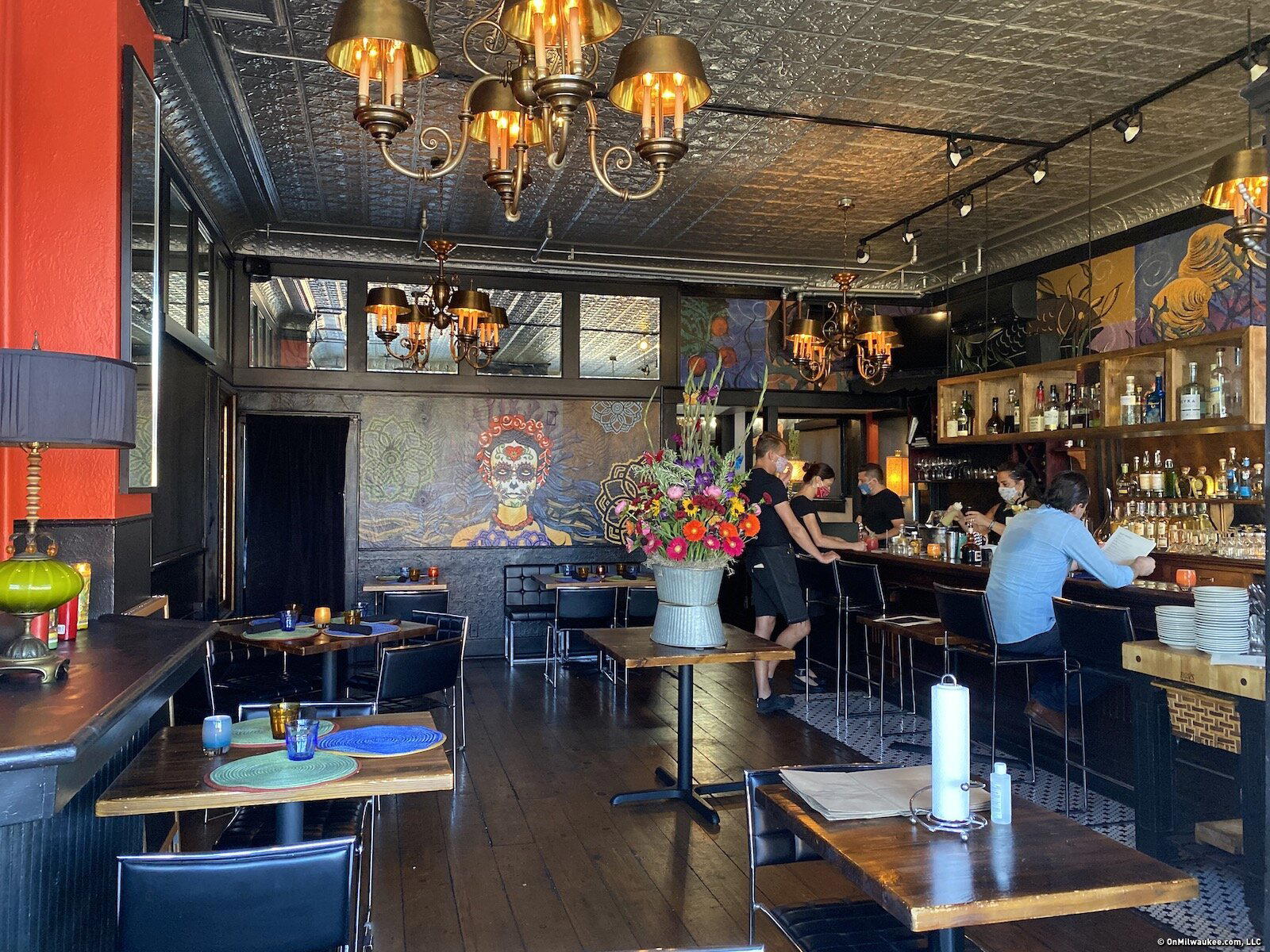
Details
- Rustic
- Cozy
- Intimate
- Elegant
- Date Night
- Special Occasion
- Group Outing
- Rooftop
- Garden
- Lounge Seating
- Outdoor Terrace
- Communal Tables
- Craft Cocktails
Current opening hours
- Monday
- Closed
- Tuesday
- 5–8 PM
- Wednesday
- 5–8 PM
- Thursday
- 5–8 PM
- Friday
- 5–9 PM
- Saturday
- 5–9 PM
- Sunday
- Closed
Hours can change for holidays and private events. Hours as of .
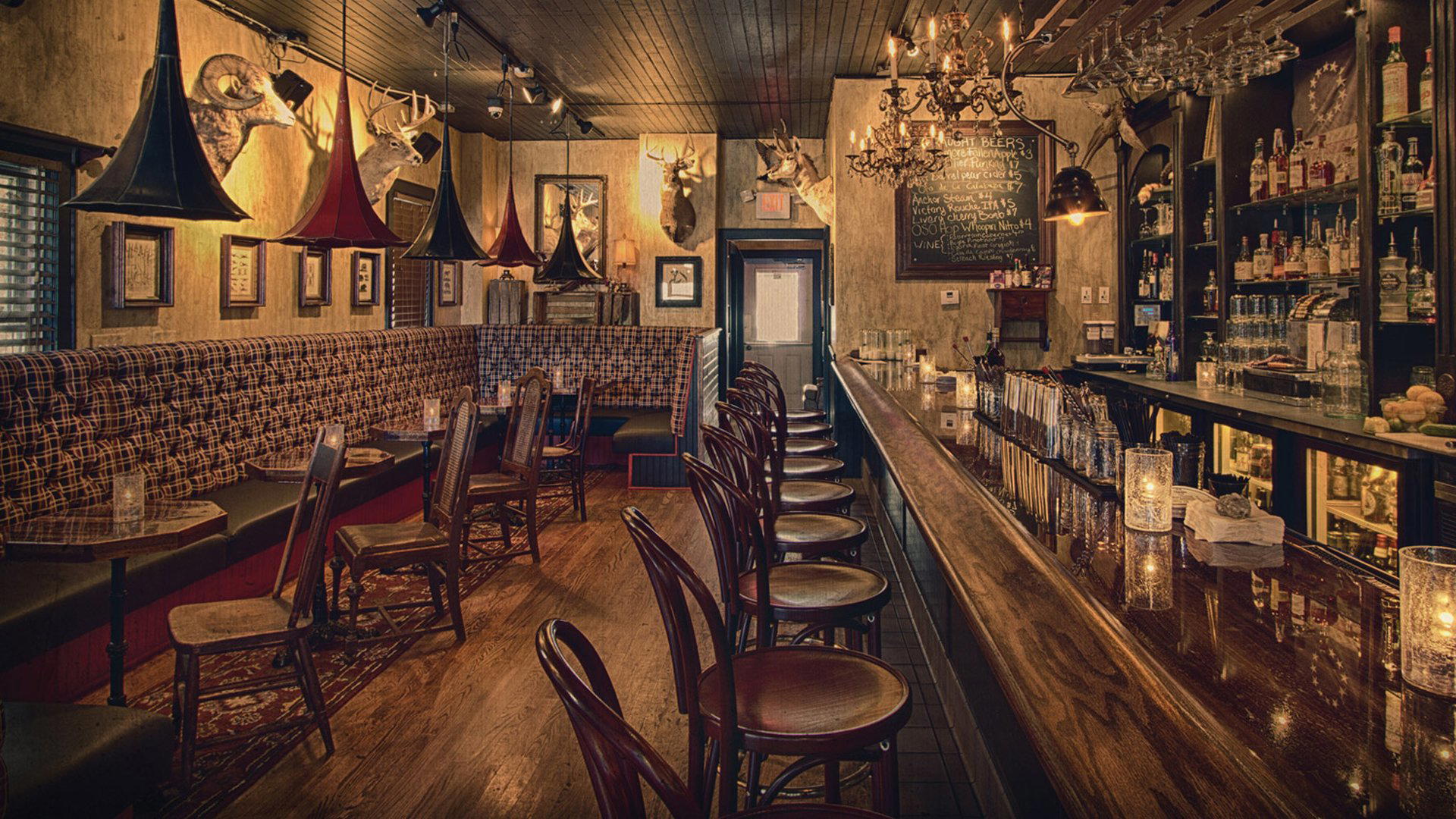
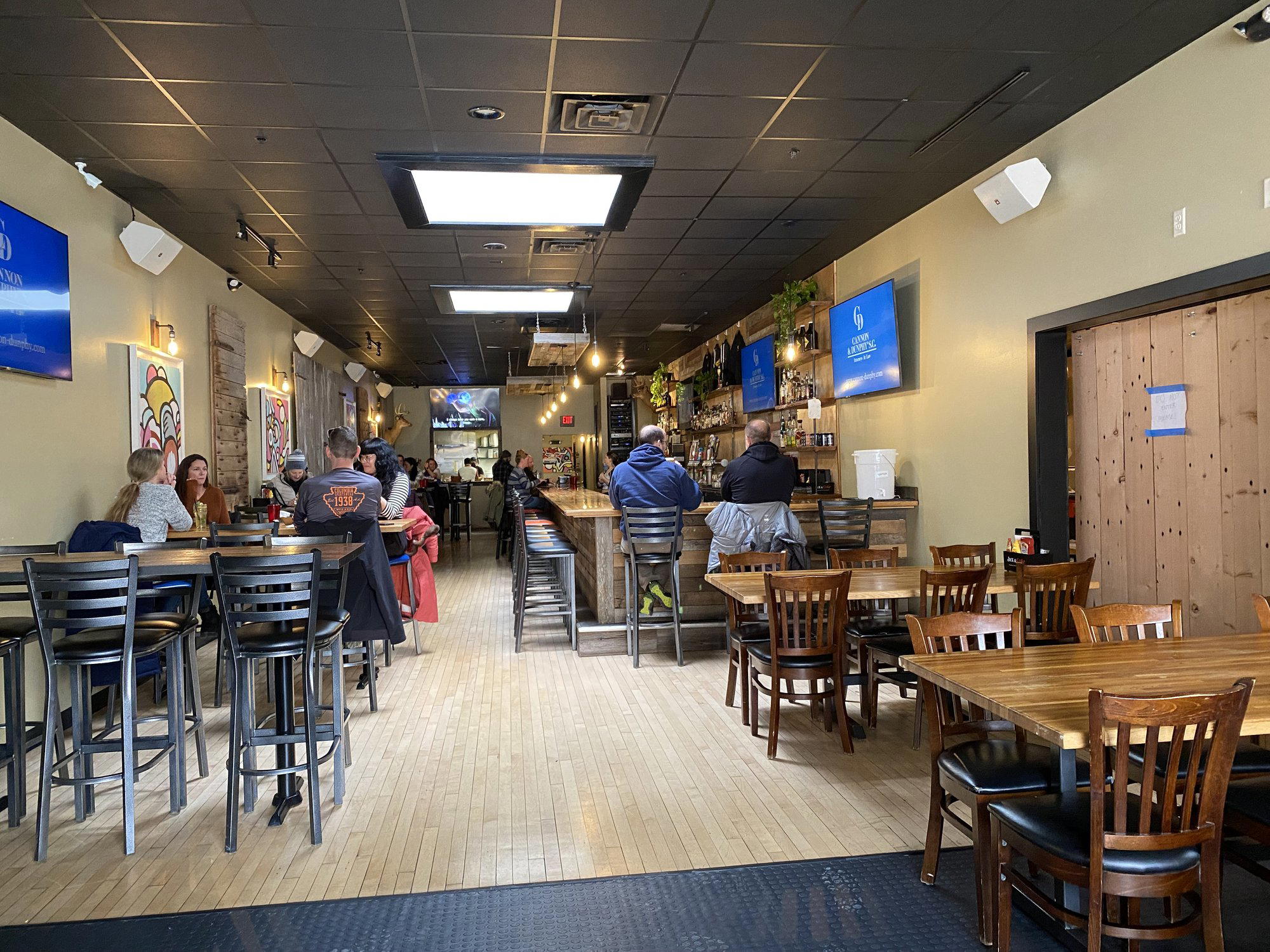
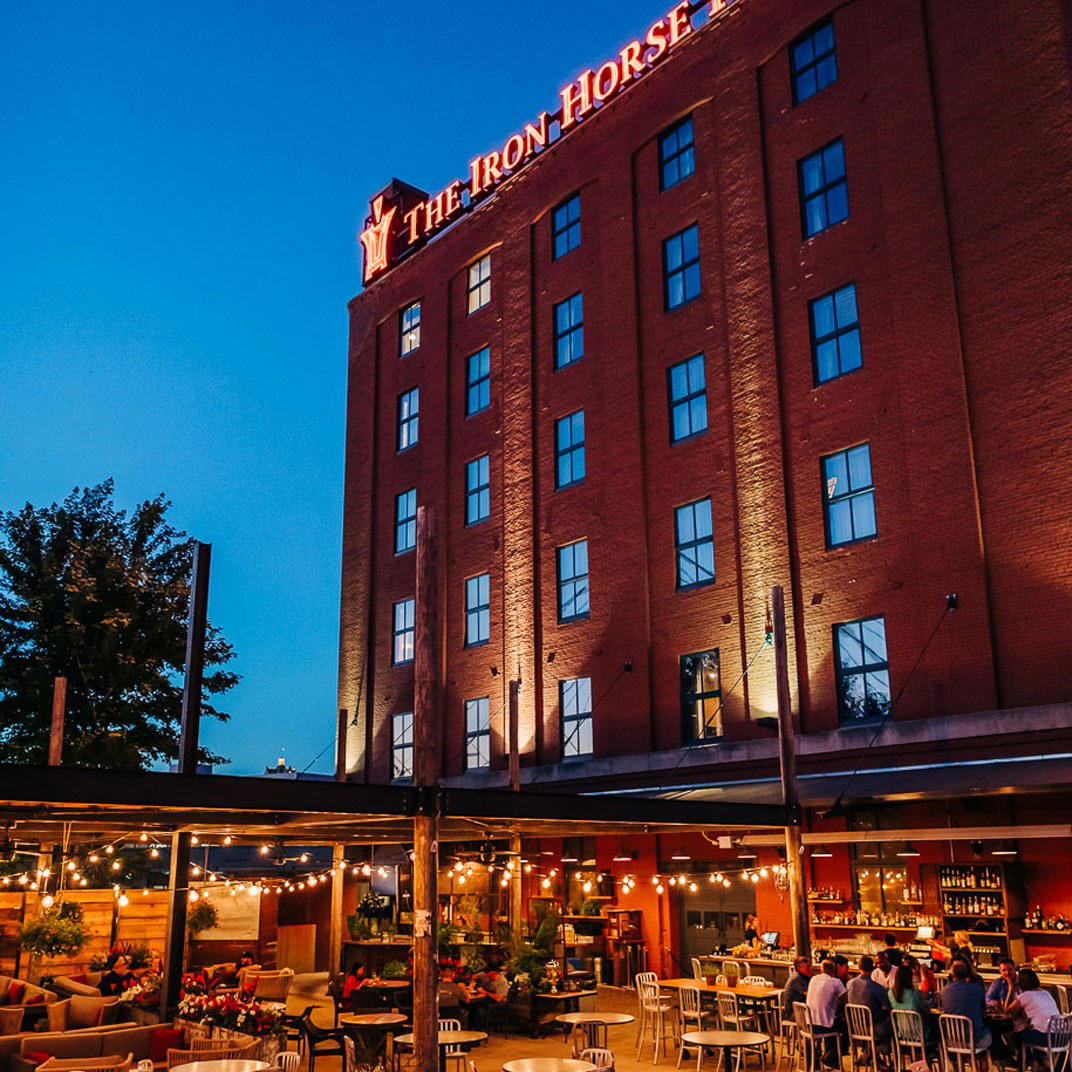
Inviting modern atmosphere with exposed brick and wood beams, cozy rooftop greenhouses, and a natural wood-and-garden inspired setting.