The Whiskey Ring
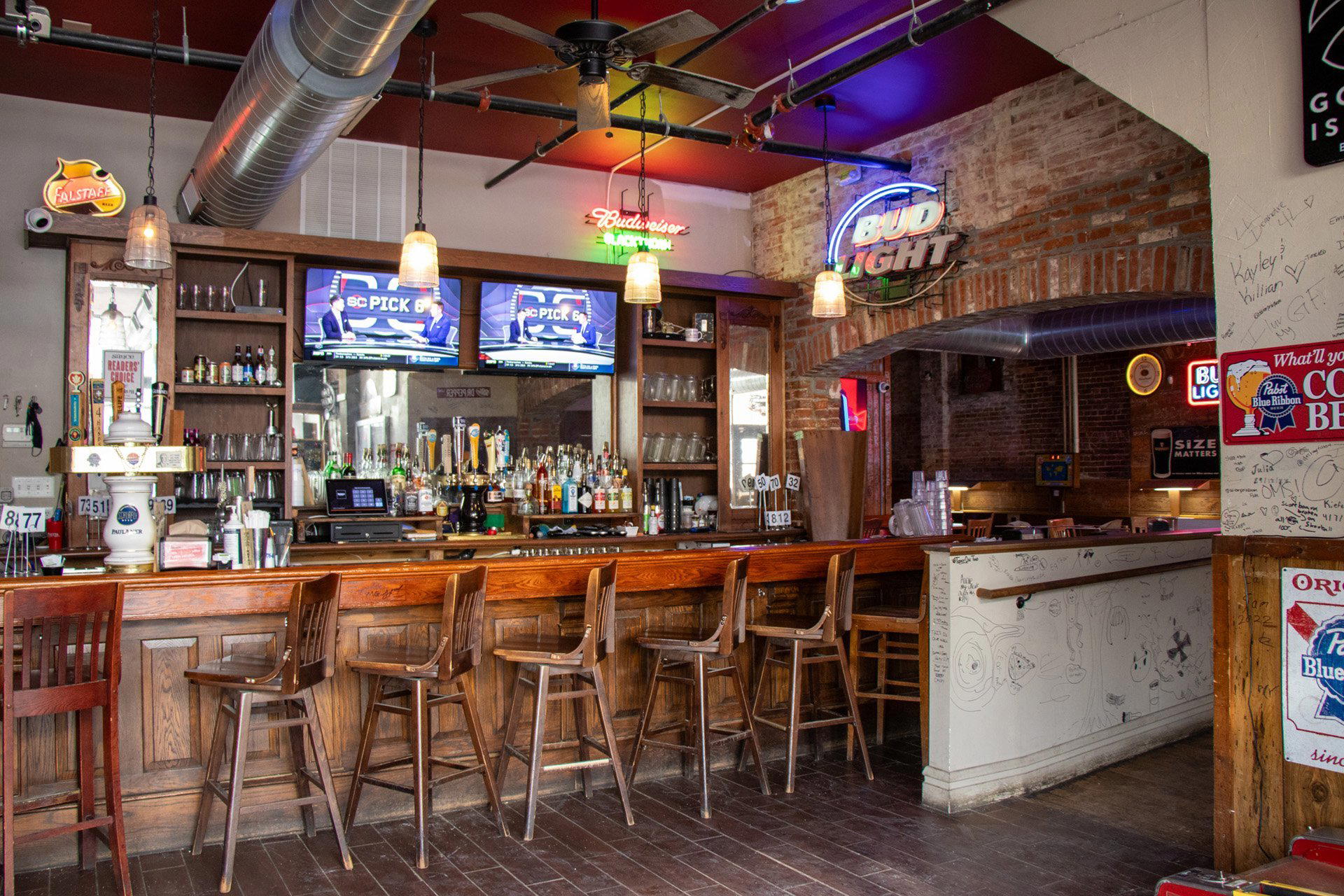
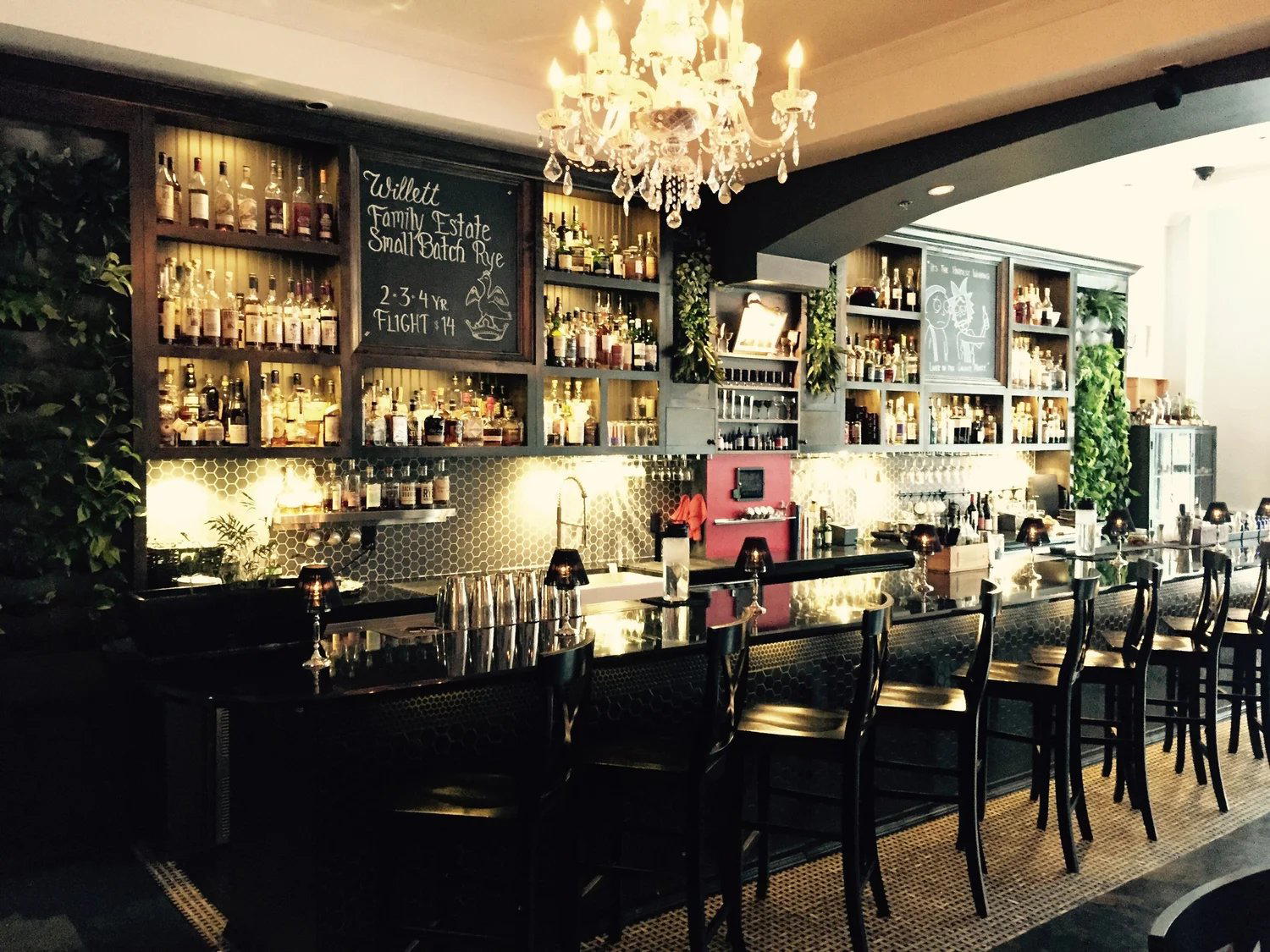
On Cherokee Street, St. Louis's most culturally layered commercial corridor, The Whiskey Ring operates as a neighbourhood bar with a serious whiskey program and a grounding in the independent, community-forward spirit that defines the strip. The address alone places it inside a broader conversation about how mid-size American cities build drinking culture around place rather than prestige.

Pearl is the En Primeur Club membership app — saves, bookings, and concierge access live there. Same editors, same standards.
- Address
- 2651 Cherokee St, St. Louis, MO 63118
- Phone
- (314) 669-5817
- Hours
- Mon–Fri 4 PM–1:30 AMSat–Sun 2 PM–1:30 AM
- Website
- facebook.com
- Directions
- Get directions
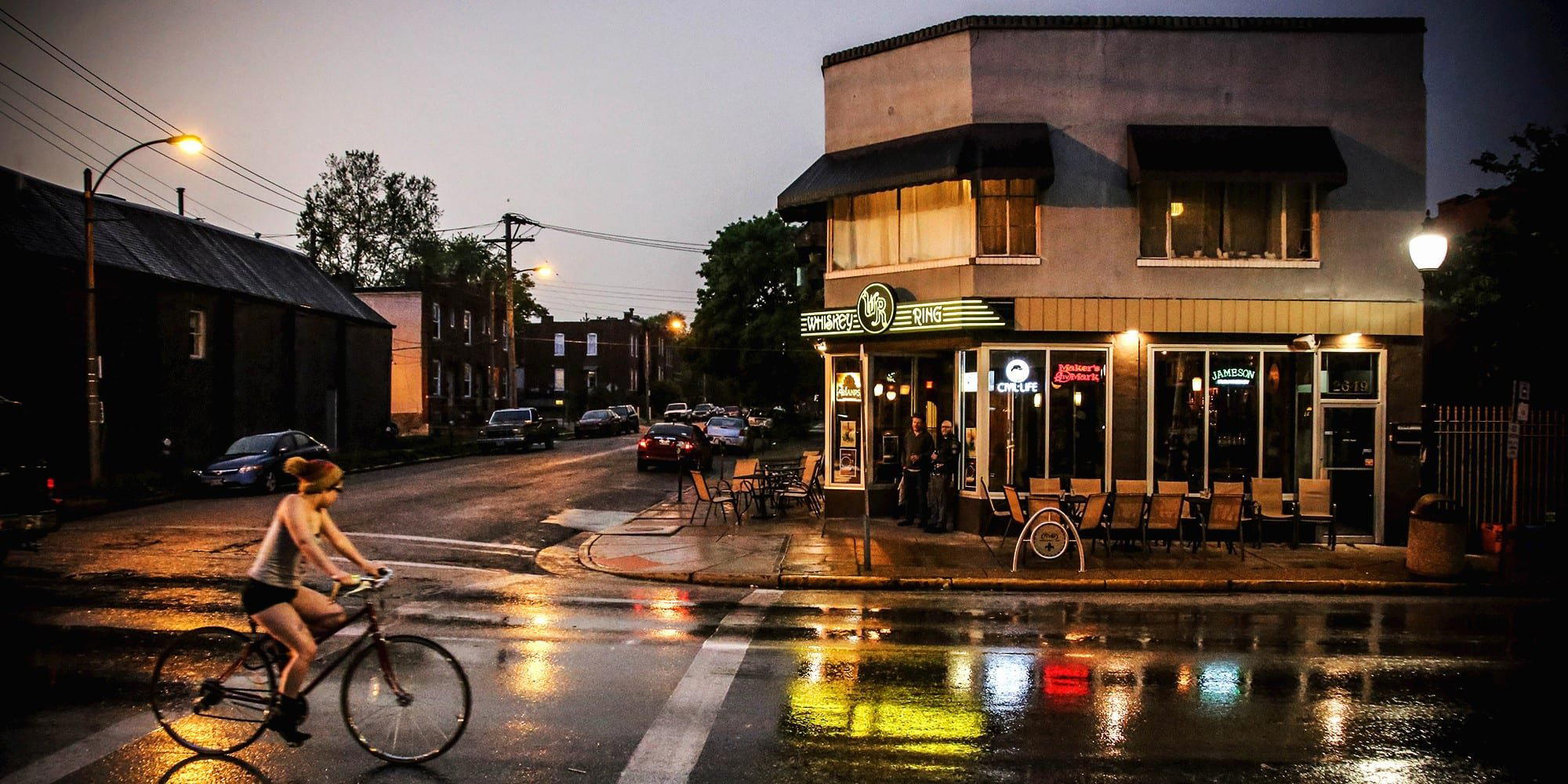
Cherokee Street and the Bar That Belongs to It
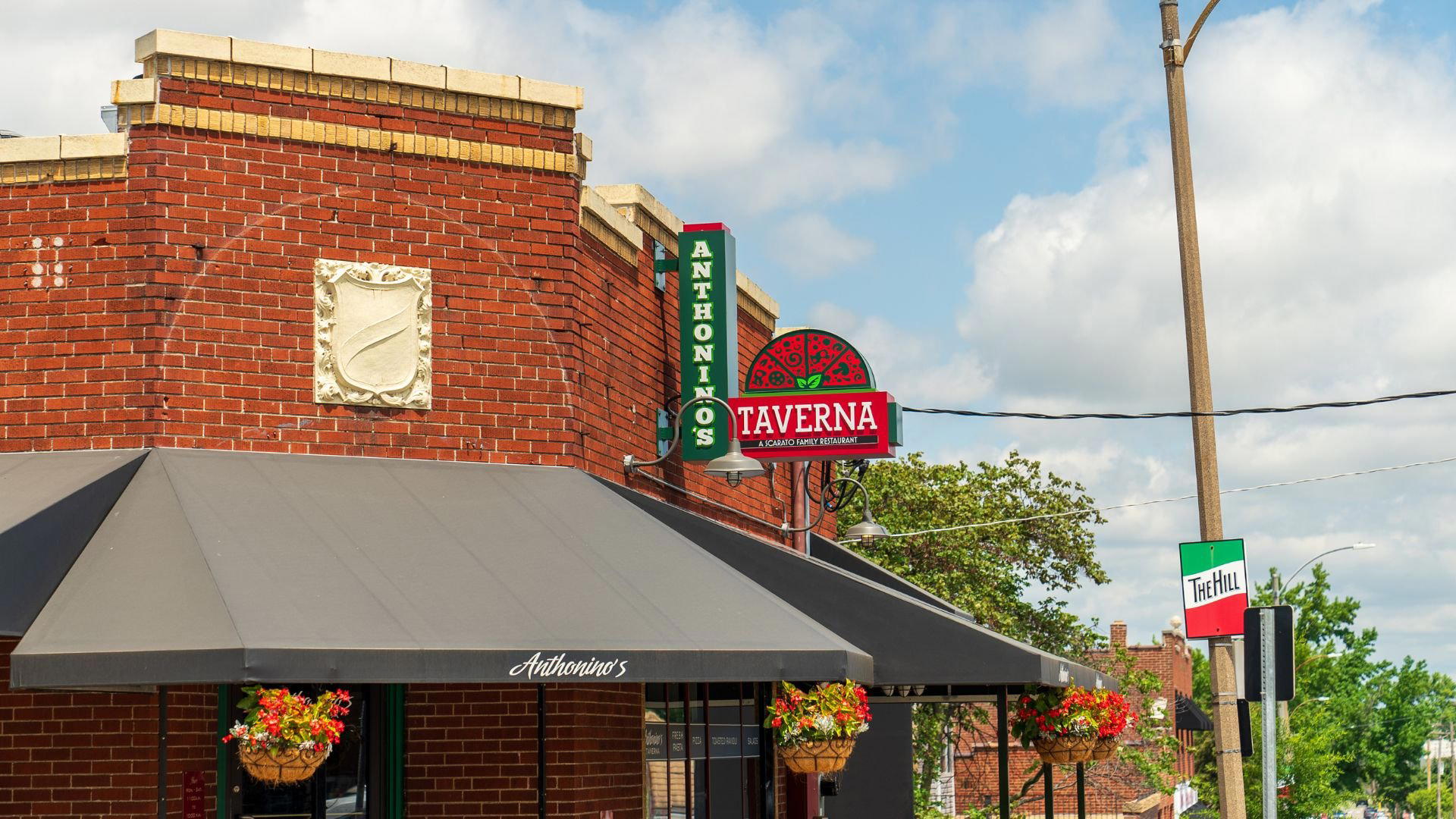
Cherokee Street does not announce itself the way a downtown entertainment district does. The corridor runs through the Benton Park neighbourhood in south St. Louis, and its identity has been built incrementally by independent operators, muralists, and a rotating cast of small businesses that collectively resist the kind of homogenisation that flattens drinking culture in more commercially pressured parts of American cities. The Whiskey Ring, at 2651 Cherokee St, is part of that fabric. Its address is a signal before anything else: this is not a bar that opened to capture foot traffic from a sports arena or a convention hotel. It opened because Cherokee Street is the kind of place where a whiskey bar makes sense on its own terms.
That distinction matters when you are thinking about where to drink in St. Louis. The city's bar scene has several distinct registers. There is the rooftop and hotel-bar tier, represented by venues like 360 Rooftop Bar and Angad Arts Hotel St. Louis, Collection by Hilton, where the view or the design concept does significant work alongside the drinks. There is the craft brewing tier, where 2nd Shift Brewing and 4 Hands Brewing Company represent a localist production ethos. And then there is the neighbourhood-bar tier, where the quality of what is in the glass is matched by a rootedness in the block it sits on. The Whiskey Ring belongs to the last category.
The Cherokee Street Approach to Sustainability
Cherokee Street has long operated as a kind of low-overhead incubator for independent businesses that cannot absorb the rent or the expectations of higher-profile St. Louis neighbourhoods. That economic structure carries an implicit sustainability logic: smaller footprints, local supply relationships, and programming built around the existing community rather than imported from a brand playbook. Bars in this corridor tend to run lean by necessity and by inclination, and the result is often a more considered approach to what gets stocked, what gets wasted, and what gets supported.
For a whiskey-focused bar operating in this environment, those pressures shape the program. American whiskey, particularly bourbon and rye, has a supply chain that rewards slower, more deliberate buying. A bar that stocks thoughtfully, rotates carefully, and resists the impulse to carry every allocated release simply because it can, is operating with a lower-waste, higher-intention philosophy by default. That kind of curation is less visible than a certified sustainability program, but it is embedded in how independent bars on corridors like Cherokee Street survive and maintain integrity over time.
Across the broader American cocktail bar tier, the conversation around ethical sourcing and environmental accountability has matured considerably. Venues like Kumiko in Chicago and Jewel of the South in New Orleans have built programs where ingredient provenance is part of the editorial identity of the menu. Julep in Houston has applied a similar lens specifically to American whiskey, treating the category as one with a geography and an agricultural story worth telling. The Whiskey Ring's Cherokee Street positioning places it adjacent to that conversation, even if at a less formally articulated level: the neighbourhood itself functions as a provenance signal.
What the Whiskey Category Means Here
A bar named The Whiskey Ring is making a categorical commitment. In American bar culture, whiskey-specialist venues occupy a narrower niche than beer-and-cocktail generalists, and they attract a different kind of regular: someone who wants depth of selection, some degree of curatorial logic, and a space where the spirit is taken seriously without being theatricalised. The reference to a ring, historically associated with coordinated whiskey trade networks in the nineteenth century, suggests an awareness of the category's complicated American history, which is more interesting than a name that simply gestures at prestige.
That historical self-awareness is characteristic of how better independent bars position themselves now. Rather than erasing the rough edges of a spirit's past, they acknowledge them and let that complexity inform the drinking context. It is a different approach from the trophy-bottle model that dominates some high-end whiskey bars, and it sits more comfortably with the Cherokee Street ethos of earned rather than purchased credibility. Comparable programs in other American cities, such as ABV in San Francisco or Bar Leather Apron in Honolulu, demonstrate that whiskey-forward bars can build serious reputations without defaulting to conspicuous allocation culture. Internationally, The Parlour in Frankfurt on the Main shows how the American whiskey category travels when it is framed with editorial intelligence rather than brand loyalty.
The Whiskey Ring's position within this broader pattern is as a neighbourhood-scale example of the same instinct: build a whiskey program that reflects where you are, who your regulars are, and what the category actually contains, rather than what the market currently rewards. Cherokee Street does not have the visibility of a river-facing bar strip or a Midtown dining corridor, but it has continuity, and continuity is what whiskey bars actually run on. See Superbueno in New York City for how a neighbourhood-anchored bar in a different city context builds identity through specificity rather than scale.
Planning Your Visit
The Whiskey Ring sits on the western end of the Cherokee Street commercial stretch in Benton Park, one of south St. Louis's more walkable neighbourhoods. Cherokee Street is most active in the evenings and on weekend afternoons, when the density of bars, galleries, and food businesses creates a corridor experience rather than a destination-only visit. Arriving on foot or by ride-share from the Tower Grove or Soulard areas puts you within the natural rhythm of the neighbourhood; driving and parking is feasible given the residential streets surrounding Cherokee, but the corridor rewards a slower, on-foot approach. For broader context on how The Whiskey Ring fits into the wider St. Louis drinking and dining scene, see our full St Louis restaurants guide.
A Pricing-First Comparison
| Venue | Price |
|---|---|
| The Whiskey RingThis venue — the venue you are viewing | $20–30 |
| 2nd Shift Brewing | $20–30 |
Details
- Cozy
- Lively
- Classic
- After Work
- Casual Hangout
- Group Outing
- Late Night
- Standalone
- Seated Bar
- Standing Room
- Whiskey
- Classic Cocktails
- Craft Cocktails
- Craft Beer
- Street Scene
Current opening hours
- Monday
- 4 PM–1:30 AM
- Tuesday
- 4 PM–1:30 AM
- Wednesday
- 4 PM–1:30 AM
- Thursday
- 4 PM–1:30 AM
- Friday
- 4 PM–1:30 AM
- Saturday
- 2 PM–1:30 AM
- Sunday
- 2 PM–1:30 AM
Hours can change for holidays and private events. Last verified .
Inviting neighborhood atmosphere with a corner bar feel, featuring pinball, art, and hip-hop music in a cozy setting.