Urban Chestnut Grove Brewery and Bierhall
Urban Chestnut Grove Brewery and Bierhall anchors St. Louis's The Grove neighborhood with a brewery format rooted in German bierhall tradition. The expansive indoor-outdoor setup draws a broad cross-section of the city's beer culture, from lager loyalists to hop-forward drinkers. It sits within a block of some of the city's most active bars and music venues, making it a natural first or last stop on any night in the district.

Pearl is the En Primeur Club membership app — saves, bookings, and concierge access live there. Same editors, same standards.
A Bierhall Format in a City That Knows Its Beer
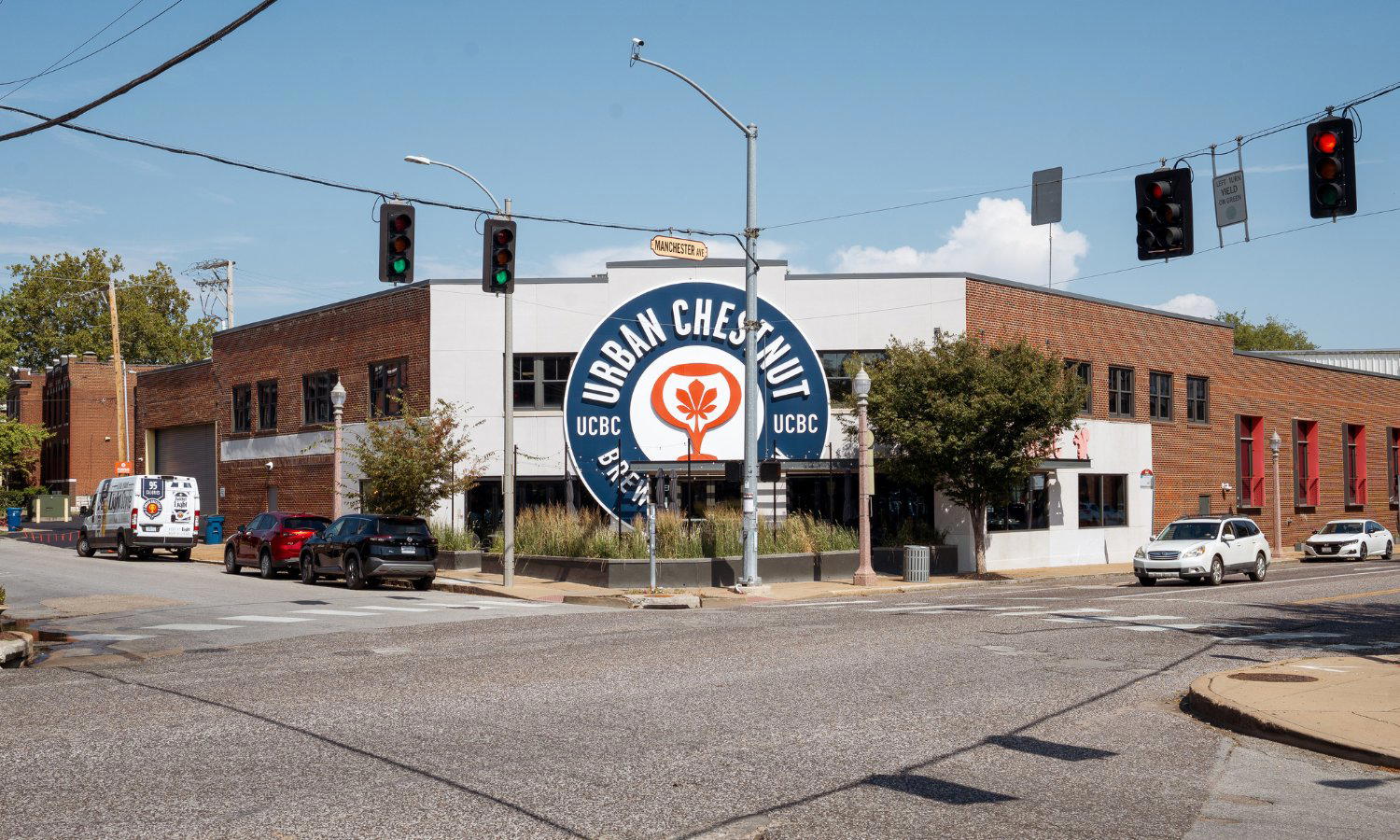
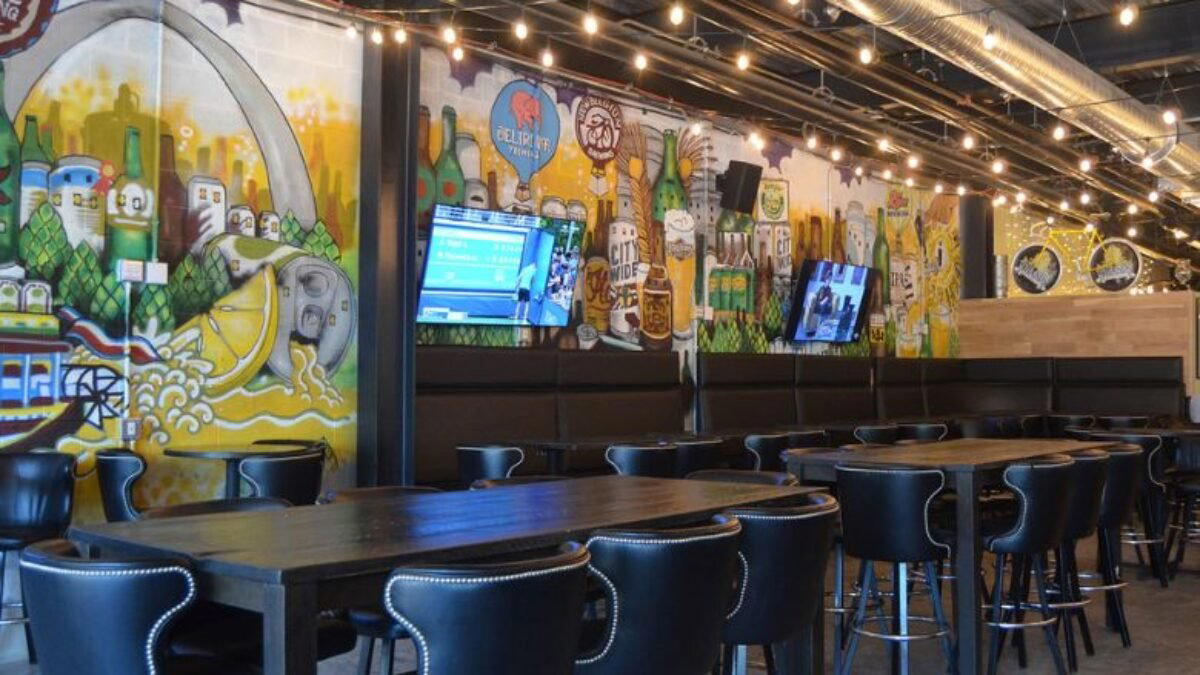
Manchester Avenue through The Grove has a particular quality in the early evening: the traffic thins, the neon starts to matter, and the smell of grain and yeast drifts from the larger buildings that have repurposed themselves for the city's drinking culture. Urban Chestnut Grove Brewery and Bierhall occupies that register well. The building reads as industrial — the kind of converted commercial space that St. Louis's midtown corridor has absorbed into its identity over the past two decades — and the interior follows through with high ceilings, communal tables, and the low hum of fermentation tanks visible from the floor. This is not a taproom that minimizes its process. The brewery is part of the room.
St. Louis has a longer and more serious relationship with lager than almost any American city outside of Milwaukee. The Anheuser-Busch legacy set a production baseline that shaped regional palate expectations for generations, and the craft wave that arrived in the 2010s had to find its position relative to that weight. Urban Chestnut, founded in 2011, entered that context with a deliberate nod to German brewing tradition, specifically to the distinction between Kölsch, Märzen, Hefeweizen, and the lager-adjacent styles that mainstream American craft brewing largely bypassed in favor of IPAs. That positioning was a calculated divergence from much of the national craft narrative at the time.
The Atmosphere and the Pour
The bierhall format matters here. Communal seating at long tables changes the social temperature of a room in ways that booth-and-bar layouts do not. Conversations move laterally. Groups merge. The Grove location leans into this more than a smaller, more curated taproom would, and the result is a space that functions differently depending on the hour. Weekday afternoons are relatively quiet, with afternoon light crossing the main floor and a short queue at the bar. Weekend evenings shift toward something closer to the German model the format references: higher volume, table service where available, and a noise level that comes from density rather than amplified sound.
The beer range at the Grove location reflects Urban Chestnut's dual-program approach, which separates what the brewery calls its "Reverence" series (traditional European styles brewed to style parameters) from its "Revolution" range (hop-forward and experimental). For drinkers oriented toward the German tradition, the lagers and wheat beers carry the most editorial weight. For those arriving from an IPA background, the Revolution line gives enough range to hold attention. It is a program designed to be inclusive without being generic, which is a difficult balance in a category where most operations choose a lane and stay in it.
Across St. Louis's broader craft scene, Urban Chestnut operates in a different register than, say, 2nd Shift Brewing, which has built its reputation around assertive, often hop-heavy releases with a more limited-run model. 4 Hands Brewing Company sits closer to Urban Chestnut in terms of ambition and scale, though 4 Hands leans more consistently toward American craft styles. The Grove bierhall is the most explicitly European-inflected drinking room of the three, and that specificity gives it a distinct position in the city's beer geography.
The Grove as Context
The Grove neighborhood is one of St. Louis's more active entertainment districts, with a concentration of bars, music venues, and restaurants along Manchester and its side streets. The Angad Arts Hotel a few minutes east anchors the arts district edge, while the 360 Rooftop Bar offers a higher vantage point on the city's nighttime geography. Urban Chestnut's scale means it can absorb the kind of crowd that moves between these nodes without feeling overwhelmed. The outdoor patio area, where available seasonally, extends the bierhall logic outside, which in St. Louis's warmer months makes a material difference to the experience. The city's spring and early fall windows, roughly April through June and September through October, represent the most favorable conditions for the outdoor portion of the space.
For visitors arriving from outside Missouri, the Grove location sits on the western approach to the city's central districts. Getting there by rideshare from downtown or from the Central West End takes under fifteen minutes in most conditions. Street parking is available along Manchester, though weekend evenings require patience. The venue's scale means walk-in access is generally possible without advance planning, which places it in a different operational tier than the smaller, reservation-heavy taprooms that have emerged in other American cities.
Where Urban Chestnut Sits in a Wider Drinking Context
The bierhall model that Urban Chestnut references has analogues in other American cities, though the execution varies considerably. In Chicago, the overlap between serious beer programming and architectural ambition surfaces at venues like Kumiko, though Kumiko operates in a cocktail register rather than beer. In New York, Superbueno demonstrates what a high-concept drinks program anchored in a specific cultural tradition can look like at scale. The point of comparison is the intellectual seriousness with which each operation treats its source material, not the category itself.
Further afield, the cocktail programs at Bar Leather Apron in Honolulu, Jewel of the South in New Orleans, Julep in Houston, and ABV in San Francisco each demonstrate how regional drinking identity can be formalized into a serious program. Urban Chestnut applies a comparable discipline to a beer format, which is the less traveled path in American drinking culture, where cocktail ambition has received more critical attention than beer tradition. In Europe, The Parlour in Frankfurt shows how a single city's drinking identity can sustain a sophisticated format. Urban Chestnut is making a related argument in St. Louis.
For a broader orientation to what St. Louis's food and drink scene currently offers, the EP Club St. Louis guide maps the full range from Italian-American tradition in The Hill to the newer restaurant openings in Midtown and Clayton.
Planning Your Visit
The Grove location at 4465 Manchester Ave is the larger of Urban Chestnut's St. Louis footprints and the one most oriented toward the bierhall experience. Seasonal timing affects the outdoor patio significantly; the spring and fall months give the space its leading conditions. The walk-in format means no advance booking is required, though large groups arriving on weekend evenings should anticipate some wait for communal table space. The food program supports extended drinking sessions rather than destination dining, which sets appropriate expectations for first-time visitors.
Peers in This Market
Comparable venues nearby, for context on price, style, and recognition.
| Venue | Cuisine | Price | Notes |
|---|---|---|---|
| Urban Chestnut Grove Brewery and BierhallThis venue — the venue you are viewing | beer_bar | $20–30 | Not listed |
| O'Connell's Pub | pub | $20–30 | The Hill |
| UpBar STL | rooftop_bar | $20–30 | Midtown |
| Little Fox | cocktail_bar | Not listed | Compton Heights |
| Beffa's Bar & Restaurant | sports_bar | $20–30 | Downtown West |
| Expat BBQ | pub | Not listed | Midtown |
Continue exploring
More in St Louis
Bars in St Louis
All bars in St Louis →
Restaurants in St Louis
All restaurants in St Louis →
Details
- Lively
- Rustic
- Industrial
- Energetic
- Group Outing
- Casual Hangout
- Celebration
- Beer Garden
- Communal Tables
- Lounge Seating
- Outdoor Terrace
- Craft Beer
Current opening hours
- Monday
- 3–10 PM
- Tuesday
- 3–10 PM
- Wednesday
- 3–10 PM
- Thursday
- 11 AM–10 PM
- Friday
- 11 AM–12 AM
- Saturday
- 11 AM–12 AM
- Sunday
- 12–9 PM
Hours can change for holidays and private events. Last verified .
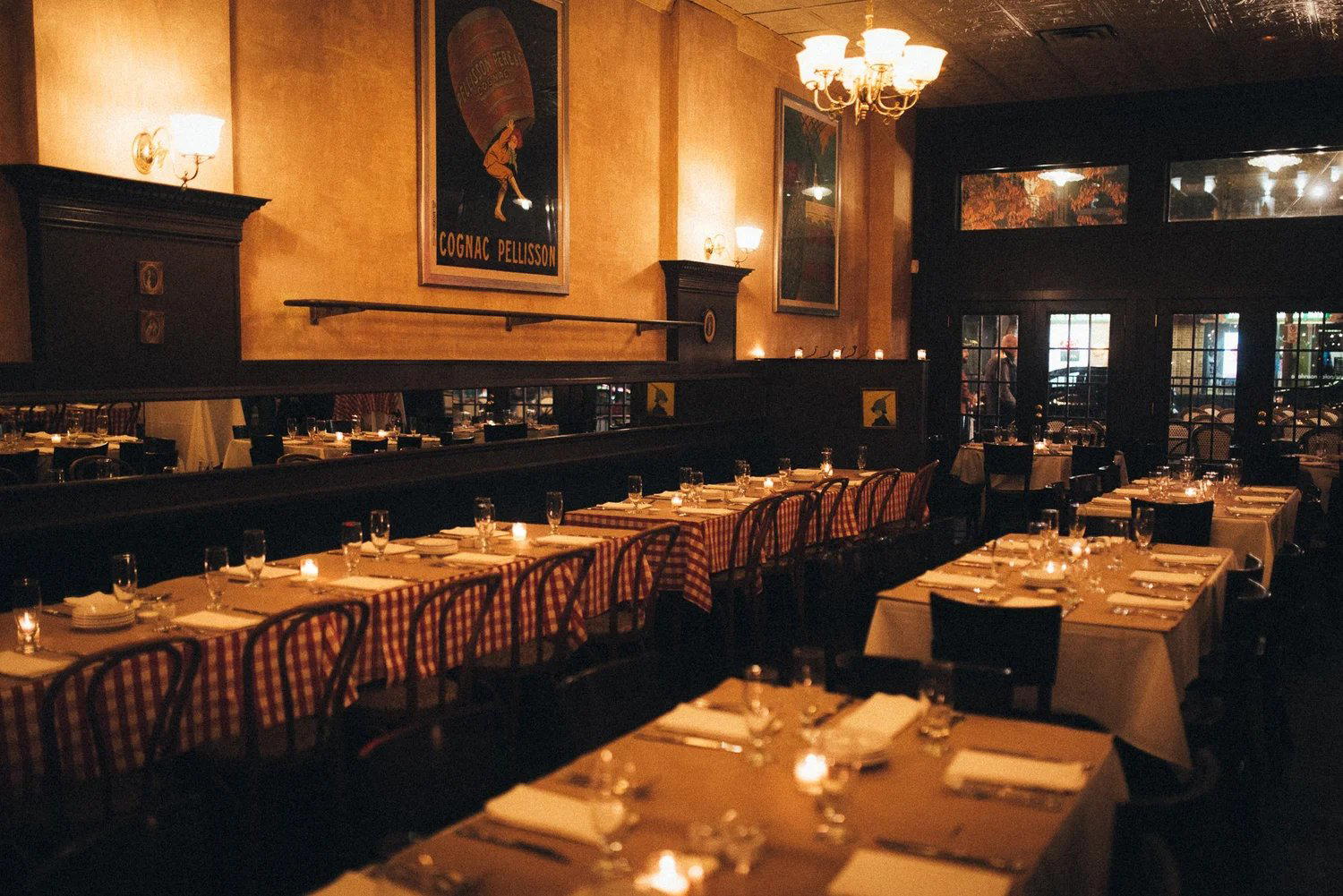
Spacious industrial hall with long communal tables, lively social atmosphere, and good vibes enhanced by recent multimedia and sound system upgrades.