The Parakeet

Few Michelin-recognised spots in London sit inside a working public house, but The Parakeet on Kentish Town Road does exactly that. A 19th-century pub with a large front bar and open-kitchen dining room, it earns its 2025 Michelin Plate through wood-fired grilling and shareable plates with enough smoke and structure to reward serious attention. Rated 4.6 across 856 Google reviews, it belongs to a small tier of London pubs where the food genuinely competes with dedicated restaurants.
Pearl is the En Primeur Club membership app — saves, bookings, and concierge access live there. Same editors, same standards.
- Address
- 256 Kentish Town Rd, London NW5 2AA, United Kingdom
- Phone
- +44 20 4599 6302
- Website
- theparakeetpub.com
 Saves & bookings on Pearl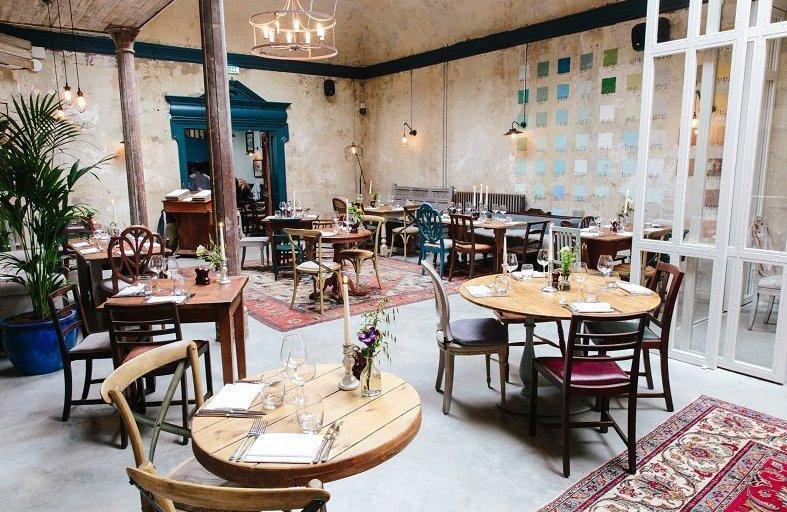
Where the Pub and the Plate Converge
London's Modern British dining scene divides, roughly, between two operating models. At the leading sits the full-service restaurant format, where CORE by Clare Smyth and Cornus deliver tasting-menu ambition at ££££ price points. Below that, but increasingly hard to categorise, sits a smaller cohort of Michelin-recognised pub dining rooms where the bar is still genuinely operational and the kitchen operates at a level that would hold its own in any dedicated restaurant. The Parakeet, on Kentish Town Road in NW5, is among the more convincing examples of that second model.
The format matters here. The large bar dominates the front of the building, drinkers are not an afterthought, they are the room, and the dining area opens off towards the rear, anchored by an open kitchen running wood-fired grills. That structural division is common enough in London's gastropub tier, but The Parakeet earns a 4.6 rating across 1014 Google reviews, and a price band of £££ that sits meaningfully below the ££££ level commanded by the capital's white-tablecloth Modern British houses like The Ritz Restaurant or Ormer Mayfair. That combination, recognised quality at a mid-tier price point, inside a functioning pub, defines its competitive position more precisely than any single dish.
Wood Fire, Smoke, and the Logic of Sharing Plates
Wood-fired grilling is the kitchen's defining technique, and its influence extends through much of the menu. Smoke is a flavour principle, not a garnish: grilled fish in particular picks up a register of char and aromatics that sets it apart from the cleaner, more restrained cooking you find at destination restaurants such as Dorian. The menu leans into sharing formats, with several dishes designed explicitly for the table rather than the individual plate. Mutton pie and sea bream with piperade sit in that category alongside potato bread with smoked butter and duck tartlets as opening moves. This is food built around the logic of a long evening rather than a structured progression of courses, which suits the pub setting without compromising the kitchen's ambition.
The broader Modern British tradition this kitchen is working within has deep roots in sourcing discipline and a respect for British regional produce, a line that runs from the techniques at Hand and Flowers in Marlow through to the more pastoral register of L'Enclume in Cartmel and Moor Hall in Aughton. The Parakeet operates at a different scale and price tier, but the instinct, gutsy flavours, honest cuts, produce that can carry the weight of fire, connects it to that broader current.
The Cheese Course as a Test of Kitchen Seriousness
In any pub dining room operating at Michelin Plate level, the cheese course is a useful indicator of how far the kitchen's ambitions actually extend. British artisan cheese has developed into one of the more credible arguments for the country's food culture: Montgomery's Cheddar from Somerset, Stilton from the East Midlands dairies, Berkswell from the West Midlands, and a growing number of younger producers working with raw milk and extended maturation. The cheese course at a restaurant of this type should, at minimum, reflect that geography and those traditions rather than defaulting to generic European selections.
The Parakeet's menu framework, sharing plates, big flavours, fire-forward cooking, positions cheese naturally as a continuation of that approach rather than a formal finale. Pairing a wedge of aged Cheddar or a smear of Stilton with the kind of well-priced wine by the glass the venue is noted for is precisely the kind of low-ceremony, high-quality move that distinguishes serious pub dining from mere comfort food. It places The Parakeet in conversation with a tradition that the country's destination restaurants, from Gidleigh Park in Chagford to Le Manoir aux Quat' Saisons in Great Milton, have long taken seriously, but which the pub format often neglects.
Kentish Town and the North London Dining Context
Kentish Town Road is not a dining destination in the way that Soho or Marylebone draws visitors with a specific agenda, but the neighbourhood has a residential density and local food culture that supports exactly this kind of operation. The Parakeet sits at 256 Kentish Town Road, NW5, accessible from Kentish Town tube station on the Northern line. The surroundings are practical rather than scenic, which is part of the point: this is a pub serving its neighbourhood at a standard that has drawn recognition. The service register, relaxed and engaging, according to Michelin's own descriptor, reinforces that local character. Formal service would feel misplaced here; what the room calls for is attentiveness without ceremony, and that appears to be what it delivers.
The Parakeet sits within a city where Modern British cooking spans from the pub tier to three-Michelin-star rooms, and understanding where it sits, by price, format, and ambition, helps calibrate what kind of evening you are planning.
The Wine List and the Case for Midweek Visits
A well-priced selection of wine by the glass is noted as a deliberate feature of the offer here. In a city where natural wine markups and by-the-glass lists often feel like an afterthought, a pub dining room that treats the glass list as a serious component of the experience is worth noting. It aligns the venue with a wider shift in London's mid-tier dining, where operators like Hide and Fox and Ben Wilkinson at The Pass have demonstrated that thoughtful wine programmes can coexist with accessible pricing. The Sunday roast adds a further seasonal dimension, a traditional format that, at this level of kitchen operation, tends to reward the visit.
Planning Your Visit
The Parakeet is at 256 Kentish Town Road, London NW5 2AA, a short walk from Kentish Town tube station on the Northern line. Given its 4.6 Google score across 1014 reviews, the dining room draws beyond its immediate neighbourhood. Booking ahead for dinner is the more reliable approach; the bar section operates on a walk-in basis. The £££ price range makes it accessible relative to the ££££ Modern British rooms in Central London, and the sharing-plate format suits groups of two to four as well as solo diners eating at the bar. The pub's 19th-century structure means the space has character rather than the clean lines of a purpose-built restaurant, which either suits the occasion or doesn't, depending on what you are looking for.
The Essentials
Comparable venues nearby, for context on price, style, and recognition.
| Venue | Cuisine | Price | Notes |
|---|---|---|---|
| The ParakeetThis venue — the venue you are viewing | Kentish Town, Modern British Gastropub | $$$ | |
| TOWN | $$$ | Covent Garden, Modern British with Global Influences | |
| Little Social | Mayfair, Modern British Bistro | $$$ | |
| Garrison | Borough, Modern British Gastropub | $$$ | |
| Sam's Riverside | $$$ | Hammersmith Broadway, Modern British Brasserie | |
| Cadogan Arms | Chelsea, British Gastropub | $$$ |
Continue exploring
More in London
Restaurants in London
Browse all →
Bars in London
Browse all →
Hotels in London
Browse all →
Wineries in London
Browse all →
At a Glance
- Lively
- Cozy
- Trendy
- Modern
- Date Night
- Celebration
- Group Dining
- Open Kitchen
- Private Dining
- Craft Cocktails
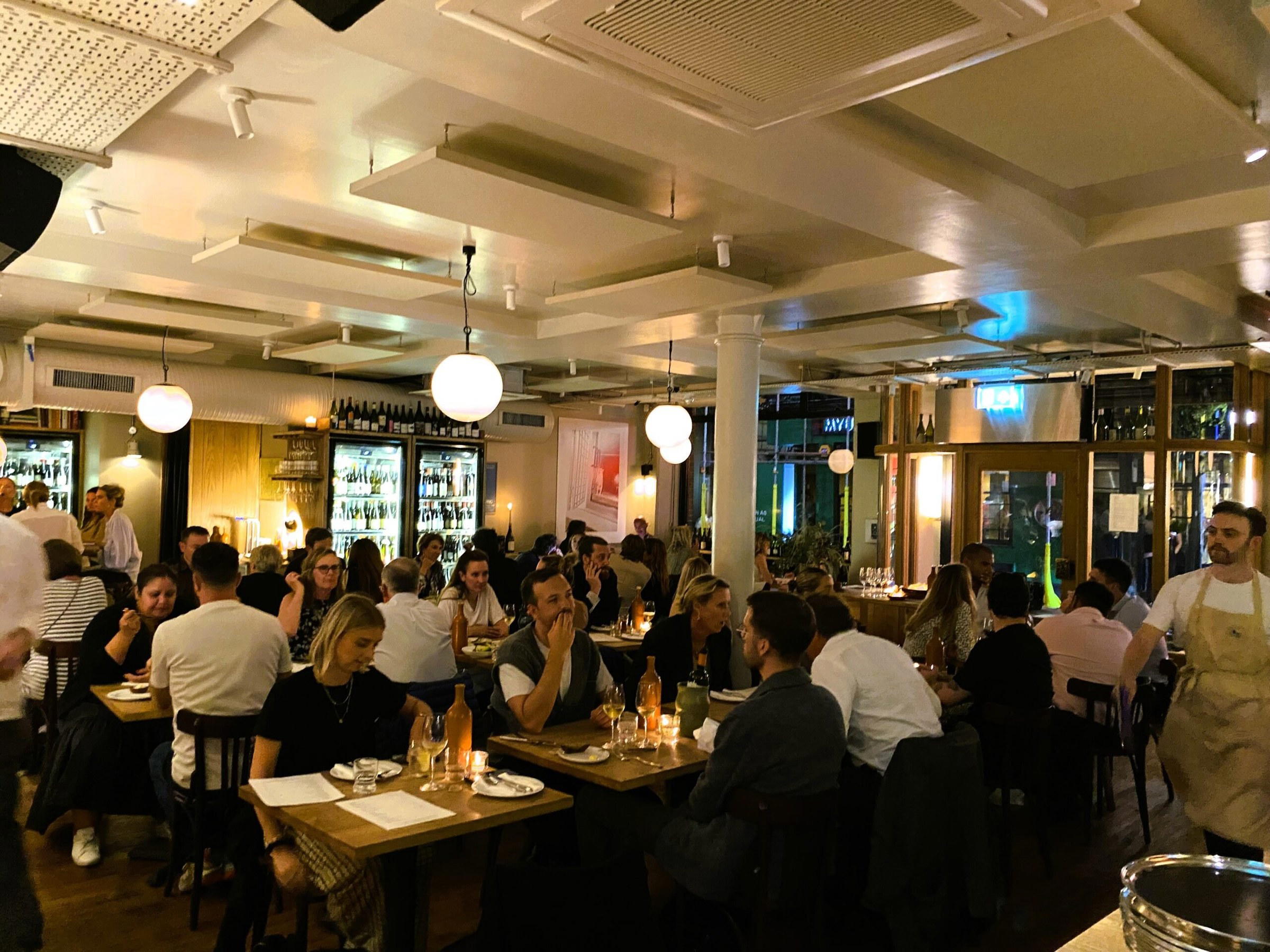
Lively pub bar with stained-glass windows leading to a characterful, relaxed dining room featuring an open fire kitchen and warm, elegant decor.