Google: 4.5 · 1,001 reviews
The Earle Restaurant
A West Washington Street fixture in downtown Ann Arbor, The Earle Restaurant has long anchored the city's serious dining conversation. The subterranean room, with its wine-forward approach and measured front-of-house professionalism, draws a crowd that values coordination between kitchen and cellar over novelty. For visitors to Ann Arbor seeking a dining room where the full-service tradition still means something, The Earle remains a consistent reference point.
 Discover on Pearl
Pearl is the En Primeur Club membership app — saves, bookings, and concierge access live there. Same editors, same standards.
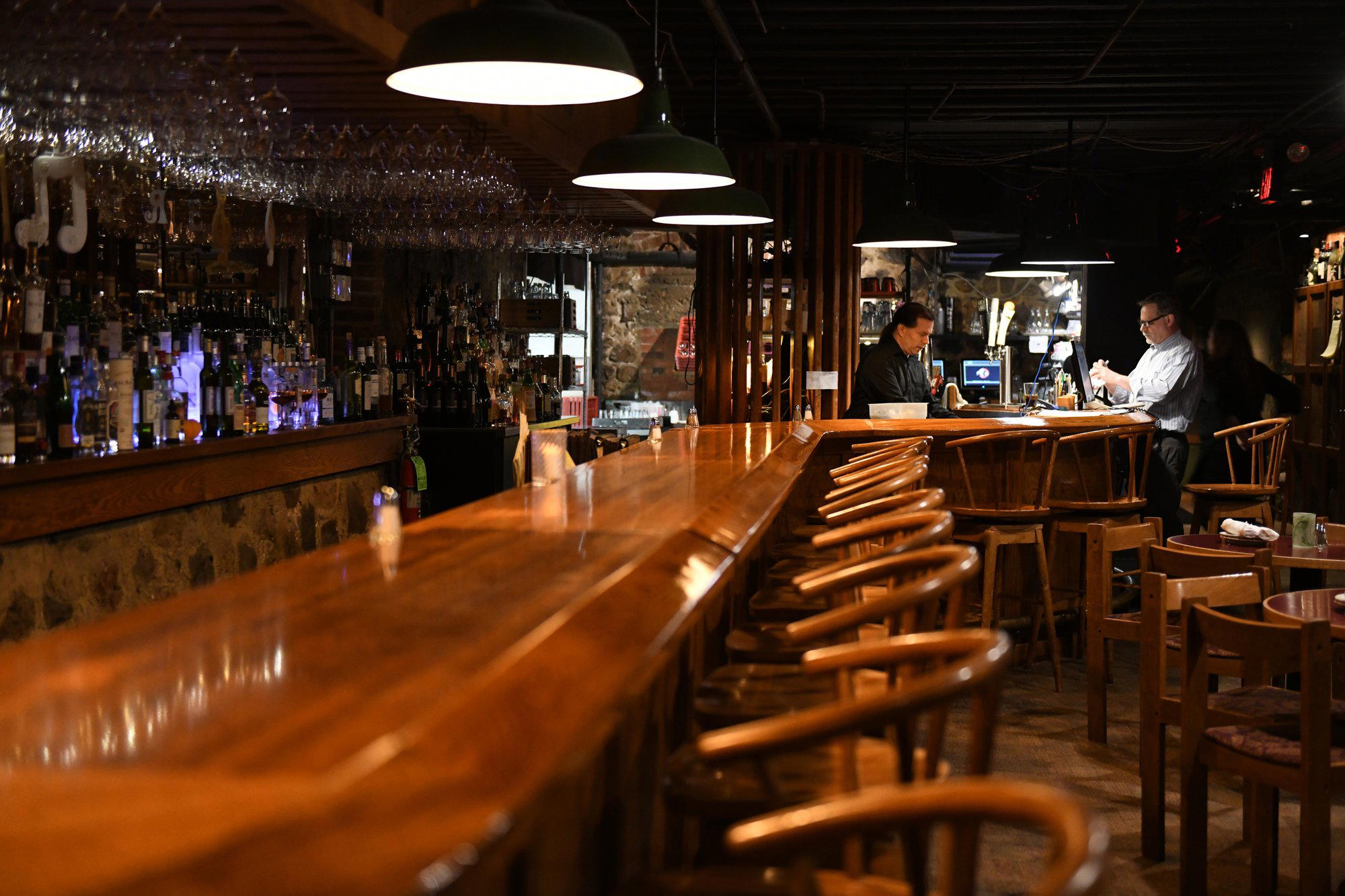
Where Ann Arbor's Dining Seriousness Has a Fixed Address
Downtown Ann Arbor has accumulated a diverse restaurant scene over the past two decades, but most of its dining energy runs toward casual and eclectic. The Earle Restaurant at 121 W Washington St occupies a different register: a subterranean room where the operating philosophy leans closer to a European full-service model than to the fast-casual or chef-driven tasting formats that have dominated the city's newer openings. In a college town where dining rooms turn over quickly, longevity at this level carries weight. The Earle has been part of Ann Arbor's dining conversation long enough that it functions less as a trend participant and more as a fixed coordinate against which other venues are measured.
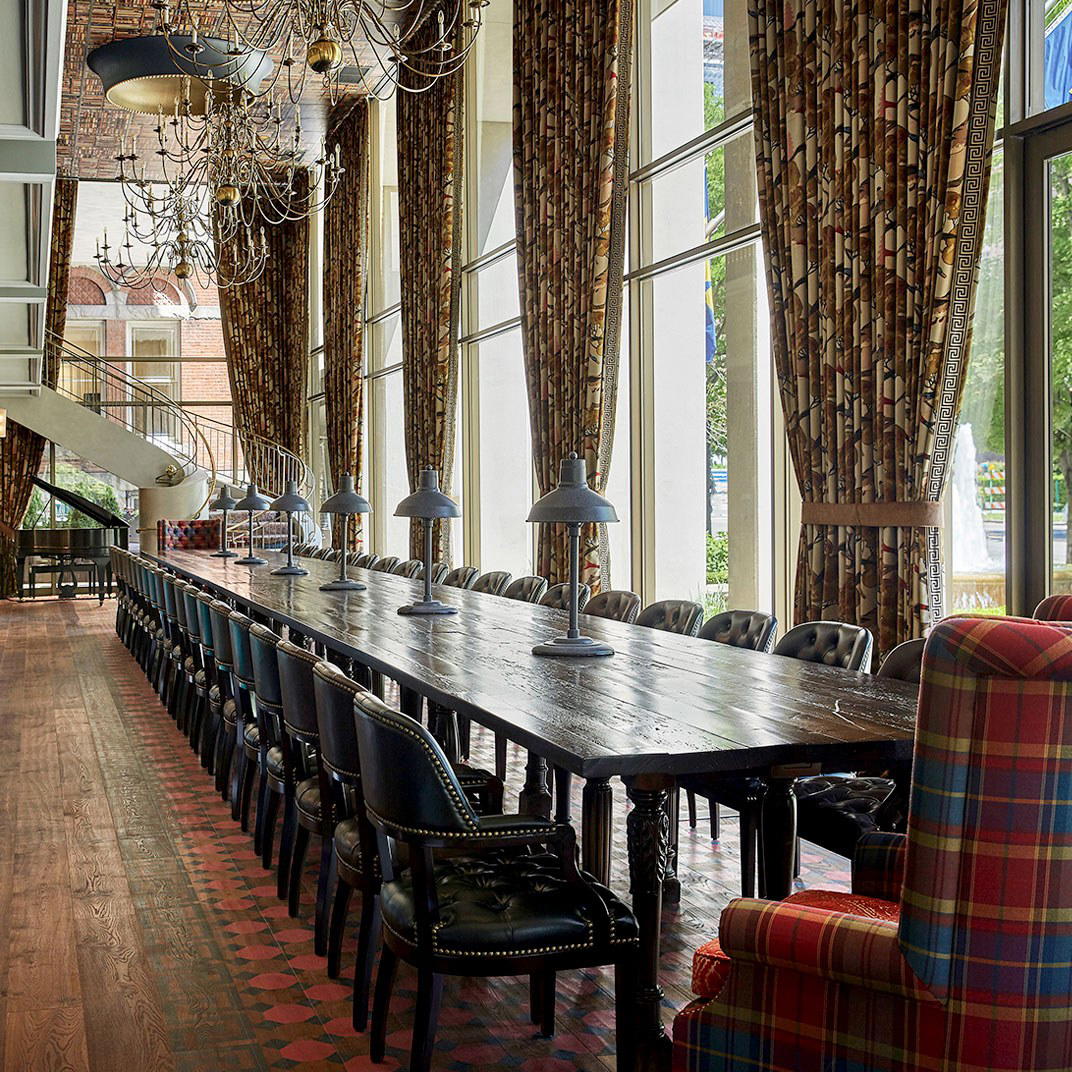
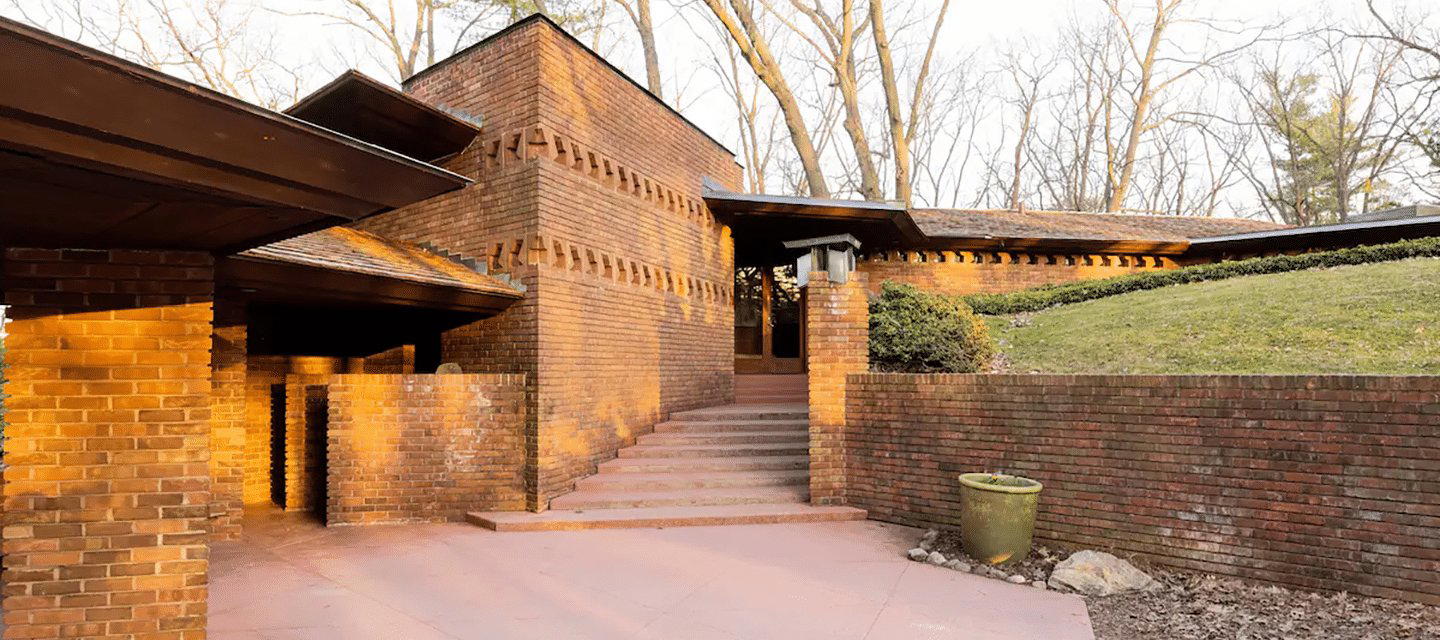
Approaching the restaurant, you descend from street level into a room that reads as deliberately insulated from the noise of Washington Street above. The physical environment signals intention: this is a space designed for a particular kind of meal, one where the pacing is set by the kitchen and service team rather than by the guest's schedule. That kind of dining room is increasingly rare in mid-sized American cities, where the economics of full-service hospitality have pushed most operators toward simpler, faster formats.
The Team Architecture That Makes It Work
The full-service model only holds together when kitchen, floor, and cellar operate in genuine coordination. At properties where those three functions drift apart, the seams show quickly: dishes arrive without context, wine pairings feel arbitrary, and the front-of-house becomes a logistics operation rather than a hospitality one. The Earle's sustained presence in Ann Arbor's dining conversation suggests a degree of integration that the market has repeatedly rewarded.
In the broader American dining scene, the sommelier role has evolved significantly since the 2000s. The most effective wine programs at independent restaurants now function as a genuine editorial layer rather than a sales function. A sommelier working in close alignment with the kitchen can sequence a meal in ways that neither the chef nor the wine team could achieve independently. That kind of coordination is what separates a restaurant with a good wine list from one with a genuinely wine-integrated dining experience. Ann Arbor, given its proximity to the Great Lakes wine region and its access to both domestic and European import channels through Michigan distributors, has the raw material to support serious cellar programs. Whether a given restaurant builds on that material depends almost entirely on the commitment of the team running it.
Front-of-house professionalism in this format is equally structural. The service team at a restaurant operating in the full-service European tradition needs to be fluent across the menu, across the wine list, and across the specific preferences of a repeat-customer base. That fluency takes years to develop and is not easily replaced. It is also the element most visible to a first-time guest: the difference between a server who can explain why a specific Burgundy-style pour complements a dish and one who reads from the menu description is immediately apparent. The Earle's positioning in the market implies a team that has had the time and stability to develop that fluency.
Ann Arbor's Dining Context and Where The Earle Sits Within It
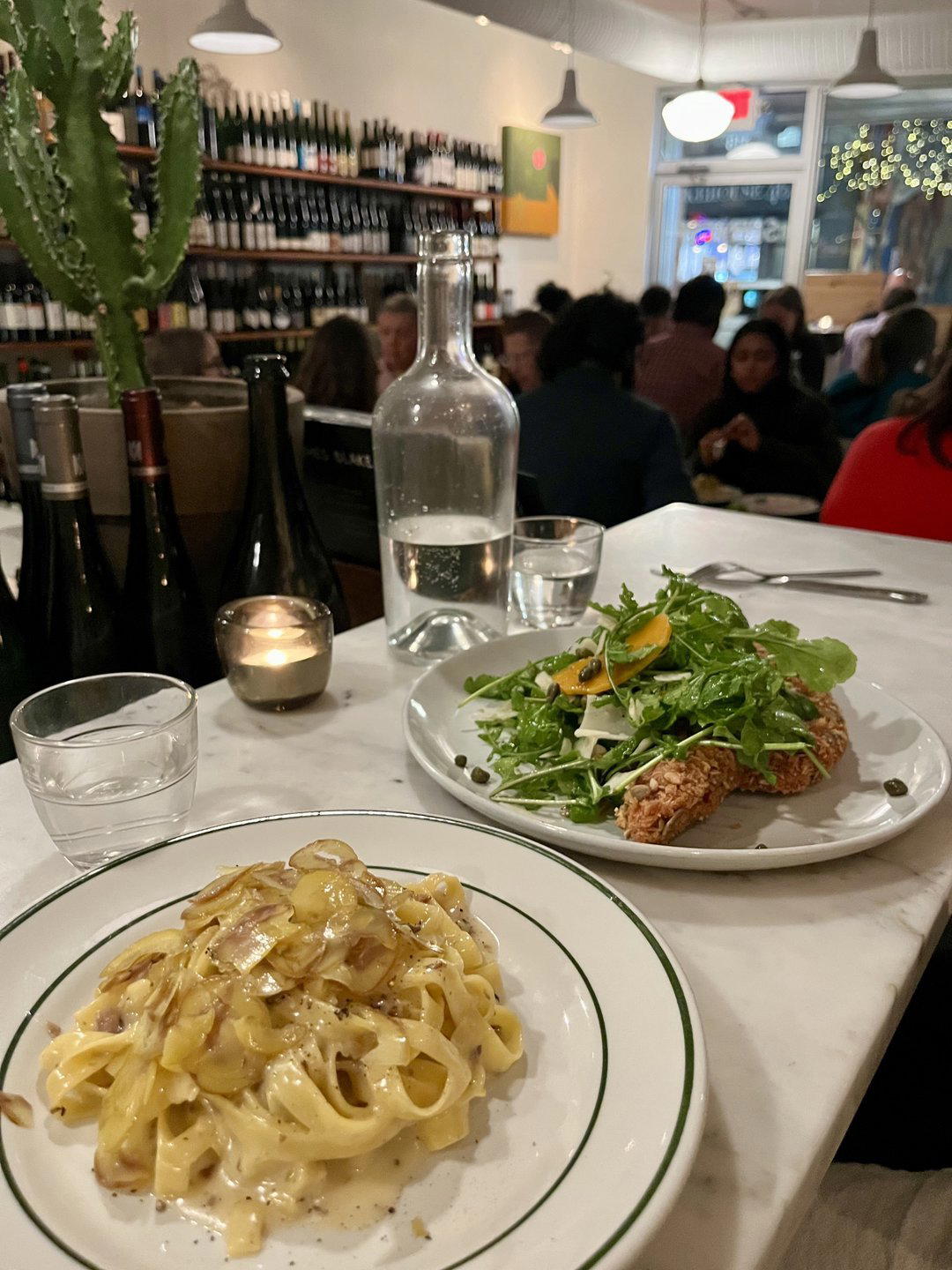
Ann Arbor punches above its population size in restaurant quality, partly because of University of Michigan's graduate and faculty population and partly because of the economic profile of the surrounding Washtenaw County. That demand base supports a tier of restaurants that would be plausible in cities significantly larger. The competition within the serious-dining segment includes places like Paesano Restaurant and Wine Bar, which shares the wine-forward sensibility, and newer entries like Peridot, which operates in a more contemporary mode. Aventura, accessible through the EP Club Ann Arbor bar guide, represents the city's cocktail-program seriousness at a different price point and format.
The Earle occupies the older end of this competitive set, which in practice means it holds a customer base that has been dining there for decades alongside newer guests who come specifically because the format is less common than it once was. That dual audience is a structural advantage: repeat customers provide revenue stability, and discovery-driven guests provide the kind of word-of-mouth that keeps the room from feeling like a museum piece.
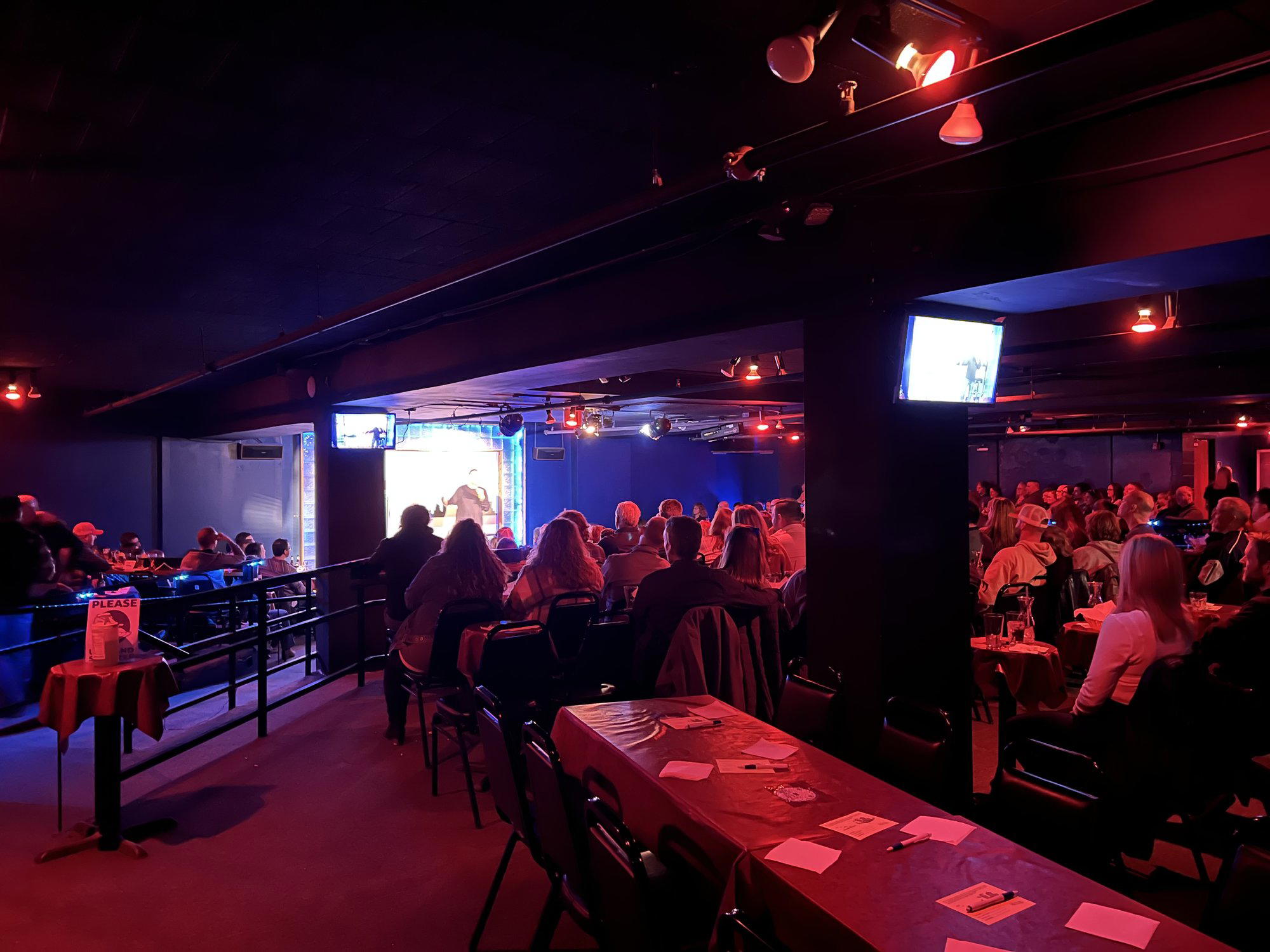
For a broader picture of where The Earle fits within Ann Arbor's full dining and drinking map, our full Ann Arbor restaurants guide maps the city's key venues by format, price tier, and neighborhood. The Earle also connects naturally to Ann Arbor's bar scene: venues like Bar 327 Braun Court, Black Pearl, and Ann Arbor Comedy Showcase offer different post-dinner or pre-dinner options within walking distance of West Washington Street.
A National Reference Frame for the Format
The wine-integrated full-service independent restaurant is a format with strong practitioners across the country, and understanding where The Earle sits means knowing what the category's ceiling looks like elsewhere. At the drinks-program end, bars like Kumiko in Chicago and Bar Leather Apron in Honolulu demonstrate what happens when the beverage program is treated as the primary editorial voice. At the cocktail craft tier, Jewel of the South in New Orleans, Julep in Houston, Superbueno in New York City, ABV in San Francisco, and The Parlour in Frankfurt each represent a regional interpretation of serious drinks hospitality. The Earle operates on the restaurant side of this spectrum, where food and wine integration rather than cocktail innovation is the organizing principle, but the underlying logic, coordination between specialists working toward a coherent guest experience, is the same.
Planning a Visit
The Earle sits at 121 W Washington St in downtown Ann Arbor, walkable from the University of Michigan campus and within the core of the city's dining and retail district. Given the venue's format and price positioning within Ann Arbor's serious-dining tier, advance reservations are advisable, particularly for weekend evenings when downtown foot traffic is highest. The room's subterranean setting makes it well-suited to longer meals: the acoustics and atmosphere support conversation in a way that street-level rooms often do not. Guests coming specifically for the wine program should plan to engage the floor team on that front rather than selecting purely from the list, as the real value of a wine-integrated restaurant is in the dialogue between guest preference and staff recommendation.
Budget and Context
A quick peer snapshot; use it as orientation, not a full ranking.
| Venue | Price | Awards | Notes |
|---|---|---|---|
| The Earle Restaurant | This venue | ||
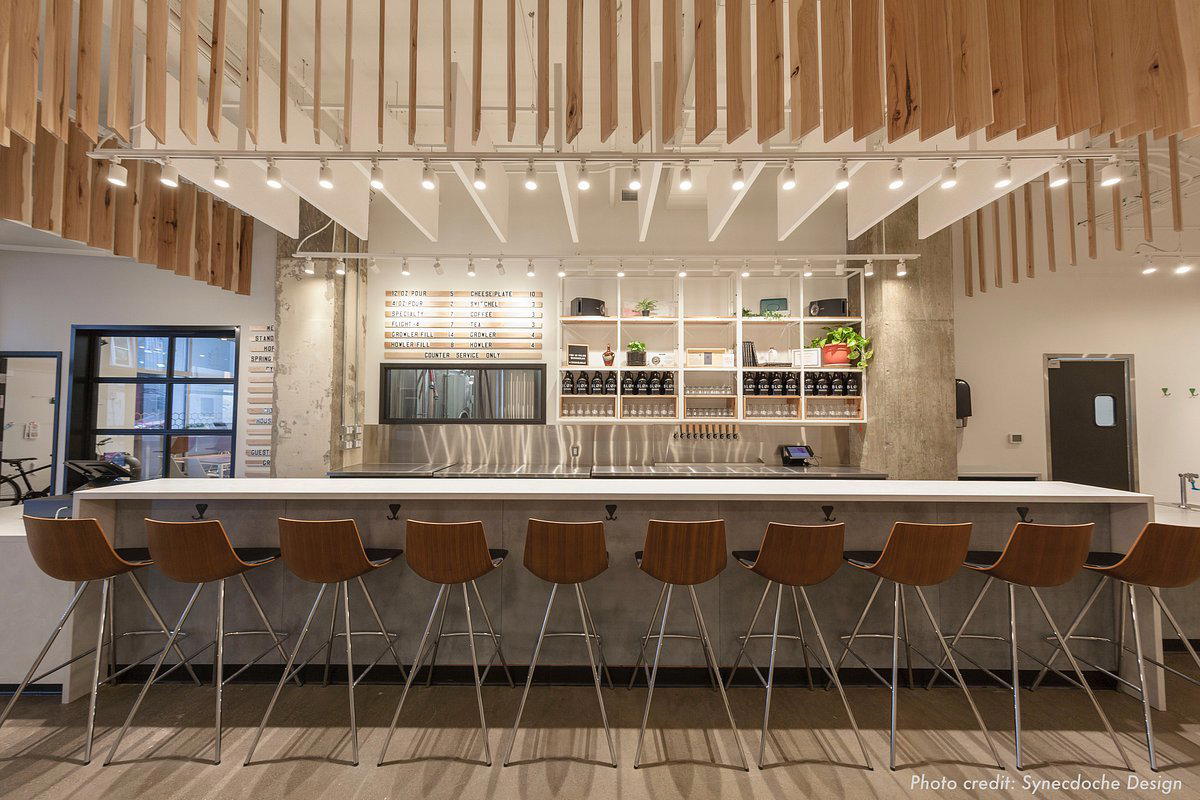
| Bløm Mead + Cider | |||
| Ann Arbor Comedy Showcase | |||
| Paesano Restaurant & Wine Bar | |||
| Peridot | |||
| Aventura |
Continue exploring
More in Ann Arbor
Bars in Ann Arbor
Browse all →
Restaurants in Ann Arbor
Browse all →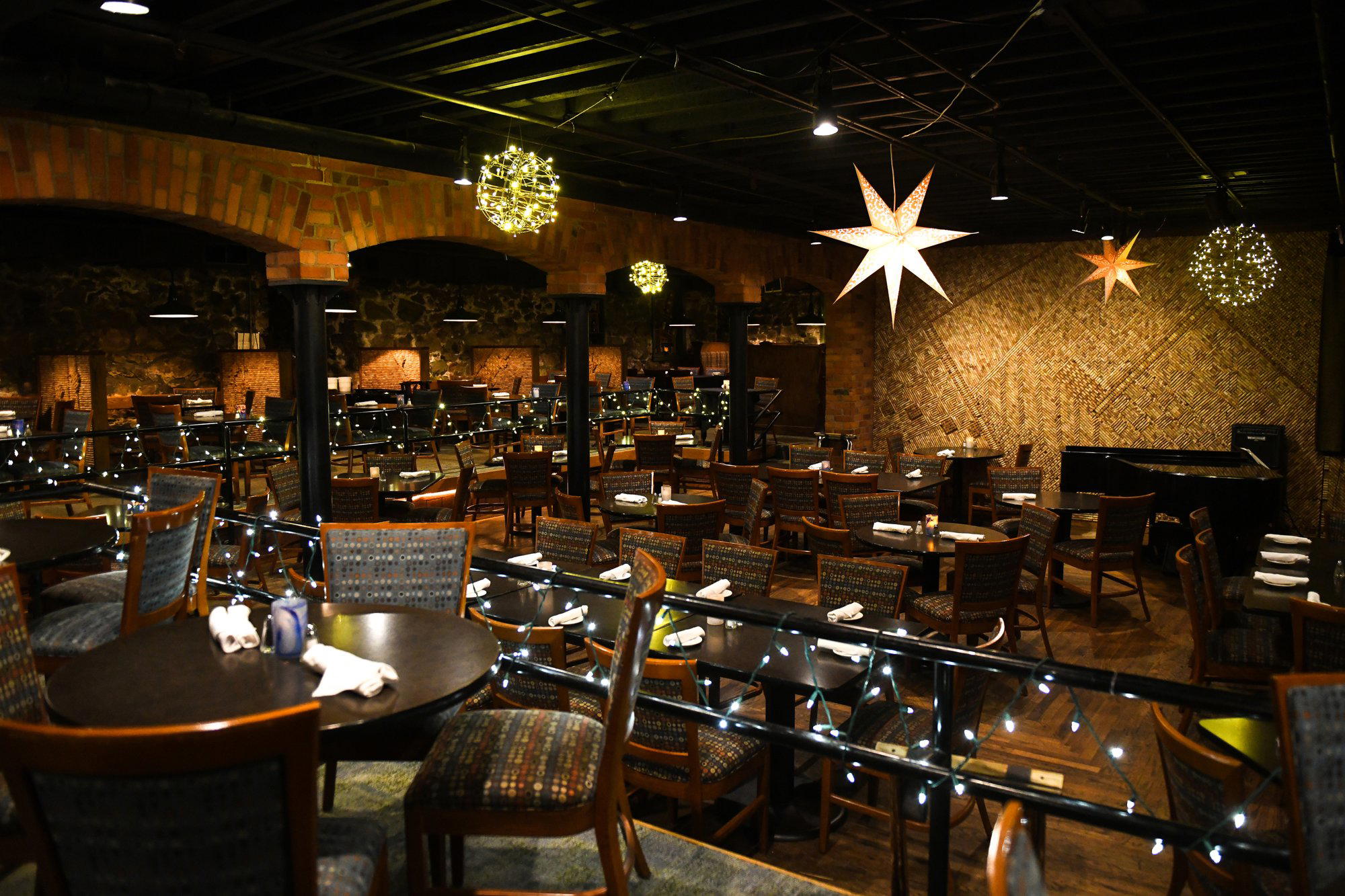
At a Glance
- Romantic
- Intimate
- Cozy
- Classic
- Elegant
- Date Night
- Special Occasion
- Live Music
- Historic Building
- Booth Seating
- Lounge Seating
- Private Rooms
- Conventional Wine
Dimly-lit, brick-lined cellar with romantic, intimate atmosphere and live jazz.