AC Marriott Hotel Ann Arbor Downtown
The AC Hotel Ann Arbor Downtown sits at 310 E Huron Street, placing guests within walking distance of the University of Michigan campus and the city's main commercial strip. The property belongs to Marriott's European-influenced AC brand, which favors clean-lined contemporary interiors over amenity excess. For travelers who want a design-forward downtown address without the operational scale of a convention hotel, it occupies a clear position in Ann Arbor's accommodation tier.
Pearl is the En Primeur Club membership app — saves, bookings, and concierge access live there. Same editors, same standards.
- Address
- 310 E Huron St, Ann Arbor, MI 48104
- Phone
- (734) 249-6200
- Website
- marriott.com
- Directions
- Get directions
 Saves & bookings on Pearl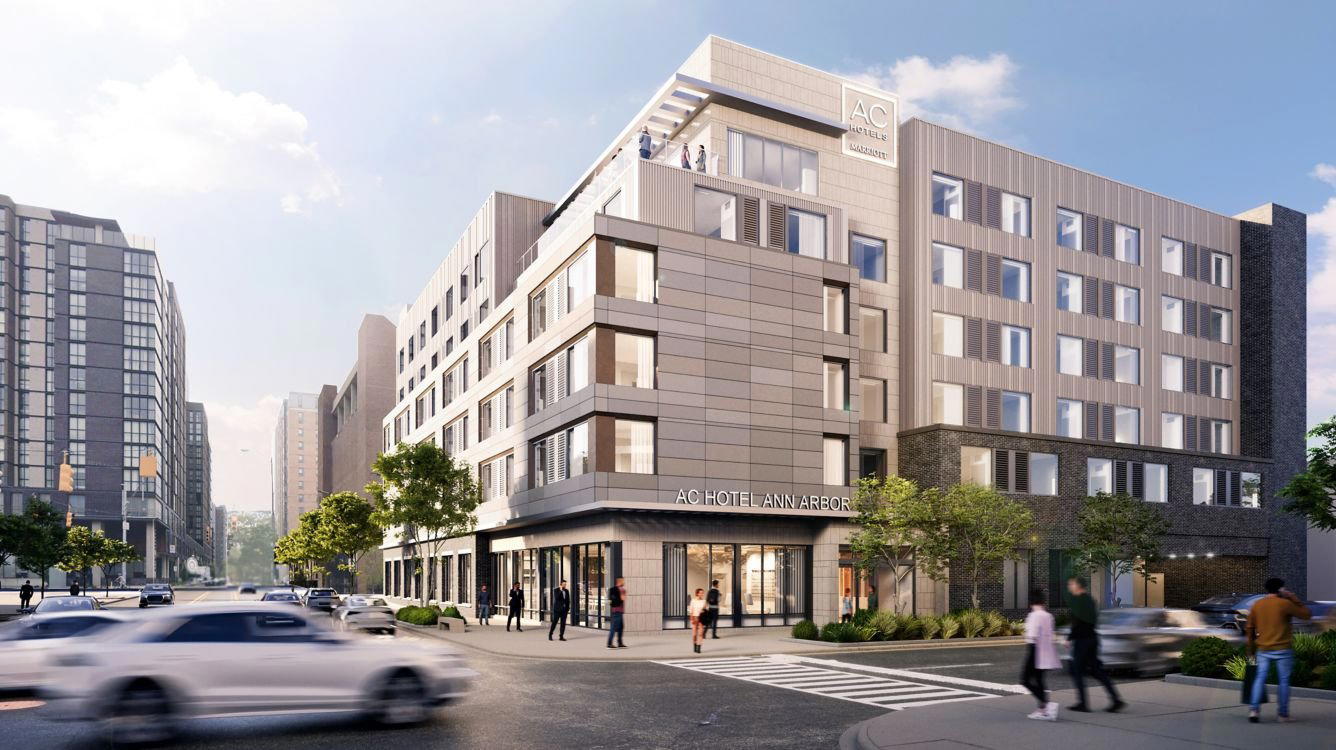
Where Downtown Ann Arbor's Architecture Meets the AC Brand's Design Logic
The University of Michigan drives most of its visitor traffic, which means the accommodation market has long skewed toward functional over considered. That has been changing at the downtown core, particularly along the Huron Street corridor, where a cluster of newer properties has pushed the design standard up from chain-standard toward something more deliberate. The AC Hotel Ann Arbor Downtown, at 310 E Huron Street, sits inside that shift. It is a property where the brand's design framework, European modernism translated into a consistent American hotel product, does more than decorate a lobby. In Ann Arbor's mid-tier, it reads as a statement of intent.
The AC Hotels brand, operating within the Marriott portfolio, was built around a specific aesthetic proposition: fewer objects, better ones. That means open-plan public spaces that prioritize sightlines over furniture density, materials that lean toward matte finishes and structural honesty, and guestrooms that edit out the decorative clutter that most mid-scale American hotels still default to. In a college town where the dominant hotel vocabulary runs from aging independent motels to generic extended-stay products, that discipline has a visible effect. For comparison, properties like Chicago Athletic Association in Chicago show how a design-led identity can anchor a hotel's competitive position in a city with a deeper hospitality market. Ann Arbor works differently, with fewer competitive layers, which makes the AC's visual consistency easier to read against its surroundings.
The Huron Street Position: Proximity as a Design Feature
Location, in hotel design thinking, is not just a logistics variable. It is part of the physical experience of a property. The AC Hotel's address on East Huron Street places it at the edge of the University of Michigan's central campus, within walking range of the Michigan Union, the main academic quad, and the State Street retail and dining corridor. For travelers arriving for Michigan athletics, academic events, or Ann Arbor's summer art fair, that position removes the need for car rental or rideshare dependency. Guests can move between the hotel and most downtown destinations on foot.
Ann Arbor's downtown core is compact enough that this walkability is a genuine operational advantage. The city's dining scene concentrates along Main Street and Liberty Street, both reachable in under ten minutes. The proximity to campus also means the street-level atmosphere changes significantly depending on the academic calendar. During football weekends, the area around the Big House draws crowds that alter the character of the entire downtown. Booking the AC during those periods requires lead time and rates the hotel commands accordingly.
For travelers used to destination resort contexts, where geography and design are inseparable, properties like Amangiri in Canyon Point or Post Ranch Inn in Big Sur demonstrate how location and architecture can merge into a single experience. The AC Hotel operates in a different register entirely: urban, dense, walkable, with design that functions as counterpoint to the city rather than extension of a landscape. That distinction matters when calibrating expectations.
The AC Design Framework in a Mid-Market Context
The AC Hotels brand launched in Spain in 1998 and was acquired by Marriott in 2011. Its design language draws from Spanish and broader European modernism, with an emphasis on curated simplicity: concrete, steel, and glass used structurally rather than decoratively, public spaces that double as social environments rather than mere circulation routes, and guestrooms organized around the idea that negative space is a feature rather than wasted square footage. That framework applies consistently across the portfolio, which means the Ann Arbor property shares a design DNA with AC Hotels in Barcelona, Madrid, and larger American urban markets.
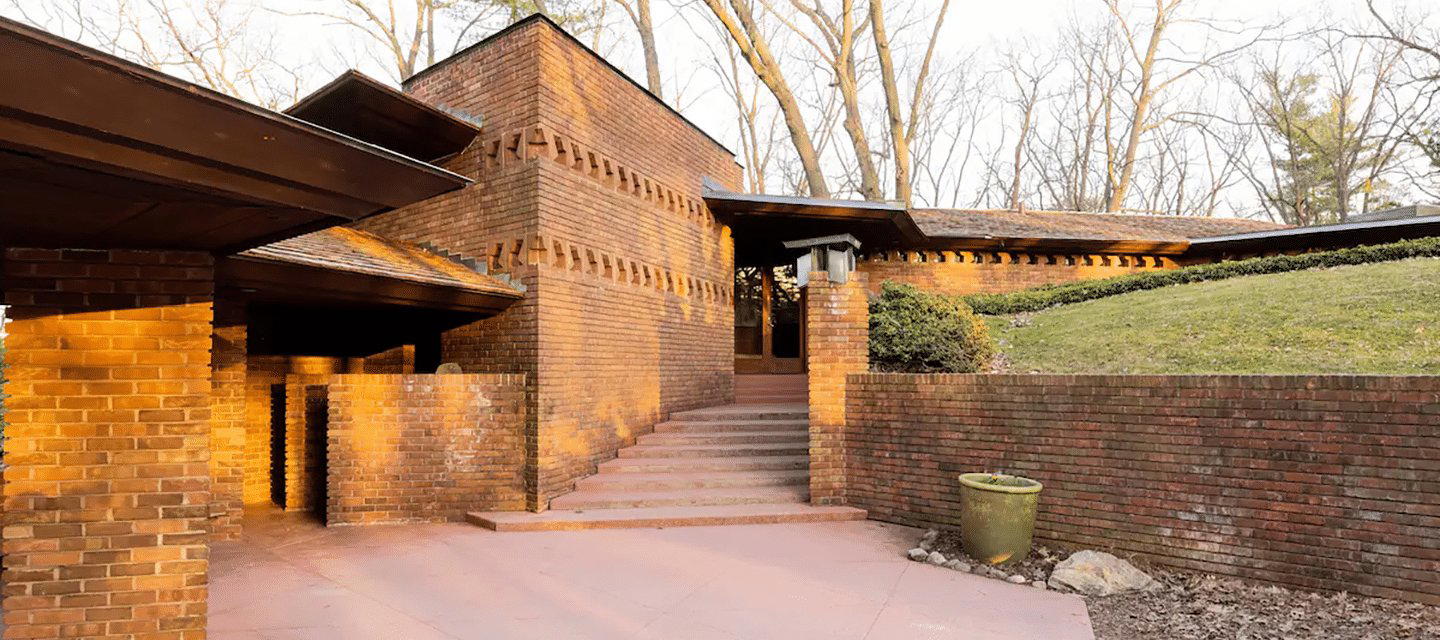
Within Ann Arbor's accommodation options, that consistency positions the property in a small peer group alongside other downtown properties that have invested in design coherence. It does not compete with the idiosyncratic architectural identity of something like the Frank Lloyd Wright Palmer House, which operates in a different category entirely, a historically documented residential landmark with a design provenance most hotels cannot replicate. The AC competes instead with travelers who want a reliable, considered environment for a one-to-three-night stay and who prefer clean modernist interiors to either nostalgic boutique styling or generic corporate hotel formats.
For that traveler profile, the brand's approach to the bar and café program is worth noting. AC Hotels consistently operate an AC Lounge concept, a ground-floor social space that functions as a lobby bar, morning café, and evening gathering point. The format prioritizes European-style aperitivo culture over American sports-bar defaults, with a curated cocktail and wine list and a food program that runs toward small plates rather than full restaurant service. This makes the ground floor a usable social space at multiple points of day, which matters in a city where evening dining options require some research to execute well.
Placing the AC in the Broader American Design Hotel Conversation
The AC Hotels brand sits in what might be called the accessible design tier of American hospitality: properties where aesthetic coherence is a clear priority but where price and scale remain accessible to a business or weekend traveler rather than a luxury leisure guest. Properties at the luxury design end, such as Aman New York, The Fifth Avenue Hotel in New York City, or Hotel Bel-Air in Los Angeles, operate with bespoke design programs, dedicated curatorial teams, and service ratios that place them in an entirely different category. The AC's value is consistency and predictability within its design register, not singularity.
That is a reasonable proposition for Ann Arbor, where visitor demand is event-driven and where the expectation set for most arriving guests centers on proximity and comfort rather than transcendent hospitality. The city draws well-traveled guests through the university and its affiliated medical system, which means the AC's design literacy reads legibly to an audience that has stayed at comparable properties in other markets. Travelers arriving from Chicago, Detroit, or New York will recognize the format and understand its conventions immediately.
The AC does not aspire to that tier; it succeeds on different terms.
Planning Your Stay
The property sits at 310 E Huron Street, walkable to campus and the main commercial streets. Demand peaks around Michigan home football games and University commencement weekends in May, when both rates and booking lead times increase substantially. Travelers with flexibility should consider mid-week arrivals or off-football-season timing to access standard pricing. The AC Lounge concept typically operates morning through late evening and serves as a functional alternative to the full restaurant dinner if the priority is a low-friction evening.
Comparison Snapshot
Comparable venues nearby, for context on price, style, and recognition.
| Venue | Cuisine | Price | Awards | Notes |
|---|---|---|---|---|
| AC Marriott Hotel Ann Arbor DowntownThis venue — the venue you are viewing | Contemporary European-inspired design with Midwest sensibility, blending refined aesthetics with creative energy and local craftsmanship. | $$$ | 3-Star | Not listed |
| Weber's Boutique Hotel | full-service family-owned boutique hotel blending tradition with modern comfort | $$$ | 4-Star | Lakewood |
| Graduate by Hilton Ann Arbor | College-town boutique hotel celebrating local university heritage and traditions with contemporary comfort. | $$$ | 4-Star | Old Fourth Ward |
| Frank Lloyd Wright Palmer House | Late-period Frank Lloyd Wright Usonian residence exemplifying organic architecture principles with bold geometric design and seamless integration with natural landscape. | $$$ | 5-Star | Orchard Hills |
| The Siren Hotel | Boutique hotel in a historic landmark building blending vintage opulence with modern design. | $$$ | 4-Star | Downtown |
| ROOST Detroit | High-design extended-stay aparthotel concept bridging boutique hotel sophistication with residential apartment practicality. | $$$ | 4-Star | Downtown Detroit |
Continue exploring
More in Ann Arbor
Hotels in Ann Arbor
Browse all →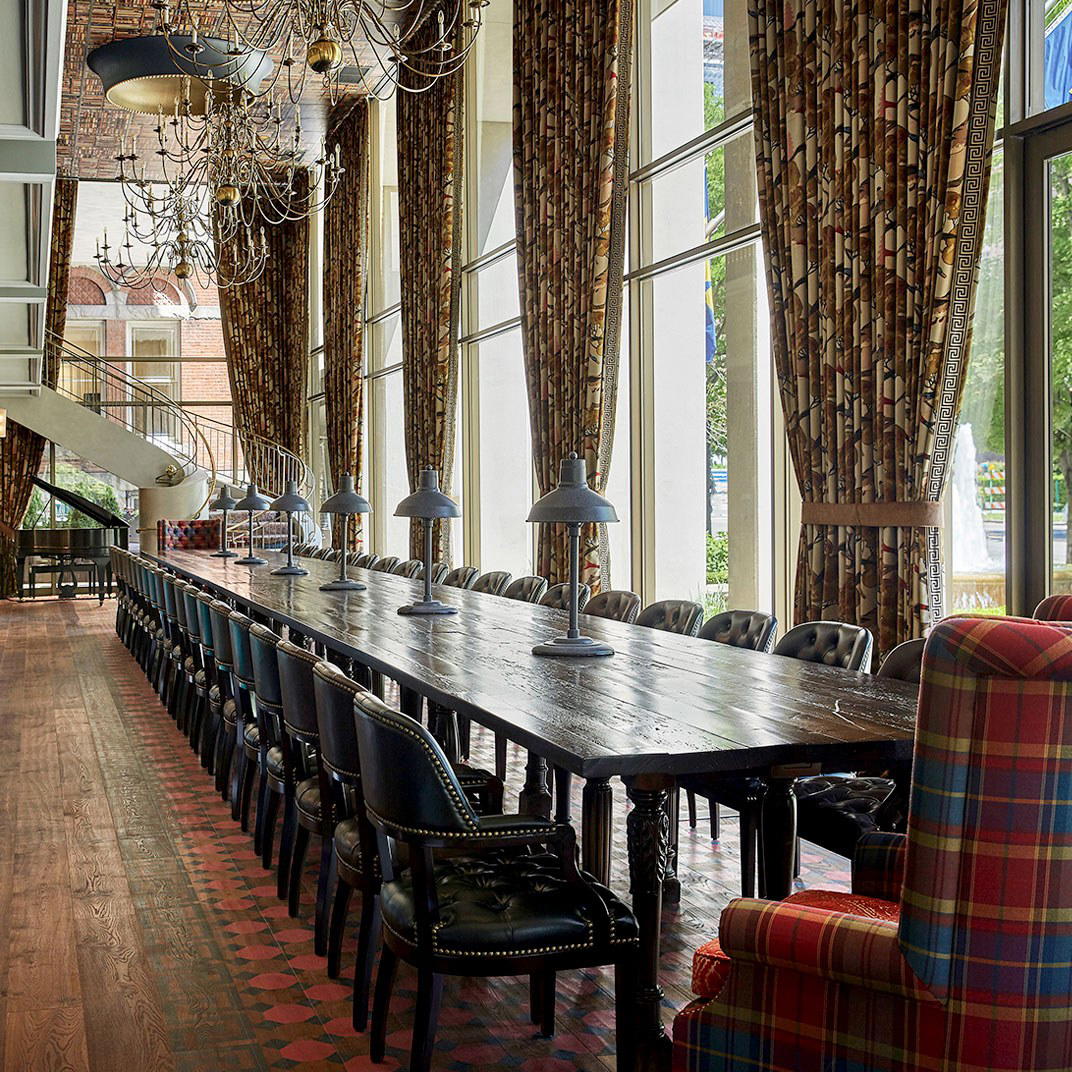
Bars in Ann Arbor
Browse all →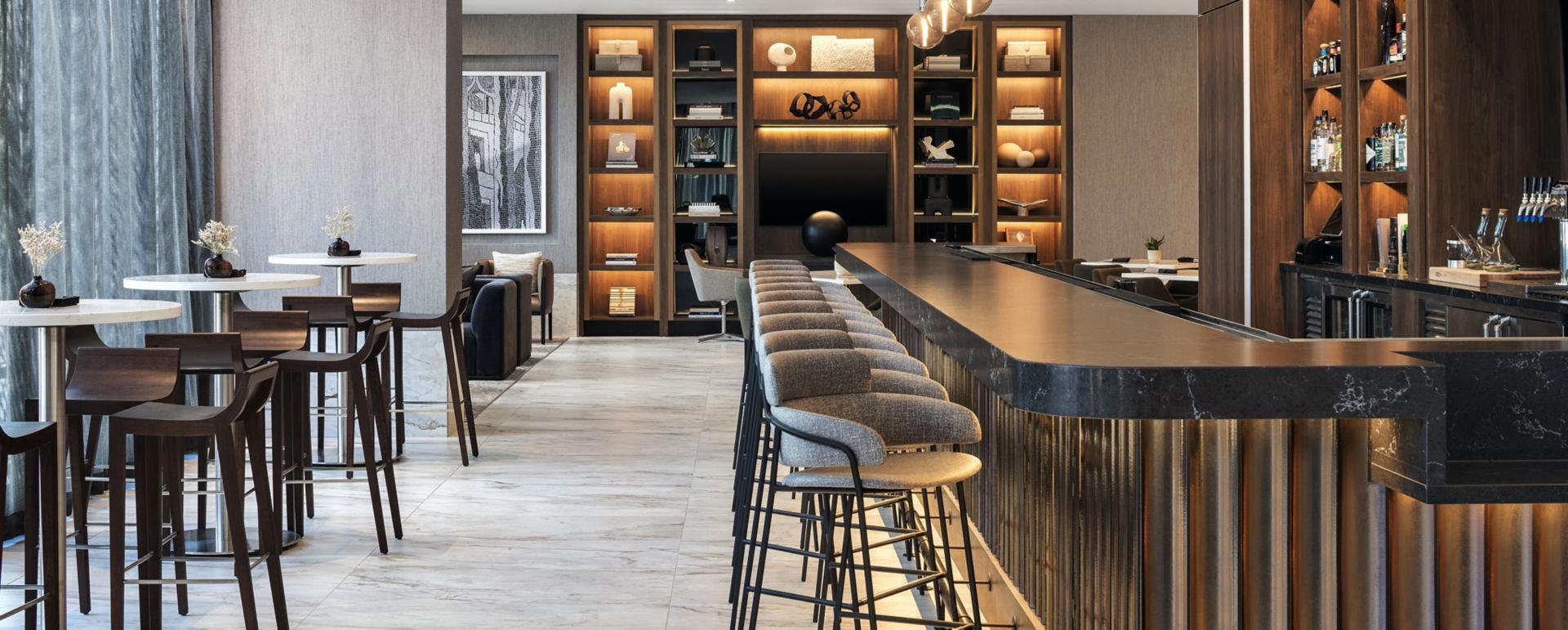

Restaurants in Ann Arbor
Browse all →

At a Glance
- Modern
- Sophisticated
- Elegant
- Industrial
- Business Trip
- Weekend Escape
- Design Destination
- Panoramic View
- Terrace
- Wi Fi
- Fitness Center
- Restaurant
- Bar
- Business Center
- Valet Parking
- EV Charging
- Skyline
- Street Scene
- Wi Fi
- Fitness Center
- Restaurant
- Bar
- Business Center
- Valet Parking
- EV Charging
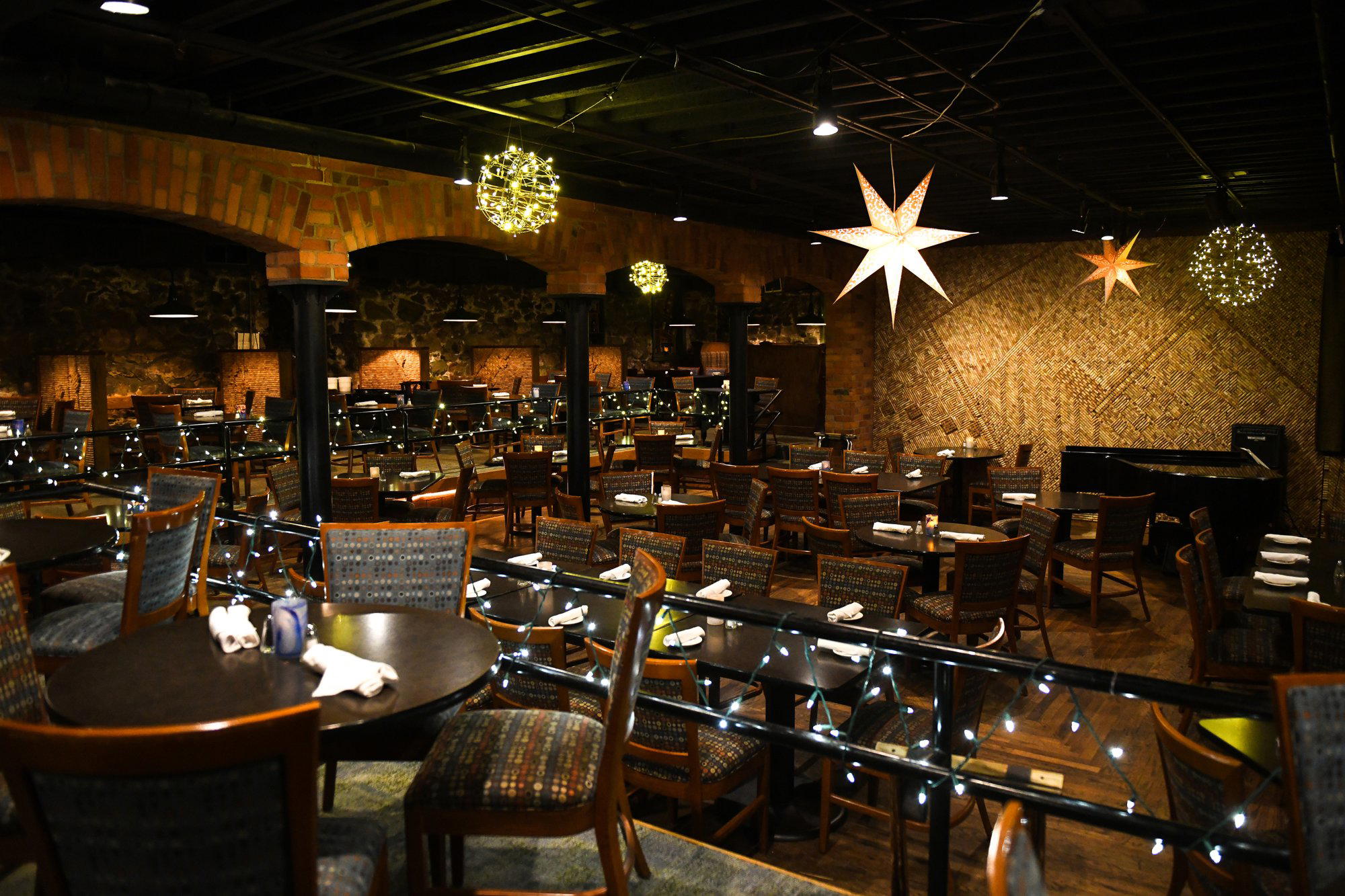
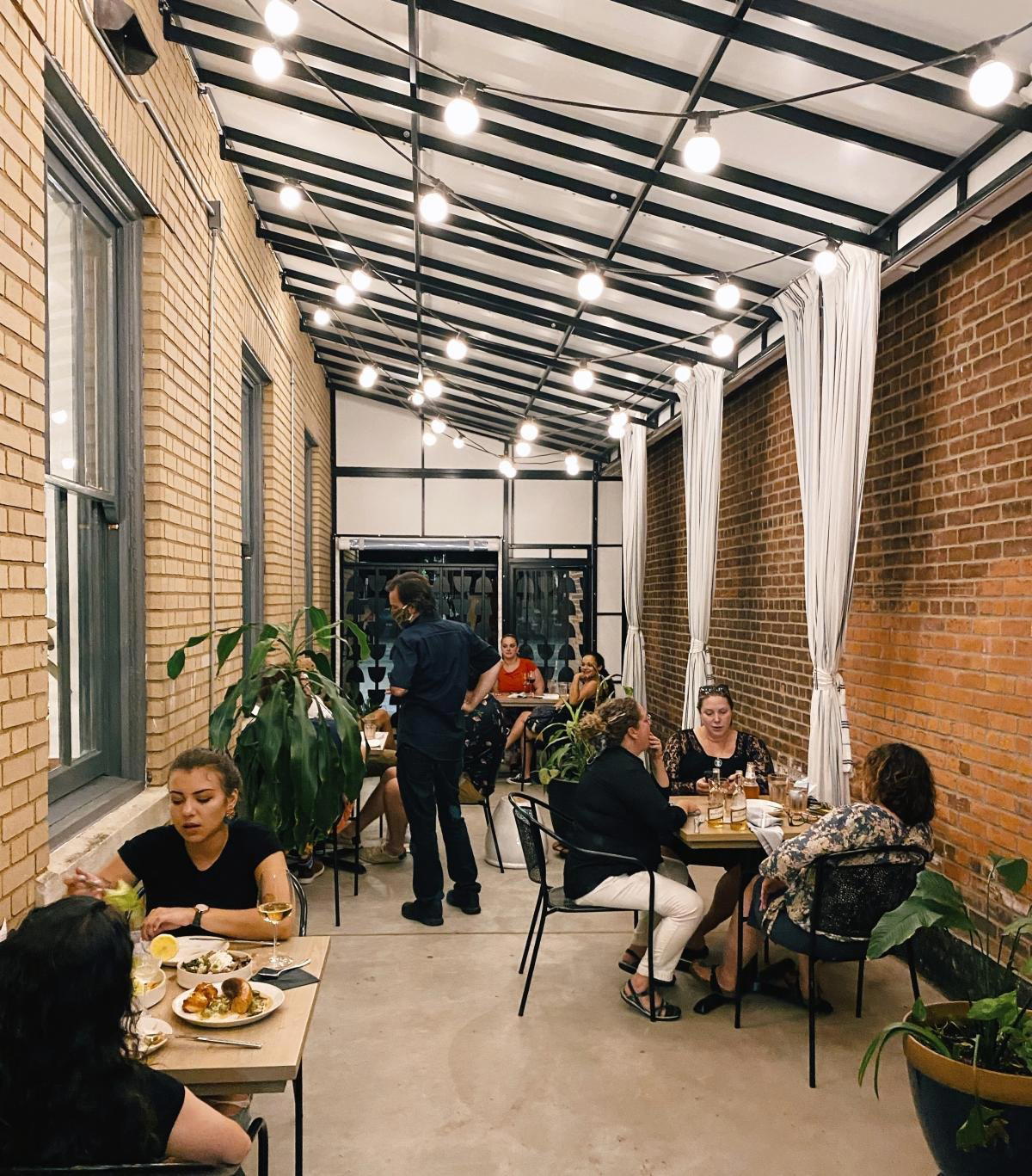
Light-filled spaces with modern industrial design blending metal, glass, and wood; contemporary European-inspired aesthetic with locally-sourced artwork and natural textures creating a refined yet approachable atmosphere.