Bellflower
Bellflower operates on Pearl Street in Ypsilanti, Michigan, a city that has quietly developed one of the Midwest's more interesting independent dining scenes. The address alone signals intent: a second-floor suite in a working commercial block, not a high-street showcase. What the kitchen prioritizes, how it sources, and why Ypsilanti is the right place to pay attention are the questions worth asking here.
Pearl is the En Primeur Club membership app — saves, bookings, and concierge access live there. Same editors, same standards.
- Address
- 209 Pearl St # 202, Ypsilanti, MI 48197
- Website
- bellflowerypsi.com
- Directions
- Get directions
 Saves & bookings on Pearl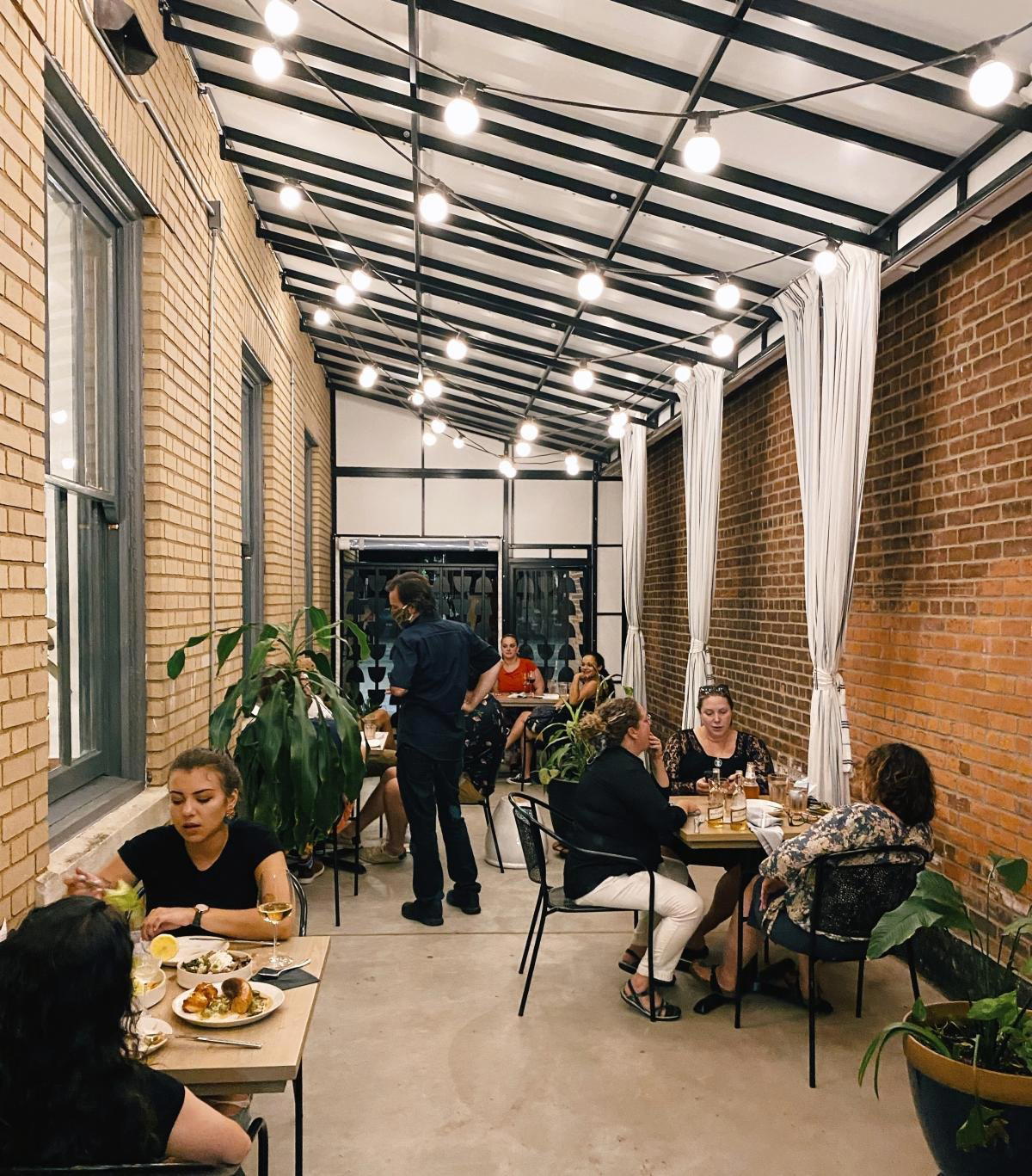
Pearl Street, Second Floor: What Ypsilanti's Dining Scene Is Doing Differently
Ypsilanti doesn't announce itself the way Ann Arbor, twelve minutes west, tends to. The Eastern Michigan University city has a working-class texture that its neighbour lost some time ago, and that texture has become quietly generative for a specific kind of independent restaurant: one that doesn't need a glossy corridor to justify a serious kitchen. Bellflower, a restaurant at 209 Pearl St # 202 in Ypsilanti, fits that pattern. The approach through a commercial building rather than a ground-level dining room is not incidental, it filters for guests who came deliberately, not those who wandered in off a tourist strip.
The broader American dining conversation about ingredient sourcing has been running for two decades, but the version that matters most is rarely found at the marquee addresses. Operations like Blue Hill at Stone Barns in Tarrytown or Single Thread Farm in Healdsburg built sourcing into their founding architecture with considerable capital and PR infrastructure behind them. The more instructive question is what happens when kitchens in mid-sized Midwestern cities commit to the same principle without the surrounding apparatus. Ypsilanti, within reach of southeastern Michigan's agricultural belt, is a plausible home for that experiment.
The Sourcing Argument in a Mid-Sized Midwest City
Michigan's food geography is often underestimated by those outside it. The state produces tart cherries, asparagus, dry beans, blueberries, and a range of field vegetables at commercial scale, and its smaller farms, particularly those operating around Washtenaw County, have expanded their relationships with independent restaurants over the past decade. That proximity matters when a kitchen is trying to build menus around what is actually available and in season rather than what a national distributor can supply year-round.
Sourcing-led restaurants live and die by two things: the reliability of their supply relationships and the kitchen's willingness to adapt when supply changes. The latter is the harder discipline. Tasting-menu formats at places like Smyth in Chicago or Lazy Bear in San Francisco have built reputations partly on that adaptive quality, the menu shifts not because marketing demanded novelty, but because the farm did. A smaller city like Ypsilanti can sustain that model precisely because land costs and rent structures don't force the kitchen to serve at volume, which would undermine supply flexibility.
But the location itself, Pearl Street, Ypsilanti, second floor, suggests an operation that has chosen its address on terms other than foot traffic. That is itself a sourcing decision of a kind: sourcing the right customer over the convenient one.
Ypsilanti in the Midwest Independent Dining Context
Across the Midwest, the more interesting independent dining has increasingly migrated away from the central districts of major cities and toward secondary cities and inner-ring suburbs where rents allow for genuine experimentation. The Wolf's Tailor in Denver and Frasca Food and Wine in Boulder both built serious reputations outside a upper-tier city context, demonstrating that critical recognition follows ambition rather than geography. The same logic applies to Ypsilanti, which has a lower cost of entry than Ann Arbor and a dining public increasingly willing to cross the city boundary for the right room.
For comparison, operations anchored to sourcing in more prominent markets, Oyster Oyster in Washington, D.C., or Bacchanalia in Atlanta, have shown that ingredient-forward restaurants can hold their position in competitive urban dining scenes by doubling down on the provenance argument rather than competing on price or format novelty. Ypsilanti offers a different version of the same calculus: lower competition, tighter community ties to producers, and a guest base that tends to research before booking.
How to Approach a Visit
Bellflower is recommended for reservations and open Tuesday through Thursday 11 AM to 3 PM and 5 to 9 PM, Friday and Saturday 11 AM to 3 PM and 5 to 10 PM, and Sunday 10:30 AM to 2:30 PM; it is closed Monday. For a second-floor address in a smaller city, walk-in availability on weeknights may be different from what a comparable venue in Chicago or New York would offer, but that is an assumption worth verifying rather than relying on. Guests travelling from Ann Arbor or Detroit should treat the visit as a deliberate destination call, not an add-on.
For those using sourcing-led restaurants as a benchmark across the country, the comparison set ranges from the agricultural integration at The French Laundry in Napa and Addison in San Diego to more regionally specific programs at ITAMAE in Miami and Providence in Los Angeles. Ypsilanti does not compete in that bracket by price or by scale, but the underlying editorial question, where does the food come from, and does the kitchen know?, is the same one those kitchens are answering.
Internationally, the sourcing-led format also appears in mountain contexts: Atelier Moessmer Norbert Niederkofler in Brunico operates on an Alpine sourcing doctrine that treats the region's ecology as both larder and limit. Ypsilanti works with different constraints, a continental agricultural belt rather than an alpine one, but the underlying argument, that place should determine plate, is the same.
How It Stacks Up
Comparable venues nearby, for context on price, style, and recognition.
| Venue | Cuisine | Price | Notes |
|---|---|---|---|
| BellflowerThis venue — the venue you are viewing | Midwestern Comfort & Southern Coastal | $$$ | Not listed |
| Macheko | Bar | $$ | Ypsilanti |
| Spencer | Seasonal American Fine Dining | $$$ | Downtown Ann Arbor |
| Mabel Gray | Modern American Seasonal | $$$ | Hazel Park |
| The Stage Deli | Jewish New York-Style Deli | $$ | West Bloomfield Township |
| Omelette & Waffle Cafe | American Breakfast & Brunch | $$ | Plymouth |
Continue exploring
More in Ypsilanti
Restaurants in Ypsilanti
Browse all →

Bars in Ypsilanti
Browse all →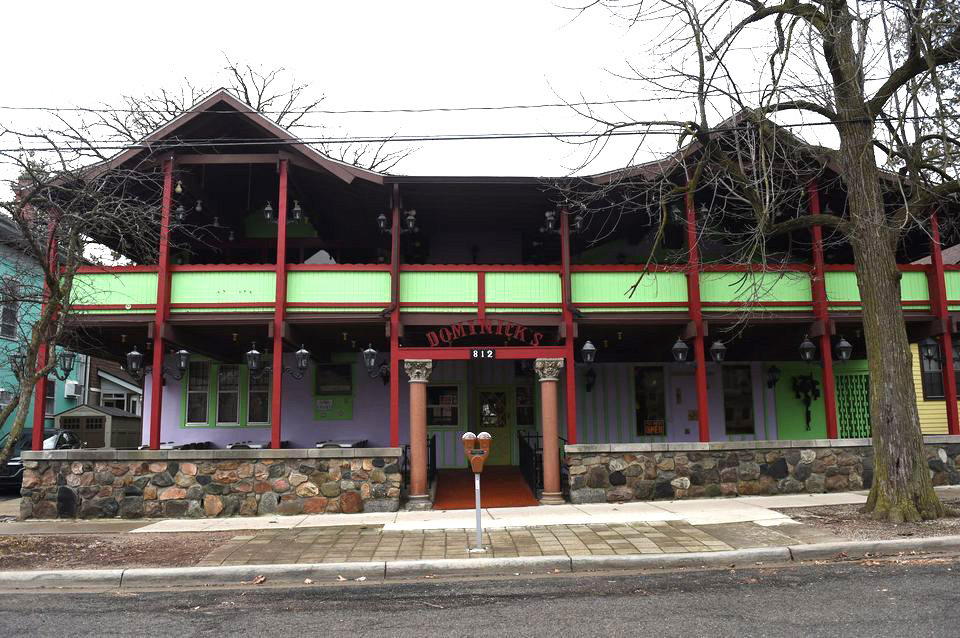
At a Glance
- Elegant
- Modern
- Cozy
- Sophisticated
- Date Night
- Group Dining
- Special Occasion
- Brunch
- Casual Hangout
- Open Kitchen
- Garden
- Historic Building
- Standalone
- Craft Cocktails
- Beer Program
- Farm To Table
- Local Sourcing
Current opening hours
- Monday
- Closed
- Tuesday
- 11 AM–3 PM, 5–9 PM
- Wednesday
- 11 AM–3 PM, 5–9 PM
- Thursday
- 11 AM–3 PM, 5–9 PM
- Friday
- 11 AM–3 PM, 5–10 PM
- Saturday
- 11 AM–3 PM, 5–10 PM
- Sunday
- 10:30 AM–2:30 PM
Hours can change for holidays and private events. Last verified .
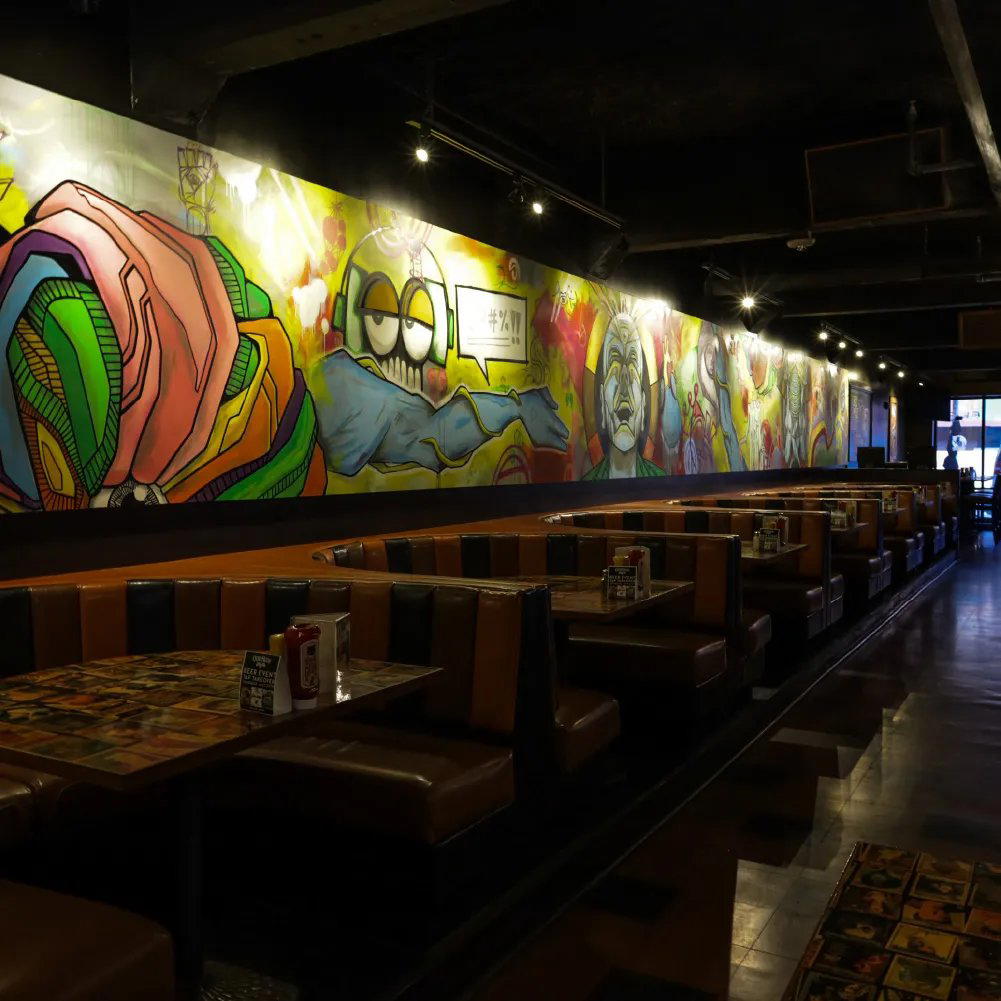
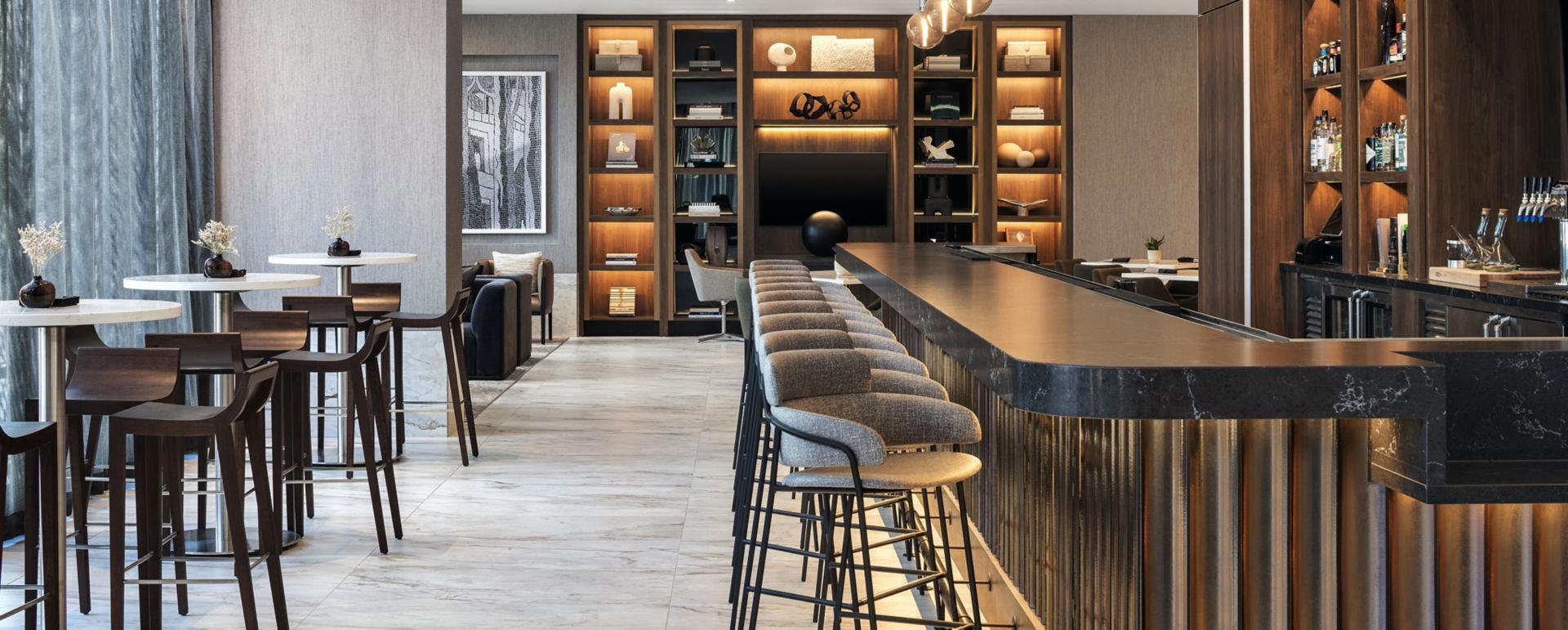
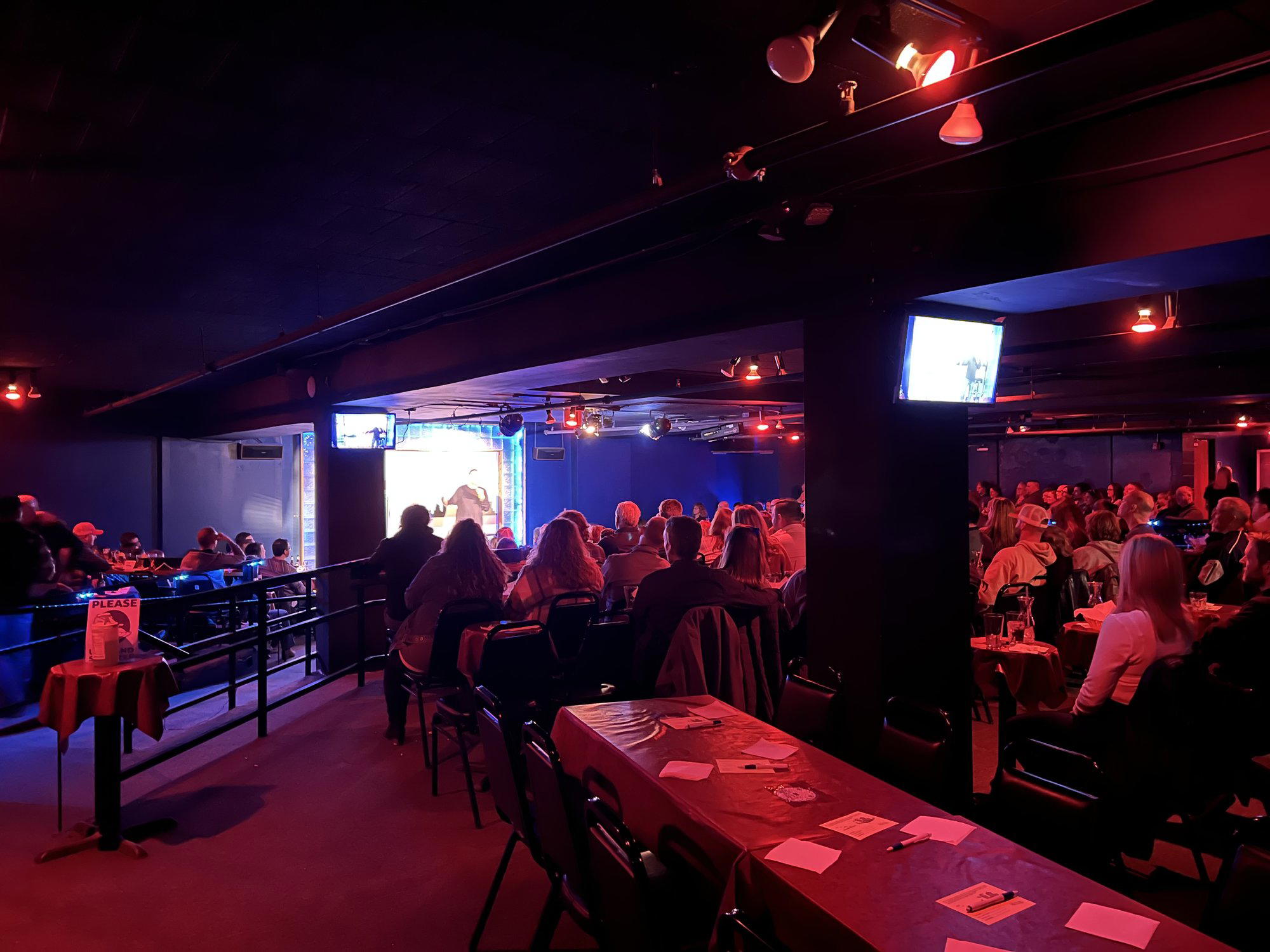
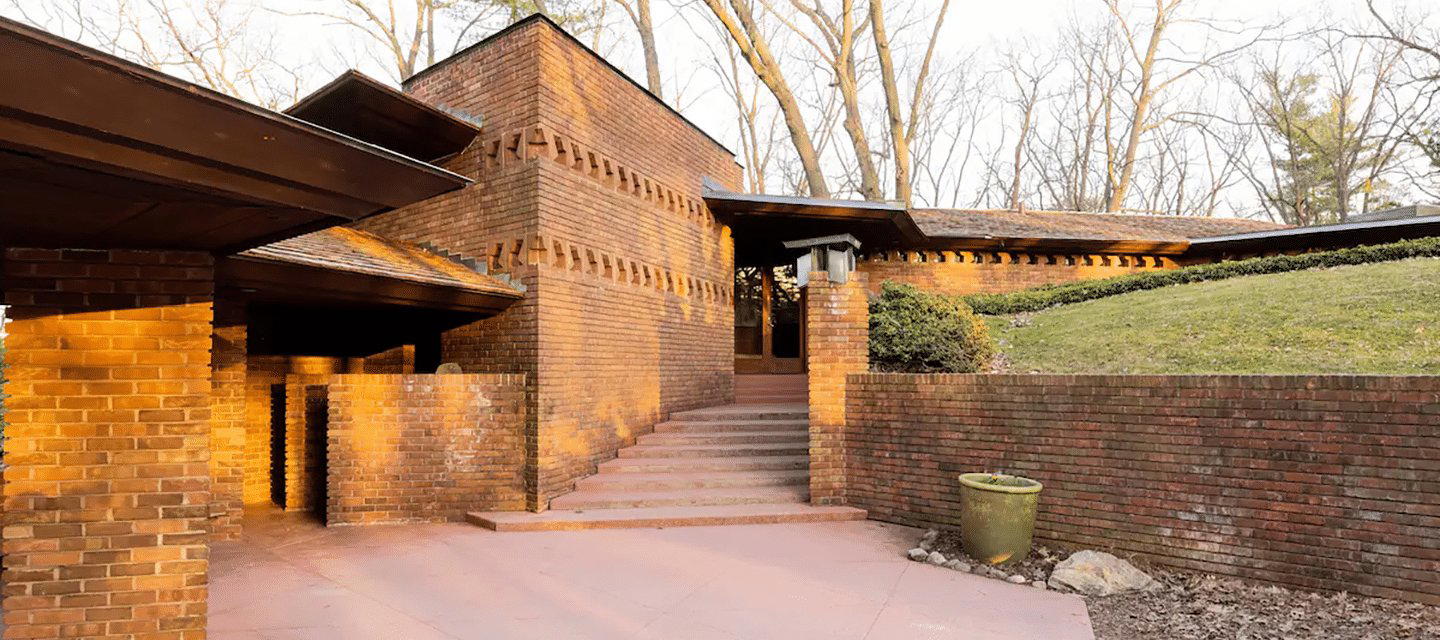
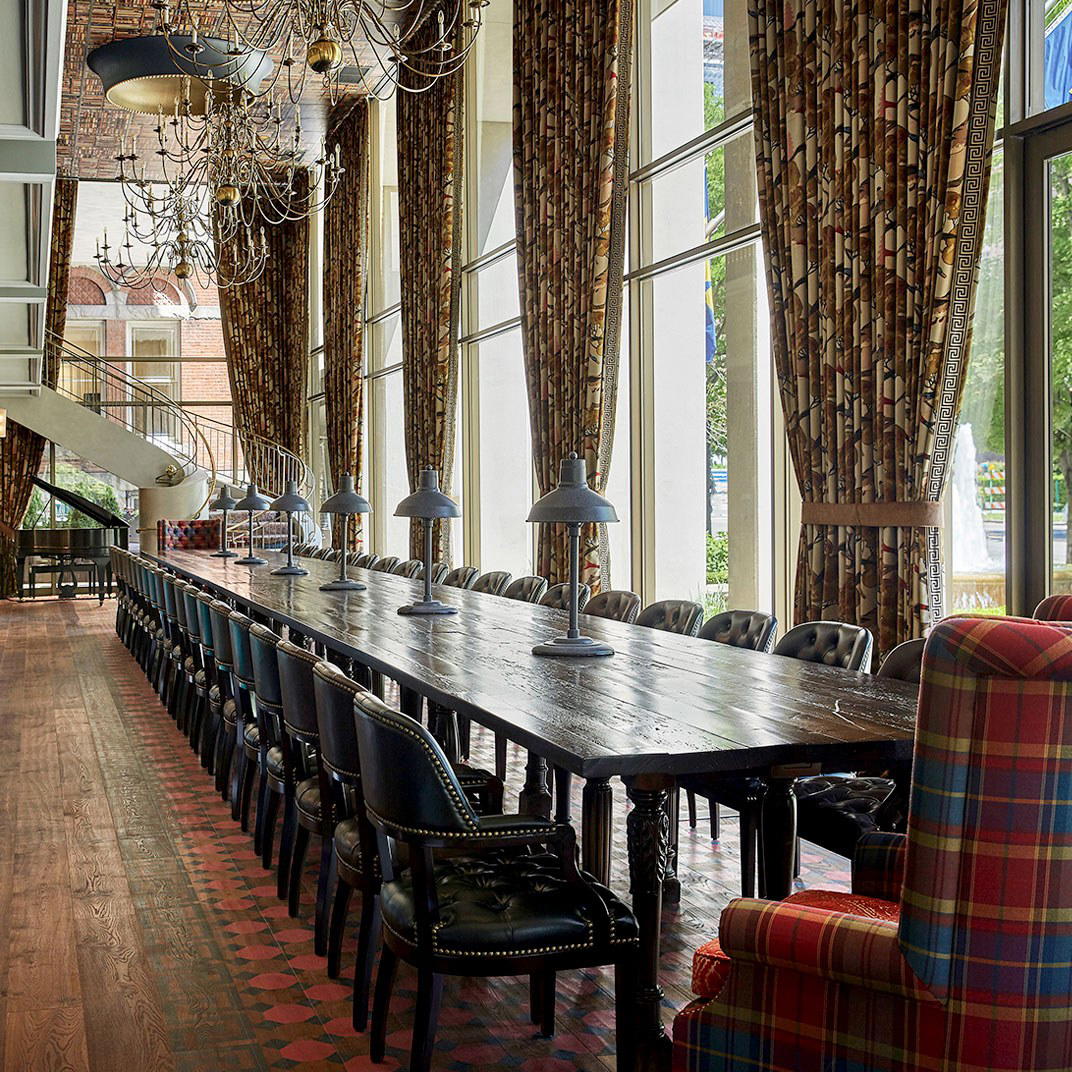
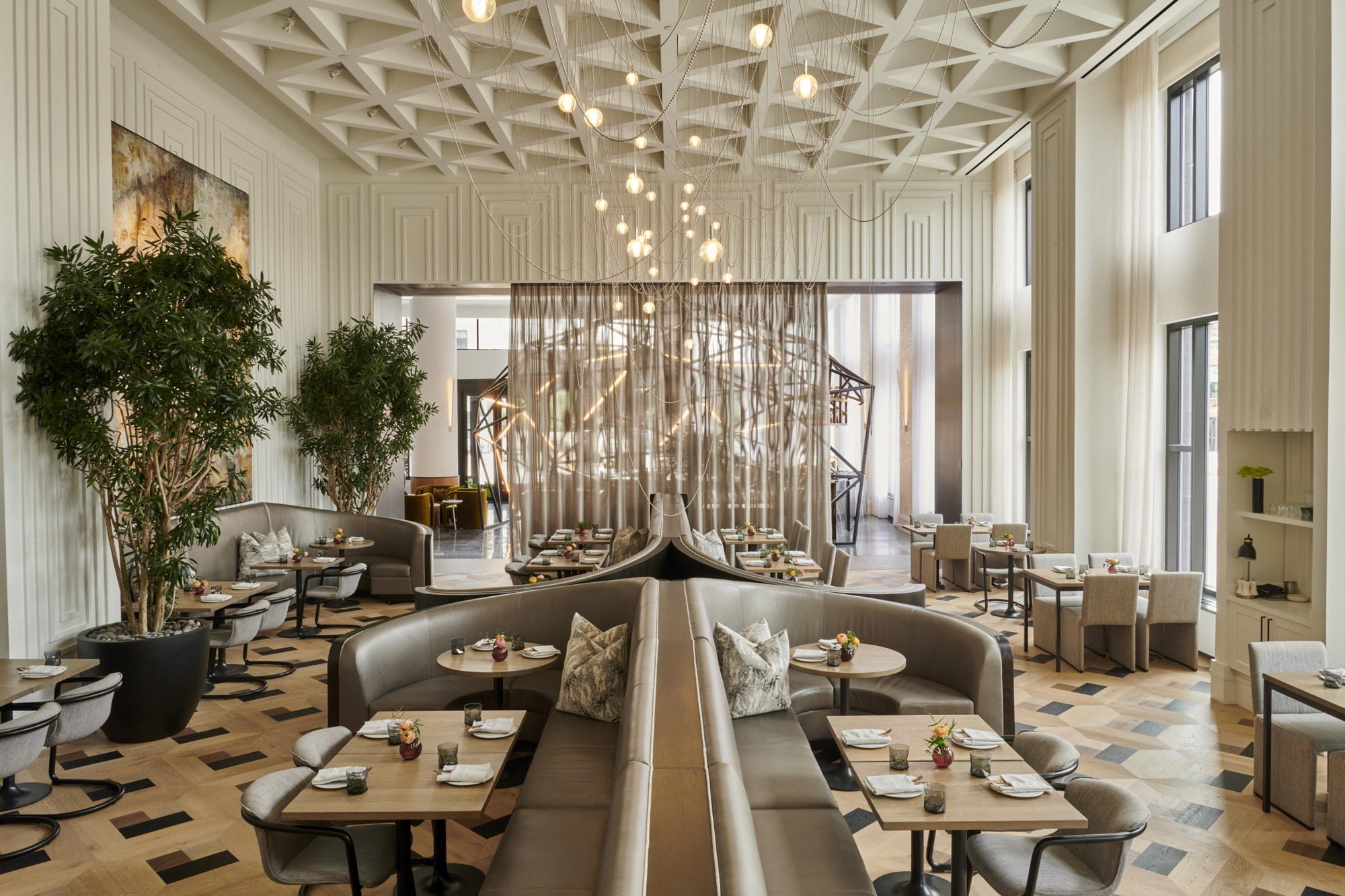
Warm and friendly with bright, modern dining room; casual yet elegant atmosphere with covered garden patio and open-air outdoor spaces.